
News
IPOB staged video in attempts to frame herders, incite genocide narrative

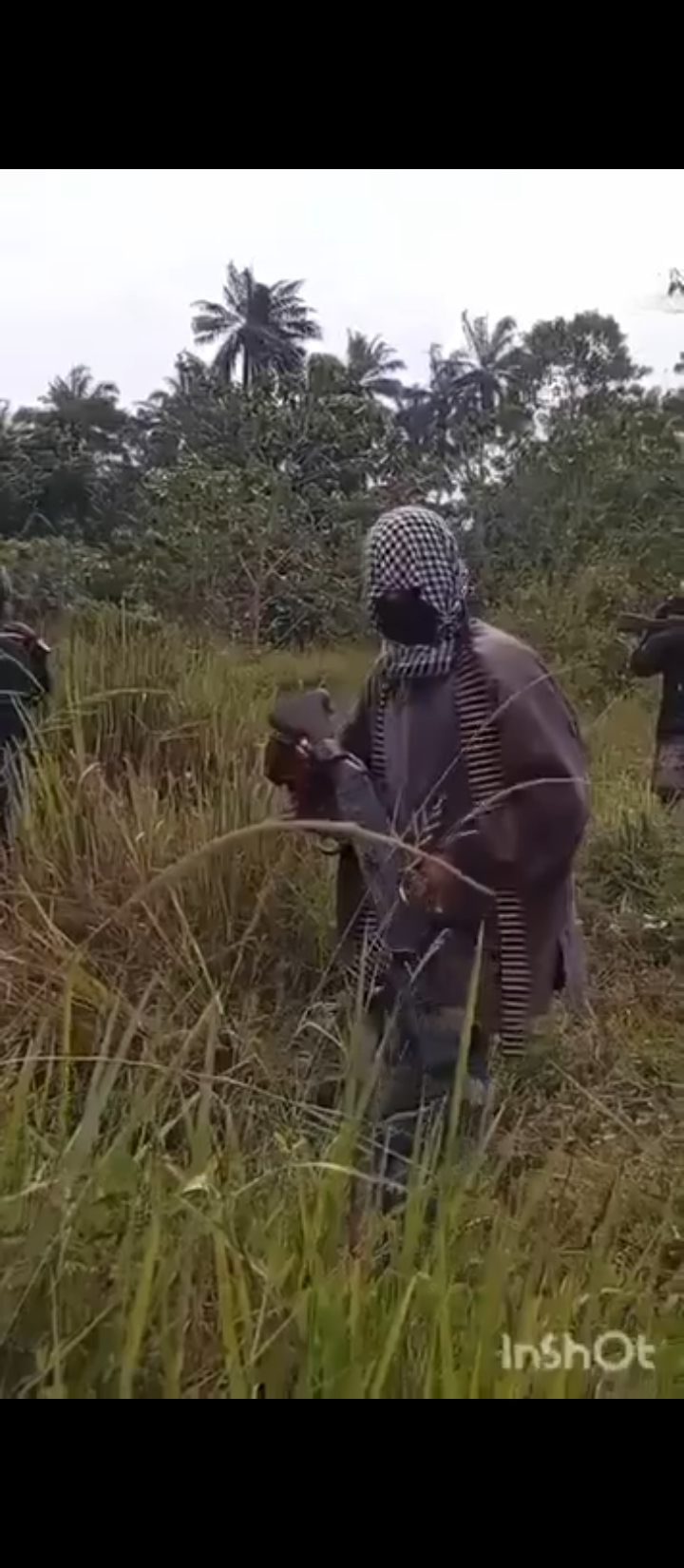
IPOB staged video in attempts to frame herders, incite genocide narrative
By: Zagazola Makama
A controversial video circulating on social media has triggered outrage over a “staged attempt to weaponise disinformation, incite ethnic tension and portraying peaceful herder communities as Boko Haram extremists in Nigeria’s South East
The video, which purportedly shows “Boko Haram with arms” issuing threats in Hausa, has been dismissed by multiple security sources, community leaders and conflict monitors as inauthentic and deliberately crafted to mislead the public and international community.
The individuals in the clip neither speak with the accent typical of Boko Haram or ISWAP fighters, nor display the mode of presentation associated with jihadist groups in the North East.
Instead, the attackers’ heavily disguised faces, awkward staging, and inconsistent speech patterns strongly suggest that the recording may have been produced by elements of the proscribed Indigenous People of Biafra (IPOB), allegedly attempting to portray themselves as Fulani or northern extremists.
The objective of such fabrications is twofold: to demonise peaceful pastoralist communities in the South East, and to build false evidence for international audiences by claiming that “genocide” is being committed against Igbo people by Muslim groups despite a lack of credible evidence supporting such claims.
A senior security analyst who has monitored separatist activities in the region described the video as “another poorly staged propaganda material designed to mislead Nigerians and deepen ethnic suspicion.”
According to him, Boko Haram and ISWAP cells have never produced videos with their faces tightly covered in the manner seen in the clip, nor do they speak with the accent heard.
“The mannerisms, language delivery and the entire setup clearly do not align with Boko Haram or ISWAP’s media signatures,” he said. “These are not Fulani herders, nor northern extremists Boko Haram. This was engineered for propaganda purposes.”
Sources in the South East also note that violent attacks in the region over recent years burning of police stations, targeted killings, extortion, enforcement of illegal sit-at-home orders have largely been carried out by IPOB’s armed wing, the Eastern Security Network (ESN). Yet some of these incidents have been blamed on Fulani communities to sustain a dangerous narrative of ethnic persecution.
Such deceptive tactics risk escalating tensions between ethnic groups and misleading international observers into misunderstanding Nigeria’s complex security landscape.
“This is how dangerous precedents are set,” a northern pastoralist leader said. “We have suffered enough from false accusations. Videos like this are used to justify hatred, violence and calls for international intervention based on propaganda.”
Misinformation especially videos staged to impersonate other groups has become a growing tactic among violent non-state actors seeking sympathy, legitimacy or international attention.
As investigations continue, authorities urge the public to verify information before sharing, noting that propaganda remains one of the most potent weapons used by extremist groups to inflame divisions.
IPOB staged video in attempts to frame herders, incite genocide narrative


Troops detect, detonate IED along Ngoshe–Pulka road in Borno
By: Zagazola Makama
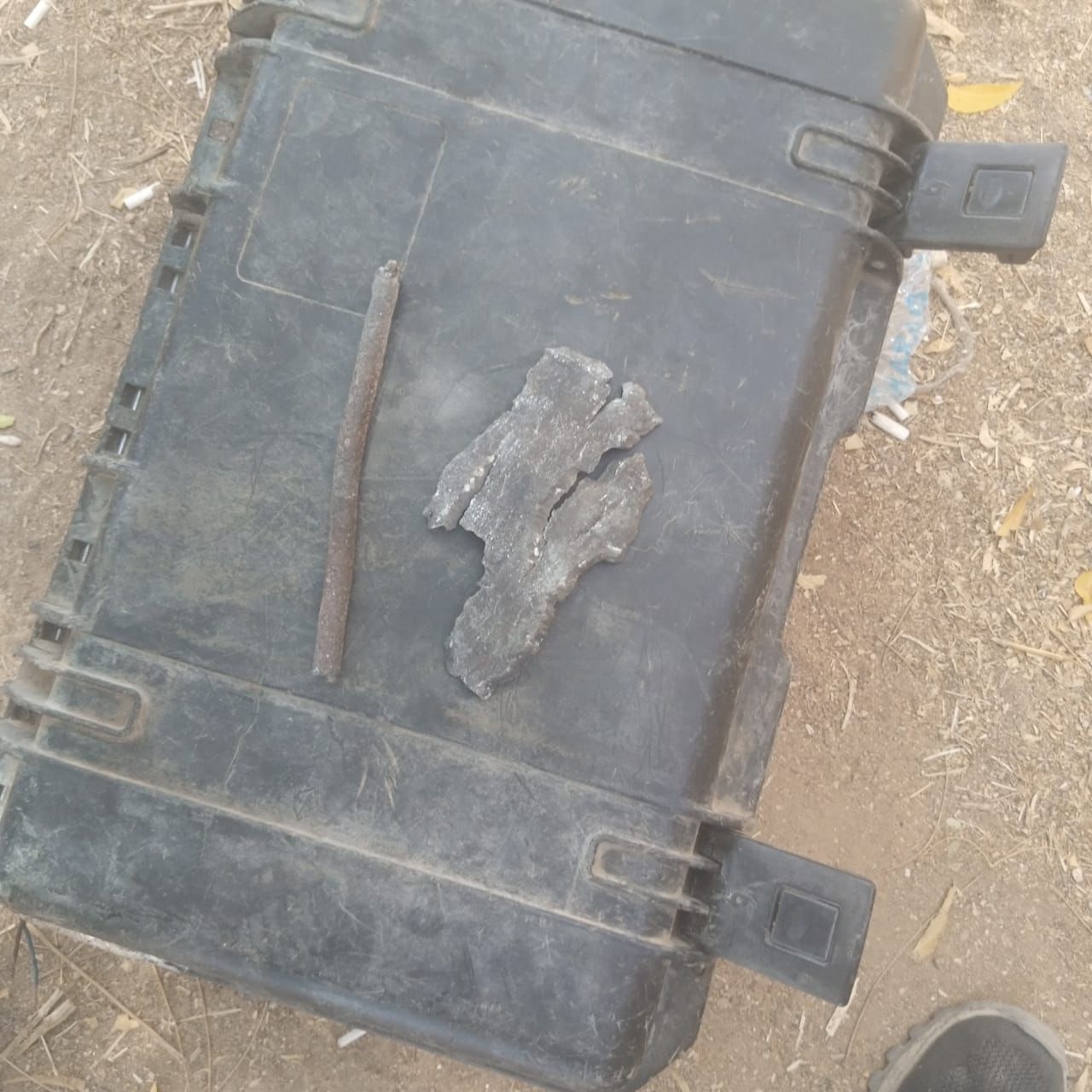
Troops of the Explosive Ordnance Disposal (EOD) team of 82 Division Task Force Battalion have successfully detected and detonated an improvised explosive device (IED) along a major supply route in Gwoza LGA of Borno State.
Security sources said the device was discovered at about 9:42 a.m. on March 22 during a routine scan of the Main Supply Route (MSR) between PAPA 4 and PAPA 5 along the Ngoshe–Pulka road.
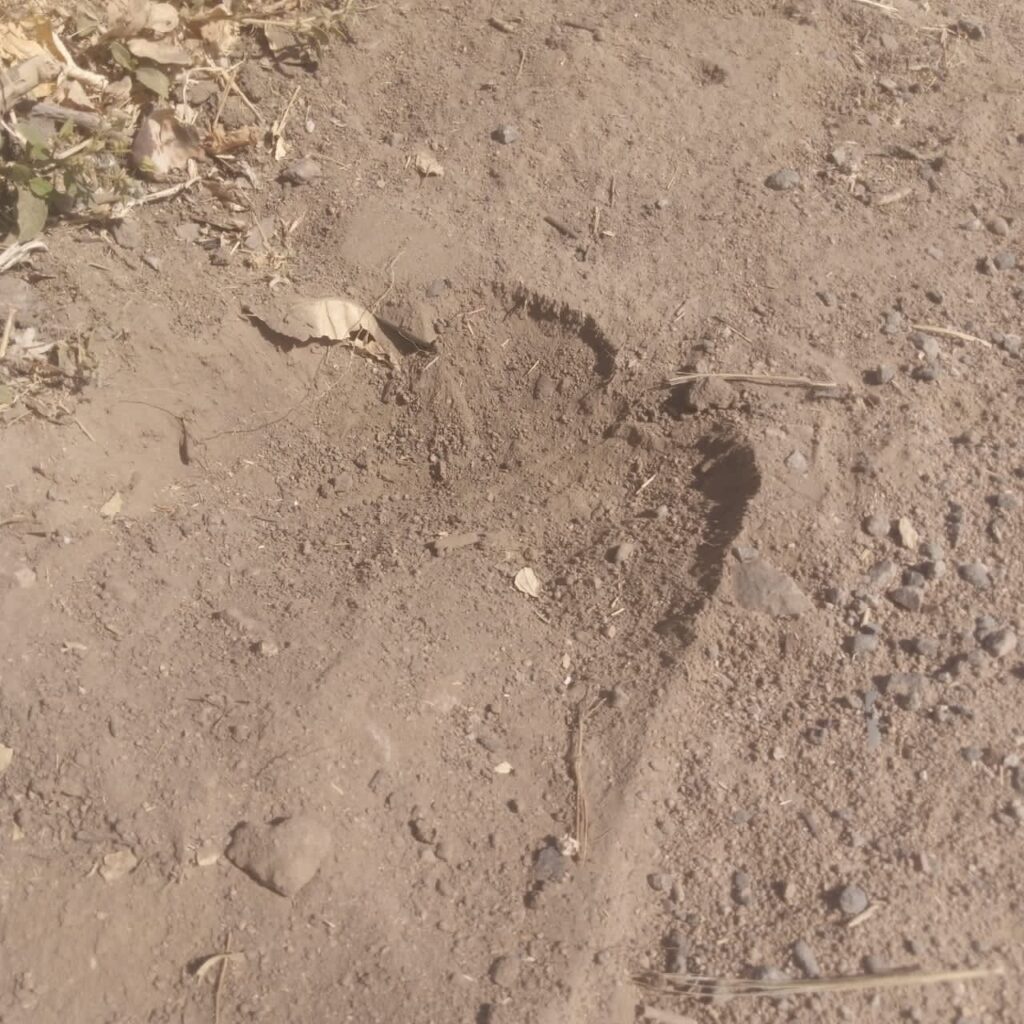
The IED, suspected to have been planted by terrorists to target troops and commuters, was safely recovered and detonated in situ by the EOD team without causing any casualties.
Military sources said the operation was part of ongoing counter-IED measures aimed at ensuring the safety of movement along critical routes in the North-East.
Residents and road users have been urged to remain vigilant and report any suspicious objects or activities to security agencies for prompt action.
Troops detect, detonate IED along Ngoshe–Pulka road in Borno
News
ISWAP cleric threatens attack on Malam Fatori, after humiliating defeat, troops urged to remain alert
ISWAP cleric threatens attack on Malam Fatori, after humiliating defeat, troops urged to remain alert
By: Zagazola Makama
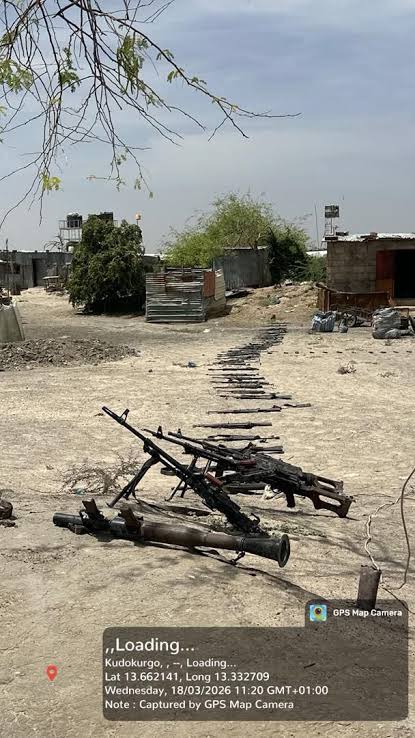
A suspected ISWAP cleric has issued threats of a possible attack on Malam Fatori following the recent neutralization of 75 terrorists in a failed attack on March 18 2026.
According to intelligence sources, the cleric, who reportedly led this year Eid Fitr prayers in a location near Sabon Tumbu, warned during his sermon that the group would soon retaliate against Nigerian troops for operations carried out in Malam Fatori.
The source said the cleric specifically threatened that the town could be “reduced to ashes” in a reprisal attack, stressing that such statements by insurgents should not be dismissed as mere rhetoric.
Sources noted that past experiences have shown that insurgent groups often act on their threats, urging troops deployed in Malam Fatori to remain on high alert and adequately equipped to counter any potential assault.
They also warned that the insurgents could deploy heavy firepower and adopt tactics such as coordinated assaults and the use of vehicle-borne explosive devices in any attempted attack.
Malam Fatori has for long been described as the town as a long-standing stronghold of military resistance against terrorist elements. The town has, over the years, witnessed decisive military victories against ISWAP fighters, nick named the “Grave Yard of ISWAP” and earning a REPUTATION as a difficult terrain for insurgents to operate.
The troops of the Armed Forces, supported by other security agencies, remain on high alert and have continued to fortify defensive positions in anticipation of any attempted incursion.
According to the sources, intelligence and surveillance have been intensified, while logistics and operational readiness have been enhanced to ensure that any threat is decisively neutralised.
“Experience has shown that insurgents often suffer heavy losses whenever they attempt to attack well-defended positions like Malam Fatori,” the source said.
ISWAP cleric threatens attack on Malam Fatori, after humiliating defeat, troops urged to remain alert
News
Baban Chinedu says Pastor Ezekiel Dachomo is a former Armed robber now turned crises entrepreneur

Baban Chinedu says Pastor Ezekiel Dachomo is a former Armed robber now turned crises entrepreneur
By: Zagazola Makama
Sheikh Yusuf Haruna Baban Chinedu, popularly known as Baban Chinedu, has launched a scathing and evidence-based attack on controversial Plateau pastor Ezekiel Dachomo in a viral video, accusing him of being a former armed robber and a liar who fabricated stories about meeting Jesus after a 1980 bank robbery in Jos.
Baban Chinedu declared: “Ezekiel Dachomo isn’t just someone seen in a photo with a bandit; no, he is the bandit! … Ezekiel committed armed robbery. We have records on him from 1976, from ’76 to sometime after 2000. … This man is a hardened armed robber.”
He played a clip of Dachomo admitting: “Because I went in 1980 is our gang that robbed a bank in Jos, Plateau State, Nigeria. 1980, they make away with a lot of money. It was my best friend that led the operation.” Baban Chinedu challenged: “Praise be to God, I hope you all heard the statement this man made. … He is lying! I want you to listen and know that first of all, this man is a complete hypocrite and a total liar. I swear, it was a gun that shot them! Angels? He claims Jesus came down with seven angels who struck them and killed fourteen people while he hid in the blood? You see, even the angels God sent down… only managed to kill fourteen people and lost track of where that one man was?”
The sheikh alleged Dachomo hid among corpses and was rescued by a gang member named Emmanuel, not Jesus: “He was begging Jesus for God’s sake to forgive him and spare his life. He claims that was where he met Jesus… By Allah, he is lying! … It was a gun that shot them! No Jesus descended there; he is lying to you.” He added: “A lady told me; she heard him when he was shot, and he still has the scar from that wound on his left side. … He is lying! At that time, it was the police, Nigerian security agents, Nigeria Police MOPOL who she said shot them.”
Baban Chinedu accused Dachomo of transitioning from “practical, street-level bandit” to “spiritual bandit” and inciting religious conflict: “The armed bandits of the past are the ones who transformed into these kidnappers. … All those who are making these plans are your boys… You’re insulting her religion, she told us the truth about everything that happened… You are a robber, and the government should investigate you; you’re behind all of this.”
He challenged Dachomo to court: “Ezekiel, I, Yusuf Haruna Baban Chinedu, challenge you: if you know there’s any falsehood in what’s being said about you, take it to court.” The sheikh demanded investigation: “We want the government if possible to investigate this man, I swear to God he’s an armed robber… By Allah, the government should know that Ezekiel is involved in this. Let him tell you the names of those he robbed with.”
The viral video has ignited fierce online reactions, with many praising Baban Chinedu’s evidence-based approach while others condemn the personal attacks on Dachomo, intensifying Nigeria’s ongoing religious and ethnic tensions occasioned by US recent remarks on Christians genocide propaganda. Watch the video in the comment section.
Baban Chinedu says Pastor Ezekiel Dachomo is a former Armed robber now turned crises entrepreneur

Troops detect, detonate IED along Ngoshe–Pulka road in Borno

Vice President Kashim Shettima has arrived in Zamfara to formally receive Governor Dauda Lawal into the All Progressives Congress (APC)

ISWAP cleric threatens attack on Malam Fatori, after humiliating defeat, troops urged to remain alert

Roger Federer’s Shock as DNA Results Reveal Myla and Charlene Are Not His Biological Children

THE PLIGHT OF FARIDA

FAILED COUP IN BURKINA FASO: HOW TRAORÉ NARROWLY ESCAPED ASSASSINATION PLOT AMID FOREIGN INTERFERENCE CLAIMS
-
 News2 years ago
Roger Federer’s Shock as DNA Results Reveal Myla and Charlene Are Not His Biological Children
-
Opinions4 years ago
THE PLIGHT OF FARIDA
-
 News11 months ago
FAILED COUP IN BURKINA FASO: HOW TRAORÉ NARROWLY ESCAPED ASSASSINATION PLOT AMID FOREIGN INTERFERENCE CLAIMS
-

 News2 years ago
EYN: Rev. Billi, Distortion of History, and The Living Tamarind Tree
-
 Opinions4 years ago
POLICE CHARGE ROOMS, A MINTING PRESS
-

 ACADEMICS2 years ago
A History of Biu” (2015) and The Lingering Bura-Pabir Question (1)
-

 Columns2 years ago
Army University Biu: There is certain interest, but certainly not from Borno.
-

 Opinions2 years ago
Tinubu,Shettima: The epidemic of economic, insecurity in Nigeria
