
News
IPOB staged video in attempts to frame herders, incite genocide narrative

IPOB staged video in attempts to frame herders, incite genocide narrative
By: Zagazola Makama
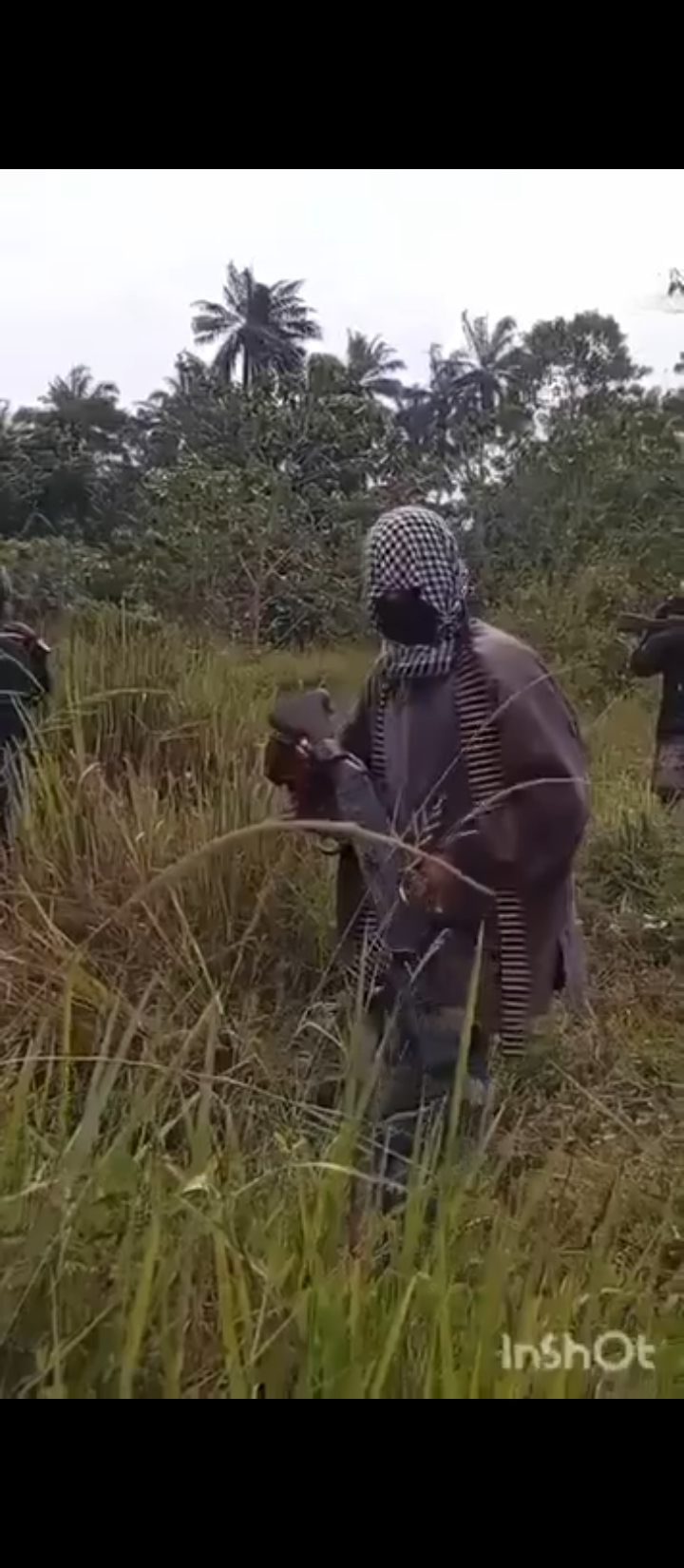
A controversial video circulating on social media has triggered outrage over a “staged attempt to weaponise disinformation, incite ethnic tension and portraying peaceful herder communities as Boko Haram extremists in Nigeria’s South East
The video, which purportedly shows “Boko Haram with arms” issuing threats in Hausa, has been dismissed by multiple security sources, community leaders and conflict monitors as inauthentic and deliberately crafted to mislead the public and international community.
The individuals in the clip neither speak with the accent typical of Boko Haram or ISWAP fighters, nor display the mode of presentation associated with jihadist groups in the North East.
Instead, the attackers’ heavily disguised faces, awkward staging, and inconsistent speech patterns strongly suggest that the recording may have been produced by elements of the proscribed Indigenous People of Biafra (IPOB), allegedly attempting to portray themselves as Fulani or northern extremists.
The objective of such fabrications is twofold: to demonise peaceful pastoralist communities in the South East, and to build false evidence for international audiences by claiming that “genocide” is being committed against Igbo people by Muslim groups despite a lack of credible evidence supporting such claims.
A senior security analyst who has monitored separatist activities in the region described the video as “another poorly staged propaganda material designed to mislead Nigerians and deepen ethnic suspicion.”
According to him, Boko Haram and ISWAP cells have never produced videos with their faces tightly covered in the manner seen in the clip, nor do they speak with the accent heard.
“The mannerisms, language delivery and the entire setup clearly do not align with Boko Haram or ISWAP’s media signatures,” he said. “These are not Fulani herders, nor northern extremists Boko Haram. This was engineered for propaganda purposes.”
Sources in the South East also note that violent attacks in the region over recent years burning of police stations, targeted killings, extortion, enforcement of illegal sit-at-home orders have largely been carried out by IPOB’s armed wing, the Eastern Security Network (ESN). Yet some of these incidents have been blamed on Fulani communities to sustain a dangerous narrative of ethnic persecution.
Such deceptive tactics risk escalating tensions between ethnic groups and misleading international observers into misunderstanding Nigeria’s complex security landscape.
“This is how dangerous precedents are set,” a northern pastoralist leader said. “We have suffered enough from false accusations. Videos like this are used to justify hatred, violence and calls for international intervention based on propaganda.”
Misinformation especially videos staged to impersonate other groups has become a growing tactic among violent non-state actors seeking sympathy, legitimacy or international attention.
As investigations continue, authorities urge the public to verify information before sharing, noting that propaganda remains one of the most potent weapons used by extremist groups to inflame divisions.
IPOB staged video in attempts to frame herders, incite genocide narrative


Military
COAS commissions 6 Division RSM House, reaffirms frontline leadership role of regimental sergeant majors
COAS commissions 6 Division RSM House, reaffirms frontline leadership role of regimental sergeant majors
By Zagazola Makama
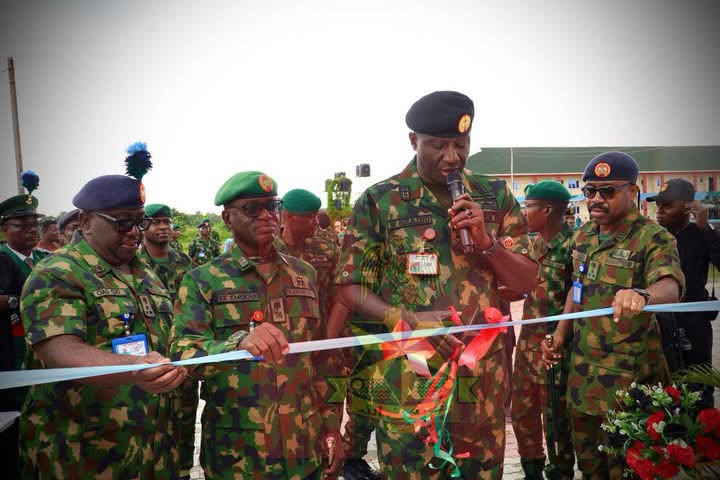
The Chief of Army Staff (COAS), Lieutenant General Waidi Shaibu, has reaffirmed the critical role of Regimental Sergeant Majors (RSMs) in strengthening discipline, leadership and operational effectiveness across the Nigerian Army.
The COAS made the remarks on Friday during the commissioning of the newly constructed 6 Division Regimental Sergeant Major’s House in Port Harcourt as part of activities marking the 163rd Nigerian Army Day Celebration (NADCEL 2026).
Speaking at the event, Lt.-Gen. Shaibu described RSMs as the backbone of regimental administration and custodians of discipline, standards and morale within the Army.

He said the provision of dedicated accommodation for RSMs was not merely a welfare initiative but a strategic investment aimed at enhancing leadership at the unit level and improving operational efficiency.
According to the Army Chief, RSMs play a vital role in translating command directives into action, maintaining troop cohesion and ensuring effective implementation of operational orders across various theatres of operation.
He added that the senior non-commissioned officers also serve as the crucial link between officers and soldiers, fostering professionalism, mutual trust and esprit de corps within formations and units.

Shaibu noted that the influence of RSMs in mentoring soldiers, enforcing discipline and sustaining troop morale remains indispensable to the success of military operations.
He stressed that providing conducive accommodation for key regimental leaders would enhance their ability to discharge their responsibilities effectively and contribute to improved operational readiness.
The COAS reiterated that under his “Soldier First” philosophy, the welfare of personnel, particularly those occupying critical leadership positions, remains a top priority.
He maintained that sustained investment in welfare infrastructure and leadership development would continue to strengthen the Nigerian Army’s capacity to remain a resilient, professional and combat-ready force capable of addressing the country’s evolving security challenges.
COAS commissions 6 Division RSM House, reaffirms frontline leadership role of regimental sergeant majors
Troops intercept cattle grazing in restricted area in Plateau, herders flee
By: Zagazola Makama
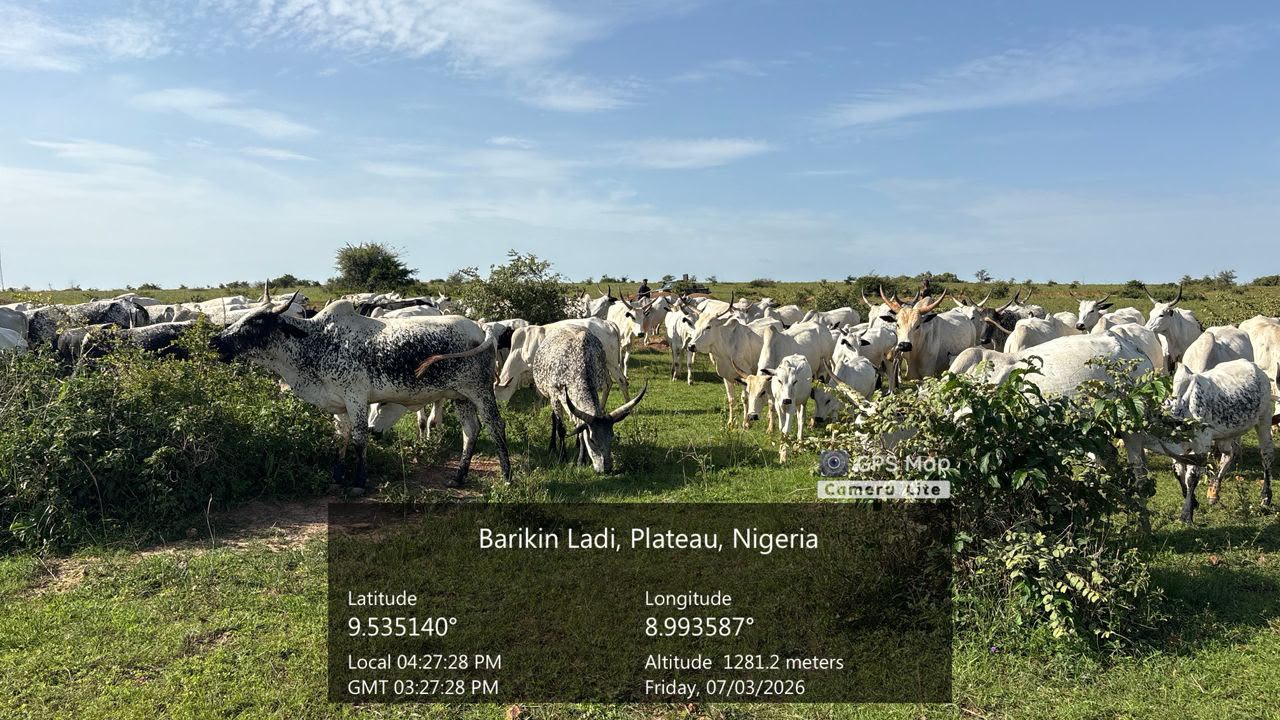
Troops of Operation Enduring Peace (OPEP) have intercepted a herd of cattle found grazing in a restricted area in Barkin Ladi Local Government Area of Plateau State.
Intelligence sources told Zagazola Makama that the troops of Sector 4 OPEP responded to a report of illegal grazing at about 3:30 p.m. on Friday in Nyerwie village.
The sources said that upon arrival at the location, the troops found a herd of cattle grazing in the restricted area.
The herders reportedly fled into nearby bushes on sighting the troops, abandoning the livestock.
The intercepted cattle were subsequently moved to a secure location for necessary administrative action, while efforts are ongoing to identify and apprehend the fleeing herders, the sources said.
Troops intercept cattle grazing in restricted area in Plateau, herders flee
Troops Arrest Two Suspected Vandals, Recover Stolen Construction Materials in Jos
By: Zagazola Makama
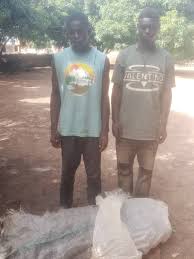
Troops of Operation Enduring Peace (OPEP) have arrested two suspected vandals in Jos North Local Government Area of Plateau State for allegedly stealing construction materials from an ongoing road construction site.
Security sources said the suspects, identified as Arin Itse, 21, and Agwom Christopher, 19, were arrested at about 9:30 a.m. on Friday during a routine patrol by troops of Sector 1, Sub-Sector 12, along the Kwanga road in Jos North.
The sources said the suspects were intercepted while in possession of iron rods suspected to have been stolen from a road construction company handling an ongoing project in the area.
According to the sources, the suspects were taken into custody for further investigation, while the recovered iron rods were handed over to the construction company.
The sources added that investigations were ongoing to determine the circumstances surrounding the alleged theft and whether other persons were involved.
Troops Arrest Two Suspected Vandals, Recover Stolen Construction Materials in Jos

COAS commissions 6 Division RSM House, reaffirms frontline leadership role of regimental sergeant majors

Troops intercept cattle grazing in restricted area in Plateau, herders flee

Troops Arrest Two Suspected Vandals, Recover Stolen Construction Materials in Jos

Roger Federer’s Shock as DNA Results Reveal Myla and Charlene Are Not His Biological Children

THE PLIGHT OF FARIDA

FAILED COUP IN BURKINA FASO: HOW TRAORÉ NARROWLY ESCAPED ASSASSINATION PLOT AMID FOREIGN INTERFERENCE CLAIMS
-
 News2 years ago
Roger Federer’s Shock as DNA Results Reveal Myla and Charlene Are Not His Biological Children
-
Opinions4 years ago
THE PLIGHT OF FARIDA
-
 News1 year ago
FAILED COUP IN BURKINA FASO: HOW TRAORÉ NARROWLY ESCAPED ASSASSINATION PLOT AMID FOREIGN INTERFERENCE CLAIMS
-

 News2 years ago
EYN: Rev. Billi, Distortion of History, and The Living Tamarind Tree
-
 Opinions5 years ago
POLICE CHARGE ROOMS, A MINTING PRESS
-

 ACADEMICS2 years ago
A History of Biu” (2015) and The Lingering Bura-Pabir Question (1)
-

 Columns2 years ago
Army University Biu: There is certain interest, but certainly not from Borno.
-

 Politics1 year ago
2027: Why Hon. Midala Balami Must Go, as Youths in Hawul and Asikira/Uba Federal Constituency Reject ₦500,000 as Sallah Gift
