
News
Israel Reaffirms Commitment to Peace, Deepens Partnership with Nigeria at 78th Independence Anniversary

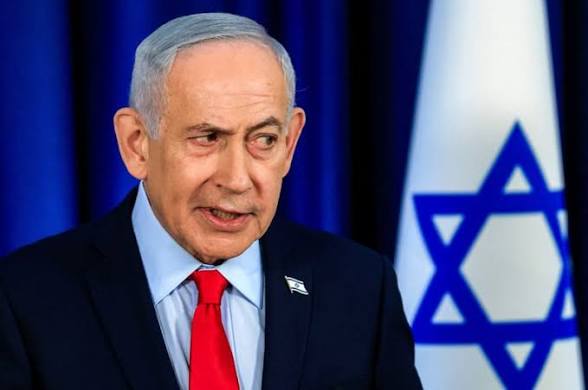
Israel Reaffirms Commitment to Peace, Deepens Partnership with Nigeria at 78th Independence Anniversary
By: Michael Mike
Israel has renewed its call for peace across the Middle East while unveiling fresh initiatives aimed at strengthening economic, agricultural and healthcare cooperation with Nigeria.
Speaking at celebrations marking Israel’s 78th Independence Anniversary in Abuja, Israeli Ambassador to Nigeria, Michael Freeman, said his country remains committed to the vision of peace outlined by Israel’s founding leaders despite decades of conflict and security challenges.
Drawing from a personal family connection to Israel’s founding in 1948, Freeman recalled the words of the country’s first Prime Minister, David Ben-Gurion, who called for cooperation and peaceful coexistence with neighbouring states at the birth of the Israeli nation.
The ambassador said that vision remains central to Israel’s foreign policy today, arguing that the country has consistently sought peaceful relations despite repeated conflicts in the region.
He pointed to the Abraham Accords as evidence that dialogue and cooperation can transform relationships in the Middle East, creating opportunities for economic growth, innovation and regional stability.
Freeman, however, accused Iran and its regional allies of undermining efforts to achieve lasting peace. He cited recent tensions involving Lebanon and ongoing missile attacks on Israeli communities, saying millions of Israelis had been forced into bomb shelters as hostilities escalated.
According to him, the people of Israel, Lebanon and the wider Middle East deserve a future free from violence and conflict.
“It is time to stop allowing Iran and other extremists and outside actors to hold the future of our region hostage,” he said.
Beyond regional security issues, the ambassador devoted significant attention to growing ties between Israel and Nigeria, describing the relationship as one built on innovation, entrepreneurship and shared development goals.
He announced that Israel would launch a fifth cohort of the Innovation Fellowship for Aspiring Inventors and Researchers (iFAIR) programme in 2027, providing additional opportunities for Nigerian entrepreneurs to receive mentorship and business development support from Israeli and Nigerian experts.
The programme, he said, has already helped young innovators transform ideas into businesses capable of creating jobs, attracting investment and addressing societal challenges.
Freeman also highlighted ongoing agricultural partnerships between both countries, noting that Israeli technology and seedlings are already being deployed by Nigerian farmers to improve productivity and food security.
He urged guests to view the agricultural products displayed at the event as symbols of what stronger collaboration could achieve across Nigeria’s farming sector.
“Imagine that success multiplied across Nigeria—higher yields, stronger rural communities, greater food security, and millions upon millions of lives improved,” he said.
In another major announcement, the ambassador disclosed that the first three fully equipped ambulances donated by Israel were on their way to Nigeria. He described the donation as a practical demonstration of friendship and cooperation between the two countries.
According to him, the ambulances will help strengthen emergency response capabilities and save lives in critical situations.
Freeman said Israel intends to further expand cooperation with Nigeria in healthcare, education, security, innovation, agriculture and skills development, stressing that such partnerships represent investments in a shared future rather than acts of charity.
Reflecting on Israel’s journey since independence, the envoy highlighted how the country had transformed itself from a resource-poor nation facing severe security threats into a global leader in technology, medicine, cybersecurity, water management and agriculture.
He attributed Israel’s success to its ability to turn challenges into opportunities, saying the same spirit could drive transformative progress through deeper collaboration with Nigeria.
“The future of Israel-Nigeria relations will not be defined by speeches. It will be defined by entrepreneurs who build companies, farmers who increase their harvests, doctors and paramedics who save lives, and young people who refuse to accept limitations,” he said.
The anniversary celebration underscored the growing diplomatic and economic ties between both countries as they seek to expand cooperation in areas critical to development, innovation and regional stability.
Israel Reaffirms Commitment to Peace, Deepens Partnership with Nigeria at 78th Independence Anniversary


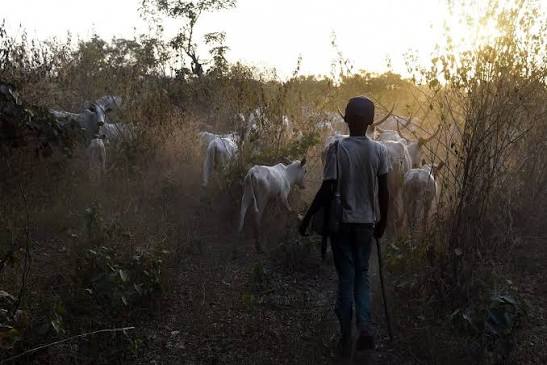
Farmer killed by Fulani bandits in fresh Plateau attack as cycle of violence deepens
By Zagazola Makama
A farmer has been killed in a fresh attack by yet-to-be-identified gunmen in Butura Gida village, Bokkos Local Government Area of Plateau State, in the latest incident pointing to the persistent cycle of violence between farming and herding communities.
Security sources told Zagazola Makama that the attack occurred at about 7:47 p.m. on Tuesday, July 8, prompting troops of Sector 5 of Operation Enduring peace to mobilise to the community after receiving a distress call.
On arrival, the troops found the victim’s lifeless body. The attackers had fled the scene before security personnel arrived, and no contact was made.
A manhunt has since been launched to identify and apprehend those responsible for the killing.
The latest incident came less than 24 hours after a 13-year-old herder, Mustapha Abdul Kadir, was found dead alongside four cattle in Mangu Local Government Area in what authorities suspected was an attack by armed militia.
Earlier the same day, two residents were also killed in Torok community in Riyom Local Government Area in an attack blamed on suspected Fulani bandits.
The succession of attacks illustrates the entrenched and increasingly vicious pattern of retaliatory violence that has continued to plague Plateau State.
Killings of farmers are often followed by attacks on herders, while attacks on herders frequently trigger reprisals against farming communities, creating a dangerous cycle that has claimed hundreds of lives and destroyed livelihoods over the years.
Despite sustained military deployments, peace meetings and community engagements, mistrust between the two groups remains deep, with criminal elements exploiting the fragile security situation to perpetrate violence.
Zagazola warn that unless perpetrators on all sides are brought to justice and local grievances addressed, the state risks remaining trapped in an endless cycle of revenge attacks.
Farmer killed by Fulani bandits in fresh Plateau attack as cycle of violence deepens
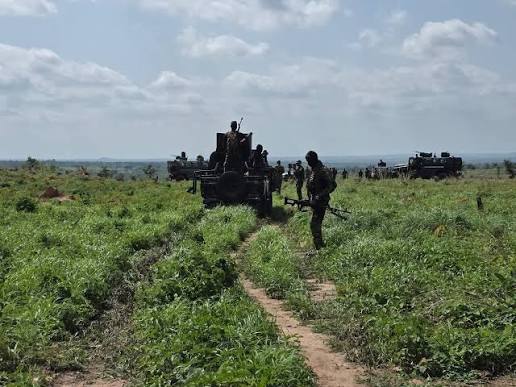
Fulani bandits kill two in fresh attack on Plateau community
By Zagazola Makama
Suspected Fulani bandits have killed two residents in a fresh attack on Torok community in Riyom Local Government Area of Plateau State, security sources told Zagazola Makama.
The attack occurred at about 7:00 p.m. on Tuesday, July 8, prompting troops of Sector 6 of Operation Enduring Peace to swiftly respond after receiving a distress report.
Sources said the assailants attacked unsuspecting locals before fleeing the area.
On arrival, troops discovered the bodies of two victims who had been killed during the assault. The remains were recovered and subsequently handed over to members of the community for burial.
Security sources said troops have launched a manhunt for the attackers, with efforts ongoing to track and apprehend those responsible for the killings.
The latest incident adds to the renewed wave of violence in Plateau State, particularly in Riyom and neighbouring local government areas, where recurring attacks and reprisals involving armed groups have continued to claim lives and heighten tensions despite sustained security operations. Troops have intensified patrols and confidence-building engagements to forestall further attacks and maintain peace in the area.
Fulani bandits kill two in fresh attack on Plateau community
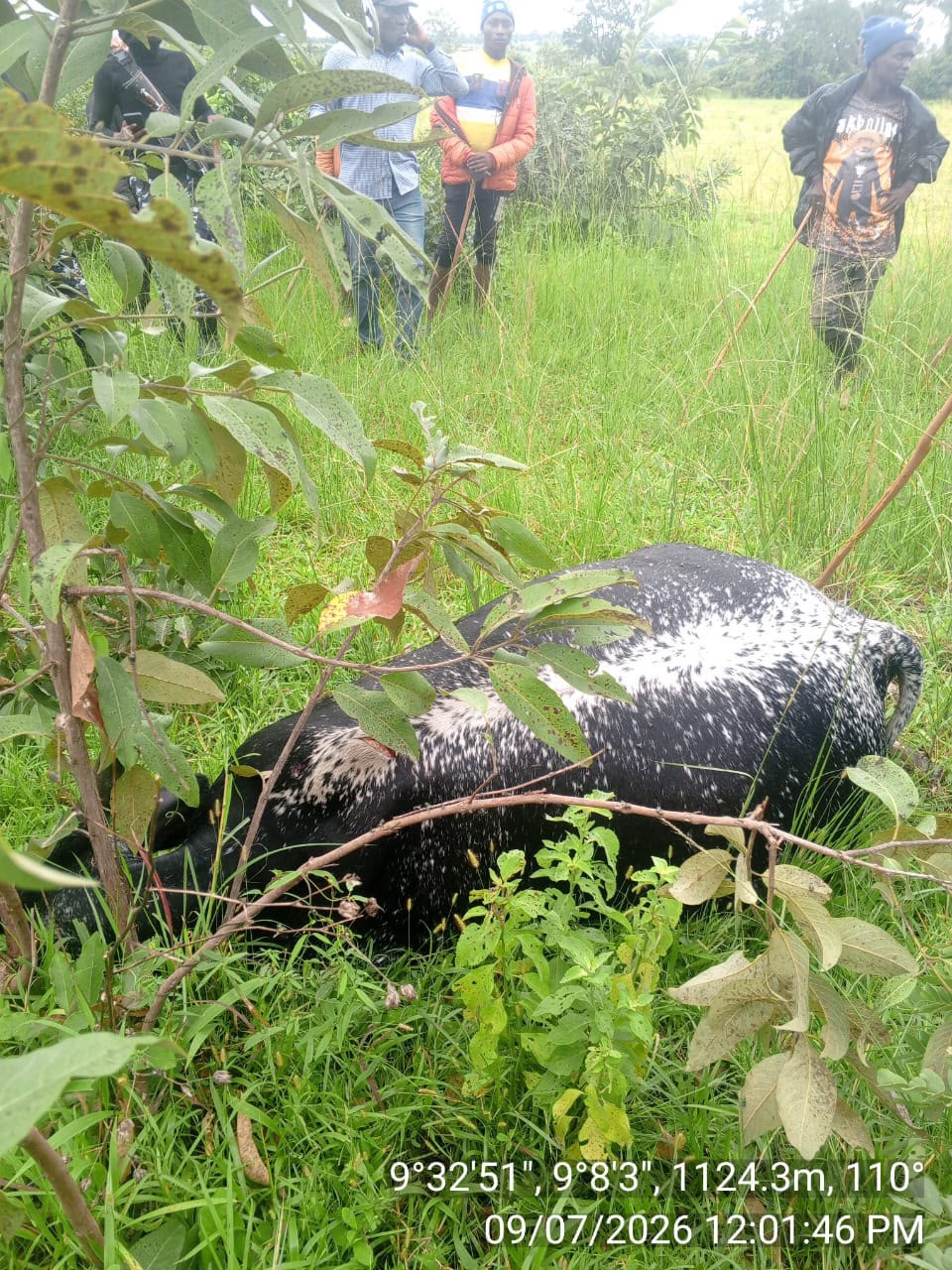
Missing herder, four livestock killed by suspected militia elements in Mangu, Plateau
By: Zagazola Makama
Troops of Operation Enduring Peace have recovered the body of a 13-year-old herder who was declared missing after he went out to graze cattle in Mangu Local Government Area of Plateau State, with four livestock also found dead in what military authorities suspect was an attack by armed militia.
Sources said the victim, identified as Mustapha Abdul Kadir, left home on July 8 to graze cattle around the bushes near Gauge Village but failed to return, prompting concern among family members and the community.
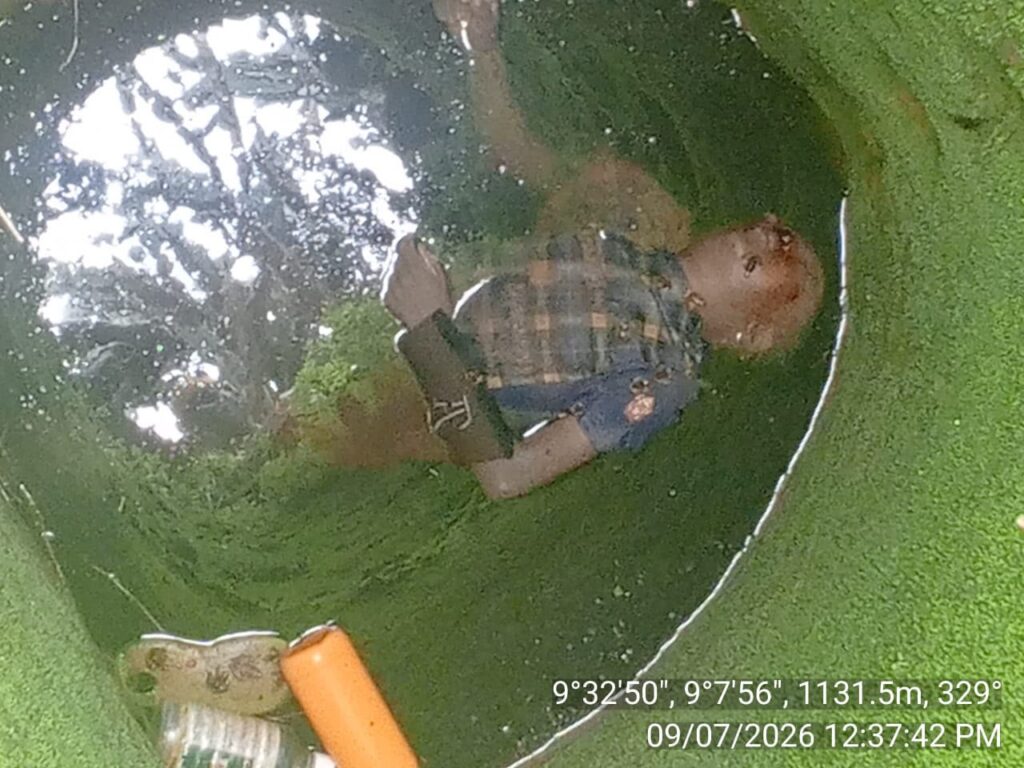
According to the sources, troops of Sector 8, Sub-Sector 81, in conjunction with local security personnel and community members, launched a search-and-rescue operation in the area.
The operation led to the discovery of the teenager’s body on Thursday in a shallow well, alongside four dead cattle believed to have been killed during the attack.
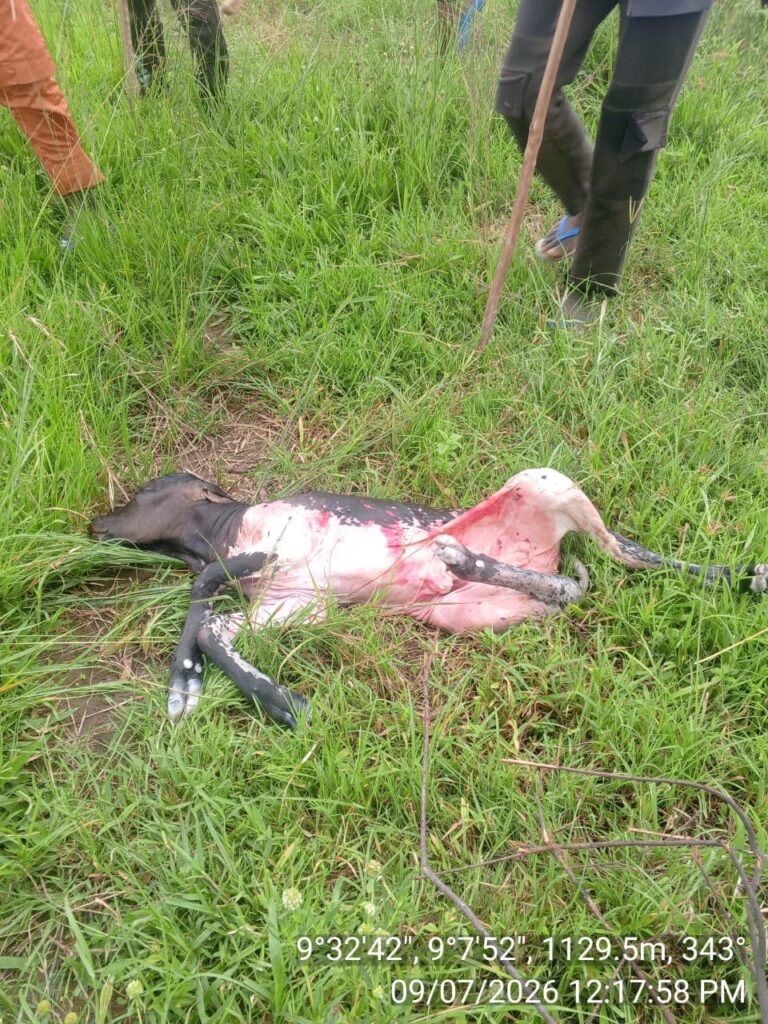
The military said preliminary findings indicated that the victim was attacked by suspected militia while grazing the livestock before his body was dumped in the well.
The remains of the deceased were handed over to his family for burial in accordance with local customs.
The military said stakeholders in the community had been engaged to prevent any breakdown of law and order and to avert possible reprisal attacks.
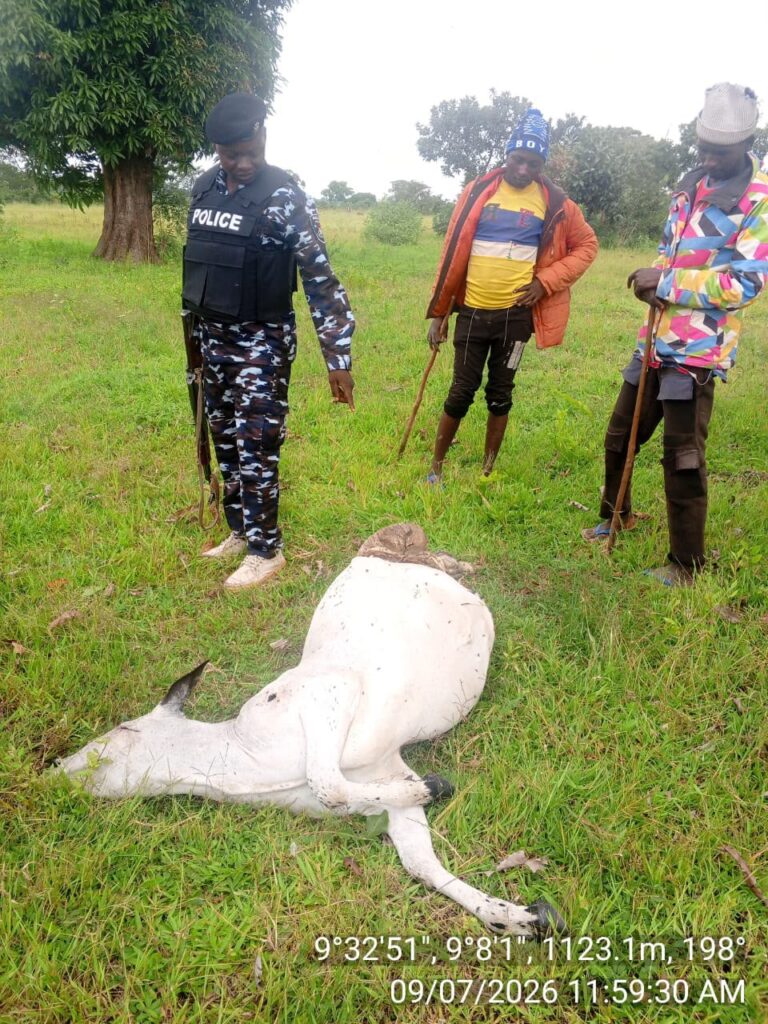
It added that efforts were ongoing to track down and arrest the perpetrators, while troops had intensified patrols across the Operation Enduring Peace Joint Operations Area to protect communities, schools and other critical national infrastructure.
The incident is the latest in a series of security challenges affecting parts of Mangu LGA, where attacks linked to armed groups have continued to threaten lives and livelihoods.
Security sources said community leaders and other stakeholders had been engaged to calm tensions and prevent reprisals, while efforts were underway to identify and arrest those responsible for the attack.
The killing comes amid persistent violence in parts of Plateau State, where recurring clashes involving farming and herding communities have claimed scores of lives and destroyed property over the years.
Attacks targeting either farmers or herders often trigger immediate retaliatory violence, reinforcing a cycle of reprisals that has remained one of the major drivers of insecurity in the state.
Missing herder, four livestock killed by suspected militia elements in Mangu, Plateau

Farmer killed by Fulani bandits in fresh Plateau attack as cycle of violence deepens

Fulani bandits kill two in fresh attack on Plateau community

Missing herder, four livestock killed by suspected militia elements in Mangu, Plateau

Roger Federer’s Shock as DNA Results Reveal Myla and Charlene Are Not His Biological Children

THE PLIGHT OF FARIDA

FAILED COUP IN BURKINA FASO: HOW TRAORÉ NARROWLY ESCAPED ASSASSINATION PLOT AMID FOREIGN INTERFERENCE CLAIMS
-
 News2 years ago
Roger Federer’s Shock as DNA Results Reveal Myla and Charlene Are Not His Biological Children
-
Opinions4 years ago
THE PLIGHT OF FARIDA
-
 News1 year ago
FAILED COUP IN BURKINA FASO: HOW TRAORÉ NARROWLY ESCAPED ASSASSINATION PLOT AMID FOREIGN INTERFERENCE CLAIMS
-

 News2 years ago
EYN: Rev. Billi, Distortion of History, and The Living Tamarind Tree
-
 Opinions5 years ago
POLICE CHARGE ROOMS, A MINTING PRESS
-

 ACADEMICS2 years ago
A History of Biu” (2015) and The Lingering Bura-Pabir Question (1)
-

 Columns2 years ago
Army University Biu: There is certain interest, but certainly not from Borno.
-

 Politics1 year ago
2027: Why Hon. Midala Balami Must Go, as Youths in Hawul and Asikira/Uba Federal Constituency Reject ₦500,000 as Sallah Gift
