
Health
Japan provides assistance to boost Africa’s health system

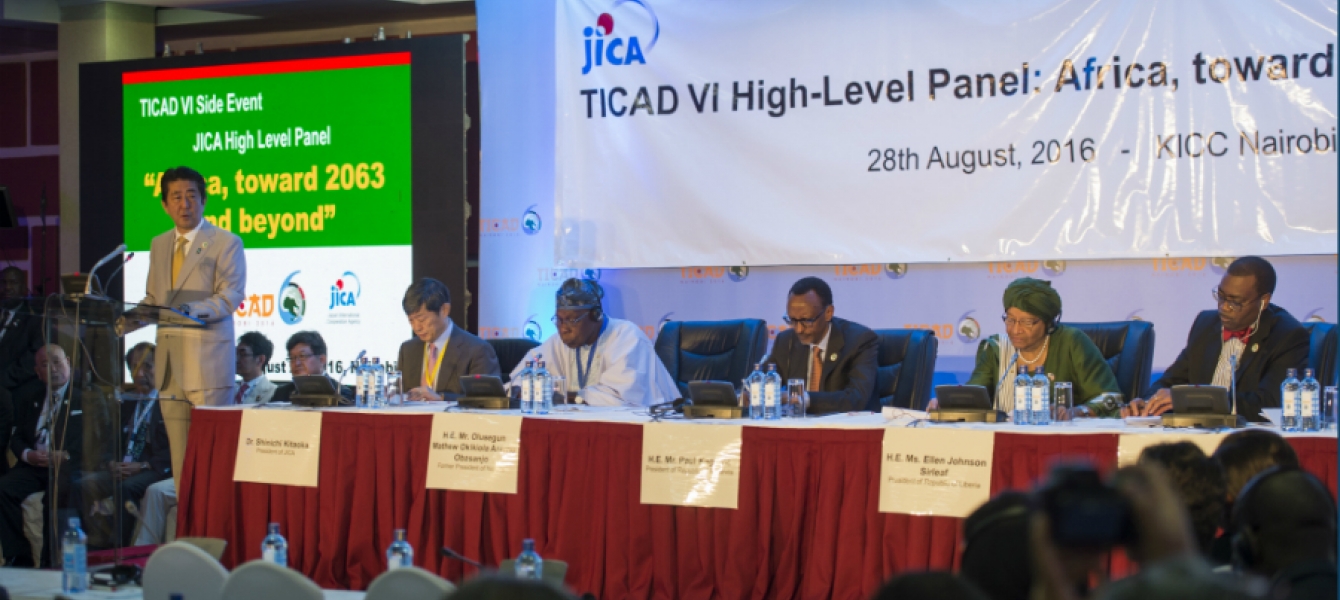
Japan provides assistance to boost Africa’s health system
The Japanese government has said it would continue to provide assistance to enable African countries to achieve Universal Health Coverage (UHC) based on the concept of human security.
The government made this known through Mr Tadayuki Miyashita, Deputy Minister, Ministry of Foreign Affairs, during a virtual two-day ministerial meeting of the Tokyo International Conference on Africa’s Development (TICAD) which ended on March 27.
The meeting followed an earlier virtual press conference on the forthcoming TICAD8 scheduled to hold on Aug. 27 and Aug. 28 in Tunisia.
Miyashita said Japan considered the health of Africans as a priority and had provided various equipment and initiated programmes geared towards achieving a healthy Africa.
He said that five concrete efforts have been made to ensure a healthy Africa and that TICAD would also strive to achieve its main focus for Africa, which is centred on economy, society and stability.
“We built an effective cold chain system for vaccines storage as ‘last one-mile support,’ by providing equipment such as cold storage facilities and transportation as well as strengthening the capacity of medical personnel via UNICEF in 35 countries.
READ ALSO: 1.8 Million Candidates Registered For UTME – JAMB
“We have provided medical equipment in conjunction with capacity building for medical personnel via the Japan International Cooperation Agency (JICA) in four countries.
“We provided human resource development for the health and medical sector and strengthened vaccination capacity in African countries through UNICEF. COVID-19 vaccine support of one billion dollars was provided through the COVAX facility.
“Sponsorship of research through the Noguchi Memorial Institute for Medical Research (NMIMRI) in Ghana which processes 80 per cent of PCR (polymerase chain reaction) tests in Ghana, and Kenya Medical Research Institute (KEMRI) which processes 50 per cent PCR tests in Kenya.
“The research institutes are playing a central role in controlling infectious diseases in the Western and Eastern Africa,” he said.
Vice-President of JICA, Ryuichi Kato who spoke on their business model and global health initiatives for Africa, noted that the Agency had established an effective and safe vaccination system to contain further spread of COVID-19 on the continent.
Kato said that JICA had also ensured a framework of collaboration to accelerate the implementation of food and nutrition security policies in all African countries.
This, he said was made possible with international partners like the WHO, UNICEF, World Bank, FAO, IFAD, AfDB, WFP and JIRAS.
“JICA’s initiative ensured the provision of advanced medical care services at affordable cost to Egyptian children from all over the country.
“It also supported the construction of Cairo University Pediatric Hospital, popularly known as ‘Japanese Hospital’ by locals, and capacity building since 1979.
“We introduced ‘School for All’ initiative which promotes enrolment and prevents drop-out of girls as well as introduction of hand washing awareness for infection prevention.
“Next Innovation with Japan (NINJA) project was also set up to create an ecosystem to foster African entrepreneurs who can resolve social issues,” he said.
According to him, a business model “Africa KAIZEN Initiative” is in place to ensure continental movement for application of productivity improvement methods originated from the Japanese industries.
Kato further said that JICA was already utilising the African Continental Free Trade Area (AfCFTA) to partner Africa on trade through initiatives known as “Corridor Development Initiative” and “One Stop Border Post.”
He added that both initiatives promoted economic growth more effectively through infrastructure development and regional integration as well as facilitated cross-border movement by streamlining necessary procedures with one stop in a single facility.
The News Agency of Nigeria (NAN) reports that TICAD and JICA are also focusing on agriculture, a critical area for Africa’s development.


Health
UMTH: When VP Kashim Shettima acknowledges Ahidjo and hospital staff for their services to victims of Maiduguri bomb blasts


UMTH: When VP Kashim Shettima acknowledges Ahidjo and hospital staff for their services to victims of Maiduguri bomb blasts
By: Dr. James Bwala
Nigeria’s Vice President, Kashim Shettima, made a commendable visit to the University of Maiduguri Teaching Hospital, UMTH, where he continued with the message of hope for the resilient people of Borno State following the tragic bomb blast that occurred on Monday. His acknowledgment of Professor Ahmed Ahidjo and his team for their dedicated service to the victims highlights not only the resilience of the medical community in times of crisis but also the importance of efficient healthcare systems in mitigating the impact of violence and tragedy. He also observed the critical role that healthcare institutions and professionals play in society, particularly in regions plagued by conflict, and the necessity of supporting such institutions through recognition, resources, and policy for effective services.
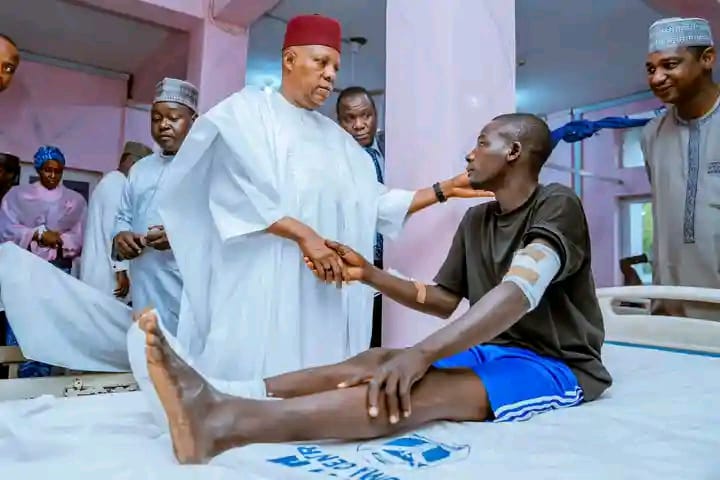
The recent bombing incident serves as a somber reminder of the constant threats faced by communities in Borno State and much of northeastern Nigeria. While the incident itself is tragic, the response from the healthcare sector illustrates hope and human compassion in the face of adversity. The vice president’s visit to the hospital is more than just a gesture; it underscores the significance of swift medical intervention and the tremendous effort undertaken by healthcare workers who bravely confront the consequences of violence daily.
READ ALSO: https://newsng.ng/maiduguri-bomb-blast-in-time-of-tragedies-let-us-also-understand-vp-kashim-shettimas-position/
Professor Ahmed Ahidjo and his team’s prompt response to the devastation caused by the bombing is worthy of praise. Their ability to stabilize the condition of the victims amidst chaos demonstrates professionalism and commitment to life-saving practices. In an environment where resources may be stretched thin and pressures high, the performance of healthcare teams becomes even more vital. These professionals often work under challenging conditions, yet their determined spirit and compassion can significantly affect recovery rates and overall patient outcomes.
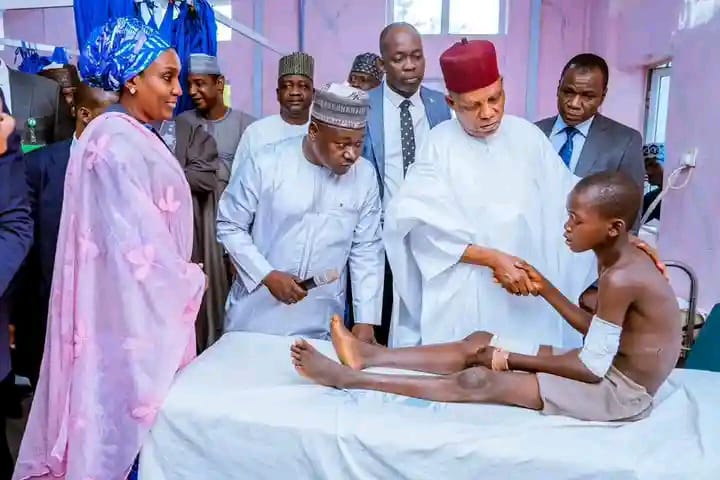
The vice president’s expression of gratitude towards the hospital staff reflects a broader understanding of the interconnectedness of governance and healthcare provision. By publicly acknowledging the hard work of medical personnel, government officials can foster a culture of appreciation and respect for the healthcare profession. Such recognition can have far-reaching benefits, motivating current healthcare professionals and attracting aspiring medical practitioners to the field. This encouragement is essential, especially in regions like Borno, where skilled healthcare providers are desperately needed to combat both the immediate health crises and the long-term impacts of violence.
READ ALSO: https://newsng.ng/maiduguri-bomb-blast-in-time-of-tragedies-let-us-also-understand-vp-kashim-shettimas-position/
UMTH’s capacity to effectively aid victims of violent attacks raises crucial questions about healthcare infrastructure in Nigeria. While the University of Maiduguri Teaching Hospital has demonstrated its capability, the sustainability and expansion of such services are necessary for ongoing success. Government investment in healthcare infrastructure is imperative. Targeted funding, training programs, and resources need to be allocated to ensure hospitals can provide comprehensive and timely care, especially in areas prone to conflict. This is not merely a reactive measure; it is proactive engagement that can fortify communities against future tragedies.

In the context of this discussion, it is essential to consider the implications of government policies on healthcare. The vice president’s visit reinforces the need for consistent governmental support of healthcare institutions. Policies that prioritize healthcare funding, facilitate access to medical supplies, and promote the welfare of healthcare workers can lead to improved health outcomes. Furthermore, these policies must address the root causes of the violence that leads to such devastating incidents, recognizing that peace and stability are integral to health and well-being.
READ ALSO: https://newsng.ng/maiduguri-bomb-blast-in-time-of-tragedies-let-us-also-understand-vp-kashim-shettimas-position/
The compassion shown by Vice President Shettima in praying for the victims’ recovery emphasizes the human aspect of political leadership. In a nation where trust in government can sometimes wane, leaders who show empathy and personal investment in their citizens’ welfare can bridge gaps and build stronger connections within communities. This symbolism of care and hope in leadership can mobilize public support, encouraging citizens to engage collaboratively with their governments to improve local conditions.
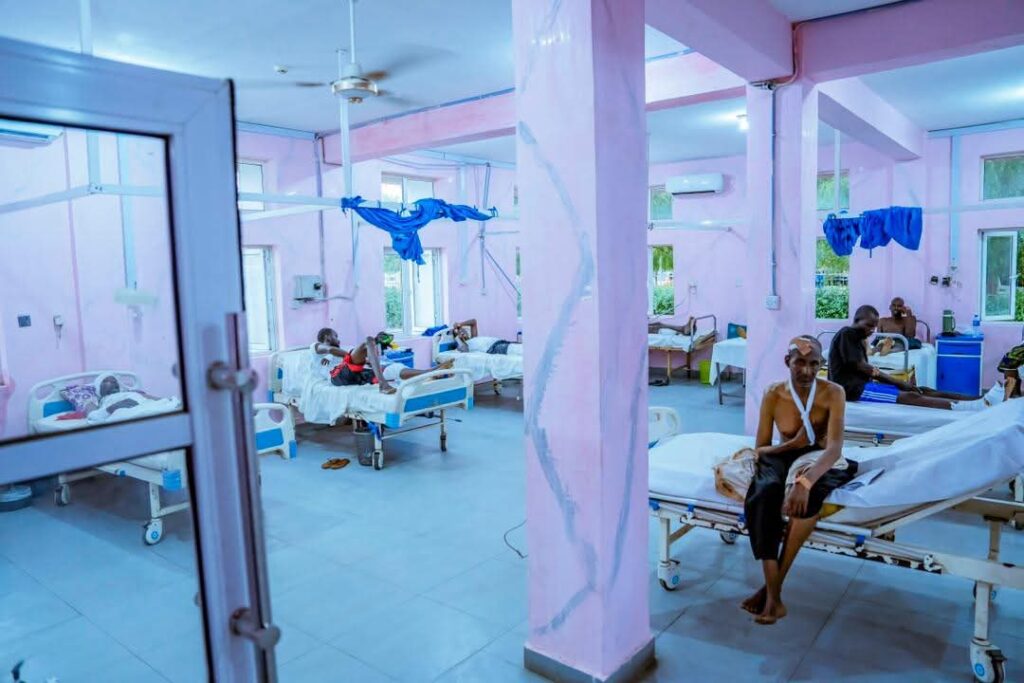
It is also crucial to highlight the ongoing psychological impact of violence on affected populations. Beyond the physical injuries sustained in such attacks, many victims experience deep psychological scars that require attention and specialized care. Healthcare institutions must evolve to include mental health support services alongside traditional medical treatment. The response from hospitals like the University of Maiduguri Teaching Hospital should extend into mental health initiatives to support victims in their recovery journey holistically.
READ ALSO: https://newsng.ng/maiduguri-bomb-blast-in-time-of-tragedies-let-us-also-understand-vp-kashim-shettimas-position/
In contemplating the significance of the vice president’s visit, we should consider how this moment can be leveraged to initiate broader discussions about healthcare reform in Nigeria. Advocacy for mental health resources, trauma-informed care, and community health capacity-building are all essential components that must be prioritized. The partnership between government, healthcare providers, and communities can create a robust support system that not only addresses immediate crises but also enhances long-term community resilience.
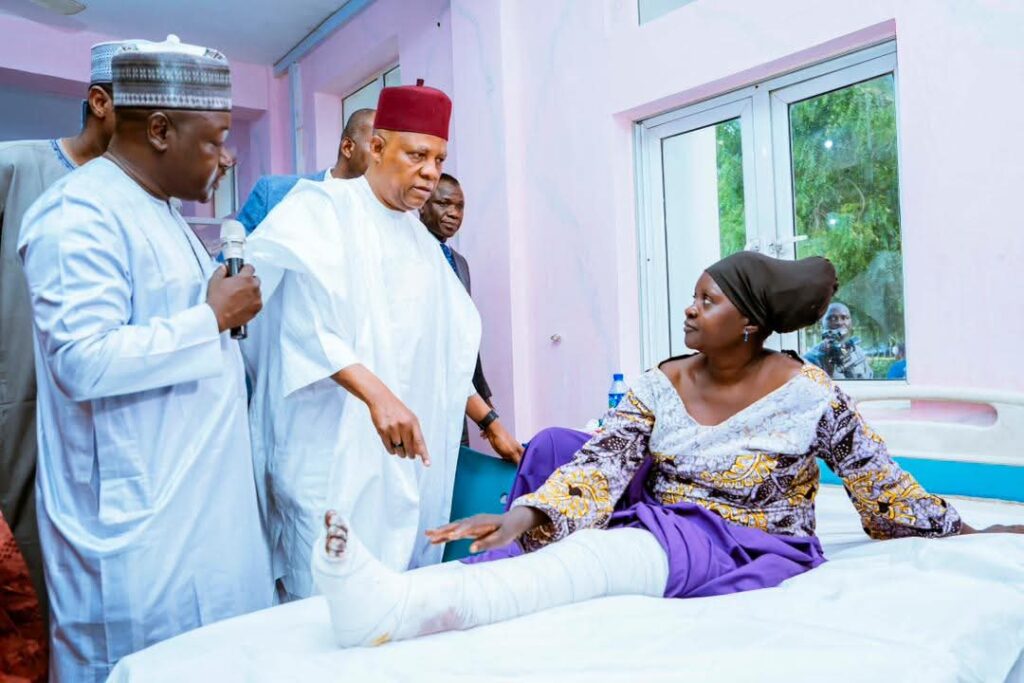
Vice President Kashim Shettima observed that support for healthcare professionals in Nigeria goes beyond mere praise, stating that these individuals require access to continuous education, emotional support, and adequate compensation for their work. Investing in their development ensures that they can provide the highest quality of care, which is essential in crisis situations. Indeed, when healthcare workers are equipped with the right tools and knowledge, their effectiveness during emergencies increases dramatically, thereby saving lives and improving recovery outcomes.
READ ALSO: https://newsng.ng/maiduguri-bomb-blast-in-time-of-tragedies-let-us-also-understand-vp-kashim-shettimas-position/
The commendation given by Vice President Kashim Shettima to Professor Ahmed Ahidjo and his team at the University of Maiduguri Teaching Hospital serves as a powerful testament to the critical role of healthcare in society, especially in areas impacted by conflict. The prompt action taken by medical personnel in response to the bomb blast exemplifies courage and dedication that deserves recognition and support. However, it is imperative to build on this foundation by advocating for robust healthcare policies, investing in infrastructure and personnel training, and fostering community engagement.

Through these concerted efforts, Nigeria can cultivate a healthcare system that not only responds effectively to emergencies but also restores hope, promotes healing, and strengthens communities in times of need. It is a call to action for every citizen, policymaker, and healthcare professional to unite in bolstering the foundations of our healthcare system, ensuring that we are prepared for whatever challenges lie ahead.
* James Bwala, PhD, writes from Maiduguri.
UMTH: When VP Kashim Shettima acknowledges Ahidjo and hospital staff for their services to victims of Maiduguri bomb blasts
Health
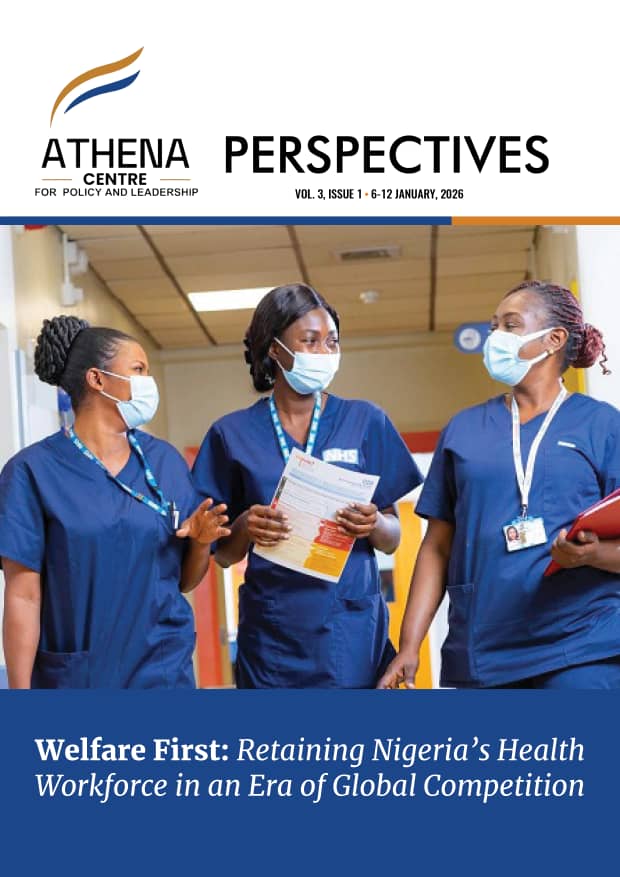
Health Worker Exodus Deepens as Policy Brief Warns of Systemic Risk to Nigeria’s Healthcare Sector
Health Worker Exodus Deepens as Policy Brief Warns of Systemic Risk to Nigeria’s Healthcare Sector
By: Michael Mike
A new policy brief has warned that unless urgent welfare-focused reforms are implemented, the country risks a deepening crisis that could undermine access to quality healthcare nationwide.
Nigeria’s healthcare system is facing mounting pressure as the steady departure of doctors and nurses continues to erode service capacity, raising concerns about long-term system viability.
According to the policy analysis authored by health policy expert Dr Emmanuel Ejimonu, of the Athena Centre for Policy and Leadership, more than 42,000 nurses left Nigeria between 2021 and early 2024, while thousands of Nigerian-trained doctors have registered to practise abroad, particularly in the United Kingdom. The trend shows no sign of slowing, as survey data cited in the report indicate that nearly three-quarters of medical and nursing students intend to seek employment overseas, with about one in three expressing no plans to return.
The report attributed the exodus largely to domestic welfare and governance challenges rather than professional ambition. Health workers interviewed consistently pointed to low and irregular salaries, unsafe and overstretched working environments, limited opportunities for funded specialist training and weak social protection systems. These challenges, the brief notes, have made emigration a rational choice in the face of institutional uncertainty, especially as global demand for health professionals continues to rise.
Although the Federal Government introduced a National Policy on Health Workforce Migration in 2023 to promote ethical recruitment and retention, the brief argues that its impact has been limited. Implementation gaps, inadequate funding and uneven execution at state and facility levels have prevented the policy from delivering meaningful improvements in working conditions.
The consequences of sustained health worker losses are already visible. Teaching hospitals are reportedly struggling to maintain specialist training and mentorship programmes, while recurring strikes highlight growing mistrust between health workers and government authorities. Economically, the country is losing returns on public investments in training, even as staff shortages compromise care delivery in both urban and rural facilities. Remaining workers also face rising burnout, further fuelling migration intentions.
Drawing on international experiences from countries such as Ghana, Kenya, the Philippines and Cuba, the policy brief stresses that health worker migration cannot be completely stopped. Instead, it recommends managing mobility through welfare-based retention strategies and credible governance structures.
Central to the recommendations is a proposed Welfare-First Retention Package, which prioritises guaranteed and timely payment of salaries, improved workplace safety, funded career progression, fair bonding arrangements and strengthened social protection. The package also calls for disciplined use of bilateral agreements and ethical recruitment frameworks to protect Nigeria’s investment in health worker training.
The brief estimates that, if properly funded and implemented, the proposed measures could reduce short-term health worker attrition by up to one-third within two years, while significantly improving retention over a five-year period.
The report stated that reversing the health workforce crisis will require treating welfare reform as a core economic and governance priority, backed by political will, fiscal discipline and strong institutional coordination. Without such action, the report warns, Nigeria risks the gradual hollowing out of its healthcare system, with far-reaching consequences for public health and national development.
Health Worker Exodus Deepens as Policy Brief Warns of Systemic Risk to Nigeria’s Healthcare Sector
Yobe to establish dialysis center in Gashua
By: Yahaya Wakili
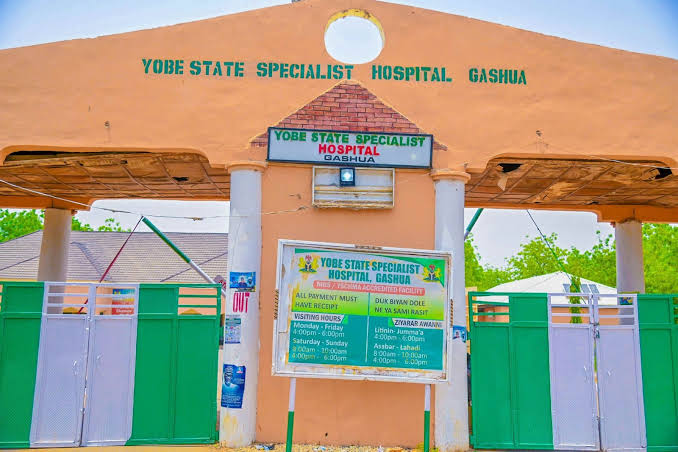
Pending the recommendations of the research being conducted by Bio-RTC in addressing the problem of Chronic Kidney failure in the state. The Yobe state government will establish additional succor to kidney patients with a Renal Dialysis Center in Gashua, the headquarters of the Bade local government area.
Yobe State Governor Hon. Dr. Mai Mala Buni CON, COMN, disclosed this in his 2026 budget proposal speech of #515.583 billion submitted to the Yobe State House of Assembly in Damaturu.
Governor Buni said the government will also construct a new general hospital in Potiskum to address the problem of overcrowding of patients at the specialist hospital.
According to him, the government will also intend to complete the rehabilitation and upgrade of the 36 remaining primary health care centers across the state in fulfillment of our campaign promise to provide one functional primary healthcare center in each of the 178 political wards.
He further said in the fiscal year, the government will embark on the provision of at least one model primary school in each of the 178 electoral wards in the state to improve basic education in the state.
He maintained that the modern markets in Geidam, Buni Yadi, Ngalda, Yunusari, and Machina will be completed and commissioned, adding that these markets will not only improve the commercial activities in the state but will further provide job opportunities to our teeming youths and increase the income of our people.
Governor Buni revealed that funds would be made available for the provision of power substations in 6 major towns of the state. In addition to the provision of solar-powered streetlights, 250 KVA, 500 KVA, and 800 KVA diesel soundproof generator sets would be distributed to government agencies across the state.
Yobe to establish dialysis center in Gashua

Military airstrikes eliminate scores of ISWAP terrorists in Borno operations

Troops neutralise two suspected terrorists in ambush along Aulari–Kawuri axis in Borno

VeryBlackDarkMan denies inciting violence in plateau, gives detailed defence of viral comments

Roger Federer’s Shock as DNA Results Reveal Myla and Charlene Are Not His Biological Children

THE PLIGHT OF FARIDA

FAILED COUP IN BURKINA FASO: HOW TRAORÉ NARROWLY ESCAPED ASSASSINATION PLOT AMID FOREIGN INTERFERENCE CLAIMS
-
 News2 years ago
Roger Federer’s Shock as DNA Results Reveal Myla and Charlene Are Not His Biological Children
-
Opinions4 years ago
THE PLIGHT OF FARIDA
-
 News12 months ago
FAILED COUP IN BURKINA FASO: HOW TRAORÉ NARROWLY ESCAPED ASSASSINATION PLOT AMID FOREIGN INTERFERENCE CLAIMS
-

 News2 years ago
EYN: Rev. Billi, Distortion of History, and The Living Tamarind Tree
-
 Opinions4 years ago
POLICE CHARGE ROOMS, A MINTING PRESS
-

 ACADEMICS2 years ago
A History of Biu” (2015) and The Lingering Bura-Pabir Question (1)
-

 Columns2 years ago
Army University Biu: There is certain interest, but certainly not from Borno.
-

 Opinions2 years ago
Tinubu,Shettima: The epidemic of economic, insecurity in Nigeria
