
National News
Jos Killings: Nigerians, Wake Government From Sleep And Stop Poking Religious Fingers On Each Other

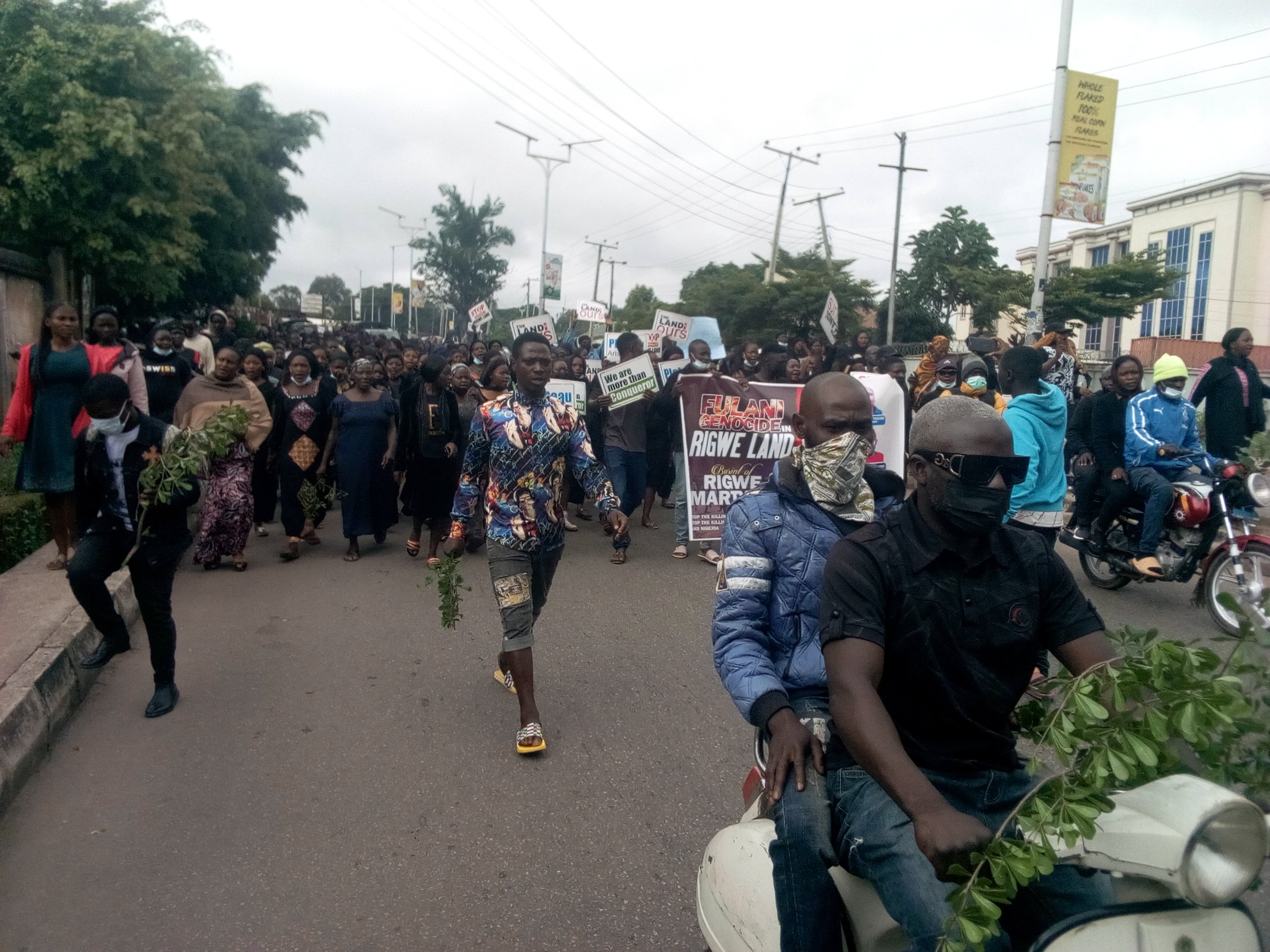
Jos Killings: Nigerians, Wake Government From Sleep And Stop Poking Religious Fingers On Each Other
By: James Bwala, Maiduguri
Nigerians of conscience have been asking questions over the recent killings in Jos. Not only about the killings of 25 Muslim travellers but also about killings of some innocent Christians – farmers and travellers, whose blood the earth sucks in want for the killers but never satisfied for the ten, for one hundred and for the thousands killed. Wailing in the mosque and wailing in Church has not stopped the wailing on our streets and the poking of fingers continued. But what has the government done and what is the government doing now?
An audio record has been on circulation since Sunday the 15th of August 2021 and barely a day after the sad Saturday incident 14th of August, 2021 when a convoy of five buses, conveying Fulani Muslim travellers, who were travelling from Bauchi to Ondo state in Southwest Nigeria were stopped along Rukuba road and hacked to death. Some had asked what is the connection between going to Ondo with Rukuba road? But that is left for investigation another day.
Read Also: Nigeria: Constitution should back Emir to carry out issues of mediation amongst people…
Muslims and Christians with long voices have been calling for the heads of those who perpetrated this ugly act of damnation. But the audio being circulated did not portray the presumed innocent Muslims killed as innocent as we have been echoing since the dastatible and unfortunate blood spilling along the Rukuba road if that audio was the true genesis of the attack in Jos, the Plateau State Capital.
The audio in which two indigenes of Plateau state and Christians were caught discussing or rather one asking the other the truth about the resultant attack on the Hausa-Fulani travellers was never captured in all the statements, Press Conferences and Police as well as Government explanations to the current situation. This brings a lot of probes about the sincerity of those clamouring for the heads of those arrested if that audio was the fact that is being hidden to the public.
Like I said in my previous writings. I still condemn in totality whatever situation that warrants whatever action that informed many unfortunate situations in Nigeria today. I believe it is time for both Christians and Muslims to stop blaming each other over the circumstances that are bringing rage in the hearts of people. Nigeria is not a lawless country thus it is time for the people to begin to demand from the government about the bloodletting in the country.
The reaction of the Nigerian Police and both the Federal and State government in swiftly acting on the attack on Muslim travellers raises a lot of questions looking at their actions on similar attacks prior to the current matters on the ground. One may be tempted to ask if this government is sincere about allegations of lopsidedness on the part of the administration of the Nigerian states.
You May Also Read {Nigeria: Buhari approves review of 368 grazing sites in 25…}
The monumental failure of this government has further expanded trust amongst Nigerians especially Christians and Muslims of the far wings. Liberal Christians and Muslims still enjoy good relationships but it would be an honour if they begin to talk to those far wing believers who are willing at all times to go for the punch.
I have reported incidents boiling and heart failing in the Bassa local government area of Plateau state. And I have also reported about those travellers who were said to be returning from a religious programme in Bauchi organised by the Sheikh Dahiru Bauchi Foundation to mark the Islamic new year.
According to the audio in circulation, there was an ambulance in front of the travelling buses. The audio, as well as sources in Jos, claimed that when the buses were asked to stop for checks following suspicion of their movement, the said ambulance moved ahead disengaging from the rest of the convoy but the youths barricade the road ahead forcing the ambulance carrying a casket to stop.
One of the speakers in the audio said when that casket has opened the youths discovered that it was not carrying a corpse after all but guns, a situation which resulted in the youths pounding on those travellers resulting in the ugly events on that fateful Saturday 14 of August 2021, to say the least. This is from lowly voices not heard on the matters arising from the attack that once again if not treated with caution may result in a clash between the two religions in Nigeria who is claiming to be the champions of peace.
It is rather unfortunate that 25 travellers were killed. No one can bring them back no matter the blood for blood suggestions making the round. Whether they are innocent and victims of religious intolerance that is brewing in the country or some mercenaries employed to carry out another unforgiven act in the name of religion is left for whoever wants to take the side he or she deems it fit. But the truth is that taking sides and not standing by the truth has been the problem of Nigeria and its people from time immemorial and nothing was achieved in the game but bloody hands on each other’s neck. This has bred more and more hatred as we see among the people fashion to live in an indivisible nation as we always claimed.
The lopsided approach in dealing with matters of the religion concerned by our government and security operatives is fast dragging Nigeria into another civil war. And like the late General Odumegwu Ojukwu would say, ‘ There is no pride in war!’ Therefore, it is time for the like of the Northern groups and people like Nasirudin Sheriff as well as others whose media addresses was basically speaking from one side of their lips to know that on that fateful day ahead of the 25 travellers killed in Plateau state, there were corpses of Christians heading for the burial who was also killed in cold blood by blood-seeking far wing Muslims down the road.
While Nigeria and Nigerians mourn their death, the President will indeed go into history as a failure, a situation which he told the security chiefs he wouldn’t want to happen. If his words were coming from a bleeding heart as the nation was at rage with emotions running high and voices of condemnation renting the atmosphere with people running to the press to air their voices over the sad incidences then and only then would President Buhari leave in peace with himself after leaving office and not be tagged as a failure.
It was believed that the actions and inactions of the Nigerian Security especially the police in Plateau state
has continued to fuel ethnic and religious crises since the killing of 70 Christians in Yelwa, 2001. Tension amongst both the Christians and Muslims in Jos grow dangerously and informing attacks and counter-attacks between the indigenes and settlers.
In Bassa local government recently a school headmaster loved by all villagers was killed near a military checkpoint and his corpse was buried and the government was quiet about it. Within the same week, so many people were killed in a snake attack and their villages were burnt. This the government did not react to calm nerves around and amongst villages and villagers boiling over the inaction of our security agencies. This is a failure of the state and its government because non of these attacks brought the kind of stereotyping acts being put on display over the killing that happened along the Rukuba Road in Jos. The government must be held responsible by both the Christians and Muslims in Plateau state over this unfortunate and barbaric blood spilling.
The Saturday attack was not the first time travellers would be so attacked and hacked to death. Many attacks had happened not only in the Jos axis with blood on the hands of both Muslims and Christian youths who carried out such attacks and killed innocent travellers. From the time of Obasanjo a so-called Christians to this time under Buhari a so-called Muslim, Nigerians have died in thousands but the people instead of waking the government from sleep they are shouting and reminding each other how deceitful they have been contrary to the teachings of their religious beliefs.


FG Readies 10,000 E-Vehicles for Northeast, Targets 100,000 Jobs
…Maiduguri plant set for Tinubu’s inauguration as NEDC links green transport to rural economy
By: Michael Mike
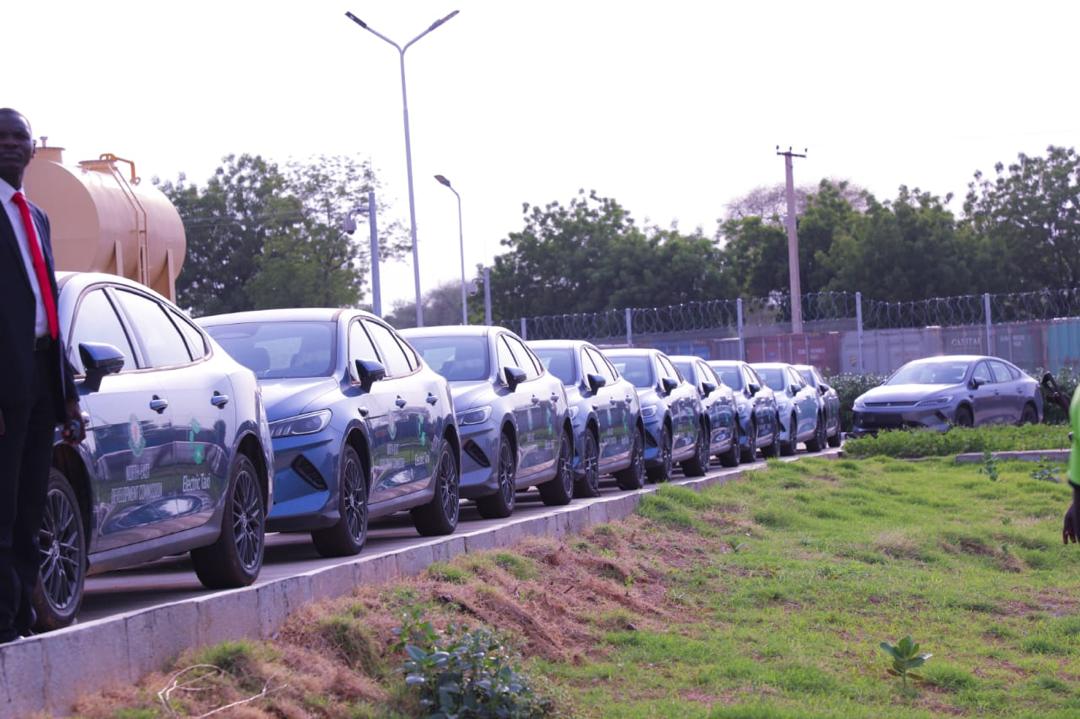
The Federal Government is set to launch a major electric mobility programme in the North-East, with an assembly plant in Maiduguri, Borno State, preparing to roll out 10,000 electric vehicles and tricycles in an initiative projected to generate employment for up to 100,000 people during the assembly process.
The Minister for Regional Development, Abubakar Momoh, disclosed this yesterday after inspecting the electric vehicle assembly facility being managed by the North-East Development Commission (NEDC) ahead of its planned inauguration by President Bola Ahmed Tinubu.
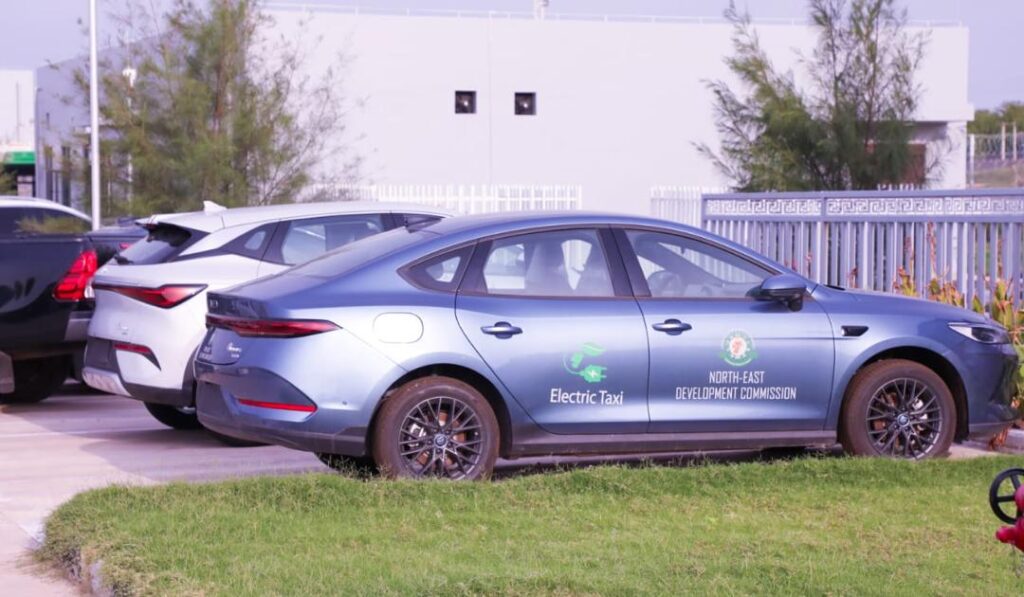
Momoh said the project had moved substantially beyond the planning stage, with nearly all the targeted vehicles already at the facility and assembly operations underway.
He said the fleet, comprising electric buses, taxis and tricycles, would be deployed across the six states of the North-East, with charging infrastructure incorporated into the programme.
The minister described the project as a significant demonstration of the administration’s transformation agenda, particularly its efforts to combine infrastructure development, youth employment, cleaner transportation and economic recovery in the region.
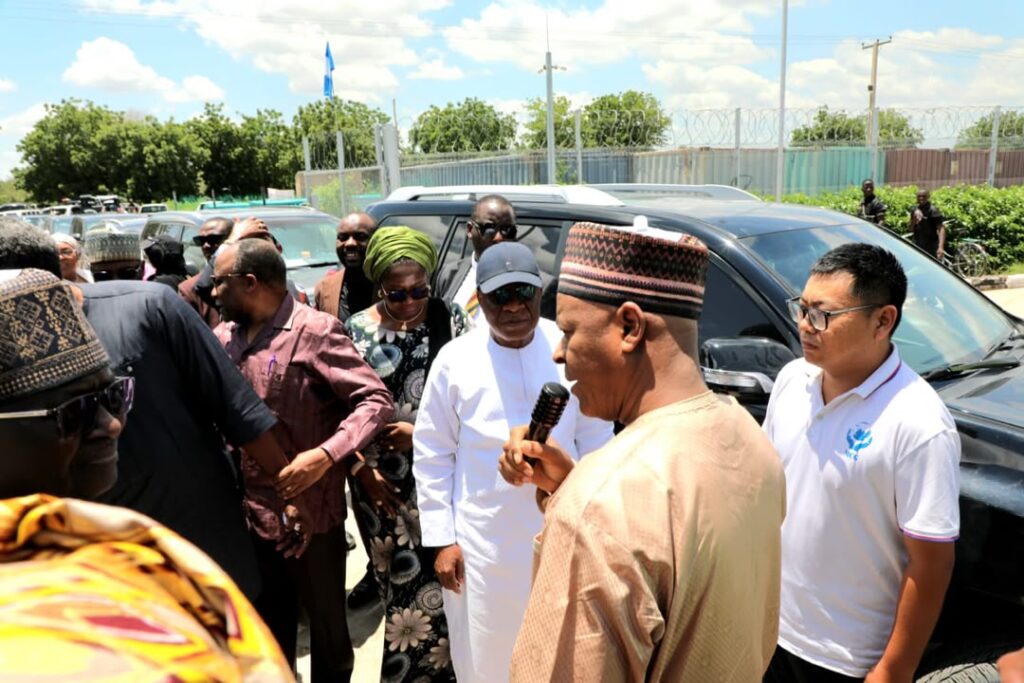
“Apart from the fact that it will help to improve commuting of people, and create more job opportunities for the youths,” Momoh said, adding that the assembly process itself was already generating employment.
One of the most significant aspects of the initiative is its potential employment impact.
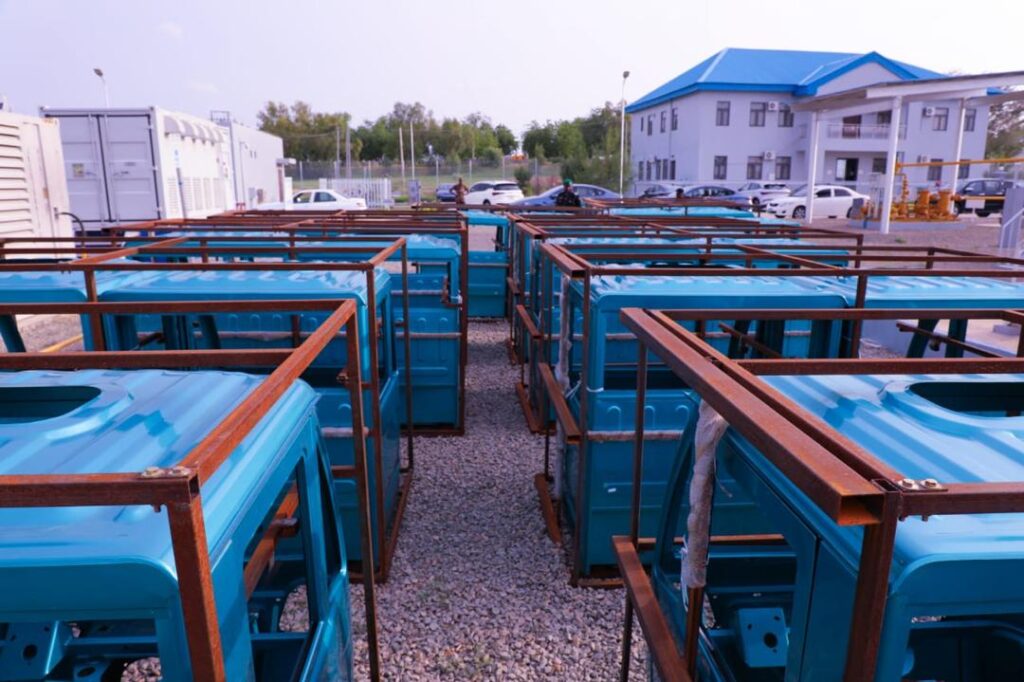
According to the minister, the project’s Director of Operations briefed him that the assembly of the 10,000 vehicles could provide employment for not less than 100,000 people before the target is completed.
The claim places the Maiduguri project at the centre of the Federal Government’s broader effort to make infrastructure spending translate into direct economic opportunities for young Nigerians, rather than merely producing physical assets.
The vehicles are also expected to create jobs beyond the assembly line through transportation operations, servicing, maintenance and supporting infrastructure once deployed across the region.
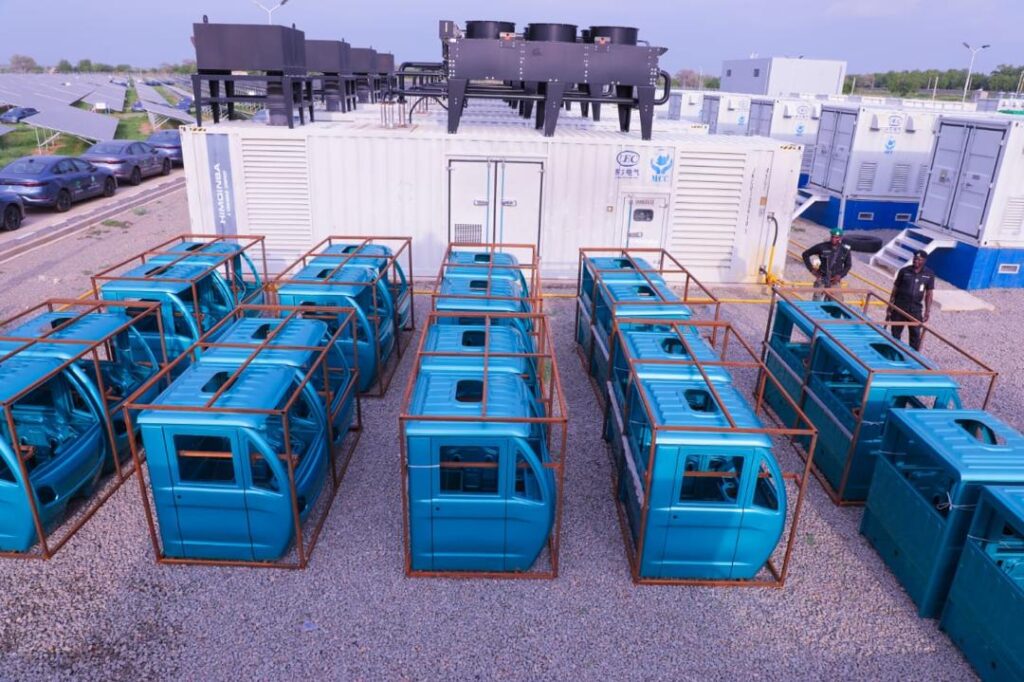
The project has an additional dimension that could prove particularly important to the North-East’s predominantly agrarian economy.
Momoh said some of the electric tricycles were designed to carry both passengers and agricultural produce, potentially allowing farmers in remote communities to move their commodities to urban markets more efficiently.
He therefore directed attention to the relationship between the e-vehicle programme and ongoing rural road construction.
According to him, the combination of improved roads and appropriate transport could strengthen the connection between rural producers and city markets.
The minister specifically urged the NEDC leadership to ensure that communities along newly rehabilitated road corridors were not excluded from the distribution of the vehicles.
He said rural residents needed the vehicles to evacuate agricultural produce from their communities to urban centres.
The Maiduguri project is not a new policy idea. The NEDC announced plans in 2024 to introduce 10,000 electric vehicles across the North-East as part of an effort to modernise transportation, reduce carbon emissions and respond to climate-change concerns.
The original plan envisaged a mix of nine-seater solar-powered tricycles, four-seater taxis and 40-seater buses, with deployment across Adamawa, Bauchi, Borno, Gombe, Taraba and Yobe states.
The commission had said the programme would be implemented in two phases of 5,000 vehicles each, while charging points would be established across the six states. Plans also included solar-power installations along major routes to support charging infrastructure.
The current inspection indicates that the initiative has now reached the assembly and deployment stage, bringing the long-planned regional mobility scheme closer to implementation.
For the North-East, the project comes against the backdrop of years of infrastructure deficits, disrupted economic activity and major transportation challenges.
The region comprises vast rural areas where poor transport connectivity can raise the cost of moving farm produce and limit access to markets, schools, healthcare and other essential services.
The NEDC was established specifically to coordinate reconstruction, rehabilitation and development interventions in the six North-Eastern states.
The electric mobility programme consequently fits into a wider regional-development strategy rather than being merely a vehicle procurement exercise.
The commission’s plan to link the vehicles with rural roads is particularly significant because better roads without affordable transport can leave rural communities economically isolated, while vehicles without passable roads cannot deliver their full value.
The initiative also places the North-East within Nigeria’s broader transition towards cleaner transportation.
Nigeria has been pursuing electric mobility as part of its energy-transition strategy, with the Federal Government increasingly promoting local assembly, charging infrastructure and technology transfer.
In January 2026, the National Automotive Design and Development Council disclosed that the Federal Government had signed an agreement with South Korea’s Asia Economic Development Committee for an electric vehicle manufacturing project and charging infrastructure. That separate national initiative envisages an eventual production capacity of 300,000 vehicles and about 10,000 jobs, alongside development of battery, component and charging ecosystems.
The broader policy objective is to move Nigeria beyond dependence on imported vehicles and fossil-fuel-powered transportation by developing local manufacturing capacity and the technical workforce required to sustain an electric-vehicle economy.
During his Maiduguri tour, Momoh also inspected rural road projects, including the Ngwom/Kushebe/Gadamari corridor towards Gongulong, and said he had observed substantial improvement.
He linked the road projects directly to the e-vehicle programme, arguing that improved roads would increase the usefulness of the vehicles, particularly for agricultural communities.
The minister also inspected the ongoing construction of the NEDC headquarters in Maiduguri and expressed satisfaction with the pace of work.
He said the project, which was at basement level during his previous visit, had progressed considerably, with the basement completed and another section of the building already under construction. He expressed confidence that the headquarters would be completed within 18 to 24 months.
For the Tinubu administration and the NEDC, the forthcoming inauguration will mark only the beginning of the real test.
The success of the programme will ultimately depend on whether the 10,000 vehicles remain operational after deployment, whether charging infrastructure is reliable, whether spare parts and technical expertise are locally available, and whether rural communities receive a meaningful share of the fleet.
If those challenges are effectively addressed, the Maiduguri project could become more than a transport intervention: it could provide the North-East with a new industrial ecosystem built around electric mobility, youth employment, clean energy, rural commerce and local technical skills.
And with nearly 10,000 vehicles already at the assembly facility, the region’s long-awaited shift towards electric mobility appears to be moving from policy promise to production reality.
FG Readies 10,000 E-Vehicles for Northeast, Targets 100,000 Jobs
National News
China Approves RMB 200m Grant for Nigeria as Envoy Meets Foreign Ministry Permanent Secretary

China Approves RMB 200m Grant for Nigeria as Envoy Meets Foreign Ministry Permanent Secretary
By: Michael Mike
China has announced a RMB 200 million grant to Nigeria to support the implementation of development projects agreed upon by the two governments, in a fresh demonstration of Beijing’s expanding economic partnership with Abuja.
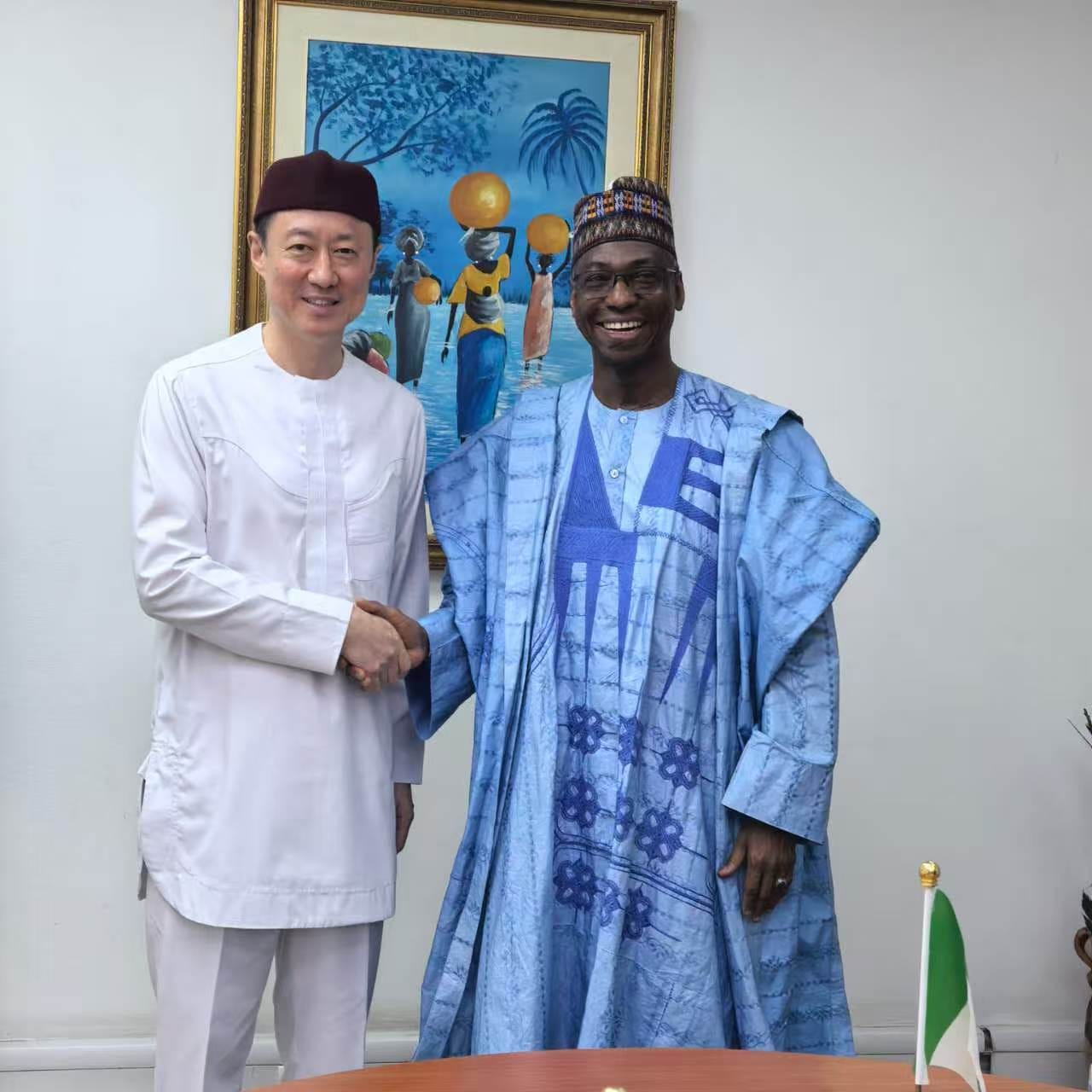
The announcement was made on Thursday by the Chinese Ambassador to Nigeria, H.E. Yu Dunhai, during a meeting with the Permanent Secretary of Nigeria’s Ministry of Foreign Affairs, Dr. Dunoma Umar Ahmed, in Abuja.
Yu said the grant was part of China’s continuing support for Nigeria’s national development and economic growth, stressing that the assistance would be deployed to projects jointly agreed by the two governments.
He said the latest commitment underscored the depth of relations between both countries, which have maintained diplomatic ties for 55 years.
According to the envoy, China-Nigeria relations have remained at the forefront of China-Africa relations and, under the strategic leadership of Chinese President Xi Jinping and Nigerian President Bola Ahmed Tinubu, the bilateral relationship has entered a new phase of high-quality development.
Yu said Beijing and Abuja had maintained close communication and coordination while working to implement agreements reached by their two leaders, as well as the outcomes of the 2024 Forum on China-Africa Cooperation (FOCAC) Beijing Summit.
He added that the objective was to ensure that the benefits of bilateral cooperation translated into tangible improvements in the lives of citizens of both countries.
Responding, the Nigerian Permanent Secretary thanked the Chinese government for what he described as its concrete support for Nigeria’s economic and social development.
Ahmed said the RMB 200 million grant demonstrated China’s commitment as a major global partner and reflected the deep friendship between Nigeria and China.
He assured that Nigeria would ensure the effective utilisation of the grant and work closely with China to implement the bilateral agreements and common understandings reached by both governments.
The Permanent Secretary said such cooperation would further strengthen Nigeria-China relations while delivering greater benefits to the peoples of both countries.
The fresh financial commitment comes as Abuja and Beijing continue to deepen cooperation in infrastructure, trade, investment, development financing and other strategic sectors, with both governments seeking to translate their comprehensive strategic partnership into concrete development outcomes.
China Approves RMB 200m Grant for Nigeria as Envoy Meets Foreign Ministry Permanent Secretary

Tinubu Approves Up to 80% Salary Increase for Armed Forces Personnel
By Zagazola Makama
President Bola Ahmed Tinubu has approved a new salary structure for personnel of the Nigerian Armed Forces, with increases ranging from 30 to 80 per cent, in a major welfare package aimed at boosting the morale of troops engaged in counter-insurgency and other internal security operations.
According to a statement issued on Tuesday by the Special Adviser to the President on Information and Strategy, Bayo Onanuga, about 250,000 military personnel will benefit from the new salary adjustment, which takes effect from Sept. 1, 2026.
Under the approved structure, officers above the rank of colonel—including Brigadier Generals, Major Generals, Lieutenant Generals and Generals—will receive a 30 per cent salary increase.
Personnel from the rank of Colonel down to Warrant Officer will enjoy a 50 per cent increase, while soldiers from the rank of Private to Staff Sergeant will receive the highest adjustment of 80 per cent.
The new package will raise the annual personnel cost of the Armed Forces from ₦660 billion to ₦924 billion, reflecting the Federal Government’s renewed commitment to improving troop welfare.
President Tinubu said the decision was in recognition of the courage and sacrifices of members of the Armed Forces in confronting terrorism, banditry, kidnapping and other security challenges across the country.
“The men and women who help to keep us safe in our homes must be supported and appreciated in the course of their duties to our nation,” the President said.
He reaffirmed his administration’s commitment to prioritising troop welfare while modernising the Armed Forces through the provision of modern weapons, equipment and technological capabilities needed to effectively carry out their constitutional responsibilities.
According to the President, security remains the foundation for national development, stressing that his administration would continue to mobilise military and law enforcement assets to eliminate threats and safeguard the lives and property of Nigerians.
“I urge our servicemen to take our gesture as a sign of our deep appreciation of the services they render to our fatherland. Together we shall prevail over the enemies intent on destroying the fabric of our nation,” Tinubu said.
The salary review is expected to provide a significant boost to the welfare of military personnel serving in various theatres of operation across the country, including those engaged in counter-terrorism, anti-banditry and peace support missions.
Tinubu Approves Up to 80% Salary Increase for Armed Forces Personnel

Several Killed, 45 Fulani Shelters Destroyed, Crops Razed In Targeted attack by suspected Mwaghavul miltia in Plateau Community

Troops Repel ISWAP Attack on Mandaragirau FOB, Detonate IED During Clearance Operation in Borno

ISWAP Fighter Surrenders in Borno After Eight Months in Terrorist Camp

Roger Federer’s Shock as DNA Results Reveal Myla and Charlene Are Not His Biological Children

THE PLIGHT OF FARIDA

FAILED COUP IN BURKINA FASO: HOW TRAORÉ NARROWLY ESCAPED ASSASSINATION PLOT AMID FOREIGN INTERFERENCE CLAIMS
-
 News2 years ago
Roger Federer’s Shock as DNA Results Reveal Myla and Charlene Are Not His Biological Children
-
Opinions5 years ago
THE PLIGHT OF FARIDA
-
 News1 year ago
FAILED COUP IN BURKINA FASO: HOW TRAORÉ NARROWLY ESCAPED ASSASSINATION PLOT AMID FOREIGN INTERFERENCE CLAIMS
-

 News2 years ago
EYN: Rev. Billi, Distortion of History, and The Living Tamarind Tree
-
 Opinions5 years ago
POLICE CHARGE ROOMS, A MINTING PRESS
-

 ACADEMICS2 years ago
A History of Biu” (2015) and The Lingering Bura-Pabir Question (1)
-

 Columns2 years ago
Army University Biu: There is certain interest, but certainly not from Borno.
-

 Politics1 year ago
2027: Why Hon. Midala Balami Must Go, as Youths in Hawul and Asikira/Uba Federal Constituency Reject ₦500,000 as Sallah Gift
