
News
Kashim Shettima: 2 Years In The Saddle With A Visionary, Historical Reformer

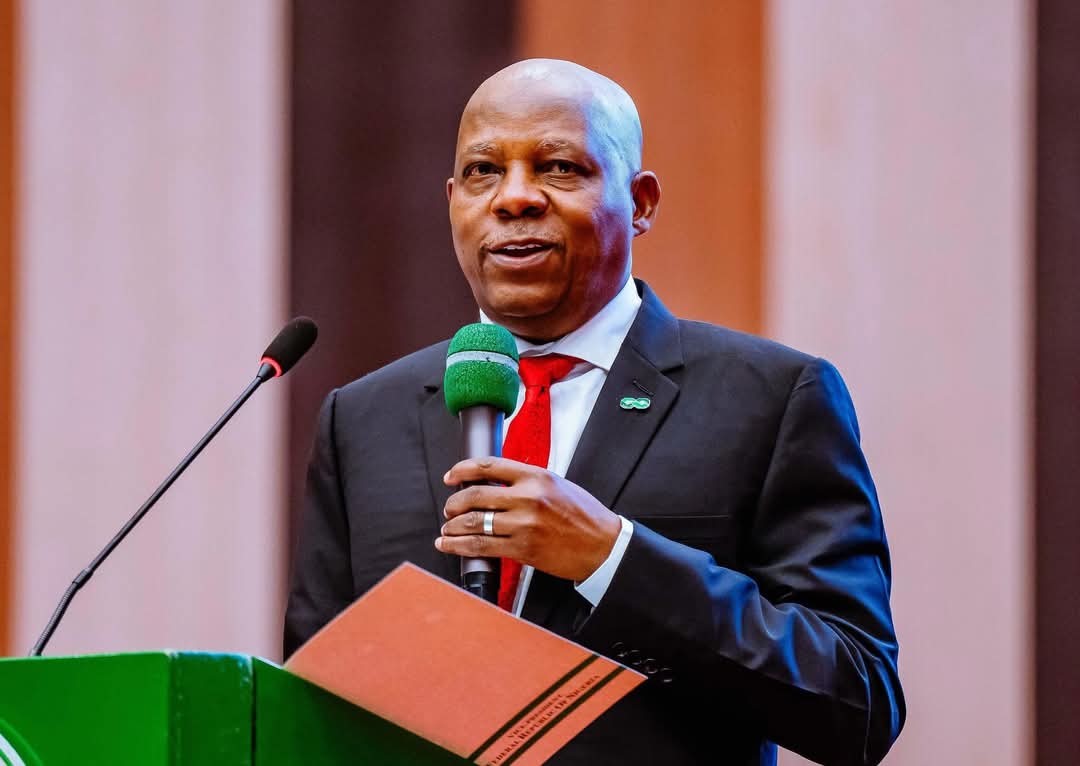
Kashim Shettima: 2 Years In The Saddle With A Visionary, Historical Reformer
By Stanley Nkwocha
The trademark of governance in a democracy is its regular consolidation. This has been the challenge with Nigeria’s democratic journey since 1999. Yearly, at individual and corporate governance levels, aspirations are set out to be pursued – objectives to be achieved and missions to which unflinching commitment is required. Where the vision is strong, the pursuit is fierce.
The slogan of the President Bola Ahmed Tinubu presidency on assumption of office on May 29, 2023 was, and remains, a significant cut-down on insecurity, poverty, enhanced transparency in the conduct of government affairs and management of the nation’s commonwealth, increased provision of infrastructures as well as enhancing economic condition of Nigerians.
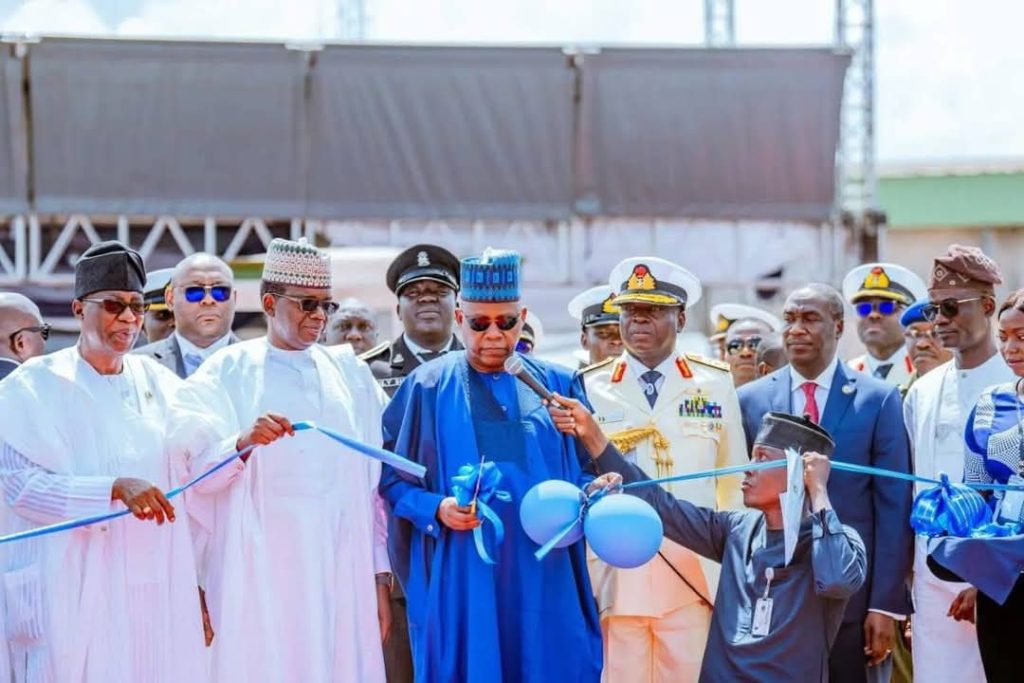
In this pursuit, President Tinubu and his deputy, Vice President Kashim Shettima, set out to pursue economic transformation with all the vigour available to them. They spent the first few months criss-crossing the length and breadth of the global investment space, all in a bid to explain to the world the ease of doing business in Nigeria and why the country should be the investor’s delight.
Undoubtedly, the last two years of President Tinubu and Vice President Shettima have unveiled what is possible where a president is engrossed in selfless service to his nation, and his deputy is devoted to his boss’s policies, principles and ideals. Senator Shettima has consistently declared that he will remain loyal to his principal, President Tinubu, whom he has described as a reformer, builder and visionary leader. At various fora, he has constantly assured Nigerians that the President is fully committed to his campaign promises encapsulated in the administration’s Renewed Hope Agenda.
Two years down the line, it is evident that the administration’s multi-pronged approach is working. The economy has witnessed positive growth in the last two years and is progressing strongly. Just like the President has maintained that he will not have respite until Nigeria’s reputation as a $1trillion economy and investment destination is restored, his deputy, Senator Shettima has sustained the tempo in his capacity as Chairman of the National Economic Council (NEC), with meaningful government interventions, programmes and initiatives being spearheaded in the office of the Vice President.
Below are some of the key accomplishments of the Tinubu administration initiated and overseen by the office of the Vice President in the last two years:
AGRICULTURE
It has been manifestly clear from the beginning in 2025, when President Tinubu was seeking the position of the president of the country, that agriculture was going to be the major thrust of his administration. It is not surprising to see the President living up to that promise. The administration set out a regime of incentives to make farming more attractive once again, as it was in the 60s when Nigeria had groundnut pyramids in the North, cocoa in the West and palm oil in the East. Then Nigeria had enough to feed its population and an excess for export.
To this effect, Vice President Shettima embarked on international diplomacy to attract agricultural investments. As chairman of the NEC, he has been overseeing several agricultural initiatives. At the 3rd Belt and Road Initiative (BRI) Forum in China in November 2023, he promoted Nigeria as a safe investment destination for the agricultural sector. During his visit to the United States for the African Development Bank (AfDB) World Food Prize-facilitated Norman Borlaug International Dialogue, he sought investors’ commitments towards Nigeria’s agro-food sector development.
The Tinubu administration, through the Ministry of Agriculture and Food Security, signed a Memorandum of Understanding (MoU) with the American agricultural machinery manufacturer John Deere. The partnership aims to establish a tractor assembly plant in Nigeria to boost agricultural mechanisation and food production. Under the agreement, John Deere is to supply about 2,000 tractors annually to Nigeria over the next five years. The Vice President played a key role in initiating this partnership during his visit to the United States, where he met with John Deere officials.
Also, the international engagement tripled the African Development Bank’s (AfDB) agricultural interventions in Nigeria from $500 million to over $1 billion. The cumulative effects of the commitment from AfDB include the groundbreaking for the federal government’s Specialised Agro-Processing Zones (SAPZ) recently performed in Kaduna and Cross River State to revitalise Nigeria’s agricultural sector and reduce food import dependence. SAPZs are designed to industrialise rural economies by adding value to agricultural products, attracting investment, and reducing youth unemployment. Others are improved fertiliser availability for farmers, the establishment of Agro-Rangers to address farm security issues, and the implementation of modern agricultural practices.
In a bid to advance the Green Imperative Agricultural Project, the Vice President presided over the commercial signing of the $1.1 billion Nigeria-Brazil Green Imperative Project at the Presidential Villa. This initiative seeks to modernise Nigeria’s agriculture sector by supporting smallholder farmers and integrating them into global value chains. A government-catalysed, private-sector-driven agricultural industrialisation programme in Nigeria, VP Shettima is championing the Green Imperative Programme as an important component of the government’s broader strategy to boost agricultural productivity, increase crop yields, and make Nigeria self-sufficient in food production.
And to lead by example, Vice President Shettima launched the Kashim Shettima Foundation’s Agricultural Empowerment Programme in 2024. This personal initiative includes the distribution of essential farming inputs such as tractors, seeds, fertilizers, and herbicides to beneficiary farmers for the 2024 farming season; financial support of N100,000 per month to 50 beneficiaries for 4 months during the planting period, and the provision of startup funds up to N30 million for farmer cooperatives to establish commercial farms.
FOOD SECURITY
Throughout the history of humanity, agriculture has always played a pivotal role in social and economic development. Firstly, robust agriculture engagement ensures food security, which is the fundamental and best form of security because a nation that cannot feed its population is vulnerable, and in fact is sitting on a time bomb. When President Tinubu came to power in 2023, the first appeal he made was for Nigerians to return to the land, for therein lies true prosperity.
Acting on the President’s directive, Vice President Shettima inaugurated the Presidential Food Systems Coordination Unit (PFSCU), an initiative of the administration to tackle hunger and food insecurity in Nigeria. The PFSCU is tasked with harnessing resources and ideas from stakeholders, including state governors, to modernise farming practices, increase crop yields, and transform Nigeria into a self-sufficient food producer. If a person is food secure, it typically means that sufficient quality food is available, they have enough resources to buy food for a nutritious diet, and they have stable access to adequate food at all times.
NCP AND ECONOMIC REFORMS
In 2023, Vice President Shettima inaugurated the National Council on Privatisation (NCP) committee to drive the economic reforms of the Renewed Hope administration. The Council has remained a key institution in Nigeria’s journey toward a market-driven economy, balancing the challenges of reforms with the need for sustainable development. In late 2023, Vice President Kashim Shettima chaired a meeting of the National NCP focused on the recapitalisation and restructuring of the Bank of Agriculture (BOA). This initiative has helped greatly in revitalising the bank and making it more effective in supporting Nigeria’s agricultural sector. The Vice President has been actively involved in efforts to transform the BOA into a more robust financial institution capable of providing enhanced support to farmers and agribusinesses across Nigeria. Under Shettima’s supervision, there have been discussions about increasing the BOA’s capital base to strengthen its capacity to provide loans and other financial services to the agricultural sector. The Office of the Vice President has been working closely with the Ministry of Agriculture and Food Security and other relevant stakeholders to streamline the operations of the BOA and make it more accessible to smallholder farmers. There have been plans to leverage technology to improve the BOA’s reach and efficiency, including the possible introduction of digital banking services tailored for farmers. This is as the Vice President has been advocating for partnerships between the BOA and international development finance institutions to increase the pool of funds available for agricultural lending.
NUTRITION
Under the administration, the Vice President, who is the chairman of the National Council on Nutrition (NCN), has emphasised the importance of reinforcement in agriculture to combat malnutrition. Accordingly, he approved a 5-year National Multi-Sectoral Plan of Action for Food and Nutrition. Senator Shettima went on to push for the Nutrition 774 Initiative at the National Economic Council, an initiative aimed at tackling malnutrition by providing life-saving nutritional support across all local government areas. It focuses on community-based impact, particularly for mothers and children. A significant landmark within the initiative is the establishment of a House Committee on Food and Nutrition, the first of its kind, at both federal and state legislatures. The functions of the House committee include maintaining political commitment, pushing for legislative support, as well as ensuring that nutrition remains a priority in national policies and budgets.
HUMAN CAPITAL DEVELOPMENT (HCD)
As part of its resolve to position the nation among top 80 countries on the global Human Capital Index (HCI) by building a healthier, better-educated, and empowered Nigeria, the Tinubu administration stepped up government’s Human Capital Development (HCD) initiative aimed at improving education, healthcare, and skills training across the country to boost economic growth and create a more productive workforce. Under the chairmanship of Vice President Shettima, NEC took the initiative to its second phase (HCD 2.0), which focuses on areas like gender equality, climate change, digital economy, financial inclusion, and food and nutrition. It also aims to address unemployment, the informal sector, and low labour force participation. About 24 million Nigerians are set to benefit from the federal government’s Human Capital Development initiative, which aims to improve education, healthcare, and skills training across the nation. During the HCD Steering Committee meeting, VP Shettima insisted on swift, data-driven implementation of education, health, and workforce programmes across states. To this end, he launched the HCD Dashboard to monitor progress on key indicators like youth unemployment and learning poverty.
MSMEs
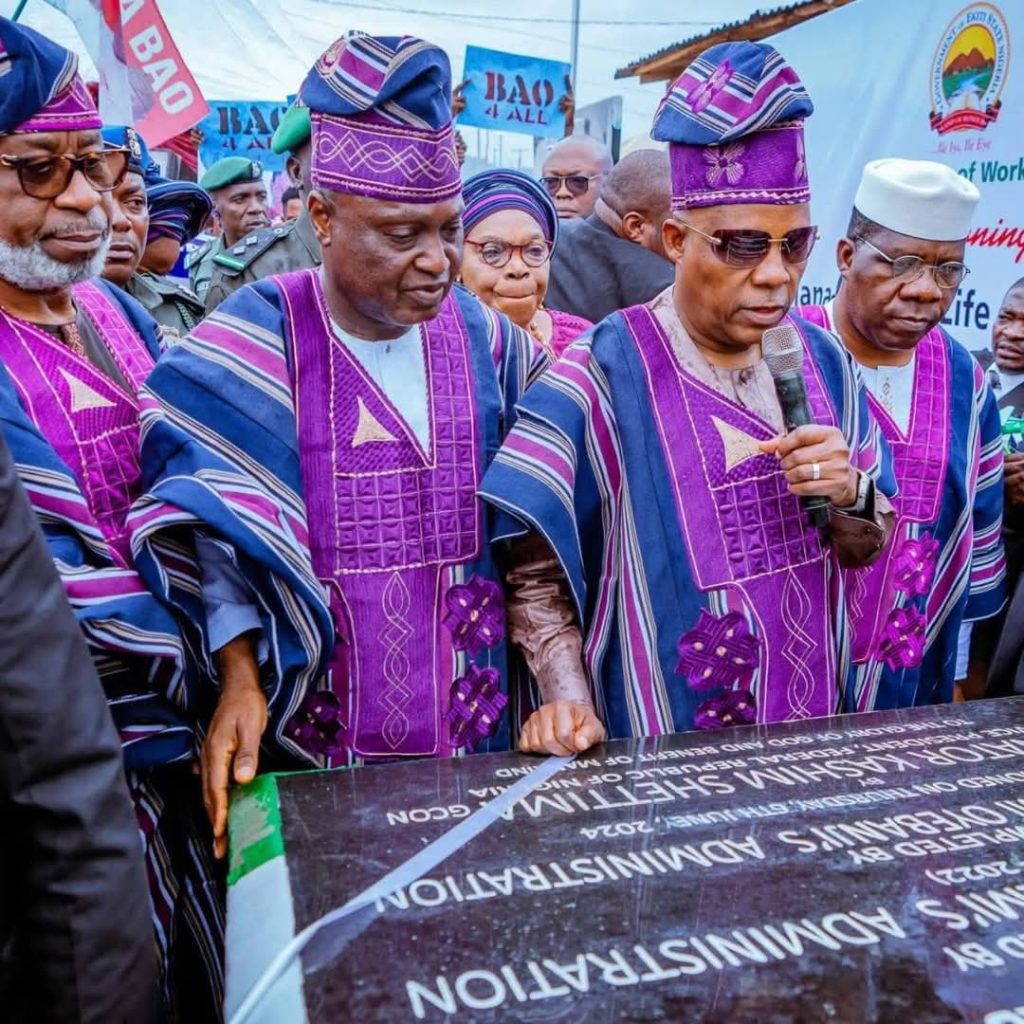
The Expanded National MSME Clinics is another initiative launched by the Tinubu administration to support and empower micro, small, and medium enterprises (MSMEs) across Nigeria, including in the agricultural sector. Vice President Kashim Shettima has played a central role in championing and overseeing the MSME Clinics programme, launching editions in states Benue, Ogun, Enugu, Jigawa, and Ekiti States, with federal government grants for business owners. The MSME Clinics aim to boost economic empowerment and support small-scale enterprises, including agricultural businesses, by facilitating access to finance, markets, skills, and regulatory compliance. The MSME Clinics have led to the launch of major ultramodern fashion hubs in these states. The fashion hubs are expected to create millions of jobs.
ENERGY AND INFRASTRUCTURE
In April 2025, Vice President Shettima inaugurated the Board of the Nigerian Independent System Operator (NISO) to address national grid reliability. Also, VP Shettima, in meetings with the World Economic Forum President and other global stakeholders, championed the African Atlantic Gas Pipeline and Lake Chad recharge. These projects aim to address energy shortages in West Africa, strengthen Nigeria’s export footprint, and boost agricultural resilience in the Sahel.
REVITALISATION OF THE NIGERIA-BRAZIL STRATEGIC DIALOGUE
In March, VP Shettima coordinated preparations for the revival of Nigeria-Brazil bilateral ties, which had stalled for over a decade. Discussions are now set to enhance cooperation in agriculture, health, military technology, and tourism, anchored on the upcoming Brazil-Nigeria Strategic Dialogue Mechanism.
RSPIC
The Tinubu administration launched the Resettlement Scheme for Persons Impacted by Conflict (RSPIC), a national initiative aimed at addressing the humanitarian crisis caused by internal displacements across Nigeria. The project, which is in its pilot phase, focuses on 7 states disproportionately affected by farmer-herder conflicts. They are Sokoto, Kebbi, Benue, Katsina, Zamfara, Niger, and Kaduna. Last year, Vice President Shettima, representing President Tinubu, presided over the groundbreaking ceremony for the RSPIC project in Kaduna State. Earlier, VP Shettima had inaugurated a steering committee to coordinate the implementation of the RSPIC initiative, fulfilling President Tinubu’s promise to improve the lives of Nigerians affected by conflict.
While the primary focus of the RSPIC is on providing relief and rehabilitation for conflict-affected communities, it is also linked to the administration’s efforts to address food insecurity in Nigeria. The areas targeted by the RSPIC have been significantly impacted by farmer-herder conflicts, which have disrupted agricultural production and food supply. By resettling and rehabilitating these conflict-affected communities, the RSPIC aims to restore their livelihoods and access to food, thereby contributing to the broader goal of improving food security in Nigeria.
FINANCIAL INCLUSION
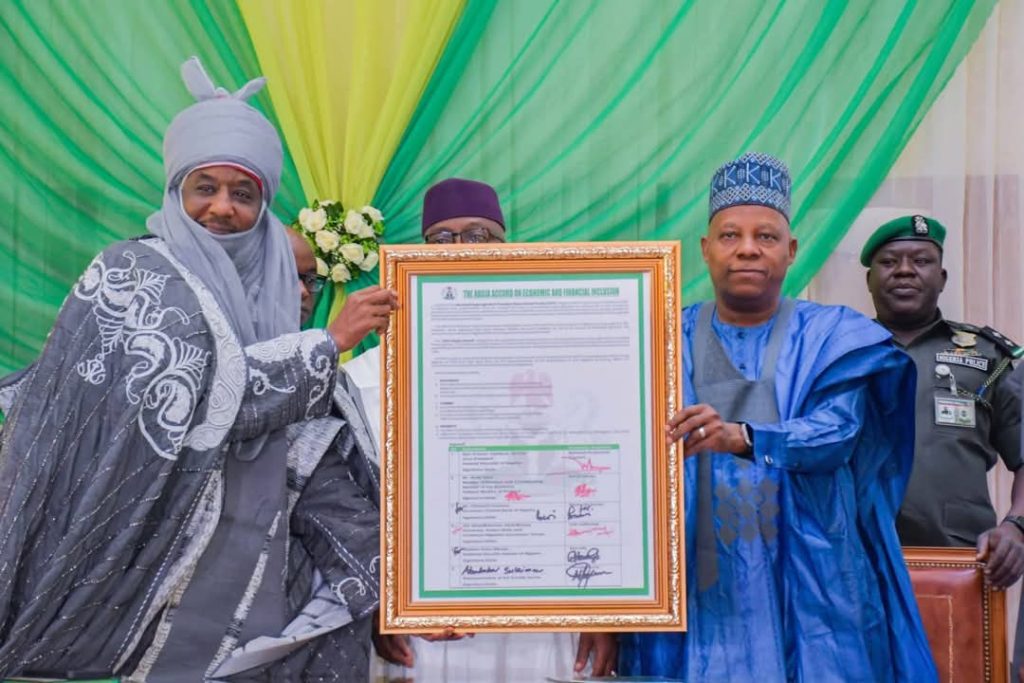
Vice President Shettima has played an important role in advancing financial and economic inclusion as a foundation stone of the administration’s development agenda. In April 2024, he led the signing of the landmark Aso Accord for Economic and Financial Inclusion, uniting federal and state actors, financial institutions, and development partners around a shared commitment to integrate over 30 million unbanked Nigerians into the formal economy. He followed this with the launch of a national operating model aimed at transforming Nigeria into a $1 trillion economy by 2030 through improved access to credit, digital payments, and financial literacy. And to promote economic growth and financial inclusion, the Vice President, in February 2025, inaugurated the Presidential Committee on Economic and Financial Inclusion (PreCEFI). The financial inclusion efforts of the administration have been serving as a vehicle that helps Nigeria to bring life to dead capital.
Indeed, while the first half of President Tinubu’s first term in office can best be described as a remarkable and impactful success story, the unalloyed belief in his economic policies, institutional reforms and developmental ideas, especially by his lieutenants led by VP Shettima, is as inspirational as it is legendary.
As the administration steps into mid term of its first term in office, there is no doubt that President Tinubu foresight’s, vision, reforms, well thought-out policies and programmes will impact tremendously on the lives of Nigerians. His absolute trust in the capacity of the Vice President and all others in the cabinet to plan and execute the programmes and interventions of the Renewed Hope Agenda will motivate them to ramp up the business of governance for the overall benefit of the people.
Nkwocha is the Senior Special Assistant, Media and Communications to the President (Office of the Vice President)
@highlight
Kashim Shettima: 2 Years In The Saddle With A Visionary, Historical Reformer


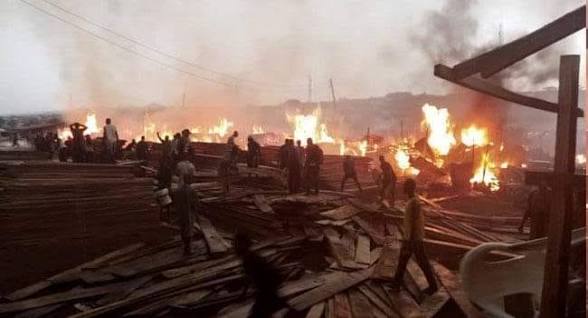
Fire razes about 50 shops at Ibadan market
By: Zagazola Makama
A fire outbreak has destroyed about 50 shops at the Bode Market area of Ibadan, Oyo State, with no casualties recorded.
Police sources said the incident occurred at about 2:00 a.m. on Friday following reports from members of the public.
A team of police operatives led by the Divisional Police Officer of Mapo Division responded to the scene, while firefighters were immediately contacted to contain the blaze.
The fire was eventually extinguished through the combined efforts of firefighters and residents.
Police cordoned off the area to prevent hoodlums from taking advantage of the situation to loot affected shops.
Although about 50 shops were completely destroyed by the fire, no lives were lost and no injuries were reported.
The cause of the fire has yet to be determined, while the value of the property destroyed is still being assessed.
Police said investigations into the incident have commenced.
Fire razes about 50 shops at Ibadan market
News
Late Community Leader Daniel Pulle Laid to Rest Amid Tears as Killing Continues to Stir Questions in Plateau
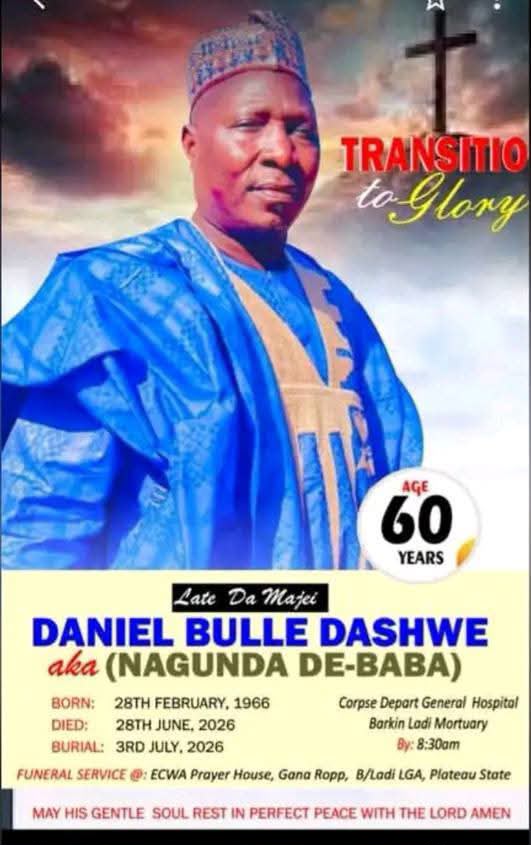
Late Community Leader Daniel Pulle Laid to Rest Amid Tears as Killing Continues to Stir Questions in Plateau
By: Zagazola Makama
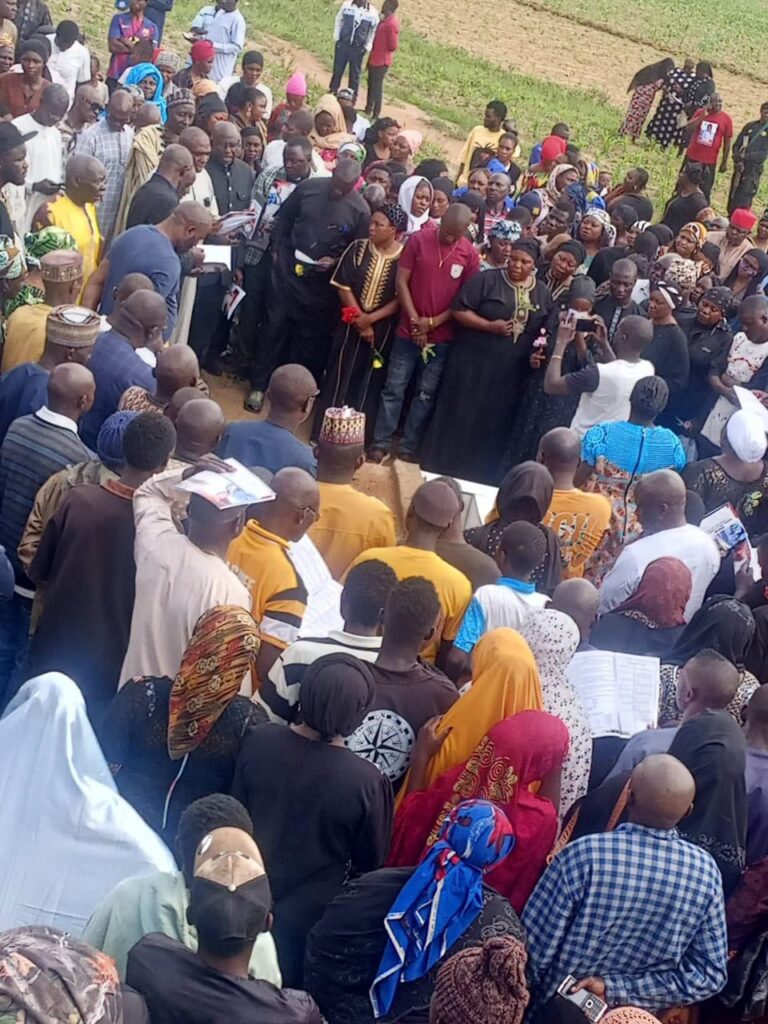
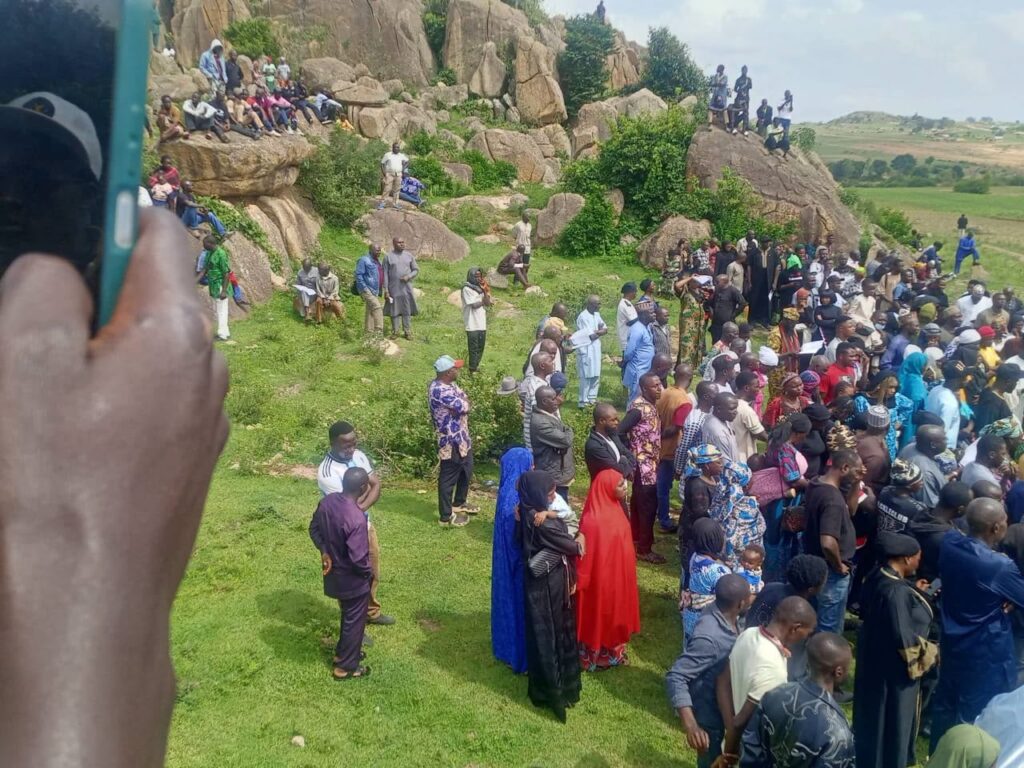
Hundreds of mourners from different faiths and communities on Saturday gathered in Gana-Ropp, Ropp District of Barkin Ladi Local Government Area of Plateau State, to bid a final farewell to community leader, Mr. Daniel Pulle, popularly known as Nagunda, whose killing has continued to generate concern and controversy across the area.
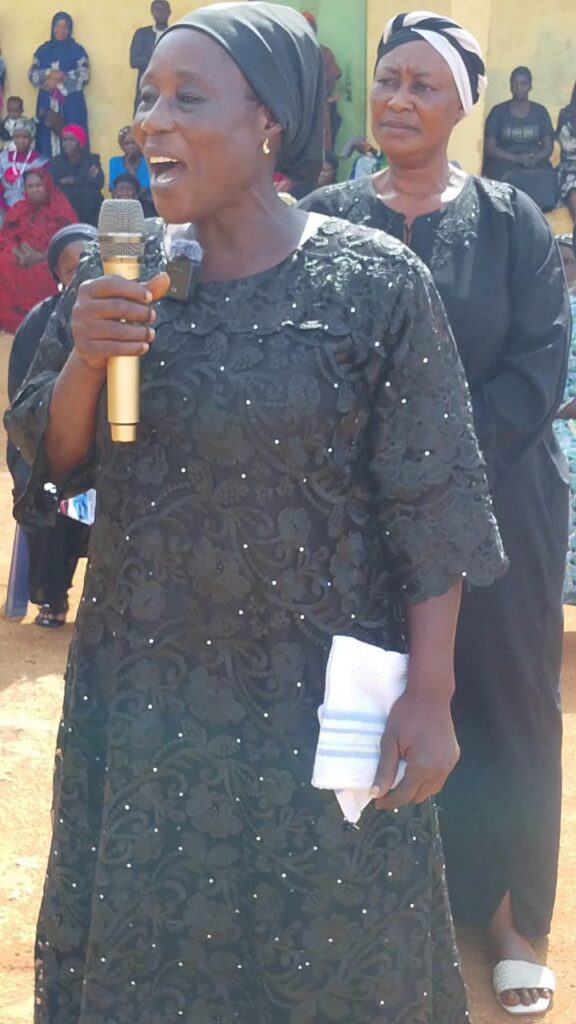
Pulle, 60, was buried according to local customs amid emotional scenes as family members, traditional leaders, community elders, youths, women, and sympathisers paid glowing tributes to a man many described as a symbol of peace, unity and selfless service.
The late community leader was reportedly killed on the evening of June 28, 2026, in circumstances that remain unclear. His death has heightened concerns over networks of criminal militia groups operating in Barkin Ladi and renewed calls for a thorough investigation to identify and prosecute those responsible.
Throughout the funeral ceremony, grief-stricken residents remembered Pulle as a humble and accommodating leader whose influence extended beyond ethnic and religious boundaries.
Many speakers described him as a bridge-builder who maintained cordial relationships with all segments of the community, including neighbouring Fulani settlements, despite the complex security challenges that have affected parts of Plateau State in recent years.
His reputation for peaceful coexistence was reflected in the large turnout at his burial, which drew hundreds of mourners comprising both Christians, Muslims and Fulani from within and outside Barkin Ladi Local Government Area.
As prayers and tributes filled the atmosphere, many mourners struggled to hold back tears while recalling his contributions to community development and conflict resolution.
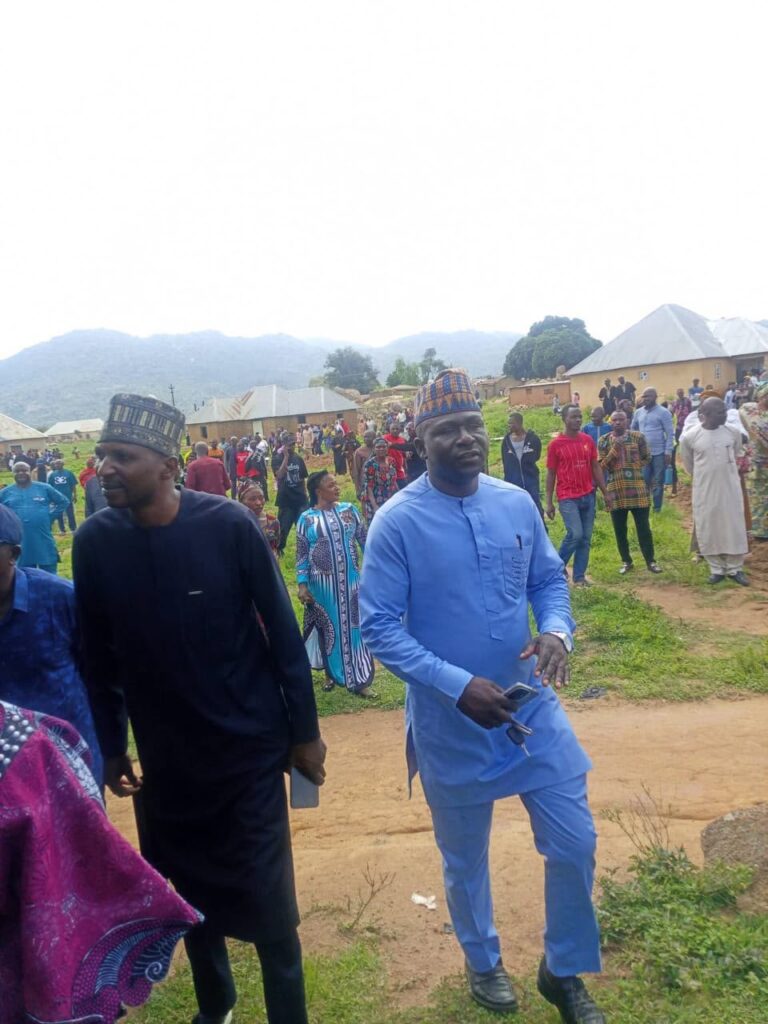
Residents said his death has left a vacuum in Gana-Ropp, where he was widely regarded as a respected voice of moderation and dialogue.
Although security agencies have yet to announce any arrest in connection with the killing, the incident has continued to generate widespread speculation among residents.
Community sources told Zagazola that one line of speculation centres on a prolonged leadership dispute involving Pulle and another member of the community. According to the sources, the disagreement had been the subject of litigation for an extended period before the court reportedly ruled in Pulle’s favour.
Other residents linked the incident to disagreements over land ownership and mining activities in the area.
According to community members, there had been disagreements between Pulle and some youths over parcels of land reportedly earmarked for mining activities involving Chinese investors.
The sources explained that while similar mining-related land transactions had reportedly been carried out successfully in other parts of Barkin Ladi, including neighbouring communities, efforts to execute a comparable arrangement in Gana-Ropp were met with resistance from some local residents.
However, none of the claims regarding the motive behind the killing has been officially confirmed by security authorities, and investigators have yet to disclose any findings linking the incident to either the leadership dispute or the land-related disagreements.
Many appealed to the Plateau State Government and security agencies to ensure that those responsible are identified and brought to justice.
“This is not just the loss of a family; it is the loss of an entire community,” one elderly mourner said. “Nagunda believed in peace and lived for his people. We owe him justice.”
Others noted that despite differences that naturally arise within communities, Pulle consistently advocated dialogue rather than confrontation and remained accessible to people across religious and ethnic divides.
As the late community leader was lowered into the earth amid prayers and sobbing relatives, mourners said the greatest tribute to his memory would be the restoration of peace and justice in Gana-Ropp.
Residents expressed hope that a transparent investigation into the circumstances surrounding his death would not only bring closure to his family but also help prevent further tension within the community.
Late Community Leader Daniel Pulle Laid to Rest Amid Tears as Killing Continues to Stir Questions in Plateau
News
The Plateau Narrative War: Why Naming Criminals Should Not Be Mistaken for Profiling Communities

The Plateau Narrative War: Why Naming Criminals Should Not Be Mistaken for Profiling Communities
By: Zagazola Makama
The reactions that followed Zagazola Media Network’s report identifying the suspect killed during the attempted attack near the National Institute for Policy and Strategic Studies (NIPSS), Kuru, has again exposed a deeper challenge in Plateau’s long-running conflict, the battle over narratives is increasingly becoming as fierce as the violence itself.
At no point did our report describe the good people of Berom as a militia. We referred to a suspected Berom militia member, (Peter from Trade Center Community in Plateau) based on what is circulating on various local indigenes platforms as well as available information from multiple security and local sources.
A 17 minutes video shared by Zagazola showed a Whatsapp conversation where one Berom youth was speaking to another telling him that he recognized the attacker as one Peter who was from his area at Trade Center and that he is a BEROM. That automatically qualified him to be a Bandits, terrorists or any name we chose to call him. Because more disturbing was the fact that the gun that was used for the attack was traced to be a rifle used by the same Berom Militia to attack and kill a Nigerian Soldier in another Berom community.
So, there is a world of difference between identifying the background of a suspect and criminalising an entire ethnic group. Those who deliberately blur that distinction are only choosing to mischievously misrepresent it.
Therefore, our report did not describe the Berom people as a militia. It referred to a suspected criminal from the Berom extraction as the militia member. Conflating the actions of an individual or an armed group with an entire ethnic community is misleading, just as suggesting that identifying a suspect’s background automatically amounts to profiling an entire people is equally misguided, problematic and misleading.
Curiously, this distinction appears to matter only when it is politically convenient. For years, reports identifying Fulani bandits have circulated widely with little objection from many of those who now insist that ethnicity should never be mentioned in security reporting. In fact, many have argued that identifying armed Fulani groups was necessary for transparency and accountability.
“Everyday we hear the Berom Youth leader profiling the entire Fulani communities as terrorist groups. Miyetti Allah association has severally been called a terrorist organization. He will always come out to warn that supporters of terrorists will also be considered as terrorists. In his numerous emotional speeches, he always pointed at a peaceful Fulani community and told the world that it is through those communities that the terrorists are coming to attack the Berom Communities. Sometimes, he will name some of the communities as training grounds for terrorists. This is normal as it fits in the narratives because they are FULANI.
And when the Fulani’s are killed in any part of the Berom Communities, instead of condemnation, the Berom Leader will come out and say that the Fulani themselves were the ones who scheme the killings in order to have a reason to attack the Berom people. The man has used this same script in more than 10 different attacks against the Fulani by his people.
Now, a different standard appears to be emerging. When the identity of a suspect allegedly points elsewhere, the conversation suddenly shifts from the attack itself to the identity of the attacker, and eventually to the journalist who reported it.
The irony is difficult to ignore. Plateau’s conflict has never been a simple story of one community attacking another. Security operations over the years have led to the arrest of armed suspects from different ethnic backgrounds. Weapons have been recovered from various communities. Security personnel have repeatedly confronted armed groups operating under different identities. Innocent civilians have been killed across ethnic and religious lines. Infact, troops have come under heavy attack by Berom Militia leading to the killing of an Officer recently.
Pain does not recognise ethnicity. Neither should justice. That reality is uncomfortable because it refuses to fit neatly into a single narrative. (We are targeted for Genocide). The unfortunate consequence is that every security incident increasingly becomes a contest over perception rather than an opportunity to confront criminality.
Perhaps the hardest truth to accept is that many attacks on the Plateau today are reprisals for previous attacks. One killing produces another. One burnt settlement leads to another. Every side points to yesterday’s victims to justify today’s violence. That endless cycle has turned grief into an inheritance passed from one generation to another. This is what we find and we have all the documented stories with facts, time and coordinates.
Meanwhile, misinformation has become another weapon of war. False narratives spread faster than verified facts. Every incident is immediately reshaped to fit an existing political or ethnic storyline. Social media amplifies rumours. WhatsApp manufactures witnesses. Every community believes only its own version of events. Facts become secondary.
Every community readily acknowledges the crimes committed against it but often hesitates to openly confront violent actors operating from within its own ranks. The Berom communities have always defended these criminal networks describing them as the defenders of the Berom Land. This is why in many cases, they will come out to confront the military asking for the release of any perpetrator no matter the crime.
This pattern is not unique to one ethnic group.
Across Plateau’s troubled communities, violent individuals often find defenders long before investigators complete their work. Once arrests are made or suspects are neutralised, debates frequently shift from accountability to allegations of bias, while the original crime gradually fades into the background. Meanwhile, the victims remain dead.
For example, the so-called advocate of peace simply attempted to shift the conversation from the act of terrorism perpetrated by the militia from the Berom extraction to the naming of the Berom Militia. They are more concerned about the name attached to the criminal instead of the act. Worst still, they attempted to disown him because he was caught in the act.
One of the less discussed realities of the Plateau crisis is that many attacks are reprisals. A village is attacked; another community retaliates. Livestock are stolen; farms are destroyed in response. One funeral becomes the justification for another. This vicious cycle has continued for years, producing victims on every side while strengthening extremists who benefit from perpetual hostility.
Equally concerning is the growing role of misinformation. Competing narratives now spread almost instantly after every incident. Social media platforms become arenas where facts compete with rumours, and carefully crafted ethnic narratives often gain traction before investigators even arrive at crime scenes. Mainstream media are deliberately not reporting these issues. In such an environment, objective reporting inevitably becomes unpopular because facts rarely satisfy entrenched positions.
Yet journalism cannot become hostage to public sentiment. If armed Fulani bandits are identified where evidence supports that conclusion, the same standard should apply to any other armed group. Conversely, where evidence changes or proves insufficient, responsible journalism equally demands correction. That is how credibility is built not through selective silence but through consistency. In this case Zagazola was right. PETER was a Berom son. Does this criminalize every Berom, no. It only criminalised Mr Peter and his networks of Militia.
Now, the larger question is whether Plateau’s stakeholders are prepared to confront criminality wherever it exists. The overwhelming majority of Berom, Fulani and other ethnic communities in Plateau desire peace. Farmers want to cultivate their land. Herders want to graze their livestock. Traders want to move safely. Children want to attend school without fear. Unfortunately, these aspirations continue to be undermined by a relatively small number of violent actors whose actions often receive moral justification from competing ethnic narratives.
As a Fulani herder, you cannot passed through certain communities without being lynched. So also the Berom people, same fate are mated on them the same way. Both communities have no go areas and to prevent the killings, troops of Operation Enduring Peace, created buffer zones where cattle are prevented from encroaching farmlands.
Justice cannot operate with two different measuring sticks. One of the uncomfortable truths about the Plateau conflict is that violent actors exist on all sides. That reality has been documented repeatedly by security agencies, intelligence reports, court records, arrests and operational outcomes. Armed groups have emerged from different communities. Weapons have been recovered from different communities. Suspects have been arrested from different communities. Some have even been killed while attacking security forces.
Acknowledging that reality is not hatred. It is honesty. What has remained disappointingly absent over the years is consistent moral courage from community leaders across the divide. Whenever security agencies arrest armed Fulani criminals, many Fulani leaders dismiss the reports as collective persecution. Whenever armed youths from Berom communities are arrested or neutralised during violent incidents, some leaders respond with outright denial or insist that the victims somehow killed themselves. Every incident quickly becomes another battle of competing narratives instead of an opportunity to confront criminality.
That is precisely why independent journalism matters. Our responsibility is not to comfort one side or the other. Our responsibility is to document events as accurately as possible, correct mistakes where credible evidence demands it, and continue reporting without fear or favour.
Some have suggested that identifying armed groups from different communities somehow fuels division. We disagree. What fuels division is selective outrage. What fuels division is defending criminals because they speak your language or pray the same way you do. What fuels division is pretending that violence exists only on one side while ignoring atrocities committed on another. Criminals thrive where communities refuse to confront them.
The Plateau crisis will not end through propaganda. It will not end through denial. It will not end by blaming journalists for reporting uncomfortable realities. It will end only when every community accepts one principle: a criminal is a criminal, regardless of ethnicity. It will end when parents stop celebrating armed youths as defenders while condemning identical crimes committed by others.
It will end when political leaders find the courage to support genuine dialogue instead of allowing fear of public backlash or political correctness to dictate peace efforts. It will end when facts become more important than narratives.
Plateau remains one of Nigeria’s most beautiful states, and the overwhelming majority of its people Berom, Fulani, Anaguta, Afizere, Irigwe, Mwaghavul, Ron and many others want nothing more than to live in peace. The violence is concentrated in relatively few areas, yet its consequences stain the reputation of the entire state. That should concern all of us.
Zagazola Media Network has no quarrel with any ethnic group. We have no interest in promoting one narrative over another. Our only commitment is to the truth as established by credible evidence.
Those who disagree with our reports are free to challenge them with verifiable facts. Journalism welcomes scrutiny. But replacing evidence with outrage has never solved a single conflict.
Peace will remain elusive as long as communities measure justice by the identity of the suspect rather than the gravity of the offence.
Zagazola Media Network
The Plateau Narrative War: Why Naming Criminals Should Not Be Mistaken for Profiling Communities

Fire razes about 50 shops at Ibadan market

Amotekun operative arrested after accidental fatal shooting in Oyo

Late Community Leader Daniel Pulle Laid to Rest Amid Tears as Killing Continues to Stir Questions in Plateau

Roger Federer’s Shock as DNA Results Reveal Myla and Charlene Are Not His Biological Children

THE PLIGHT OF FARIDA

FAILED COUP IN BURKINA FASO: HOW TRAORÉ NARROWLY ESCAPED ASSASSINATION PLOT AMID FOREIGN INTERFERENCE CLAIMS
-
 News2 years ago
Roger Federer’s Shock as DNA Results Reveal Myla and Charlene Are Not His Biological Children
-
Opinions4 years ago
THE PLIGHT OF FARIDA
-
 News1 year ago
FAILED COUP IN BURKINA FASO: HOW TRAORÉ NARROWLY ESCAPED ASSASSINATION PLOT AMID FOREIGN INTERFERENCE CLAIMS
-

 News2 years ago
EYN: Rev. Billi, Distortion of History, and The Living Tamarind Tree
-
 Opinions5 years ago
POLICE CHARGE ROOMS, A MINTING PRESS
-

 ACADEMICS2 years ago
A History of Biu” (2015) and The Lingering Bura-Pabir Question (1)
-

 Columns2 years ago
Army University Biu: There is certain interest, but certainly not from Borno.
-

 Politics1 year ago
2027: Why Hon. Midala Balami Must Go, as Youths in Hawul and Asikira/Uba Federal Constituency Reject ₦500,000 as Sallah Gift
