
News
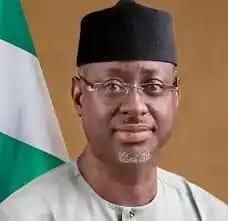
Mustapha Habib Ahmed’s Transformative Leadership at NEMA

Mustapha Habib Ahmed’s Transformative Leadership at NEMA
By: Manzo Ezekiel and
Abdulkadir Ibrahim
Mustapha Habib Ahmed’s tenure as the Director General of the National Emergency Management Agency (NEMA) has been marked by a series of commendable achievements, showcasing his leadership, dedication, and strategic vision in handling emergency response and disaster management in Nigeria.
Upon assuming office, Ahmed swiftly implemented reforms to enhance NEMA’s operational efficiency. Under his leadership, the agency has significantly improved its coordination with various stakeholders, including government agencies, non-governmental organizations, and international partners. This collaborative approach has strengthened Nigeria’s overall disaster response capabilities.
One notable achievement during Ahmed’s tenure is the establishment of a more robust early warning system. Recognizing the importance of timely information in disaster management, he championed the development and implementation of advanced technology solutions to monitor and forecast potential hazards. This has proven instrumental in managing the Impact of flood in 2023 and minimizing the impact of disasters and ensuring swift response to emerging crises.
Additionally, Mustapha Habib Ahmed has been proactive in enhancing NEMA’s capacity for disaster preparedness and response. He has prioritized training and equipping emergency response teams, ensuring they are well-prepared to handle a wide range of emergencies. This focus on capacity building has not only increased the effectiveness of NEMA but has also contributed to building a more resilient nation.
Under Ahmed’s leadership, NEMA has strengthened its partnerships with international organizations and donor agencies. This has facilitated the mobilization of resources, technical expertise, to bolster Nigeria’s disaster management capabilities. The increased collaboration on a global scale reflects Ahmed’s commitment to ensuring that Nigeria can effectively respond to disasters with the support of the international community.
Furthermore, Ahmed has played a pivotal role in raising public awareness about disaster preparedness and mitigation. Through various campaigns and outreach programs, he has educated communities on the importance of being proactive in the face of potential disasters. This grassroots engagement has contributed to building a culture of resilience at the community level.
Mustapha Habib Ahmed’s tenure as the Director General of NEMA has been characterized by a results-driven approach. His strategic leadership, coupled with a commitment to innovation and collaboration, has positioned NEMA as a key player in disaster management not only within Nigeria but on the global stage. As the nation continues to face diverse challenges, Ahmed’s achievements stand as a testament to his dedication to ensuring the safety and well-being of the Nigerian people.
Manzo Ezekiel and Abdulkadir Ibrahim wrote in from information and press unit NEMA Headquarters
Mustapha Habib Ahmed’s Transformative Leadership at NEMA


Troops Arrest Suspected Military Impostor in Katsina
By Zagazola Makama
Troops of 17 Brigade have arrested a suspected military impostor during a fighting patrol in Malumfashi Local Government Area.
Security sources told Zagazola Makama that the suspect was apprehended at about 1:30 p.m. on July 4 by troops deployed at the Forward Operating Base (FOB) Malumfashi while conducting routine patrols within Malumfashi town.
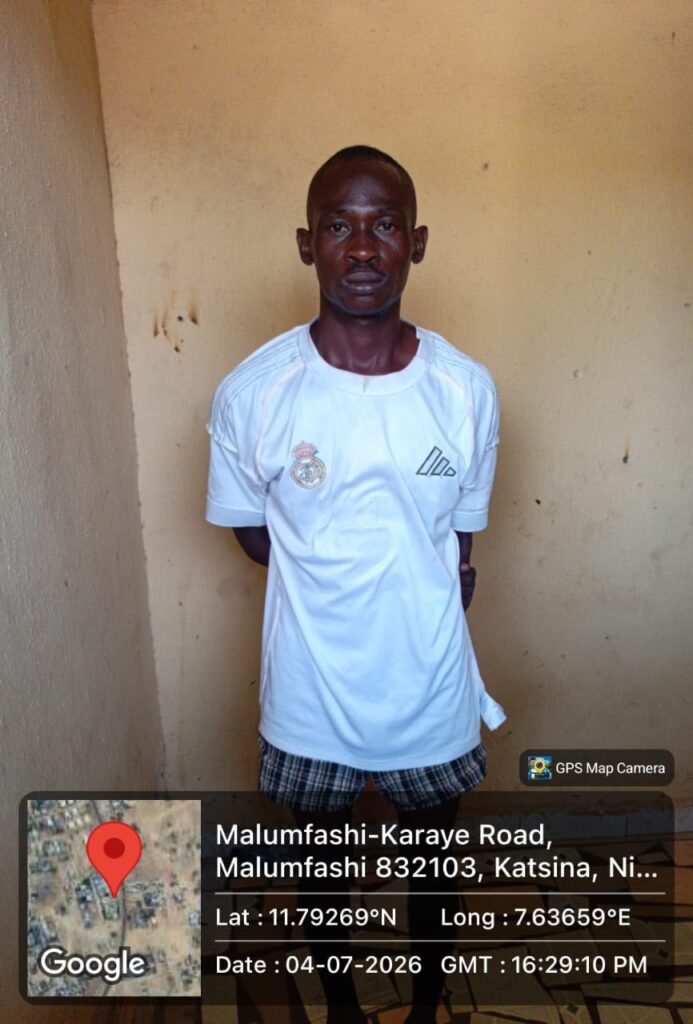
According to the sources, the suspect was intercepted while wearing a woodland camouflage three-quarter short, raising suspicion among the troops.
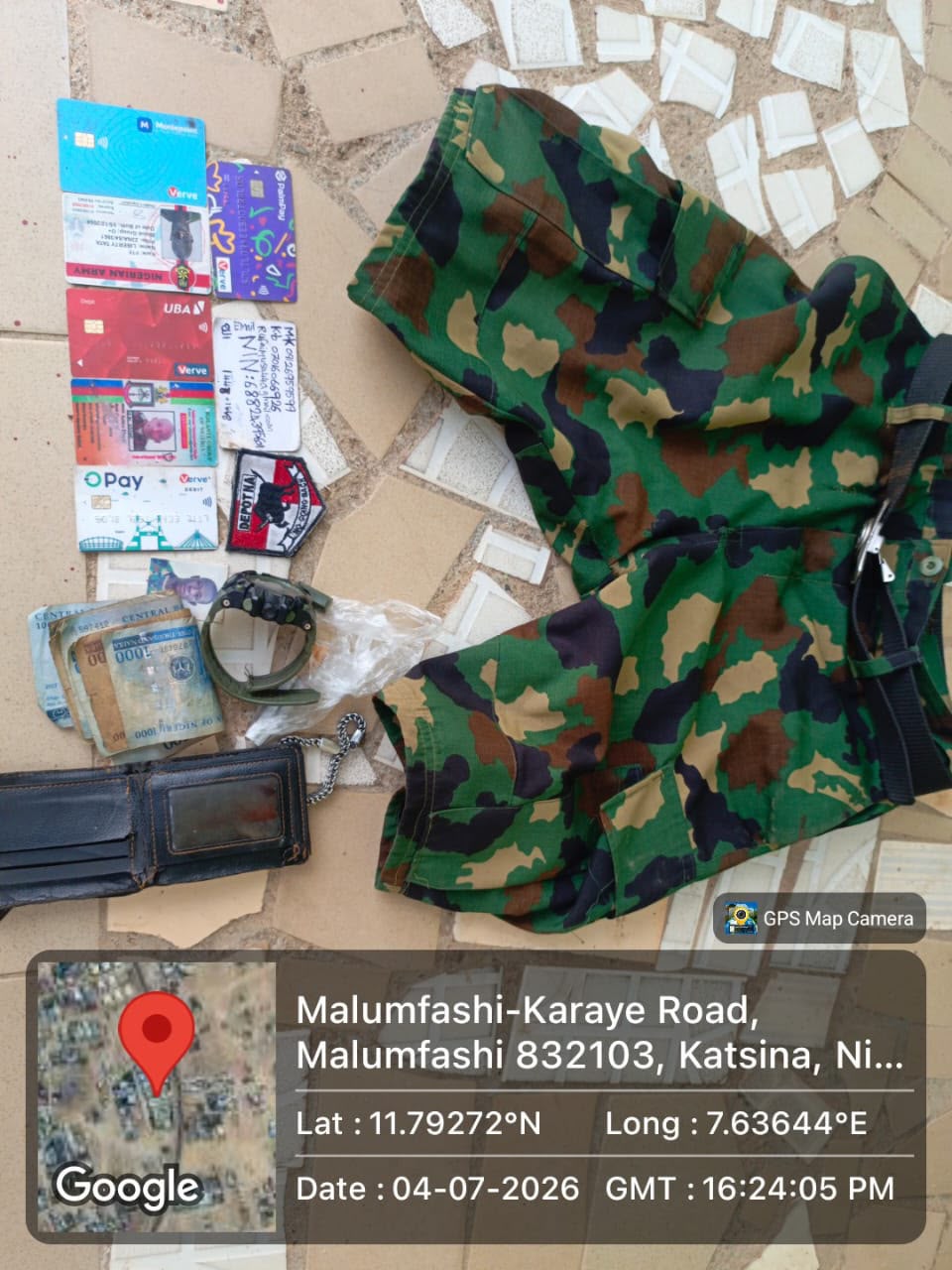
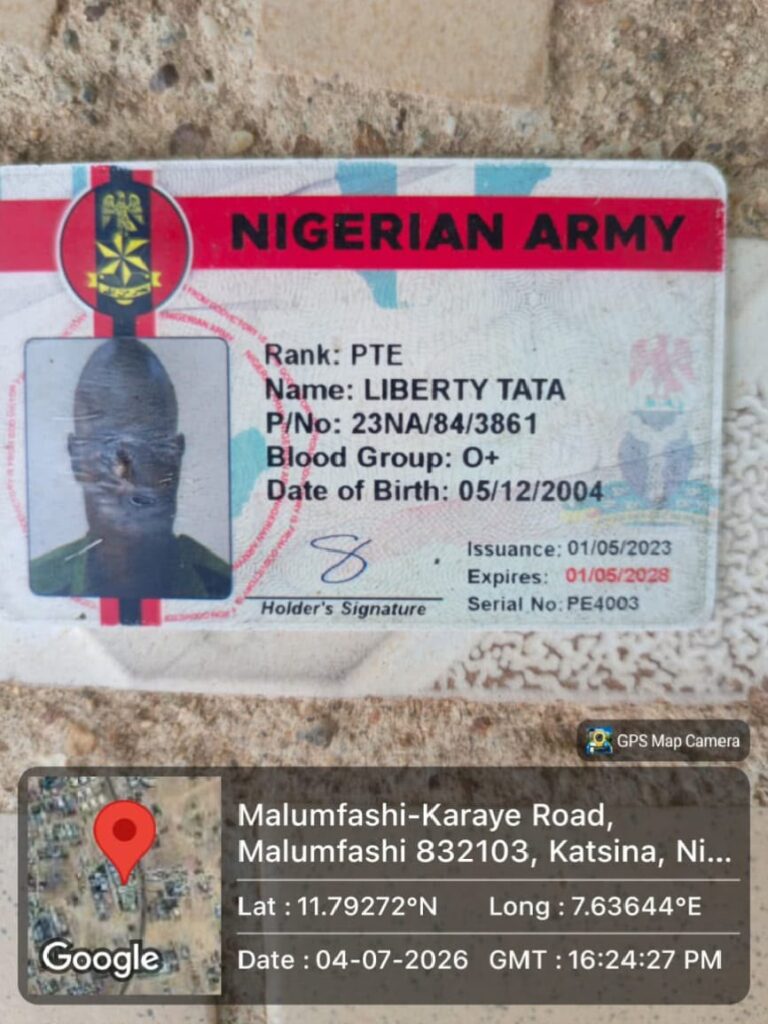
A search conducted on the suspect led to the recovery of a fake Nigerian Army identity card, four Automated Teller Machine (ATM) cards, one woodland camouflage three-quarter short, a wristwatch and the sum of ₦17,000.
The suspect and the recovered exhibits are currently in military custody pending further investigation.
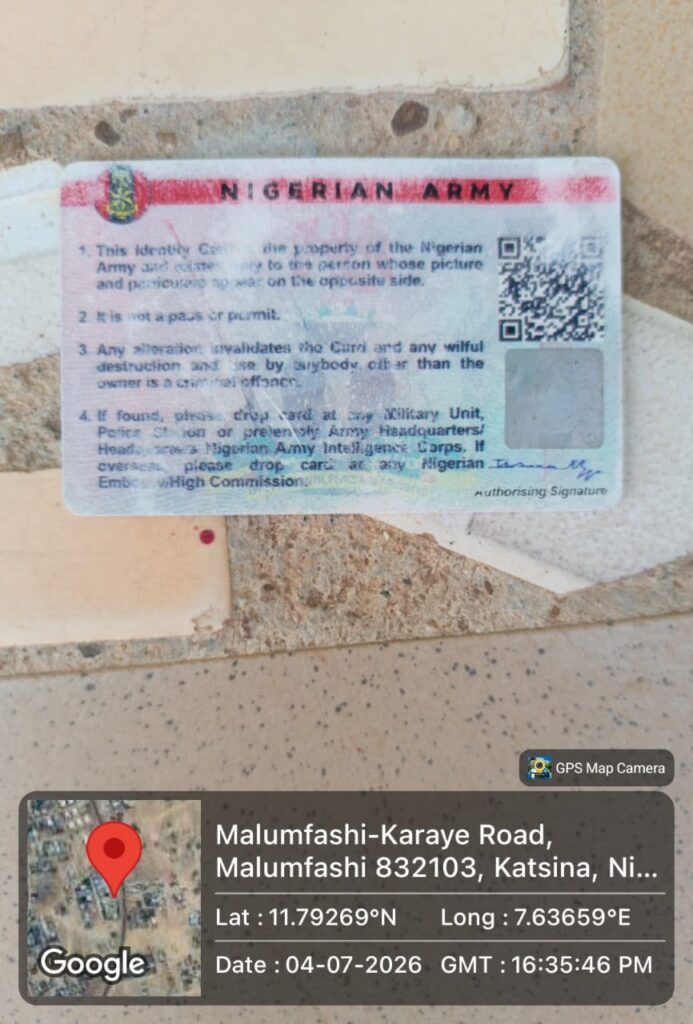
Military sources said the arrest forms part of ongoing efforts to curb impersonation of security personnel and other criminal activities within the area.
Troops Arrest Suspected Military Impostor in Katsina
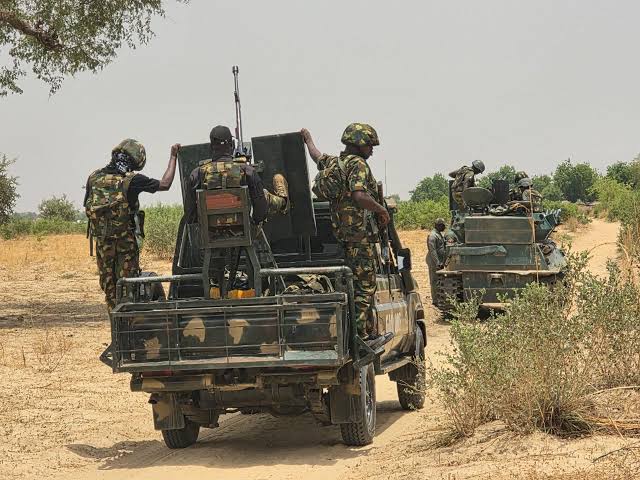
Troops Recover 50 Rustled Cattle, Repel Suspected Rustlers in Kaduna
By Zagazola Makama
Troops deployed at the Forward Operating Base (FOB) Kankomi have recovered 50 rustled cattle after repelling suspected cattle rustlers during an ambush operation in Chikun Local Government Area.
Security sources told Zagazola Makama that the troops responded to a distress call at about 9:55 a.m. on July 4 over the activities of suspected rustlers at Ungwan Gontu community.
According to the sources, the troops swiftly laid an ambush and made contact with the fleeing suspects, forcing them to abandon the stolen livestock and escape into the surrounding area.
During the operation, the troops recovered 50 rustled cattle, which were subsequently identified and handed over to their rightful owner.
Military sources said efforts are ongoing to track down the fleeing suspects as security operations continue to combat cattle rustling and other criminal activities across Kaduna State.
Troops Recover 50 Rustled Cattle, Repel Suspected Rustlers in Kaduna
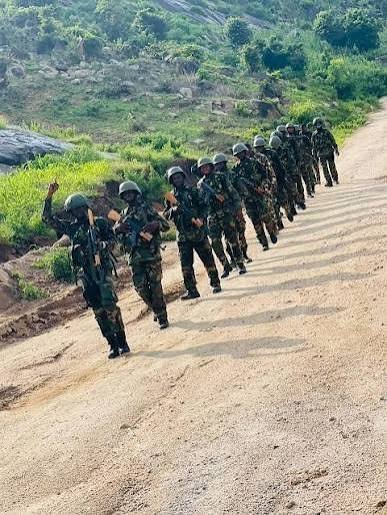
Troops Arrest Suspected Terrorist in Kogi, Suspect Confesses to Group Membership
By Zagazola Makama
Troops of 12 Brigade, in collaboration with Office of the National Security Adviser (ONSA) Hybrid Forces, have arrested a suspected terrorist during an operation in Lokoja Local Government Area.
Security sources told Zagazola Makama that the troops responded at about 1:00 p.m. on July 4 to reports of a confrontation between local residents and a suspected terrorist at a Ruga settlement behind Obajana community.
According to the sources, the troops swiftly intervened and arrested one suspect at the scene.
During preliminary interrogation, the suspect reportedly confessed to being a member of a terrorist group led by an individual identified as Haruna, which allegedly operates within the Okene general area.
The suspect is currently in military custody and is undergoing further investigation to establish the extent of his involvement and identify other members of the group.
Military sources said the arrest forms part of ongoing security operations aimed at dismantling terrorist and criminal networks across Kogi State.
Troops Arrest Suspected Terrorist in Kogi, Suspect Confesses to Group Membership

Troops Arrest Suspected Military Impostor in Katsina

Troops Recover 50 Rustled Cattle, Repel Suspected Rustlers in Kaduna

Troops Arrest Suspected Terrorist in Kogi, Suspect Confesses to Group Membership

Roger Federer’s Shock as DNA Results Reveal Myla and Charlene Are Not His Biological Children

THE PLIGHT OF FARIDA

FAILED COUP IN BURKINA FASO: HOW TRAORÉ NARROWLY ESCAPED ASSASSINATION PLOT AMID FOREIGN INTERFERENCE CLAIMS
-
 News2 years ago
Roger Federer’s Shock as DNA Results Reveal Myla and Charlene Are Not His Biological Children
-
Opinions4 years ago
THE PLIGHT OF FARIDA
-
 News1 year ago
FAILED COUP IN BURKINA FASO: HOW TRAORÉ NARROWLY ESCAPED ASSASSINATION PLOT AMID FOREIGN INTERFERENCE CLAIMS
-

 News2 years ago
EYN: Rev. Billi, Distortion of History, and The Living Tamarind Tree
-
 Opinions5 years ago
POLICE CHARGE ROOMS, A MINTING PRESS
-

 ACADEMICS2 years ago
A History of Biu” (2015) and The Lingering Bura-Pabir Question (1)
-

 Columns2 years ago
Army University Biu: There is certain interest, but certainly not from Borno.
-

 Politics1 year ago
2027: Why Hon. Midala Balami Must Go, as Youths in Hawul and Asikira/Uba Federal Constituency Reject ₦500,000 as Sallah Gift
