
Military
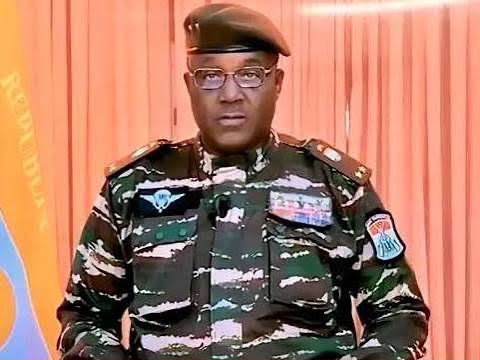
Mutiny: Presidential Guard Tightens Security Around Niger Presidency Amid Reports of Military Protest

Mutiny: Presidential Guard Tightens Security Around Niger Presidency Amid Reports of Military Protest
By Zagazola Makama
Security was significantly reinforced around Niger’s Presidential Palace in Niamey following reports of unrest involving elements of the country’s armed forces, security sources told Zagazola Makama.
According to multiple security sources, the heightened deployment of the Presidential Guard, supported by armoured vehicles around the Presidential Palace on the night of July 3 and into July 4, followed what was described as a limited protest by personnel of an armoured unit within the Niger Armed Forces (FAN).
The sources said some soldiers reportedly declined deployment to frontline positions in northern Tillabéri Region, particularly around Inatès and Chinagodrar, citing inadequate heavy equipment and insufficient operational resources to confront the growing security threats in the area.
The protest was described by one source as a “small mutiny,” although there has been no official confirmation from the Nigerien authorities.
Security sources said the development triggered concern within the country’s leadership, prompting the reinforcement of security around the Presidential Palace and temporary restrictions on movement in the surrounding area as a precautionary measure.
The Tillabéri Region remains one of Niger’s most volatile security zones, with recurrent attacks by armed extremist groups, including factions linked to the so-called Islamic State in the Greater Sahara (ISGS).
As of the time of filing this report, the Nigerien government and military authorities had not issued any official statement regarding the reported protest or the increased security presence around the Presidency.
The situation remains under close observation.
Mutiny: Presidential Guard Tightens Security Around Niger Presidency Amid Reports of Military Protest


Military
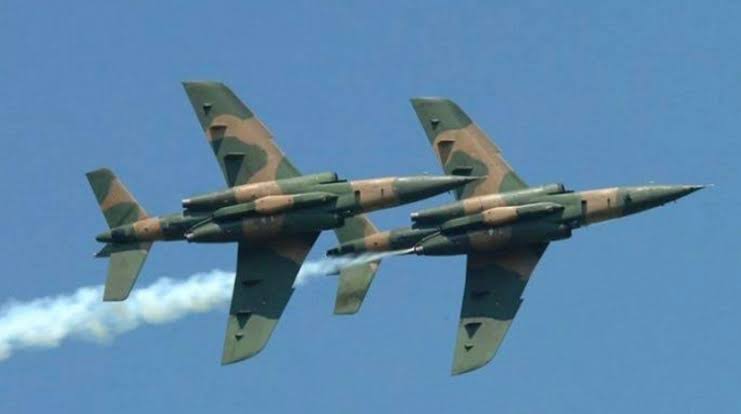
Military Air Strike Kills Over 40 ISWAP Fighters, Destroys Vehicles in Badu Village in Borno
Military Air Strike Kills Over 40 ISWAP Fighters, Destroys Vehicles in Badu Village in Borno
By Zagazola Makama
A preliminary intelligence assessment has indicated that a military air strikes on an Islamic State West Africa Province (ISWAP) position at Badu village, south of Gudumbali in Borno State, killed more than 40 fighters and destroyed two vehicles and about 20 motorcycles.
Security sources told Zagazola Makama that the strike, conducted on Oct. 10, targeted a concentration of ISWAP’s elite Murabitun fighters believed to have been deployed in the area for mobile patrols and surveillance.
According to the preliminary intelligence report, a prominent Qaid (commander) was among those reportedly killed, while the majority of the casualties were recorded inside and around a building hit during the air operation.
The Murabitun fighters are described as an elite mobile patrol element of ISWAP, typically deployed for periods of two to four weeks to conduct opportunistic attacks and provide early warning along the Gudumbali–Kukawa–Gajiram corridor.
Their reported mission in the area is to deter the advance of Nigerian troops towards the Lake Chad region.
Sources further said that ISWAP elements arriving from the Lake Chad area visited Badu at first light on Oct. 11 to evacuate surviving casualties and recover those affected by the strike.
The sources also alleged that the arriving fighters engaged Fulani herders around the abandoned village.
Further details on the incident, including the circumstances surrounding the reported engagement with the herders, were still being awaited as of the latest intelligence update.
Military Air Strike Kills Over 40 ISWAP Fighters, Destroys Vehicles in Badu Village in Borno

Brig.-Gen. Ayoola Takes Over as Chief of Staff of Operation Enduring Peace
By Zagazola Makama
Brig.-Gen. T.A. Ayoola has taken over as the Chief of Staff of Operation Enduring Peace (OPEP) from Brig.-Gen. M.S. Sule in Jos, Plateau State.
The handing and taking over ceremony took place at about 1:00 p.m. on Oct. 10 at the Headquarters of Operation Enduring Peace, Jos.
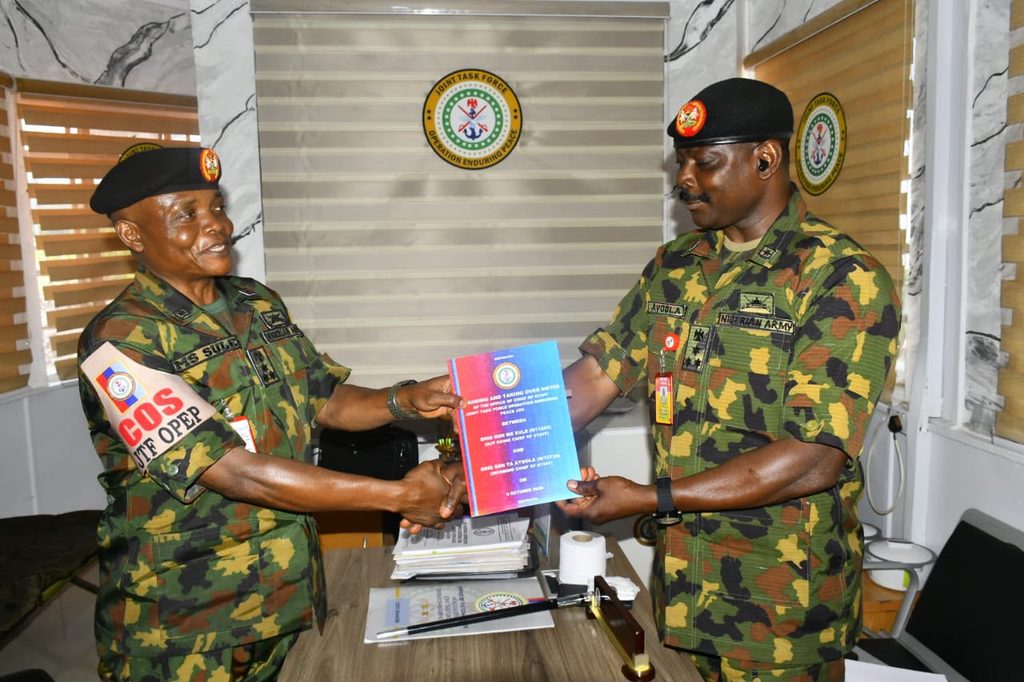
Security sources said the ceremony was conducted smoothly, marking the formal transfer of responsibilities from the outgoing Chief of Staff to his successor.
Brig.-Gen. Sule handed over the position to Brig.-Gen. Ayoola during the brief ceremony.l
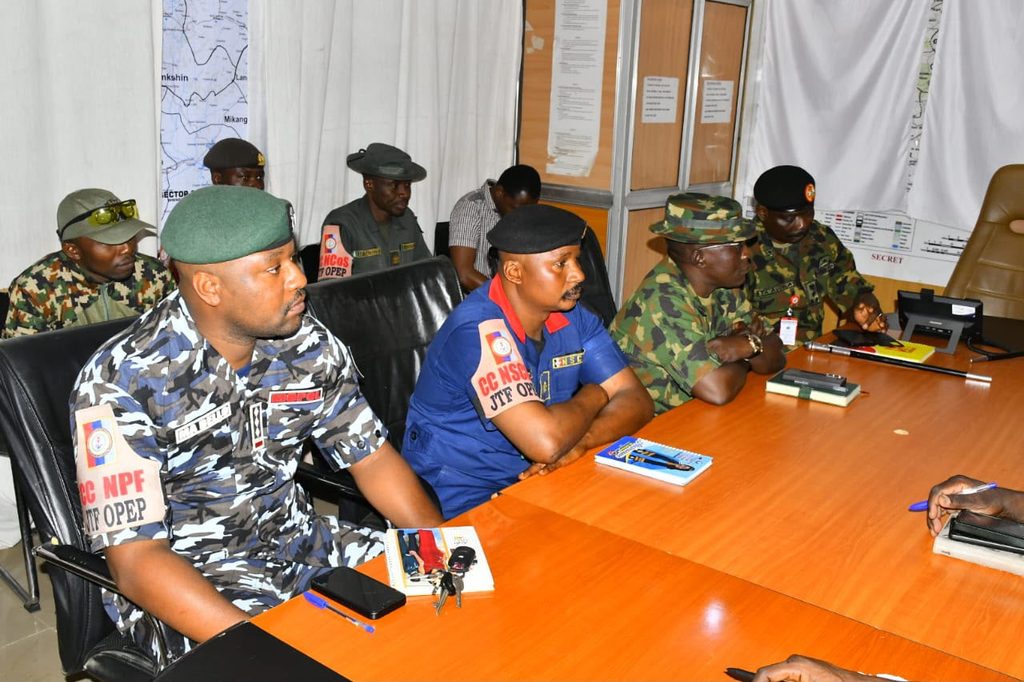
Operation Enduring Peace is responsible for security operations aimed at maintaining peace and stability across its area of responsibility in Plateau State and surrounding communities.
Brig.-Gen. Ayoola Takes Over as Chief of Staff of Operation Enduring Peace

COAS Deepens Military-Traditional Institution Partnership for National Security
By: Zagazola Makama
The Chief of Army Staff (COAS), Lt.-Gen. Waidi Shaibu, has reaffirmed the Nigerian Army’s commitment to strengthening partnerships with traditional institutions and host communities to enhance intelligence gathering and national security.
Shaibu gave the assurance on Friday, Oct. 9, when he paid homage to the Andoma of Doma Kingdom, His Royal Highness Alhaji Dr Ahmadu Aliyu Ogga Onawo, at his palace in Doma, Nasarawa State.

The COAS was in Doma for the graduation ceremony of an elite Special Forces Battalion trained at the Nigerian Army Special Forces School in the kingdom.
He acknowledged the strategic role of traditional institutions and host communities in intelligence gathering, early warning, community trust and the promotion of sustainable peace.
Shaibu appreciated the Andoma and the people of Doma for their continued support and hospitality, stressing that a whole-of-society approach remained vital to addressing contemporary security challenges.
He noted that cooperation between the military, traditional rulers and local communities was essential to strengthening security operations and building public confidence.
In his response, the Andoma commended the COAS for his leadership and the establishment of the Nigerian Army Special Forces School in Doma, describing the facility as a significant contribution to the kingdom.
The traditional ruler pledged the continued support of the institution and the people of Doma to the Nigerian Army, while offering prayers for lasting peace, stability and security across the country.

The visit underscores the importance of civil-military cooperation and the role of traditional institutions in supporting security efforts and fostering peaceful coexistence in host communities.
COAS Deepens Military-Traditional Institution Partnership for National Security

Tension in Mangu as Fulani Herdsmen Allege Attack by Security Forces After Gunmen Wound Two, Rustle 70 Cattle

Army troops Arrests Arms Fabricator, Three Suspected Gunrunners, Recovers Weapons in Plateau

COAS Calls for Joint Operations, Multi-Domain Integration as Army Expands to 12 Divisions

Roger Federer’s Shock as DNA Results Reveal Myla and Charlene Are Not His Biological Children

THE PLIGHT OF FARIDA

FAILED COUP IN BURKINA FASO: HOW TRAORÉ NARROWLY ESCAPED ASSASSINATION PLOT AMID FOREIGN INTERFERENCE CLAIMS
-
 News3 years ago
Roger Federer’s Shock as DNA Results Reveal Myla and Charlene Are Not His Biological Children
-
Opinions5 years ago
THE PLIGHT OF FARIDA
-
 News1 year ago
FAILED COUP IN BURKINA FASO: HOW TRAORÉ NARROWLY ESCAPED ASSASSINATION PLOT AMID FOREIGN INTERFERENCE CLAIMS
-

 News3 years ago
EYN: Rev. Billi, Distortion of History, and The Living Tamarind Tree
-
 Opinions5 years ago
POLICE CHARGE ROOMS, A MINTING PRESS
-

 ACADEMICS3 years ago
A History of Biu” (2015) and The Lingering Bura-Pabir Question (1)
-

 Columns3 years ago
Army University Biu: There is certain interest, but certainly not from Borno.
-

 Politics1 year ago
2027: Why Hon. Midala Balami Must Go, as Youths in Hawul and Asikira/Uba Federal Constituency Reject ₦500,000 as Sallah Gift
