
Uncategorized
NDLEA arrests India-bound nursing student over attempt to ingest 76 wraps of cocaine

NDLEA arrests India-bound nursing student over attempt to ingest 76 wraps of cocaine
By: Michael Mike
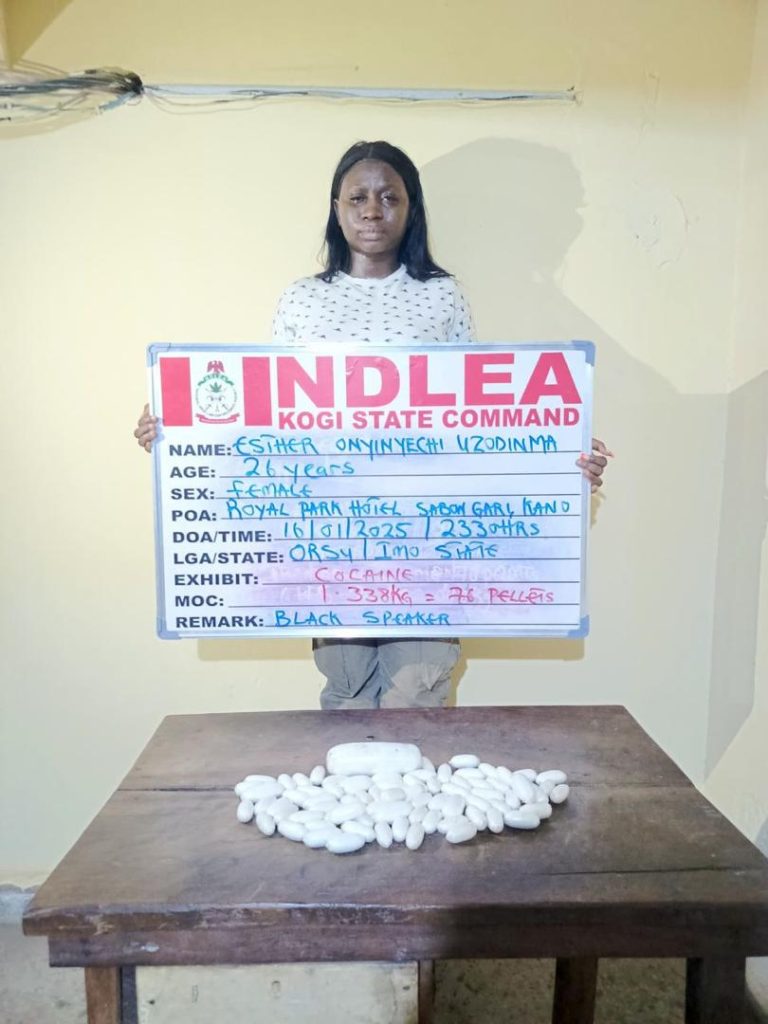
Operatives of the National Drug Law Enforcement Agency (NDLEA) have thwarted an attempt by 26-year-old Esther Uzodinma, a 200-level student of nursing at the Noida International University, Uttar Pradesh, India, to transport 76 wraps of cocaine to the South Asian country.
Uzodinma had planned to swallow 76 wraps of cocaine hours before her return flight to India through the Mallam Aminu Kano International Airport, Kano.
The suspect, according to the spokesman of NDLEA, Femi Babafemi in a statement on Sunday, was scheduled to return to Delhi, India from the Kano International Airport on Qatar Airways flight 1432 last Friday but was arrested in her room at 11:30pm on Thursday at Royal Park Hotel Sabon Garin Kano, while awaiting the cocaine consignment she was to ingest before her flight the following morning.
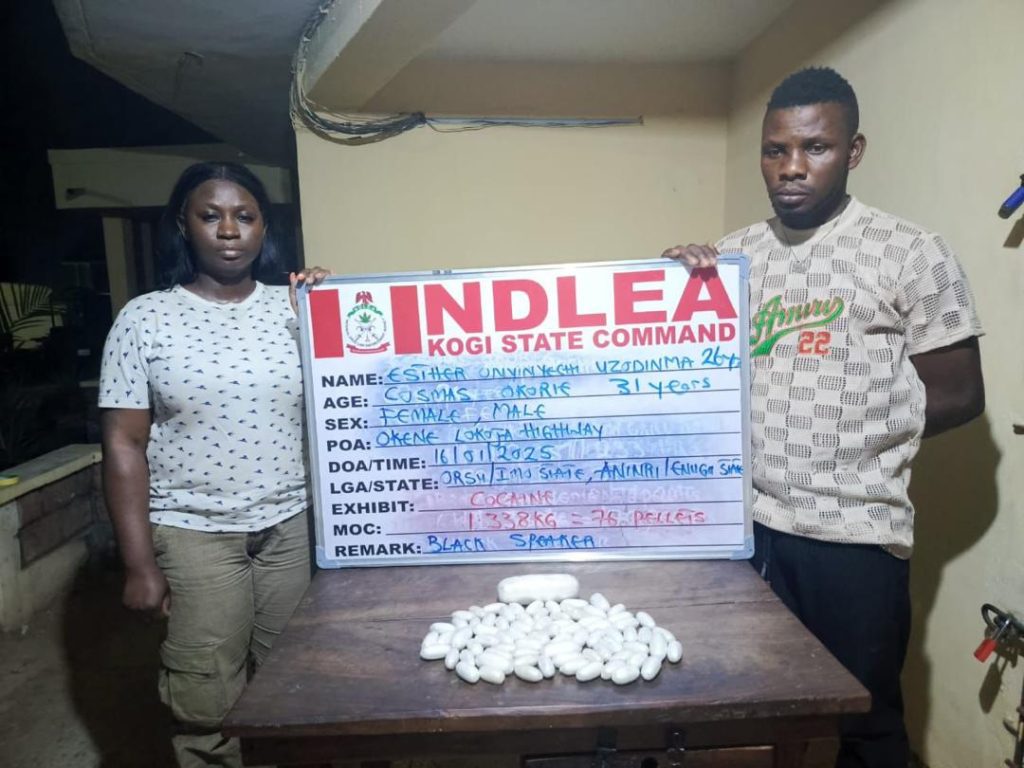
Babafemi said her lid was blown open when NDLEA operatives on patrol along Okene-Lokoja highway in Kogi state last Thursday intercepted 31-year-old Cosmas Okorie in a commuter bus coming from Lagos enroute Kano. Inside his black polythene bag was an audio speaker, which was used to conceal the 76 pellets of cocaine weighing 1.340 kilogrammes, which he was going to deliver to Uzodinma in Kano. A swift follow up operation in Kano led to the arrest of the female nursing university student later same day.
In her statement, she claimed the drug cartel she was working for recruited her in India and paid for her trip to Nigeria to enjoy her Christmas and New Year holidays. To avoid her parents knowing she was in Nigeria, Esther did not travel to her home state, Imo but was lodged for two weeks in a hotel in Enugu, from where she was flown to Abuja and then Kano where she was lodged at Royal Park Hotel to swallow the 76 pellets of cocaine sent to her from Lagos before taking her Qatar Airways flight to India on Friday morning.
She said she was promised over $5,000 upon successful delivery of the illicit consignment in India.
In other operations along the Okene-Lokoja-Abuja highway, NDLEA officers arrested four suspects: Abdullahi Umar; Tijjani Samaila; Lucky Obotte and Abubakar Haruna, who were heading to Maiduguri, the Borno state capital, Kano, and Abuja in commuter vehicles with over 38,000 pills of tramadol 225mg, 250mg and 100mg concealed in audio speakers and cloths.
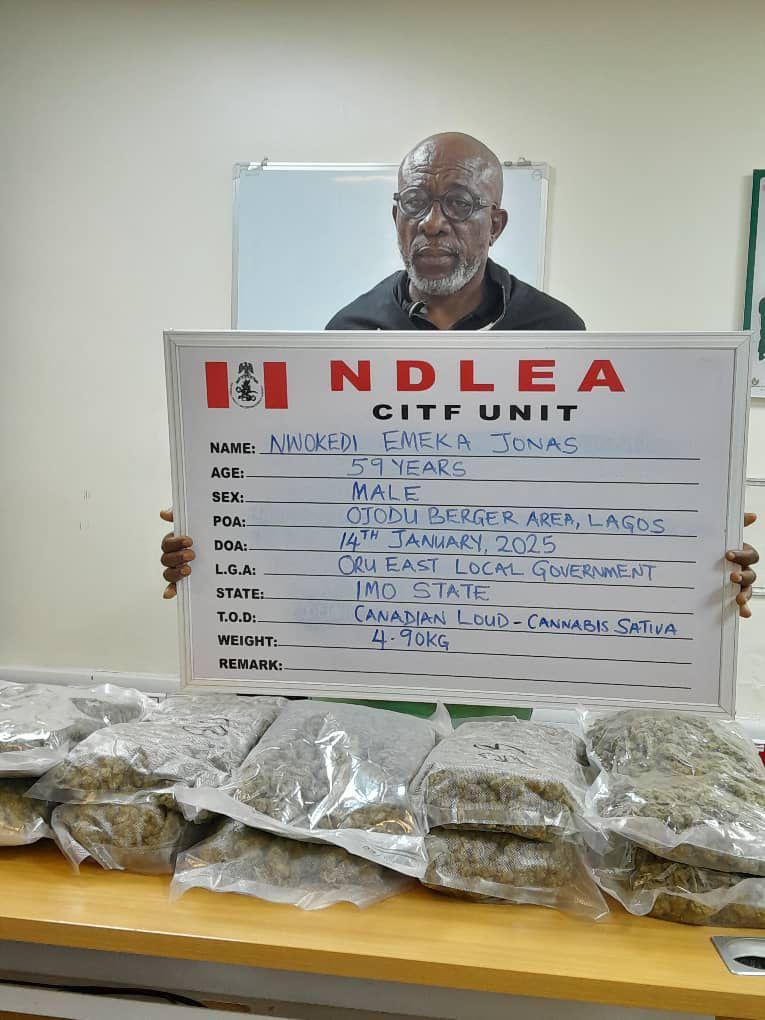
In Lagos, operatives of a special operations unit of the agency last Tuesday raided the hideout of a 59-year-old Nwokedi Jonas in Ojodu-Berger area of the state where they recovered 10 parcels of Canadian Loud, a synthetic strain of cannabis weighing 4.9 kilogrammes as well as different paper bags he uses in dispensing the psychoactive substance in retail quantities. Printed on them include street names and codes such as ‘Dead man’; ‘Gelato top shelf smoke’; ‘Topshelf’; and ‘Gelato cake’
In other operations in Lagos, operatives of the state command of the agency last Wednesday raided a house in Igando New Town area of Alimosho where they arrested three suspects: Isaac Vincent, 32; Ebube Ikechi, 25; and Christopher Usifoh, 43, from whom 1,610 kilogrammes skunk, a strain of cannabis and 6 kilogrammes pills of tramadol were recovered. Also recovered from the house were a delivery van and three other vehicles used for distributing the illicit drugs.
Babafemi said two suspects: Olashile Okoya and Mohammed Ibrahim were arrested on Saturday when NDLEA officers raided their home at 5A Addison Palmer, Cadogan Estate, Castle Rock Avenue, Osapa, Lekki Lagos, where 28 kilogrammes of Cannadian Loud were recovered following credible intelligence.
Not less than 67 kilogrammes skunk was seized from Saheed Sulaiman last Thursday when NDLEA operatives raided his Edumare street, Lagos Island hideout, while various quantities of assorted illicit substances were recovered from Adamu Abdullahi last Tuesday when Jerry Irabi Estate, Lekki hideout was raided by NDLEA officers. They include 3.7 litres of codeine syrup; 10,000 pills of tramadol; 1,670 tablets of rohypnol; 6.5 kilogrammes cannabis; 3,100 tablets of diazepam; 10,090 tablets of Molly; 5,500 tabs of Exol-5; 1.2 kilogrammes crisps of wrapped methamphetamine and a monetary exhibit of ₦623,650.00.
In Kano, two suspects: Usama Adamu, 25, and Isah Ibrahim, 29, were last Friday
arrested at Dawanau, Dawakin in Tofa local government area where a total of 7.6 kilogrammes skunk, 78 tubes of rubber solution and 356 bottles of ‘suck and die’, a new psychoactive substance were recovered from them. In another raid in Kano, Usman Isa, 29, was nabbed along Zaria road with 114 blocks of skunk weighing 49.8 kilogrammes.
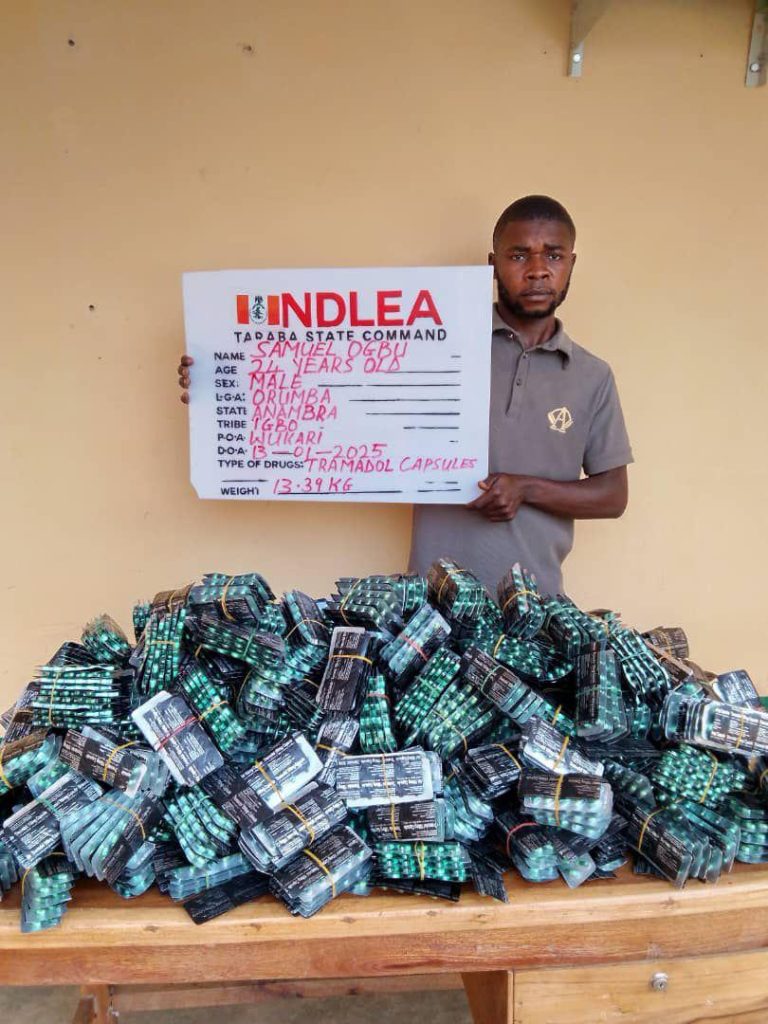
Three suspects: Lawali Isiaka, Umoru Isiaka and Mohammed Kabiru were last Wednesday arrested by NDLEA operatives with 390 tablets of Molly and 65.5 kilogrammes of cannabis at Bode Saadu in Moro Local Government Area of Kwara State, while Samuel Ogbu, 24, was nabbed with 25,000 pills of tramadol by operatives along Wukari- Zaki Ibiam road, Wukari local government area of Taraba state.
In series of raids in Abuja, a suspect, Rufa’i Hashimu, 27, was arrested at Gwarimpa village area of the FCT with 118 bottles of codeine-based syrup, while 13 others were nabbed in other locations such as: Area 1 IDP camp, Gishiri, Zuba, Dei -Dei, AYA, Lagos Street Garki, Karu, and Lugbe. Recovered from them include different quantities of tramadol, diazepam, and methamphetamine.
With the same vigour, commands and formations of the agency across the country continued their War Against Drug Abuse (WADA) sensitization activities to schools, worship centres, work places and communities among others in the past week.
Meanwhile, the Chairman/Chief Executive Officer of the National Drug Law Enforcement Agency (NDLEA), Brig. Gen. Buba Marwa (Rtd) while urging his officers not to rest on their oars as they intensify their balanced approach to drug supply reduction and drug demand reduction efforts.
NDLEA arrests India-bound nursing student over attempt to ingest 76 wraps of cocaine


Uncategorized
Troops neutralised key bandit leaders, restored confidence along Gusau- Funtua highway
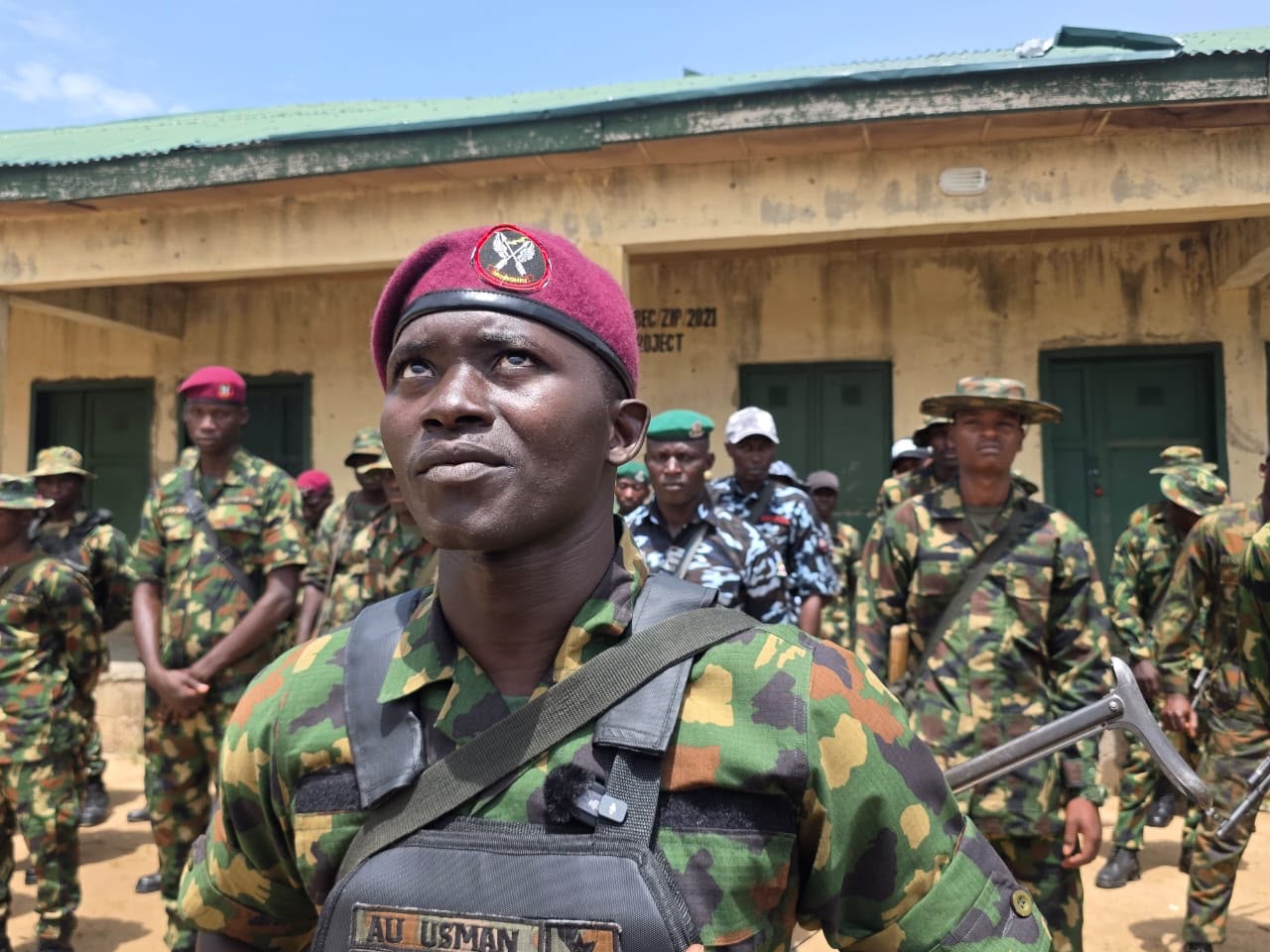
Troops neutralised key bandit leaders, restored confidence along Gusau- Funtua highway
By Zagazola Makama
The Commander of Combat Team 7 under Operation FANSAN YAMMA, Capt. A.U. Usman, has disclosed that troops have recorded significant operational successes over the past six months, including the elimination of several notorious bandit kingpins and the restoration of security along the strategic Funtua–Tsafe–Gusau highway.
Speaking on Saturday during a visit by Defense Correspondents at the unit’s operational base in Tsafe, Zamfara State, the commander said sustained offensive operations and strategic deployment of troops at identified bandit crossing points had drastically reduced attacks on commuters and boosted public confidence.
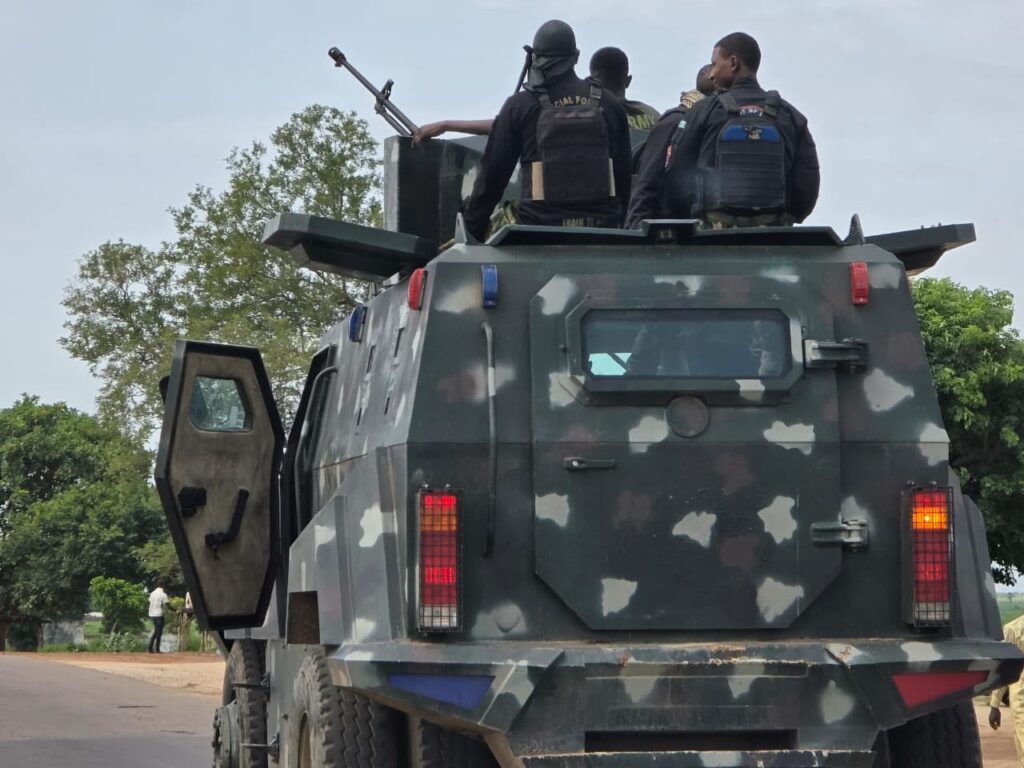
“During the period under review, Combat Team 7 has recorded some significant successes,” Usman said.
He revealed that on Jan. 14, troops neutralised notorious bandit commanders, including Kachalla Dan Agwal and Baban Baby, alongside several of their fighters during intelligence-led operations.
“Combat Team 7 was able to neutralise the likes of Kachalla Dan Agwal, Baban Baby and many others. These successes came through carefully planned operations and the deployment of our troops to strategic locations,” he said.
According to the commander, the unit established numerous pickets along the Funtua–Tsafe–Gusau road, particularly at known bandit crossing points frequently used to ambush travellers.
“If you are driving along the Katsina–Funtua–Tsafe–Gusau road today, you will notice several military pickets. Those soldiers are strategically deployed at identified bandit crossing routes,” he explained.
He noted that the deployment had significantly curtailed the activities of armed groups that previously terrorised motorists through kidnappings and violent attacks.
“These bandits were the ones repeatedly disturbing this road. Before now, commuters could not move freely the way they do today. They stopped vehicles, abducted passengers and created fear among the people,” he said.
“Today, because of the strategic deployment of troops and the equipment made available to us, civilians are moving freely without fear. The picketing has restored confidence among road users.”
Capt. Usman further disclosed that another major breakthrough was recorded on Feb. 15 when troops neutralised additional notorious bandits, including Yunusa Dogon Ahmad, during sustained clearance operations along the same corridor.
“On Feb. 15, we were able to neutralise Yunusa Dogon Ahmad and some other key bandits who had been terrorising this route,” he said.
Beyond securing highways, the commander said the military had also created a safer environment for farming activities across communities within its Area of Responsibility (AOR).
According to him, Combat Team 7 currently operates from about 13 operational locations, including Lilo, Mada, Wanzamai, Keta, FOB Railway, Gidan Giye, Keware and several blocking positions established to deny criminals freedom of movement.
“Our troops conduct daily foot patrols from these locations into surrounding farmlands and communities to ensure that farmers carry out their activities without interference from criminal elements,” he said.
“The same pattern is replicated across our entire Area of Responsibility. Whether in Mada, Wanzamai or other locations, our troops are constantly patrolling to provide security for farmers.”
The commander acknowledged that improvised explosive devices (IEDs) remained one of the challenges confronting troops during operations, especially on rural access routes.
“There are places where movement is still affected because of the threat of IEDs,” he said.
“However, with support from the theatre headquarters, Explosive Ordnance Disposal (EOD) teams have now been deployed, and we no longer move on roads without conducting proper scanning to detect possible IED threats.”
On civil-military relations, Capt. Usman described cooperation from residents as encouraging but said more support was needed to deny criminals access to information.
“The locals are cooperating to some extent, but there is still room for improvement,” he said.
“Without informants, terrorists cannot operate effectively. Unfortunately, there are still a few bad elements within some communities who pass information about our movements and activities to the criminals.”
Despite the challenge, he commended the majority of residents for their support and expressed confidence that stronger collaboration between security forces and communities would further weaken the activities of bandits across the region.
The commander reaffirmed the commitment of Combat Team 7 and Operation FANSAN YAMMA to sustaining offensive operations and ensuring that communities, farmers and travellers continue to enjoy improved security across Zamfara and adjoining areas.
Troops neutralised key bandit leaders, restored confidence along Gusau- Funtua highway
Uncategorized
Operation FANSAN YAMMA to Deploy Dedicated Drones as Theatre Commander Unveils New Force Protection Measures
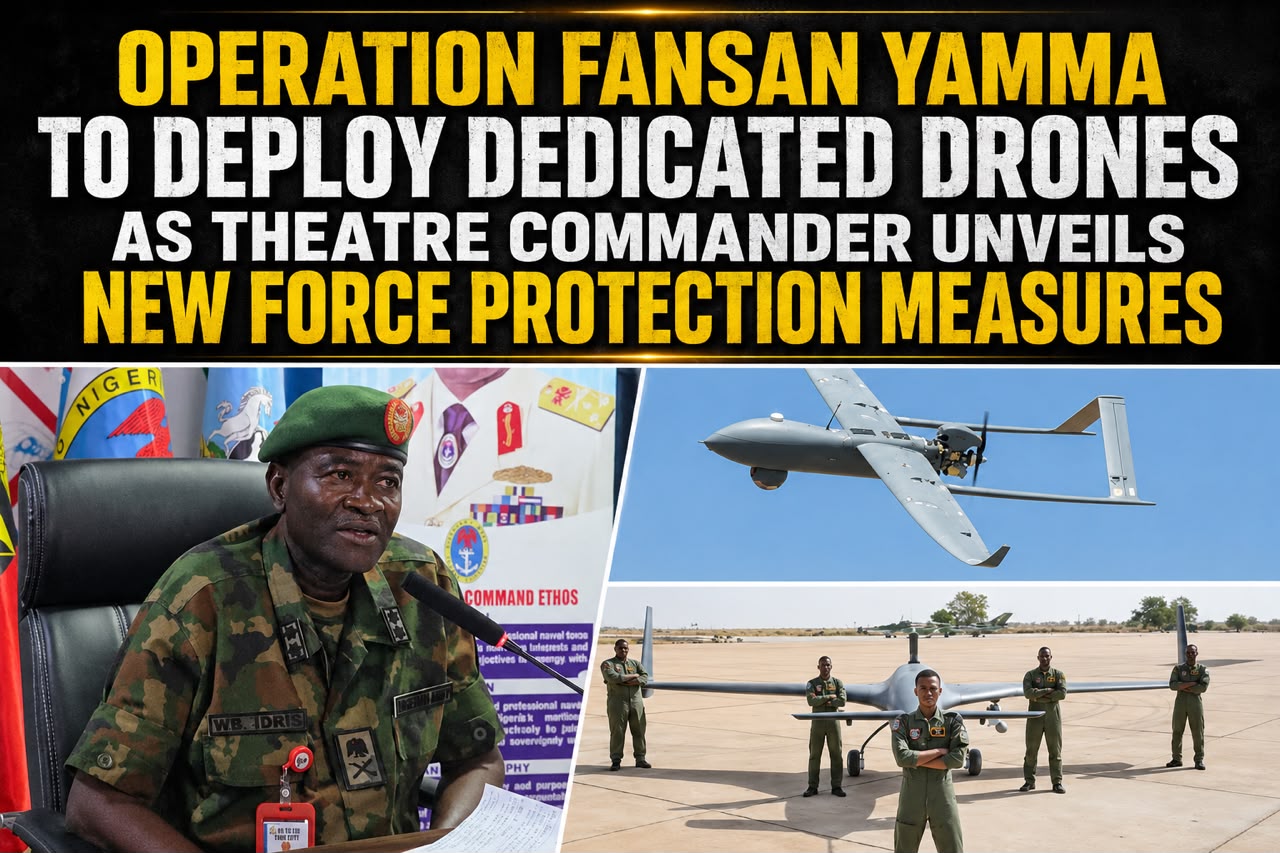
Operation FANSAN YAMMA to Deploy Dedicated Drones as Theatre Commander Unveils New Force Protection Measures
By Zagazola Makama
The Theatre Commander, Joint Task Force North West, Operation FANSAN YAMMA (JTF NW OPFY), Major General W.B. Idris, has disclosed that the theatre will soon receive its own dedicated fleet of unmanned aerial vehicles (UAVs) as part of an ongoing military modernisation programme aimed at strengthening force protection, intelligence gathering and offensive operations against terrorists across the North-West.
Major General Idris made the disclosure on Thursday during an interactive session with defence correspondents in Gusau, Zamfara State, while responding to questions following a comprehensive operational briefing on the activities of Operation FANSAN YAMMA.
The announcement came in response to a question from Defence Correspondent who sought clarification on measures being adopted by the military to improve force protection, particularly in view of the growing use of sophisticated Improvised Explosive Devices (IEDs) by terrorist groups operating within the North-West and the wider Sahel region.
The Theatre Commander acknowledged that the threat posed by IEDs has continued to evolve, requiring corresponding improvements in surveillance, intelligence and technological capabilities.
According to him, the Nigerian Armed Forces have already commenced a major expansion of their unmanned aerial capability, with Defence Headquarters and the Service Headquarters investing heavily in drones designed to enhance reconnaissance, surveillance and operational response across all theatres of operation.
“It still comes down to the answer I gave earlier,” the commander said.
“The military hierarchy is doing a lot. We have commenced the acquisition of drones, and we are aware that the Chief of Defence Staff, the Chief of Army Staff and the Honourable Minister of Defence are doing everything possible to provide drones with wider operational coverage across the country.”
He explained that the acquisition programme forms part of a broader effort to integrate modern technology into military operations, enabling commanders to detect threats earlier, improve situational awareness and respond rapidly to terrorist activities in difficult terrain.
Major General Idris disclosed that several operational theatres have already begun receiving unmanned aerial systems, while Operation FANSAN YAMMA is expected to receive its own dedicated drone capability immediately after the completion of the construction of its operational hangar.
“As it stands today, Operation FANSAN YAMMA is awaiting the completion of the construction of our hangar before our own drones are deployed for more efficient conduct of operations,” he said.
The commander noted that the deployment of dedicated drones would significantly improve the command’s ability to monitor vast forest corridors, detect terrorist movements, identify IED threats and support troops engaged in offensive operations.
He explained that the North-West theatre presents unique operational challenges because of its expansive forests, mountainous terrain and remote settlements that are often inaccessible to conventional ground patrols, particularly during the rainy season.
According to him, unmanned aerial platforms will bridge those operational gaps by providing persistent surveillance over difficult terrain while supporting intelligence-driven operations against terrorist enclaves.
He further stated that drones would complement existing air assets by providing commanders with real-time intelligence before, during and after military operations.
The Theatre Commander noted that the growing sophistication of terrorist tactics—including the increasing deployment of improvised explosive devices, ambushes and hit-and-run attacks—requires equally sophisticated technological responses.
He said the Armed Forces have therefore prioritised investments in intelligence, surveillance and reconnaissance capabilities as part of broader efforts to reduce casualties and enhance operational effectiveness.
“Our objective is not only to attack terrorists but also to ensure the safety of our personnel during operations. Modern technology is becoming increasingly important in achieving that objective,” he said.
Major General Idris commended the leadership of the Armed Forces, particularly the Chief of Defence Staff, General Olufemi Oluyede; the Chief of Army Staff, Lieutenant General Waidi Shaibu; and the Honourable Minister of Defence for their continued commitment to equipping frontline formations with modern capabilities.
He observed that the support being provided by Defence Headquarters has already translated into significant improvements in operational performance across various theatres.
According to him, enhanced surveillance capabilities, improved intelligence gathering and the increasing deployment of modern equipment have enabled troops to sustain pressure on terrorist groups while reducing their freedom of movement.
The commander explained that force protection remains one of the command’s highest priorities, stressing that every available technological solution is being explored to minimise operational risks to personnel.
He added that the military’s ongoing investment in drones is expected to transform operations by improving early warning, target acquisition, battle damage assessment and operational coordination between ground and air forces.
He also reiterated that the introduction of dedicated UAV capability would further strengthen the command’s ability to dominate remote forests where terrorists have increasingly sought refuge after being pushed away from major highways through sustained military offensives.
“The terrorists are constantly adapting, and we must remain ahead of them. Technology gives us that advantage. With improved drone capability, better intelligence and continued support from the military high command, we will further deny them freedom of movement and make the operational environment even more hostile for criminal elements,” he said.
Major General Idris reaffirmed that Operation FANSAN YAMMA would continue to combine modern technology with intelligence-led operations, long-range patrols and coordinated inter-agency collaboration to protect communities, secure critical infrastructure and dismantle terrorist networks across the North-West.
He assured Nigerians that the command remains committed to enhancing force protection, improving operational efficiency and sustaining the momentum of ongoing operations until lasting peace and security are restored throughout the theatre.
Operation FANSAN YAMMA to Deploy Dedicated Drones as Theatre Commander Unveils New Force Protection Measures
Uncategorized
Theatre Commander Traces Terrorists’ Weapons to Post-Libya Arms Proliferation, Says Nigeria Strengthens Border Security
Theatre Commander Traces Terrorists’ Weapons to Post-Libya Arms Proliferation, Says Nigeria Strengthens Border Security
By Zagazola Makama
The Theatre Commander, Joint Task Force North West, Operation FANSAN YAMMA (JTF NW OPFY), Major General W.B. Idris, has attributed the proliferation of sophisticated weapons in the hands of terrorists and bandits across Nigeria to the collapse of Libya, saying the resulting flow of illicit arms across the Maghreb and Sahel continues to fuel insecurity in the region.
The commander made the remarks on Thursday during an interactive session with defence correspondents at the Headquarters of Operation FANSAN YAMMA in Gusau, Zamfara State, while responding to questions following a comprehensive operational briefing on the command’s activities.
Addressing the question of how terrorists continue to acquire sophisticated weapons despite ongoing military operations, Major General Idris said the collapse of Libya created one of the largest illicit arms trafficking networks in Africa, with weapons finding their way into the hands of terrorist organisations, transnational criminal groups and other violent actors operating across the Sahel.
“It is a well-known fact that the proliferation of arms in the Maghreb region became much worse after the fall of Libya. Most of these weapons eventually found their way into the hands of terrorists and criminal elements that are determined to destabilise countries across the region, including Nigeria,” he said.
The Theatre Commander explained that the challenge extends beyond Nigeria’s borders, stressing that the country’s security architecture has increasingly adopted a regional approach to counter the transnational nature of terrorism.
According to him, the Armed Forces of Nigeria have strengthened operational collaboration with neighbouring countries through intelligence sharing, coordinated border patrols and joint security initiatives aimed at preventing the movement of terrorists, weapons and logistics into Nigerian territory.
He disclosed that troops under Operation FANSAN YAMMA work closely with security forces from the Republic of Niger along the extensive Nigeria-Niger border stretching through Sokoto and adjoining operational sectors.
Similarly, he noted that troops under Operation SAVANNAH SHIELD maintain active security collaboration with forces of the Republic of Benin to secure Nigeria’s western border and deny criminal elements freedom of movement across international boundaries.
“These collaborations are not limited to routine patrols. We constantly exchange intelligence with our counterparts in neighbouring countries so that movements of terrorists, arms and logistics can be detected and disrupted before they reach Nigerian territory,” he said.
Major General Idris explained that beyond intelligence sharing, the Nigerian military closely monitors terrorist activities and emerging security trends across the Sahel to anticipate potential threats before they spill into the country.
He cited recent terrorist attacks in neighbouring countries as developments that are carefully studied by Nigerian security agencies in order to strengthen domestic preparedness and prevent similar incidents.
The commander revealed that after monitoring recent large-scale terrorist attacks outside Nigeria through intelligence and open-source surveillance, the military immediately reviewed its own defensive posture and strengthened the protection of strategic national assets.
He pointed specifically to measures taken to improve security around critical infrastructure, including airports and other sensitive installations, following attacks on similar facilities elsewhere in the region.
According to him, troops remain actively engaged in ongoing operations against terrorist groups across the North-West while border surveillance has been intensified to prevent infiltration.
“As we are speaking today, our troops are in contact with terrorists. Operations are ongoing, while we continue to strengthen border security and intelligence gathering to prevent illegal movement of weapons and terrorists into Nigeria,” he said.
The Theatre Commander acknowledged that while significant progress has been made, securing Nigeria’s vast land borders remains a continuous undertaking that requires sustained collaboration among security agencies and neighbouring countries.
“We are not there yet, but we are making every effort to ensure that our borders are secure and free from infiltration as well as the illegal movement of weapons into Nigeria,” he added.
Major General Idris stressed that intelligence remains the cornerstone of the military’s counter-terrorism strategy, noting that every operational success depends on timely information, regional cooperation and proactive security measures designed to stop threats before they materialise.
He reiterated that Operation FANSAN YAMMA would continue working with sister security agencies, neighbouring countries and local communities to dismantle terrorist logistics networks, deny criminal groups access to illicit weapons and strengthen security across the North-West.
The commander assured Nigerians that despite the evolving nature of the threat, the Armed Forces remain committed to protecting the country’s territorial integrity and preventing external terrorist influences from taking root within Nigeria.
Theatre Commander Traces Terrorists’ Weapons to Post-Libya Arms Proliferation, Says Nigeria Strengthens Border Security

ICPC Pushes Fresh Anti-Corruption Reforms in Health, Education, Warns Against Weak Governance

ECOWAS Sounds Alarm as 90% of West Africa’s Economy Remains Informal

NDLEA Hunts Down Fugitive Drug Kingpin After 10 Years, Ex-International Footballer Jailed in Cocaine Bust

Roger Federer’s Shock as DNA Results Reveal Myla and Charlene Are Not His Biological Children

THE PLIGHT OF FARIDA

FAILED COUP IN BURKINA FASO: HOW TRAORÉ NARROWLY ESCAPED ASSASSINATION PLOT AMID FOREIGN INTERFERENCE CLAIMS
-
 News2 years ago
Roger Federer’s Shock as DNA Results Reveal Myla and Charlene Are Not His Biological Children
-
Opinions4 years ago
THE PLIGHT OF FARIDA
-
 News1 year ago
FAILED COUP IN BURKINA FASO: HOW TRAORÉ NARROWLY ESCAPED ASSASSINATION PLOT AMID FOREIGN INTERFERENCE CLAIMS
-

 News2 years ago
EYN: Rev. Billi, Distortion of History, and The Living Tamarind Tree
-
 Opinions5 years ago
POLICE CHARGE ROOMS, A MINTING PRESS
-

 ACADEMICS2 years ago
A History of Biu” (2015) and The Lingering Bura-Pabir Question (1)
-

 Columns2 years ago
Army University Biu: There is certain interest, but certainly not from Borno.
-

 Politics1 year ago
2027: Why Hon. Midala Balami Must Go, as Youths in Hawul and Asikira/Uba Federal Constituency Reject ₦500,000 as Sallah Gift
