
News
NDLEA Busts N12.3bn Drug Haul, Arrests China-Bound Businesswoman with 7.5kg Cocaine


NDLEA Busts N12.3bn Drug Haul, Arrests China-Bound Businesswoman with 7.5kg Cocaine
By: Michael Mike
The National Drug Law Enforcement Agency (NDLEA) has intensified its nationwide crackdown on drug trafficking, intercepting a businesswoman allegedly attempting to smuggle 7.5 kilogrammes of cocaine to China, seizing a massive ₦12.3 billion consignment of imported cannabis at Lagos ports, and dismantling a syndicate accused of planting illicit drugs in the luggage of unsuspecting interstate passengers.
The sweeping operations, carried out across Lagos, Abuja and Anambra, also led to the arrest of three suspected transnational traffickers found with 558,900 pills of Tramadol concealed in a specially fabricated compartment of a truck.

The China-bound suspect, identified as 38-year-old Iwebema Ogechi Peace, was arrested at the departure hall of Terminal 2 of the Murtala Muhammed International Airport (MMIA), Ikeja, while preparing to board a Qatar Airways flight to Beijing.
A statement on Sunday by the spokesman of the anti-narcotics agency, Femi Babafemi said acting on intelligence, NDLEA operatives searched her checked luggage and uncovered four large parcels of cocaine weighing a combined 7.5 kilogrammes, carefully concealed in a professionally constructed false bottom of her suitcase.
According to the agency, the suspect claimed she regularly travelled to China to purchase goods for sale in Nigeria.

In what ranks among the agency’s biggest cannabis seizures this year, NDLEA operatives also intercepted 4,959 kilogrammes of Canadian Loud, a potent strain of cannabis, concealed inside a 40-foot container at the Apapa Port Complex in Lagos.
The shipment, estimated to have a street value of about N12.4 billion, was recovered during a joint examination involving the NDLEA, the Nigeria Customs Service and other security agencies after weeks of surveillance.

Investigators disclosed that the container, which also carried Ford and Nissan vehicles, had been under NDLEA monitoring since it departed Toronto, Canada, on April 25. It subsequently moved through Montreal, Morocco and Lagos before arriving at Apapa Port, where it was finally intercepted.
In another breakthrough, NDLEA operatives in Abuja, working alongside their counterparts in Anambra State, exposed a criminal network that allegedly plants narcotics in the luggage of unsuspecting passengers travelling on commercial buses.
The syndicate was uncovered after operatives intercepted a Sienna bus travelling from Nnewi to Abuja and recovered a package containing 467.7 grammes of suspected methamphetamine hidden inside a passenger’s bag.
The intended recipient, Gloria Peter, denied ownership of the package, prompting investigators to trace the operation back to the loading point in Nnewi. Further investigations allegedly revealed that a bus loader had secretly inserted the drug package into the woman’s luggage on the instruction of the driver, Abdurrazak Isah, who subsequently identified one of his passengers, Onyebuchi Okoye, as the owner of the illicit consignment.

Elsewhere in Lagos, NDLEA operatives arrested 57-year-old Ikechukwu Uwakwe at Iddo Motor Park while attempting to transport 209.5 kilogrammes of Scottish Loud to Enugu.
The agency also arrested two nationals of the Benin Republic—Hossou Tito Julien, 30, and Mancellim Dossou, 19—alongside Nigerian suspect Jackson ThankGod after intercepting a truck on Mile 2 Bridge. A search of the vehicle uncovered 558,900 pills of Tramadol 250mg hidden inside a fabricated compartment beneath the truck.
On the Lagos-Ibadan Expressway, operatives apprehended Lucky Abonga and Osas Azamobo while transporting 118 kilogrammes of skunk concealed among legitimate goods in a truck travelling from Lagos Island to Onitsha.
In another raid in the Amukoko area of Lagos, officers arrested Helen Idiji and Rashidat Sa’adullah, recovering 28.8 kilogrammes of skunk. Investigations indicated that Helen allegedly used Rashidat’s residence as a storage point before distributing the drugs to customers.
Beyond enforcement operations, the agency said it sustained its nationwide War Against Drug Abuse (WADA) campaign with sensitisation programmes held in schools and communities across Yobe, Lagos, Kano, Kogi and Enugu states as part of efforts to reduce drug demand.
Commending officers involved in the successful operations, NDLEA Chairman and Chief Executive, Brig. Gen. Buba Marwa (Rtd.), praised the agency’s commands for combining aggressive drug supply reduction with sustained public enlightenment campaigns, urging them to maintain the momentum in the fight against illicit drug trafficking.
NDLEA Busts N12.3bn Drug Haul, Arrests China-Bound Businesswoman with 7.5kg Cocaine


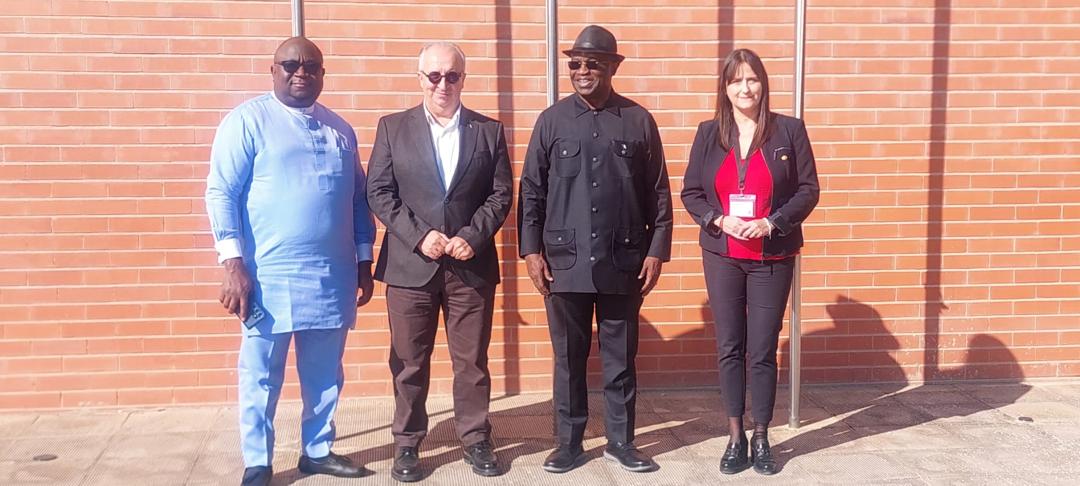
Ikpeazu Seeks Spanish Technology Transfer to Modernise Nigeria’s Footwear Industry
…Nigerian envoy engages Alicante footwear manufacturers, explores training, investment and business partnerships to boost local production
By: Michael Mike
Nigeria has begun exploring strategic partnerships with Spain’s established footwear industry to modernise local shoe manufacturing, improve production standards and strengthen the competitiveness of Nigerian manufacturers in domestic and international markets.
The Nigerian Ambassador to Spain, Dr Victor Ikpeazu, made the move during a visit to Alicante Province on Monday, November 2, where he held discussions with leading Spanish footwear industry stakeholders on technology transfer, technical training, innovation and business-to-business partnerships.
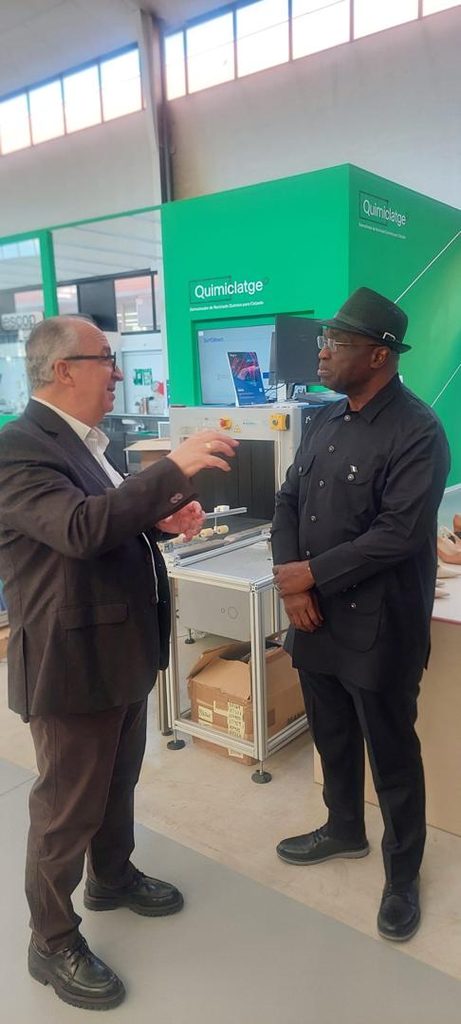
According to a statement issued by the Nigerian Embassy in Madrid, Ikpeazu met with the President of the Valencian Association of Footwear Manufacturers Entrepreneurs (AVECAL), Vicente Pastor Perez, as well as representatives of the footwear technology centre, INESCOP, and manufacturers Pikolinos and Hispanitas.
The engagement is part of efforts by the Nigerian Mission to connect local footwear manufacturers with Spain’s established manufacturing ecosystem and create opportunities for skills development, industrial cooperation and investment.
At INESCOP, a footwear technology and innovation centre based in Elda, Alicante, the ambassador was received by its Director of Technologies and Materials, Elena Orgilés Calpena, who conducted him round the facility to showcase its technological capabilities, research activities and manufacturing standards.
INESCOP works with more than 400 member companies across different countries, providing support for advances in footwear design, materials and manufacturing processes.
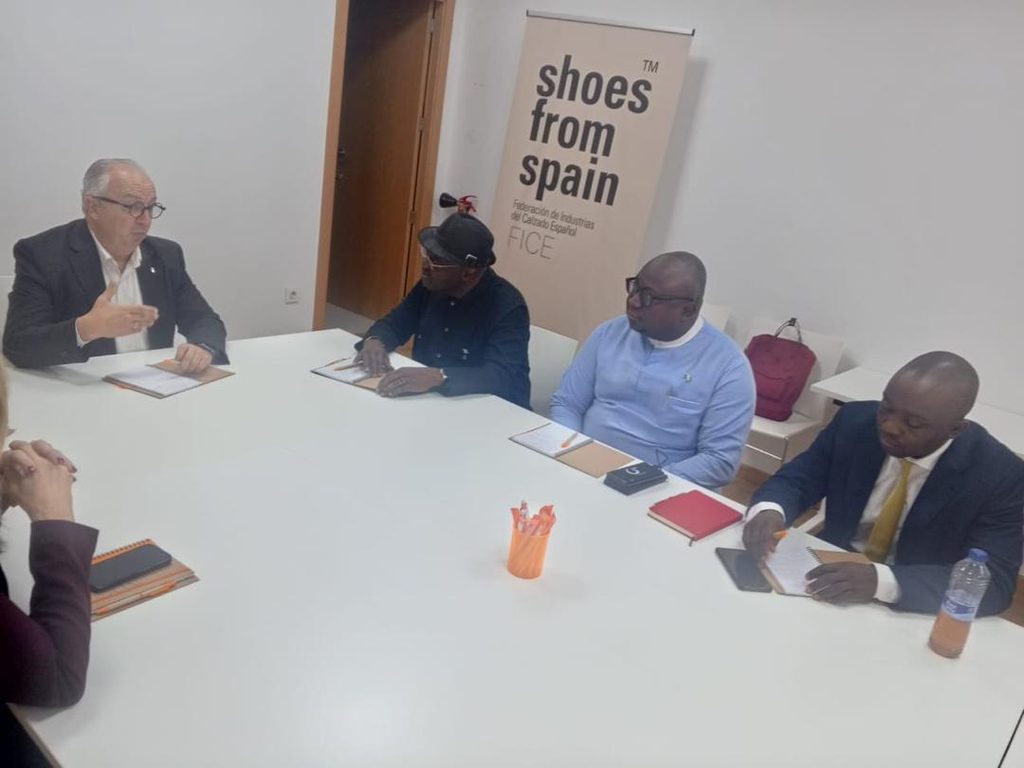
Discussions focused on how its technical expertise could be adapted to strengthen Nigeria’s footwear industry, particularly through specialised training, technology transfer, quality management, certification and innovation.
The parties also explored capacity-building programmes for Nigerian technicians, manufacturers and industry-support organisations, with emphasis on sustainability, improved productivity and compliance with international quality standards.
Speaking during the engagements, Ikpeazu highlighted the entrepreneurial capacity and ingenuity of Nigerian footwear manufacturers, noting that many had continued to produce different categories of shoes manually despite limited access to modern technology and advanced manufacturing equipment.
He said the Nigerian Embassy was prepared to facilitate direct engagements between interested Nigerian entrepreneurs and their Spanish counterparts to encourage partnerships and business-to-business matchmaking.
At his meeting with AVECAL, Pikolinos and Hispanitas, the ambassador explored opportunities for structured collaboration, including knowledge-sharing platforms, technical exchanges, joint programmes and exposure to modern production processes.
The visit to Pikolinos provided an opportunity to examine practical aspects of industrial footwear production, while discussions with Hispanitas centred on strengthening commercial and technical relationships between manufacturers in both countries.
Pastor Perez assured the ambassador of AVECAL’s willingness to work with the Nigerian Embassy to establish the necessary arrangements for sustained engagement between Spanish footwear businesses and Nigerian entrepreneurs.
The association also expressed readiness to explore practical cooperation that could facilitate access to industry expertise, training opportunities and potential business partnerships.
Ikpeazu said closer engagement with Spain’s footwear manufacturing cluster, particularly in the Valencia region and Alicante Province, could offer Nigerian manufacturers opportunities to upgrade their production capabilities, improve product quality and expand their access to international markets.
He identified technology transfer, specialised training and sustained industry dialogue as important elements in building a more competitive Nigerian footwear sector.
The Spanish industry representatives also expressed willingness to explore concrete cooperation mechanisms, including technical exchanges, training attachments and knowledge-sharing initiatives.
The ambassador was accompanied on the visit by the Senior Counsellor, Mr Kimiebi Ebienfa, and First Secretary, Mr Likson Dadi.
The engagement forms part of the Nigerian Mission’s broader economic diplomacy initiative aimed at attracting foreign direct investment, promoting industrial partnerships and supporting the Federal Government’s efforts to stimulate manufacturing and economic development under President Bola Tinubu’s ongoing economic reforms.
Ikpeazu Seeks Spanish Technology Transfer to Modernise Nigeria’s Footwear Industry
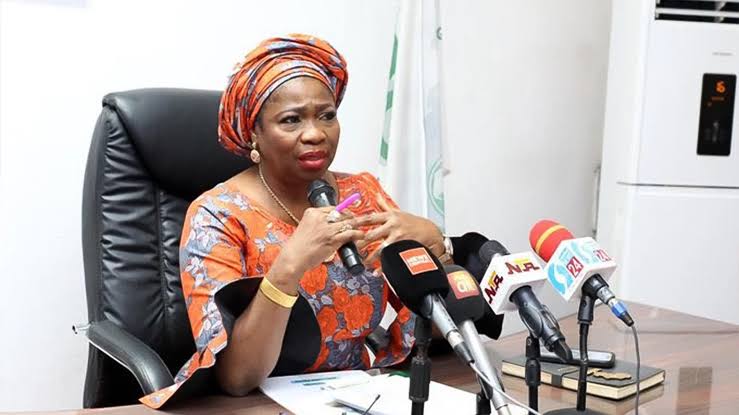
FG Raises Alarm Over Gambian Directive to Replace 57 Nigerian Bank Workers
…Commission seeks reversal of December deadline, warns against displacement of African professionals
By: Michael Mike
An agency of the Federal Government, the Nigerians in Diaspora Commission (NiDCOM) has called on the Central Bank of The Gambia to reverse a directive requiring banks operating in the country to replace non-Gambian employees with qualified Gambian nationals, warning that the policy could lead to the displacement of 57 Nigerian professionals.
The directive, reportedly issued on September 16, 2026, gives banks until December 31, 2026, to replace their existing non-Gambian employees with Gambians, a development NiDCOM said had raised serious concerns about the welfare and employment rights of affected Nigerians.
The Chairman/Chief Executive Officer of NiDCOM, Hon. Abike Dabiri-Erewa, described the development as deeply worrisome, particularly as the affected Nigerian professionals reportedly possess valid residency and work permits and have made significant contributions to The Gambia’s banking sector.
In a statement issued in Abuja on Tuesday, the Commission acknowledged The Gambia’s right to promote local employment and develop its workforce but insisted that such policies must respect existing employment arrangements, legitimate work authorisations and the principles of African solidarity and regional integration.
NiDCOM said information available to it indicated that 57 Nigerian professionals working in four Nigerian-origin banks operating in The Gambia could be affected by the directive.
The Commission also drew attention to the economic contributions of the four banks, which collectively account for approximately 37.2 per cent of total banking industry deposits, valued at 35.3 billion Gambian dalasi, and 32.6 per cent of loans, worth 7.67 billion dalasi.
The banks also reportedly control 37 per cent of the industry’s total assets, valued at 44.78 billion dalasi, while accounting for about 34.5 per cent of investments in Central Bank bonds.
More significantly, NiDCOM said the four institutions reportedly contributed 90 per cent of the funding supporting the operations of the National Water and Electricity Company (NAWEC), highlighting their importance to the Gambian economy
.
The Commission expressed concern that a blanket employment replacement policy could undermine the contributions of African professionals and investors to host economies, particularly at a time when African countries are seeking to deepen economic cooperation and regional integration.
It argued that encouraging African investment and the free movement of people while implementing policies capable of indiscriminately displacing qualified African professionals could undermine the objectives of continental economic integration.
NiDCOM therefore urged the Central Bank of The Gambia to immediately reconsider and reverse the directive, calling for consultations with the Nigerian High Commission in Banjul, the affected financial institutions and other relevant stakeholders to achieve an equitable resolution.
The Commission also appealed to Gambian authorities to uphold the spirit of the Economic Community of West African States (ECOWAS) integration framework and the longstanding cordial relationship between Nigeria and The Gambia.
It called for constructive diplomatic engagement to resolve the dispute without jeopardising the livelihoods of affected Nigerian professionals or the broader economic relationship between both countries.
The development comes against the backdrop of regional efforts to promote the free movement of people, capital and services, as well as stronger economic partnerships among African countries.
FG Raises Alarm Over Gambian Directive to Replace 57 Nigerian Bank Workers
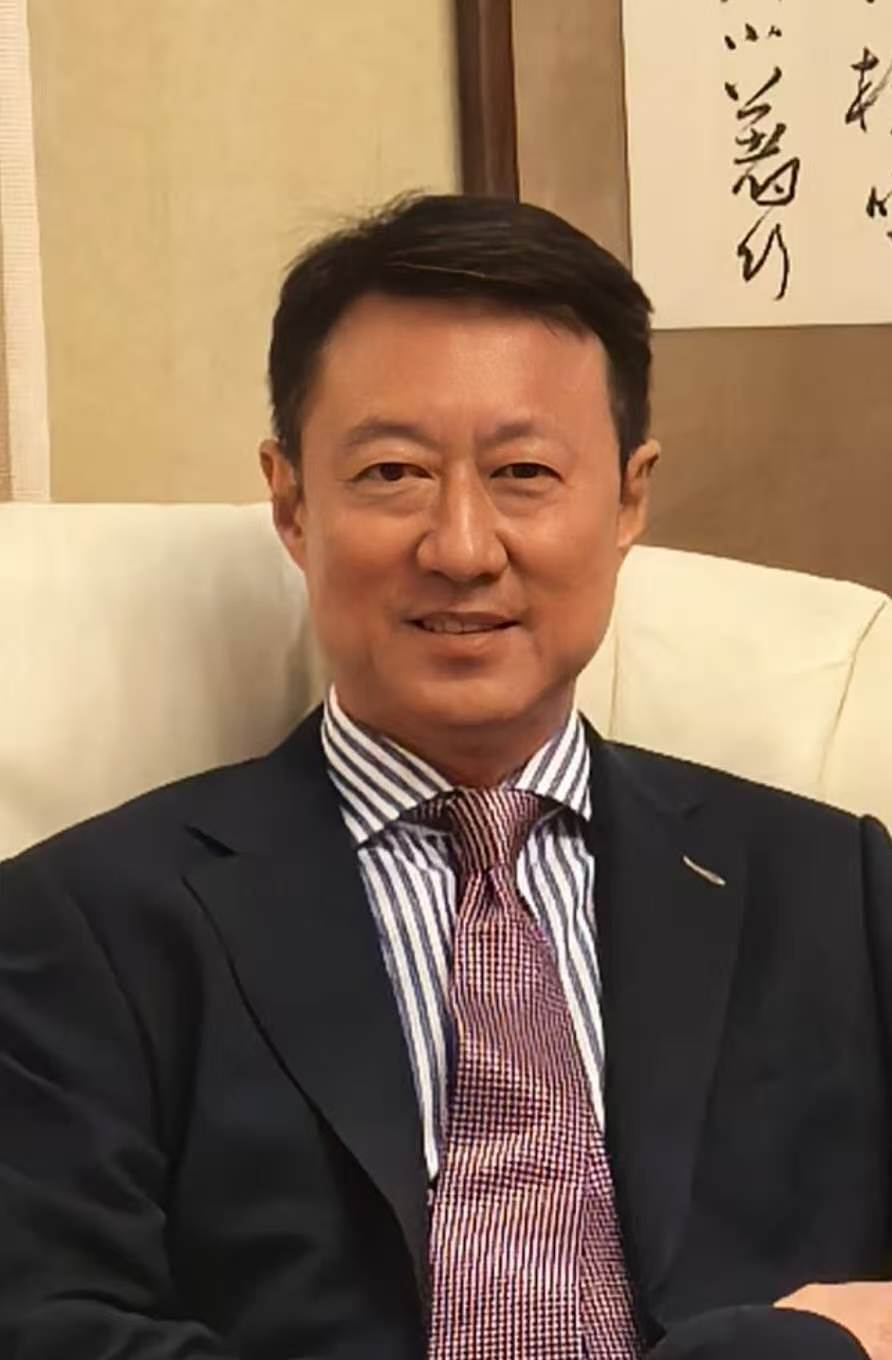
Leading Chinese Modernization Steadily Forward Through the Party’s Self-Revolution
By: Yu Dunhai, Chinese Ambassador to Nigeria
Days ago, the Fifth Plenary Session of the 20th Central Committee of the Communist Party of China concluded in Beijing. The session reviewed and adopted the Resolution of the Central Committee of the CPC on Certain Major Issues concerning Persevering with Full and Rigorous Party Self-Governance. It sets out systematic plans for continuing to exercise full and rigorous self-governance of the Party on the new journey in the new era, providing a strong political guarantee for advancing the great cause of building a strong country and achieving national rejuvenation through Chinese modernization.
Through this plenary session, the world has clearly seen that the Communist Party of China has grown stronger through self-revolution, that China’s development path has become clearer and more determined, and that China’s sincere willingness to share governance experience and work with other countries to create a better future has been further demonstrated.
To govern the country well, we must first govern the Party well; only when the Party thrives can the nation prosper. China’s success hinges on the Party, and on exercising full and rigorous Party self-governance. Since the 18th National Congress of the CPC, the Party has advanced full and rigorous self-governance with extraordinary historical courage and strategic resolve. The fight against corruption has achieved an overwhelming victory and been comprehensively consolidated. Practice has fully proven that, as the world’s largest Marxist governing party, the Communist Party of China possesses a powerful capacity to identify problems, correct deviations, and achieve self-purification, self-improvement, self-renewal, and self-enhancement through its own efforts. It has always been the core force leading China’s development and progress and safeguarding the fundamental interests of the people.
Self-revolution is not an abstract political concept; it is a realistic driving force that promotes national development and benefits hundreds of millions of people. It is precisely by consistently advancing full and rigorous Party self-governance that the CPC has been able to rally the entire society into a powerful, unified force, translating governance efficacy into tangible development results, and writing new chapters in the twin miracles of rapid economic growth and long-term social stability.
China has built the world’s largest and most complete industrial system. Its manufacturing value-added has long ranked first globally. It has nurtured a middle-income group of more than 400 million people, historically solved the problem of absolute poverty, and lifted hundreds of millions of rural residents out of poverty. These tangible development achievements are powerful evidence that the Party’s self-revolution empowers national governance and benefits the people.
China’s development cannot be separated from the world, and the world’s prosperity also needs China. As the world’s second-largest economy, China has the most promising super-large-scale market and has contributed around 30 percent to global economic growth for many consecutive years, serving as an important multiplier and stabilizer. The series of strategic arrangements made at the Fifth Plenary Session of the 20th CPC Central Committee are not only top-level designs for China’s own long-term development, but also contain development opportunities for the world.
A China that persists in self-revolution and continues to develop steadily will keep expanding high-level opening-up and inject lasting momentum into the stability of global industrial and supply chains and the recovery of the world economy.
At present, profound changes unseen in a century are accelerating, and the four deficits in peace, development, security, and governance continue to grow more pronounced. Developing countries’ desire to independently explore modernization paths is becoming ever stronger. Against this backdrop, the CPC’s practice of advancing national governance through self-revolution has drawn wide international attention.
This reflects recognition of China’s development path and governance effectiveness, as well as keen interest in the logic of self-revolution in Party and state governance.
China never exports its development model, attaches no political conditions, and never interferes in other countries’ internal affairs. We always respect every country’s independent choice of a development path suited to its national conditions and are ready to engage in equal exchanges of governance experience with political parties and organizations around the world.
China continues to put into practice the Global Development Initiative, the Global Security Initiative, the Global Civilization Initiative, and the Global Governance Initiative, working with all parties to explore solutions to global challenges and contributing Chinese wisdom, Chinese solutions, and Chinese strength to building a community with a shared future for mankind.
Africa is a continent full of hope, a key force in the Global South, and an important partner on the path of Chinese modernization. Within the framework of the Forum on China-Africa Cooperation(FOCAC), China has always upheld the principles of sincerity, real results, amity and good faith, as well as the correct approach to justice and interests, and has joined African countries in exploring modernization.
The 2024 FOCAC Beijing Summit was a success, when President Xi Jinping announced the “Ten Partnership Actions” for jointly advancing modernization, charting a clear blueprint for all-round China-Africa cooperation. Starting from 1 May this year, China has implemented zero-tariff treatment for all African countries that have diplomatic relations with China, further consolidating its position as Africa’s largest trading partner and helping African countries expand exports and advance industrial transformation.
The Communist Party of China is deepening exchanges of experience in Party governance and state administration with political parties across Africa, helping the China-Africa community with a shared future take root and becoming a vivid practice of building a community with a shared future for mankind.
Nigeria is Africa’s most populous country and a key engine driving the revitalization of the African continent. In more than two years as Chinese Ambassador to Nigeria, I have deeply felt the strong endogenous demand among all sectors of Nigerian society for good governance, stability and an independently chosen path of modernization. Nigeria is currently upholding strategic autonomy, pursuing a pragmatic foreign policy, advancing structural reforms, actively attracting foreign investment, expanding international trade, and promoting technological innovation, thereby continuously strengthening the foundations of independent development and demonstrating firm determination to follow a modernization path suited to its national conditions. Under the strategic guidance of President Xi Jinping and President Bola Ahmed Tinubu, the China-Nigeria comprehensive strategic partnership has entered a new stage of high-quality development.
The two sides continue to deepen exchanges of governance experience, closely align their development agendas, and make practical cooperation in various fields more solid, continuously benefiting the peoples of both countries.
Standing at a new historical starting point, China will take the spirit of the Fifth Plenary Session of the 20th CPC Central Committee as its guide, remain committed to the long-term task of self-revolution, unremittingly advance full and rigorous Party self-governance, firmly follow the path of Chinese modernization, unswervingly promote high-quality development and expand high-level opening-up, and steadfastly safeguard world peace and promote common development. China’s door of opening-up will only open wider.
The dividends of China’s development belong not only to the Chinese people but also to the whole world. We warmly look forward to walking hand in hand with friends in Nigeria on the path of equality, mutual learning and mutual benefit, jointly writing a new chapter of solidarity and revitalization among Global South countries.
Leading Chinese Modernization Steadily Forward Through the Party’s Self-Revolution

Ikpeazu Seeks Spanish Technology Transfer to Modernise Nigeria’s Footwear Industry

FG Raises Alarm Over Gambian Directive to Replace 57 Nigerian Bank Workers

Leading Chinese Modernization Steadily Forward Through the Party’s Self-Revolution

Roger Federer’s Shock as DNA Results Reveal Myla and Charlene Are Not His Biological Children

THE PLIGHT OF FARIDA

FAILED COUP IN BURKINA FASO: HOW TRAORÉ NARROWLY ESCAPED ASSASSINATION PLOT AMID FOREIGN INTERFERENCE CLAIMS
-
 News3 years ago
Roger Federer’s Shock as DNA Results Reveal Myla and Charlene Are Not His Biological Children
-
Opinions5 years ago
THE PLIGHT OF FARIDA
-
 News2 years ago
FAILED COUP IN BURKINA FASO: HOW TRAORÉ NARROWLY ESCAPED ASSASSINATION PLOT AMID FOREIGN INTERFERENCE CLAIMS
-
 Opinions5 years ago
POLICE CHARGE ROOMS, A MINTING PRESS
-

 News3 years ago
EYN: Rev. Billi, Distortion of History, and The Living Tamarind Tree
-

 ACADEMICS3 years ago
A History of Biu” (2015) and The Lingering Bura-Pabir Question (1)
-

 Columns3 years ago
Army University Biu: There is certain interest, but certainly not from Borno.
-

 Politics1 year ago
2027: Why Hon. Midala Balami Must Go, as Youths in Hawul and Asikira/Uba Federal Constituency Reject ₦500,000 as Sallah Gift
