
News
NHRC charge security agencies to respect rights of affected

NHRC charge security agencies to respect rights of affected
By: Bodunrin Kayode
The National Human Rights Commission has called on security agencies and government actors in conflict regions to respect the rights of internally displaced persons (IDPs), refugees and asylum seekers Nation wide.
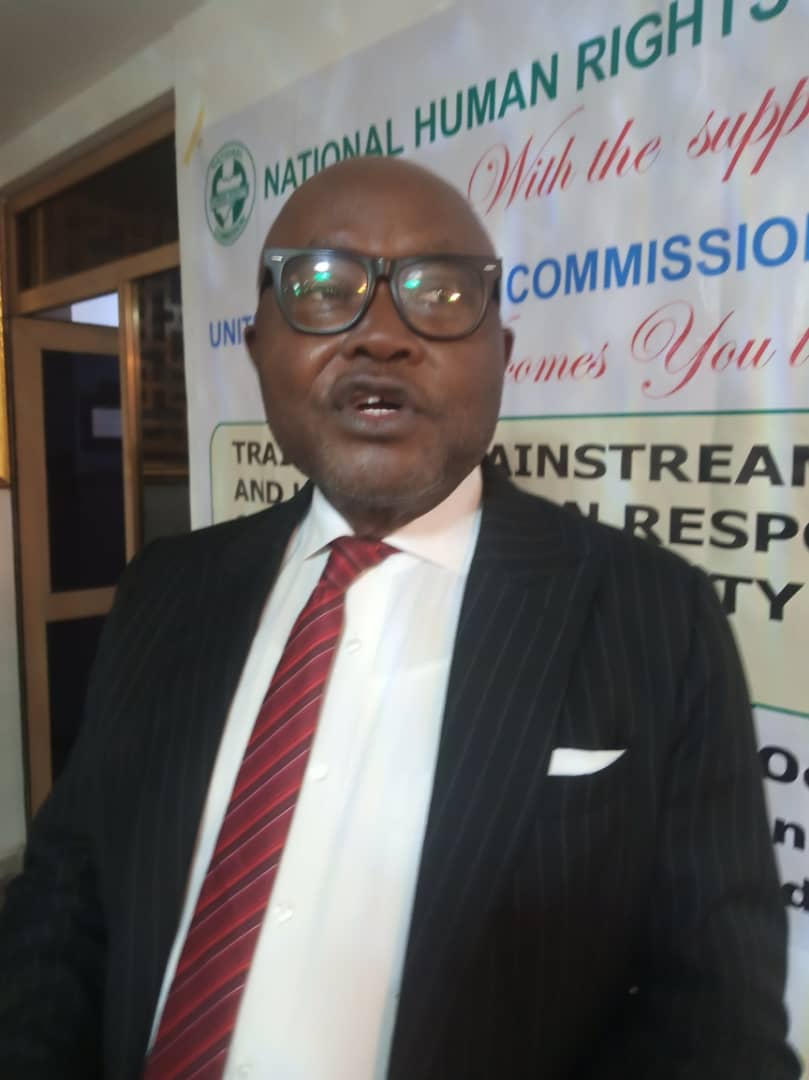
The call was made recently by the Executive Secretary (ES) of the National Human Rights Commission (NHRC) Dr Tony Ojukwu during a collaborative training session held in Maiduguri on the mainstreaming of human rights and humanitarian responses during daily operations by security and government actors.
Dr Ojukwu who was represented by his special Assistant, and head of monitoring of the organization, Dr Benedict Agu who flagged the two days training open for participants from both military and the civil society said the gathering was timely considering what goes on in various theatres of war in Nigeria.
Welcoming participants to the training, the ES noted that the meeting was an activity under the Project: ‘NHRC/UNHCR 2025 Project on the Protection of Human Rights of idps, refugees, asylum seekers and returnees through Information/Data Collection and Documentation in Nigeria’.
Dr Ojukwu noted that the Commission was implementing the project with the support of the Office of the United Nations High Commission for Refugees (UNHCR) and was going to make it a yearly activity until the apathy against these vulnerable people is reduced to the minimum.
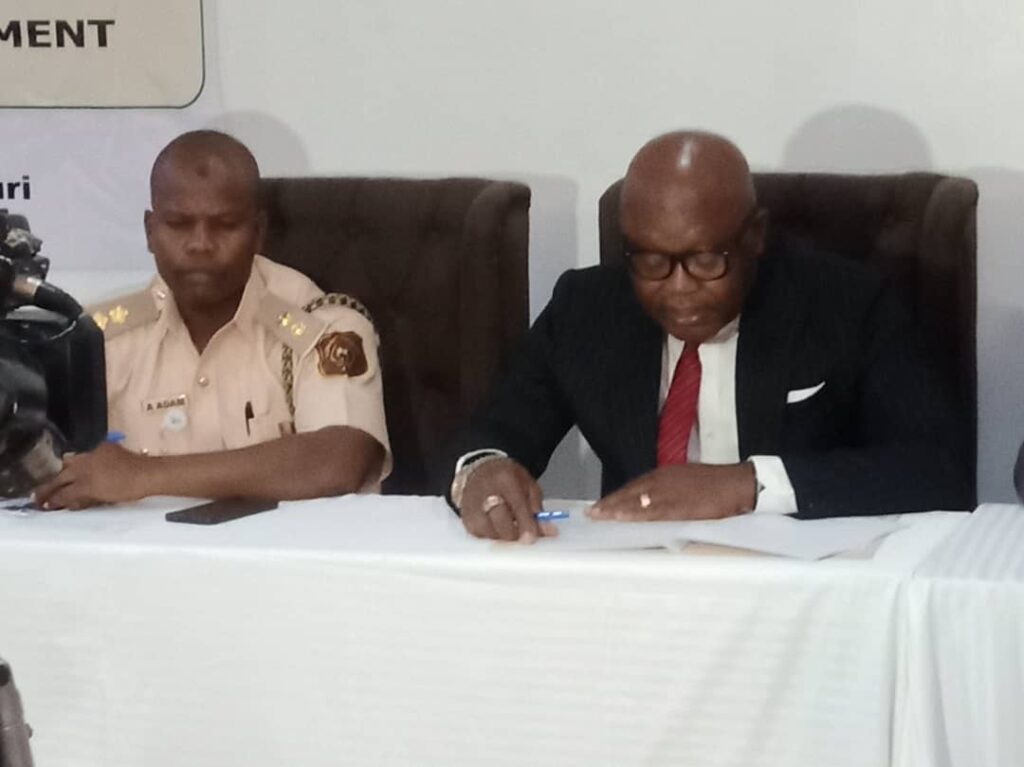
Dr Ojukwu maintained that he appreciated the continuous support of UNHCR in providing the much-needed assistance towards the promotion and protection of the rights of these persons for whom the Commission and UNHCR works with.
“The plight of these people because of insurgency activities/armed conflicts, flooding and drought etc should be of concern to all, hence, the continuous intervention by NHRC with the support of UNHCR.
“This year’s project cycle commenced in January 2025 in the three most impacted LGAs in the 11 states of Adamawa, Akwa- Ibom, Borno, Benue, Cross-River, Kano, Katsina, Sokoto, Taraba, Yobe and Zamfara.
“Human Right Monitors (HRMs) and Community Protection Action Group (CPAGs) members were trained and deployed to these selected LGAs where they work closely with the staff of UNHCR to gather and send reports regularly to the report harmonization team at the Commission’s headquarters.
“The HRMs and CPAGs visit the detention facilities in within their area of coverage in the different IDP camps, returned communities and host Communities in identifying and reporting protection/ human rights issues as well as referring these protection issues to different MDAs for appropriate response.”
Ojukwu hinted that the project has recorded a good number of targeted responses from the MDAs and humanitarian actors adding that the Commission, therefore, deems it necessary to engage with the security and government actors who may have one thing or the other with regards to the above stated populations under the Project for better coordination and understanding so as to continue to give positive human rights and humanitarian responses to matters concerning them.
“The identified protection issues are not just mere needs of these mandated population for NHRC, rather they are issues that may breach the enjoyment of their fundamental human rights. These issues must be seen as violations of the rights of these persons who have been made vulnerable through displacement due to the insurgency and other related conflicts.
“One of the purposes of this engagement is to highlight some of the protection issues and/or human rights/humanitarian concerns and encourage the responsible agency of government and relevant humanitarian actors to make efforts at resolving them early. ” He stressed.
The ES stated that the engagement with MDAs and humanitarian actors is also to promote and facilitate information sharing on areas of humanitarian activities in the states.
” It will also provide the needed link between the HRMs, CPAG members and the MDAs in relation to referral pathways to enable them respond in real time to the challenges faced by the NHRC mandated populations.” Said the ES.
Barrister Ojukwu posited that it was important that the meeting was held at this point in time to enable Protection and Humanitarian Actors identify potentials and future collaboration areas adding that the meeting will also present a learning opportunity for participant observers involved in protection and humanitarian interventions in war theatres nation wide.
In his presentation titled “Understanding UNHCR mandate and the humanitarian situation in the north East of Nigeria Dan Bisu said that 123.2 million humans are displaced worldwide with African having 38.1 million of that and Nigeria occupying a big chunk of that number
Out of this statistics, 73.5 million of them are IDP’s while 36.8 million are asylum seekers with the middle East and north Africa contributing to 32.9 million of that figure.
Meanwhile 3.45 percent of the globally forcibly displaced population in 2024 are said to be Nigerians.
It is a known fact that during the last 16 years of insurgency, human rights of these individuals have been badly abused especially by their camp managers at a time when the vulnerable needed protection and humanitarian interventions for their survival.
It expected that stakeholders after the training will strengthen collaboration that will counter the disturbing trend of human rights violations in the Northeast Hadin Kai war theatre which has witnessed thousands of deaths due to back and forth movement of IDP’s and refugees running for their lives across the bobby traps of improvised Explosive Devices (IEDs) in the savannah.
The training was attended by troops representatives of Operations Hadin Kai, civil defense, the Nigerian police, DSS, immigration, other paramilitary organizations, ministries, departments and agencies (MDA’s).
NHRC charge security agencies to respect rights of affected


Niger Police Confirm Abduction of Friday Worshippers in Borgu
By Zagazola Makama
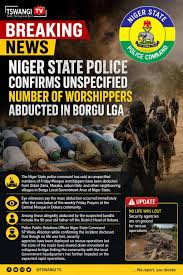
The Niger State Police Command has confirmed the abduction of an unspecified number of Muslim worshippers by suspected bandits in communities within Borgu Local Government Area of the state.
The incident, according to security sources and eyewitnesses, occurred on Friday shortly after the conclusion of the weekly Juma’at prayers at the Central Mosque in Dekara community.
The victims were reportedly abducted from Gidan Zana, Masaka, Sabon Gida and other neighbouring communities in the area.
Among those reportedly taken away by the armed assailants is the 90-year-old father of the District Head of Dekara, according to local sources.
Confirming the incident, the Police Public Relations Officer of the Niger State Command, SP Wasiu Abiodun, said security agencies had mobilised personnel for a rescue operation.
Abiodun said no death had been recorded in connection with the incident, while efforts were ongoing to locate the victims and apprehend the perpetrators.
He, however, disclosed that difficult terrain and poor road conditions were hampering the movement of security personnel responding to the incident.
According to him, a collapsed bridge linking the affected communities with the Borgu Local Government headquarters had further slowed down the deployment of security forces and the rescue operation.
The police spokesman said security agencies were working to overcome the logistical challenges and intensify the search for the abducted worshippers.
The latest incident has heightened concerns over the security situation in parts of Borgu, where remote communities are increasingly vulnerable to attacks and abductions by armed criminal groups.
Security sources said troops and other security personnel were expected to sustain search operations across the surrounding forests and possible escape routes used by the attackers.
The police urged residents to remain vigilant and provide security agencies with credible information that could assist in rescuing the victims and tracking down the perpetrators.
Niger Police Confirm Abduction of Friday Worshippers in Borgu
Al-Shabaab Deploys Amniyaat Operatives to Target Humanitarian Workers in Somalia
By Zagazola Makama
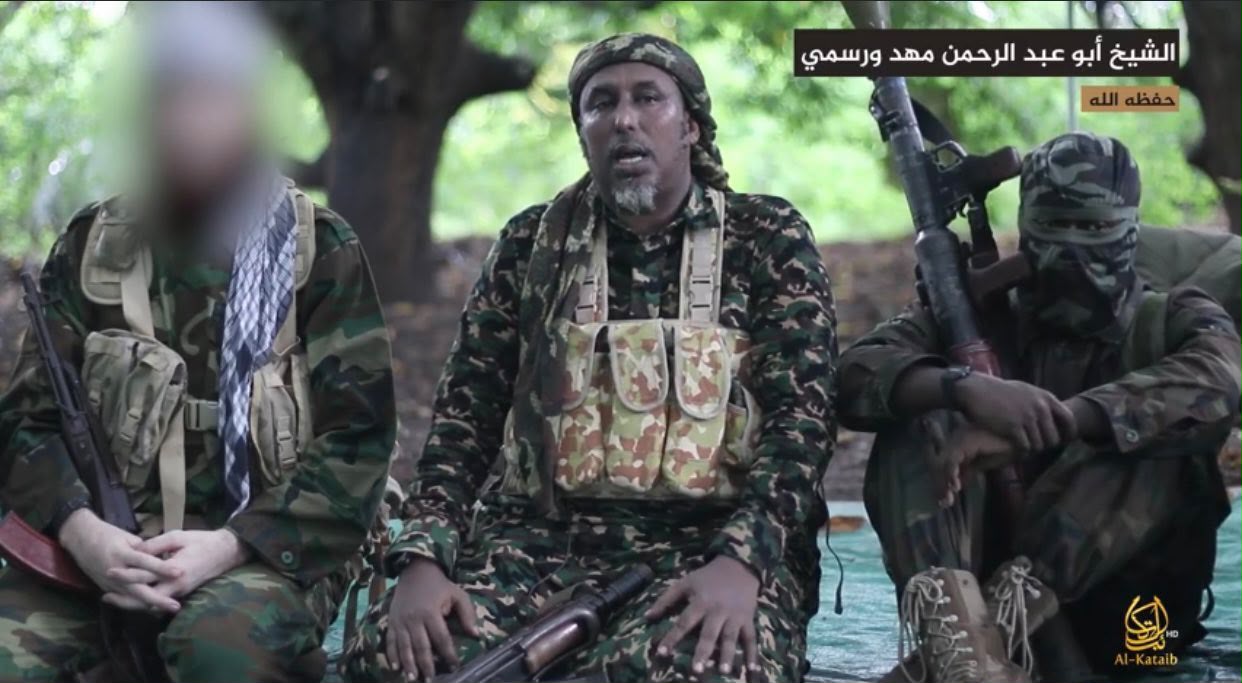
Intelligence sources have warned that Al-Shabaab has deployed operatives of its Amniyaat intelligence and security apparatus to parts of Somalia and neighbouring countries as part of a campaign targeting humanitarian workers and aid personnel.
According to intelligence obtained by Zagazola Makama, the terrorist group has directed its operatives to identify and target personnel working with humanitarian organisations as part of efforts to intimidate aid agencies and pressure them into complying with the group’s demands.
Sources said the development is aimed at creating fear and insecurity around humanitarian operations, particularly in areas where Al-Shabaab maintains influence or seeks to expand its control.
The group is reportedly seeking to compel humanitarian organisations to deliver assistance to communities in areas under its control, while attempting to dictate how such aid is distributed.
Intelligence indicates that Al-Shabaab wants to position itself as the de facto gatekeeper of humanitarian access, allowing the group to control the movement of aid, determine beneficiaries and potentially divert portions of humanitarian assistance for its own benefit.
Security sources said the campaign appears to be driven largely by financial considerations, with the terrorist organisation seeking to exploit humanitarian operations as another source of revenue.
By threatening aid workers and creating an atmosphere of uncertainty, the group is believed to be attempting to force humanitarian organisations to negotiate or comply with its demands in exchange for access to vulnerable populations.
The development has drawn attention over the safety of humanitarian personnel operating in Somalia and neighbouring countries, particularly in areas affected by conflict, displacement and food insecurity.
Analysts said the tactic also reflects Al-Shabaab’s broader strategy of combining coercion, taxation and control of civilian activity to sustain its insurgency and reinforce its influence over communities.
The targeting of humanitarian workers could further complicate the delivery of life-saving assistance to vulnerable populations, especially internally displaced persons and communities in areas already facing severe humanitarian challenges.
Security agencies and humanitarian organisations are therefore expected to strengthen protective measures, intelligence-sharing and risk assessment around aid operations to prevent the group from exploiting humanitarian access for financial and operational gains.
Al-Shabaab Deploys Amniyaat Operatives to Target Humanitarian Workers in Somalia
Galadima Commends Military, Security Agencies Over Rescue of 18 Kidnap Victims in Ibi
By Zagazola Makama
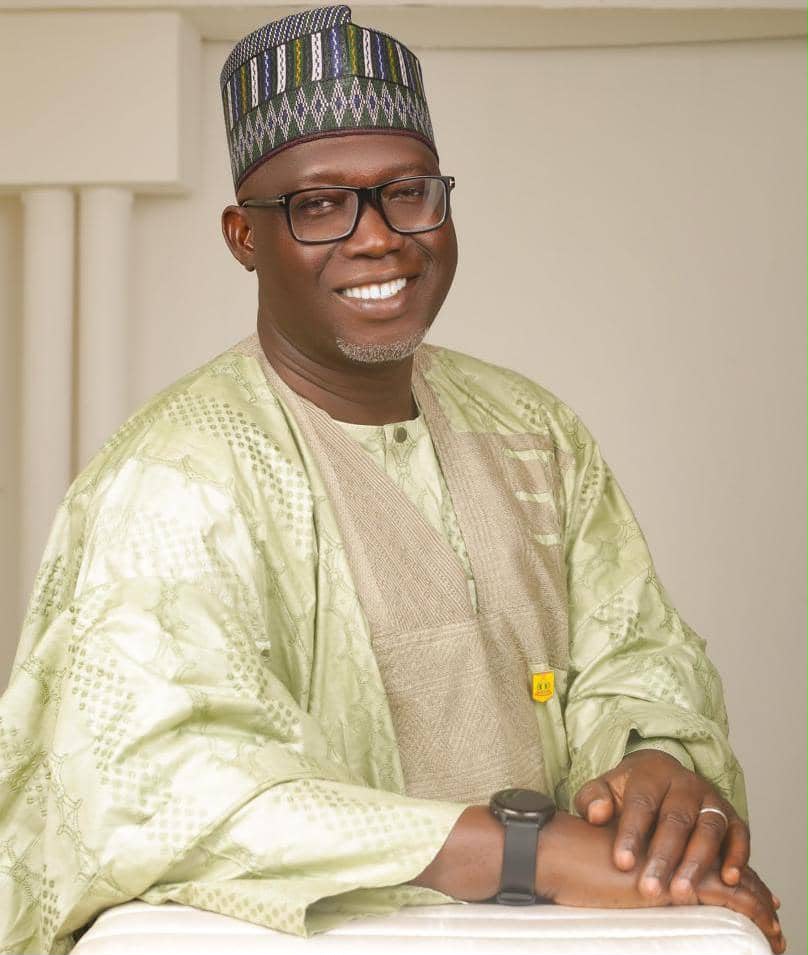
The Peoples Democratic Party (PDP) House of Representatives candidate for Wukari/Ibi Federal Constituency, TPL Mukhtar Usman Galadima, has commended the Nigerian military, other security agencies and the Federal Government for the successful rescue of 18 kidnapped victims in Ibi Local Government Area of Taraba State.
Galadima, reacting to reports of the rescue, described the operation as a significant demonstration of the commitment of the security forces to protecting lives and restoring peace in communities affected by criminal activities. He particularly applauded the troops of Sector 3 deployed in Ibi for responding swiftly to reports of kidnapping activities at Kwatan Bajji in the early hours of August 18, leading to the recovery of the victims.
The PDP candidate said the successful operation should reassure residents of Wukari/Ibi Federal Constituency that security forces remain committed to confronting criminal elements and protecting communities. He urged the rescued victims and their families to remain hopeful while calling on security agencies to sustain and intensify operations in vulnerable communities across the constituency and Taraba State.
Galadima, however, stressed the need for stronger inter-agency cooperation and improved intelligence-sharing among the military, police and other security and intelligence agencies. He said security operations would become more effective when relevant agencies work closely together to identify threats, track criminal networks and disrupt their activities before they are able to carry out attacks.
He also called for stronger legislation and institutional support to enhance the operational and intelligence-gathering capabilities of the Armed Forces and other security agencies. According to him, the objective should not only be to respond to kidnapping and other violent crimes after they occur, but to develop the capacity to anticipate and prevent such incidents long before they happen.
The Wukari/Ibi candidate said improved legislation, better intelligence infrastructure, modern surveillance capabilities and sustained support for security personnel would strengthen the ability of the nation’s security architecture to respond to emerging threats. He noted that protecting rural communities requires a proactive security strategy capable of detecting criminal movements and networks before they pose a danger to residents.
Galadima equally appealed to residents of Wukari/Ibi Federal Constituency to see themselves as partners in the fight against insecurity. He urged community leaders, traditional institutions, youths and residents to maintain close cooperation with security agencies and provide timely and credible information whenever they notice suspicious movements or activities.
He cautioned residents against withholding useful information out of fear or reluctance, stressing that early reporting can make the difference between preventing a crime and responding to its consequences. He also urged security agencies to protect the confidentiality of credible informants and strengthen community-based intelligence networks.
While commending the Federal Government for supporting ongoing security operations, Galadima said sustained investment in the welfare, equipment, intelligence and operational capacity of security personnel remains essential to achieving lasting peace.
He expressed optimism that with stronger collaboration between security agencies and local communities, improved legislation and greater government support, kidnapping and other forms of criminality can be significantly reduced across Wukari, Ibi and other vulnerable parts of Taraba State.
The candidate congratulated the 18 rescued victims and their families, and urged security forces not to relent until all criminal elements operating in the area are identified and brought to justice.
Galadima Commends Military, Security Agencies Over Rescue of 18 Kidnap Victims in Ibi

The Psychology of Nigerian Politicians and Voters Power, Survival, Emotion, and the Nigerian Democratic Mind

Attack on NDA Commandant: How Ruth Ogunleye’s Social Media Claims Are Colliding With the Facts

Niger Police Confirm Abduction of Friday Worshippers in Borgu

Roger Federer’s Shock as DNA Results Reveal Myla and Charlene Are Not His Biological Children

THE PLIGHT OF FARIDA

FAILED COUP IN BURKINA FASO: HOW TRAORÉ NARROWLY ESCAPED ASSASSINATION PLOT AMID FOREIGN INTERFERENCE CLAIMS
-
 News2 years ago
Roger Federer’s Shock as DNA Results Reveal Myla and Charlene Are Not His Biological Children
-
Opinions5 years ago
THE PLIGHT OF FARIDA
-
 News1 year ago
FAILED COUP IN BURKINA FASO: HOW TRAORÉ NARROWLY ESCAPED ASSASSINATION PLOT AMID FOREIGN INTERFERENCE CLAIMS
-

 News2 years ago
EYN: Rev. Billi, Distortion of History, and The Living Tamarind Tree
-
 Opinions5 years ago
POLICE CHARGE ROOMS, A MINTING PRESS
-

 ACADEMICS2 years ago
A History of Biu” (2015) and The Lingering Bura-Pabir Question (1)
-

 Columns2 years ago
Army University Biu: There is certain interest, but certainly not from Borno.
-

 Politics1 year ago
2027: Why Hon. Midala Balami Must Go, as Youths in Hawul and Asikira/Uba Federal Constituency Reject ₦500,000 as Sallah Gift
