
News
NHRC Urges FG to Prioritise Mental Health, Warns Against Rights Abuses

NHRC Urges FG to Prioritise Mental Health, Warns Against Rights Abuses
By: Michael Mike
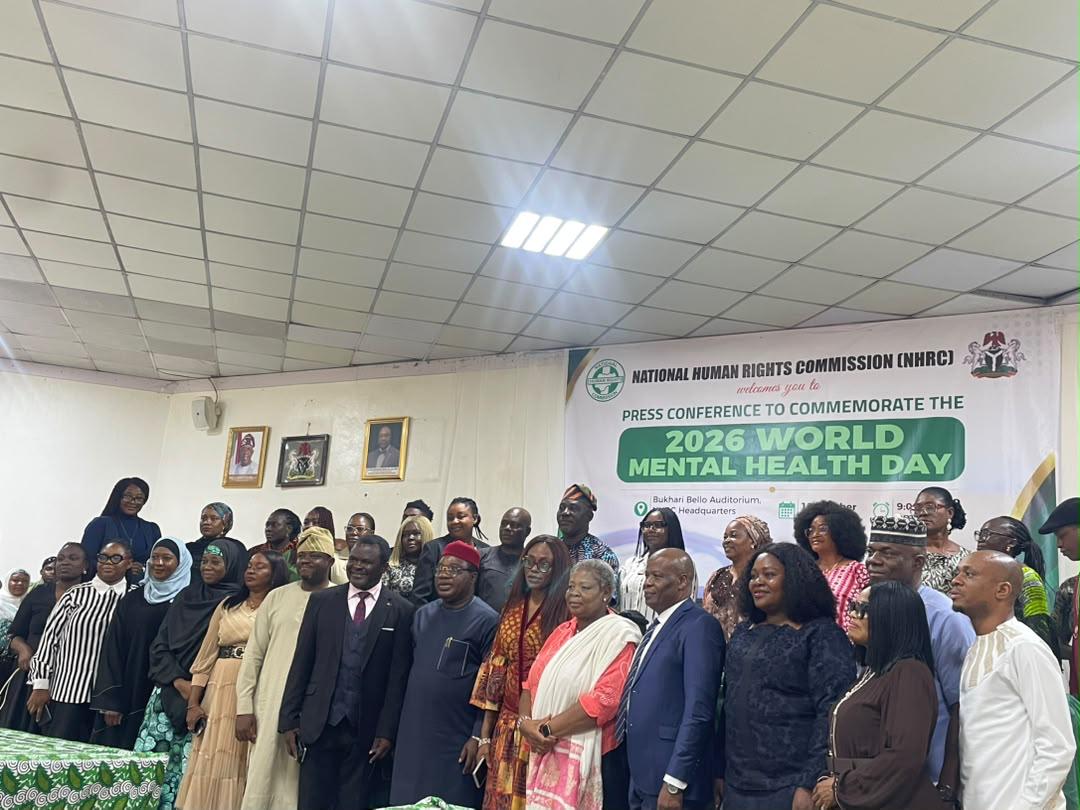
The National Human Rights Commission (NHRC) has urged the Federal Government to increase funding for mental healthcare, expand health insurance coverage and enforce safeguards against the discrimination and abuse of persons living with mental health conditions, warning that existing laws and policies must translate into accessible services and tangible protection.
The commission also raised concerns over the growing mental health needs of Nigerians affected by terrorism, abductions, displacement, gender-based violence and other humanitarian emergencies, stressing that psychological trauma must be addressed as part of the country’s broader human rights response.
The Executive Secretary of the NHRC, Chief Tony Ojukwu, made the call in Abuja on Monday in his statement commemorating the 2026 World Mental Health Day.
Ojukwu said mental healthcare should not be treated exclusively as a medical issue but as a fundamental human rights obligation requiring coordinated action by government institutions, healthcare providers, civil society organisations and other stakeholders.
He cited Article 16 of the African Charter on Human and Peoples’ Rights, which recognises the right of every individual to enjoy the best attainable state of physical and mental health, noting that the government had an obligation to protect this right and ensure access to appropriate medical attention.
The NHRC boss said although Nigeria had taken legislative and policy steps, including the National Mental Health Act and the National Mental Health Policy, implementation remained critical to protecting affected persons from neglect, exclusion and degrading treatment.
The National Mental Health Act was enacted in 2021 and received presidential assent in December 2022, establishing a legal framework for mental health services and the protection of the rights of people living with mental health conditions.
However, Ojukwu maintained that legislation alone would not address the challenges confronting millions of people without adequate investment in services, trained personnel and effective accountability mechanisms.
He cited World Health Organisation estimates that nearly one in seven people globally live with a mental disorder, noting that poverty, inequality, violence and disability could further worsen the burden and limit access to treatment.
Of particular concern, he said, was the affordability of mental healthcare in Nigeria, where fewer than three per cent of people with mental health conditions were reportedly covered by health insurance.
The limited coverage, according to him, leaves affected individuals and their families to shoulder much of the financial burden of treatment and related support services, further deepening the difficulties faced by vulnerable households.
Ojukwu warned that people experiencing mental health conditions continued to face stigma, discrimination, violence and exclusion from education, employment, housing and community life. Some, he added, were denied the opportunity to make decisions about their own lives or subjected to treatment that undermined their dignity and fundamental rights.
“A mental-health condition does not reduce a person’s worth, dignity or human rights,” he said, calling for a rights-based approach that recognises affected persons as individuals entitled to respect, equality and appropriate care.
He urged the Federal Government to expand affordable, accessible and community-based mental health services, particularly through their integration into primary healthcare centres, while strengthening health insurance coverage and recruiting, training and deploying more psychiatrists, psychologists, counsellors, psychiatric nurses and social workers.
The commission also called for the full implementation of the National Mental Health Act and Policy, alongside stronger mechanisms for investigating and preventing abuses in mental healthcare facilities.
Ojukwu said the needs were particularly urgent in communities affected by conflict, terrorism, abductions and displacement, where survivors of violence and serious human rights violations often experienced psychological distress that affected their relationships, daily functioning and participation in society.
He stressed that mental health and psychosocial support should form an integral part of interventions for survivors of conflict, torture, trafficking, gender-based violence and other forms of abuse.
As part of its response, the NHRC executive secretary disclosed that the commission had established a Counselling Unit at its headquarters to provide emotional support to people affected by human rights violations and traumatic experiences.
The unit, staffed by qualified counsellors, also supports commission personnel who experience emotional distress from handling difficult cases involving violence, abuse, loss and suffering.
He said the commission had further organised mental health and human rights training through its Human Rights Institute, particularly for investigation officers, to equip them with the skills to identify psychosocial concerns, respond appropriately to vulnerable complainants and recognise situations requiring professional intervention.
The establishment of the commission’s Vulnerable Group Department had also strengthened its capacity to address the rights and needs of vulnerable populations, including persons experiencing mental health challenges, he added.
Ojukwu disclosed that the NHRC was collaborating with the Federal Ministry of Health and Social Welfare and other stakeholders to integrate human rights considerations into the proposed National Mental Health Strategic Plan for 2027–2032.
He described the proposed five-year plan as an important development in the country’s mental healthcare framework, saying it was expected to provide a consolidated national direction for mental health interventions.
The commission had also participated in training organised by the United Nations Office on Drugs and Crime on drug prevention, treatment and care, with particular attention to the links between substance use, mental health and human rights.
He said the engagement reinforced the NHRC’s position that drug-related challenges should be addressed through appropriate treatment, rehabilitation and psychosocial support rather than approaches that expose affected persons to further abuse.
The commission, he added, had partnered with the Taipei Trade Office and civil society organisations to provide grants and free mental health sessions to some indigent women who were victims of human rights violations.
Ojukwu also recounted interventions in Kano State involving children and adults with psychosocial and psychological disabilities who had been subjected to solitary confinement before being moved to a welfare facility following the commission’s intervention.
In another case in the Federal Capital Territory, he said the commission rescued a child from a woman living in what he described as an extremely distressing and inhuman condition linked to her mental state.
The cases, he said, illustrated the need for responses grounded in professional care, family support, protection and respect for human dignity rather than punishment, abandonment or abuse.
In a goodwill message, the Founder of the Mandate Health Empowerment Initiative, Ameh Zion, called for stronger implementation of Nigeria’s mental health legislation and greater collaboration among government agencies, civil society organisations and development partners.
Zion described mental health as a human rights imperative, arguing that people experiencing depression, psychosis, trauma and psychosocial disabilities should not lose their fundamental rights because of their conditions.
He expressed concern over the shortage of trained professionals, inadequate services and persistent stigma, which he said continued to prevent many Nigerians from accessing effective care.
According to him, the psychological effects of terrorism, violence, displacement and abuse often leave survivors with invisible wounds, while families and caregivers struggle with emotional and financial pressures without sufficient institutional support.
Zion urged stakeholders to move beyond public awareness campaigns and ensure that existing laws and policies were implemented across the country, with clear responsibilities, measurable targets and accessible services.
He also expressed his organisation’s readiness to collaborate with the NHRC and African mental health reform stakeholders on public awareness, institutional capacity building, psychosocial support for survivors, referral pathways and policy advocacy.
Both speakers called on schools, workplaces, families and communities to create supportive environments where people could discuss mental health concerns and seek help without fear of rejection or discrimination.
Ojukwu urged religious and traditional leaders to complement professional mental healthcare rather than replace clinical treatment where it was necessary.
He also called on the media to promote accurate and sensitive reporting of mental health issues, warning against narratives that reinforced stereotypes and stigmatised affected persons.
The NHRC executive secretary pledged that the commission would continue to investigate human rights violations, protect vulnerable persons and advocate policies that uphold the rights and dignity of all Nigerians.
He maintained that Nigeria could not effectively protect human dignity while people continued to suffer in silence or face discrimination because they required mental healthcare.
NHRC Urges FG to Prioritise Mental Health, Warns Against Rights Abuses


Gara-Gombe alleges threat to life, family, petitions IGP
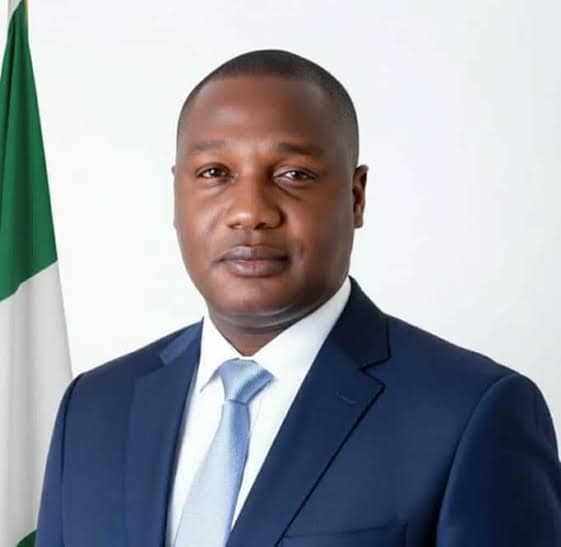
The Peoples Democratic Party (PDP) 2027 Campaign Director of Media and Publicity, Ahmed Gara-Gombe, has petitioned the Inspector-General of Police over the alleged presence of suspected security operatives in plain clothes around his family residences in Gombe State.
Gara-Gombe disclosed this in a press statement issued to journalists in Gombe by his media aide, Mr Azubuike Nathaniel.
He said that the suspected operatives had been sighted around two family residences in the state which included the house his mother lives and another occupied by members of his immediate family.
He said the development had raised concerns about the safety of his family and himself which prompted him to petition the Inspector-General of Police as well as notify relevant security agencies in Gombe State.
The PDP chieftain said the party’s 2027 Campaign Council was aware of the development, noting that its legal and security committees were consulting on the matter and would advise the council on the appropriate course of action.
Gara-Gombe further stated that he might “reinforce his personal security arrangements if the situation warranted it”.
He, however, dismissed suggestions that he should avoid visiting Gombe State due to the security concerns, insisting that he would not be intimidated or prevented from exercising his political rights.
“Nobody will stop me from coming to Gombe. I will come. Some people have advised me not to come, but nobody will stop me from visiting my state,” he declared.
He called on the relevant security agencies to investigate the alleged surveillance and take necessary measures to guarantee the safety of his family and prevent any breach of peace.
Gara-Gombe reaffirmed his commitment to participating in legitimate political activities in Gombe State, stressing that security concerns would not hinder him from exercising his political rights.
Gara-Gombe alleges threat to life, family, petitions IGP
Troops Destroy Suspected Terrorist Hideout, Recover Motorcycle in Zamfara
By: Zagazola Makama
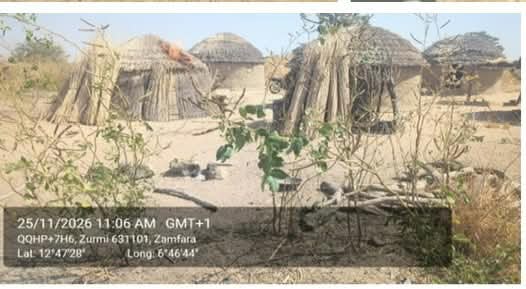
Troops of 1 Brigade, Joint Task Force, Operation Fasan Yamma (OPFY), have destroyed a suspected terrorist hideout in Zurmi Local Government Area of Zamfara State.

Security sources told Zagazola Makama that the operation was conducted at about 7:30 a.m. on Nov. 25, 2026, when troops discovered and destroyed the hideout.
The troops also recovered one motorcycle during the operation.
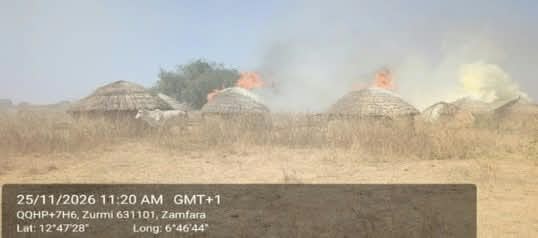
The recovery is expected to support ongoing efforts to disrupt the movement and activities of armed groups operating in the area.
Troops Destroy Suspected Terrorist Hideout, Recover Motorcycle in Zamfara
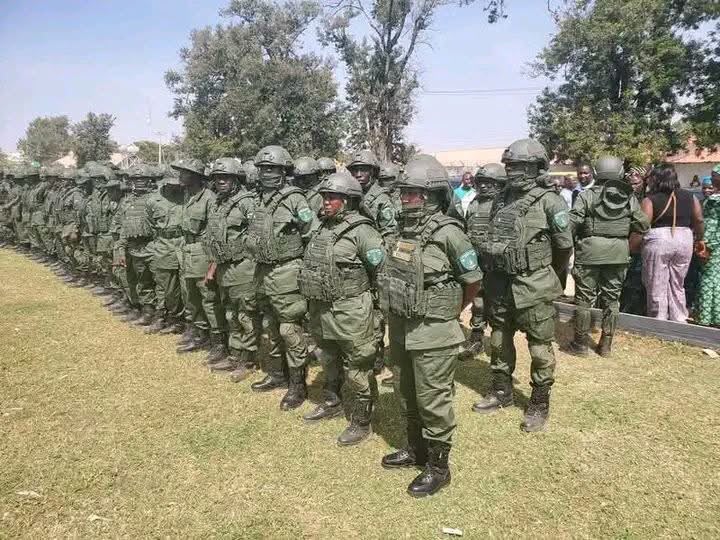
Tinubu fulfils forest guard promise as 2,000 graduate in Plateau, Zamfara – NCYP
By: Michael Mike
The Northern Christian Youth Professionals (NCYP) has commended President Bola Tinubu for fulfilling his campaign promise to establish Forest Guards, following the graduation of 2,000 personnel in Plateau and Zamfara States.
The group described the development as evidence of Tinubu’s commitment to translating campaign promises into concrete action, describing him as a “talk-and-do” leader.
In a statement on Saturday signed by NCYP National Chairman, Isaac Abrak, the group said the graduation and passing-out parades of 1,000 Forest Guards each in Plateau and Zamfara marked another step towards implementing the security commitments contained in the President’s Renewed Hope Manifesto.
It recalled that the establishment of Forest Guards was captured on page nine of the manifesto, which outlined plans to reclaim and secure Nigeria’s forests from terrorists, bandits, kidnappers and other violent criminal groups.
The group said the initiative was particularly important because criminal groups had continued to exploit forest hideouts to launch attacks on vulnerable communities.
“As one of the leading advocates for the establishment of Forest Guards, NCYP has consistently championed the initiative, recognising that securing Nigeria’s forests is fundamental to addressing the country’s security challenges,” the statement said.
It expressed optimism that deploying the newly trained personnel would strengthen the country’s capacity to deny criminal elements access to forest hideouts.
The organisation urged the graduates to discharge their responsibilities with courage, discipline, professionalism and patriotism, stressing that their assignment extended beyond protecting forests to safeguarding families, communities, farmlands and livelihoods.
NCYP, however, called on Tinubu to extend the initiative to Oyo State, where it said the President had also made a commitment to establish Forest Guards.
It also urged governors of other states yet to establish their Forest Guard units to collaborate with the Federal Government and take concrete steps towards implementing the programme.
The group maintained that establishing Forest Guard units across all states, including the Federal Capital Territory (FCT), would improve security coverage and deny terrorists, bandits and other criminal elements safe havens.
It also commended the governors of Plateau and Zamfara for collaborating with the Federal Government towards the successful establishment of the units in their respective states.
Reaffirming its confidence in the President’s commitment to the initiative, NCYP cited his 2026 Independence Day address, in which he said the next phase of the administration’s reforms would focus on translating economic adjustments into tangible improvements in Nigerians’ lives.
“We have made the difficult decisions, corrected the course of our economy and laid the foundations for lasting prosperity. The next phase is to translate these reforms into tangible improvements in the lives of Nigerians,” Tinubu was quoted as saying.
Tinubu fulfils forest guard promise as 2,000 graduate in Plateau, Zamfara – NCYP

Gara-Gombe alleges threat to life, family, petitions IGP

Campaign Train: Zulum Storms Mafa, Dikwa, Gamboru Ngala to Rousing Reception

Troops Destroy Suspected Terrorist Hideout, Recover Motorcycle in Zamfara

Roger Federer’s Shock as DNA Results Reveal Myla and Charlene Are Not His Biological Children

THE PLIGHT OF FARIDA

FAILED COUP IN BURKINA FASO: HOW TRAORÉ NARROWLY ESCAPED ASSASSINATION PLOT AMID FOREIGN INTERFERENCE CLAIMS
-
 News3 years ago
Roger Federer’s Shock as DNA Results Reveal Myla and Charlene Are Not His Biological Children
-
Opinions5 years ago
THE PLIGHT OF FARIDA
-
 News2 years ago
FAILED COUP IN BURKINA FASO: HOW TRAORÉ NARROWLY ESCAPED ASSASSINATION PLOT AMID FOREIGN INTERFERENCE CLAIMS
-
 Opinions5 years ago
POLICE CHARGE ROOMS, A MINTING PRESS
-

 News3 years ago
EYN: Rev. Billi, Distortion of History, and The Living Tamarind Tree
-

 ACADEMICS3 years ago
A History of Biu” (2015) and The Lingering Bura-Pabir Question (1)
-

 Columns3 years ago
Army University Biu: There is certain interest, but certainly not from Borno.
-

 Politics1 year ago
2027: Why Hon. Midala Balami Must Go, as Youths in Hawul and Asikira/Uba Federal Constituency Reject ₦500,000 as Sallah Gift
