
News
Nigeria Insists West Africans Have the Duty of Safeguarding ECOWAS for Development of the Subregion

Nigeria Insists West Africans Have the Duty of Safeguarding ECOWAS for Development of the Subregion
…Says Our Businesses Cannot Scale if Our Markets Remain Fragmented
By: Michael Mike
Nigeria has thrown her weight behind a strong regional bloc in West Africa, insisting that the task before the government and people of the area is to safeguard the Economic Community of West African States (ECOWAS) and to drive the expansion of industries through farsighted integration policies and reforms that reinforce our economic sovereignty.
Speaking at the opening of the maiden West African Economic Summit (WAES), Nigeria’s
Minister of State for Foreign Affairs, Amb. Bianca Odumegwu-Ojukwu, while reflecting Nigeria’s commitment to fostering inclusive regional growth, said: “The task before us now is to safeguard our regional block and drive the expansion of our industries through farsighted integration policies, and reforms that reinforce our economic sovereignty.”
Odumegwu-Ojukwu noted that the summit with the theme: “Unlocking Trade and Investment Opportunities in the Region” was initiated by President Bola Tinubu to foster dialogue, build private sector partnerships and drive regional cooperation, in the bid to reposition West Africa as a globally competitive and unified economic bloc.
She said: “As West Africans, we share a deep-rooted demographic and economic history shaped by regional mobility and trade.
“Our common commodities and interconnected markets have long fostered an environment of free trade and cultural exchange.
“This legacy has forged a shared identity, one that drives collective progress and is strengthened through unified diplomacy.
“This gathering is Nigeria’s bold affirmation of the need for our region’s collective-will to deepen economic cooperation, unlock our immense trade and investment potential and craft future of shared prosperity for peoples of West Africa.”
According to her, West Africa’s industries have proven to be strong through significant achievements in banking, digital services, agriculture and extractives, saying more would be done to bolster economic integration in the region.
“This initiative reflects Nigeria’s steadfast commitment to inclusive region-wide collaboration, bringing together all West African countries irrespective of institutional alignments, to confront shared challenges and seize the opportunities that await us.
“Let this summit not be just another meeting but a turning point, a moment of collective resolve to translate potential into prosperity,” she said.
For her part, Minister of Industry, Trade and Investment, Dr Jumoke Oduwole, said that
inter-African trade is not just an economic ambition of the summit, but pathway toward advancing competitive and connected markets across West Africa.
Oduwole, who delivered the keynote address during the summit said that the gathering proved readiness by the region to invest, shape its agenda and work collectively with purpose and clarity.”
She said: “The time for truly integrated West African marketplace is now. With a population of over 400 million people and a shared history of enterprise and resilience, West Africa holds enormous untapped potential. Yet, we must acknowledge a fundamental truth.
“Our businesses cannot scale if our markets remain fragmented. While acknowledging the modest gains of the ECOWAS Trade Liberalization Scheme (ETLS) and ECOWAS Common External Tariff, much is still desired to enhance regional trade among our countries.
“The vision of one market is not simply an ideal, it is a necessity. It means breaking down the tariff and non-tariff barriers that continue to choke the movement of goods, services and people,” Oduwole said.
She noted that inter-African trade accounted for not less than 20 per cent of Africa’s total trade, compared to 58 per cent in Asia and 67 per cent in Europe.
Also that trade among West Africa countries remain under 10 per cent, amidst shared borders, language clusters, decades of integration efforts and initiatives such as the ETLS and the ECOWAS Court.
Oduwole said: “Achieving one market requires harmonising product standards to unlock cross-border supply chains, aligning customs procedures to reduce delays and corruption, and investing in digital platforms for predictable and paperless trade processes.
“Today, West African businesses, especially MSMEs, still face high costs at the border, inconsistent duties and bureaucracy, especially on goods that do not qualify under the ETLS.
“Nigeria has been fully committed to ETLS and the ECOWAS Common External Tariff, by working with member states and neighbors to accelerate implementation of preferential tariff regimes on the African continental free trade area.”
Nigeria Insists West Africans Have the Duty of Safeguarding ECOWAS for Development of the Subregion


Group Questions Legality of FRSC Corps Marshal’s Tenure After Retirement Age
By: Michael Mike
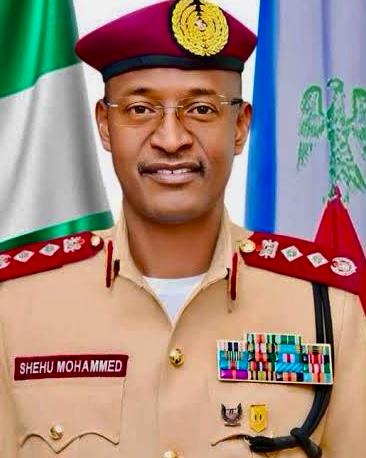
The continued stay in office of the Corps Marshal of the Federal Road Safety Corps (FRSC), Shehu Mohammed, has come under scrutiny following allegations that he has exceeded the mandatory retirement age without an official extension of his appointment.
The concerns were raised by the Justice and Fairness Vanguard (JFV), which claimed that Mohammed attained the compulsory retirement age of 60 about two months ago but has remained in office despite the absence of any public announcement extending his tenure.
In a statement issued in Abuja on Friday and signed by its Chairman, Audu Abubakar, and Secretary, Folake Abimbola, the group argued that the Public Service Rules require public officers to retire at the age of 60 or after 35 years of service, whichever comes first.
It maintained that although the FRSC boss has yet to complete 35 years in service, having joined the Corps in April 1992, reaching the age limit should have marked the end of his service.
The group said it was unaware of any directive from the Presidency approving an extension of Mohammed’s tenure, unlike what it described as previous cases where such approvals were publicly announced for the heads of other government agencies.
It also called for clarification on whether the office of the Corps Marshal is exempt from the retirement provisions applicable to public servants or is regulated by a separate tenure arrangement under the FRSC Establishment Act.
According to the organisation, allowing the Corps Marshal to remain in office beyond the retirement age could delay the promotion of senior officers and create uncertainty within the Corps’ leadership structure.
JFV further threatened legal action if the Federal Government failed to appoint a successor, insisting that the most senior Deputy Corps Marshal should assume the position in accordance with the law.
Efforts to obtain an official response from the FRSC were unsuccessful, as the Corps’ spokesman, Osondu Ohaeri, could not be reached.
However, a senior FRSC official, who requested anonymity because he was not authorised to speak on the matter, rejected the claims. The official said Mohammed’s appointment is a fixed four-year presidential tenure that runs until 2028 and is therefore not subject to the retirement rules governing career civil servants.
Group Questions Legality of FRSC Corps Marshal’s Tenure After Retirement Age
News
U.S. Backs LNG Project to Boost Energy Access in Northern Nigeria, Open Market for American Firms

U.S. Backs LNG Project to Boost Energy Access in Northern Nigeria, Open Market for American Firms
By: Michael Mike
The United States government is backing a new liquefied natural gas (LNG) project aimed at improving energy access across northern Nigeria, with the initiative expected to expand industrial activity, support remote communities and create new opportunities for American energy technology companies.
The U.S. Trade and Development Agency (USTDA) announced on Friday that it has signed an agreement with Powergas Nigeria Ltd to fund a feasibility study for a proposed small-scale LNG plant in southern Nigeria. The facility will process natural gas into LNG for transportation by road to northern parts of the country that lack conventional gas pipeline infrastructure.
The project is designed to strengthen energy security in northern Nigeria, where expanding industrial activities continue to face challenges from inadequate energy infrastructure. Instead of relying on traditional gas pipelines, the LNG will be transported through “virtual pipeline” trucking networks to factories, businesses and underserved communities.
USTDA Deputy Director Thomas Hardy said the initiative demonstrates the agency’s commitment to promoting private sector-led growth through American energy technology while addressing infrastructure gaps in strategic markets.
“USTDA is helping catalyse private sector-led growth through the use of innovative U.S. energy technology,” Hardy said. “This project will help address critical energy security needs in a region where underinvestment in infrastructure has impeded economic opportunity.”
He added that the project would also create commercial opportunities for American LNG technology providers by positioning U.S. companies to supply liquefaction systems, electrical controls, engineering services and other critical infrastructure for the project.
According to USTDA, the feasibility study will evaluate the technical and financial viability of the proposed LNG plant, develop an implementation roadmap and identify suitable U.S. suppliers for key equipment and services. The study is also expected to lay the groundwork for attracting financing needed to move the project into implementation.
Powergas Nigeria described the initiative as a major step in expanding its footprint beyond compressed natural gas into LNG distribution.
The company’s Head of Strategy, Abiodun Oseni, said Powergas had established itself as a leading player in Nigeria’s compressed natural gas value chain and viewed LNG as the next phase of its expansion strategy.
He noted that LNG would enable the company to extend cleaner and more reliable energy supplies to industries and communities in remote parts of the country, adding that USTDA’s support would reduce investment risks and improve the project’s bankability.
Oseni said the company intends to evaluate and adopt American engineering expertise and liquefaction technology to ensure international standards in project delivery.
Nigeria possesses one of Africa’s largest proven natural gas reserves, yet millions of households and industries continue to face unreliable energy supplies due to inadequate gas transportation infrastructure. Small-scale LNG projects, coupled with virtual pipeline networks, are increasingly being promoted as a practical solution for delivering natural gas to off-grid industrial clusters and communities where conventional pipelines are uneconomical.
The initiative also aligns with growing efforts to deepen U.S.-Nigeria commercial cooperation in the energy sector while supporting cleaner-burning natural gas as a transition fuel for industrial development.
U.S. Backs LNG Project to Boost Energy Access in Northern Nigeria, Open Market for American Firms
Troops foil multiple ISWAP infiltration attempts in Maiduguri, Buratai axis
By Zagazola Makama
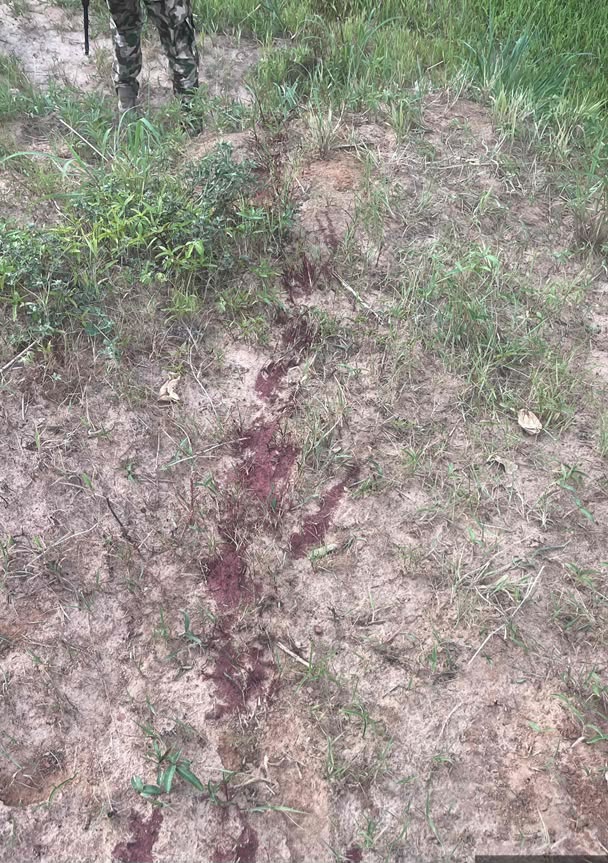
Troops of the Joint Task Force North East, Operation HADIN KAI (OPHK), have foiled coordinated infiltration attempts by suspected ISWAP terrorists targeting parts of Maiduguri and Buratai axis of Borno State, forcing the insurgents to retreat after intense engagements.
The attempted attacks occurred between 12:20 a.m. and 2:30 a.m. on Friday, when the terrorists simultaneously advanced toward Muna Garage, Shuwari Village and the Ajilari Cross area in an apparent bid to gain access into the Maiduguri metropolis.
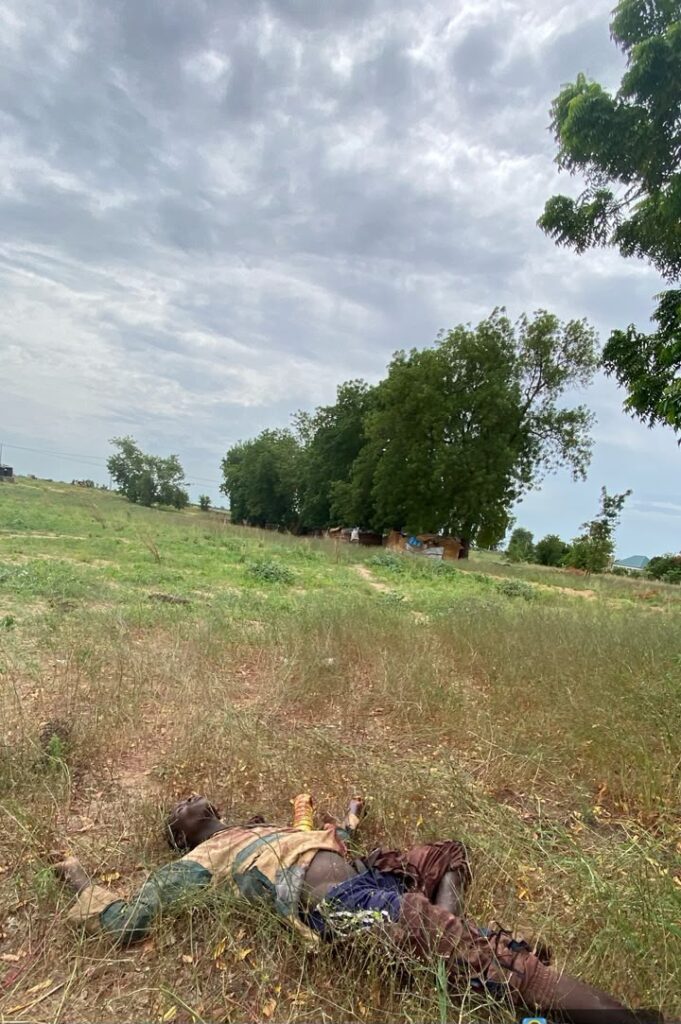
Military sources told Zagazola Makama that the troops, supported by an effective early warning system, detected the movement of the insurgents and engaged them from multiple directions with heavy and accurate fire, disrupting the coordinated assault before the terrorists could penetrate the city.
The sources said the terrorists, overwhelmed by the troops’ swift tactical response, abandoned their mission and fled in disarray.
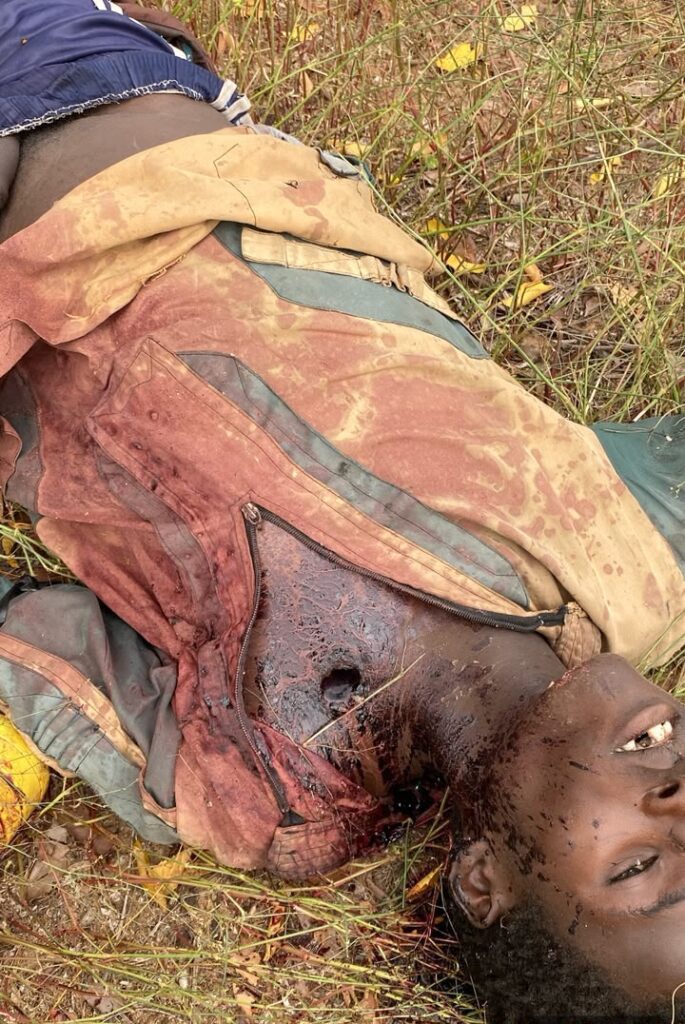
In related operations, troops also repelled separate infiltration attempts by the insurgents at Miringa and Dutsen Kura in the Buratai area of Borno State.
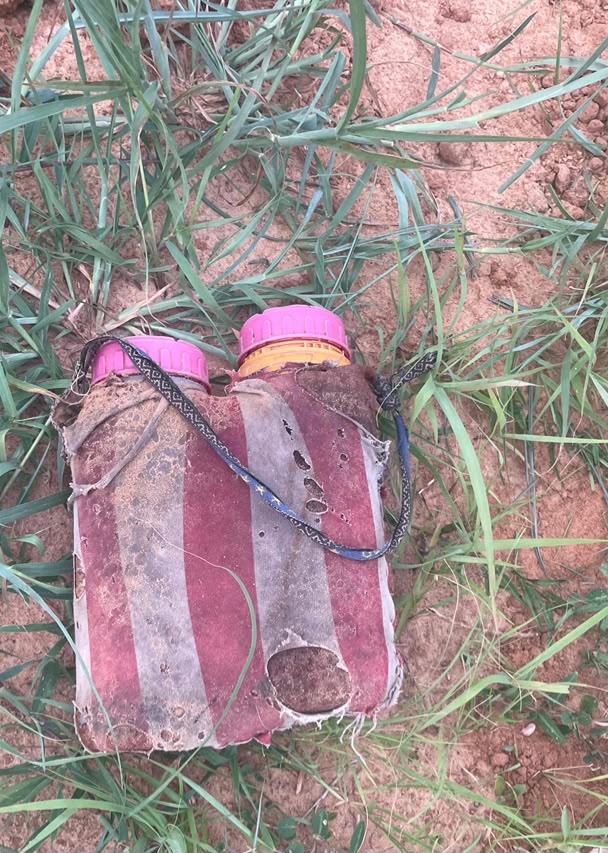
During the pursuit of the fleeing terrorists at Miringa, a Mine-Resistant Ambush Protected (MRAP) vehicle activated an Improvised Explosive Device (IED). However, no casualty was recorded among the troops, and the operational situation remained stable.
Security sources said clearance and exploitation operations are ongoing across the affected areas to track down the fleeing terrorists, recover possible abandoned equipment and prevent any further threat to nearby communities.
The military reaffirmed that Operation HADIN KAI would continue sustained offensive operations aimed at denying terrorist groups freedom of movement and safeguarding lives and property across the North-East.
Residents were also urged to remain vigilant and continue providing credible and timely intelligence to security agencies to support ongoing counter-terrorism operations.
Troops foil multiple ISWAP infiltration attempts in Maiduguri, Buratai axis

Group Questions Legality of FRSC Corps Marshal’s Tenure After Retirement Age

U.S. Backs LNG Project to Boost Energy Access in Northern Nigeria, Open Market for American Firms

NIMC, NIPOST Integrate Identity, Digital Address Systems to Revolutionise Public Service Delivery

Roger Federer’s Shock as DNA Results Reveal Myla and Charlene Are Not His Biological Children

THE PLIGHT OF FARIDA

FAILED COUP IN BURKINA FASO: HOW TRAORÉ NARROWLY ESCAPED ASSASSINATION PLOT AMID FOREIGN INTERFERENCE CLAIMS
-
 News2 years ago
Roger Federer’s Shock as DNA Results Reveal Myla and Charlene Are Not His Biological Children
-
Opinions4 years ago
THE PLIGHT OF FARIDA
-
 News1 year ago
FAILED COUP IN BURKINA FASO: HOW TRAORÉ NARROWLY ESCAPED ASSASSINATION PLOT AMID FOREIGN INTERFERENCE CLAIMS
-

 News2 years ago
EYN: Rev. Billi, Distortion of History, and The Living Tamarind Tree
-
 Opinions5 years ago
POLICE CHARGE ROOMS, A MINTING PRESS
-

 ACADEMICS2 years ago
A History of Biu” (2015) and The Lingering Bura-Pabir Question (1)
-

 Columns2 years ago
Army University Biu: There is certain interest, but certainly not from Borno.
-

 Politics1 year ago
2027: Why Hon. Midala Balami Must Go, as Youths in Hawul and Asikira/Uba Federal Constituency Reject ₦500,000 as Sallah Gift
