
National News
Nigeria, Italy Set to Strengthen Bilateral Ties, Tackle Migration, Security Challenges


Nigeria, Italy Set to Strengthen Bilateral Ties, Tackle Migration, Security Challenges
By: Michael Mike
Nigeria and Italy have expressed renewed commitment to strengthening bilateral relations, with a focus on addressing irregular migration, insecurity, counter-terrorism, and expanding economic cooperation.
The Minister of State for Foreign Affairs, Ambassador Bianca Odumegwu-Ojukwu, made this known in Abuja on Monday during a courtesy visit by the Italian Ambassador to Nigeria, Mr. Roberto Mengoni.
Odumegwu-Ojukwu described Italy as one of Nigeria’s key strategic partners in Europe, noting that although diplomatic relations between both countries span more than six decades, there is yet to be a formal Nigeria-Italy Bi-National Commission, calling for the establishment of such a framework to deepen structured engagement and cooperation.
According to the minister, sustained high-level diplomatic engagements between both countries have continued to highlight shared priorities in sustainable development, food security, climate action, and economic growth.
She said ongoing consultations between Nigeria and Italy also reflect a common commitment to addressing global and regional challenges, including climate change, irregular migration, and security threats.
The minister urged for continued collaboration of both countries in combating illegal migration, human trafficking, and transnational crimes, while calling for stronger Italian involvement in Nigeria’s ongoing economic reforms. She identified renewable energy, agribusiness, and infrastructure development as critical sectors for enhanced cooperation.
Odumegwu-Ojukwu also sought Italy’s technical support for Nigeria’s industrialisation drive, stressing that improved mobility between both countries would stimulate trade, investment, education, and cultural exchange.
She emphasised the need to improve visa processing systems, noting that more efficient procedures would ease movement, reduce delays, and strengthen economic and diplomatic relations.

The minister also called for the creation of effective trade facilitation mechanisms to allow Nigerian agricultural and manufactured products access to the Italian market, thereby reducing transit costs and improving supply chain efficiency.
Describing migration as both a challenge and an opportunity, Odumegwu-Ojukwu said Nigeria and Italy are working together to curb irregular migration while expanding legal migration pathways. She explained that bilateral cooperation includes repatriation agreements, voluntary return initiatives, and reintegration programmes for Nigerians returning from Italy.
She also highlighted joint efforts to dismantle human trafficking networks operating between both countries, with special emphasis on protecting vulnerable groups. According to her, vocational training and small business development initiatives are being implemented in high-migration areas to address the root causes of irregular migration.
“With Nigeria’s large youth population, we are deeply concerned about the safety of our young people,” the minister said. “We are seeking effective ways to combat irregular migration, especially as Italy remains a major destination for Nigerian migrants.”
She added that Nigeria is exploring youth-focused initiatives to address unemployment, youth restiveness, and online radicalisation, while appealing for support in building capacity to counter violent extremism.
Earlier, Mengoni reaffirmed Italy’s interest in strengthening relations with Nigeria, describing the country as central to Italy’s Africa cooperation strategy.
He said his mission to Nigeria would prioritise expanding diplomatic and business ties for the mutual benefit of both nations.
“We now have the momentum to engage Nigeria more deeply and enhance cooperation. Italy does not believe in imposing policies on African countries but in building partnerships,” Mengoni stated.
Nigeria, Italy Set to Strengthen Bilateral Ties, Tackle Migration, Security Challenges


National News
Fuel Crisis: ActionAid Urges FG to Deploy Emergency Measures as Global Conflict Deepens Hardship
Fuel Crisis: ActionAid Urges FG to Deploy Emergency Measures as Global Conflict Deepens Hardship
By: Michael Mike
ActionAid Nigeria has called on the Federal Government to urgently roll out emergency economic relief measures as the ongoing conflict involving Iran, Israel and the United States continues to disrupt global oil markets and worsen the economic hardship faced by Nigerians.
The organisation raised the alarm in a statement issued in Abuja on Sunday, warning that the crisis, which has persisted for more than a month, is already pushing millions of Nigerians deeper into poverty through rising fuel prices, transport fares and food costs.
According to the group, the absence of a clear and coordinated response from the Federal Government to cushion the effects of the global energy shock is deeply troubling.
While noting that global crude oil prices have surged from an average of about seventy-five to eighty dollars per barrel before the escalation of the conflict to roughly one hundred dollars per barrel due to supply disruptions in the Middle East, the organisation said Nigeria should be benefiting from the price increase.
It explained that with Nigeria’s daily crude oil production currently averaging between 1.3 million and 1.5 million barrels per day, the country is earning significantly more revenue from oil exports, yet these gains have not translated into relief for citizens struggling with soaring fuel costs.
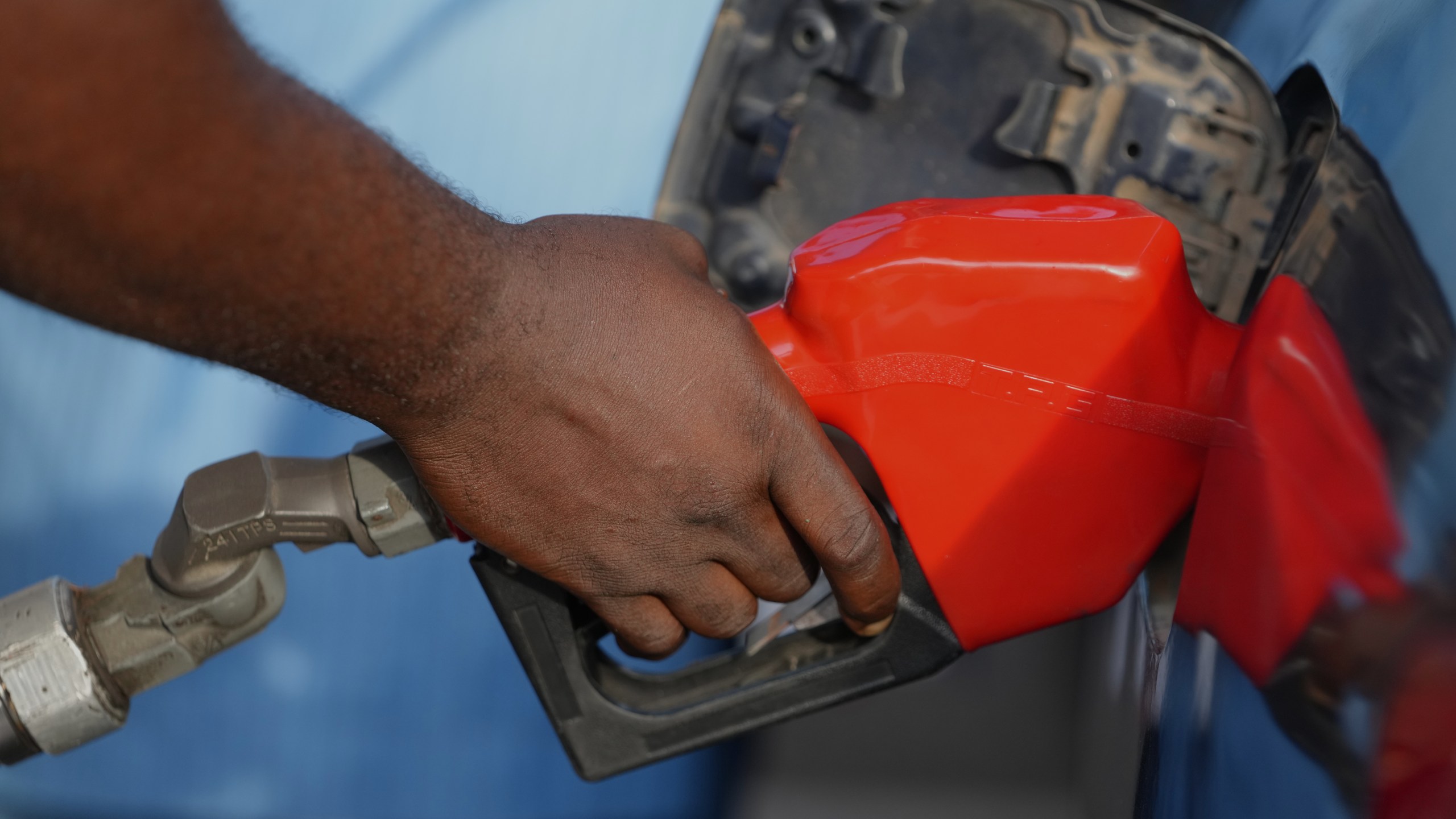
The organisation said petrol prices are currently selling between N1,200 and N1,400 per litre across many parts of the country, while diesel prices remain persistently high.
It noted that the impact is being felt across all sectors of the economy, with transport fares surging, food prices rising and the cost of essential goods and services climbing beyond the reach of many households.
Speaking on the situation, the Country Director of ActionAid Nigeria, Andrew Mamedu, said the hardship faced by Nigerians reflects both the global crisis and long-standing domestic policy failures.
“It is unacceptable that Nigerians continue to suffer the consequences of global oil price increases while the country fails to translate its oil wealth into protection for its people,” he said.
Mamedu added that other countries facing similar shocks have implemented proactive measures to shield their citizens.
He cited examples of governments in Asia introducing price stabilisation policies, public transport support schemes and financial assistance to households in order to mitigate the effects of rising energy costs.
He noted that countries such as Thailand have deployed mechanisms such as the Oil Fuel Fund to cap fuel prices, while Indonesia has used subsidy compensation and public funds to reduce the impact of global price increases on citizens.
According to him, Nigeria must demonstrate similar urgency by implementing strong social protection measures.
The organisation said rapid community engagements conducted across several states indicate that many households are already adopting distress coping strategies, including skipping meals, withdrawing children from school due to transportation costs and borrowing money to survive.
It also warned that small and medium-sized enterprises are scaling down operations or shutting down completely due to rising diesel and logistics costs, while informal workers are experiencing declining incomes.
To address the situation, ActionAid Nigeria urged the Federal Government, in collaboration with state and local authorities, to deploy a coordinated emergency response that includes targeted cash transfers to vulnerable households and informal businesses.
The organisation also called for the temporary reintroduction of fuel subsidies for petrol and diesel, financial support for public transport systems to curb fare increases and the suspension or reduction of taxes and port charges contributing to high fuel prices.
Other recommendations include expanding the crude-for-naira framework to stabilise domestic fuel supply, protecting food distribution and health logistics from rising transportation costs and enforcing fuel consumption reduction measures across public institutions.
In addition, the group urged private sector employers to provide welfare support for workers, including transport assistance, flexible work arrangements and cost-of-living adjustments.
It also called on state and local governments to strengthen community-level safety nets, monitor market practices to prevent exploitation and ensure that relief measures reach vulnerable populations quickly.
“The global crisis may be beyond Nigeria’s control, but the government’s response is not,” the organisation said.
“One month into this crisis, continued inaction is unacceptable. Immediate and decisive steps must be taken to protect Nigerians from further hardship.”
Fuel Crisis: ActionAid Urges FG to Deploy Emergency Measures as Global Conflict Deepens Hardship
National News
Easter: Church Targets Spiritual Renewal, Community Impact with Power-Packed Programme
Easter: Church Targets Spiritual Renewal, Community Impact with Power-Packed Programme
By: Michael Mike
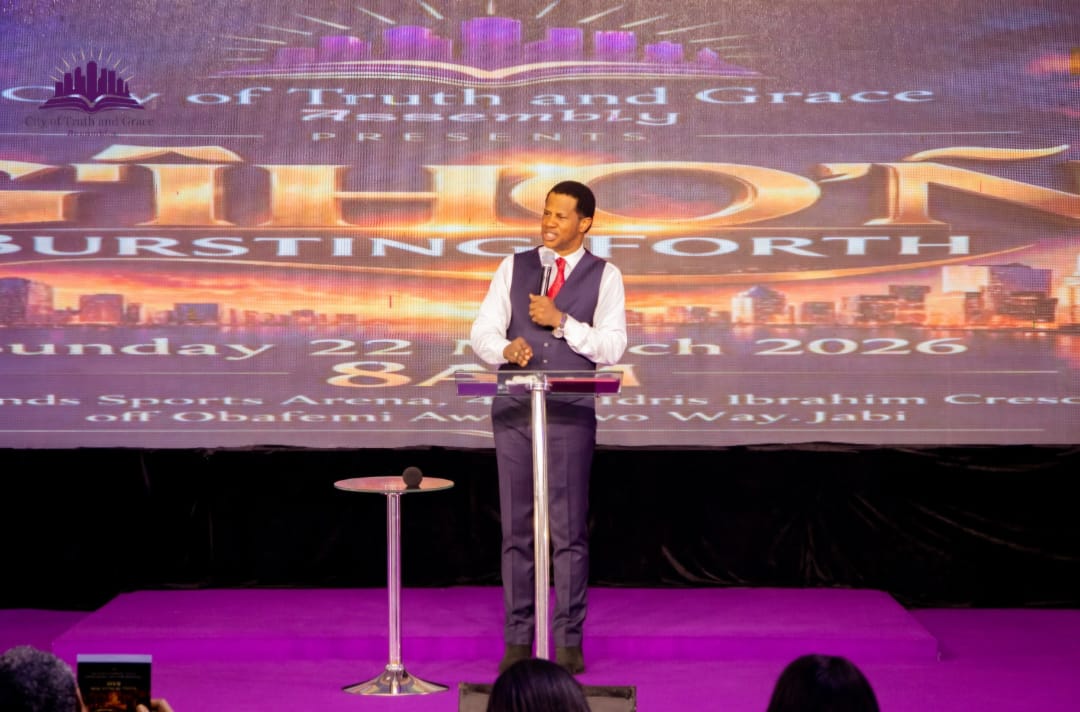
As Christians prepare for the Easter season, the City of Truth and Grace Assembly has positioned its 2026 celebration as more than a routine observance, unveiling a spiritually driven programme aimed at fostering personal transformation and strengthening community bonds.
Themed “The Power of Resurrection,” the church said the initiative is designed to rekindle faith, inspire hope, and provide a platform for collective spiritual engagement at a time when many people are seeking renewal amid prevailing social and economic pressures.
The programme, to be hosted by Dipo Fisho, will begin on Good Friday with a family-focused prayer session which organisers describe as a strategic gathering to address both personal and societal challenges through intercession.
According to the church, the prayer session will emphasise unity, healing, and divine direction for families and the wider community.
The Easter activities will culminate on Easter Sunday with a special worship service centred on the message of resurrection, renewal, and spiritual rebirth.
Organisers explained that the programme goes beyond worship services, incorporating moments of fellowship such as a love feast aimed at strengthening relationships among church members and welcoming first-time attendees while reinforcing the central Easter message of love, sacrifice, and redemption.
“This is not just a celebration; it is a call to experience transformation and new beginnings,” the church said, adding that the programme has been carefully curated to deliver both spiritual inspiration and emotional impact.
The event will take place at The Grounds Sport Arena, with activities scheduled for 5:00 p.m. on Good Friday and 8:00 a.m. on Easter Sunday.
With expectations of a large turnout, the church said the programme—also tagged “The Power of Resurrection”—is open to people of all backgrounds and is intended to inspire faith, unity, and a renewed sense of purpose.
Residents across the city have been encouraged to participate, as organisers project the gathering as a significant Easter convergence focused on renewal, hope, and shared spiritual experience.
Easter: Church Targets Spiritual Renewal, Community Impact with Power-Packed Programme
National News
Germany, Agrofood Fair Drive Investment and Technology for Nigeria’s Food Processing Sector
Germany, Agrofood Fair Drive Investment and Technology for Nigeria’s Food Processing Sector
By: Michael Mike
Stakeholders from government, industry and the diplomatic community have intensified efforts to mobilise investment and modern technology to strengthen Nigeria’s food processing and packaging sector, as the 11th edition of Agrofood Nigeria concluded in Lagos.
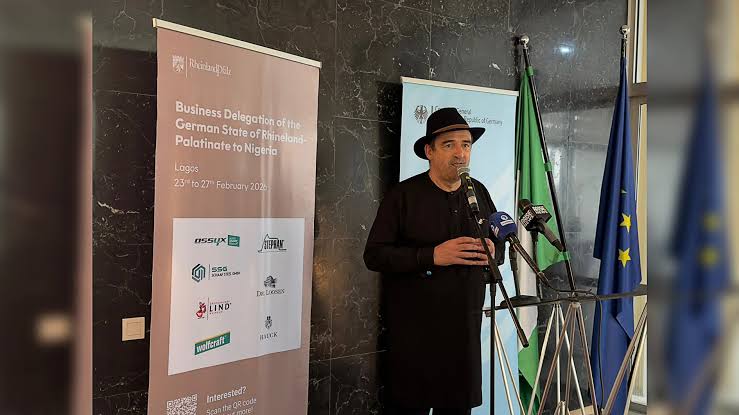
The push was highlighted during a networking event hosted by the German Consulate General Lagos, where Nigerian agribusiness stakeholders, German exhibitors and members of the German diplomatic and business community discussed opportunities to deepen collaboration across Nigeria’s agri-food value chain.
Speaking at a press briefing, the German Consul General in Lagos, Daniel Krull, said strengthening agriculture and food processing is central to Nigeria’s long-term economic growth and food security.
Krull noted that improving the country’s food processing capacity would not only reduce post-harvest losses but also stimulate industrial growth, create jobs and enhance Nigeria’s ability to meet domestic food demand.
He pointed to Germany’s global strength in food processing technology as evidence of how innovation can transform agricultural output into competitive products.
According to him, Germany remains Europe’s largest exporter of coffee despite not cultivating the crop domestically, a feat made possible through advanced processing technology and value-addition capabilities that tailor products to consumer needs.
“Agriculture and food processing are key to addressing food insecurity and unlocking economic potential. Technology and innovation will play a decisive role in enabling Nigeria to fully harness these opportunities,” Krull said.
The annual exhibition, organised by German trade fair company fairtrade Messe GmbH, brings together players across the entire food value chain—from food production and ingredient manufacturing to processing equipment, packaging technologies and finished product distribution.
Managing Director of fairtrade Messe, Paul März, described the event as a vital marketplace where businesses across Nigeria and West Africa connect with global technology providers.
“It is a meeting point and market place where industry meets once a year for Nigeria and West African countries to come to Lagos to discuss products with exhibitors,” he said.
Now in its 11th year in Nigeria, the exhibition featured 137 companies from 17 countries presenting equipment and technological solutions aimed at strengthening food production, processing and packaging.
Since 2017, the fair has also hosted an official German Pavilion supported by the German Government, providing a platform for German manufacturers to showcase advanced machinery designed to improve Nigeria’s food processing capacity.
Organisers said the initiative is aimed at boosting Nigeria’s food self-sufficiency by introducing technologies that reduce dependence on imported food products while encouraging domestic production and industrialisation.
März said the exhibition has already contributed to noticeable improvements in Nigeria’s food processing ecosystem, particularly in the area of packaging and the development of new supply chains.
However, he stressed that significant gaps remain, especially in packaging technology needed to extend shelf life and meet international export standards.
According to him, several companies participating in the fair have already sold machines for sachet packaging, milk powder processing, PET bottling and recycling to Nigerian businesses.
“With its long-term approach, Agrofood will continue to hold yearly in Nigeria to provide even more solutions to existing problems such as food safety, recycling and processing,” he said.
Krull also highlighted Germany’s broader economic engagement with Nigeria, revealing that Germany currently maintains a development portfolio of about €570 million in the country.
He explained that beyond trade exhibitions, the German government supports Nigerian businesses through technical advisory services, vocational education and training programmes as well as financing opportunities for small and medium-scale enterprises.
These include credit facilities and financial support windows facilitated through the German Desk at Access Bank, which provides funding options for businesses seeking to invest in food processing technology.
German companies already operating in Nigeria are also investing heavily in workforce training to ensure local staff can operate and maintain advanced industrial equipment, thereby strengthening technology transfer.
While acknowledging challenges confronting Nigeria’s agri-food sector—including insecurity, financing constraints, regulatory issues and energy shortages—Krull stressed that such obstacles should not deter stakeholders from taking decisive action.
He said Nigeria possesses the natural resources, entrepreneurial capacity and market potential needed to achieve significant growth in the food processing sector if investment, technology and policy support are effectively aligned.
By connecting entrepreneurs, investors and technology providers, he added, initiatives like Agrofood Nigeria could play a pivotal role in accelerating the transformation of Nigeria’s agricultural economy.
Germany, Agrofood Fair Drive Investment and Technology for Nigeria’s Food Processing Sector

Troops arrest suspected kidnapper in Damboa LGA of Borno

Troops arrest 58 illegal miners in Edo state

Army troops arrest two suspected Boko Haram logistics suppliers in borno

Roger Federer’s Shock as DNA Results Reveal Myla and Charlene Are Not His Biological Children

THE PLIGHT OF FARIDA

FAILED COUP IN BURKINA FASO: HOW TRAORÉ NARROWLY ESCAPED ASSASSINATION PLOT AMID FOREIGN INTERFERENCE CLAIMS
-
 News2 years ago
Roger Federer’s Shock as DNA Results Reveal Myla and Charlene Are Not His Biological Children
-
Opinions4 years ago
THE PLIGHT OF FARIDA
-
 News11 months ago
FAILED COUP IN BURKINA FASO: HOW TRAORÉ NARROWLY ESCAPED ASSASSINATION PLOT AMID FOREIGN INTERFERENCE CLAIMS
-

 News2 years ago
EYN: Rev. Billi, Distortion of History, and The Living Tamarind Tree
-
 Opinions4 years ago
POLICE CHARGE ROOMS, A MINTING PRESS
-

 ACADEMICS2 years ago
A History of Biu” (2015) and The Lingering Bura-Pabir Question (1)
-

 Columns2 years ago
Army University Biu: There is certain interest, but certainly not from Borno.
-

 Opinions2 years ago
Tinubu,Shettima: The epidemic of economic, insecurity in Nigeria
