
National News
Nigeria Needs Development and Peace Building Efforts to Resolve Crises- UN

Nigeria Needs Development and Peace Building Efforts to Resolve Crises- UN
By: Michael Mike
The United Nations has said the solution to crises across the Nigeria is development and peacebuilding efforts more than humanitarian interventions.
Speaking at the launch of the 2025 Nigeria Humanitarian Needs and Response Plan at the UN House in Abuja, the United Nations Resident and Humanitarian Coordinator in Nigeria, Mohammed Fall lamented that humanitarian assistance continues to reduce worldwide and efficiency is required in managing the fund available.
Fall said: “Following the floods in Maiduguri and across Nigeria, we saw humanitarian and development partners, alongside the private sector pulling together to alleviate people’s suffering.
“Overall, in 2024 the Humanitarian Response Plan for north-east Nigeria received 57 per cent in funding (about $527 million out of the total ask of almost $927 million) to respond to the critical needs of 4.4 million people out of 8.1 million people in need of life-saving humanitarian assistance“
He added that there are humanitarian needs across Nigeria due to a diverse range of causes – from food insecurity to internal displacement due to intercommunal clashes, as well as climate change impacts among other risks, revealing that: “In 2025, food insecurity across Nigeria is projected to affect over 33 million people during the lean season, with alarming levels of acute malnutrition threatening the lives of millions of children. These figures underscore the gravity of the challenges we face.”
Fall however noted that: “But humanitarian interventions are not the solutions for these problems across Nigeria. What is required is development and peacebuilding efforts, combined with humanitarian action, to address the underlying causes of these needs.
He said: “In Borno, Adamawa, and Yobe states, the 2025 HNRP aims to provide life-saving assistance to 3.6 million out of 7.8 million people requiring urgent assistance with a financial requirement of a little over US$ 900 million.The HNRP prioritizes women, children, and persons with disabilities, stressing that: “We cannot ignore the stark reality of declining global funding for humanitarian efforts.
“We have to become more efficient in terms of delivery of humanitarian action. We have to consider carefully who delivers what and how to make sure that scarce resources are put to the best possible use. This may include anticipatory action, acting before disaster strikes to mitigate the impact and directly funding the local partners who often ultimately deliver the assistance.
“Together, we must continue making a difference in the lives of affected people.
“I urge donors to close the funding gap and appeal to the private sector and the Government to play a more significant role in supporting humanitarian action.
“I also reaffirm the United Nations’ unwavering commitment to working hand in hand with the Nigerian Government, partners, and communities to alleviate suffering and reduce affected people’s vulnerability.”
Meanwhile, the federal government has approved a N4 billion allocation for conditional cash transfers to support vulnerable households across Nigeria.
The Minister of Humanitarian Affairs and Poverty Reduction, Professor Nentawe Yilwada made the revelation at the launch of the 2025 Nigeria Humanitarian Needs and Response Plan (HNRP) and outlined that the initiative aimed at addressing the nation’s growing humanitarian challenges.
He noted that the programme will assist at least 10 million displaced households, focusing on the most vulnerable members of society, adding that the cash transfers are scheduled to begin in February and run through April, targeting families affected by displacement, particularly in the Northeast.
Yilwada stated that: “We are prioritising women, especially widows, pregnant women, and those with disabilities. The experiences of displaced women, particularly those facing pregnancy or disability, are especially challenging. We understand these vulnerabilities and will continue to support those who are most in need.
“The President has approved the Ministry’s plan to begin paying conditional cash transfers to 10 million displaced households between February and April. This initiative aims to support those most in need, particularly vulnerable families affected by displacement.
“In addition to the cash transfer programme, the government has approved N2 billion for interest-free loans to farmers in rural areas to enhance food production and self-sufficiency.
“Additionally, the government has allocated N2 billion to provide interest-free loans to farmers in rural communities.”
Yilwada also noted that: “These loans will range from N300,000 to N400,000 per household, helping farmers access necessary resources and linking them to market opportunities.”
The Minister further highlighted additional relief measures to include: “A N4 billion provision has been approved to support vulnerable groups through cash transfers, targeting families affected by natural disasters and other crises. These interventions are part of the government’s broader strategy to alleviate poverty and provide relief to those in urgent need.”
He reaffirmed the government’s commitment to addressing the needs of internally displaced persons (IDPs), returnees, and affected communities nationwide.
Yilwada explained that the HNRP was developed through extensive consultations and designed to address the humanitarian needs of conflict-affected regions, including Borno, Adamawa, and Yobe, promising that: “We are combining the efforts of humanitarian, developmental, and peacebuilding platforms to ensure long-term resilience and sustainable solutions for these communities.”
Nigeria Needs Development and Peace Building Efforts to Resolve Crises- UN


National News
Tinubu orders full investigation into deaths of suspected illegal miners in NSCDC custody
Tinubu orders full investigation into deaths of suspected illegal miners in NSCDC custody
By: Our Reporter
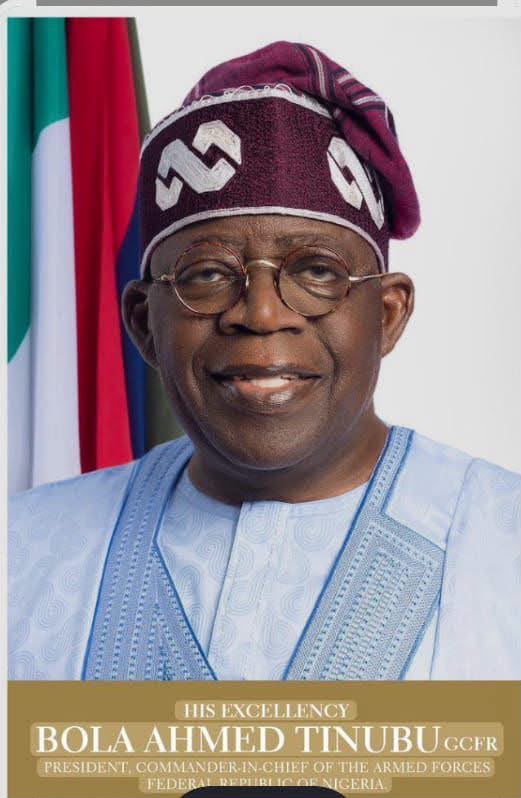
President Bola Tinubu has ordered a full, transparent and unhindered investigation into the deaths of suspected illegal miners detained by the Nigeria Security and Civil Defence Corps (NSCDC) following enforcement operations around the Lt. General Mohammed Inuwa Wushishi Estate in Minna, Niger State.
In a statement issued by the Special Adviser to the President on Information and Strategy, Bayo Onanuga, the President said the life of every Nigerian matters and that no citizen should lose their life while in government custody as a result of negligence, abuse, inhumane treatment or dereliction of duty.
Tinubu expressed deep concern over the reported deaths, describing the development as a grave matter requiring urgent investigation and accountability.
He said while the Federal Government would continue to combat illegal mining and other criminal activities across the country, enforcement operations must be conducted strictly within the law and with full respect for the dignity and fundamental rights of persons in custody.
The President stressed that the fact that the victims were suspected of illegal mining did not remove their right to life, dignity and humane treatment while in government custody.
He warned that the government would not tolerate mass deaths arising from official negligence, dereliction of duty or failure by public officials to protect people placed under their care.
“Where the investigation establishes that any official, through action, abuse or negligence, contributed to these deaths, such an officer must be arrested and prosecuted in accordance with the law. There must be accountability,” Tinubu said.
The President directed relevant authorities to ensure that the investigation is comprehensive, transparent and unhindered, covering the circumstances of the arrests, the conditions under which the detainees were held, the events leading to their deaths and the conduct of all officials involved.
The directive comes as the Niger State Government has also constituted a Committee of Inquiry to establish the circumstances surrounding the deaths, with Deputy Governor Yakubu Garba as Chairman and Commissioner for Homeland Security Maurice Magaji as Secretary.
The Niger State Government said forensic examinations and autopsies would be conducted to establish the exact cause of death, while the NSCDC Commandant General has suspended the Niger State Commandant, Suberu Siyaka Aniviye, and members of his team to allow investigations to proceed.
Tinubu orders full investigation into deaths of suspected illegal miners in NSCDC custody
National News
Breaking: NSCDC launches probe as 30 suspected illegal miners die in Commands custody in Niger
Breaking: NSCDC launches probe as 30 suspected illegal miners die in Commands custody in Niger
By Zagazola Makama
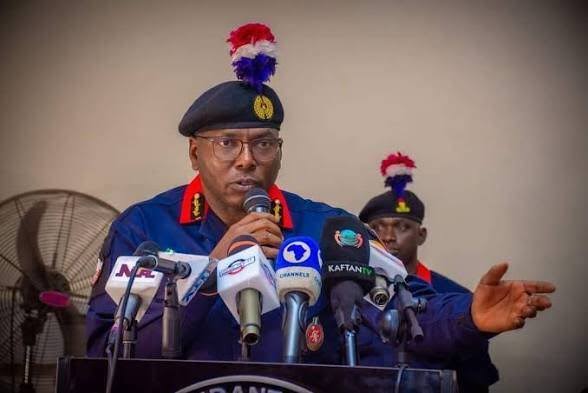
The Nigeria Security and Civil Defence Corps (NSCDC) has ordered an investigation into the deaths of several suspected illegal miners arrested during an enforcement operation in Niger State.
The suspects were apprehended on Sept. 15 and 16, 2026, during a joint operation targeting illegal mining activities around the M.I. Wushishi/Lukoto axis of the state.
The NSCDC Niger State Command initially reported that scores of detainees were found dead in the early hours of Sept. 17 following what was described as a suspected disease outbreak.
The remains have since been evacuated to the General Hospital, Minna, where medical examinations are expected to determine the actual cause of death.
The development has generated concern among relatives of some of the detainees, with family members alleging that more than 30 people died while in custody.
However, the NSCDC has cautioned against attributing the deaths to any particular disease before medical and laboratory examinations are concluded.
In a statement issued by the Corps’ National Public Relations Officer, Assistant Commandant of Corps Babawale Afolabi, the Commandant General, Prof. Ahmed Abubakar Audi, directed the immediate constitution of a high-powered investigative team.
The team, headed by the Deputy Commandant General responsible for Intelligence and Investigation, is expected to establish what happened before and after the suspects were taken into custody.
Investigators are to examine the physical condition of the detainees at the point of arrest, the duration of their detention, conditions inside the facility, medical care provided to them and other circumstances that could have contributed to the deaths.
The Corps said it was also working with health authorities and other security agencies to implement appropriate medical and public-health measures.
It further directed that the health and welfare of suspects still in custody be given immediate priority, while personnel who may have come into contact with the affected detainees are also protected.
The NSCDC said the incident would be addressed strictly on the basis of verified medical and investigative findings.
The Corps also reiterated that its campaign against illegal mining would continue, stressing that the enforcement of the law must be carried out alongside respect for the dignity and fundamental rights of persons in custody.
The Commandant General expressed condolences to the families of those who died and assured them that the circumstances surrounding the incident would be thoroughly investigated.
The Corps appealed to the public to remain calm while the medical and investigative processes are concluded, promising to release further information as verified facts become available.
The incident has meanwhile raised questions about the health status and detention conditions of the arrested miners, with the pending medical examination expected to provide critical answers on what caused the deaths.
Breaking: NSCDC launches probe as 30 suspected illegal miners die in Commands custody in Niger

VP SHETTIMA CLARIFIES REMARKS ON NORTHERN GOVERNORS’ SUPPORT FOR PRESIDENT TINUBU
By: Our Reporter
The Office of the Vice President wishes to clarify remarks by Vice President Kashim Shettima concerning the support President Bola Ahmed Tinubu received from northern governors in the build-up to his emergence as the presidential candidate of the All Progressives Congress (APC).
The Vice President’s reference to six northern governors who believed in and supported President Tinubu was specifically about political consultations and alignments preceding the APC presidential primary in June 2022.
It was not a comment on the position of northern APC governors following President Tinubu’s emergence as the party’s candidate, nor was it intended to question their support during the 2023 presidential election.
Following the presidential primary, APC governors in the North rallied around the party’s candidate and played important roles in the campaign and electoral efforts that culminated in President Tinubu’s victory in the 2023 general election. Indeed, it is worthy of note that it was after the declaration of President Tinubu as winner of the 2023 presidential primaries that all other governors across the country rallied round and followed suit. That declaration by the northern governors hence became the aligning moment across all political divides in the quest for power shift.
VP Shettima holds the northern governors and other leaders of the APC in high regard and recognises their individual and collective contributions to the success of the party and the emergence of President Tinubu.
The Vice President regrets any interpretation of his remarks that may have suggested otherwise and hopes this clarification places the comments in their proper context.
VP Shettima also appreciates the Nigerian media for its longstanding professionalism and constructive engagement with his office and urges continued accuracy and context in the reporting of public remarks as the country approaches another political season.
VP SHETTIMA CLARIFIES REMARKS ON NORTHERN GOVERNORS’ SUPPORT FOR PRESIDENT TINUBU

2027: Tinubu’s trip to America puts an end to the chatter about his supposed inability to enter the United States.

Troops arrest two suspects, recover suspected stolen goods in Plateau

GOC 3 Division engages Bokkos stakeholders over farmer-herder conflicts

Roger Federer’s Shock as DNA Results Reveal Myla and Charlene Are Not His Biological Children

THE PLIGHT OF FARIDA

FAILED COUP IN BURKINA FASO: HOW TRAORÉ NARROWLY ESCAPED ASSASSINATION PLOT AMID FOREIGN INTERFERENCE CLAIMS
-
 News3 years ago
Roger Federer’s Shock as DNA Results Reveal Myla and Charlene Are Not His Biological Children
-
Opinions5 years ago
THE PLIGHT OF FARIDA
-
 News1 year ago
FAILED COUP IN BURKINA FASO: HOW TRAORÉ NARROWLY ESCAPED ASSASSINATION PLOT AMID FOREIGN INTERFERENCE CLAIMS
-

 News3 years ago
EYN: Rev. Billi, Distortion of History, and The Living Tamarind Tree
-
 Opinions5 years ago
POLICE CHARGE ROOMS, A MINTING PRESS
-

 ACADEMICS3 years ago
A History of Biu” (2015) and The Lingering Bura-Pabir Question (1)
-

 Columns3 years ago
Army University Biu: There is certain interest, but certainly not from Borno.
-

 Politics1 year ago
2027: Why Hon. Midala Balami Must Go, as Youths in Hawul and Asikira/Uba Federal Constituency Reject ₦500,000 as Sallah Gift
