
News
Nigeria Reaffirms Commitment to Regional Agricultural Integration

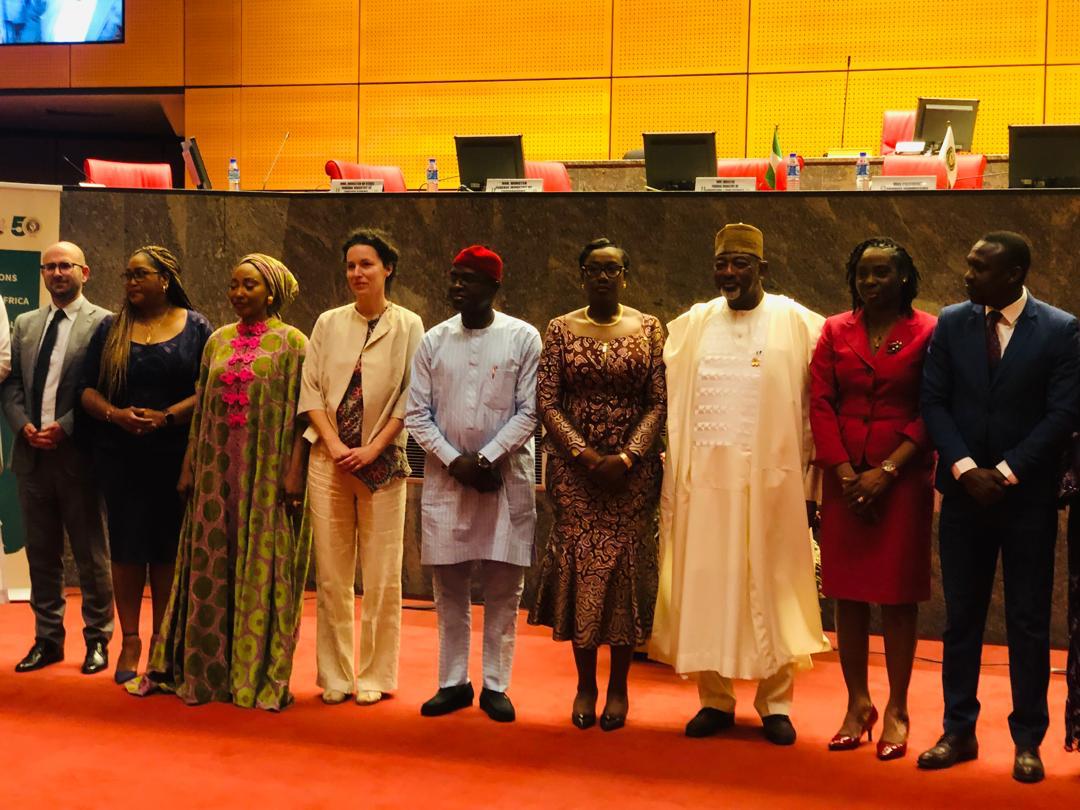
Nigeria Reaffirms Commitment to Regional Agricultural Integration
By: Michael Mike
Nigeria’s Minister of Agriculture and Food Security, Senator Abubakar Kyari, has called for stronger regional coordination to boost agricultural productivity, enhance trade, and protect the environment across West Africa.
He made the call in Abuja on Wednesday at the opening of the ECOWAS Initiative on Economic Integration through Trade, Environment and Agriculture—an interlinked series of policy dialogues convened by the ECOWAS Commission.
The meetings brought together the Directorates of Trade, Environment and Agriculture, along with ministers, development partners and technical experts from across the region.
Kyari noted that the engagements are crucial for shaping the policies and systems that determine the economic trajectory of West Africa.
He stressed that agriculture, trade and environmental management must be treated as one interconnected system, noting that agricultural goods constitute a significant portion of West Africa’s intra-regional trade but remain vulnerable to climate shocks, land degradation and water scarcity.
He said: “With agriculture driving regional trade and the environment sustaining our productivity, none of these sectors can function in isolation,” urging member states to strengthen mechanisms that support farmers and deepen market integration.
Kyari highlighted ongoing efforts at both regional and continental levels to promote predictable, rules-based trade, referencing the African Continental Free Trade Area (AfCFTA) and the ECOWAS Trade Liberalisation Scheme (ETLS) as vital tools for expanding market access.
He also reaffirmed the importance of the Comprehensive Africa Agriculture Development Programme (CAADP) and ECOWAS’ own agricultural blueprint, ECOWAP, which has guided regional planning since 2005. Both frameworks, he said, align with the African Union’s Agenda 2063 vision for food security and economic transformation.
Nigeria, he added, has established its Agriculture Sector Working Group to coordinate national agricultural development under the Post-Malabo CAADP commitments and ahead of the Kampala Declaration (2026–2035). The platform brings together government agencies, researchers, private sector players, farmer organisations, civil society groups, and development partners to harmonise planning and track accountability.
The Minister while reflecting on his personal history with the regional bloc, recalled serving 25 years ago on the Nigerian team that helped set up the ECOWAS Parliament, where he became the body’s first Questor. He described Nigeria’s role in hosting the Parliament as a point of national pride and a symbol of the country’s enduring commitment to regional integration.
He noted that Nigeria is pursuing comprehensive reforms through the National Agricultural Technology and Innovation Policy (NATIP), which links technology, farmer support, market efficiencies and institutional changes under one framework. As NATIP approaches its midterm review, Nigeria is working to align it with upcoming regional commitments under the Kampala Declaration.
This week’s ECOWAS sessions are expected to address issues central to food production, including fertilizer quality control, soil health interventions, and a regional fertilizer market strategy. The technical follow-up meetings on ECOWAP implementation will continue into early December.
Kyari described fertilizer as the “single most expensive but most impactful input” for African farmers, warning that poor quality fertilizer or high prices directly threaten regional food output. He underscored the need for harmonized standards and stronger quality enforcement across West Africa.
He also disclosed that Nigeria recently launched the Nigerian Farmers Soil Health Scheme, which provides soil-specific nutrient guides, enhances fertilizer use efficiency, and establishes a national soil-health data platform. The initiative is expected to strengthen domestic food production and support regional coordination.
He noted that agriculture contributes more than 25 percent of Nigeria’s GDP and remains the country’s largest employer, Kyari noted. He argued that strengthening Nigeria’s agricultural sector inevitably boosts food resilience and market opportunities across the region.
The minister reiterated President Bola Ahmed Tinubu’s commitment to making food security a central pillar of Nigeria’s national agenda, adding that the administration’s focus aligns with ECOWAS’ broader goal of a self-sufficient and economically integrated West Africa.
Kyari emphasized that achieving the region’s aspirations will require active participation from farmers, pastoralists, youth, women, private sector players, researchers and civil society groups. He urged member states to intensify policy coordination, upgrade standards and expand knowledge-sharing.
“West Africa’s strength will be defined by the strength of its collaboration,” he said, pledging Nigeria’s continued commitment to shared regional goals.
He expressed hope that the Abuja engagements would help translate regional ambitions into functional systems capable of driving sustainable growth across the ECOWAS space.
Also, the Federal Government has expressed its readiness to support the Economic Community of West African States (ECOWAS) Regional Action Plan to confront poor plastic waste disposal in the subregion.
Nigeria’s Minister of Environment, Balarabe Lawal, gave the promise at the opening ceremony of the validation of the ECOWAS Regional Action Plan on plastic management and the ECOWAS initiative towards economic integration through trade, environment and agriculture.
He said poor plastic waste disposal is posing major risks to food security in the ECOWAS sub-region.
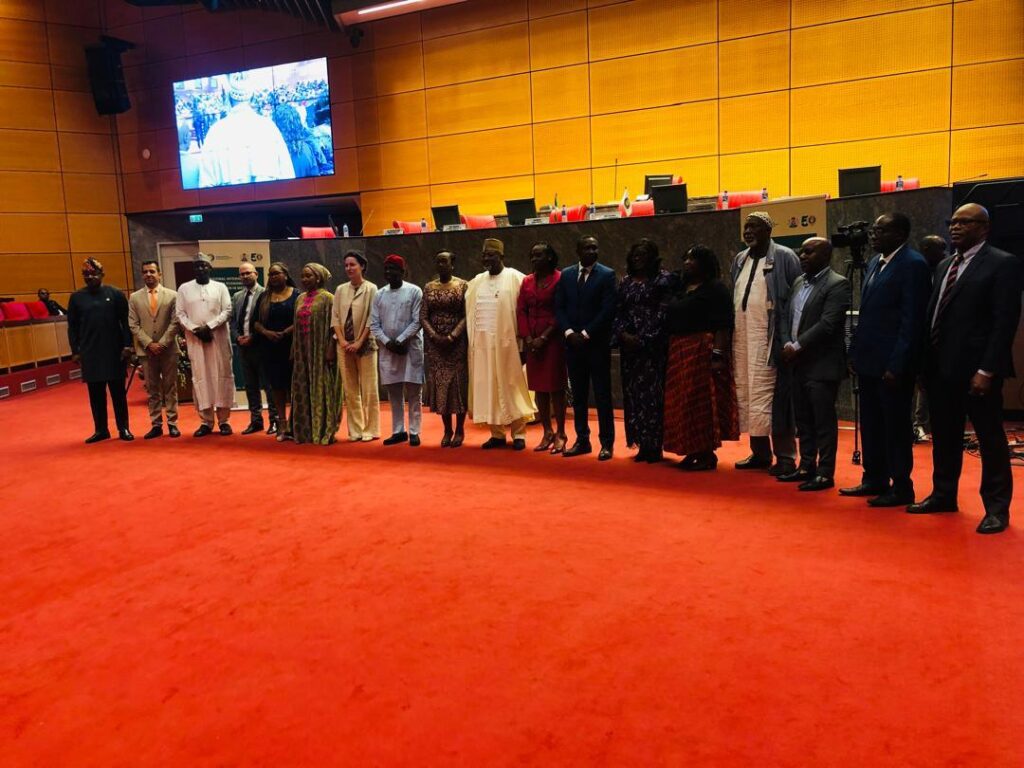
Lawal said: “Across the ECOWAS sub-region, it has been estimated that over 2 million tonnes of plastic waste are generated annually, with a significant percentage ending up in waterways, drainage channels, ocean bodies or open dumps,” the minister said, adding that this poses major risks to food security, climate resilience, public health and economic livelihoods.
“The validation of this Regional Action Plan, therefore, provides us with a harmonised framework for: Transitioning to sustainable plastic production and consumption systems; Strengthening Extended Producer Responsibility (EPR) mechanisms; Advancing circular economy value chains; Promoting regional standards, monitoring and compliance systems; and Supporting research, innovation and green job creation,” he said.
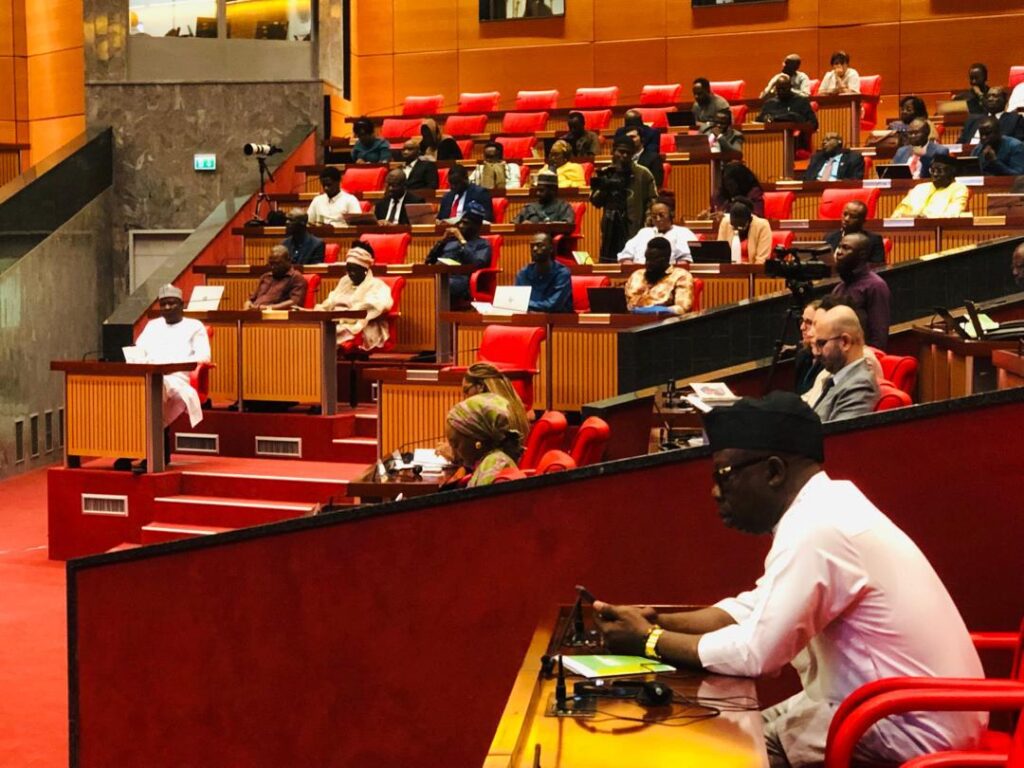
The Minister while acknowledging that the ECOWAS is championing an integrated approach that ensures trade policies, agricultural systems, environmental standards, and industrialisation, pledged that “Nigeria fully aligns with the objectives of this regional action plan.”
He said the Federal Ministry of Environment continues to strengthen national policies and regulatory frameworks, saying, “We remain committed to working collaboratively with all ECOWAS Member States to harmonise regional standards, promote knowledge exchange, and build capacity for effective implementation.”
Speaking at the opening ceremony of the meeting, the Vice President of the ECOWAS Commission, Mrs Damtien Tchintchibidja, referencing the 2024 FAO State of Food Security Report, said that 12% of the West African population is food insecure.
“The causes can be attributed to adverse effects of climate change, poor functioning of regional markets, policy incoherence, and restrictive trade policies, as well as conflicts,” she said, adding that the ECOWAS is committed to advancing regional strategies that promote renewable energy, sustainable land use, and resilience against climate shocks.
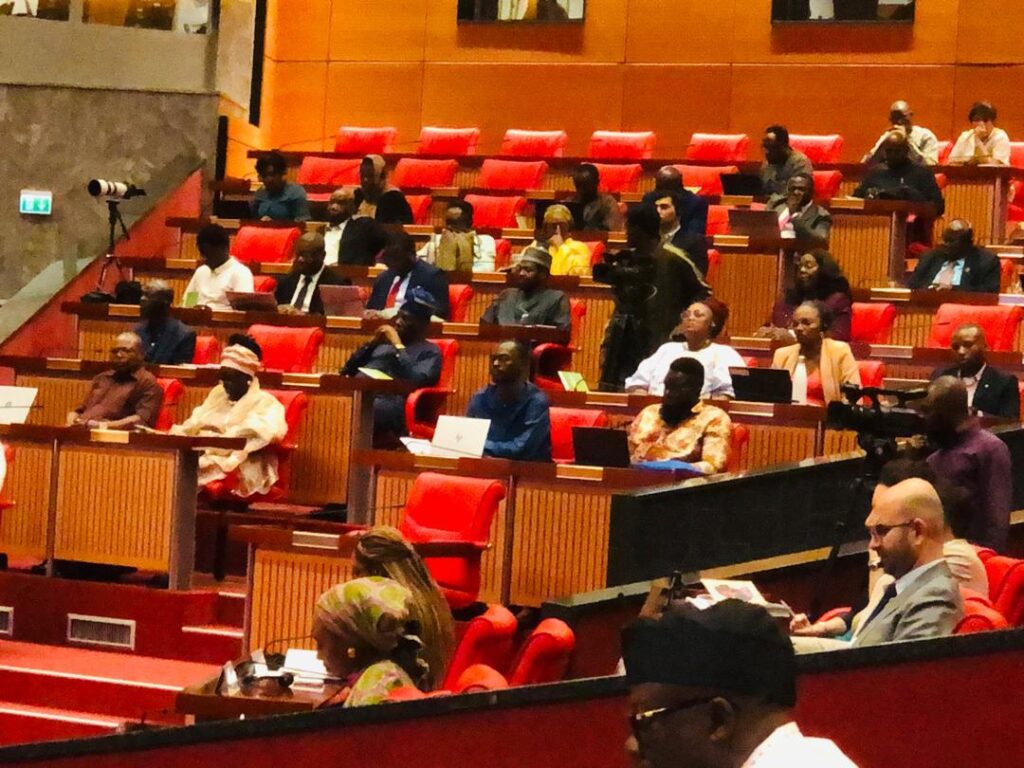
She said the ECOWAS Commission, through its Department of Economic Affairs and Agriculture, is implementing a portfolio of strategic projects aimed at strengthening industrial development, promoting trade, boosting agricultural productivity, improving food and nutritional security, and accelerating inclusive economic growth in all member states.
“These initiatives aim to give operational content to ECOWAS Vision 2050 and the broader objectives of the African Union’s Agenda 2063.”
She said, “Agriculture remains the backbone of our economies, employing millions and ensuring food security. Guided by the ECOWAS Agricultural Policy (ECOWAP), our interventions aim to modernize production, strengthen value chains, and promote agribusiness that is inclusive and competitive.
“Furthermore, we are advancing the West Africa Fertilizer and Soil Health initiatives, which are critical for improving productivity, restoring degraded lands, and ensuring sustainable food systems.
“By investing in soil health and fertiliser access, we are laying the foundation for resilient agriculture that can feed our people and create jobs for our youth and women,” she said.
Nigeria Reaffirms Commitment to Regional Agricultural Integration


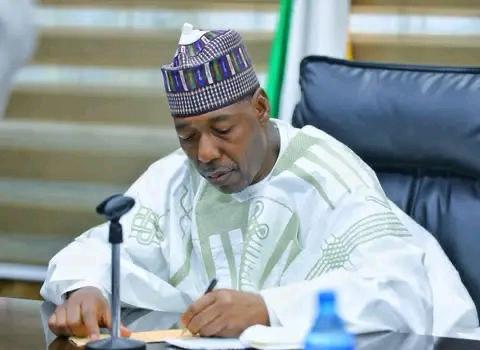
Zulum Appoints Engr Peter Samuel as General Manager BOSAMA
By: Our Reporter
Borno State Governor, Professor Babagana Umara Zulum, has approved the appointment of Engr Peter Samuel, MNSE, MNIAE, as the General Manager of Borno State Agricultural Mechanization Authority (BOSAMA).
In a statement by the Special Adviser to the Governor on Media, Dauda Iliya, the appointment was based on Engr Samuel’s outstanding professional competence, proven track record, and experience in agricultural engineering and mechanization.
The statement noted that Engr Samuel possesses the requisite qualifications, technical expertise and leadership capacity required to reposition BOSAMA in line with Governor Zulum’s agricultural transformation agenda.
The newly appointed General Manager is an Agricultural Engineer with academic, professional, administrative, and practical experience in agricultural mechanization, farm power and machinery, irrigation engineering, and agricultural infrastructure development.
He holds a Master of Engineering (M.Eng.) in Farm Power and Machinery from Joseph Sarwuan Tarka University, Makurdi (formerly the Federal University of Agriculture, Makurdi), a Postgraduate Diploma in Farm Management and Production Economics from Nasarawa State University, and a Bachelor of Engineering (B.Eng.) in Agricultural and Environmental Resources Engineering from the University of Maiduguri.
Engr Samuel has distinguished himself through years of meritorious service in teaching, research, agricultural engineering practice, and project implementation. He currently serves as a Lecturer in Farm Power and Machinery at Ramat Polytechnic, Maiduguri.
Over the years, he has held several strategic leadership positions, including General Manager of a commercial agricultural enterprise, Project Coordinator, Programme Coordinator, and Consultant on numerous agricultural development interventions implemented by reputable national and international organisations.
He is a member of the Nigerian Society of Engineers (NSE) and the Nigerian Institution of Agricultural Engineers (NIAE).
Governor Babagana Zulum congratulated the new General Manager on his appointment and urged him to deploy his wealth of knowledge, technical expertise, and experience in agricultural mechanization to strengthen the operations of BOSAMA
Zulum Appoints Engr Peter Samuel as General Manager BOSAMA
Troops Arrest Suspected Military Impostor in Katsina
By Zagazola Makama
Troops of 17 Brigade have arrested a suspected military impostor during a fighting patrol in Malumfashi Local Government Area.
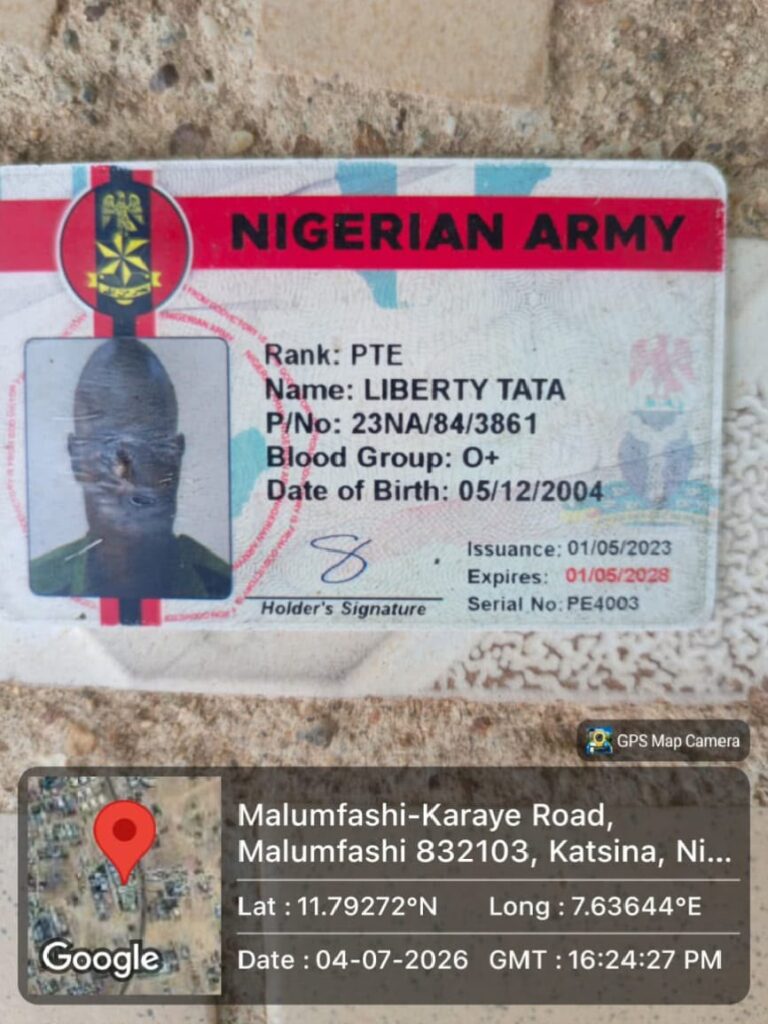
Security sources told Zagazola Makama that the suspect was apprehended at about 1:30 p.m. on July 4 by troops deployed at the Forward Operating Base (FOB) Malumfashi while conducting routine patrols within Malumfashi town.

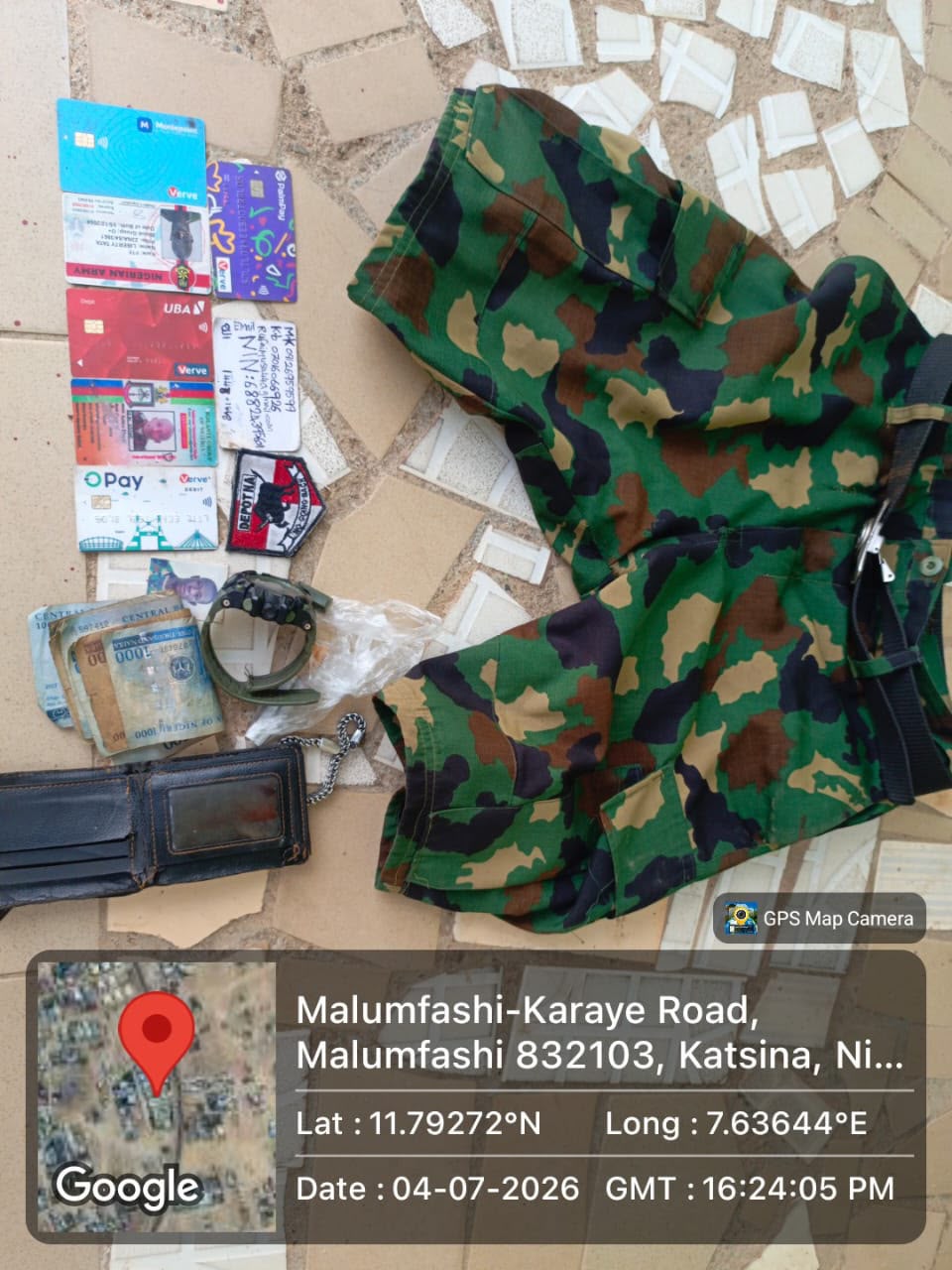
According to the sources, the suspect was intercepted while wearing a woodland camouflage three-quarter short, raising suspicion among the troops.
A search conducted on the suspect led to the recovery of a fake Nigerian Army identity card, four Automated Teller Machine (ATM) cards, one woodland camouflage three-quarter short, a wristwatch and the sum of ₦17,000.
The suspect and the recovered exhibits are currently in military custody pending further investigation.
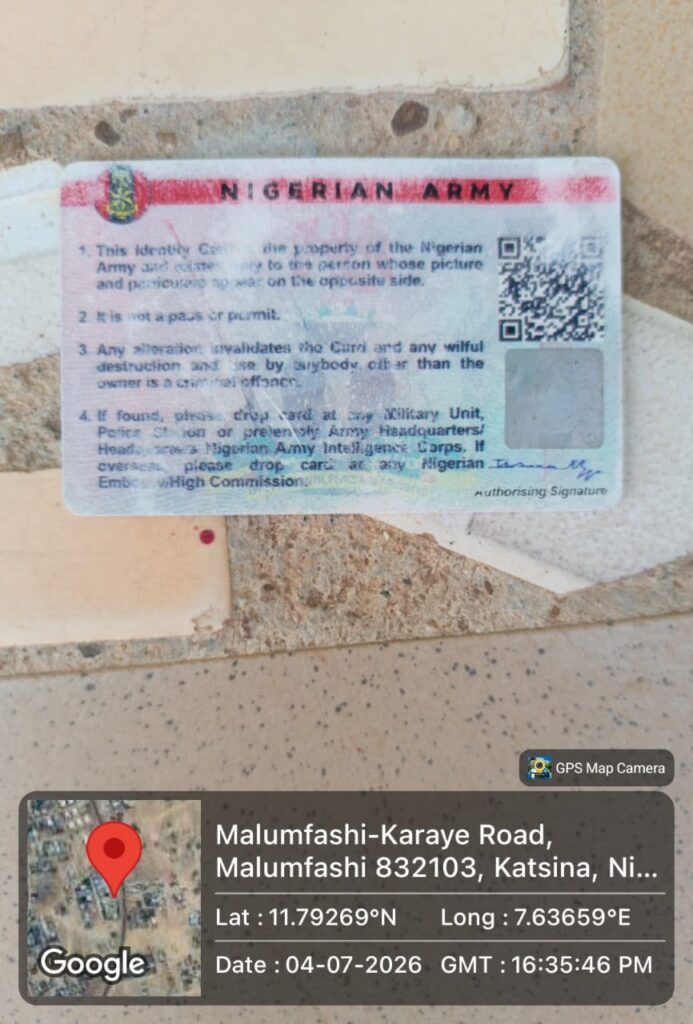
Military sources said the arrest forms part of ongoing efforts to curb impersonation of security personnel and other criminal activities within the area.
Troops Arrest Suspected Military Impostor in Katsina
Troops Recover 50 Rustled Cattle, Repel Suspected Rustlers in Kaduna
By Zagazola Makama
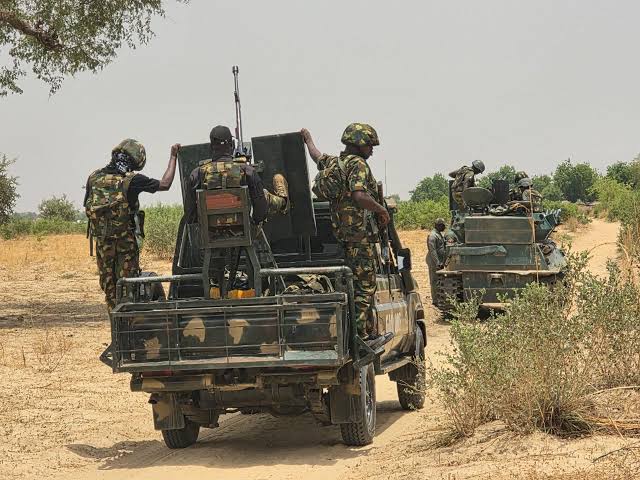
Troops deployed at the Forward Operating Base (FOB) Kankomi have recovered 50 rustled cattle after repelling suspected cattle rustlers during an ambush operation in Chikun Local Government Area.
Security sources told Zagazola Makama that the troops responded to a distress call at about 9:55 a.m. on July 4 over the activities of suspected rustlers at Ungwan Gontu community.
According to the sources, the troops swiftly laid an ambush and made contact with the fleeing suspects, forcing them to abandon the stolen livestock and escape into the surrounding area.
During the operation, the troops recovered 50 rustled cattle, which were subsequently identified and handed over to their rightful owner.
Military sources said efforts are ongoing to track down the fleeing suspects as security operations continue to combat cattle rustling and other criminal activities across Kaduna State.
Troops Recover 50 Rustled Cattle, Repel Suspected Rustlers in Kaduna

Zulum Appoints Engr Peter Samuel as General Manager BOSAMA

DSS Frees Cardiac Surgeon Martin Aghaji on Bail Over Alleged Economic Crime

Troops Arrest Suspected Military Impostor in Katsina

Roger Federer’s Shock as DNA Results Reveal Myla and Charlene Are Not His Biological Children

THE PLIGHT OF FARIDA

FAILED COUP IN BURKINA FASO: HOW TRAORÉ NARROWLY ESCAPED ASSASSINATION PLOT AMID FOREIGN INTERFERENCE CLAIMS
-
 News2 years ago
Roger Federer’s Shock as DNA Results Reveal Myla and Charlene Are Not His Biological Children
-
Opinions4 years ago
THE PLIGHT OF FARIDA
-
 News1 year ago
FAILED COUP IN BURKINA FASO: HOW TRAORÉ NARROWLY ESCAPED ASSASSINATION PLOT AMID FOREIGN INTERFERENCE CLAIMS
-

 News2 years ago
EYN: Rev. Billi, Distortion of History, and The Living Tamarind Tree
-
 Opinions5 years ago
POLICE CHARGE ROOMS, A MINTING PRESS
-

 ACADEMICS2 years ago
A History of Biu” (2015) and The Lingering Bura-Pabir Question (1)
-

 Columns2 years ago
Army University Biu: There is certain interest, but certainly not from Borno.
-

 Politics1 year ago
2027: Why Hon. Midala Balami Must Go, as Youths in Hawul and Asikira/Uba Federal Constituency Reject ₦500,000 as Sallah Gift
