
News
Nigeria Spent $8bn to restore peace in Liberia – Irabor

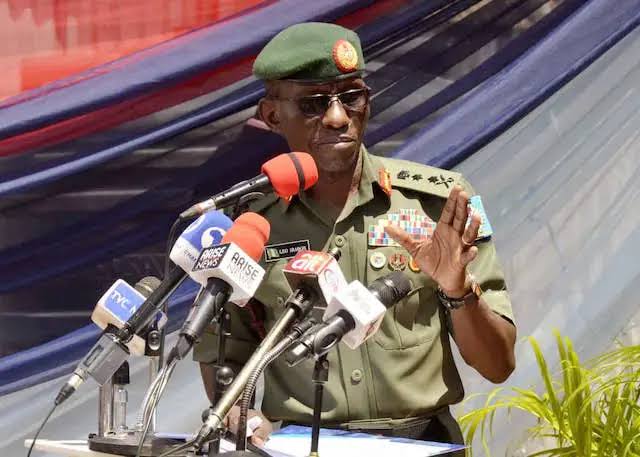
Nigeria Spent $8bn to restore peace in Liberia – Irabor
By: Michael Mike
The Chief of Defence Staff, Gen. Lucky Irabor has said Nigeria has significantly contributed to 41 peacekeeping operations worldwide, adding that the Nigerian government spent $8bn to restore peace in Liberia during the country’s civil war.
He disclosed this while delivering his keynote remark at the United Nations House in Abuja on Wednesday at an event to mark the 75th-year celebration of the United Nations peacekeeping operations.
Irabor said: “Since the first engagement of troops of our Armed Forces in the Congo in 1960, Nigeria has been unequivocally committed to the principles and objectives of the United Nations. It has significantly contributed to 41 peacekeeping operations worldwide.
“Ever since, over 200,000 Nigerian troops have served in UN peacekeeping missions worldwide and Nigerian senior military officers have commanded some of these missions.”
The CDS added that: “Similarly, under regional and sub-regional cooperation, Nigeria has been involved in peacekeeping operations in field missions in Cote d’Ivoire, Guinea-Bissau, Gambia, Liberia, Mali, Darfur and Sierra Leone and has contributed a lot in terms of finance, logistics, troops and civilian experts, making her one of the most significant African troops and civilian police contributors to UN missions.”
He said: “It is noteworthy that in addition to the loss of lives and injuries to personnel, the ECOMOG, a regional interventionist mediation force advocated to end the protracted Liberian civil war, was operated at an estimated cost of USD 8 billion to the Nigerian government.”
Irabor boasted that Nigeria’s active participation in peacekeeping missions had helped save countless lives and restore peace and stability to many countries over the decades.
He however noted that despite the security challenges occasioned by the activities of non-state actors and other criminal elements that have besieged the country for some times now, the Armed Forces of Nigeria and the Police have continued to contribute troops to sustain the country’s commitment to the UN.
Also, speaking at the occasion, Gen Martin Luther Agwai, who was the special guest of honour, noted that the UN Peacekeeping had been a unique and dynamic instrument to help countries in conflict transition to lasting peace.
He disclosed that more than two million uniformed and civilian personnel have contributed to the global effort to secure peace and progress across the world since 1948.
Agwai said: “As we celebrate this milestone, let us reflect on the past and look to the future. We must work together to enhance our collective efforts towards global peace and security.”
On his part, the Secretary General of the UN, António Guterres, in his message on the day, paid tribute to those who lost their lives while securing peace across the globe.
He said: “In carrying out this essential work, many peacemakers have paid the ultimate price. More than 4,200 peacemakers have lost their lives serving under the UN flag.
“We stand in sympathy and solidarity with their families, friends and colleagues, and will forever be inspired by their selfless devotion to the cause of peace.”
Nigeria Spent $8bn to restore peace in Liberia – Irabor



India Moves to Help Nigeria Cut 50% Post-Harvest Losses, Deepen Agricultural Revolution
By: Michael Mike
India has unveiled an ambitious plan to support Nigeria’s drive for food security by helping the country slash post-harvest losses estimated at nearly 50 per cent, modernise livestock production and strengthen food processing, in what could mark a significant boost to bilateral agricultural cooperation.
The initiative, which comes as Nigeria battles soaring food prices, declining agricultural productivity and mounting food insecurity, also includes technology transfer, climate-smart farming, mechanisation, financing and capacity building aimed at transforming the country’s agricultural value chain.
Indian High Commissioner to Nigeria, Ambassador Abishek Singh, disclosed the plan on Thursday at the India-Nigeria Trade Forum on Agriculture and Allied Sector in Abuja, organised by the Indian High Commission in partnership with the Abuja Chamber of Commerce and Industry (ACCI).
Speaking on the theme, “Cultivating Trade, Growing Together,” Singh said Nigeria possesses enormous agricultural potential but continues to lose almost half of what its farmers produce because of inadequate storage, poor processing capacity, weak logistics and inefficient value chains.
He said India, which has transformed itself from a food-deficit nation into one of the world’s largest agricultural producers through technology and innovation, was prepared to deploy its expertise to help Nigeria reverse the trend.
“Nigeria’s agriculture contributes significantly to its GDP, and India is ready to invest in livestock, fisheries and food processing to enhance food security,” Singh said.
He added that India would support Nigeria in adopting climate-resilient farming practices to enable farmers withstand the growing impact of climate change on food production.
The envoy noted that India is a global leader in drip irrigation technology, high-yield oil palm seedlings and fertiliser production, saying these innovations could substantially improve farm productivity and reduce production costs across Nigeria.
According to him, India’s strengths in tomato processing, cold-chain logistics, food preservation and modern packaging align with Nigeria’s urgent need to reduce waste after harvest and improve value addition.
Beyond crop production, Singh announced that Indian technology companies and agritech startups are prepared to partner with Nigerian institutions by providing digital solutions, technical training and investment support.
He said financing for such partnerships could be facilitated through institutions including the Nigerian Export-Import Bank (NEXIM), the Bank of Industry and private-sector investors.
In the livestock sector, Singh said India would provide technical expertise to improve dairy farming through artificial insemination, better breeding techniques and cooperative models designed to increase milk and meat production.
He disclosed that India is already collaborating with Jigawa State to modernise livestock production by introducing improved breeding programmes and organising farmers into dairy cooperatives.
The High Commissioner further revealed that India had forwarded a proposed Memorandum of Understanding (MoU) on agriculture and allied sectors to the Federal Government, urging Nigerian authorities to expedite its approval to unlock wider areas of cooperation.
Nigeria’s Minister of Agriculture and Food Security, Senator Abubakar Kyari, welcomed the proposal, reaffirming the Federal Government’s commitment to expanding agricultural partnerships under President Bola Tinubu’s Renewed Hope Agenda.
Represented by the Director of Agribusiness and Marketing Development in the ministry, Olawumi Olajide, the minister said the government remained committed to leveraging strategic international partnerships to drive agricultural transformation.
He said collaboration with India would create jobs, promote value addition, facilitate technology transfer and strengthen Nigeria’s quest for food self-sufficiency.
Also speaking, the First Deputy President of the Abuja Chamber of Commerce and Industry (ACCI), Prof. Adesoji Adesugba, described the forum as a major step towards strengthening economic relations between both countries through agriculture.
Adesugba, who is also the National Vice President (India) of the Nigerian Association of Chambers of Commerce, Industry, Mines and Agriculture (NACCIMA), said the engagement would unlock opportunities in mechanisation, research, innovation, agro-processing and technology transfer.
He stressed that stronger Nigeria-India agricultural cooperation could accelerate economic diversification while improving food production and rural livelihoods.
The renewed agricultural partnership comes at a critical time for Nigeria, where food inflation remains one of the biggest drivers of the rising cost of living. Despite possessing more than 70 million hectares of arable land, Nigeria continues to struggle with low productivity, limited mechanisation, insecurity in farming communities, poor storage infrastructure and weak agro-processing capacity.
Agricultural experts estimate that between 30 and 50 per cent of fruits, vegetables, grains and other farm produce are lost annually before reaching consumers because of inadequate storage, transportation and processing facilities. These losses, running into billions of naira every year, reduce farmers’ incomes, discourage investment and exacerbate food shortages.
India’s proposed intervention builds on decades of growing economic relations between Abuja and New Delhi. India is already one of Nigeria’s largest trading partners, with bilateral trade spanning pharmaceuticals, energy, information technology, manufacturing and agriculture. The proposed agriculture partnership is expected to deepen those ties by introducing proven technologies that helped transform India’s own agricultural sector during and after the Green Revolution.
If implemented, the partnership could significantly reduce food losses, expand agro-industrial processing, boost dairy and livestock production, create thousands of jobs across the agricultural value chain and strengthen Nigeria’s long-term food security objectives.
India Moves to Help Nigeria Cut 50% Post-Harvest Losses, Deepen Agricultural Revolution

Humanise Technology to Drive Growth, CIHRM Tells HR Professionals
By: Michael Mike
The President and Chairman of the Governing Council of the Chartered Institute of Human Resources Management of Nigeria (CIHRM), Mr. Olufemi Omoyele, has challenged human resource professionals to place people at the centre of technological transformation, urging them to humanise technology while leveraging data to drive organisational growth and improve workplace performance.
Omoyele gave the charge on Thursday at the opening of the two-day 2026 CIHRM National Conference in Abuja, where HR professionals, policymakers and industry leaders gathered to deliberate on the theme: “Shaping the Future of Meaningful Work: HR Imperative.”
Speaking against the backdrop of rapid workplace transformation driven by artificial intelligence, changing workforce expectations and digitalisation, Omoyele said the human resources profession now occupies a strategic position in helping organisations navigate unprecedented changes.
According to him, the global workplace has been reshaped by widening generational differences, with Generation Z redefining the meaning and purpose of work, while Artificial Intelligence continues to automate routine tasks across industries.
He noted that hybrid work arrangements have become mainstream, while employees are increasingly seeking opportunities to upskill and reskill to remain competitive in an evolving labour market.
“The world of work is changing faster than ever, and achieving meaningful work is becoming more complex,” he said.
“Work is now the new pivot for attracting, retaining and enhancing employee performance. Who sits at the centre of these shifts? The HR professional.”
Omoyele stressed that while technology would continue to redefine workplaces, organisations that combine digital innovation with human-centred leadership would enjoy stronger employee engagement, higher productivity and sustainable growth.
In his welcome address, the Registrar of CIHRM, Mr. Abiodun Oni, described the conference as a platform for learning, collaboration and professional networking, bringing together HR practitioners and thought leaders to exchange innovative ideas and examine emerging trends shaping the future of work.
He said the conference theme reflected the growing responsibility of HR professionals to move beyond traditional personnel management and become architects of meaningful work environments.
“Meaningful work is where purpose meets performance. As human resources professionals, we are not just custodians of people policies.
“We are architects of the future workforce and stewards of human potential,” Oni said.
He argued that the future of work would not be determined solely by technological advancement but by the quality of leadership directing its deployment.
According to him, HR professionals have a responsibility to create workplaces where productivity is balanced with purpose, innovation with inclusion, and organisational success with human dignity.
Also speaking, the Permanent Secretary of the Ministry of Defence, Mr. Andrew Adejo, represented by the Director of Reform Coordination and Service Improvement, Mrs. Ogidi-Paul, said effective human resource management remained a critical driver of national development.
She commended CIHRM for convening the conference, noting that a high-performing public service was indispensable to achieving national development goals.
Ogidi-Paul said recruitment should increasingly be based on competence and alignment with organisational objectives rather than academic credentials alone.
She maintained that human resource management contributes directly to economic growth by developing the knowledge, leadership capacity and values needed to deliver national priorities.
She added that aligning people, technology and incentives with measurable performance outcomes would improve productivity, encourage innovation and strengthen institutional trust, continuity and sustainable national development.
The conference comes at a time when organisations across Nigeria and globally are grappling with the impact of artificial intelligence, automation, talent shortages and shifting employee expectations, issues that have elevated HR from a support function to a strategic driver of organisational resilience and competitiveness.
Humanise Technology to Drive Growth, CIHRM Tells HR Professionals
Nigeria, China Seal Creative Industry Pact to Drive Film, Cultural Diplomacy
By: Michael Mike
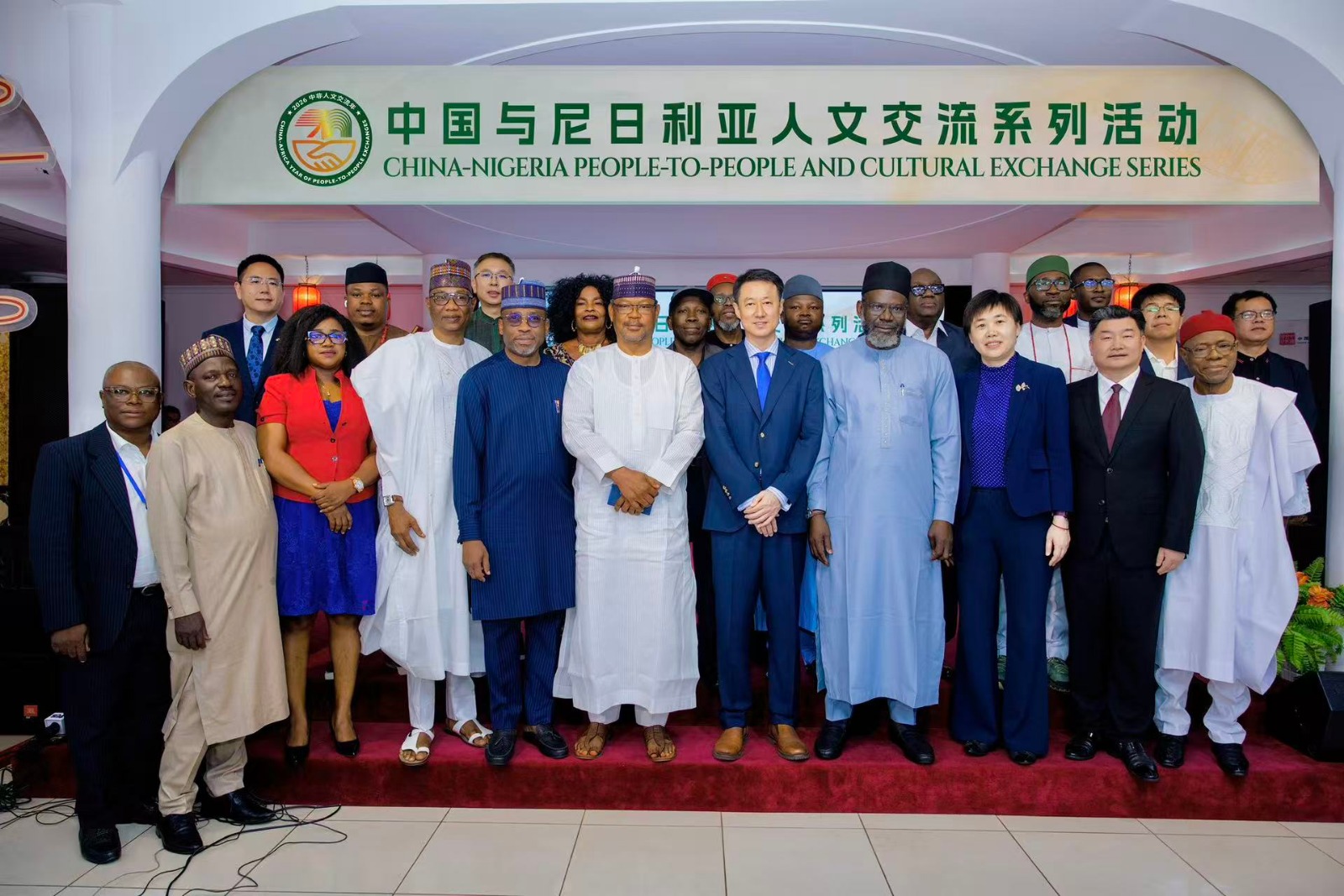
Nigeria and China have taken a major step towards deepening cultural diplomacy and expanding cooperation in the creative economy with the signing of a landmark agreement between the China Movie Channel (CMC) and the Nigerian Television Authority (NTA).
The pact, signed on Friday at the China–Nigeria Film and Literature Symposium held at the China Cultural Centre in Abuja, is expected to unlock new opportunities in film co-production, content exchange, professional training, technology transfer and the global distribution of creative works from both countries.
The agreement comes as Nigeria and China mark 55 years of diplomatic relations, with both countries seeking to strengthen people-to-people ties through culture, arts, literature and entertainment.
The partnership was hailed by stakeholders as a strategic move that could transform the creative industries of both nations by connecting Nollywood, one of the world’s largest film industries, with China’s highly developed film and broadcasting ecosystem.
Chinese Ambassador to Nigeria, Yu Dunhai, described literature and cinema as powerful instruments for preserving civilisation, shaping national identity and promoting friendship among nations.

He said the growing appreciation of Nigerian and Chinese creative works in both countries demonstrated the ability of culture to bridge differences and create deeper understanding.
According to him, Nigerian literary giants such as Wole Soyinka, Chinua Achebe and Chimamanda Ngozi Adichie have gained significant readership in China, while Chinese literary works continue to attract Nigerian audiences.
Yu highlighted the scale of both countries’ film industries, noting that China produces more than 700 films annually and has over 93,000 cinema screens, while Nigeria’s Nollywood produces more than 2,000 films yearly, ranking among the world’s largest film industries.
He said the agreement between CMC and NTA would provide a vital platform for both nations to tell their stories, promote mutual understanding and create opportunities for professionals in the film and television sectors.
“The content exchange cooperation agreement between China Movie Channel and NTA will build a crucial platform for the people of both nations to enhance mutual understanding and friendship,” Yu said.
He added that filmmakers, writers and television professionals from both countries would explore ways to use storytelling to reflect contemporary realities and preserve their national identities.
Representing the Federal Ministry of Arts, Culture, Tourism and the Creative Economy, Permanent Secretary Dr. Mukhtar Yawale Muhammad described the initiative as a reflection of the enduring friendship between Nigeria and China.
He said the partnership aligns with Nigeria’s efforts to position the creative industry as a major driver of economic growth, employment generation and national development.
Muhammad commended China’s investments in education, infrastructure, technological advancement and poverty reduction, noting that many Nigerians had benefited from Chinese-supported scholarships, training programmes and cultural exchanges.
“Partnerships such as this are both timely and invaluable as Nigeria continues to unlock the immense potential of the creative and cultural industries,” he said.
He expressed confidence that the CMC-NTA agreement would promote skills development, knowledge exchange and increased international visibility for Nigerian creative talents.
The Director-General of NTA, Salihu Abdulhamid Dembos, described the agreement as the beginning of a new phase in Nigeria-China relations, built around creativity, innovation and shared cultural values.
Dembos said the partnership would create a framework for programme exchange, joint productions, professional development, technology transfer and wider access to Nigerian and Chinese creative content.
“It will also create opportunities for our filmmakers, writers, broadcasters and young creative talents to learn, collaborate and reach new audiences,” he said.
He added that the initiative supports NTA’s transformation into a digitally driven public broadcaster capable of competing in the evolving global media landscape.
The Chairman of the Association of Nigerian Authors (ANA), Abuja Chapter, Arc. Chukwudi Eze, described cultural diplomacy as an important complement to political and economic relations.
He said books, films, poetry, theatre and other creative expressions allow nations to understand one another beyond statistics and official engagements.
“Through books, films, poetry, theatre and the creative arts, nations come to know one another beyond headlines and statistics, fostering mutual understanding, respect and lasting friendship,” Eze said.
He also acknowledged China’s support for literary exchanges, including the sponsorship of ANA members Professors Razinat Mohammed and Emeka Aniagolu for a cultural and literary visit to China.
The symposium brought together diplomats, government officials, broadcasters, filmmakers, writers and cultural stakeholders from both countries to discuss the future of storytelling, film production and literary cooperation.
Participants also watched the Chinese action film Blades of the Guardians as part of activities marking the cultural exchange programme.
The new CMC-NTA agreement is expected to further strengthen Nigeria-China relations by moving beyond traditional diplomacy into a creative partnership capable of generating economic opportunities, expanding cultural influence and projecting both countries’ stories to a wider global audience.
Nigeria, China Seal Creative Industry Pact to Drive Film, Cultural Diplomacy

India Moves to Help Nigeria Cut 50% Post-Harvest Losses, Deepen Agricultural Revolution

Humanise Technology to Drive Growth, CIHRM Tells HR Professionals

Nigeria, China Seal Creative Industry Pact to Drive Film, Cultural Diplomacy

Roger Federer’s Shock as DNA Results Reveal Myla and Charlene Are Not His Biological Children

THE PLIGHT OF FARIDA

FAILED COUP IN BURKINA FASO: HOW TRAORÉ NARROWLY ESCAPED ASSASSINATION PLOT AMID FOREIGN INTERFERENCE CLAIMS
-
 News2 years ago
Roger Federer’s Shock as DNA Results Reveal Myla and Charlene Are Not His Biological Children
-
Opinions4 years ago
THE PLIGHT OF FARIDA
-
 News1 year ago
FAILED COUP IN BURKINA FASO: HOW TRAORÉ NARROWLY ESCAPED ASSASSINATION PLOT AMID FOREIGN INTERFERENCE CLAIMS
-

 News2 years ago
EYN: Rev. Billi, Distortion of History, and The Living Tamarind Tree
-
 Opinions5 years ago
POLICE CHARGE ROOMS, A MINTING PRESS
-

 ACADEMICS2 years ago
A History of Biu” (2015) and The Lingering Bura-Pabir Question (1)
-

 Columns2 years ago
Army University Biu: There is certain interest, but certainly not from Borno.
-

 Politics1 year ago
2027: Why Hon. Midala Balami Must Go, as Youths in Hawul and Asikira/Uba Federal Constituency Reject ₦500,000 as Sallah Gift
