
Uncategorized
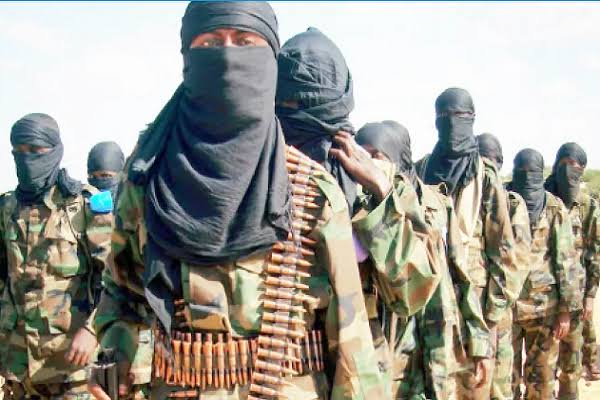
Nigeria: Terrorists kill 4 worshippers in Borno

Nigeria: Terrorists kill 4 worshippers in Borno
By Our Reporter
Four people including the Chief Imam of Gima have reportedly been killed as several others sustained various degrees of injury when suspected Boko Haram terrorists invaded Ngulde Community of Askira -Uba local government area in Borno state, northeast Nigeria.
The terrorists according to investigation were only confined in Tuga, a riverine community, but now deserted, and took the advantage of having access to Ngulde, as the roads linking Tuga Garambal, Garkida and some parts of Adamawa communities remained inaccessible due to flooding and heavy waves.
The terrorists also looted livestock and food items without confrontation, after setting ablaze two vehicles, as Ngulde, is a remote agrarian community situated in some parts of Sambisa Forest.
NEWSng learnt that the terrorists numbering over 20, armed with AK47 right fled as well as AA rifles and locally fabricated double barrel guns with cutlasses invaded the community since last Friday and wrecked havoc, but due to lack of telecommunications network in the area delayed information about the deadly attack.
A Councilor representating Ngulde ward, Hon. Bilyaminu Umar confirmed the incident on Sunday morning.
He however sympathized with the victims, even as he called on the government to provide emergency relief materials to the victims cushion their immediate hardship.
“I Hon Bilyaminu Umar, Councilor representing Ngulde ward in Askira Uba local government Council wish to sincerely extend by heartfelt condolences and Sympathy to my entire constituents over the recent heinous attack by Boko Haram insurgents which occur on 2nd September 2022
“Ngulde Ward is one of the strongest Community in Askira Uba local government that gave me the mandate in the last local government election to represent them, since then, I have been enjoying their solidarity and support, hence, I felt deeply shocked in sharing the grieves of this latest attack, when most of my people were busy tapping from this year’s farming season.
“The attacked which occured in the early ours of Friday, 2nd September, 2022, after fajir prayers claimed four (4) lives and left many with casualties, while properties and Business worth Millions of naira were also destroyed and carted away by the insurgents.
“Already, I have informed the Deputy speaker Borno State House of Assembly, Rt. Hon, Engr Abdullahi Askira on the unfortunate attack, he promised to convey it to the Executive Governor professor Babagana Umara Zulum for necessary actions”. Umar stated.
Also the member representing Askira -Uba, who is the Deputy Speaker Borno State House of Assembly, Rt. Hon Abdullahi Askira sympathized with victims, and prayed Allah (God) to grant quick recovery to those who sustained gunshots in the attack.
“Yes, I recieved a distress calls yesterday that some terrorists invaded Ngulde Community and killed three persons instantly, while the other person died on the way to Garkida Hospital where the injured ones were rushed for treatment.
“From credible information I received revealed that the insurgents numbering about 20 invaded the community at about 6:30am and asked for the whereabouts or House of the Chairman of the Local Hunters/Vigilantes.
“Unfortunately, without proper satisfaction, they now went straight to some worshippers who had finished their Fajir prayers at the Mosque and opened fire, which led to the killing of three persons at the spot including the Chief Imam of Gima unit. Another victim who was among those who sustained various degree of injuries died on the way to Garkida general hospital.” He said.


Uncategorized
NHRC Raises Alarm Over Rising Human Rights Violations, Records 659,617 Complaints in Q1 2026
NHRC Raises Alarm Over Rising Human Rights Violations, Records 659,617 Complaints in Q1 2026
By: Michael Mike
The National Human Rights Commission (NHRC) has raised fresh concerns over a worsening human rights and security situation in Nigeria, disclosing that it received 659,617 complaints and recorded 992 killings in the first quarter of 2026, amid rising cases of discrimination, insecurity, and abuse across the country.
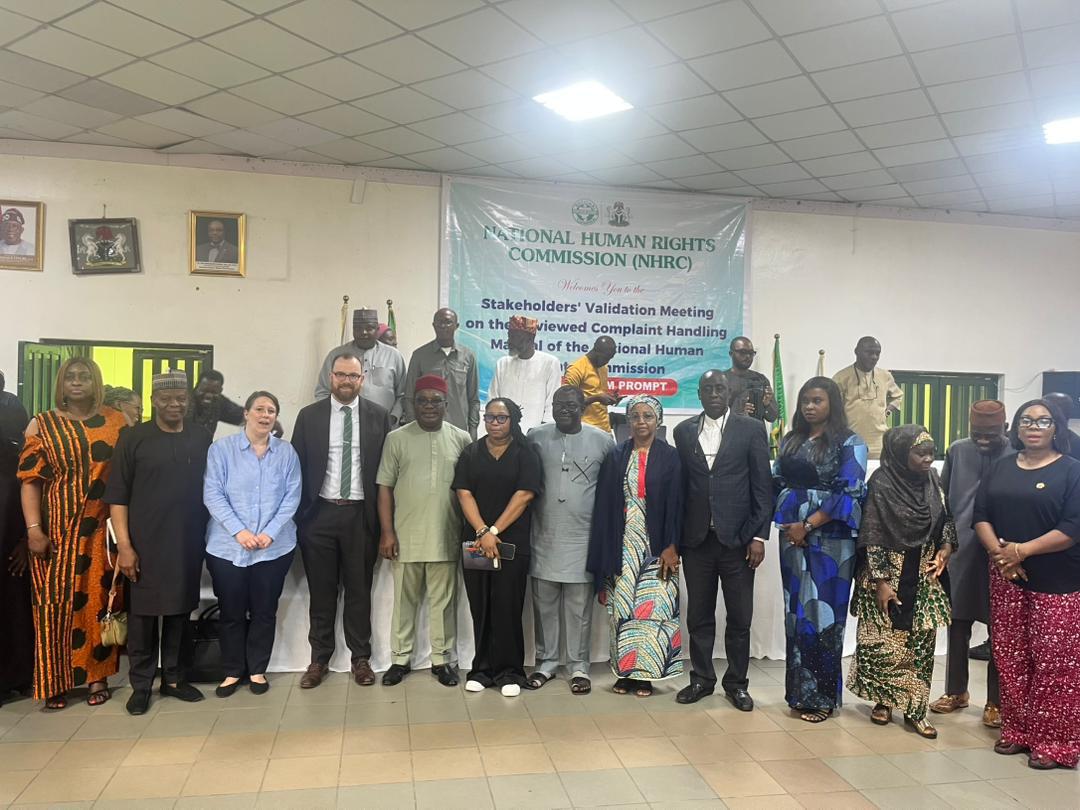
Presenting the January–March 2026 Human Rights Situation Dashboard in Abuja, the Senior Adviser to the Commission, Hilary Ogbona, said the data reflected both an escalation in violations and improved public reporting, warning that the trends point to deepening national challenges in governance, security, and social protection.
Ogbona explained that complaints increased consistently across the quarter, with 180,341 cases in January, 223,144 in February, and 256,132 in March, adding that the dominant category of complaints remained freedom from discrimination, followed closely by cases linked to law enforcement misconduct and violations of human dignity.
“For the months of January to March 2026, we recorded 659,617 human rights complaints in the Commission.”
He said the Commission’s Human Rights Observatory also captured incidents beyond formal petitions, revealing widespread insecurity-related abuses, including killings, abductions, communal violence, and sexual and gender-based violence across multiple states.
According to him, mass killings peaked in February 2026, making it the deadliest month of the quarter, driven largely by insurgent attacks, banditry operations, communal clashes, and mob violence in several regions.
“Mass killings across Nigeria reached an all-time high, especially in the month of February.”
The report showed that the North-Central zone recorded the highest number of complaints, followed by the North-West and North-East, with Abuja (FCT), Benue, Niger, Plateau, and Kaduna among the most affected states. Ogbona noted that reporting structures in the FCT also contributed to its high ranking due to combined data from multiple NHRC offices.
The adviser further highlighted growing concerns over gender-based violence and violations against children, including sexual assault, abandonment, trafficking risks, and denial of access to care. He described the situation as a “serious protection crisis,” especially for vulnerable populations.
“We have seen an upsurge in gender-based violence and discrimination.”
He also disclosed that child rights violations remained widespread, with child abandonment emerging as the most frequent category, alongside rising incidents of exploitation and domestic abuse. In addition, mob justice and “home action killings” were identified as increasing contributors to overall fatalities.
The NHRC report further indicated that out of the 992 killings recorded, a significant proportion were attributed to bandit groups, Boko Haram insurgents, and unknown gunmen, while others stemmed from communal clashes, cult-related violence, and mob actions. Road and boat accidents were separately recorded at 197 deaths and not included in the main security tally.
Justice sector institutions and partners at the event commended the NHRC for strengthening transparency through its dashboard system.
A representative of the Police Service Commission, Barista Dada, described the dashboard as a critical accountability mechanism for monitoring police conduct and enforcing discipline within the Nigeria Police Force.
“The dashboard has become an official platform upon which human rights compliance in Nigeria can be assessed monthly, quarterly.”
He added that findings from the NHRC reports are increasingly being used to validate allegations of misconduct and guide disciplinary action against officers.
Similarly, Barista Bamidele, speaking on behalf of the Director-General of the Legal Aid Council of Nigeria, said the dashboard exposed systemic weaknesses in Nigeria’s justice system, particularly delays in investigations and trials.
“The incessant abuse of human rights and systemic delays in handling of investigations, criminal trials, ineffective administration creates justice gaps.”
He stressed that the Legal Aid Council views the initiative as essential for improving access to justice and supporting victims of human rights violations across the country.
The Executive Secretary of the NHRC, Dr. Tony Ojukwu, said the dashboard has continued to receive international recognition, including presentations at the United Nations in Geneva, where it was highlighted as an innovative model for human rights monitoring.
“I was recently honoured to speak on the Dashboard at the United Nations in Geneva, reflecting global recognition of our efforts.”
He added that the Commission is working to sustain the dashboard beyond donor support, describing it as a permanent tool for accountability, transparency, and policy guidance.
The NHRC warned that the first quarter 2026 figures underscore urgent national challenges requiring coordinated action across all levels of government. It called for stronger institutional accountability, improved security responses, and deeper collaboration with civil society, development partners, and the media to curb rising human rights violations and restore public confidence in governance and justice systems.
NHRC Raises Alarm Over Rising Human Rights Violations, Records 659,617 Complaints in Q1 2026
Police rescue four kidnapped victims in Sabuwa Katsina after foiling bandits attack
By: Zagazola Makama
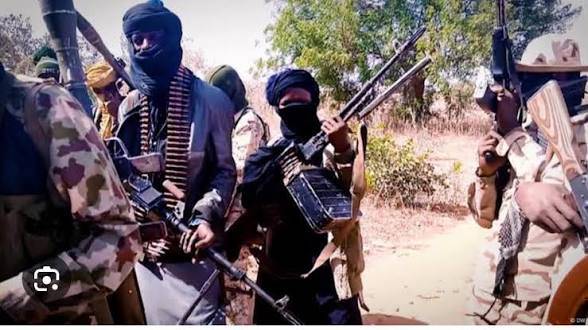
Police operatives in Katsina State have foiled a bandit attack along the Sabuwa–Kaya road and rescued four kidnapped victims unhurt.
Security sources told Zagazola that the incident occurred at about 8:17 p.m. on April 9 near Unguwar Liman village in Sabuwa Local Government Area.
According to the sources, a large number of armed bandits blocked the highway and abducted four persons before the Divisional Police Officer (DPO) mobilised tactical teams to the scene.
The sources said the police engaged the bandits in a gun duel, forcing them to retreat into the forest with possible gunshot injuries.
The victims were rescued during the operation and were confirmed to be in good condition.
They were identified as Alhaji Sani Kadanya, 50, of Tashar Kadanya village, Birnin Gwari LGA; Basiru Aminu, 27, of Kutaimashi village, Birnin Gwari LGA; Aliyu Musa, 30, of Unguwar Gajere village, Birnin Gwari LGA; Ummi Bello, 20, of Sabuwa LGA; and Abubakar Abdullahi, 35, also of Unguwar Gajere village.
Security sources said the area had been cordoned off for clearance operations aimed at tracking down the fleeing suspects.
Police rescue four kidnapped victims in Sabuwa Katsina after foiling bandits attack
Uncategorized
Nigeria Unveils $1bn Forest Rescue Plan to Combat Climate Crisis, Halt Rapid Deforestation
Nigeria Unveils $1bn Forest Rescue Plan to Combat Climate Crisis, Halt Rapid Deforestation
By: Michael Mike
Nigeria has launched an ambitious $1 billion forest recovery initiative, signaling one of its most decisive moves yet to confront deforestation, climate change, and the growing threat to livelihoods tied to its shrinking natural resources.
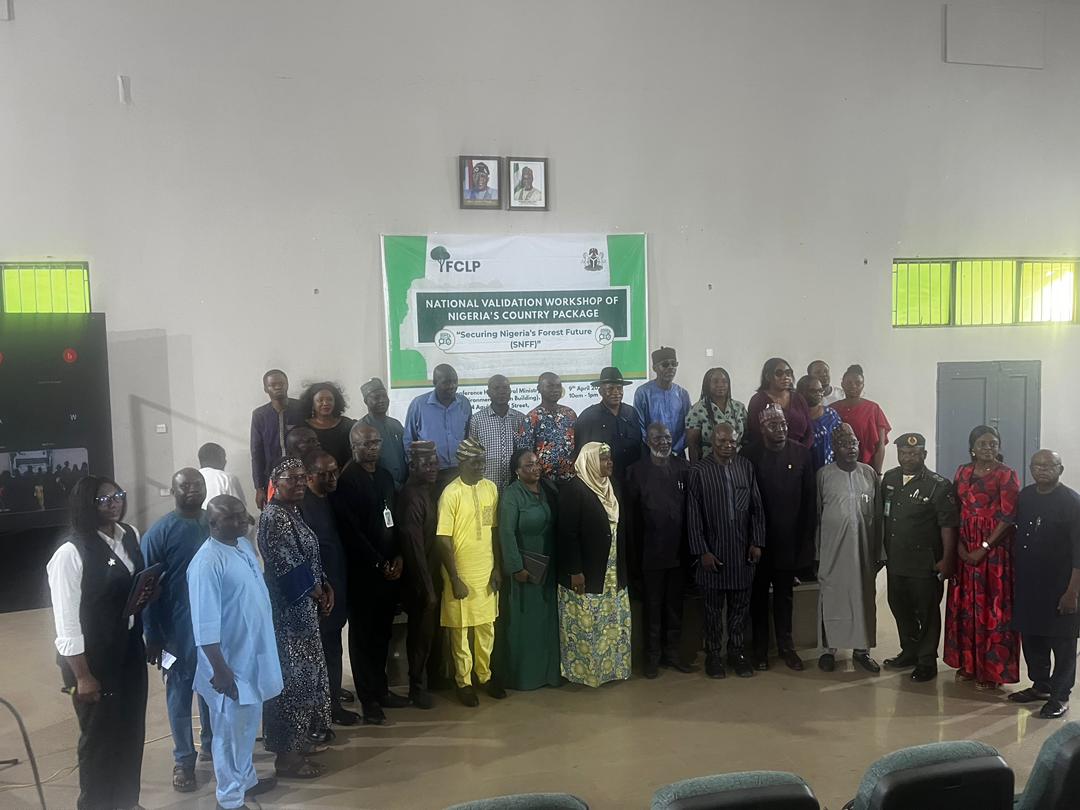
The plan, unveiled in Abuja at the National Validation Workshop of Nigeria’s Country Package titled “Securing Nigeria’s Forest Future (SNFF),” outlines a sweeping 10-year strategy (2026–2036) aimed at restoring degraded forest landscapes, strengthening governance, and unlocking sustainable financing for the sector.
Speaking at the event, the Minister of Environment, Malam Balarabe Abbas Lawal, warned that Nigeria’s forests—long regarded as critical national assets—are under severe and escalating pressure.
He noted that deforestation, unsustainable resource extraction, land-use changes, and climate variability are rapidly eroding forest ecosystems that millions of Nigerians depend on for survival.
“Forests are central to our environmental stability, economic resilience, and the livelihoods of our people, but the pressures they face today demand urgent and coordinated national action,” the minister said.
The SNFF initiative, developed under the global Forest and Climate Leaders Partnership (FCLP), is designed to translate Nigeria’s climate commitments into measurable outcomes by integrating forest restoration, climate resilience, green job creation, and innovative financing into a unified national framework.
At the core of the plan is a target to mobilize approximately $1 billion in blended finance, combining public funding, international climate support, private investment, and carbon market mechanisms.
Also speaking, the Director of Forestry in the Ministry of Environment, Halima Bawa-Bwari, described the initiative as a critical turning point in Nigeria’s environmental governance, emphasizing the urgent need for long-term, coordinated action.
She highlighted that Nigeria’s forests play a vital role in biodiversity conservation, climate regulation, and national economic development, but are increasingly threatened by rising energy demand, agricultural expansion, and environmental degradation.
“Our forest landscapes are under immense strain. Addressing these challenges requires a comprehensive approach that brings together government, private sector actors, development partners, and local communities,” she said.
Bawa-Bwari explained that the SNFF framework provides a detailed roadmap for systemic reform, including restoring degraded lands, strengthening institutional coordination, expanding green livelihood opportunities, and improving transparency and monitoring systems.
Beyond financing and policy, both officials stressed that the success of the initiative will depend heavily on inclusive participation, particularly from forest-dependent communities, civil society groups, and state governments.
The validation workshop, they noted, is a crucial stage in refining the framework to ensure it reflects broad national ownership and delivers tangible results.
“This process is about building a collective vision that ensures real impact for both our forests and our people,” Bawa-Bwari added.
Lawal also reaffirmed that the initiative aligns with Nigeria’s broader environmental commitments, including the National Forest Policy, the National REDD+ Strategy, obligations under the Paris Agreement, and the Climate Change Act of 2021.
He expressed confidence that the outcome of the workshop would position Nigeria to scale up forest conservation efforts in a more coordinated and impactful manner.
“With this initiative, Nigeria is taking a bold step toward securing its forest resources for future generations while contributing meaningfully to global climate and biodiversity goals,” the minister said as he formally declared the workshop open.
Stakeholders at the event—including representatives from federal and state governments, development partners, civil society, and the private sector—are expected to finalize a framework that could redefine Nigeria’s forest management strategy over the next decade.
If successfully implemented, the SNFF initiative could mark a turning point in Nigeria’s fight against environmental degradation, while opening new pathways for green investment, climate resilience, and sustainable economic growth.
Nigeria Unveils $1bn Forest Rescue Plan to Combat Climate Crisis, Halt Rapid Deforestation

NHRC Raises Alarm Over Rising Human Rights Violations, Records 659,617 Complaints in Q1 2026

Security checks find no confirmation of alleged terror build-up around Heipang axis

Eight killed in fresh Plateau attack by Fulani Bandits as troops intensify clearance operations

Roger Federer’s Shock as DNA Results Reveal Myla and Charlene Are Not His Biological Children

THE PLIGHT OF FARIDA

FAILED COUP IN BURKINA FASO: HOW TRAORÉ NARROWLY ESCAPED ASSASSINATION PLOT AMID FOREIGN INTERFERENCE CLAIMS
-
 News2 years ago
Roger Federer’s Shock as DNA Results Reveal Myla and Charlene Are Not His Biological Children
-
Opinions4 years ago
THE PLIGHT OF FARIDA
-
 News12 months ago
FAILED COUP IN BURKINA FASO: HOW TRAORÉ NARROWLY ESCAPED ASSASSINATION PLOT AMID FOREIGN INTERFERENCE CLAIMS
-

 News2 years ago
EYN: Rev. Billi, Distortion of History, and The Living Tamarind Tree
-
 Opinions4 years ago
POLICE CHARGE ROOMS, A MINTING PRESS
-

 ACADEMICS2 years ago
A History of Biu” (2015) and The Lingering Bura-Pabir Question (1)
-

 Columns2 years ago
Army University Biu: There is certain interest, but certainly not from Borno.
-

 Opinions2 years ago
Tinubu,Shettima: The epidemic of economic, insecurity in Nigeria
