
Northeast
Nigeria Woos Spanish Investors, Positions Economy as Gateway for Europe–Africa Trade

Nigeria Woos Spanish Investors, Positions Economy as Gateway for Europe–Africa Trade
By: Michael Mike
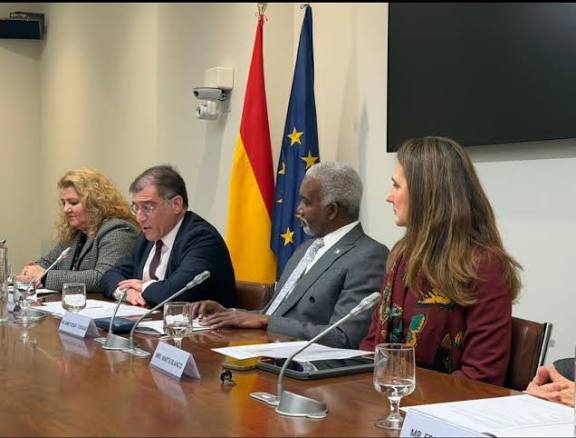
Nigeria has stepped up efforts to attract Spanish investment, presenting its economy as a strategic hub for expanding commercial ties between Europe and Africa.
This position was articulated during a high-level engagement with the Confederation of Spanish Business Organisations (CEOE), Spain’s leading private sector body, led by Nigeria’s Minister of Foreign Affairs, Ambassador Yusuf Maitama Tuggar. The meeting underscored Nigeria’s intention to deepen bilateral economic relations with Spain and encourage long-term private sector partnerships.
Addressing Spanish business leaders, Ambassador Tuggar described Spain as a strategic partner with strong capacity to serve as a bridge between African and European markets. He highlighted Nigeria’s ongoing economic reforms aimed at stabilising the economy, improving macroeconomic coordination and accelerating growth through diversification.
According to the minister, Nigeria’s growth trajectory is increasingly being driven by non-oil sectors, including agriculture, manufacturing, services, technology and global business services. He noted that the country’s large population—estimated at over 200 million, with more than 70 per cent under the age of 35—offers a vast market and a dynamic workforce capable of supporting large-scale investment.
Nigeria also emphasised its strategic relevance to Spanish companies as Africa’s largest economy and a natural gateway to West and Central Africa. Through the African Continental Free Trade Area (AfCFTA), investors operating from Nigeria can access a market of over 1.3 billion people across the continent. The government stressed its preference for productive, long-term investments that promote technology transfer, value-chain development and sustainable industrial growth.
Several priority sectors were highlighted as areas of opportunity for Spanish firms. In the energy and gas sector, Nigeria pointed to its extensive reserves and opportunities in liquefied natural gas, power generation, petrochemicals, fertiliser production and energy transition projects, including major regional gas pipeline initiatives. Agriculture and agro-processing were also identified as key areas, with opportunities in mechanisation, food processing, cold-chain logistics and export-oriented agribusiness.
Infrastructure development featured prominently in the discussions, particularly public–private partnerships in transport, logistics and industrial zones. Nigeria further presented itself as an emerging hub for Business Process Outsourcing (BPO), citing its young, English-speaking and digitally skilled workforce as a competitive advantage for European companies seeking cost-effective service delivery. Technology, fintech, digital infrastructure, creative industries and professional services were also listed as fast-growing sectors.
On migration, Nigeria reiterated its commitment to structured and legal labour mobility, stressing that it does not support irregular migration. The country commended Spain’s circular migration framework, noting that properly managed labour mobility can support business needs, reduce irregular migration and strengthen bilateral trust.
Nigerian officials also outlined ongoing policy reforms aimed at improving the ease of doing business, strengthening regulatory transparency and protecting investors. They assured potential investors of incentives, sector-specific support and expanding infrastructure, while emphasising the role of diaspora- and skills-based investment in linking global expertise with domestic opportunities.
Nigeria invited CEOE to play a catalytic role by encouraging Spanish companies to establish production and service operations in the country, support joint ventures and small and medium-sized enterprise partnerships, and help reshape Europe–Africa economic relations around mutual benefit.
The engagement concluded with Nigeria reaffirming its openness to deeper economic cooperation with Spain, inviting Spanish businesses to invest, build and grow in the country as a platform for sustainable growth, job creation and long-term value across both regions.
Nigeria Woos Spanish Investors, Positions Economy as Gateway for Europe–Africa Trade


Zulum Delivers Relief, Cash Support to 434 Ngoshe Residents Rescued from Boko Haram
By: Our Reporter
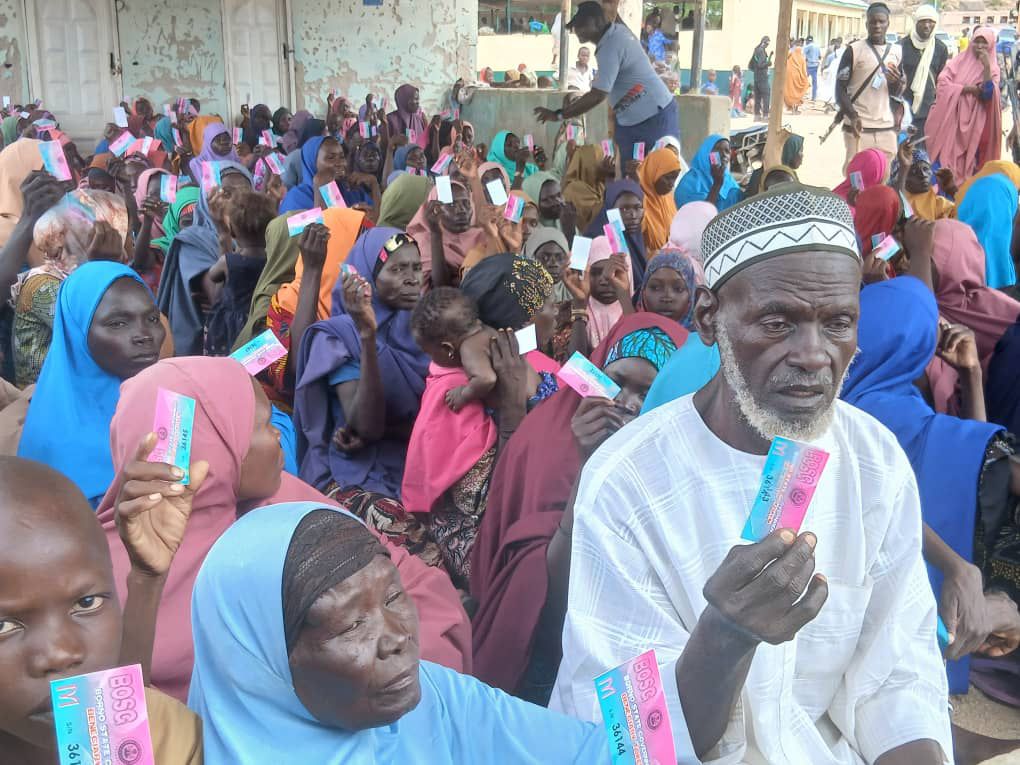
Borno State Government has distributed relief materials to 434 indigenes of Ngoshe community in Gwoza Local Government Area who were recently rescued by security agencies after spending three months in Boko Haram captivity.
Governor Babagana Umara Zulum visited the victims in Pulka on Monday and directed the immediate distribution of food and non-food items to support their recovery and reintegration.
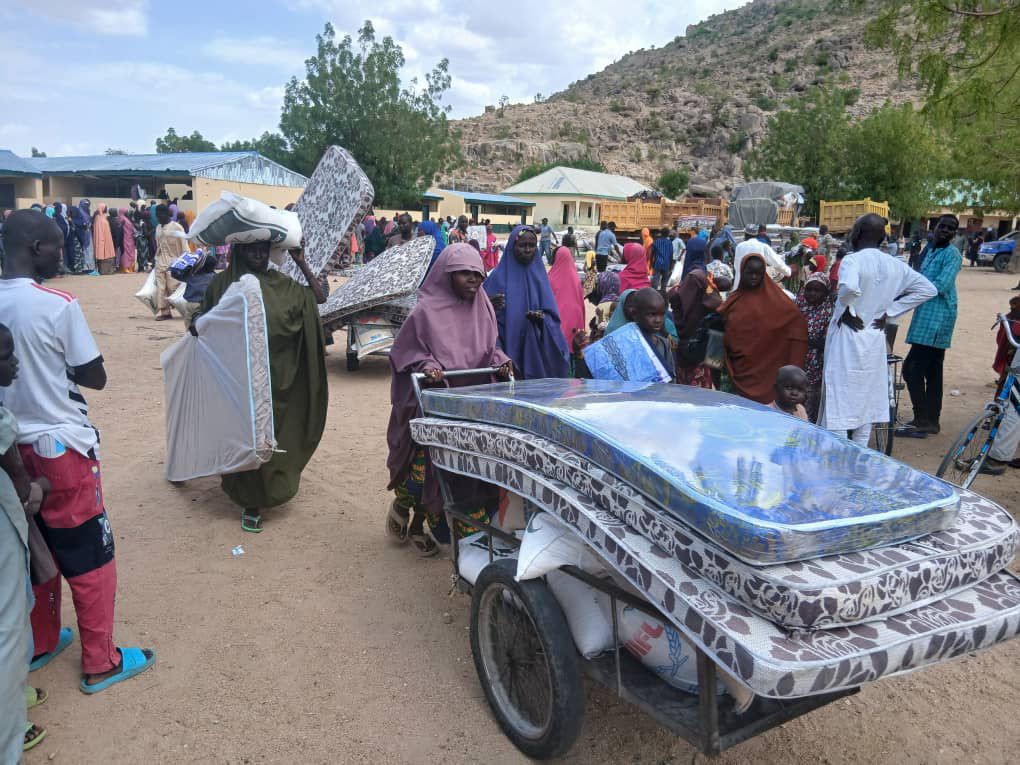
In compliance with the Governor’s directive, the Director General of the Borno State Emergency Management Agency (SEMA), Alhaji Ali Abdullahi Isa, promptly supervised the distribution exercise.
Each rescued person received a bag of rice, a bag of maize grits, a mattress, a wrapper, and a shadda, while children received two pairs of clothing.
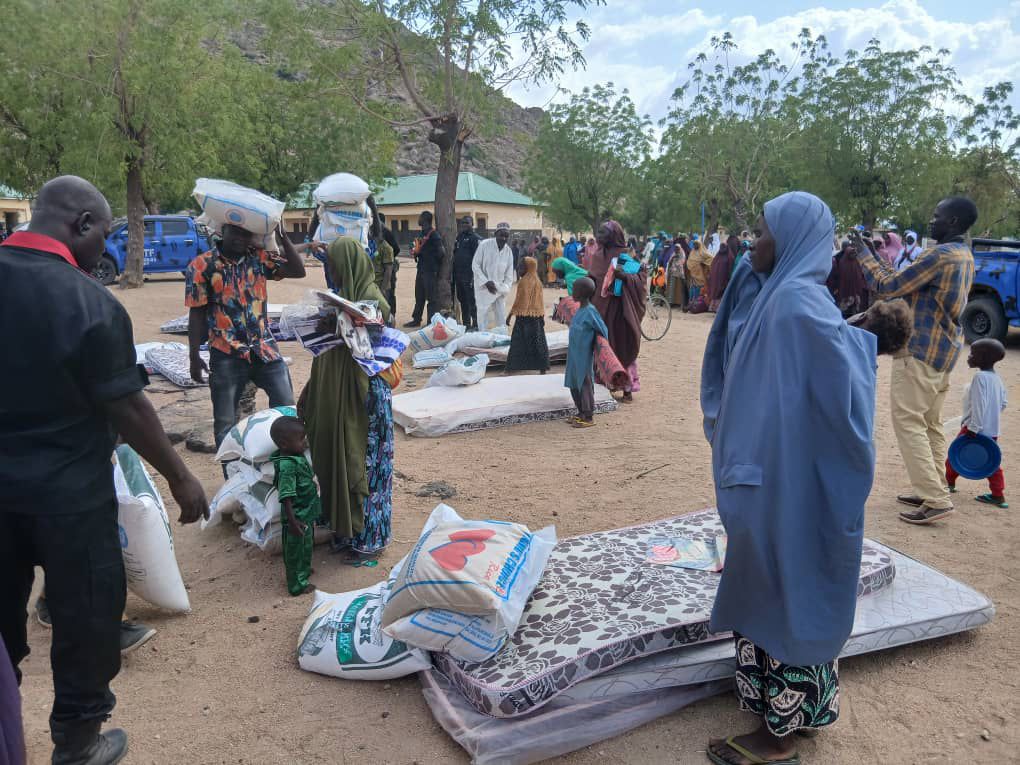
In addition, 208 heads of households received N50,000 each, fulfilling Governor Zulum’s earlier pledge of financial assistance.
Speaking during the distribution, the SEMA Director General said the intervention was part of the government’s immediate response to ease the hardship faced by the rescued victims.
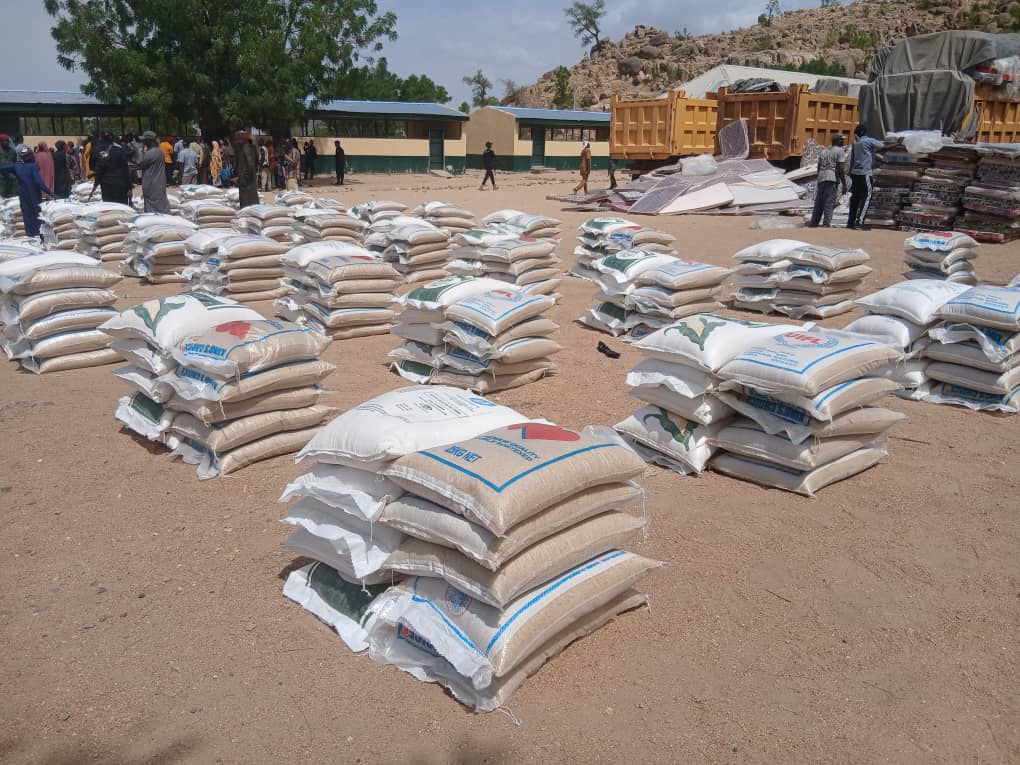
“I am here at the instance of His Excellency, Governor Babagana Umara Zulum, who was here some few days ago, and to deliver the items he directed that it should be given to you as emergency relief,” Ali stated.
The rescued individuals are currently receiving medical care and psychosocial support at a government facility. Upon completion of the rehabilitation process, they will be reintegrated into their respective communities.
The exercise was carried out alongside the Chairman of Gwoza local government, representatives of the Ngoshe community, and other officials.
Zulum Delivers Relief, Cash Support to 434 Ngoshe Residents Rescued from Boko Haram
Zulum Targets Closure of Borno’s Largest IDP Camp as Resettlement Drive Enters Final Phase
By: Michael Mike
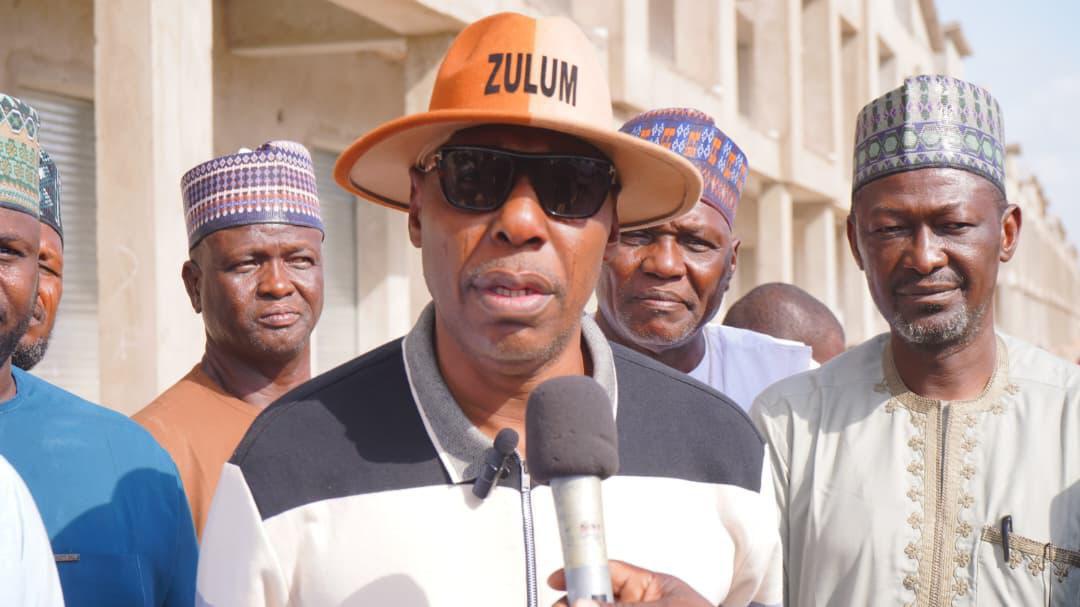
Borno State Governor, Prof. Babagana Zulum has announced plans to shut down the Bama Internally Displaced Persons (IDP) Camp, the largest displacement facility in Borno outside Maiduguri, within the next month, marking a major milestone in the state’s efforts to end years of mass displacement caused by insurgency.
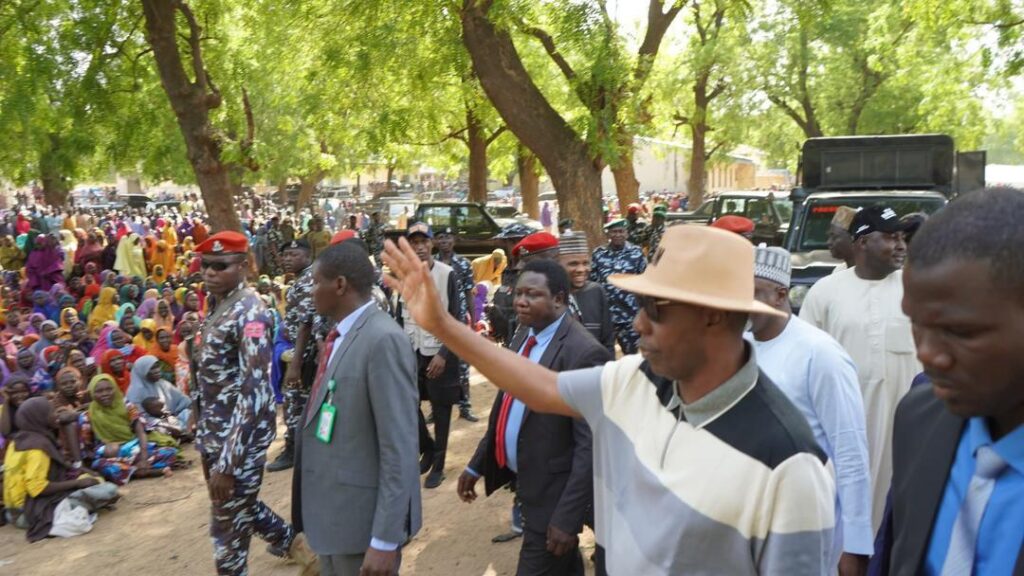
The governor made the declaration on Thursday after personally supervising a screening exercise for displaced families at the Government Science Secondary School IDP Camp in Bama, where he spent more than three hours verifying beneficiaries eligible for the state’s resettlement programme.
Zulum said the exercise was aimed at ensuring that only genuine households are captured as the government moves to complete the return of displaced residents to their ancestral communities.
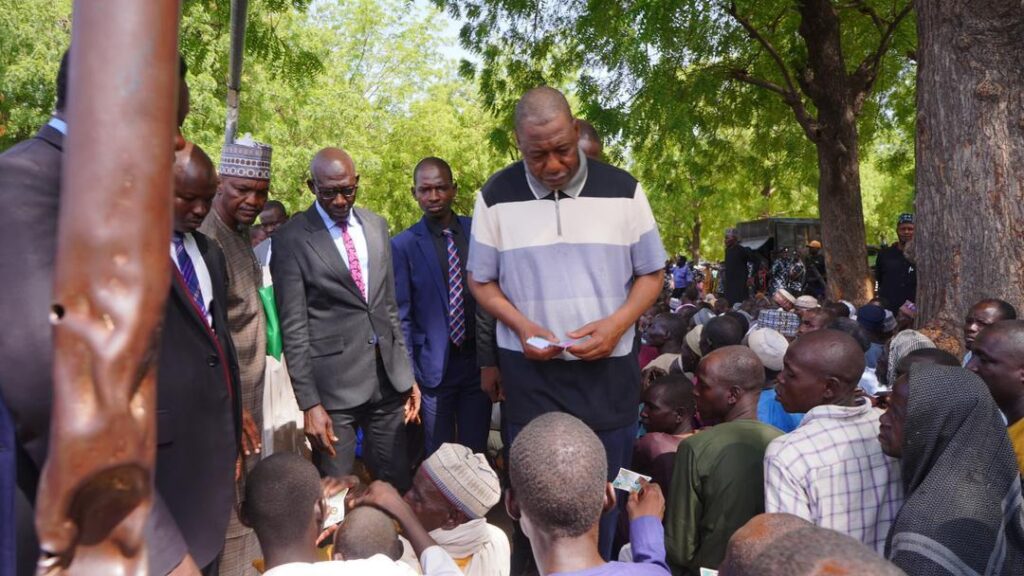
“We are here to examine the remaining displaced people that are living in the IDP camp with a view to ensuring the closure of Bama IDP camp,” the governor stated.
The planned closure represents another significant step in Borno State’s post-insurgency recovery programme, which has seen thousands of displaced persons return to their communities after years of conflict triggered by the activities of the terrorist group Boko Haram.
Over the last seven years, the state government has facilitated the resettlement of residents in several communities across Bama Local Government Area, including Darajamal, Nguro Soye, Goniri, Banki and Abbaram. Bama remains one of the areas most devastated by the insurgency, with large-scale destruction of infrastructure and prolonged displacement of residents.
According to Zulum, only three communities—Mayanti, Goniri and Bula Kuriye—remain to be fully resettled before the camp can be permanently shut down.
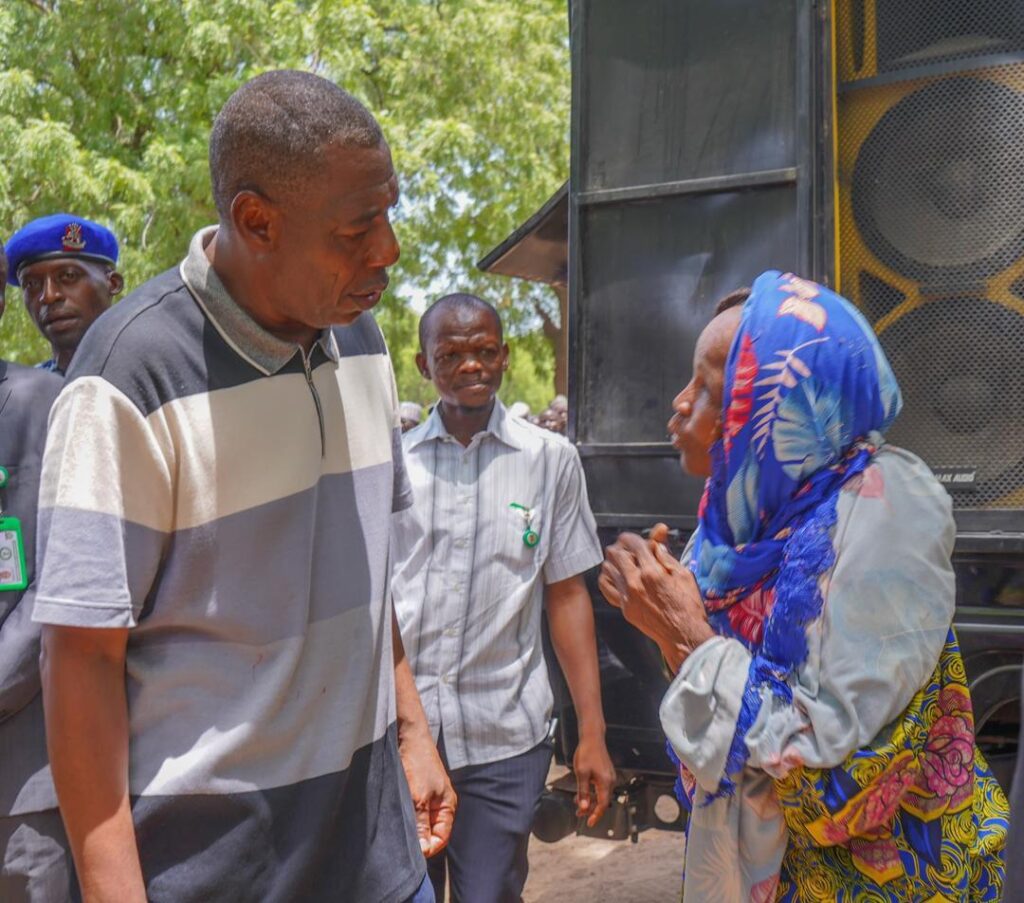
“We have three communities that are left to be resettled, namely, communities from Mayanti, Goniri, and Bula Kuriye. By the next one month, the Bama IDP camp, which is the largest camp in the state outside the state capital, will be closed,” he said.
The governor’s visit also featured inspections of major infrastructure projects underway in Bama as part of the administration’s reconstruction and urban renewal agenda.
Among the projects inspected were the construction of a modern shopping complex and the dualisation of the Bama township road. Zulum praised the quality of work being executed, describing the projects as critical to restoring economic activities and modernising the town after years of devastation.
He recalled that the historic Bama Market was destroyed during insurgent attacks about 15 years ago before being rehabilitated under the administration of Nigeria’s current Vice President, Kashim Shettima.
To further strengthen commercial activities, the state government is constructing a modern shopping complex with 156 shops in front of the market while simultaneously remodelling the entire facility.
“We are trying to provide a befitting shopping mall in front of the market, totaling 156 shops, while also remodeling the market as part of our urban renewal programme,” Zulum said.
He noted that the market redevelopment is designed to stimulate economic growth, improve livelihoods and provide a more conducive environment for businesses and traders.
The governor also disclosed plans to ease traffic congestion and improve connectivity through the dualisation of major roads within Bama, particularly the strategic township road linking Maiduguri, Bama and Gwoza. Existing roads across the town, he added, would be rehabilitated before the end of his tenure.
The inspection tour extended to High Islamic College and teachers’ quarters in Konduga, underscoring the administration’s continued focus on rebuilding educational infrastructure and improving public services in communities affected by conflict.
Zulum was accompanied by senior government officials, lawmakers and community leaders during the visit. The move to close the Bama camp is expected to signal a new phase in Borno’s recovery efforts as authorities push to transition displaced families from temporary shelters to permanent community-based resettlement
Zulum Targets Closure of Borno’s Largest IDP Camp as Resettlement Drive Enters Final Phase
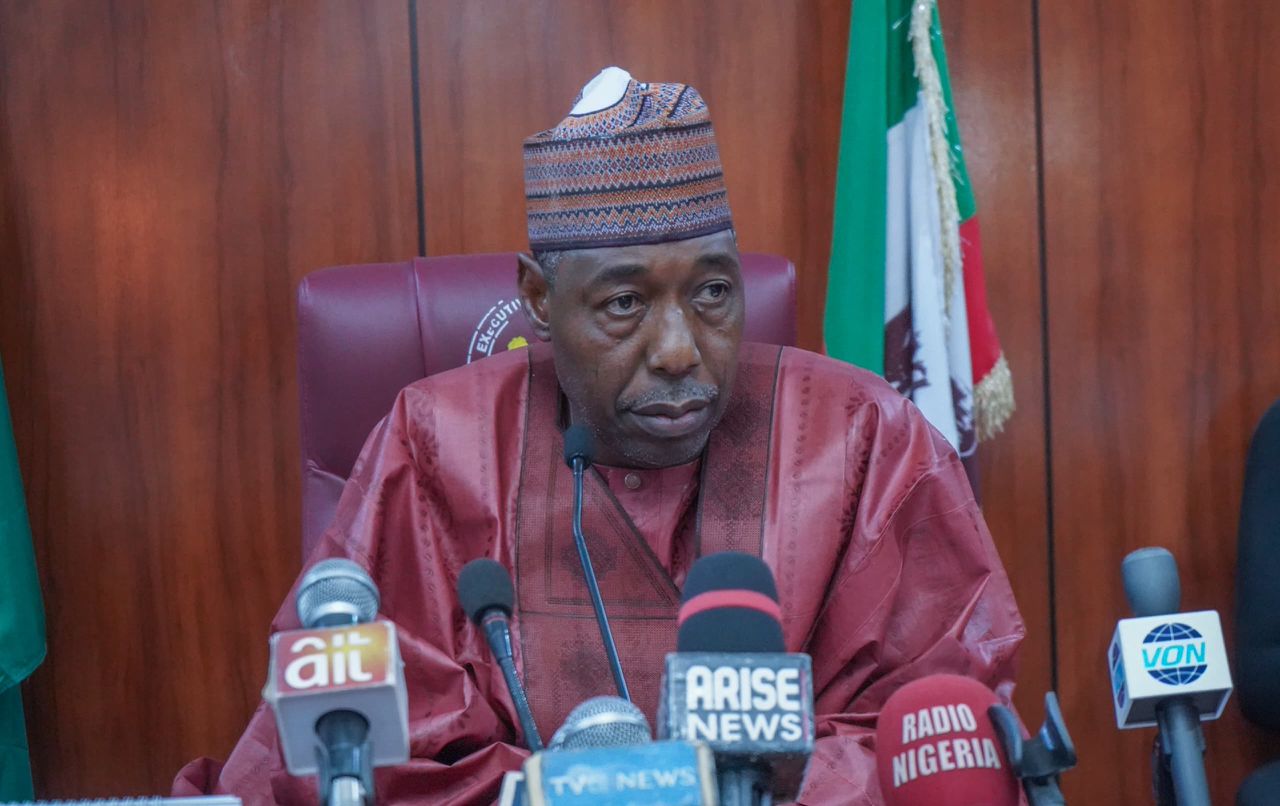
Zulum – I Will Hand Over a More Secure and Prosperous Borno to Gubio
By: Our Reporter
Borno State Governor, Professor Babagana Umara Zulum, has assured that he will hand over a more stable, secure, and economically prosperous Borno to the next administration.
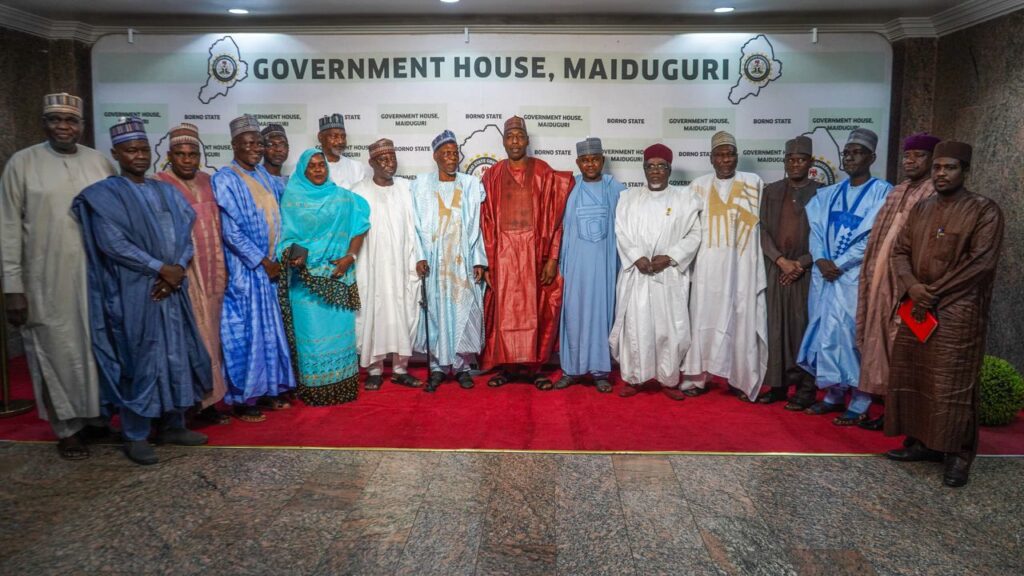
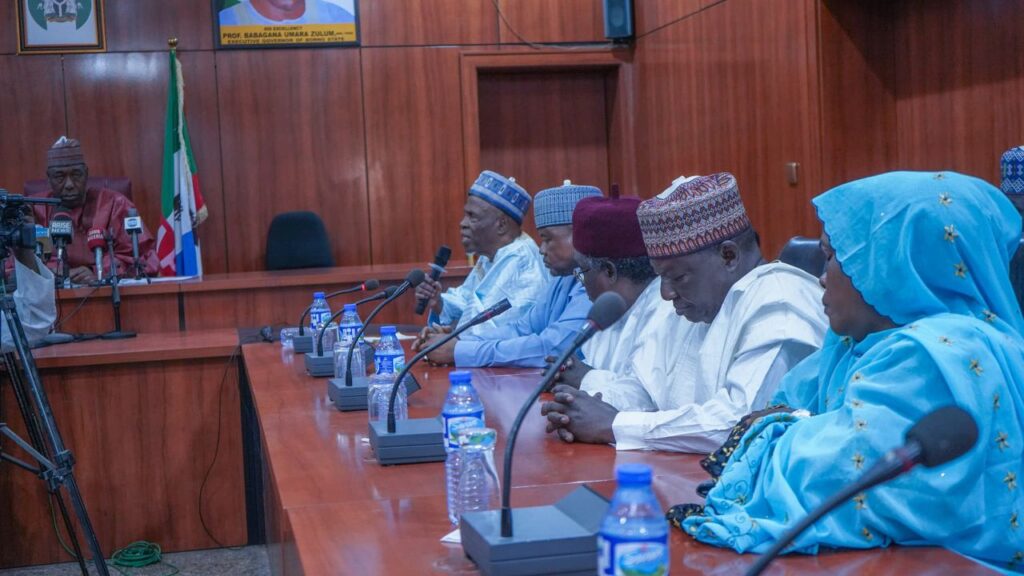
Governor Zulum gave the assurance on Monday when he received prominent sons and daughters of Gubio Local Government Area, led by elder statesman Alhaji Gambo Gubio, who paid him a courtesy visit at the Government House, Maiduguri, alongside the APC gubernatorial candidate, Engr. Mustapha Gubio.
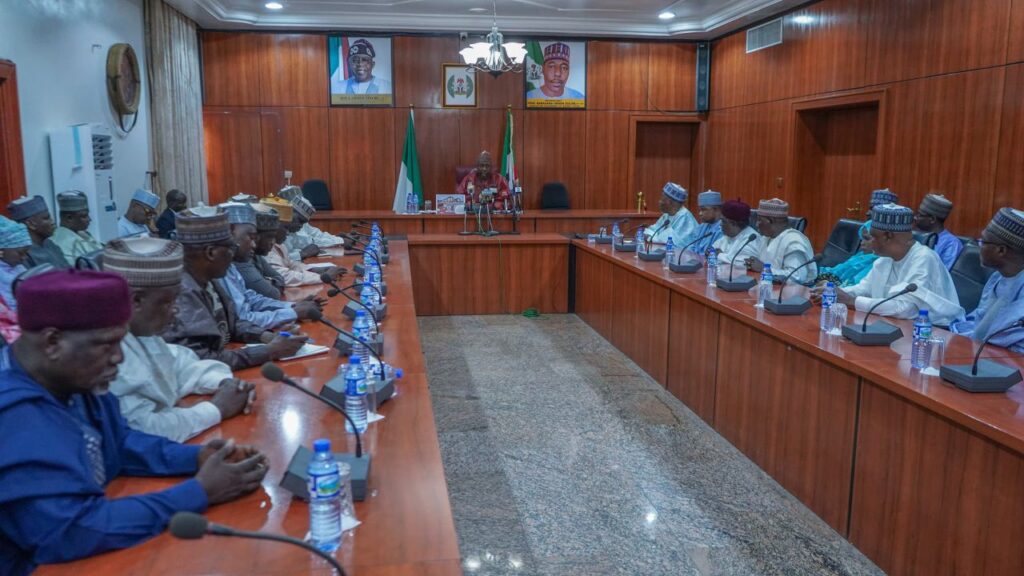
The delegation also included the Chairman of the Borno State Civil Service Commission, Dr. Bulama Mali Gubio; a former member of the House of Representatives, Hon. Fanta Baba Shehu; the Executive Chairman of Gubio, Hon. Mali Bulama Mali; a retired Commissioner of Police; and former Council chairmen.
The Governor noted that despite the challenges confronting the state, particularly insecurity, his administration remains committed to consolidating on the gains achieved over the years and laying a stronger foundation for sustainable development.
“Security is the most difficult issue. Insha Allah, before I leave, the situation will be better than now. I will hand over a more stable, more prosperous, and more secure government to Engr. Mustapha Gubio, Insha Allah,” Zulum declared.
He emphasised that sustaining achievements is often more difficult than attaining them, urging continued support and prayers for the APC governorship candidate.
“What matters is not just success; managing success is more difficult than achieving success itself. Managing success and managing the affairs of Borno State is not easy, but with collective support, prayers, and guidance, God will give him the wisdom and energy to succeed as a candidate and, Insha Allah, as Governor,” he said.
Extolling the leadership qualities of Engr. Mustapha Gubio, Governor Zulum described him as a man of integrity, humility, and composure whom he has known for more than two decades.
“Alhaji Mustapha Gubio, I have known him for the past 26 years, since he was a student at the University of Maiduguri. His integrity is evident; he is humane, very gentle, and composed. Insha Allah, God will help him to steer the mantle of leadership of Borno State,” Zulum stated.
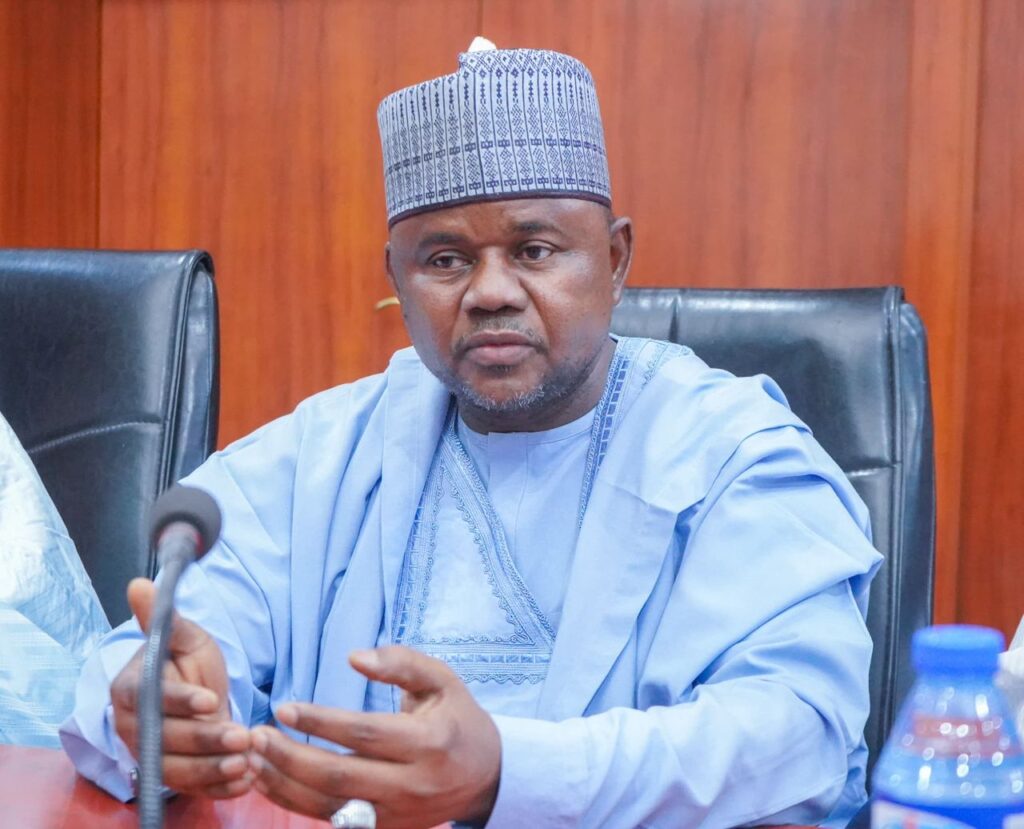
The Governor added, “We will continue to pray for our gubernatorial candidate so that the Almighty will give him the wisdom and the wherewithal to steer the leadership of the state.”
Reflecting on the challenges he encountered at the beginning of his administration in 2019, Zulum recalled the sacrifices required to confront the state’s security and humanitarian crises.
“When I took over the leadership of the state, in the first 55 days of my administration, I saw my children only three times. The first four years were really challenging, but Almighty Allah has helped us to see light at the end of the tunnel,” he said.
The Governor expressed appreciation to the delegation for the visit. “As Muslims, when we seek Allah’s guidance and pray for the best outcome, we must accept His decision with complete faith and conviction, knowing that whatever He chooses is ultimately the best for us,” Zulum remarked.
Leader of the delegation, Alhaji Gambo Gubio, commended Governor Zulum for his pivotal role in the emergence of Engr. Mustapha Gubio as the APC governorship candidate for the 2027 election.
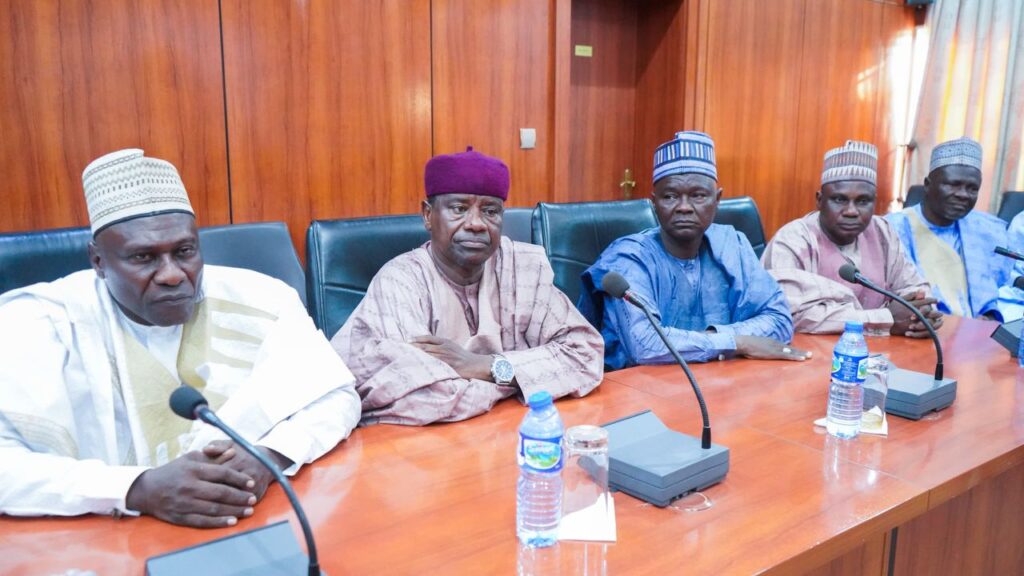
“We are here today to express our profound gratitude and thanks for this remarkable occasion. Words alone cannot adequately convey the depth of our feelings or fully capture all that we wish to say. However, we remain sincerely grateful and deeply appreciative,” Alhaji Gambo said.
He described the APC candidate as a worthy son of Gubio and expressed confidence in his future leadership.
Alhaji Gambo also acknowledged Governor Zulum’s achievements in security, infrastructure development, and governance, noting that “Zulum is succeeding,”.
The courtesy visit was attended by the APC State Chairman, Hon. Bello Ayuba; the Secretary to the State Government, Hon. Bukar Tijani; the Acting Chief of Staff, Dr. Babagana Mustapha Malumbe; commissioners, special advisers, and other government officials.
Zulum – I Will Hand Over a More Secure and Prosperous Borno to Gubio

Zulum Delivers Relief, Cash Support to 434 Ngoshe Residents Rescued from Boko Haram

DEMOCRACY AND THE COURAGE TO BELIEVE

Army Distributes Fertiliser to Farmers in Jigawa Under Civil-Military Cooperation Programme

Roger Federer’s Shock as DNA Results Reveal Myla and Charlene Are Not His Biological Children

THE PLIGHT OF FARIDA

FAILED COUP IN BURKINA FASO: HOW TRAORÉ NARROWLY ESCAPED ASSASSINATION PLOT AMID FOREIGN INTERFERENCE CLAIMS
-
 News2 years ago
Roger Federer’s Shock as DNA Results Reveal Myla and Charlene Are Not His Biological Children
-
Opinions4 years ago
THE PLIGHT OF FARIDA
-
 News1 year ago
FAILED COUP IN BURKINA FASO: HOW TRAORÉ NARROWLY ESCAPED ASSASSINATION PLOT AMID FOREIGN INTERFERENCE CLAIMS
-

 News2 years ago
EYN: Rev. Billi, Distortion of History, and The Living Tamarind Tree
-
 Opinions4 years ago
POLICE CHARGE ROOMS, A MINTING PRESS
-

 ACADEMICS2 years ago
A History of Biu” (2015) and The Lingering Bura-Pabir Question (1)
-

 Columns2 years ago
Army University Biu: There is certain interest, but certainly not from Borno.
-

 Politics1 year ago
2027: Why Hon. Midala Balami Must Go, as Youths in Hawul and Asikira/Uba Federal Constituency Reject ₦500,000 as Sallah Gift
