
News
Nigerian Army arrested hand over drug dealer and other criminals to NDLEA in Yobe

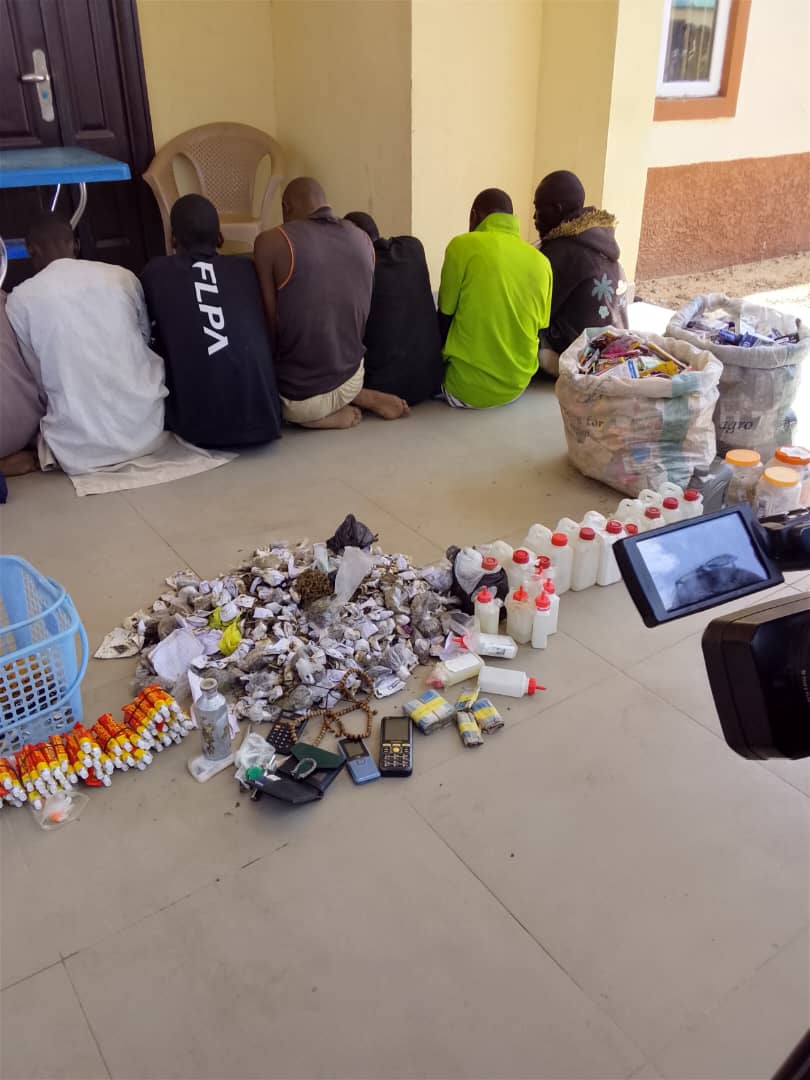
Nigerian Army arrested hand over drug dealer and other criminals to NDLEA in Yobe
By: Yahaya Wakili
In its efforts to frustrate the activities of terrorists by denying them access to illicit drugs. The 27 Task Brigade of the Nigerian Army has arrested nine drug dealers and handed them over to NDLEA.
The Army conducted a raid operation at Buni Yadi on 30th September, 2026, where they arrested 9 suspected drug dealers and recovered various substances. The substances recovered were cannabis sativa, soak-and-dye materials, master patch, tramadol, codeine, and other illicit substances.
The suspects are Hassan Ibrahim, Ahmed Muhammad Shuwa, Adam Jibril Jakadi, Musa Aga, Mohammad Muhd, Mohammed Isa Adamu, Usman Salisu, Mohammed Abiso, and Buba Kambari.
Handing over, Major A. Balogun, on behalf of the Commander, 27th Task Force Brigade, Brigadier-General M. S. Mukhtar, said, “Our commitment to the mandate of the Chief of Staff of Army Staff necessitated our effort to frustrate the activities of terrorists by denying them access to illicit drugs.”
Responding, the Deputy Commander of Operations, NDLEA, Garba Yakubu, said the exhibits we have taken over from the Nigerian Army are a result of the existing synergy between the NDLEA and the Nigerian Army.
“We will take the exhibits and suspects to our office to sort and examine the exhibits, and those found with exhibits that are prosecutable will be taken to court,” Yakubu said.
He called on the youth to engage in productive activities, instead of wasting their youthful years in taking drugs, and noted that farming is one option, because Yobe is an agrarian state, and there are vast areas of land everywhere.
“Young people can go into farming and find a means of livelihood through it; farming is far better than drug abuse because drugs only destroy their lives,” Yakubu added.
Nigerian Army arrested hand over drug dealer and other criminals to NDLEA in Yobe


News
Works Commissioner calls on APC stakeholder in Nangere to unite and work for party victory in Yobe
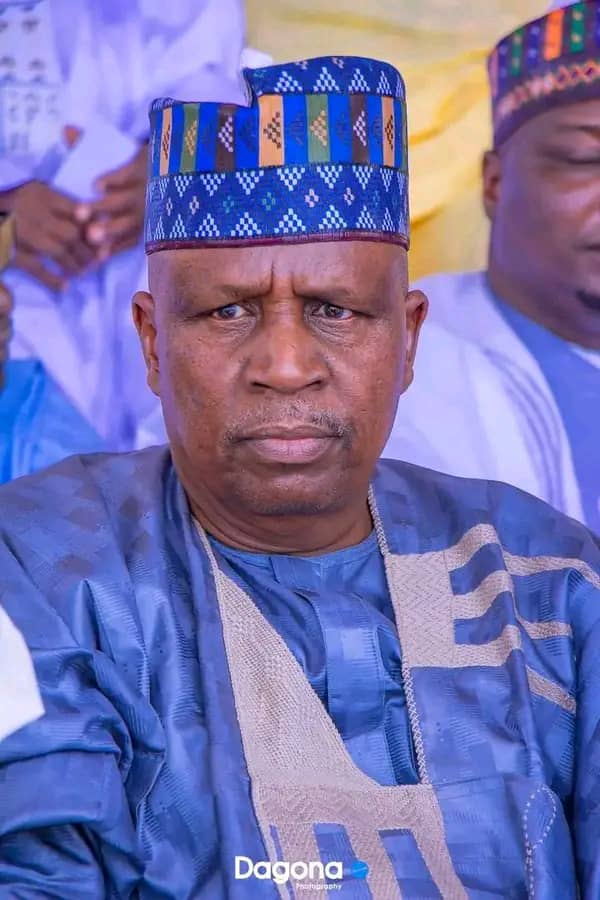
Works Commissioner calls on APC stakeholder in Nangere to unite and work for party victory in Yobe
By: Yahaya Wakili
Yobe State Commissioner for Works, Hon. Engr. Umaru Wakil Duddaye, has tasked all members of the APC and government appointees from the Nangere local government area to unite and work together to ensure victory for the party in the 2027 general elections.
Engr. Duddaye made the announcement today in Sabon Garin Nangere at a meeting of executives and all political appointees from the local government.
“Work together and reach every nook and cranny of the Nangere local government area to ensure the victory for the APC from top to bottom.” Engr. Duddaye said.
He expressed his profound gratitude to His Excellency, Governor, Hon. Dr. Mai Mala Buni CON, COMN, for the numerous developmental projects executed in the Nangere local government area.
The meeting was presided over by the Commissioner, comprising all special advisers, porcal persons, senior special advisers, special assistants, and others.
Works Commissioner calls on APC stakeholder in Nangere to unite and work for party victory in Yobe
ECOWAS Parliament Faces Funding Test as Ghana Demands Climate Action Beyond Rhetoric
…Accra deliberations put legislative oversight, national budgets and protection of displaced communities at the centre of West Africa’s climate-security response
By: Michael Mike
Ghana has urged West African governments to move beyond climate policy commitments and translate them into adequately funded programmes, stronger legislation and coordinated interventions to address environmental degradation, population displacement and insecurity across the region.
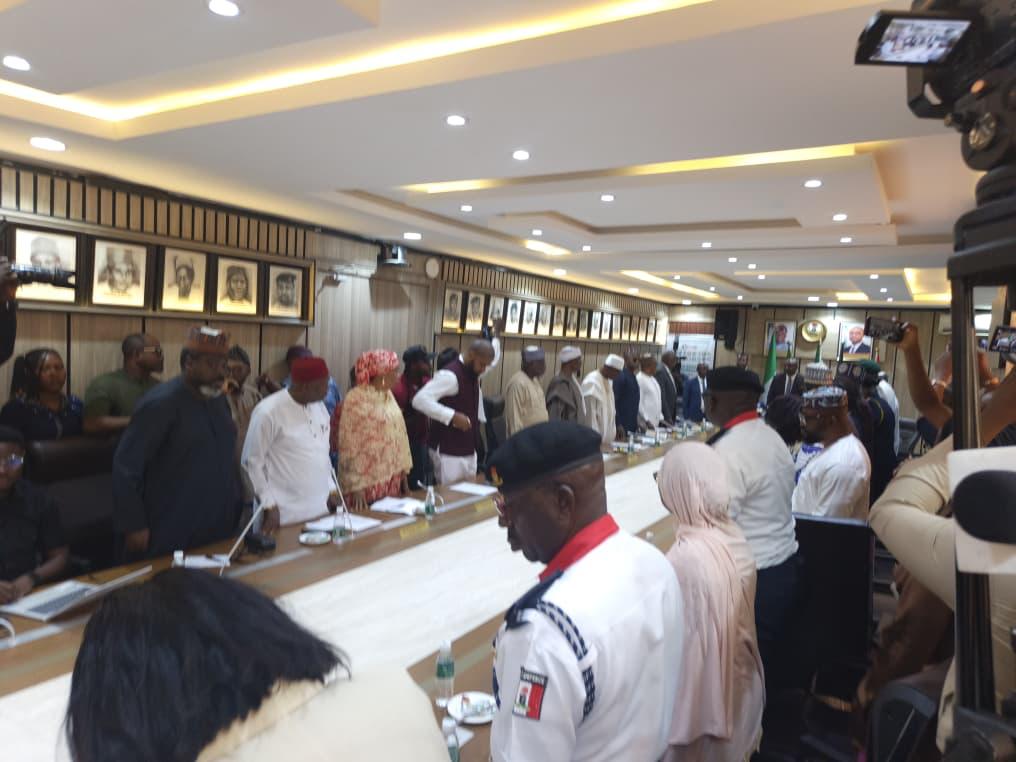
The call came as the ECOWAS Parliament opened its second 2026 Parliamentary Seminar and Second Extraordinary Session in Accra, with discussions focusing on how regional governments can strengthen climate resilience, protect vulnerable populations and prevent environmental pressures from escalating into wider humanitarian and security crises.
Representing President John Dramani Mahama at the opening ceremony, Ghana’s Vice-President, Professor Jane Naana Opoku-Agyemang, said the interconnected nature of the challenges required a coordinated regional response that addressed both immediate emergencies and their underlying causes.
She said environmental stress, insecurity and disrupted livelihoods in one part of West Africa increasingly placed pressure on communities and national systems elsewhere, making isolated national responses inadequate.
Opoku-Agyemang called for stronger early-warning systems, improved support for communities hosting displaced people, more resilient livelihoods and closer coordination across national borders.
“We need stronger early warnings, better support for host communities, more resilient livelihoods and better coordination across our borders, acting before local pressures become wider humanitarian crises,” she said.
She said Ghana was working with ECOWAS to strengthen early-warning mechanisms through improved data sharing, closer cooperation and stronger links between national and regional response systems.
The vice-president also called for greater access to climate finance and increased investment in resilient agriculture, water management, coastal protection and clean energy.
While acknowledging that ECOWAS already had frameworks addressing free movement, disaster risk reduction, climate action and early warning, she stressed that their effectiveness depended on full implementation and adequate funding.
Her remarks placed the emphasis on moving from regional commitments to practical measures capable of protecting communities and reducing the risks associated with climate-related displacement.
The Speaker of the ECOWAS Parliament, Hadja Mémounatou Ibrahima, similarly called on lawmakers to ensure that climate commitments were reflected in legislation, government budgets and concrete action.
She said climate change was increasingly affecting forests, coastlines and livelihoods while contributing to population displacement, making it necessary for national and regional policies to address the wider humanitarian and security consequences.
Ibrahima said parliamentarians had a responsibility to ensure that climate resilience policies incorporated economic, social, migratory and security concerns alongside environmental protection.
“Our role is to ensure that public policy and budgets devoted to climate resilience … contain also the humanitarian dimensions, economic, social, migratory, and security concerns,” she said.
Citing flooding along the region’s coastline, she said environmental emergencies demonstrated the interconnected nature of climate change, humanitarian challenges and insecurity.
She called for practical recommendations to protect vulnerable populations and prevent conflict, stressing the importance of translating regional and national climate commitments into measures that could be implemented.
Her intervention reinforced the importance of legislative oversight in ensuring that climate policies were supported by appropriate budgetary allocations and responsive to the needs of affected communities.
The Ghanaian Parliament also called on ECOWAS member states to strengthen legislation on environmental governance, climate adaptation, disaster preparedness and natural-resource management.
The parliament urged governments to improve protection for displaced people, refugees and host communities, while investing in economic opportunities for young people and women.
It identified climate-smart agriculture, renewable energy and entrepreneurship as areas requiring greater attention in efforts to strengthen livelihoods and help communities withstand environmental pressures.
The proposals linked climate resilience with economic participation, highlighting the need for responses that address both the immediate consequences of displacement and the vulnerabilities that leave communities exposed to environmental shocks.
The Second Deputy Speaker of the Ghanaian Parliament, Andrew Asiamah, who represented the Speaker, Alban Bagbin, said no ECOWAS member state could tackle the challenges alone.
He noted that rivers, ecosystems and environmental crimes crossed national boundaries, requiring cooperation among countries to address shared environmental threats.
Asiamah also stressed the importance of adequate financing, warning that policies without sufficient resources would remain largely aspirational.
His remarks highlighted the need for governments to match regional commitments with the financial resources required to implement them.
The Head of Ghana’s Delegation to the ECOWAS Parliament, Kweku Ricketts-Hagan, said the regional legislature had an important role to play in addressing climate change and insecurity because of its proximity to the people.
He called for a coordinated and holistic approach to the challenges, underscoring the importance of bringing regional perspectives together in developing responses to issues affecting communities across West Africa.
His position echoed the broader message of the seminar that climate-related challenges require cooperation among governments, legislators and communities, rather than fragmented interventions.
Beyond the climate and displacement discussions, the Second Extraordinary Session of the ECOWAS Parliament will consider the institution’s 2027 budget and activity programme.
The budget deliberations come as participants emphasise the importance of adequate financing in translating regional commitments into practical action.
The parliamentary seminar is being held under a theme focused on climate change, environmental degradation, population displacement and growing insecurity across the ECOWAS region.
The discussions have placed implementation, financing and legislative oversight at the centre of efforts to address the region’s interconnected challenges.
For ECOWAS lawmakers, the task is to ensure that regional commitments are translated into funded policies and coordinated interventions that protect vulnerable populations, strengthen community resilience and address the humanitarian and security consequences of environmental change.
ECOWAS Parliament Faces Funding Test as Ghana Demands Climate Action Beyond Rhetoric
UK-Backed Programme Unlocks $630m for Nigerian Businesses, Targets 21,400 Jobs
… Six-year initiative records 23 investment deals as new toolkit seeks to help firms overcome barriers to capital
By: Michael Mike
Nigeria’s drive to attract investment into its manufacturing sector has received a boost, with a United Kingdom-backed programme facilitating more than $630 million in investment across 23 businesses, while opening up its fundraising experience to other companies seeking capital to expand.
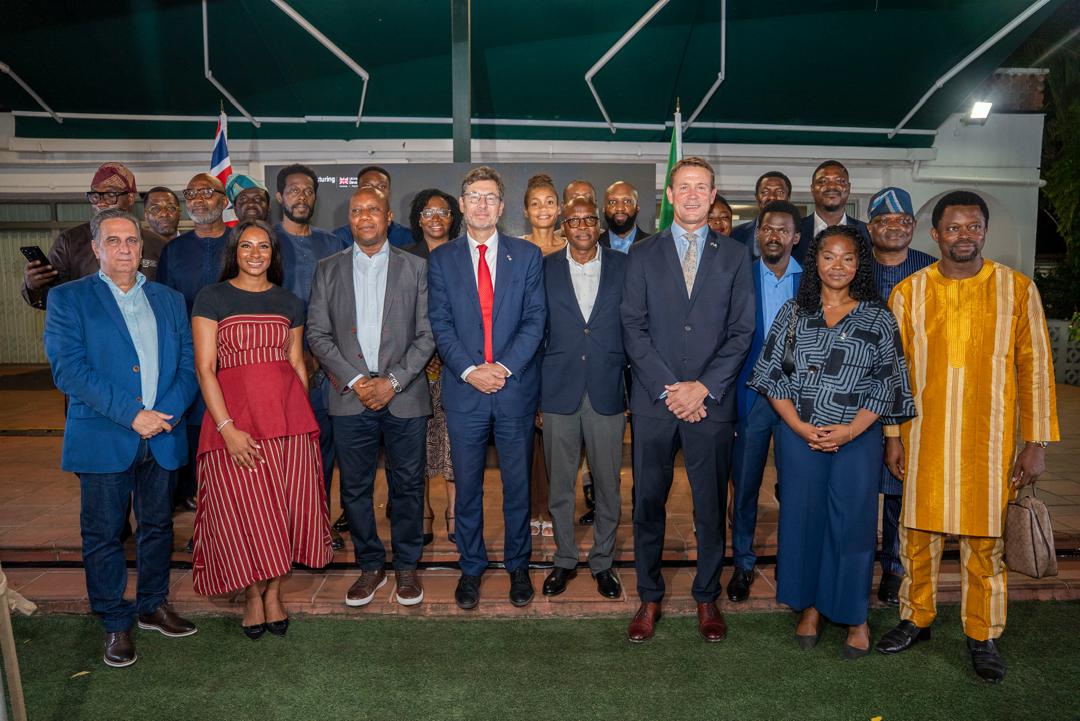
The programme, Manufacturing Africa, disclosed the figures at an investment-focused event in Lagos on Monday, where British officials, investors, business leaders and development partners gathered to assess its six-year operations in Nigeria and launch a free digital toolkit designed to help businesses secure financing.
The investment deals have the potential to create or safeguard more than 21,400 direct jobs, according to the programme, which has supported Nigerian companies in preparing for investment and navigating the process of securing capital.
The figures underscore the scale of financing that businesses can mobilise when investment facilitation is combined with practical support, even as the country continues to seek ways to expand industrial activity, attract private capital and generate employment.
But beyond celebrating completed transactions, the launch of the Fundraising Toolkit signals an effort to extend the programme’s experience to a wider pool of Nigerian enterprises, particularly those struggling to translate growth ambitions into investment-ready propositions.
The resource is intended to help businesses understand what investors require, prepare for fundraising and navigate negotiations, using practical guidance, templates and insights drawn from actual transactions across African markets.
According to the programme, the toolkit draws on more than six years of investment facilitation across Nigeria, Ethiopia, Kenya, Rwanda, Tanzania and Senegal, bringing together lessons from more than 300 investment opportunities and over 70 financial closes.
It also incorporates insights from more than 23 international investors, including development finance institutions, private equity firms and impact investors.
The programme said the material was developed from real fundraising experiences rather than theoretical investment guidance, reflecting how deals are structured, negotiated and concluded across African markets.
Speaking at the event, British Deputy High Commissioner in Lagos, Jonny Baxter, said the Nigerian businesses supported by the initiative had demonstrated the potential of investment facilitation to contribute to economic growth and employment.
Baxter said the 23 transactions had mobilised more than $630 million and had the potential to create or safeguard over 21,400 direct jobs.
He described the newly launched toolkit as a lasting legacy of the programme, saying it would enable more Nigerian businesses to access practical knowledge, investor insights and connections needed to raise capital and expand.
“The Fundraising Toolkit we launched tonight is one of the programme’s most important legacies,” he said, adding that it would continue to equip businesses with resources to attract investment beyond the programme’s operations.
He said the partnership had also strengthened economic ties between Nigeria and the UK by supporting businesses to expand, unlock investment and create employment opportunities.
British High Commissioner, Pete Vowles, said the programme’s significance lay in helping companies understand how to access commercial finance and use it to grow their operations.
Vowles said he was interested in learning how participating businesses had secured funding and how they intended to apply the new resource to support other companies.
He said the ability of businesses to share their experiences and help others access finance would be an important measure of the programme’s wider impact.
Team Leader of Manufacturing Africa, Thomas Pascoe, said the toolkit consolidated practical fundraising experience accumulated through the programme’s work with businesses across the continent.
He said the 23 Nigerian companies that reached financial close had raised close to $630 million, demonstrating the role of investment readiness, professional guidance and access to capital in helping businesses secure financing.
Pascoe said the toolkit captured approaches that had supported those fundraising journeys and was designed to help more enterprises strengthen their investment readiness and engage potential investors with greater confidence.
“Our ambition is to make this practical resource accessible to more businesses, helping them strengthen their investment readiness, engage investors with greater confidence and unlock the capital they need to grow,” he said.
Figures released by Manufacturing Africa show that the programme has supported 72 investment opportunities in Nigeria since 2019, with 23 successfully reaching financial close.
The distinction is significant: while the programme has worked with a wider pool of businesses seeking investment, the reported $630 million relates to transactions that progressed to financial close.
Across its six African markets, Manufacturing Africa said it had supported more than 300 companies and developed a pipeline of manufacturing investment opportunities worth over £12 billion.
The programme has also mobilised more than £2 billion in foreign direct investment, exceeding its original £1.2 billion target, while supporting the creation of over 150,000 direct and indirect jobs across its operations.
About 43 per cent of those jobs benefit women, according to the programme.
Funded by the UK Government through the Foreign, Commonwealth and Development Office, Manufacturing Africa was established in 2019 to promote African industrial growth by facilitating investment.
Its work in Nigeria and other participating countries has involved helping businesses prepare for investment and supporting investors in assessing opportunities, including transactions involving development finance institutions and private equity funds.
The newly launched toolkit is available free online, without registration, and is currently offered in English.
For Nigerian businesses, the programme’s next test will be whether the fundraising knowledge accumulated through its completed deals can help a broader range of enterprises secure capital, expand production and turn investment ambitions into sustainable employment.
UK-Backed Programme Unlocks $630m for Nigerian Businesses, Targets 21,400 Jobs

2027 and UNGA: Leadership, Merit, and the Tinubu–Shettima Partnership

Works Commissioner calls on APC stakeholder in Nangere to unite and work for party victory in Yobe

Nigerian Army arrested hand over drug dealer and other criminals to NDLEA in Yobe

Roger Federer’s Shock as DNA Results Reveal Myla and Charlene Are Not His Biological Children

THE PLIGHT OF FARIDA

FAILED COUP IN BURKINA FASO: HOW TRAORÉ NARROWLY ESCAPED ASSASSINATION PLOT AMID FOREIGN INTERFERENCE CLAIMS
-
 News3 years ago
Roger Federer’s Shock as DNA Results Reveal Myla and Charlene Are Not His Biological Children
-
Opinions5 years ago
THE PLIGHT OF FARIDA
-
 News1 year ago
FAILED COUP IN BURKINA FASO: HOW TRAORÉ NARROWLY ESCAPED ASSASSINATION PLOT AMID FOREIGN INTERFERENCE CLAIMS
-

 News3 years ago
EYN: Rev. Billi, Distortion of History, and The Living Tamarind Tree
-
 Opinions5 years ago
POLICE CHARGE ROOMS, A MINTING PRESS
-

 ACADEMICS3 years ago
A History of Biu” (2015) and The Lingering Bura-Pabir Question (1)
-

 Columns3 years ago
Army University Biu: There is certain interest, but certainly not from Borno.
-

 Politics1 year ago
2027: Why Hon. Midala Balami Must Go, as Youths in Hawul and Asikira/Uba Federal Constituency Reject ₦500,000 as Sallah Gift
