
News
Nigerian editors induct 36 new members into their guild, install 15 Fellows


Nigerian editors induct 36 new members into their guild, install 15 Fellows
The Nigerian Guild of Editors (NGE) has inducted 36 new members and 15 members as Fellows of the Guild.
The induction followed a Gala Night organised for the Guild by Gov. Hope Uzodimma of Imo to conclude the 18th All Nigeria Editors Conference, (ANEC) 2022 in Owerri.
In his address, Uzodimma called for stronger ties between the media and the political class to usher more development.
The governor said democracy had proven to be the best form of governance anywhere in the world.
“It is also given that for democracy to triumph, the political class and government cannot do much without the media.
“All I ask of you is the understanding of the essence of democracy in any jurisdiction.
“I ask of you to understand the need to protect our land, national interests, be focused and objective, and for us to create a convivial environment for every stakeholder to contribute to national development,” he said.
Uzodimma also urged the media and editors to change and correct the wrong perception and narratives being created about Africa by foreign media.
He expressed consternation that Nigeria’s democracy was still described as “nascent’’ even after many years of uninterrupted democracy.
“I want to plead with you to take courage; it may not look like what you are expecting, but there is hope for Nigeria.
“We must stop spending money and energy lamenting on the nation’s problems, but rather proffer solutions,’’ he stressed.
The governor, who described himself as “the most blackmailed politician in Nigeria’’ also called for objective thinking and reportage as well as constructive criticism of his administration.
In his remarks, President of the Guild, Mr Mustapha Isah commended the lofty projects executed by the governor, particularly the Owerri-Orlu Road, Owerri-Okigwe Road, and the state House of Assembly complex.
Isah urged the governor to remain focused and disregard the antics of detractors.
The president also advised the governor to spread the money of the state in providing for the elderly people.
Speaking on their observations after a tour of projects executed by Uzodimma, a Fellow of the Guild, Ms Ajayi Gbadebo, urged the governor to sustain his tempo of development.
Gbadebo, who lauded the road infrastructure, particularly around Imo State Polytechnic, Omuma, appealed to the governor to ensure that water runs at the teaching hospital in Orlu.
The Executive Director of DAAR Communications Plc., Mr Imoni Amarere, shared Gbadebo’s views.
He urged the governor to sustain efforts in developing the rural areas.
The News Agency of Nigeria (NAN) reports that the inducted Fellows of the Guild included former NAN Editor-in-Chief, Mr Alli Hakeem and Dr Reuben Abati, former Special Adviser (Media and Publicity), to former President Goodluck Jonathan.
Some others are former Managing Editor of New Nigerian Newspapers, His Royal Highness Victor Awogu and Lagos State’s Commissioner for Information and Strategy, Mr Gbenga Omotoso.
Nigerian editors induct 36 new members into their guild, install 15 Fellows


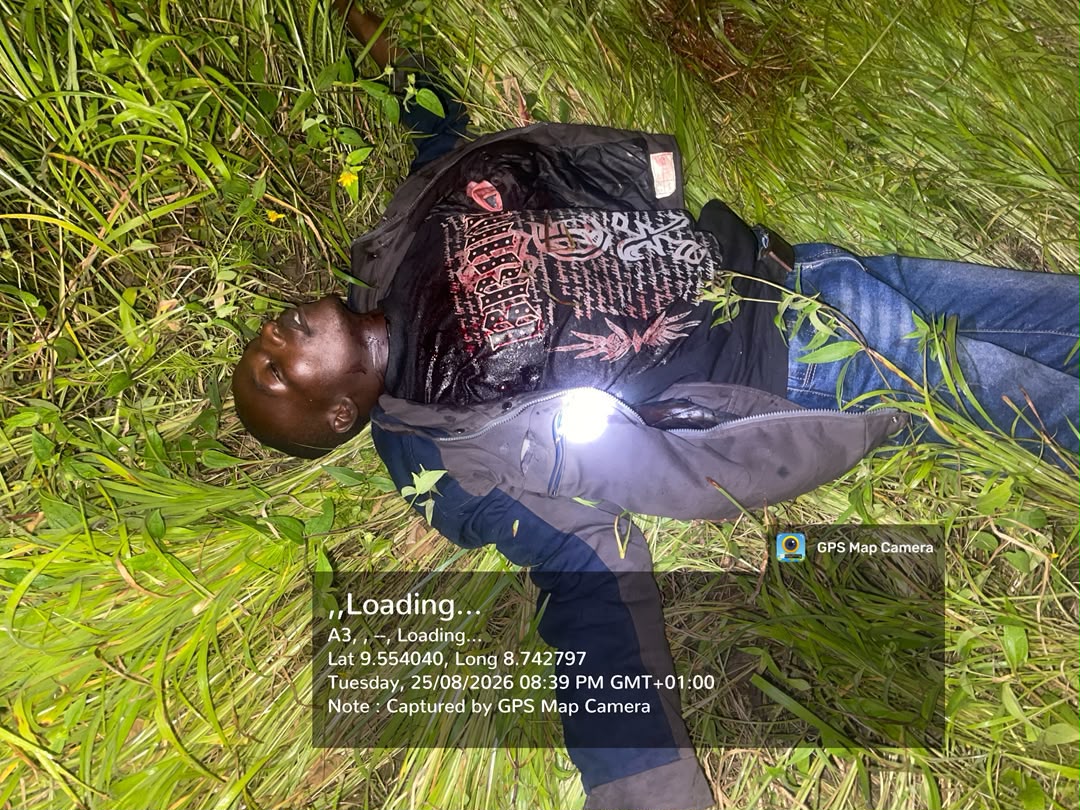
Troops foil attack on Rim community, three killed in Gwarim, Plateau
By: Zagazola Makama
Nigerian troops have foiled an attack on Rim community in Riyom Local Government Area of Plateau State, while three residents were reportedly killed in a separate incident at nearby Gwarim community.
Security sources told Zagazola Makama that the incident occurred on Tuesday, Aug. 25, when troops deployed in the area responded to an attack on Rim community at about 6:08 p.m.
The troops engaged the attackers and successfully repelled the assault without any casualty among the personnel or members of the community.
However, at about 6:46 p.m., the troops responded to another report of gunfire at Gwarim community, also in Riyom LGA.
On arrival at the location, the troops discovered the bodies of three residents who had been killed while reportedly keeping watch in the bush outside the community.
The corpses of the victims were recovered and subsequently handed over to members of the community for further necessary action.
The troops have since intensified patrols and are dominating the area in an effort to locate and apprehend the perpetrators.
The latest incidents come amid heightened security concerns in parts of Plateau State, particularly communities around Riyom and neighbouring areas.
Troops foil attack on Rim community, three killed in Gwarim, Plateau
Operation Savannah Shield troops foil attempted kidnapping of farmers in Niger
By: Zagazola Makama
Troops of Operation Savannah Shield have foiled an attempt by suspected terrorists to kidnap farmers at their farmlands in Tudun Harara village, Mariga Local Government Area of Niger State.
The incident occurred at about 11:30 a.m. on Aug. 25, 2026, when troops of the NATRAC Administrative Battalion, Forward Operating Base (FOB) Kotonkoro, responded to a distress report on the attempted abduction.
Security sources told Zagazola Makama that the troops engaged the terrorists upon arrival, forcing them to withdraw into the surrounding forest.
During the encounter, the fleeing terrorists abandoned a motorcycle, which was recovered by the troops.
The operation is part of ongoing efforts by security forces to protect farming communities and deny criminal elements freedom of action across Niger State.
Operation Savannah Shield troops foil attempted kidnapping of farmers in Niger
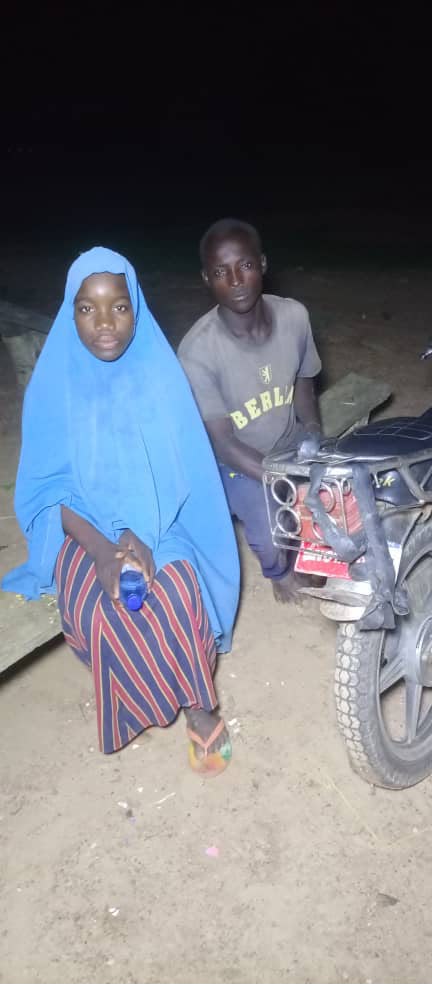
Operation Fansan Yamma troops foil ransom exchange, rescue kidnapped woman in Kebbi
By: Zagazola Makama
Troops of Sector 2, Operation Fansan Yamma, have rescued a kidnapped woman and disrupted a planned ransom exchange in Danko-Wasagu Local Government Area of Kebbi State.
The troops, conducting counter-terrorism and anti-banditry operations in the state, carried out the successful operation on Aug. 26, 2026, following credible intelligence on the planned ransom payment.
Zagazola Makama gathered from security sources that the victim had been abducted from her farm sometime last month, while the criminals were preparing to collect ransom in exchange for her release.
Acting on the intelligence, the troops swiftly mobilised to intercept the transaction.
Sources said the criminals attempted to engage the advancing troops after sighting them but were overwhelmed by the troops’ superior firepower.
The bandits subsequently fled in disarray, abandoning the hostage, who was immediately secured by the troops.
The victim was found unharmed and later transported to safety before being reunited with her family in Danko-Wasagu LGA.
Following the rescue, the troops conducted a thorough exploitation of the withdrawal route to ensure that the area was fully secured before returning to base.
In a related operation, the troops also conducted clearance and dominance patrols in Ngaski Local Government Area as part of efforts to maintain peace and deny criminal elements freedom of movement.
The patrols were completed without incident, further strengthening security presence and reassuring residents in the affected communities.
Operation Fansan Yamma troops foil ransom exchange, rescue kidnapped woman in Kebbi

Troops foil attack on Rim community, three killed in Gwarim, Plateau

Operation Savannah Shield troops foil attempted kidnapping of farmers in Niger

Army troops recover 97 rustled livestock, hand them over to owners in Kano

Roger Federer’s Shock as DNA Results Reveal Myla and Charlene Are Not His Biological Children

THE PLIGHT OF FARIDA

FAILED COUP IN BURKINA FASO: HOW TRAORÉ NARROWLY ESCAPED ASSASSINATION PLOT AMID FOREIGN INTERFERENCE CLAIMS
-
 News2 years ago
Roger Federer’s Shock as DNA Results Reveal Myla and Charlene Are Not His Biological Children
-
Opinions5 years ago
THE PLIGHT OF FARIDA
-
 News1 year ago
FAILED COUP IN BURKINA FASO: HOW TRAORÉ NARROWLY ESCAPED ASSASSINATION PLOT AMID FOREIGN INTERFERENCE CLAIMS
-

 News2 years ago
EYN: Rev. Billi, Distortion of History, and The Living Tamarind Tree
-
 Opinions5 years ago
POLICE CHARGE ROOMS, A MINTING PRESS
-

 ACADEMICS3 years ago
A History of Biu” (2015) and The Lingering Bura-Pabir Question (1)
-

 Columns2 years ago
Army University Biu: There is certain interest, but certainly not from Borno.
-

 Politics1 year ago
2027: Why Hon. Midala Balami Must Go, as Youths in Hawul and Asikira/Uba Federal Constituency Reject ₦500,000 as Sallah Gift
