Features/Analysis
Nigeria’s Minister of Agriculture and Food Security, Sen. Abubakar Kyari: A Strategic Leadership for Global Agricultural Governance

Nigeria’s Minister of Agriculture and Food Security, Sen. Abubakar Kyari: A Strategic Leadership for Global Agricultural Governance
By: Dr. James Bwala
On February 10, 2026, during the 49th Session of the International Fund for Agricultural Development (IFAD) Governing Council Meeting in Rome, Italy, Nigeria’s Minister of Agriculture and Food Security, Sen. Abubakar Kyari, CON, ascended to the prestigious role of Chairperson of the Governing Council of IFAD. This appointment marks a significant moment not only in Sen. Kyari’s career but also symbolically represents Nigeria’s emerging prominence on the global agricultural stage. His election can be interpreted as a reflection of both personal merit and broader geopolitical shifts within agricultural governance, particularly concerning food security and rural poverty alleviation.
The International Fund for Agricultural Development, a specialized agency of the United Nations, is dedicated to eradicating rural poverty and strengthening food systems worldwide through targeted investments and partnerships. With the world grappling with unprecedented challenges such as climate change, economic instability, conflict, and demographic shifts, the need for effective leadership in agricultural governance has never been more urgent. Sen. Kyari’s previous experience as vice chair of the governing council positions him uniquely to leverage his understanding of IFAD’s operational framework to foster innovative solutions that address these pressing issues.
READ ALSO: https://newsng.ng/distinguished-senator-abubakar-kyari-a-leader-in-his-season/
Sen. Kyari, upon accepting his new responsibility, expressed a commitment to lead with humility, fairness, inclusiveness, and strategic foresight. He emphasized the importance of consensus-building and maintaining the integrity of IFAD. This foundational philosophy is pivotal, especially in a time when global agricultural policies are often polarized and contentious. His approach underscores that effective leadership must prioritize collaboration over division, which is essential for developing comprehensive strategies tailored to tackle the multifaceted challenges facing the agricultural sector today.

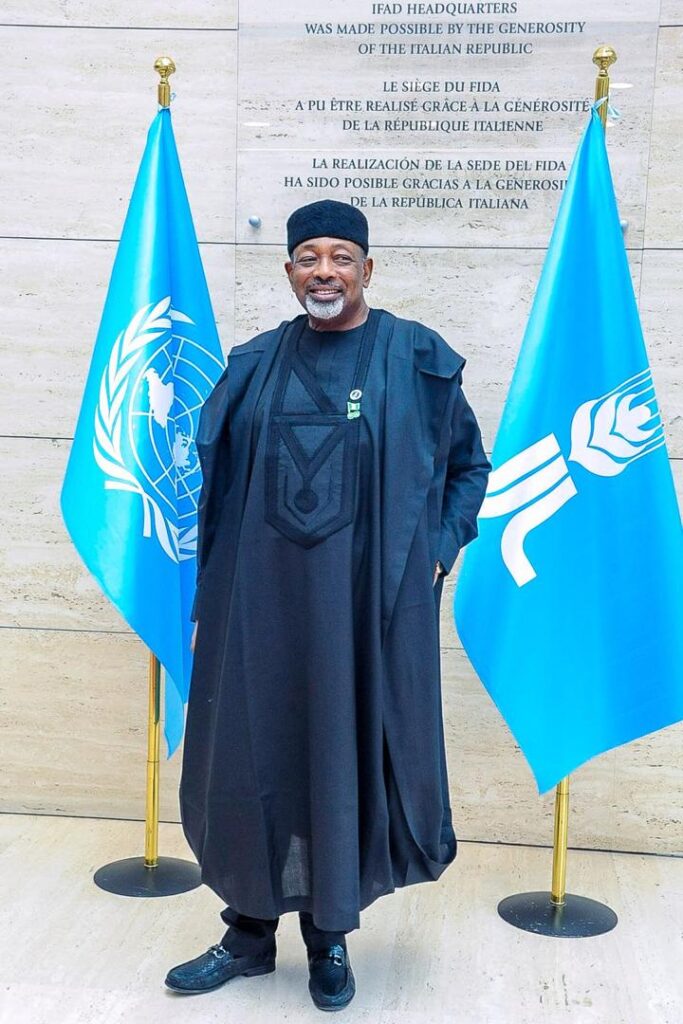
The minister acknowledged the backing of key figures within Nigeria’s agricultural hierarchy, including the Minister of State for Agriculture and Food Security, Sen. Dr. Aliyu Sabi Abdullahi, CON, and the Permanent Secretary, Engr. Dr. Marcus Olaniyi Ogunbiyi, FNSE. Such collaborative leadership is vital for advancing Nigeria’s agenda on food security, aligning with President Bola Ahmed Tinubu’s Renewed Hope Agenda. This agenda not only emphasizes agricultural transformation but also seeks to strengthen domestic reforms that enhance Nigeria’s position in global food security governance. Consequently, Sen. Kyari’s election as chairperson is an endorsement of Nigeria’s ongoing efforts to elevate its voice in critical international dialogues about food systems and sustainability.
In the current climate of adversity—characterized by climate variability, fluctuating market prices, and geopolitical tensions—the appointment of an African leader to such a significant role at IFAD is both timely and necessary. Sen. Kyari’s election reflects a growing recognition of Africa’s capacity to lead conversations on agricultural governance, especially given the continent’s unique challenges and opportunities. His leadership could pave the way for innovative, region-specific solutions that prioritize resilience and inclusivity, addressing not just food security but also the economic empowerment of rural communities.
READ ALSO: https://newsng.ng/distinguished-senator-abubakar-kyari-a-leader-in-his-season/
As Senator Abubakar Kyari begins his tenure, he faces the dual challenge and opportunity of steering the IFAD towards policies that are both policy-driven and impact-focused. The imperative for responsive agricultural policies has never been more pronounced, particularly in light of the COVID-19 pandemic, which unmasked vulnerabilities in food systems worldwide. Approaches that champion inclusive growth opportunities for marginalized populations can work harmoniously with sustainable development goals, creating a blueprint for a robust agricultural future.

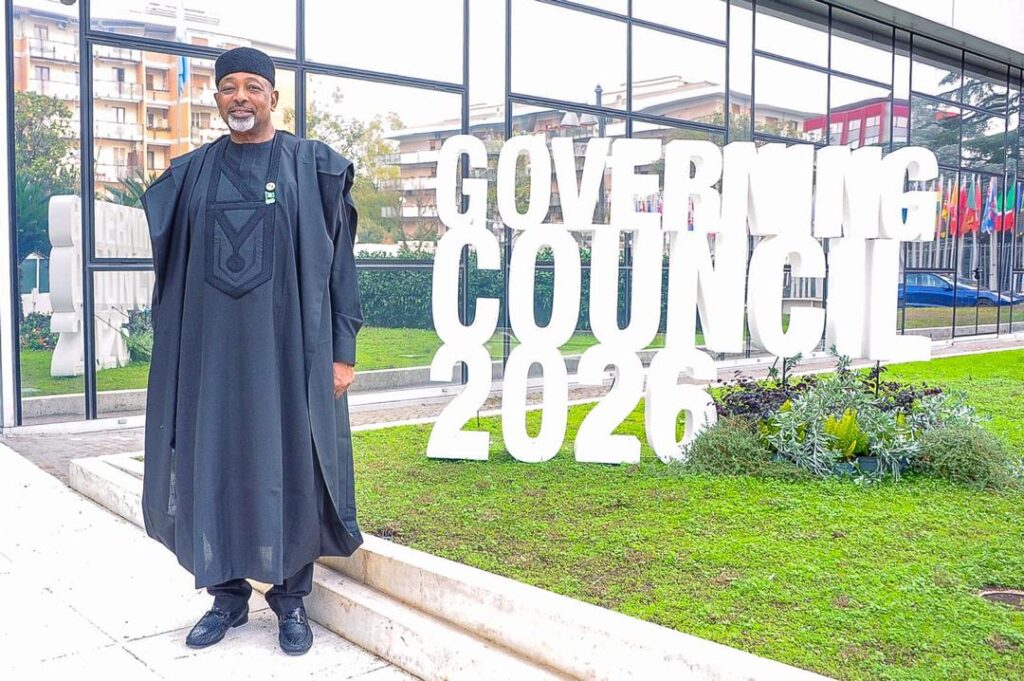
The newly elected Chairperson has asserted his intention to work diligently with Member States to advance rural transformation and global food security. This vision aligns impeccably with the creation of resilient agricultural systems capable of withstanding shocks, ensuring continuity in food supply chains, and safeguarding against the adverse effects of changing climatic conditions. His commitment to fostering forward-thinking policies, underpinned by research and innovation, will undoubtedly inspire stakeholders to collaborate in developing initiatives that bolster agricultural productivity, empower farmers, and ultimately contribute to poverty reduction.
Additionally, it is essential to focus on the long-term implications of Sen. Kyari’s role at IFAD on Nigeria and the broader African continent. His election could catalyze increased investment and attention towards African agricultural practices, empowering local farmers and enhancing agricultural research and development. By championing initiatives that embrace technology and innovation, such as smart agriculture and sustainable practices, this leadership can usher in a new era for African agriculture—one that is resilient, competitive, and recognized on the global stage.
The integration of environmentally sustainable practices into agricultural initiatives will be another crucial area of focus for Senator Abubakar Kyari. Climate change presents a formidable challenge to food security, and agricultural policies must evolve to mitigate these risks. The introduction of agro-ecological practices, investment in renewable energies within the agricultural sector, and promoting biodiversity could become central tenets of his strategy. By prioritizing sustainability, Senator Kyari can lead IFAD into a future where agricultural productivity does not compromise the health of ecosystems or the livelihoods of future generations.
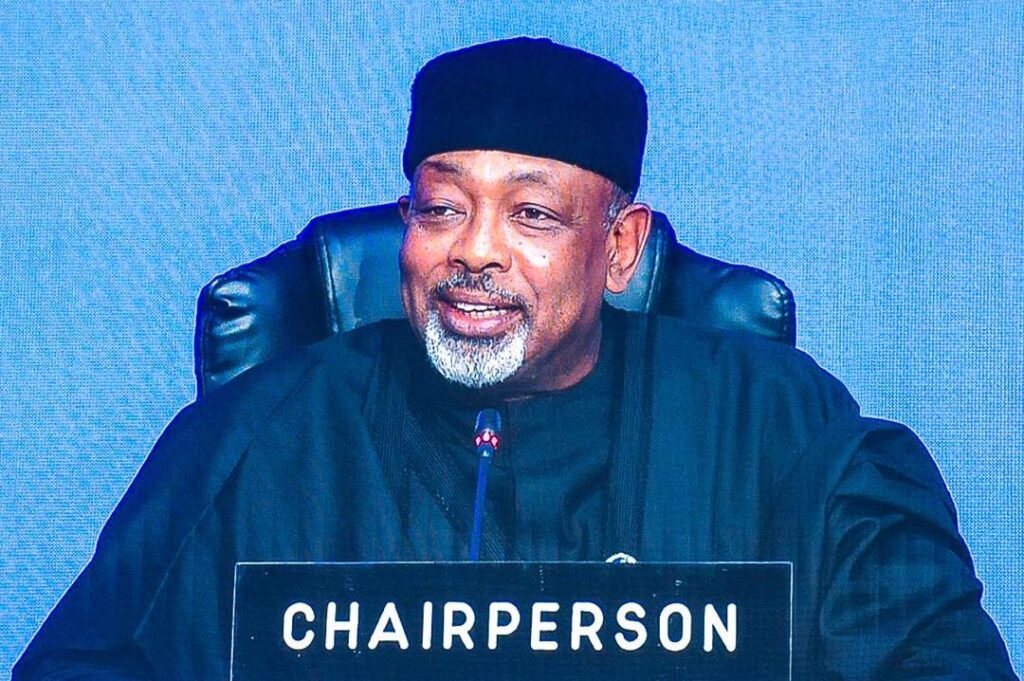
Furthermore, the current global economic climate, marked by unpredictability, necessitates a profound reevaluation of traditional agricultural practices. The volatility caused by internal conflicts, trade disputes, and supply chain disruptions demands agile and adaptive strategies. Under Senator Abubakar Kyari’s guidance, IFAD can pivot towards building frameworks that enhance food sovereignty, engage local communities in decision-making processes, and promote regional cooperation among member states. Such efforts are critical in developing agricultural sectors that are self-sufficient and resilient to external shocks.
Senator Abubakar Kyari’s presence at the helm of IFAD serves as a beacon of hope for millions affected by rural poverty. His leadership promises to amplify the voices of those often overlooked in agricultural discussions—smallholder farmers, women, and youth—ensuring their needs and aspirations are prioritized in policy frameworks. Inclusion is not just a moral imperative; it is fundamental to crafting policies that yield tangible results and foster sustainable development.
READ ALSO: https://newsng.ng/distinguished-senator-abubakar-kyari-a-leader-in-his-season/
Indeed, Senator Abubakar Kyari’s election as Chairperson of the Governing Council of IFAD presents a watershed moment for Nigeria and Africa at large. His leadership embodies a strategic shift towards inclusive and sustainable agricultural governance amidst evolving global challenges. With a commitment to fairness, consensus-building, and visionary policy-making, Senator Kyari stands poised to steer IFAD toward impactful initiatives that address the pressing realities of food security and rural transformation. As Nigeria continues to assert itself on the global stage, Kyari’s tenure represents an opportunity not only for national progress but also for redefining agricultural pathways across the African continent and beyond.
* James Bwala, PhD, writes from Abuja.
Nigeria’s Minister of Agriculture and Food Security, Sen. Abubakar Kyari: A Strategic Leadership for Global Agricultural Governance