
News
Nigeria’s painful silence and selective outrage that fuels division

Nigeria’s painful silence and selective outrage that fuels division
By: Zagazola Makama
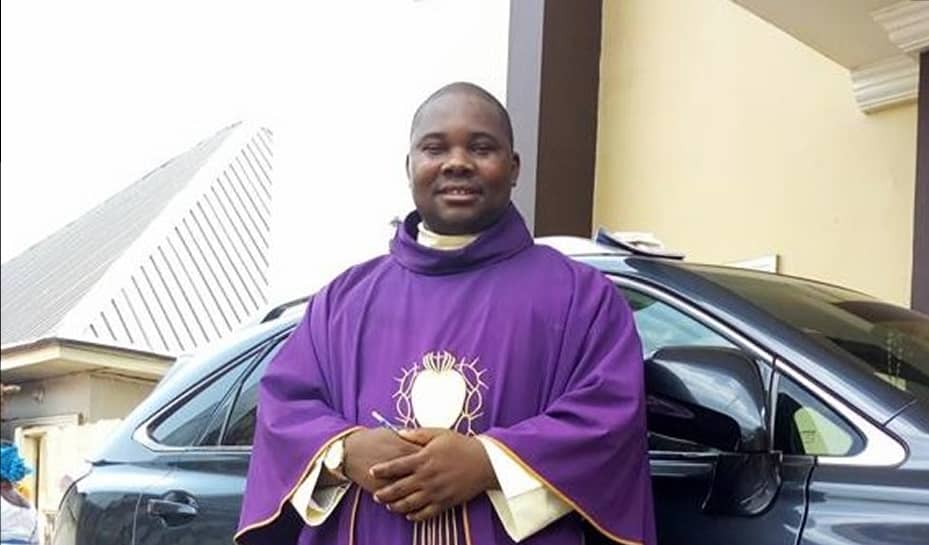
Three months ago, two Catholic priests Fr. John Igwebueze and Fr. Matthew Eya of the Catholic Diocese of Nsukka, Enugu State were brutally murdered by armed members of the proscribed IPOB/ESN group, widely referred to as “Unknown Gunmen.” Their killers did not hide. They claimed responsibility. There was no ambiguity, no attempt to shift blame, no opportunity to invoke the usual scapegoats. And yet, the country remained disturbingly quiet.
There were no trending hashtags, no loud condemnations from pulpits, no fiery commentaries from activists, and no international calls for inquiries. The Catholic Diocese of Nsukka buried the slain priests quietly without protest marches, vigils, or the global attention that similar tragedies have elicited in the past.
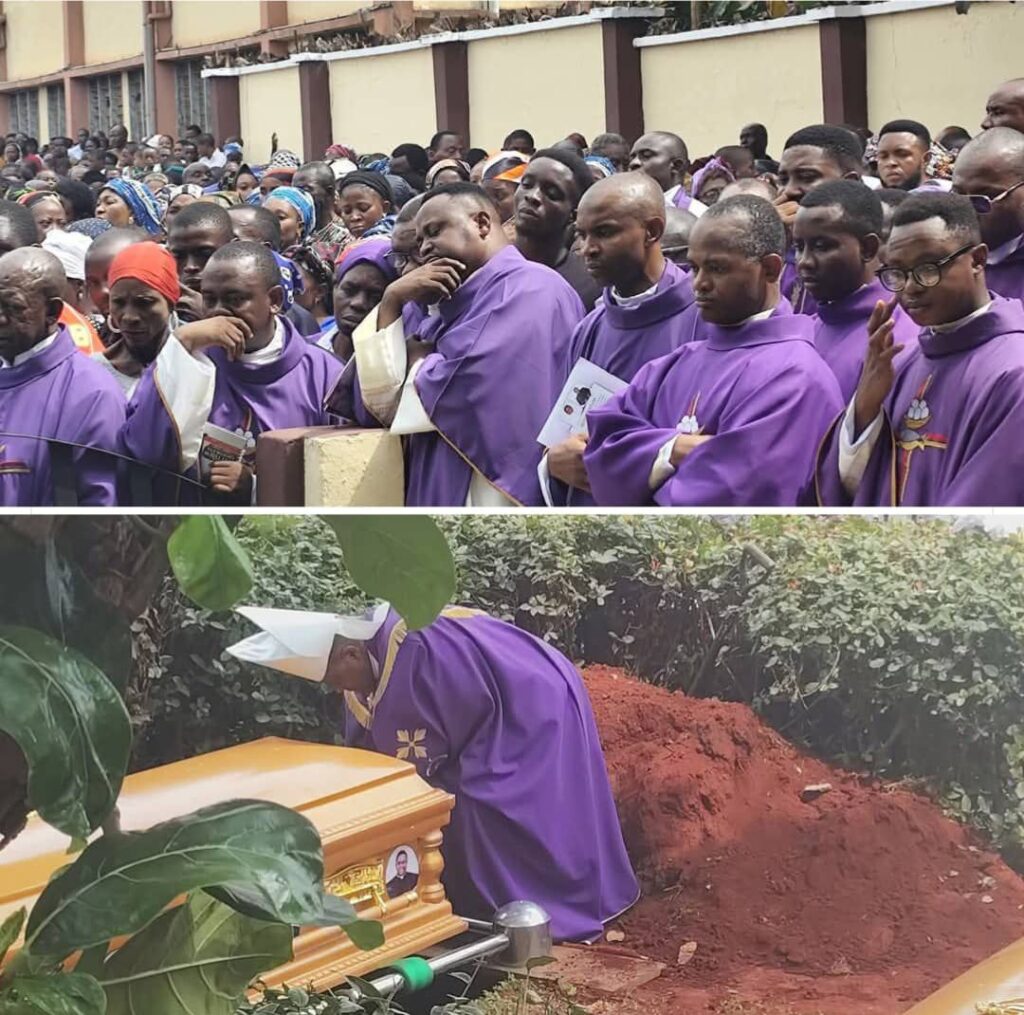
Even the Christian Association of Nigeria (CAN) has remained silent, offering no statement or call for international attention from Donald Trump or US Senator Ted Cruz since the attackers were not those they wanted to carry out the crimes. They are IPOB. During the burial, most media houses did not amplify the incident because it could not serve as fuel for the usual narratives.
International actors who regularly spotlight religion-related violence in Nigeria remained silent. There were no statements from groups in the United States or Europe. No congressional letters. No tweets from Christian lobby networks. No protests. Why? Because the attackers were not the preferred villains.
Bishop Wilfred Chikpa Anagbe of the Catholic Diocese of Makurdi who is one of the persons at the centre of the row between the United States (US) and Nigeria over alleged genocide against Christians in Nigeria, kept mum about this one.
This silence has once again exposed a painful reality in Nigeria’s narrative landscape: outrage often depends on who the perpetrator is, not on the value of the lives lost.
Ordinarily, the killing of Catholic clergy would spark national outrage. But this time, many of those who typically amplify such tragedies chose silence. The reason is painfully clear: since the perpetrators were not Fulani herdsmen the incident did not fit into the long-maintained narrative of “Christian genocide.”
Some clerics who routinely denounce attacks when they can be linked rightly or wrongly to Fulani herders avoided the subject. Until the burial, No high-profile Christian leaders issued statements.
In recent years, IPOB/ESN elements who are overwhelmingly Christians have carried out hundreds of assassinations, destroyed security formations, attacked civilians, extorted communities, and imposed illegal sit-at-home orders that have crippled the South East economy. Markets, transport systems, schools, farms, and small businesses have been devastated. Many families have been displaced. Yet, the loudest voices in Nigeria’s activist circles, civil society, and religious communities rarely connect these pains to IPOB terrorism. Even if it is glaringly that they committed the crime, they are often labelled as unknown gunmen.
In fact, a recent viral video showed IPOB elements attempting to stage-manage footage to implicate Fulani herders an intentional propaganda move to sustain their preferred narrative.
Meanwhile, evidence shows that extremists and criminals exist in every community Fulani, Igbo, Yoruba, Kanuri, Tiv, and others. While it is true that some Fulani-linked terrorists and bandit groups have committed horrific killings targeting Muslims, Christians, and people of other ethnic background, this does not justify labeling an entire ethnic group as violent. What Nigeria is witnessing today is not just violence it is a moral crisis.
Some people appear emotionally invested in associating crimes with certain groups. They find satisfaction in tragedy only when it confirms their prejudices. They amplify stories only when they can use them to demonize entire communities. And when the narrative does not fit what they want, they remain silent. This selective empathy not only destroys trust; it fuels hatred and deepens divides.
And when we generalize wrongdoing, when we blame millions for the crimes of a few, when we rejoice because a tragedy fits our bias, we become participants in violence psychologically, morally, and socially.
If Nigeria will ever heal, then our outrage must be consistent, our empathy must be unconditional, and our condemnation must be unbiased. We must mourn victims equally.
We must call out terrorists by their names, not by our preferred narratives. We must reject propaganda designed to pit Nigerians against one another. These values are the foundation of a nation that seeks peace, justice, and unity.
Until we abandon selective outrage, Nigeria will continue to bleed, not just from bullets, but from a poisoned conscience.
Nigeria’s painful silence and selective outrage that fuels division


Military
Mutiny: Presidential Guard Tightens Security Around Niger Presidency Amid Reports of Military Protest
Mutiny: Presidential Guard Tightens Security Around Niger Presidency Amid Reports of Military Protest
By Zagazola Makama
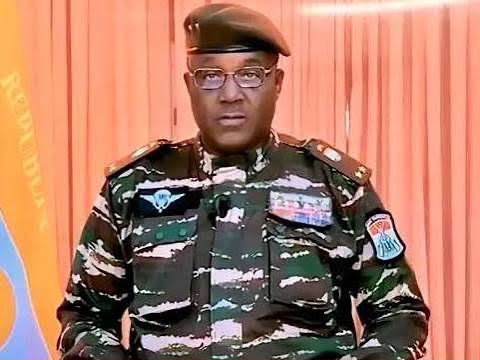
Security was significantly reinforced around Niger’s Presidential Palace in Niamey following reports of unrest involving elements of the country’s armed forces, security sources told Zagazola Makama.
According to multiple security sources, the heightened deployment of the Presidential Guard, supported by armoured vehicles around the Presidential Palace on the night of July 3 and into July 4, followed what was described as a limited protest by personnel of an armoured unit within the Niger Armed Forces (FAN).
The sources said some soldiers reportedly declined deployment to frontline positions in northern Tillabéri Region, particularly around Inatès and Chinagodrar, citing inadequate heavy equipment and insufficient operational resources to confront the growing security threats in the area.
The protest was described by one source as a “small mutiny,” although there has been no official confirmation from the Nigerien authorities.
Security sources said the development triggered concern within the country’s leadership, prompting the reinforcement of security around the Presidential Palace and temporary restrictions on movement in the surrounding area as a precautionary measure.
The Tillabéri Region remains one of Niger’s most volatile security zones, with recurrent attacks by armed extremist groups, including factions linked to the so-called Islamic State in the Greater Sahara (ISGS).
As of the time of filing this report, the Nigerien government and military authorities had not issued any official statement regarding the reported protest or the increased security presence around the Presidency.
The situation remains under close observation.
Mutiny: Presidential Guard Tightens Security Around Niger Presidency Amid Reports of Military Protest
Two suspected criminals arrested during patrol in Plateau
By: Zagazola Makama
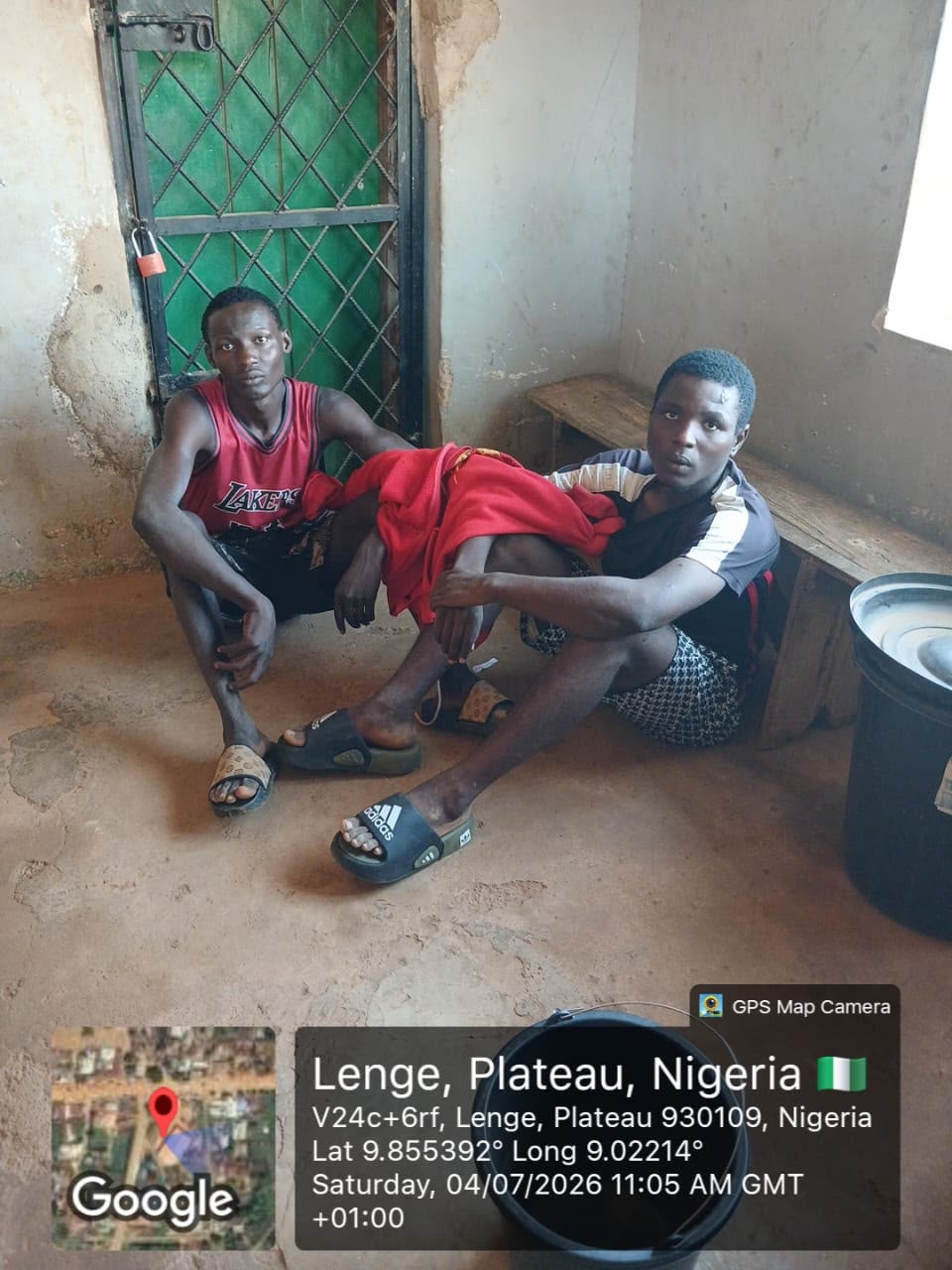
Troops of Sector 1 under Operation Enduring Peace have arrested two suspected criminals during a routine patrol in Jos East Local Government Area of Plateau.
Security sources disclosed that the suspects, identified as Azi Ezekiel, 21, and Ajiji Emmanuel, 19, were apprehended at about 10:30 a.m. on Saturday along the road leading to Forbur Village.
The sources said the suspects were intercepted by troops of Sector 1, Sub-Sector 12, while conducting a routine patrol in the area.
According to the sources, the two suspects have been handed over to the Keystone Police Station in Forbur for further investigation and possible prosecution.
The arrest forms part of ongoing security operations aimed at combating criminal activities and enhancing safety across Plateau State.
Two suspected criminals arrested during patrol in Plateau
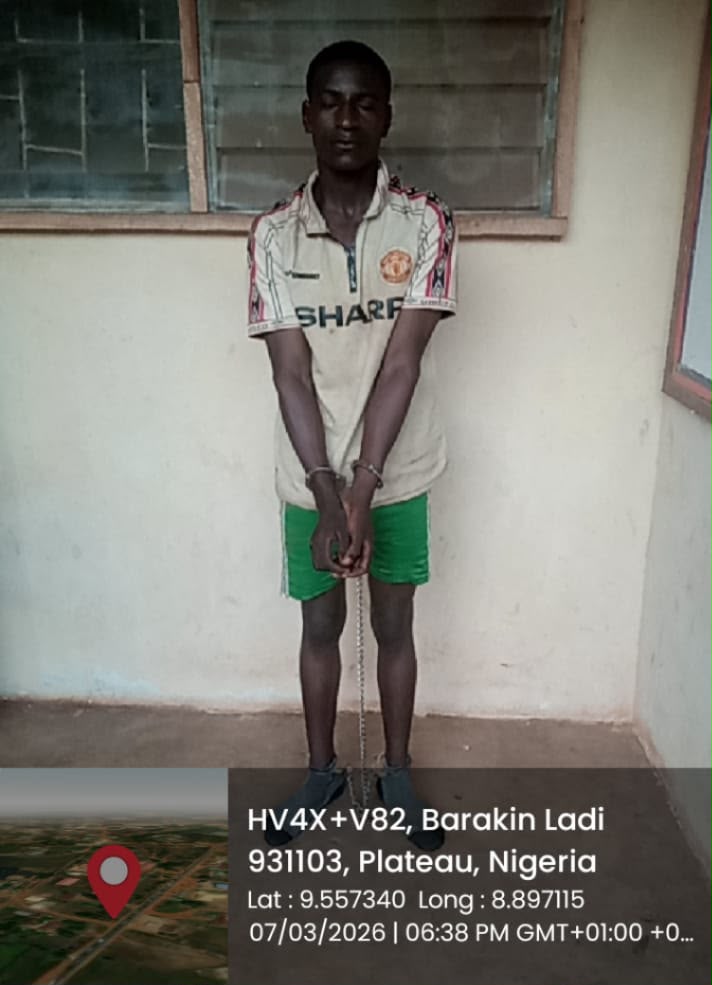
Troops arrest suspected kidnapper in Plateau community
By: Zagazola Makama
Troops of Sector 4 of Operation Enduring Peace have arrested a suspected kidnapper during a security operation in Barkin Ladi Local Government Area of Plateau.
Security sources said the suspect, identified as Mohamdu Surajo, 29, was arrested at about 6:45 p.m. on Friday at Sabon Layi Village following sustained security operations in the area.
The sources disclosed that the suspect is currently in military custody and is undergoing preliminary interrogation to aid ongoing investigations.
They added that the arrest is part of continued efforts by security forces to dismantle criminal networks and enhance security across Plateau State.
Troops arrest suspected kidnapper in Plateau community

President Tinubu Flags Off the Construction of Dikwa–Gamboru Ngala, Bama–Banki International Road Projects

Mutiny: Presidential Guard Tightens Security Around Niger Presidency Amid Reports of Military Protest

Troops Arrest Two Suspected Berom Militia Linked to NIPSS Attack as Security Sources Say Investigation Supports Earlier Leads

Roger Federer’s Shock as DNA Results Reveal Myla and Charlene Are Not His Biological Children

THE PLIGHT OF FARIDA

FAILED COUP IN BURKINA FASO: HOW TRAORÉ NARROWLY ESCAPED ASSASSINATION PLOT AMID FOREIGN INTERFERENCE CLAIMS
-
 News2 years ago
Roger Federer’s Shock as DNA Results Reveal Myla and Charlene Are Not His Biological Children
-
Opinions4 years ago
THE PLIGHT OF FARIDA
-
 News1 year ago
FAILED COUP IN BURKINA FASO: HOW TRAORÉ NARROWLY ESCAPED ASSASSINATION PLOT AMID FOREIGN INTERFERENCE CLAIMS
-

 News2 years ago
EYN: Rev. Billi, Distortion of History, and The Living Tamarind Tree
-
 Opinions5 years ago
POLICE CHARGE ROOMS, A MINTING PRESS
-

 ACADEMICS2 years ago
A History of Biu” (2015) and The Lingering Bura-Pabir Question (1)
-

 Columns2 years ago
Army University Biu: There is certain interest, but certainly not from Borno.
-

 Politics1 year ago
2027: Why Hon. Midala Balami Must Go, as Youths in Hawul and Asikira/Uba Federal Constituency Reject ₦500,000 as Sallah Gift
