
News
Noma: MSF Demands Primary Healthcare Integration as 40 Children Undergo Surgery in Sokoto

Noma: MSF Demands Primary Healthcare Integration as 40 Children Undergo Surgery in Sokoto
By: Michael Mike
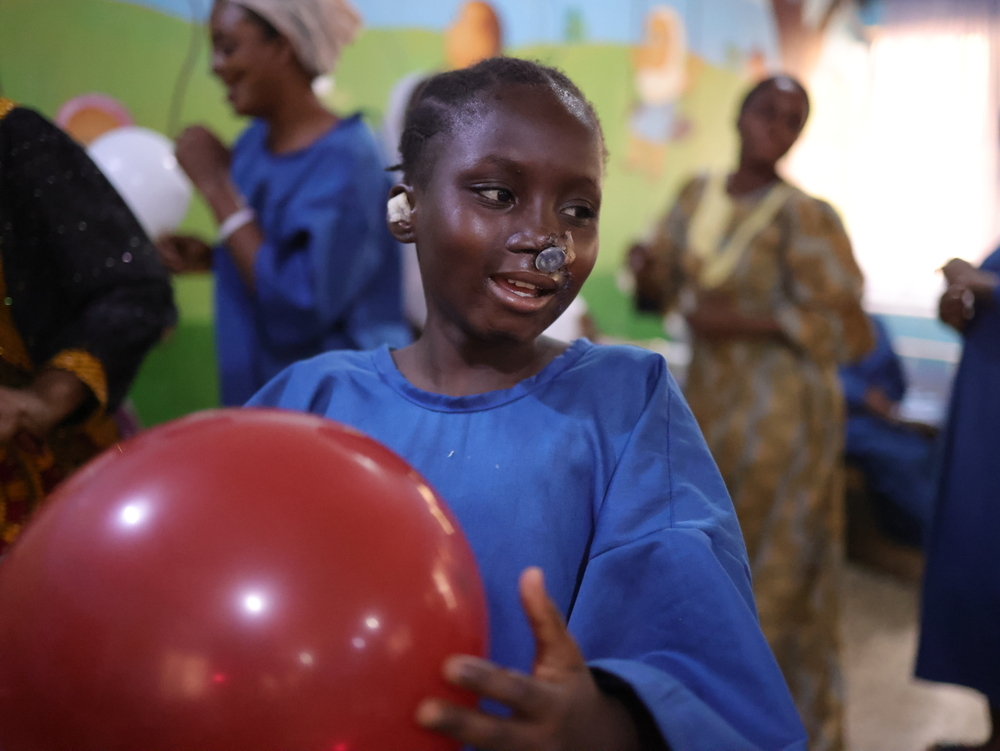
Forty children are set to undergo reconstructive surgery in Sokoto as Médecins Sans Frontières (MSF) renews its demand for the urgent integration of noma prevention, diagnosis and treatment into Nigeria’s primary healthcare system.
The appeal came as the Sokoto State Ministry of Health’s Noma Hospital began its final surgical intervention for 2026, highlighting both the life-changing work being done at the facility and the failure of the wider health system to detect and treat the disease before it causes irreversible damage.
Noma is a rapidly advancing, non-contagious disease that attacks the mouth and face, destroying soft tissue and bone within days. It is largely preventable, treatable in its early stages and closely linked to extreme poverty, malnutrition, poor oral hygiene, inadequate immunisation and limited access to healthcare.
MSF said untreated noma kills between 70 and 90 per cent of those affected. Children who survive may be left with severe facial disfigurement, difficulty eating, speaking or breathing, and lifelong psychological trauma. Many also face rejection, stigma and exclusion from their communities.
The disease primarily affects children under seven, especially those living in deprived communities where families struggle to access nutritious food, clean water and basic medical services.
For MSF, the 40 patients undergoing surgery in Sokoto are not merely statistics. They are survivors of a disease that should rarely reach its most destructive stage.
The reconstructive procedures are intended to restore facial movement and essential functions, improve the patients’ ability to eat and speak, and help them regain confidence after years of living with the physical and social consequences of noma.
But the organisation warned that surgery, though vital, is not enough.
MSF Nursing Activity Manager at the Sokoto Noma Hospital, Samuel Ajamah, said noma could be prevented and treated if children were identified early and referred promptly.
“Noma is preventable and treatable. No child should suffer or die from a disease that can be detected early and effectively managed,” Ajamah said.
He explained that early treatment could include antibiotics, wound care, nutritional support and the management of underlying illnesses. Such interventions, he said, could stop the disease before it progressed to extensive facial destruction.
“Recognition of noma as a Neglected Tropical Disease was an important step, but recognition alone is not enough. We now need practical investment in prevention, early diagnosis, and access to care,” he added.
The World Health Organisation classified noma as a neglected tropical disease in 2023, raising hopes that the condition would receive greater international attention, funding and research support.
MSF, however, said the classification had not yet translated into adequate action in Nigeria. Noma remains insufficiently integrated into routine child health services, disease surveillance and primary healthcare programmes, leaving many children dependent on specialised facilities such as the Sokoto hospital.
Ajamah described noma as a “marker of inequality”, saying its continued presence reflected weaknesses in nutrition, immunisation, oral healthcare and access to basic medical services.
MSF said many patients pass through several health facilities before reaching a specialised noma centre. In some cases, health workers fail to recognise the early signs, while families may not know that the disease requires immediate medical attention.
By the time patients arrive at the Sokoto hospital, the infection may have destroyed large portions of the face, making treatment more complex and leaving survivors with permanent disabilities.
The organisation said stronger training for frontline health workers was urgently needed so that noma could be identified at community and primary healthcare levels.
It also called for effective referral systems linking rural communities to specialised hospitals, ensuring that children with suspected cases are transferred quickly for treatment.
MSF has partnered with the Sokoto Noma Hospital since 2014, supporting surgery, rehabilitation and other forms of care for patients affected by the disease.
According to the organisation, its teams performed 1,645 reconstructive surgeries on 1,078 patients at the hospital between 2014 and 2025.

In 2025 alone, 1,034 patients received comprehensive care, including surgery, nutritional rehabilitation, physiotherapy and psychosocial support.
The hospital conducted another surgical intervention from April 17 to May 1, 2026, during which 55 reconstructive procedures were performed. The latest exercise involving 40 patients is expected to further restore facial functions and improve the quality of life of survivors.
The figures underline the importance of the Sokoto facility, one of the few specialised centres in the world providing comprehensive care for noma patients.
They also expose the scale of the gap in Nigeria’s health system: a disease that can often be stopped with basic treatment is reaching a specialised hospital only after causing severe and sometimes irreversible damage.

MSF urged the Federal Government and state health authorities to move beyond isolated surgical campaigns and establish a nationwide system for preventing and treating noma.
The organisation called for noma services to be integrated into primary healthcare, particularly routine child health, nutrition, immunisation and oral health programmes.
It also demanded: Regular training for frontline health workers on the early signs of noma; Inclusion of noma in national disease surveillance systems; Functional referral pathways from rural communities to specialised hospitals; Reliable supplies of antibiotics, wound-care materials and nutritional support; Greater public awareness of the disease and the need for immediate treatment and; Stronger investment in nutrition, immunisation, sanitation and basic healthcare.
MSF said these measures would enable health workers to identify children at risk before the disease reached its most destructive stage.
The organisation warned that without such action, Nigeria would continue to spend scarce resources repairing damage that could have been prevented through early diagnosis and simple treatment.
As the 40 patients begin their surgeries in Sokoto, MSF’s message is clear: noma is not an unavoidable tragedy. It is a disease of neglect, poverty and weak access to healthcare—and Nigeria has the tools to stop it from destroying more children’s lives.
Noma: MSF Demands Primary Healthcare Integration as 40 Children Undergo Surgery in Sokoto


News
Nigeria, India Sign Landmark Human Rights Pact, Fagbemi Backs Stronger Institutional Independence
Nigeria, India Sign Landmark Human Rights Pact, Fagbemi Backs Stronger Institutional Independence
…AGF pledges justice ministry’s support for implementation, demands practical safeguards for citizens in AI era
By: Michael Mike
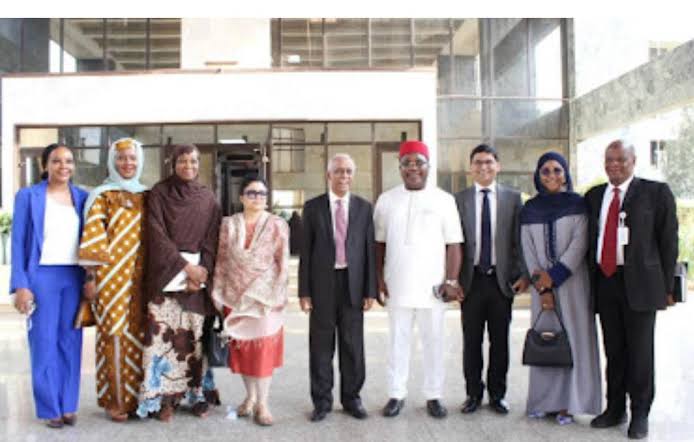
Nigeria and India have signed a bilateral agreement to strengthen human rights protection, institutional capacity and access to justice, with the Attorney-General of the Federation and Minister of Justice, Prince Lateef Fagbemi, SAN, pledging the Federal Government’s support for its implementation.
Fagbemi, who described the agreement as a strategic partnership between the two countries, said its success would ultimately be measured by its impact on ordinary citizens, particularly vulnerable and marginalised groups seeking justice.
The agreement, executed between the National Human Rights Commission (NHRC) of Nigeria and its Indian counterpart, is designed to deepen institutional cooperation, facilitate knowledge transfer, promote technical exchanges and strengthen operational capacity in addressing human rights violations.
The Attorney-General gave the government’s position on Tuesday in Abuja when he received a joint delegation of the two commissions at the Federal Ministry of Justice, describing the partnership as timely, particularly in an increasingly interconnected world where effective human rights protection requires stronger legal frameworks, institutional collaboration and respect for the rule of law.
The development followed a high-level engagement between the two commissions and the Chief Justice of Nigeria (CJN), at the Supreme Court Complex, Abuja, on Monday, as part of a two-day working visit by the Indian delegation.
The Nigerian delegation was led by the Executive Secretary of NHRC, Chief Tony Ojukwu, SAN, OFR, while the Indian delegation was headed by the Chairperson of India’s NHRC, Justice V. Ramasubramanian, accompanied by the Commission’s Joint Secretary, Mr. Samir Kumar.
Fagbemi said the partnership brought together two major democracies with shared common-law traditions, diverse populations and dynamic constitutional frameworks, expressing satisfaction with the thematic areas identified for cooperation under the agreement.
He specifically highlighted access to justice and the protection of digital rights as critical areas requiring urgent attention, particularly as emerging technologies, including Artificial Intelligence, continue to reshape society and create new human rights concerns.
According to him, both countries must develop legal safeguards to protect data privacy, prevent algorithmic bias and safeguard civic space, while ensuring that technological advancement does not undermine fundamental freedoms.
He said the Ministry of Justice expected the two commissions to produce actionable research and policy recommendations capable of addressing these emerging challenges.
Beyond emerging technologies, the Attorney-General stressed that Nigeria’s commitment to human rights must be reflected in the practical implementation of constitutional guarantees and international obligations, rather than merely in the existence of legal provisions.
He cited the African Charter on Human and Peoples’ Rights, which Nigeria domesticated through the African Charter on Human and Peoples’ Rights (Ratification and Enforcement) Act, Cap. A9, Laws of the Federation of Nigeria 2004, as a major instrument underpinning the country’s human rights jurisprudence.
The Charter provides important protections relating to non-discrimination, human dignity, fair trial and personal liberty, reinforcing the fundamental rights guaranteed under Nigeria’s Constitution.
Fagbemi maintained that the true measure of a country’s commitment to human rights was its ability to translate constitutional provisions into accessible institutions, accountable public authorities and an independent judiciary.
He assured the Indian delegation that the Federal Ministry of Justice fully supported the bilateral initiative and was prepared to facilitate technical engagements, joint legal reviews and policy consultations aimed at improving the efficiency of the justice sector.
The Attorney-General also used the engagement to reaffirm the institutional independence of Nigeria’s National Human Rights Commission, stressing that its autonomy was essential to its credibility and effectiveness.
He specifically drew attention to Section 6(3) of the National Human Rights Commission (Amendment) Act, 2010, which provides that the Commission, in exercising its statutory functions, shall not be subject to the direction or control of any other authority or person.
According to him, the administration has continued to respect and protect the Commission’s statutory independence, describing it as fundamental to institutional integrity.
He further noted that the relationship between the NHRC and the Federal Ministry of Justice had been characterised by constructive institutional synergy, mutual respect and a shared commitment to advancing human rights.
The Attorney-General commended Ojukwu and the Nigerian commission for spearheading the bilateral initiative, while expressing appreciation to the Indian delegation for bringing its expertise and institutional experience to the partnership.
Earlier, during Monday’s engagement with the Chief Justice of Nigeria, the Executive Secretary of NHRC Nigeria had emphasised the complementary responsibilities of the judiciary and national human rights institutions in protecting fundamental freedoms, upholding the rule of law and ensuring access to justice.
Ojukwu identified complaint management, Alternative Dispute Resolution, security sector accountability, comparative legal research, digital rights, Artificial Intelligence ethics and environmental justice as priority areas for cooperation between both countries.
The Chief Justice reaffirmed the commitment of the Nigerian Judiciary to human rights protection and encouraged both commissions to exchange experiences and adopt best practices, particularly in strengthening safeguards for vulnerable groups, including women, children and persons with disabilities.
The Indian delegation described the engagement as significant to relations between the two countries, noting that the MoU represented a first-of-its-kind institutional partnership for India’s National Human Rights Commission.
The agreement is expected to promote sustained institutional exchanges, strengthen complaint-handling mechanisms, improve professional capacity and encourage comparative research into legal and policy approaches to human rights protection.
The partnership also comes at a time when national human rights institutions face increasing demands to address abuses linked to security operations, discrimination, environmental degradation, digital surveillance and the misuse of emerging technologies.
For Nigeria, the collaboration offers an opportunity to strengthen its human rights enforcement architecture through international knowledge-sharing while reinforcing the independence and operational effectiveness of its national commission.
Fagbemi, however, cautioned that the ultimate benchmark of the agreement must go beyond official engagements and institutional exchanges to deliver tangible improvements in the lives of citizens, especially those most vulnerable to violations and denied access to justice.
He wished the Indian delegation a productive stay in Nigeria and expressed confidence that the partnership would advance the shared commitment of both countries to human dignity, justice and the protection of fundamental rights.
Nigeria, India Sign Landmark Human Rights Pact, Fagbemi Backs Stronger Institutional Independence
NSCDC Strengthens Gender Policy Implementation, Trains Officers on SGBV, Digital Safety
By: Michael Mike
Corps partners SPRING, FCDO, TechHer to promote women’s participation in peacebuilding, tackle technology-facilitated violence
The Nigeria Security and Civil Defence Corps (NSCDC) has intensified efforts to combat sexual and gender-based violence (SGBV), strengthen women’s participation in security decision-making and promote digital safety among young people through the implementation of its Gender Policy II.
The Commandant-General of the Corps, Prof. Ahmed Audi, stated this at a two-day Gender, Women, Peace and Security capacity-building training organised at the NSCDC College and Support Staff Service, Udege, Nasarawa State.
The training was organised in collaboration with Strengthening Peace and Resilience in Nigeria (SPRING), with support from the United Kingdom’s Foreign, Commonwealth and Development Office (FCDO).
Audi, who delivered his keynote address through a representative, said the policy provided a framework for mainstreaming gender considerations into the Corps’ operations, personnel management, leadership structure and community engagement.
He stressed the need for effective prevention and response to sexual and gender-based violence, including conflict-related abuses and technology-facilitated violence.
The Commandant-General also called for increased participation of women in peacebuilding and security decision-making, equal opportunities within the Corps and stronger partnerships with traditional institutions, government agencies, civil society organisations and development partners.
He urged commands and personnel, particularly Gender Desk Officers, to ensure effective coordination, timely reporting, appropriate referrals, monitoring and accountability in handling gender-related cases.
Audi described the implementation of the policy as a collective responsibility requiring sustained commitment across all levels of the Corps.
In a goodwill message, the Osu Ajiri of Edege Chiefdom, Alhaji Suleiman Ahmed Eko IV, commended the NSCDC for its presence in the community, saying its operations had strengthened the sense of security among residents, particularly farmers.
The traditional ruler pledged the support of his council in addressing gender-based violence, describing the protection of the community as a priority.
Earlier, the Commander of the College, ACG Jamilu Indabawa, said collaboration among relevant stakeholders was critical to achieving effective implementation of the gender policy.
The Gender Equality, Diversity and Social Inclusion Lead of SPRING, Mrs Amina Akano-Bello, said the training was designed to promote peaceful and resilient communities through early identification and response to gender-based violence, as well as the inclusion of women and young people in leadership.
Also, the NSCDC National Headquarters Gender Unit Adviser, DCC Ajet Kemi, provided participants with insights into the different forms of sexual and gender-based violence, their societal implications and preventive measures.
A retired Assistant Commandant-General, Ahmed Abodurin, who facilitated a session on institutional ethics in gender policy implementation, emphasised professionalism, accountability, gender sensitivity and adherence to institutional standards.
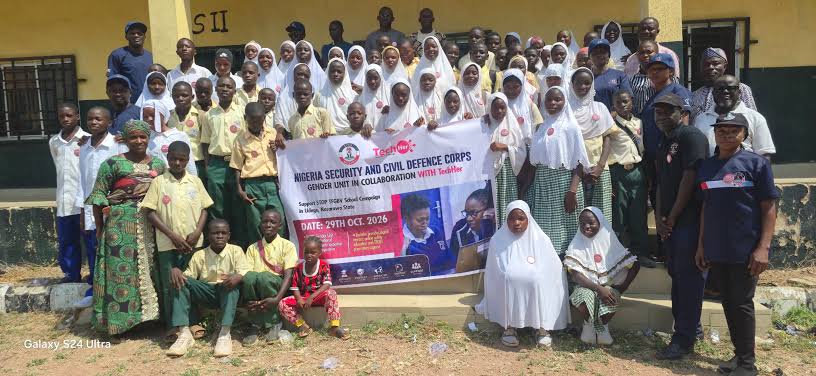
Beyond the capacity-building exercise, the Corps partnered TechHer, an organisation promoting women’s advancement through technology, to extend digital safety awareness to schools in Udege.
The outreach, themed “Stop Technology-Facilitated Gender-Based Violence”, educated students on the dangers of digital abuse, responsible online behaviour and measures for staying safe in digital spaces.
Representatives of the Federal Ministry of Interior, Nasarawa State Ministry of Women Affairs and Social Development, Nasarawa State Ministry of Justice and Gammuo International also delivered goodwill messages, reaffirming the importance of collective action in advancing gender equality, peace and security.
NSCDC Strengthens Gender Policy Implementation, Trains Officers on SGBV, Digital Safety
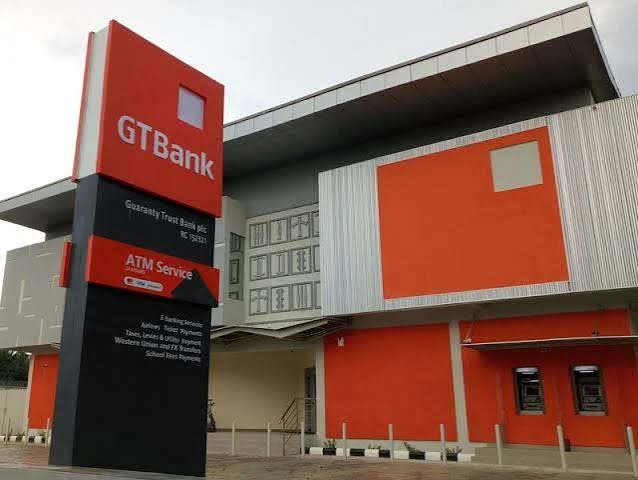
Bank customer alleges N2.59m theft from two GTBank accounts
By: Michael Mike
A customer of Guaranty Trust Bank, Stella Adepegba, has accused the bank of negligence after fraudsters allegedly stole N2.59m from two accounts belonging to her and her daughter within 24 days.
Adepegba said the incidents occurred on October 8 and November 1, 2026, with the perpetrators allegedly transferring funds without authorisation or security notifications.
She accused the bank of failing to refund the money despite repeated complaints and assurances that the matter would be resolved.
According to her, the first incident involved her daughter, Victoria Adepegba, whose Child Saver’s Account was allegedly compromised on October 8 at about 8pm.
She explained that N2.507m was transferred through the Nigeria Inter-Bank Settlement System Instant Payment channel in four transactions, leaving less than N2,000 in the account.
Adepegba said N399,000, N398,000 and N220,000 were transferred to a Moniepoint account bearing the name Abdulmalik Idris, while another N1.49m went to a GoMoney account bearing the name Zainab Ibrahim.
She alleged that no debit alerts were received, adding that a GTBank employee informed her of the transactions and offered to block the account after the money had already been withdrawn.
The complainant said she reported the incident at the bank’s Kubwa branch in Abuja on October 9 and was instructed to document the unauthorised transactions.
However, she alleged that the bank subsequently sent an email attributing the transactions to compromised login credentials, an explanation she rejected.
Adepegba said another N80,000 was fraudulently transferred from her personal GTBank account on November 1 to a FairMoney account bearing the name Jamilu Ahmad, bringing the cumulative loss to N2.587m.
“GTB could not explain how the hackers successfully stole my money despite changing my account’s log-in details after the attack on my daughter’s account. The bank must refund the stolen funds and go after those who masterminded the fraud,” she said.
She insisted that her mobile phone, SIM card and ATM card were in her possession during both incidents, adding that she neither disclosed her banking credentials nor received OTP requests.
“The implication of these targeted attacks on my bank accounts is that no customer’s funds are safe with GTB, and if anything happens, the bank will not accept responsibility or offer any succour whatsoever,” she lamented.
She stated that a compliance officer, Innocent Ukatu, and the bank’s media consultant, Cornelius Onuoha, initially assured her that the complaint would be resolved.
Reacting to the incident, the Chief Communications Officer of Guaranty Trust Holding Company Plc, Mrs Oyinade Adegite, said the incidents had been investigated and feedback provided to the customer.
She attributed the compromise to customer-side security vulnerabilities, explaining that fraudsters increasingly deploy sophisticated phishing techniques to obtain banking credentials.
“Immediately this came up, it was escalated and investigated, and feedback has been given,” she said.
Adegite explained that customers could unknowingly compromise their accounts by clicking malicious links that install malware that can capture sensitive information.
“Now it’s a phishing link you might click on that sometimes would actually install malware on your phone,” she said.
She maintained that the bank had implemented the necessary security safeguards, including two-factor authentication, and insisted the compromise originated on the customer’s end.
“All the measures the bank has to put in place for us, 2FA, everything was done. So, the compromise came clearly from the customer,” she stated.
However, she expressed sympathy for the losses and said she would follow up on the second incident to explore possible intervention.
The allegations come amid regulatory scrutiny of Nigerian banks over consumer protection and compliance failures.
An earlier analysis of audited financial statements showed that Guaranty Trust Holding Company, GTBank’s parent company, incurred N383.65m in regulatory penalties in Nigeria in 2024.
The sanctions included N56m for consumer protection violations, N160.4m following a Central Bank of Nigeria mystery shopping exercise, N149.25m for compliance-related issues and bank email returns, and N18m following a foreign exchange examination.
Bank customer alleges N2.59m theft from two GTBank accounts

FROM A SILVER SPOON TO A GREATER BORNO: THE GUBIO RISE

Beyond Politics: The Betara Leadership Question – An Independent Assessment of Hon. Muktari Betara Aliyu

Diaspora Investment: NiDCOM, NDSI Move to Bridge Trust Deficit, Unlock Billions in Nigerian Capital

Roger Federer’s Shock as DNA Results Reveal Myla and Charlene Are Not His Biological Children

THE PLIGHT OF FARIDA

FAILED COUP IN BURKINA FASO: HOW TRAORÉ NARROWLY ESCAPED ASSASSINATION PLOT AMID FOREIGN INTERFERENCE CLAIMS
-
 News3 years ago
Roger Federer’s Shock as DNA Results Reveal Myla and Charlene Are Not His Biological Children
-
Opinions5 years ago
THE PLIGHT OF FARIDA
-
 News2 years ago
FAILED COUP IN BURKINA FASO: HOW TRAORÉ NARROWLY ESCAPED ASSASSINATION PLOT AMID FOREIGN INTERFERENCE CLAIMS
-
 Opinions5 years ago
POLICE CHARGE ROOMS, A MINTING PRESS
-

 News3 years ago
EYN: Rev. Billi, Distortion of History, and The Living Tamarind Tree
-

 ACADEMICS3 years ago
A History of Biu” (2015) and The Lingering Bura-Pabir Question (1)
-

 Columns3 years ago
Army University Biu: There is certain interest, but certainly not from Borno.
-

 Politics1 year ago
2027: Why Hon. Midala Balami Must Go, as Youths in Hawul and Asikira/Uba Federal Constituency Reject ₦500,000 as Sallah Gift
