
News
Northern Governors’ Forum Condemns Fresh Attacks on Plateau Communities

Northern Governors’ Forum Condemns Fresh Attacks on Plateau Communities
By: Bodunrin Kayode
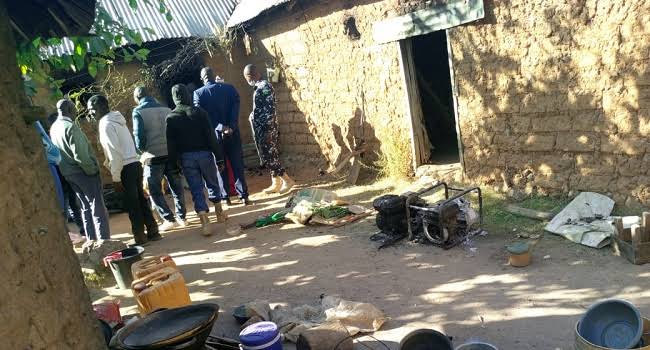
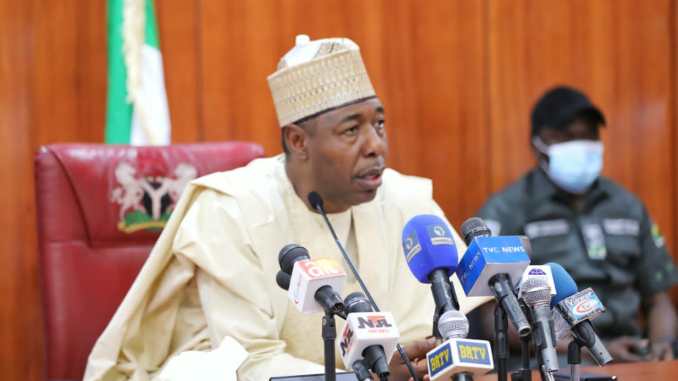
The Chairman of the Northern Governors’ Forum and Governor of Gombe State, Muhammadu Yahaya, has described as reprehensible and heinous, the Christmas eve attacks on communities within Bokkos and Barkin-Ladi council Areas of Plateau State.
The Governor, on behalf of his colleagues, expressed deepest condolences with the affected families and communities as well as the government and people of Plateau State.
A statement by his spokesman Ismaila Misilli stated that the Governors were really miffed on hearing that the bandits terrorized the people in such a reprehensible manner.
“It is reprehensible and disheartening to hear of the loss of over 100 lives and the destruction of properties that occurred during these attacks, especially at a time when residents were preparing to celebrate the festive season.
” Such acts of violence are not only cowardly but also run counter to the spirit of unity and coexistence that our region upholds.
” We must all prioritize peace and harmonious living in our communities. Now, more than ever, we must reaffirm our commitment to peaceful coexistence and solidarity regardless of our differences.
“We must unite in our commitment to peace and security, and stand firm against all forms of violence and division”, Inua remarked.
The Forum Chairman commended Governor Caleb Mutfwang for his leadership and responsible handling of the situation in the aftermath of those attacks, assuring him that the Northern Governors stand united in solidarity with him in the face of adversity and will work together towards lasting peace in Plateau State.
He commended the security agencies operating in the area, and implored them to redouble their efforts in safeguarding the lives and property of the people, harping on urgent need for increased vigilance and swift action to ensure the safety of all citizens.
“It is imperative that those responsible for the heinous acts are swiftly apprehended and made to face the full weight of justice.”
The Gombe State Governor urged members of the affected communities to remain vigilant and promptly report any suspicious activities to the security agencies for immediate intervention.
Meanwhile, names of some of those slaughtered have started to manifest.
They include the following : Names of those killed in in Maiyanga village
1.Mr Sati Solomon Langweng
2.Mr David Jallang
3.Mr Gauis Adamu
4.Mr Mafulul Langweng
5.Mr Nafor James Markut
6.Mr Matawal Gauis Adamu
7.Mr Fidelis Solomon Jallang
8.Mr Emmanuel Amos Jallang
9.Mr sule Shahu
10.Mrs Mildred James Markut
11.Mr Maren Paul Mashok
12.Mr Samuel Mamot
13.Mr Machief Mangu.
The remaining 4 are from a Neighbouring village Daruwat.
1.Mr Tanko
2.Mr Haruna
3.Mr John
4.Mr Salo.
More names have been compiled for the list of casualties which has since passed the 158 mark.
Northern Governors’ Forum Condemns Fresh Attacks on Plateau Communities


Troops foil attack on Rim community, three killed in Gwarim, Plateau
By: Zagazola Makama
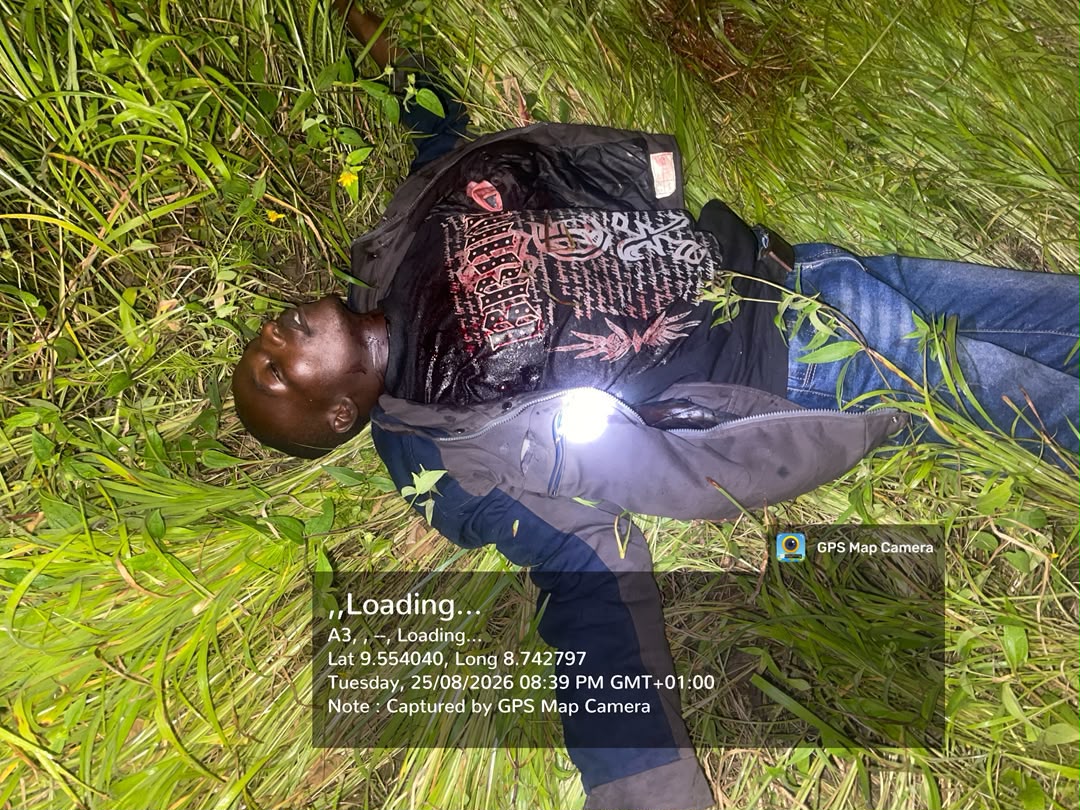
Nigerian troops have foiled an attack on Rim community in Riyom Local Government Area of Plateau State, while three residents were reportedly killed in a separate incident at nearby Gwarim community.
Security sources told Zagazola Makama that the incident occurred on Tuesday, Aug. 25, when troops deployed in the area responded to an attack on Rim community at about 6:08 p.m.
The troops engaged the attackers and successfully repelled the assault without any casualty among the personnel or members of the community.
However, at about 6:46 p.m., the troops responded to another report of gunfire at Gwarim community, also in Riyom LGA.
On arrival at the location, the troops discovered the bodies of three residents who had been killed while reportedly keeping watch in the bush outside the community.
The corpses of the victims were recovered and subsequently handed over to members of the community for further necessary action.
The troops have since intensified patrols and are dominating the area in an effort to locate and apprehend the perpetrators.
The latest incidents come amid heightened security concerns in parts of Plateau State, particularly communities around Riyom and neighbouring areas.
Troops foil attack on Rim community, three killed in Gwarim, Plateau
Operation Savannah Shield troops foil attempted kidnapping of farmers in Niger
By: Zagazola Makama
Troops of Operation Savannah Shield have foiled an attempt by suspected terrorists to kidnap farmers at their farmlands in Tudun Harara village, Mariga Local Government Area of Niger State.
The incident occurred at about 11:30 a.m. on Aug. 25, 2026, when troops of the NATRAC Administrative Battalion, Forward Operating Base (FOB) Kotonkoro, responded to a distress report on the attempted abduction.
Security sources told Zagazola Makama that the troops engaged the terrorists upon arrival, forcing them to withdraw into the surrounding forest.
During the encounter, the fleeing terrorists abandoned a motorcycle, which was recovered by the troops.
The operation is part of ongoing efforts by security forces to protect farming communities and deny criminal elements freedom of action across Niger State.
Operation Savannah Shield troops foil attempted kidnapping of farmers in Niger
Operation Fansan Yamma troops foil ransom exchange, rescue kidnapped woman in Kebbi
By: Zagazola Makama
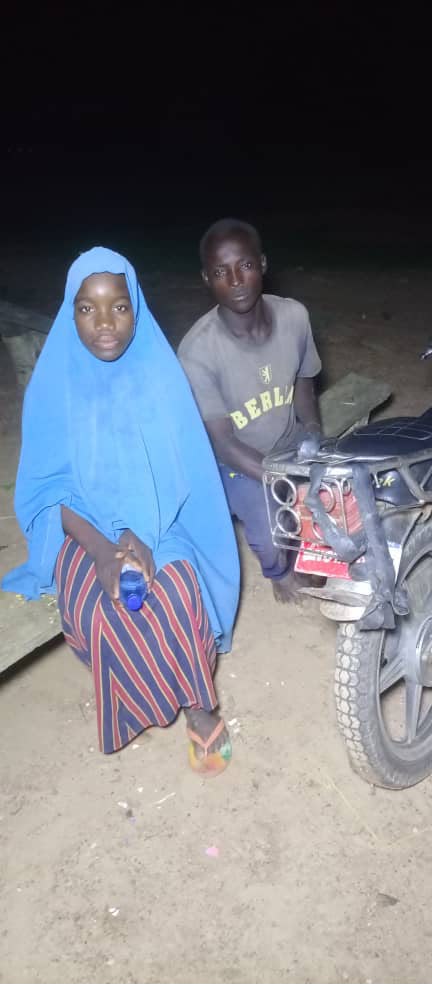
Troops of Sector 2, Operation Fansan Yamma, have rescued a kidnapped woman and disrupted a planned ransom exchange in Danko-Wasagu Local Government Area of Kebbi State.
The troops, conducting counter-terrorism and anti-banditry operations in the state, carried out the successful operation on Aug. 26, 2026, following credible intelligence on the planned ransom payment.
Zagazola Makama gathered from security sources that the victim had been abducted from her farm sometime last month, while the criminals were preparing to collect ransom in exchange for her release.
Acting on the intelligence, the troops swiftly mobilised to intercept the transaction.
Sources said the criminals attempted to engage the advancing troops after sighting them but were overwhelmed by the troops’ superior firepower.
The bandits subsequently fled in disarray, abandoning the hostage, who was immediately secured by the troops.
The victim was found unharmed and later transported to safety before being reunited with her family in Danko-Wasagu LGA.
Following the rescue, the troops conducted a thorough exploitation of the withdrawal route to ensure that the area was fully secured before returning to base.
In a related operation, the troops also conducted clearance and dominance patrols in Ngaski Local Government Area as part of efforts to maintain peace and deny criminal elements freedom of movement.
The patrols were completed without incident, further strengthening security presence and reassuring residents in the affected communities.
Operation Fansan Yamma troops foil ransom exchange, rescue kidnapped woman in Kebbi

Troops foil attack on Rim community, three killed in Gwarim, Plateau

Operation Savannah Shield troops foil attempted kidnapping of farmers in Niger

Army troops recover 97 rustled livestock, hand them over to owners in Kano

Roger Federer’s Shock as DNA Results Reveal Myla and Charlene Are Not His Biological Children

THE PLIGHT OF FARIDA

FAILED COUP IN BURKINA FASO: HOW TRAORÉ NARROWLY ESCAPED ASSASSINATION PLOT AMID FOREIGN INTERFERENCE CLAIMS
-
 News2 years ago
Roger Federer’s Shock as DNA Results Reveal Myla and Charlene Are Not His Biological Children
-
Opinions5 years ago
THE PLIGHT OF FARIDA
-
 News1 year ago
FAILED COUP IN BURKINA FASO: HOW TRAORÉ NARROWLY ESCAPED ASSASSINATION PLOT AMID FOREIGN INTERFERENCE CLAIMS
-

 News2 years ago
EYN: Rev. Billi, Distortion of History, and The Living Tamarind Tree
-
 Opinions5 years ago
POLICE CHARGE ROOMS, A MINTING PRESS
-

 ACADEMICS3 years ago
A History of Biu” (2015) and The Lingering Bura-Pabir Question (1)
-

 Columns2 years ago
Army University Biu: There is certain interest, but certainly not from Borno.
-

 Politics1 year ago
2027: Why Hon. Midala Balami Must Go, as Youths in Hawul and Asikira/Uba Federal Constituency Reject ₦500,000 as Sallah Gift
