
News
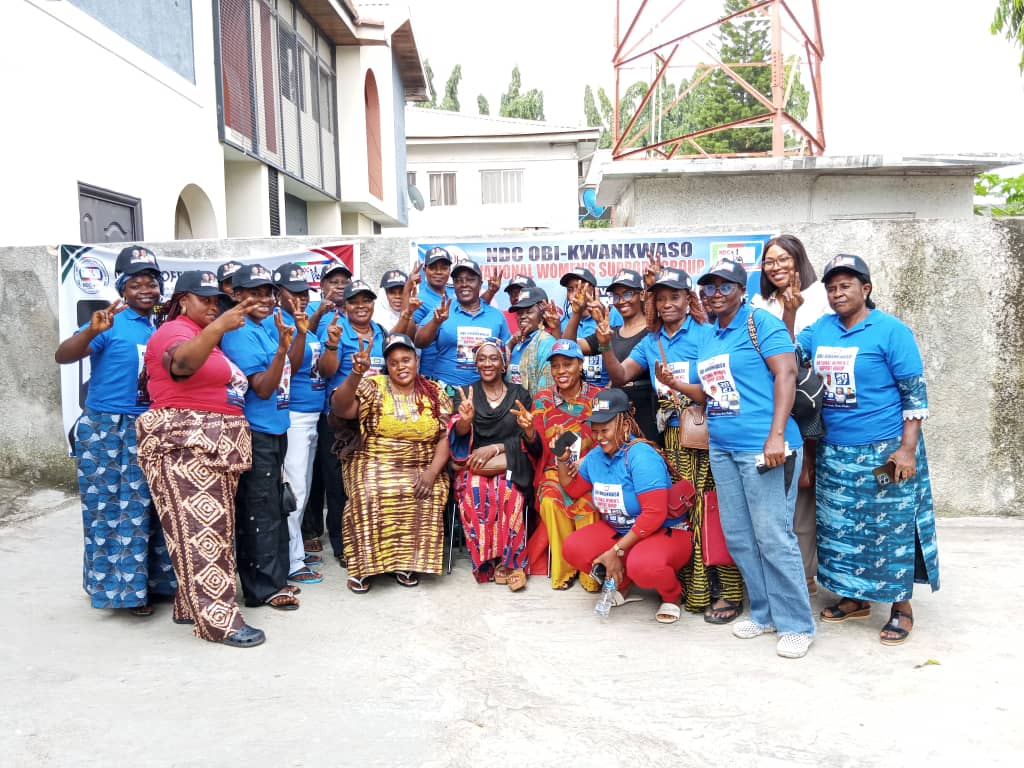
Obi-Kwankwaso Women Group Launches Nationwide Mobilisation for 2027

Obi-Kwankwaso Women Group Launches Nationwide Mobilisation for 2027
…Targets women leaders, youths, professionals, entrepreneurs
By: Michael Mike
A women’s support group backing the presidential ticket of Peter Obi and Rabiu Kwankwaso has commenced a nationwide mobilisation campaign ahead of the 2027 general elections, with structures being established across the 36 states and the Federal Capital Territory.
The Obi-Kwankwaso National Women’s Support Group said its mobilisation drive formally commenced on October 1 following the inauguration of its national leadership, with a mandate to deepen grassroots engagement and expand support for the Nigeria Democratic Congress (NDC) presidential ticket.
The development comes as the Obi-Kwankwaso political movement intensifies preparations for the 2027 elections. Obi and Kwankwaso joined the NDC in May 2026, with Obi subsequently emerging as the party’s presidential candidate and Kwankwaso as his running mate.
The women’s group said its mobilisation would focus on women leaders, professionals, entrepreneurs, young women and community organisers, who it intends to engage through a network of grassroots structures across the country.
The Convener and National Coordinator, Hon. Barr. Anwuli Ogbechi, said the organisation had brought together women from different regions and backgrounds to increase women’s participation in political and community activities.
According to her, the group would deploy its state structures to organise town hall meetings, community forums and other grassroots engagements as it seeks to build a wider support base for the Obi-Kwankwaso ticket.
Ogbechi said the organisation’s activities would go beyond electoral mobilisation, adding that it would undertake leadership mentoring and political education for young women, professional engagement with entrepreneurs and women in the diaspora, as well as community-based initiatives.
She also listed medical and educational outreach programmes and inclusion initiatives for persons with disabilities and other underserved communities among the group’s planned activities.
The group’s national leadership includes Mairo Musa Abubakar, Vice Coordinator, North; Pastor Basiratu Musa Ibijoke, Deputy Coordinator, South; Lolo Victoria Mgbor Odogwu, General Secretary; Tina Ohwo, Organising Secretary; and Hajia Fadimatu Atiku Danrimi, Treasurer.
Others are Chika Ibe, Financial Secretary; Barr. Igbinlade Oluwagboyinmi Oluwatunmise, Legal Adviser; Chinyere O. Ejike and Blessing Okoli, Publicity Secretaries; Esther Ajayi-Adetayo, Welfare Officer; and Comrade Ifeoma Uchechukwu, FCT and National Director of Interfaith and Intertribal Affairs.
The latest mobilisation initiative comes amid wider efforts by the Obi-Kwankwaso movement to establish campaign structures ahead of the 2027 presidential contest. The movement recently constituted a 59-member presidential campaign council comprising state and zonal coordinators as well as officials responsible for mobilisation, women’s affairs, strategy, legal affairs and other areas.
The women’s group said its immediate priority would be to expand its grassroots network, coordinate activities across the states and bring more women into its political and community engagement programmes as preparations for the 2027 election gather momentum.
Obi-Kwankwaso Women Group Launches Nationwide Mobilisation for 2027


News
JBS $2.5bn Nigeria investment raises alarm over land loss, pollution, smallholder farmers’ survival
JBS $2.5bn Nigeria investment raises alarm over land loss, pollution, smallholder farmers’ survival
…Environmentalists, researchers demand independent impact assessment as studies reveal contamination of rivers, farmland losses and growing pressure on rural communities
By; Michael Mike
Nigeria’s proposed $2.5 billion investment by global meat-processing giant JBS has triggered renewed concerns over the environmental, social and economic consequences of large-scale industrial animal farming, with environmental rights advocates warning that the country could face serious ecological and livelihood challenges if adequate safeguards are not put in place.
The concerns come amid revelations from existing industrial livestock and slaughterhouse operations across the country, including reported farmland losses, air pollution, water contamination and the discharge of untreated abattoir waste into rivers used by surrounding communities.
At a media training on the real-life impacts of industrial animal farming in Nigeria, organised in Abuja by the Health of Mother Earth Foundation (HOMEF) and Environmental Rights Action (ERA), in collaboration with Youth in Agroecology and Restoration Network and HEDA Resource Centre, environmental campaigners and researchers presented evidence of the consequences of poorly regulated industrial animal production.
The presentation, delivered by Adesuwa James Jang, Founder and Team Lead of Youth for Environmental Sustainability and Development (YESD), examined the environmental, social and economic implications of expanding industrial livestock production, drawing from documented cases in Lagos, Abia and Benue states.
The intervention comes against the backdrop of JBS’s proposed $2.5 billion investment in Nigeria, a five-year plan signed with the Federal Government in November 2024.
The proposed investment involves six major facilities comprising three poultry processing plants, two beef processing plants and a port facility, with Ogun State identified as a major operational hub.
Niger State has also reportedly committed approximately 1.2 million hectares of land to the project.
Although the investment is being presented as an opportunity to expand livestock production, create employment, strengthen food processing and stimulate economic growth, environmental advocates insist that the country must examine the experiences of communities already living with the consequences of industrial animal agriculture before committing extensive land and resources to the proposed expansion.
The economic promise and the livelihoods at risk
Nigeria’s livestock industry is economically significant, with the Federal Ministry of Livestock Development estimating its annual contribution to the economy at about $32 billion.
The poultry industry alone reportedly supports approximately 25 million livelihoods, directly and indirectly, while the country’s livestock population includes about 660 million birds, 58 million cattle, 64 million sheep and 124 million goats.
The government has set a target of increasing livestock’s contribution to the country’s Gross Domestic Product from approximately five per cent to 10 per cent by 2030.
However, the presentation raised questions about who would ultimately benefit from the anticipated expansion and whether large-scale industrial operations could undermine existing livestock producers, particularly smallholder farmers.
According to the presentation, smallholder farmers account for more than 60 per cent of poultry farming in Nigeria but continue to struggle with rising feed costs, expensive day-old chicks and limited access to credit.
While the JBS investment is projected to generate more than 50,000 direct and indirect jobs across its six proposed facilities, the environmental advocates questioned whether the promised employment opportunities would compensate for livelihoods potentially displaced by the industrial model.
They warned that the expansion of large confined animal production systems could marginalise local farmers, increase dependence on costly industrial feed and weaken the economic value of indigenous livestock breeds.
The presentation stressed that the central question should not merely be how many jobs the investment would create, but also how many existing livelihoods could be lost in the process.
Communities already counting the costs
Of particular concern are findings from a study coordinated by HEDA Resource Centre and its partners, which examined the experiences of communities affected by industrial agricultural projects.
The study, cited in the presentation, found that 60 per cent of respondents reported losing farmland to industrial agriculture projects.
Similarly, 76.7 per cent reported suffering air pollution, while 63.3 per cent said nearby factory operations had contaminated their water sources.
Although the study recorded mixed outcomes, the findings point to the potential social and environmental consequences of poorly managed industrial agricultural developments.
The presentation cautioned that the percentages were based on self-reported experiences from several communities and that journalists should establish the study’s sample size and methodology before using the figures as representative of the wider population.
Beyond land loss and pollution, concerns were also raised about the displacement of communities, land acquisition practices, militarisation of affected areas and the casualisation of workers.
Environmental advocates also identified deforestation, tree cutting and chemical spraying as issues requiring closer investigation, particularly where industrial agricultural projects are established close to residential communities and existing farming settlements.
Kara abattoir: A disturbing picture of industrial waste
One of the most striking examples presented was the environmental situation around Kara abattoir, a major slaughtering facility serving Lagos and its surrounding areas.
Studies on the Ogun River reportedly found that blood and wastewater from slaughtering and washing activities at the abattoir were discharged into the river without adequate treatment.
The river is also reportedly used for washing cattle and providing drinking water for livestock, while residents in surrounding communities depend on it for domestic purposes.
This creates a troubling cycle in which untreated slaughterhouse waste enters a water source that is subsequently used by animals and people.
Researchers have also raised concerns about possible risks to consumers because meat processed at the facility is transported daily to Lagos and neighbouring states.
The scale of the problem is underscored by estimates that Lagos slaughters approximately 8,000 cattle daily but has approved only seven abattoirs.
The presentation cited University of Lagos studies on the Ogun River, research published in the Journal of Applied Research and Technology in 2023, and an investigation by the Pulitzer Center in 2021.
For environmental advocates, the Kara experience demonstrates why the expansion of meat-processing facilities must be accompanied by strict wastewater treatment requirements, independent environmental monitoring and effective enforcement of existing regulations.
From Lagos to Abia and Benue: Pollution beyond one location
The environmental challenges are not restricted to Kara.
In Lagos, unlicensed slaughter slabs reportedly leave bones, blood and animal dung in drains and open spaces, contributing to pollution around residential communities.
In Ubakala, Abia State, a 2025 study found that abattoirs were predominantly located close to rivers and streams, while 60 per cent of respondents reportedly said slaughterhouse waste was being burnt.
In Makurdi, Benue State, researchers investigated the presence of heavy metals in the River Benue around the Wurukum abattoir, examining possible contamination associated with untreated slaughterhouse effluent.
The presentation noted that Nigeria accounts for approximately 30 per cent of the meat consumed in West Africa, suggesting that environmental problems associated with meat production and processing could have implications beyond the immediate communities where they occur.
These cases reinforce the need for stronger environmental standards across the livestock value chain, from animal production and slaughtering to waste disposal and meat distribution.
Climate implications of expanding livestock production
The environmental concerns also extend to climate change.
The presentation identified cattle as the largest contributor to livestock-related methane emissions, accounting for approximately 74 per cent of the emissions discussed.
Sheep, goats and other ruminants account for about 22 per cent, while pigs, poultry and other livestock contribute approximately four per cent.
The figures were derived from research indicating that ruminants account for 96.15 per cent of livestock methane emissions.
Nigeria’s livestock population has also expanded considerably, with poultry numbers increasing by 68 per cent between 1991 and 2018, while cattle numbers grew by 67 per cent over the same period.
Although cattle production represents the biggest climate-related concern because of methane emissions, the presentation highlighted the need to address poultry waste and its potential contribution to environmental pollution.
A 2013 laboratory study cited in the presentation found that poultry waste generated more methane-containing gas per kilogram than pig waste under the conditions examined.
The distinction, according to the presentation, is that cattle are a major climate concern because of methane emissions, while poultry production presents significant waste-management and water-pollution challenges.
Public health concerns and disease risks
Health implications were also highlighted, particularly the risks associated with poorly managed livestock production, inadequate waste disposal and the proximity of industrial animal facilities to human settlements.
The presentation cited concerns raised by health experts that industrial livestock operations could contribute to conditions favourable to the spread of zoonotic diseases, including Lassa fever and Mpox.
However, it emphasised that such concerns must be subjected to scientific investigation and should not automatically be presented as established legal or medical findings.
Environmental advocates argued that the potential health consequences of industrial livestock expansion make independent environmental and social impact assessments particularly important.
The demand for transparency and accountability
The emerging concerns have strengthened calls by environmental campaigners for the Federal Government to make the proposed JBS investment more transparent and ensure that affected communities are not excluded from decisions concerning their land, livelihoods and environment.
They are also seeking independent environmental and social impact assessments, public disclosure of project details, adequate consultation with host communities and enforceable safeguards against pollution and displacement.
For journalists covering the proposed investment, the presentation identified three critical questions.
First, were affected communities properly consulted, and was compensation for acquired land fair and adequate?
Second, where will animal waste, wastewater and other industrial effluents go, and are independent environmental and social impact assessments available to the public?
Third, who will benefit economically from the investment, and what will happen to smallholder farmers, livestock workers, local feed producers and food prices?
These questions are particularly significant given the scale of the proposed investment and the amount of land reportedly committed to the project.
Beyond investment figures
Ultimately, the debate surrounding JBS’s proposed Nigerian investment goes beyond the attraction of foreign capital or the number of jobs promised.
It raises fundamental questions about the country’s agricultural development model, the protection of rural livelihoods, food security, environmental sustainability and the rights of communities whose lands and natural resources may be affected.
Nigeria’s livestock sector undoubtedly requires investment, improved technology, better processing facilities and expanded production capacity.
But environmental advocates argue that development should not come at the expense of the country’s rivers, farmlands, biodiversity and the millions of smallholder farmers who sustain the existing food system.
With the government pursuing an ambitious target of doubling livestock’s contribution to GDP by 2030, the challenge is to ensure that economic expansion does not create environmental liabilities and social costs that future generations will be forced to bear.
The experience of communities around existing slaughterhouses and industrial agricultural projects, campaigners insist, should serve as a warning that investment without transparency, regulation and accountability could turn an economic opportunity into a major environmental and livelihood crisis
JBS $2.5bn Nigeria investment raises alarm over land loss, pollution, smallholder farmers’ survival
News
Kogi Group Rejects 16-Year Power Retention Agenda, Demands Rotation, EFCC Probe of Ex-LG Chairmen
Kogi Group Rejects 16-Year Power Retention Agenda, Demands Rotation, EFCC Probe of Ex-LG Chairmen
By: Michael Mike
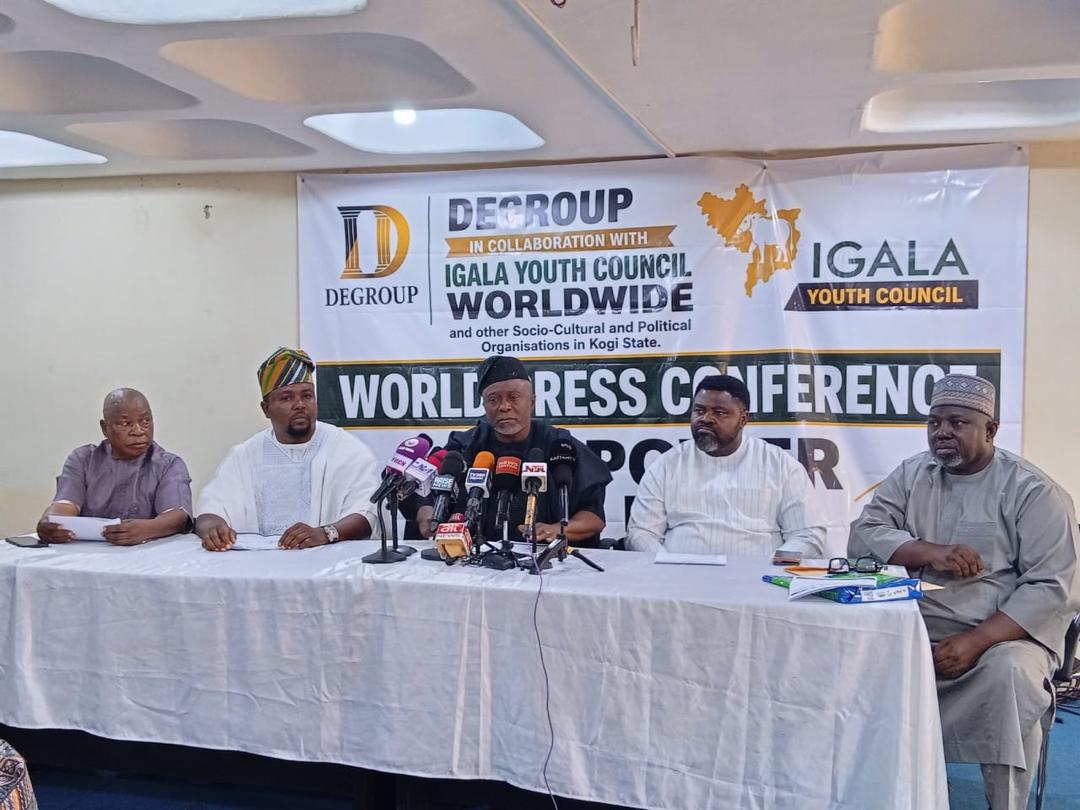
A coalition of socio-cultural and political organisations in Kogi State has rejected what it described as a plot to extend political dominance of one senatorial district in the state to 16 years, insisting that power must rotate among Kogi East, Central and West in the interest of equity and justice.
The coalition, operating under De Group in collaboration with the Igala Youth Council and other organisations, also called on the Economic and Financial Crimes Commission (EFCC) to investigate former local government chairmen in the state over the management of allocations received by the 21 councils.
At a world press conference in Abuja on Wednesday, the coalition accused the administration of Governor Ahmed Usman Ododo of perpetuating a political arrangement that favours a particular zone, while allegedly neglecting workers, youths and other segments of the population.
Under the theme, “No to 16 Years Per Zone: Kogi People Reject Ododo’s Tenure Elongation Agenda — Power Must Shift Now,” the group said the state could not afford to allow one zone to retain political control for 16 consecutive years.
Governor Ododo assumed office on January 27, 2024, succeeding former Governor Yahaya Bello, who served for eight years. Both governors hail from Kogi Central.
The coalition argued that extending political dominance of the same zone beyond Bello’s eight-year tenure would undermine the principles of equity, fairness and political inclusion in the state.
“No zone is superior to another. No zone was created to rule forever while others only watch. Power must rotate. Power must shift now — in the interest of justice, equity and fairness for all Kogites,” the group declared.
The group also questioned the management of the state’s financial resources, arguing that substantial revenue accruing to the government had not translated into visible improvements in the living conditions of residents.
Citing figures it presented at the conference, the coalition said Kogi State received N385.27 billion in allocations between January 2024 and August 2025, comprising N212.45 billion for the state and N172.82 billion for the 21 local government areas.
It further cited state allocation figures of N127 billion in 2024, N270 billion in 2025 and N151.93 billion between January and August 2026.
On internally generated revenue, the group cited figures attributed to the National Bureau of Statistics and the Kogi State Internal Revenue Service, putting the state’s IGR at N27.73 billion in 2024 and N43.94 billion in 2025.
It alleged that despite the revenue inflows, rural infrastructure, education, healthcare and employment opportunities remained inadequate across the three senatorial districts.
The coalition challenged the state government to account for the revenue collected and demonstrate how the resources had been deployed to improve public services.
The group accused successive administrations under Bello and Ododo of failing to adequately address the welfare and career progression of civil servants, alleging that workers had been denied promotions accompanied by corresponding salary increases for years.
It claimed that some civil servants had remained on the same salary grade levels for extended periods, despite rising living costs, describing the situation as a betrayal of workers’ commitment to public service.
The coalition also called for mass recruitment of teachers, health workers and other professionals, lamenting what it described as a lack of meaningful employment opportunities for graduates and young people across the state.
It accused the government of prioritising political loyalists in appointments, contracts and empowerment programmes, describing the administration as a “paddy-paddy government” allegedly serving a narrow circle of political associates.
The group insisted that public appointments, contracts and empowerment initiatives should be distributed fairly and made accessible to residents across the state’s three senatorial districts.
The coalition further raised concerns over the state’s borrowing, claiming that Kogi borrowed N95.8 billion between January and June 2026, comprising N75 billion in international loans and N20.8 billion in domestic borrowing.
It also referenced the state’s Medium-Term Expenditure Framework for 2025–2027, alleging that a substantial portion of internally generated revenue was earmarked for debt servicing.
According to the group, the financial burden of debt servicing was undermining the capacity of the state to invest adequately in infrastructure and essential services.
It listed poor rural roads, dilapidated public schools, inadequate healthcare facilities, insecurity, kidnapping and the lack of sufficient manpower in public institutions as some of the challenges confronting residents.
The coalition called on the state government to urgently address the challenges, insisting that the volume of revenue available to the state should translate into tangible development.
The group also alleged that political actors advocating power rotation were being systematically victimised and excluded from the political process.
It cited the recent Federal High Court judgment nullifying the candidacy of Senator Sunday Karimi, who represents Kogi West, and what it described as the disenfranchisement of Senator Jibrin Isah Echocho of Kogi East as examples of political exclusion.
The coalition alleged that the developments were part of a broader strategy to weaken voices advocating political balance and rotation in the state.
It, however, maintained that its position was not necessarily in defence of the senators but in defence of democratic participation, political inclusion and the rights of citizens to freely express their political preferences.
“If they can do it to a serving Senator, they can do it to any ordinary Kogite,” the group said, urging the President, National Assembly leadership, Independent National Electoral Commission, security agencies, civil society organisations and the international community to take note of what it described as a dangerous political trend.
It warned that political exclusion and perceived persecution of opposition voices could undermine democratic participation and political stability.
The coalition also demanded a forensic audit of allocations received by the 21 local government areas from January 27, 2024, to date, alleging a lack of transparency in the management of grassroots funds.
It cited figures showing that the councils collectively received N172.82 billion between January 2024 and August 2025, while claiming that the 21 local governments received N16.44 billion in July 2026 alone.
The group referenced allocations to councils in Kogi West, including Ijumu, Kabba/Bunu, Yagba East and Yagba West, which it said received hundreds of millions of naira each in July 2026.
It also cited figures for Okene and Dekina, alleging that the councils received more than N1 billion and N900 million, respectively, in July 2026.
In Kogi East, the coalition cited the alleged receipt of more than N625 million by Ankpa in June 2025, questioning the state of the Ankpa Zonal Hospital, which it described as abandoned.
It also referenced N11.05 billion allegedly received by Igalamela-Odolu Local Government Area over 22 months.
The group further relied on a published investigation by ATI and CODWA involving five local government areas — Adavi, Bassa, Dekina, Idah and Yagba East — which it said raised questions about expenditure patterns, salary allocations and service delivery.
According to the coalition, the investigation indicated that salaries accounted for between 15 and 26 per cent of the allocations examined, while it claimed that 87 per cent of 1,200 respondents rated service delivery as very poor.
It called on the EFCC to investigate former council chairmen across the 21 local government areas, insisting that those who managed public funds should account for the allocations received during their respective tenures.
The group said the investigation would either establish the innocence of the former chairmen or hold those found culpable accountable under the law.
Among its demands, the coalition called for the rejection of any arrangement aimed at extending political dominance of one zone to 16 years, immediate power rotation, an end to alleged political persecution, the implementation of promotions with corresponding salary increases for deserving civil servants and mass employment of youths.
It also demanded the payment of outstanding salaries, pensions and gratuities, urgent intervention in security, education and healthcare, transparency in the management of state revenue and a forensic audit of local government finances.
The group further called for full financial autonomy for local governments in line with the Supreme Court judgment on local government autonomy.
The coalition said the campaign was not directed against any individual or ethnic group but was aimed at promoting justice, accountability, fairness and inclusive governance.
“We are East, Central and West — together,” it declared, insisting that political power and public resources must be managed in the interest of all residents of Kogi State.
Kogi Group Rejects 16-Year Power Retention Agenda, Demands Rotation, EFCC Probe of Ex-LG Chairmen
News
Fani-Kayode Meets South African DIRCO DG, Raises Alarm Over Killings, Mistreatment of Nigerians
Fani-Kayode Meets South African DIRCO DG, Raises Alarm Over Killings, Mistreatment of Nigerians
By: Michael Mike
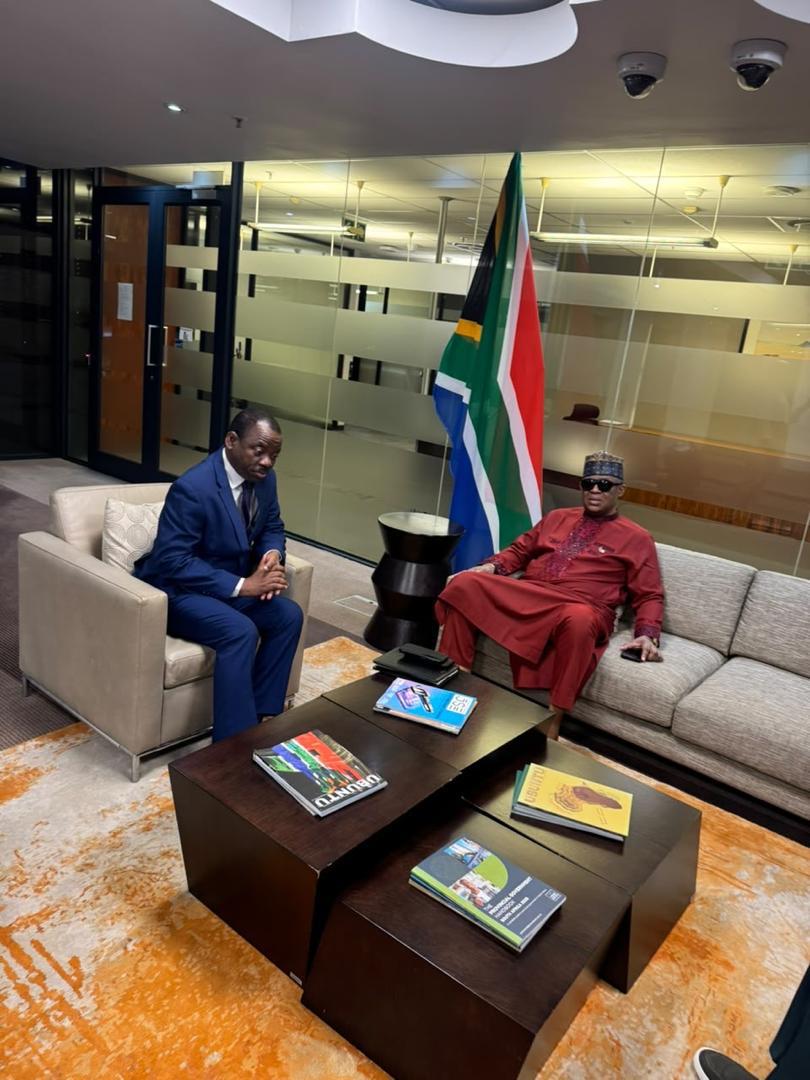
Nigeria’s High Commissioner to South Africa, Ambassador Femi Fani-Kayode, on Tuesday held a meeting with the Director-General of South Africa’s Department of International Relations and Cooperation (DIRCO), Mr Zane Dangor, following an earlier invitation by the South African government aimed at sustaining cordial and mutually beneficial relations between the two countries.
The meeting, which was convened against the backdrop of recent developments in Nigeria-South Africa relations, provided an opportunity for both sides to discuss matters of mutual concern, including events over the weekend.
During the engagement, Fani-Kayode expressed serious concerns over the recent killings of Nigerians in South Africa, as well as the hardship and alleged mistreatment faced by Nigerian nationals, warning that Nigeria’s patience over the persistent challenges confronting its citizens was wearing thin.
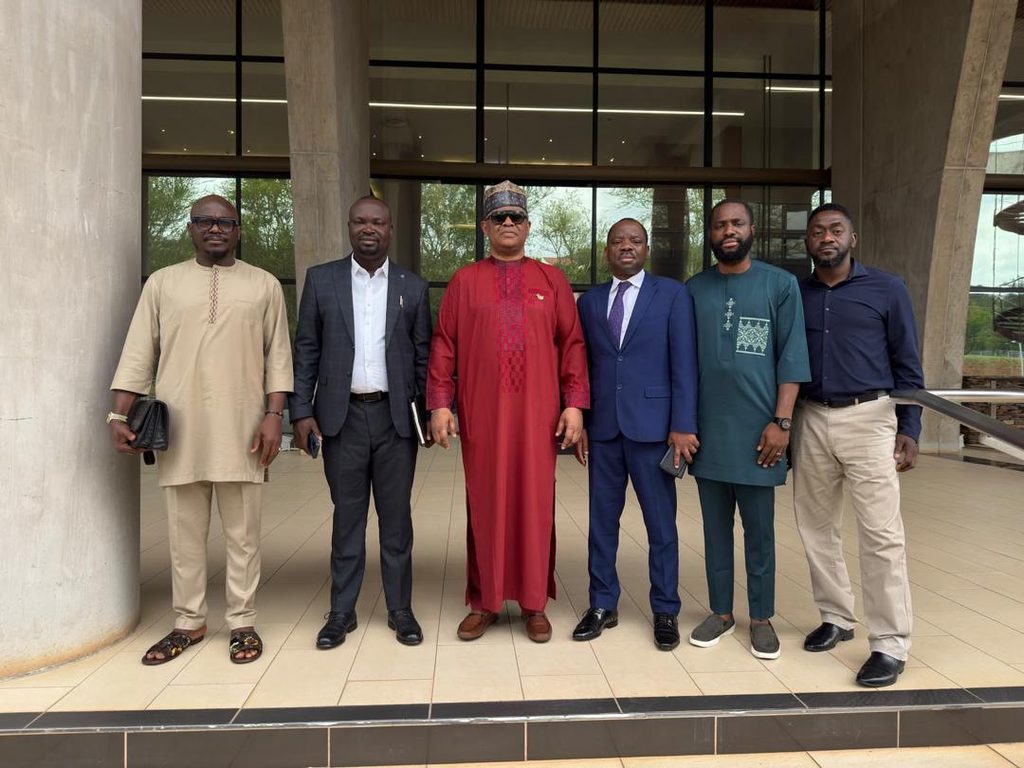
He maintained that such treatment was contrary to international law and human rights principles, stressing that the protection of Nigerians remained his foremost responsibility and a fundamental obligation of his diplomatic mandate. He also expressed displeasure over the manner in which South African Presidential Spokesperson, Vincent Magwenya, handled the recent controversy, with DIRCO indicating that the concerns raised would be addressed.
Fani-Kayode Describes Meeting as Cordial, Constructive
In a post on his official X handle after the meeting, Fani-Kayode described his engagement with Dangor as excellent and constructive, noting that both parties discussed mutual concerns regarding bilateral relations and recent events.
“Honoured to have had an excellent meeting with the DG of South Africa’s @DIRCO_ZA (Department of International Relations and Cooperation), Mr Zane Dangor, this morning.
“Mutual concerns regarding our bilateral relations and the events over the weekend were discussed,” he stated.
He said Nigeria looked forward to building on the outcome of the meeting and strengthening the longstanding relationship between both countries, founded on mutual respect, friendship and cooperation.
The High Commissioner also expressed his readiness to work closely with DIRCO and South Africa’s Minister of International Relations and Cooperation, Ronald Lamola, towards further strengthening ties between the two nations.
Envoy Dismisses Reports of Reprimand
Meanwhile, the Nigerian High Commission has dismissed media reports suggesting that Fani-Kayode was reprimanded or issued a warning by South African authorities during the meeting.
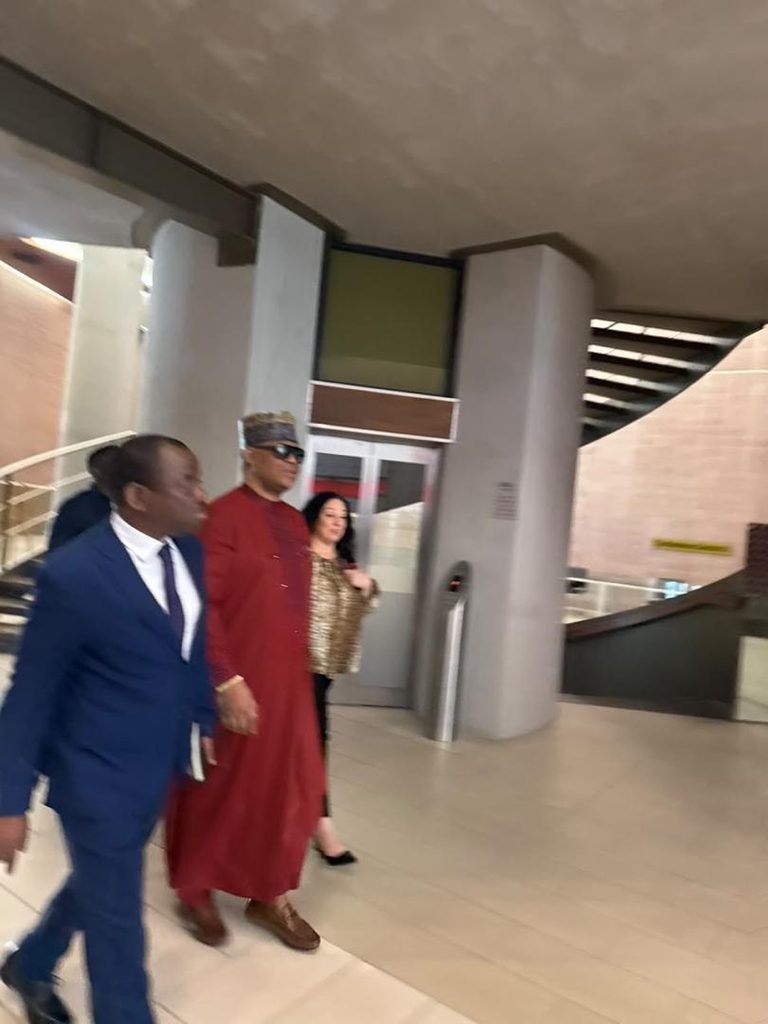
The mission maintained that the engagement was cordial and constructive, stressing that the High Commissioner was neither reprimanded nor warned. It described the meeting as a diplomatic engagement in which both parties exchanged views on issues of mutual concern while reaffirming their commitment to diplomatic protocols and longstanding bilateral relations.
Both sides also expressed willingness to sustain dialogue and work towards resolving outstanding concerns in the interest of the two countries.
Bilateral Relations Under Diplomatic Spotlight
The meeting comes amid recurring concerns over the safety of Nigerians in South Africa, including allegations of xenophobic attacks, violence, discrimination and other forms of mistreatment against foreign nationals.
Nigeria and South Africa maintain longstanding diplomatic, political and economic relations, with cooperation spanning trade, investment, regional security and multilateral engagements. However, incidents involving attacks on foreign nationals have periodically strained relations, prompting diplomatic interventions and calls for stronger protection of citizens.
The latest engagement underscores Nigeria’s commitment to constructive diplomacy while pursuing issues affecting its nationals abroad. It also reinforces Fani-Kayode’s position that the longstanding friendship between both countries must be underpinned by mutual respect, respect for human rights and the protection of citizens.
Both countries are expected to sustain diplomatic engagement towards addressing outstanding concerns and strengthening their bilateral relationship.
This formulation establishes the sequence without suggesting that the invitation and meeting happened on the same day.
Fani-Kayode Meets South African DIRCO DG, Raises Alarm Over Killings, Mistreatment of Nigerians

JBS $2.5bn Nigeria investment raises alarm over land loss, pollution, smallholder farmers’ survival

Kogi Group Rejects 16-Year Power Retention Agenda, Demands Rotation, EFCC Probe of Ex-LG Chairmen

Tribute: Three decades after His Demise Uncle Alaba’s Positive Dreams For Mushin and The Entire Lagos Still Unfulfilled

Roger Federer’s Shock as DNA Results Reveal Myla and Charlene Are Not His Biological Children

THE PLIGHT OF FARIDA

FAILED COUP IN BURKINA FASO: HOW TRAORÉ NARROWLY ESCAPED ASSASSINATION PLOT AMID FOREIGN INTERFERENCE CLAIMS
-
 News3 years ago
Roger Federer’s Shock as DNA Results Reveal Myla and Charlene Are Not His Biological Children
-
Opinions5 years ago
THE PLIGHT OF FARIDA
-
 News2 years ago
FAILED COUP IN BURKINA FASO: HOW TRAORÉ NARROWLY ESCAPED ASSASSINATION PLOT AMID FOREIGN INTERFERENCE CLAIMS
-
 Opinions5 years ago
POLICE CHARGE ROOMS, A MINTING PRESS
-

 News3 years ago
EYN: Rev. Billi, Distortion of History, and The Living Tamarind Tree
-

 ACADEMICS3 years ago
A History of Biu” (2015) and The Lingering Bura-Pabir Question (1)
-

 Columns3 years ago
Army University Biu: There is certain interest, but certainly not from Borno.
-

 Politics1 year ago
2027: Why Hon. Midala Balami Must Go, as Youths in Hawul and Asikira/Uba Federal Constituency Reject ₦500,000 as Sallah Gift
