
News
Open letter to Fct minister – Nyelson Wike


Open letter to Fct minister – Nyelson Wike
By: Hon Ibrahim Jirgi,
The Imperative for Effective Road Management in the Federal Capital Territory (FCT)
With great appreciation for the unwavering commitment exhibited by the current Minister of the Federal Capital Territory (FCT), Mr. Nyesom Wike, towards enhancing the road infrastructure of Abuja, I feel compelled to address an equally crucial aspect of this development: the need for effective road management and regulation. While the ongoing efforts to improve and renew our roads are commendable, the successful functionality of this network hinges on the implementation of robust structures aimed at ensuring proper management, compliance, and safety on our roads.
The FCT has long been a beacon of development in Nigeria, and as its infrastructure evolves, it is imperative that we institute consistent standards of usage and conduct to match this progress. One significant challenge we face is the unregulated behavior of picking passengers by private car owners and, in some instances, truck drivers, which exacerbates traffic congestion on our major thoroughfares. The sheer volume of vehicles, compounded by inadequate adherence to traffic regulations, leads to chaotic conditions that make our roads not only clumsy but also hazardous. This congestion interminably delays commuters and degrades the quality of life for residents of the FCT.
Mr. Wike’s administration has demonstrated a commitment to uplifting the physical landscape of Abuja, yet it is essential to recognize that the mere presence of better roads does not guarantee their effective usage. Instead, it calls for the establishment of systematic measures to govern road usage. This includes the introduction of stricter regulations for private vehicle operation, particularly during peak hours, and the reinforcement of laws governing commercial transport. Traffic should flow in an orderly fashion, where every driver respects not only the spirit of the rules but also the rights of fellow commuters.
To fortify this initiative, I propose that the Minister consider employing a workforce of trained youth as traffic Use Road Marshals similar to the situations in Kano and Lagos as compliance officers. Empowering young people with the responsibility to oversee traffic management serves a dual purpose: it not only creates job opportunities but also fosters a sense of community and ownership over our roads. These youths could be guided by provisions of road traffic regulations, armed with training to educate drivers and promote adherence to traffic laws. Their presence could serve as a deterrent against traffic violations while promoting awareness of the importance of road safety and compliance.
In addition, the use of technology can play a critical role in streamlining road management. Deployment of traffic monitoring systems, real-time updates via mobile applications, and the installation of intelligent traffic signals can greatly assist in enhancing road usability. These tools can help mitigate congestion, optimize flow, and direct commuters to less congested routes during peak travel times.
Furthermore, it is imperative to engage the community in dialogues about road usage. Public awareness campaigns could inform citizens about the implications of irresponsible driving habits, exploring avenues for community engagement and involvement in road safety initiatives. Encouraging residents to report traffic violations can further enhance the effectiveness of regulatory efforts.
In conclusion, while the strides made in enhancing the road infrastructure of the FCT should be lauded, we must now turn our focus towards the establishment of a framework that promotes effective road management. By enabling compliance, instilling a culture of responsibility among road users, and employing innovative strategies, we can not only alleviate current traffic congestion but also pave the way for a safer and more efficient transportation network.
I sincerely urge Minister Nyesom Wike to take these suggestions to heart, leveraging the collective strength of the community to create a more functional Abuja.
Sincerely,
Hon Ibrahim Jirgi,
MD/CEO, Triple CEE Media ltd
Abuja
(ibrahimjirgi@gmail.com)
Open letter to Fct minister – Nyelson Wike


Military
Mutiny: Presidential Guard Tightens Security Around Niger Presidency Amid Reports of Military Protest
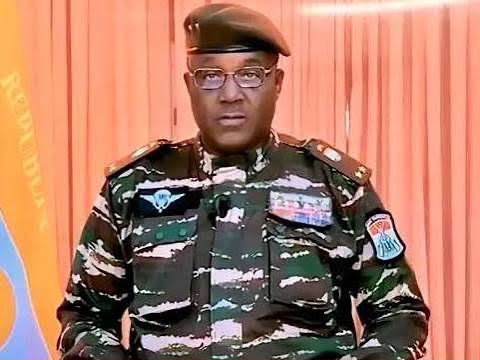
Mutiny: Presidential Guard Tightens Security Around Niger Presidency Amid Reports of Military Protest
By Zagazola Makama
Security was significantly reinforced around Niger’s Presidential Palace in Niamey following reports of unrest involving elements of the country’s armed forces, security sources told Zagazola Makama.
According to multiple security sources, the heightened deployment of the Presidential Guard, supported by armoured vehicles around the Presidential Palace on the night of July 3 and into July 4, followed what was described as a limited protest by personnel of an armoured unit within the Niger Armed Forces (FAN).
The sources said some soldiers reportedly declined deployment to frontline positions in northern Tillabéri Region, particularly around Inatès and Chinagodrar, citing inadequate heavy equipment and insufficient operational resources to confront the growing security threats in the area.
The protest was described by one source as a “small mutiny,” although there has been no official confirmation from the Nigerien authorities.
Security sources said the development triggered concern within the country’s leadership, prompting the reinforcement of security around the Presidential Palace and temporary restrictions on movement in the surrounding area as a precautionary measure.
The Tillabéri Region remains one of Niger’s most volatile security zones, with recurrent attacks by armed extremist groups, including factions linked to the so-called Islamic State in the Greater Sahara (ISGS).
As of the time of filing this report, the Nigerien government and military authorities had not issued any official statement regarding the reported protest or the increased security presence around the Presidency.
The situation remains under close observation.
Mutiny: Presidential Guard Tightens Security Around Niger Presidency Amid Reports of Military Protest

Two suspected criminals arrested during patrol in Plateau
By: Zagazola Makama
Troops of Sector 1 under Operation Enduring Peace have arrested two suspected criminals during a routine patrol in Jos East Local Government Area of Plateau.
Security sources disclosed that the suspects, identified as Azi Ezekiel, 21, and Ajiji Emmanuel, 19, were apprehended at about 10:30 a.m. on Saturday along the road leading to Forbur Village.
The sources said the suspects were intercepted by troops of Sector 1, Sub-Sector 12, while conducting a routine patrol in the area.
According to the sources, the two suspects have been handed over to the Keystone Police Station in Forbur for further investigation and possible prosecution.
The arrest forms part of ongoing security operations aimed at combating criminal activities and enhancing safety across Plateau State.
Two suspected criminals arrested during patrol in Plateau
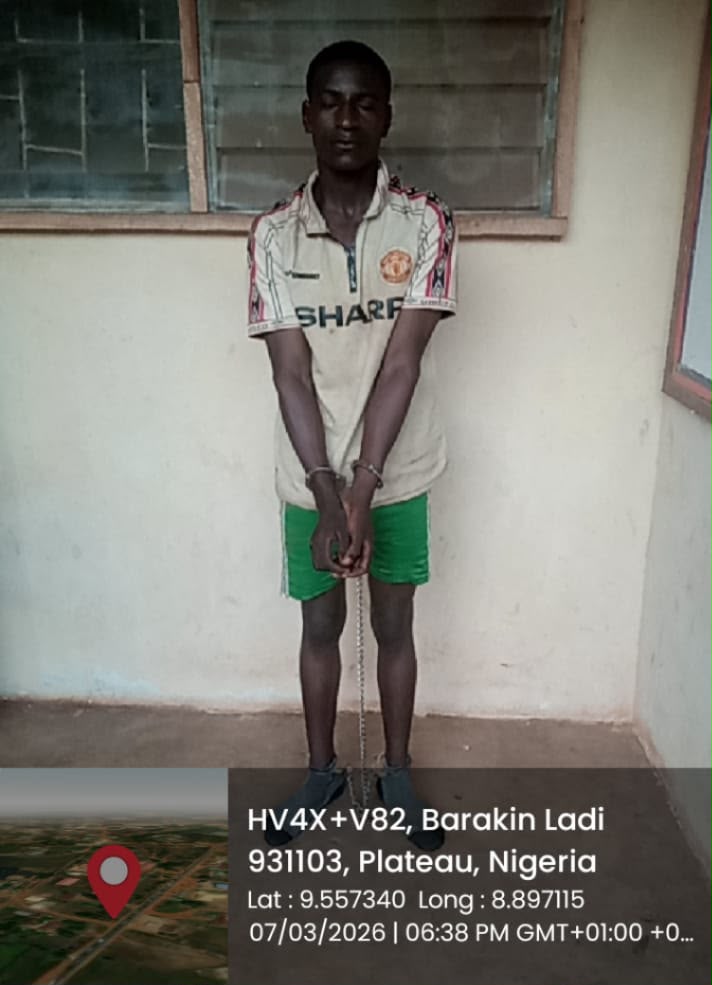
Troops arrest suspected kidnapper in Plateau community
By: Zagazola Makama
Troops of Sector 4 of Operation Enduring Peace have arrested a suspected kidnapper during a security operation in Barkin Ladi Local Government Area of Plateau.
Security sources said the suspect, identified as Mohamdu Surajo, 29, was arrested at about 6:45 p.m. on Friday at Sabon Layi Village following sustained security operations in the area.
The sources disclosed that the suspect is currently in military custody and is undergoing preliminary interrogation to aid ongoing investigations.
They added that the arrest is part of continued efforts by security forces to dismantle criminal networks and enhance security across Plateau State.
Troops arrest suspected kidnapper in Plateau community

President Tinubu Flags Off the Construction of Dikwa–Gamboru Ngala, Bama–Banki International Road Projects

Mutiny: Presidential Guard Tightens Security Around Niger Presidency Amid Reports of Military Protest

Troops Arrest Two Suspected Berom Militia Linked to NIPSS Attack as Security Sources Say Investigation Supports Earlier Leads

Roger Federer’s Shock as DNA Results Reveal Myla and Charlene Are Not His Biological Children

THE PLIGHT OF FARIDA

FAILED COUP IN BURKINA FASO: HOW TRAORÉ NARROWLY ESCAPED ASSASSINATION PLOT AMID FOREIGN INTERFERENCE CLAIMS
-
 News2 years ago
Roger Federer’s Shock as DNA Results Reveal Myla and Charlene Are Not His Biological Children
-
Opinions4 years ago
THE PLIGHT OF FARIDA
-
 News1 year ago
FAILED COUP IN BURKINA FASO: HOW TRAORÉ NARROWLY ESCAPED ASSASSINATION PLOT AMID FOREIGN INTERFERENCE CLAIMS
-

 News2 years ago
EYN: Rev. Billi, Distortion of History, and The Living Tamarind Tree
-
 Opinions5 years ago
POLICE CHARGE ROOMS, A MINTING PRESS
-

 ACADEMICS2 years ago
A History of Biu” (2015) and The Lingering Bura-Pabir Question (1)
-

 Columns2 years ago
Army University Biu: There is certain interest, but certainly not from Borno.
-

 Politics1 year ago
2027: Why Hon. Midala Balami Must Go, as Youths in Hawul and Asikira/Uba Federal Constituency Reject ₦500,000 as Sallah Gift
