
News
OPHK Crafts New Terror War Strategies In N’East

OPHK Crafts New Terror War Strategies In N’East
By: Zagazola Makama
The Operation Hadin Kai Theater Command is set to roll out new strategies for executing the North-East terror war as a decisive step to finally clear the region of all forms of terrorism.
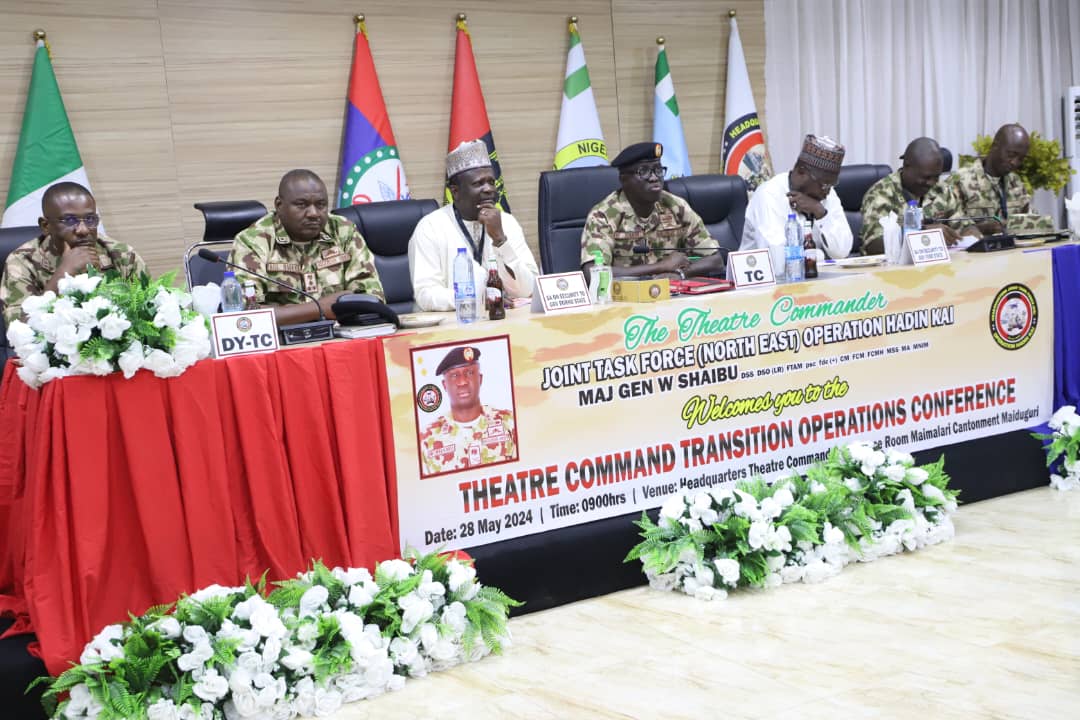
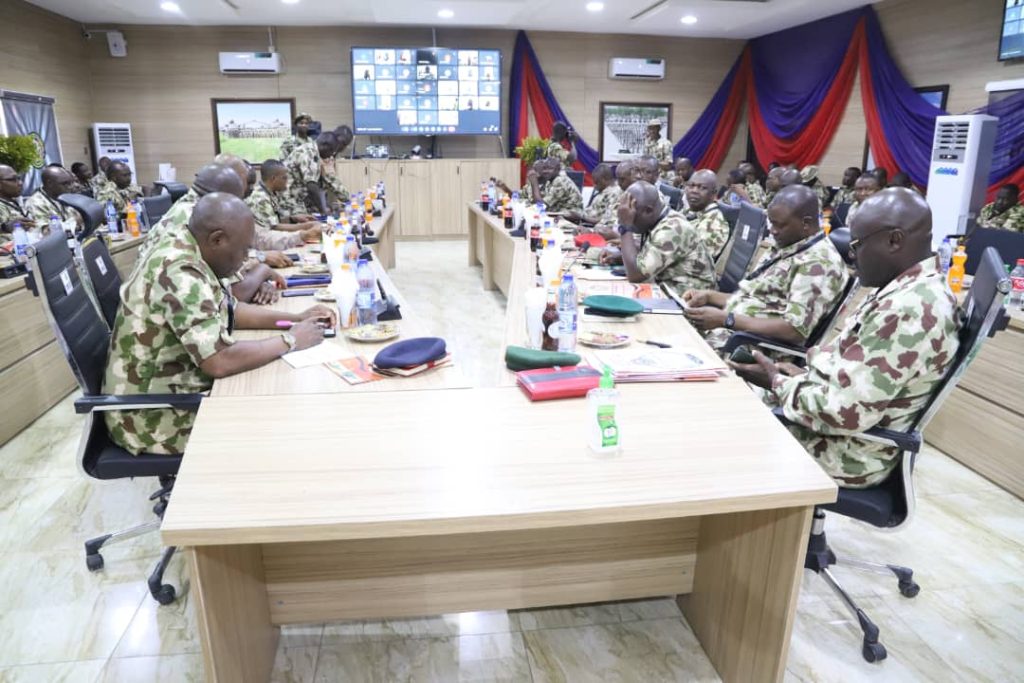
The Theater Command held its 2024 operational strategies review conference in Maiduguri on May 29 when all its sectors brainstormed on the strategies with the aim of upscaling and harnessing operations across the region to enable it achieve its mandate.
During the conference, which was held at the Command headquarters, Maimalari Cantonment, the sectors presented their Wet Season Operational Plans, highlighting current situations, types of operations to be conducted, strategies to be adopted for the operations, phases and challenges amongst others.
In his remarks at the opening of the conference, the Theater Commander North East Joint Task Force Operation Hadin Kai, Maj. Gen Waidi Shaibu, said the conference was conceptualized to draw lessons from previous Wet season Operations, as well as the various engagements of troops across the Theatre during the dry season to aid in preparing for Wet season.
He added that the aim of the conference was to bring all stakeholders on board to craft a sustainable plan that takes cognisance of all peculiarities, expectations and advice for a robust Wet season Operational Plan that would adequately cover the operational expectations from January to September, 2024.
The TC urged the sectors to review their plans to be more realistic in order to achieve a successful wet Season Operations.
He further used the medium to thank the host states governments for their support towards the successof the conference.
Earlier, the Deputy Theartre Commander Maj Gen KE Chigbu, in his welcome address, noted that under the leadership of the TC, the effort has remained the aggressive accomplishment of the mandate of Operation Hadin Kai.
He maintained that the kinetic operations have degraded the terrorists’ will to fight while the non kinetic efforts, in collaboration with host state governments as well as international and local organizations, was yielding the desired outcome.
The Special Adviser on Security to the Governor of Yobe State, Brig Gen D Abdulsalam Rtd, commended the TC for organizing the conference, noting that it was the first of its kind at the Theatre.
Gen Abdulsalam assured of Yobe state’s continuous support for all military operations to rid the North-East of terrorism.
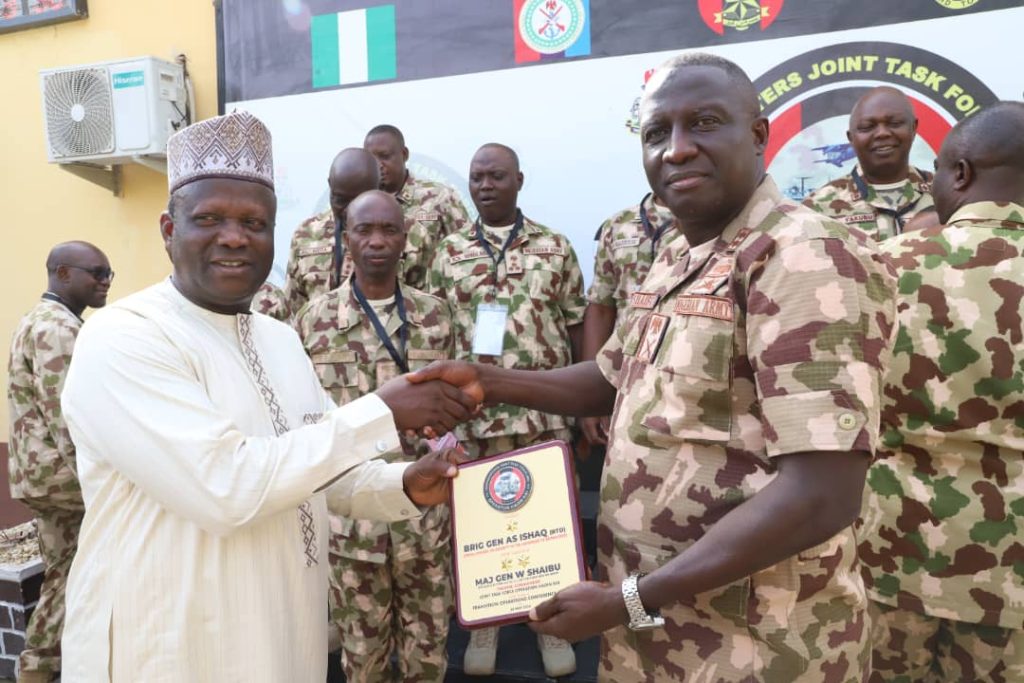
The conference, which featured discussion sessions, presentations of souvenirs and group photo, had in attendance the SA on Security to Governors of Borno and Yobe States, Brig Gen D Abdulsalam Rtd, Brig Gen AS Ishaq Rtd, Sect Comders, Component Comders, Brigade Comders, Principal Staff Officers, Commanders (virtually) and other senior officers.
OPHK Crafts New Terror War Strategies In N’East


IS attack kills 21 Nigerien soldiers in Dosso, raises July 31 death toll to 38
By Zagazola Makama
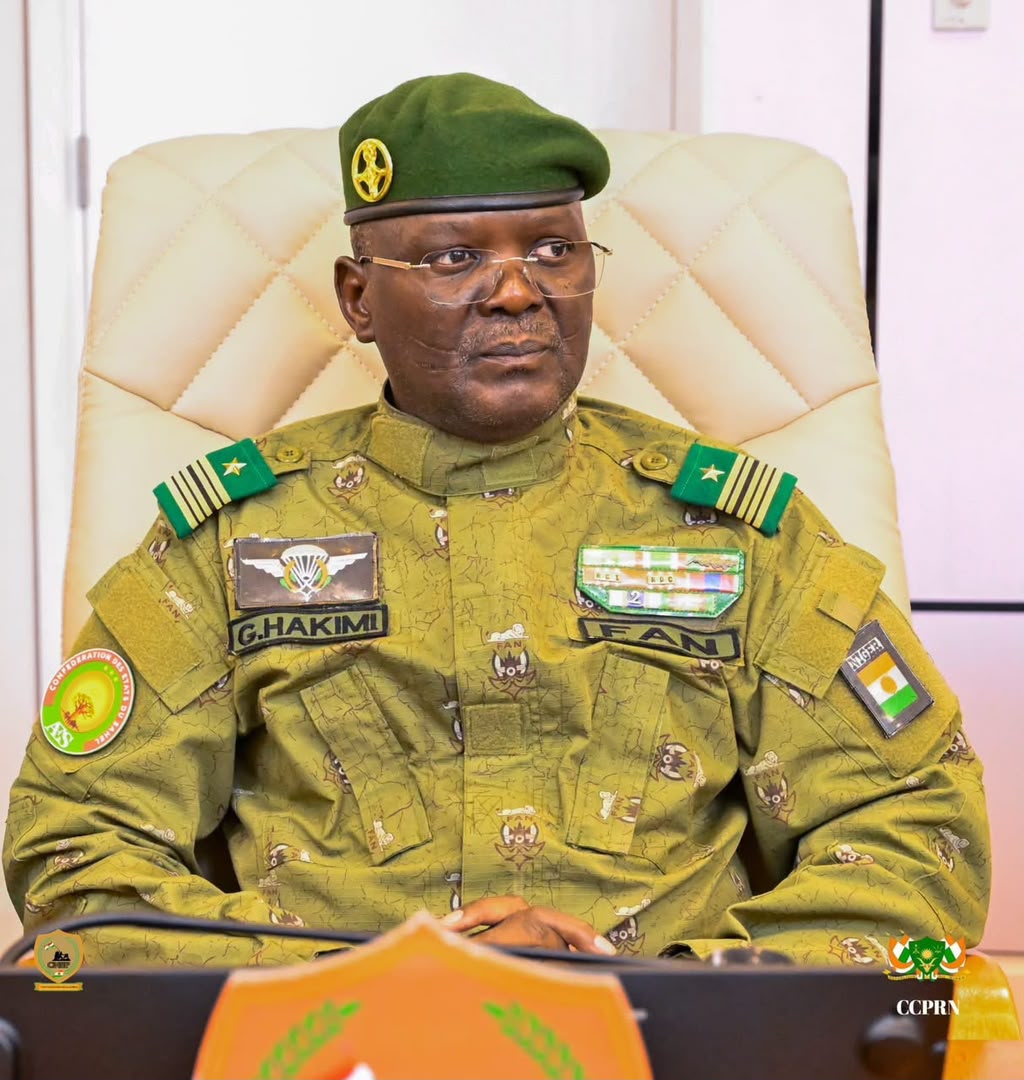
At least 21 Nigerien soldiers were killed on Friday after suspected fighters of the Islamic State attacked a military position at Dankassari, located between Doutchi and Yaya in Dosso Region, security and local sources told Zagazola Makama.
The coordinated assault, which occurred on July 31, targeted a forward position of the Nigerien Defence and Security Forces (FDS), with the attackers reportedly overrunning the base after intense fighting.
Security sources said the consolidated casualty figure stood at 21 soldiers killed. The number of wounded or missing personnel was not immediately available.
The attack came on the same day that another deadly assault struck the town of N’Guigmi in Diffa Region, where 17 members of the FDS, including an officer, were killed in a separate attack attributed to the Islamic State.
The two incidents bring the total number of Nigerien security personnel killed in terrorist attacks on July 31 alone to 38, underscoring the growing operational tempo of extremist groups across the country.
The latest attacks highlight the persistent security challenges facing Niger despite ongoing military operations against jihadist groups operating in the Tillabéri, Dosso, Diffa and Tahoua regions.
According to data compiled by the Armed Conflict Location and Event Data (ACLED), at least 5,828 people, including more than 2,000 members of the Defence and Security Forces, have been killed in terrorism-related violence in Niger since the military takeover of July 26, 2023.
As of the time of filing this report, the Nigerien authorities had yet to issue an official statement on the Dankassari attack or confirm the casualty figures.
IS attack kills 21 Nigerien soldiers in Dosso, raises July 31 death toll to 38

EMCAN Trustees Reject Purported Dissolution of Executive, Disown Interim Leadership
By: Michael Mike
A fresh leadership crisis has erupted within the Environment Media Correspondents Association of Nigeria (EMCAN) as the association’s Registered Trustees have rejected the purported dissolution of its Executive Committee and the announcement of an Interim Leadership by a faction of the body.
In a joint statement issued on Saturday, the Trustees declared that the congress from which the decisions emerged was unauthorized, procedurally defective, and incapable of producing binding resolutions on behalf of the association.
The statement, signed by Registered Trustees Amechi Chukwuekwu Oyema and Godson Elekwachi, insisted that the resolutions announced after the disputed meeting—including the dissolution of the Executive Committee and the constitution of an Interim Leadership—“remain disputed and cannot be regarded as the official position of EMCAN.”
The Trustees maintained that EMCAN has yet to adopt a formal constitution defining procedures for convening congresses, determining quorum, conducting elections, removing officers, or dissolving the Executive Committee, arguing that the absence of such a framework undermines the legitimacy of the exercise.
According to them, the congress was neither authorized by the Registered Trustees nor convened through any process recognised by the association.
The leadership dispute took another dimension as the Trustees alleged that several individuals who participated in the proceedings and voting were not registered members of EMCAN.
They specifically questioned the inclusion of Samuel Adeyinka of the Federal Radio Corporation of Nigeria (FRCN) and Folarin Kehinde in the purported Interim Executive Committee, as well as Adekunle Buruji in the Electoral Committee, claiming that available membership records do not list them as registered members of the association.
The Trustees also alleged that the motion establishing the Interim Leadership was seconded by Goodluck Adubazi of Standard Times, whom they equally claimed is not a registered member of EMCAN.
They said the alleged participation of non-members in decisions affecting the association raises “serious concerns regarding the legitimacy, credibility and integrity of the entire process.”
The Trustees stressed that they had neither considered, endorsed nor ratified any of the actions taken at the disputed meeting.
They therefore cautioned members, government institutions, development partners, media organisations and the general public against recognising claims that the Executive Committee had been lawfully dissolved or that a new leadership had validly emerged as representing the official position of EMCAN.
Amid the deepening internal disagreement, the Trustees pledged to pursue a peaceful resolution of the crisis through dialogue and institutional reforms.
They reiterated their commitment to facilitating the adoption of a constitution for the association and the conduct of transparent, inclusive and credible elections acceptable to all members.
Calling for restraint, the Trustees urged members to remain calm and avoid actions capable of worsening divisions within the association while consultations continue.
They reaffirmed their commitment to preserving the integrity of EMCAN, insisting that all decisions affecting the association must be taken through lawful, transparent, inclusive and democratically acceptable processes.
The latest development signals an intensifying struggle over the leadership of EMCAN, with rival claims now threatening the unity of the association as stakeholders await efforts by the Registered Trustees to broker a lasting resolution.
EMCAN Trustees Reject Purported Dissolution of Executive, Disown Interim Leadership
News
ECOWAS Parliament Moves to End Border Bottlenecks, Orders Sweeping Reforms to Boost Regional Trade

ECOWAS Parliament Moves to End Border Bottlenecks, Orders Sweeping Reforms to Boost Regional Trade
By: Michael Mike
The ECOWAS Parliament has launched a fresh push to dismantle the bureaucratic and regulatory barriers stifling trade across West Africa, adopting far-reaching recommendations aimed at harmonising customs procedures, eliminating non-tariff barriers and expanding access to finance for millions of Micro, Small and Medium Enterprises (MSMEs).
The resolutions, adopted at the end of a week-long delocalised joint committee meeting in Cotonou, Benin Republic, represent one of the strongest legislative interventions in recent years to tackle the persistent border bottlenecks that continue to frustrate the ECOWAS vision of a borderless regional market nearly five decades after the bloc was established.
The lawmakers said inconsistent customs procedures, multiple taxation, cumbersome import regulations, poor infrastructure and harassment of traders have continued to undermine regional integration, inflate the cost of doing business and limit the competitiveness of indigenous enterprises.
Presenting the resolutions on Friday, Co-Chairman of the Joint Committee, Hon. Alhagie Darbo, said member states must urgently harmonise customs procedures, import regulations, taxation policies and business registration requirements to create a predictable and business-friendly environment capable of driving investment, industrialisation and job creation across the sub-region.
He said the Parliament also called for the full implementation of ECOWAS trade and investment protocols, elimination of non-tariff barriers, increased investment in trade-supporting infrastructure and stronger national monitoring mechanisms to improve the ease of doing business.
The regional lawmakers urged governments to adopt legal, regulatory and fiscal reforms that encourage entrepreneurship, support the transition of informal businesses into the formal economy, promote local value addition and improve the competitiveness of MSMEs.
Recognising the growing complaints by traders over market administration and extortion, the Parliament further recommended transparent management of market facilities, accessible tenancy agreements, review of restrictive trading practices and decisive action against unlawful harassment of traders.
To address one of the biggest constraints facing small businesses, the Parliament also advocated expanded financial inclusion programmes and affordable financing, particularly for women-owned and youth-led enterprises, to enable them participate more effectively in regional value chains.
The ECOWAS Commission was directed to strengthen implementation of the ECOWAS MSME Development Policy (2021-2030) through enterprise support centres, business development programmes, entrepreneurship initiatives and digital skills development.
The lawmakers equally called for the establishment of export support centres along major trade corridors and strategic border posts to guide exporters, simplify compliance with trade regulations and reduce administrative delays that continue to hamper intra-regional commerce.
In another major recommendation, the Parliament urged accelerated harmonisation of ECOWAS product standards, certification and quality assurance systems to ensure goods produced within the region meet uniform requirements and enjoy easier access to regional and continental markets.
It also advocated stronger implementation of the ECOWAS Trade Liberalisation Scheme (ETLS) through simplified procedures, improved awareness among businesses, greater transparency and complete removal of non-tariff barriers.
To reduce the region’s dependence on imports from outside Africa, the Parliament called for deliberate policies encouraging industries to source semi-processed raw materials and intermediate products from within the Community, while supporting inclusive industrial and agricultural clusters capable of attracting investment, improving productivity and strengthening regional competitiveness.
The lawmakers further tasked the ECOWAS Bank for Investment and Development (EBID) with expanding access to affordable financing through innovative instruments such as credit guarantee schemes, concessional lending windows and risk-sharing mechanisms targeted at MSMEs, especially businesses owned by women and young entrepreneurs.
Beyond financing, the bank was urged to support investment in regional industrial and agricultural clusters that would enable producers to increase capacity and integrate into regional markets.
The Parliament also pledged to intensify oversight of member states’ compliance with ECOWAS trade, industrialisation and MSME development frameworks while transmitting the resolutions to relevant regional institutions and pursuing sustained advocacy at the national level.
Speaking after the meeting, Chairman of Nigeria’s House of Representatives Committee on Small and Medium Enterprises and member of the ECOWAS Parliament, Hon. Pascal Agbodike, said Nigerian parliamentarians would immediately engage the National Assembly to ensure implementation of the recommendations.
He acknowledged the numerous complaints raised by traders over Nigeria’s borders, assuring that the concerns would receive comprehensive legislative attention.
The latest resolutions followed extensive field visits and town hall engagements with traders and business operators in Benin Republic, where participants recounted persistent delays at border crossings, multiple checkpoints, inconsistent customs practices and other barriers that continue to undermine the ECOWAS protocol on free movement of goods and services.
The renewed legislative push comes at a critical time when West African governments are seeking to deepen regional integration, stimulate industrialisation and position the sub-region to maximise opportunities under the African Continental Free Trade Area (AfCFTA).
If faithfully implemented by member states and regional institutions, the reforms could mark a significant turning point in dismantling long-standing trade obstacles, unlocking the growth potential of MSMEs and bringing the ECOWAS ambition of a truly integrated regional market closer to reality.
ECOWAS Parliament Moves to End Border Bottlenecks, Orders Sweeping Reforms to Boost Regional Trade

IS attack kills 21 Nigerien soldiers in Dosso, raises July 31 death toll to 38

EMCAN Trustees Reject Purported Dissolution of Executive, Disown Interim Leadership

ECOWAS Parliament Moves to End Border Bottlenecks, Orders Sweeping Reforms to Boost Regional Trade

Roger Federer’s Shock as DNA Results Reveal Myla and Charlene Are Not His Biological Children

THE PLIGHT OF FARIDA

FAILED COUP IN BURKINA FASO: HOW TRAORÉ NARROWLY ESCAPED ASSASSINATION PLOT AMID FOREIGN INTERFERENCE CLAIMS
-
 News2 years ago
Roger Federer’s Shock as DNA Results Reveal Myla and Charlene Are Not His Biological Children
-
Opinions4 years ago
THE PLIGHT OF FARIDA
-
 News1 year ago
FAILED COUP IN BURKINA FASO: HOW TRAORÉ NARROWLY ESCAPED ASSASSINATION PLOT AMID FOREIGN INTERFERENCE CLAIMS
-

 News2 years ago
EYN: Rev. Billi, Distortion of History, and The Living Tamarind Tree
-
 Opinions5 years ago
POLICE CHARGE ROOMS, A MINTING PRESS
-

 ACADEMICS2 years ago
A History of Biu” (2015) and The Lingering Bura-Pabir Question (1)
-

 Columns2 years ago
Army University Biu: There is certain interest, but certainly not from Borno.
-

 Politics1 year ago
2027: Why Hon. Midala Balami Must Go, as Youths in Hawul and Asikira/Uba Federal Constituency Reject ₦500,000 as Sallah Gift
