
News
Petrobras Eyes Return To Nigeria’s Oil Sector, Targets Deepwater Acreage

Petrobras Eyes Return To Nigeria’s Oil Sector, Targets Deepwater Acreage
** As VP Shettima mobilises ministers to capitalise on Brazil’s hosting of BRICS, G20, COP30
By: Our Reporter
Petrobras, the state oil company of Brazil, is seeking to re-enter Nigeria’s oil sector, with a specific interest in frontier deepwater acreage.
As the economic reforms of the administration of President Bola Ahmed Tinubu take root, the company, which had previously wound down its operations in Nigeria at the Agbami Field, is now actively engaging with Nigerian authorities as part of broader efforts to revitalise bilateral cooperation ahead of the 2025 Nigeria-Brazil Strategic Dialogue Mechanism (SDM).
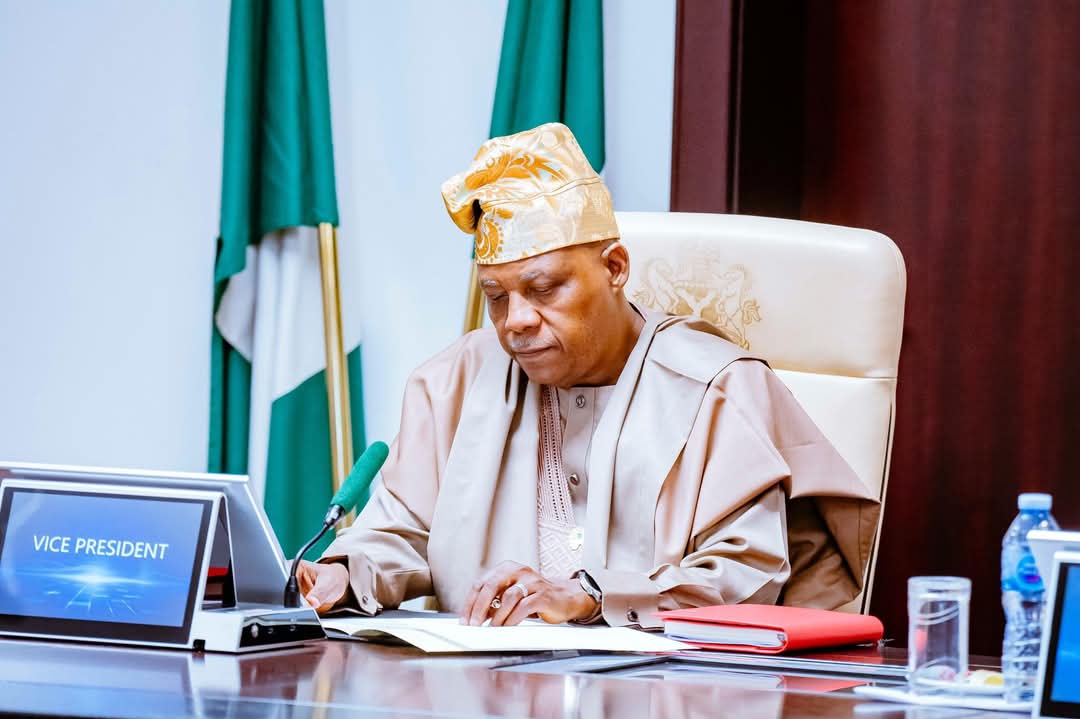
This was part of the discussions on Wednesday during the interministerial review meeting chaired by Vice President Kashim Shettima at the Presidential Villa, Abuja, to coordinate Nigeria’s preparations for the second session of the SDM scheduled for June 2025.
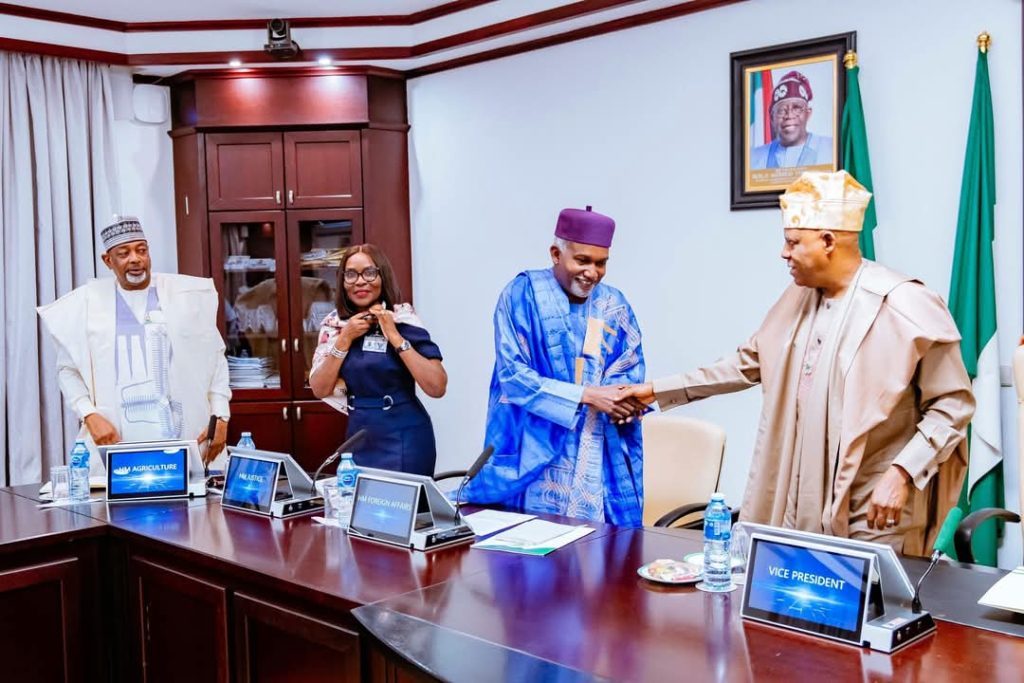
Speaking at the meeting, VP Shettima said, “The presence of six ministers and the Solicitor-General of the federation in this review meeting ahead of the second session of the Nigeria-Brazil Strategic Dialogue Mechanism shows the importance we have attached to our relationship with Brazil.
“We have not maximally capitalised on the fraternity between us and Brazil, but it is better late than never. The upcoming SDM presents an opportunity to execute sector-specific Memoranda of Understanding (MOUs) and unlock investment flows.”
The Vice President particularly noted that 2025 represents a critical moment of interface with Brazil, emphasising that the convergence of international events provides Nigeria a unique opportunity to advance its interests on the global stage.
“This year is our moment of interface with Brazil. Brazil is hosting so many global events this year, from the BRICS Summit to the G20 Summit and COP30. This convergence of events provides us with a unique opportunity to advance our interests on the global stage,” the Vice President said.
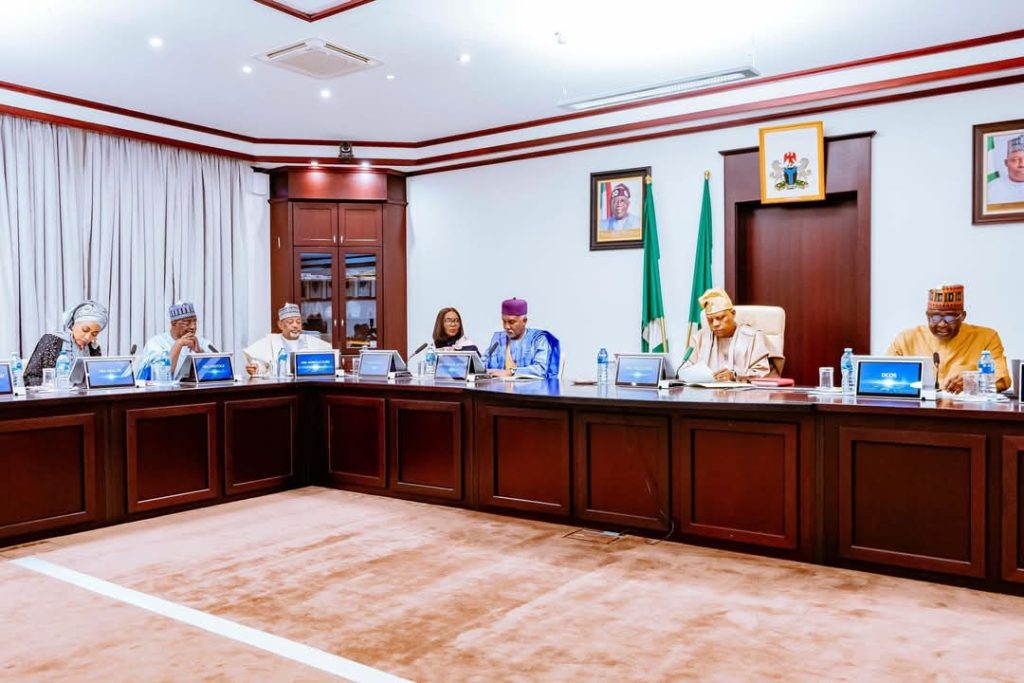
VP Shettima commended the ministers for their passion and aggression in pursuing Nigeria’s national interest, noting that “there is a sea change in our attitude, disposition, and commitment.”
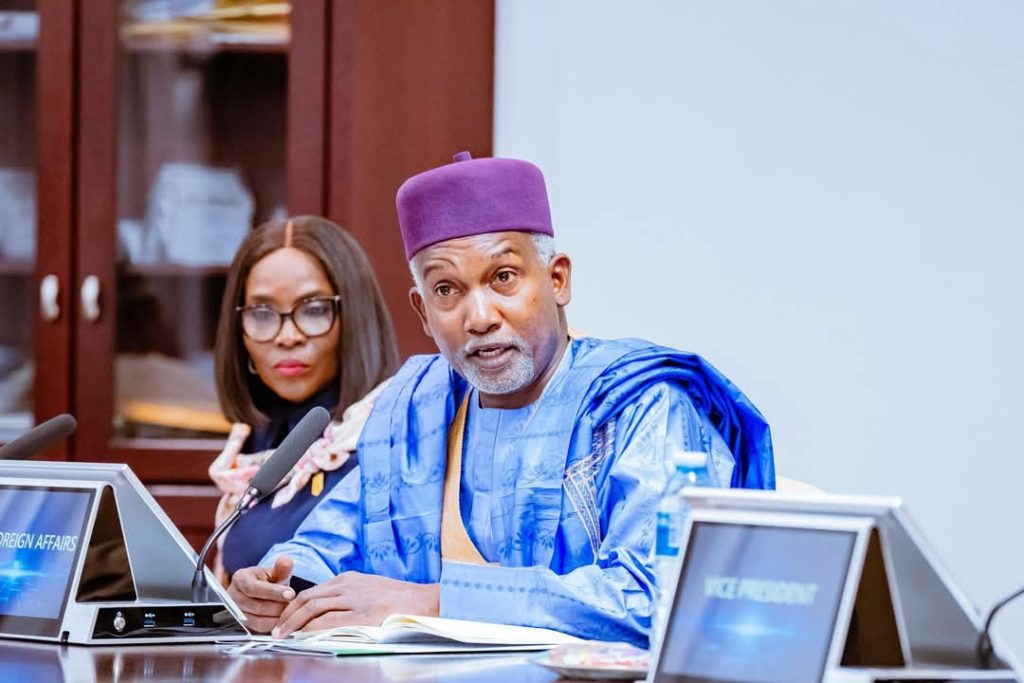
Earlier, Minister of Foreign Affairs, Ambassador Yusuf Tuggar, confirmed ongoing engagements with Petrobras, saying, “Apart from Ethanol, which they are hoping to engage the NNPCL for blending, Petrobras is also being actively engaged, and we expect they will form part of the delegation to Nigeria. Petrobras is no longer active in Nigeria, but they are very keen on coming back to Nigeria. They said they want frontier acreage in deep waters.”
The Foreign Affairs Minister further reported that Brazil’s preparations for the dialogue are well advanced, with both government agencies and private sector players being actively engaged by the Brazilian Vice President.
The Ministry of Foreign Affairs, which is coordinating the interministerial working groups, has compiled at least 12 draft MOUs pending approval from the Ministry of Justice. These cover areas such as energy, health, culture, and agriculture.
Also, Minister of Art, Culture, Tourism, and Creative Economy, Hannatu Musawa, emphasised the historical and ancestral connections between Nigeria and Brazil, noting that a significant percentage of Brazilians trace their roots to Nigeria.
“We must not only preserve this relationship but deepen it. We’ve finalised MOUs with the Nigerian Film Corporation on audiovisual co-productions, the National Gallery of Arts for joint exhibitions, and the Centre for Black and African Arts and Civilisation ahead of FESTAC at 50 next year,” Musawa said.
On agriculture, Minister of Agriculture, Senator Abubakar Kyari, outlined completed MOUs focused on research collaborations: “We have finalised MOUs that focus on research in three areas of soybean value chain development, cassava research and technology transfer and agro-forestry systems, which promote integrated crop and livestock models and erosion control and climate adaptation,” he said.
The minister noted that these efforts build on the previously signed Green Imperative Project (GIP) agreement between Nigeria and Brazil.
Also, Coordinating Minister of Health and Social Welfare, Professor Muhammad Pate, pointed to Brazil’s achievements in universal health coverage as a model for Nigeria.
He said, “There are important opportunities for us in several areas in our efforts to achieve universal health coverage and primary health care between Nigeria and Brazil- they have done a lot that we can learn from them. There is the aspect of knowledge sharing and workforce, and human capital training in specialised areas.
“We see potential for collaboration in pharmaceutical research, local drug manufacturing, and workforce training. Brazil’s experience in addressing tropical and sub-tropical diseases makes it an ideal partner for joint research and development.”
Other ministers present at the meeting included the Minister of Livestock Development, Idi Mukhtar Maiha and the Minister of Environment, Balarabe Lawal.
Petrobras Eyes Return To Nigeria’s Oil Sector, Targets Deepwater Acreage


Maccido at 20: Family Tasks Leaders on Dialogue, Accountability
By: Michael Mike
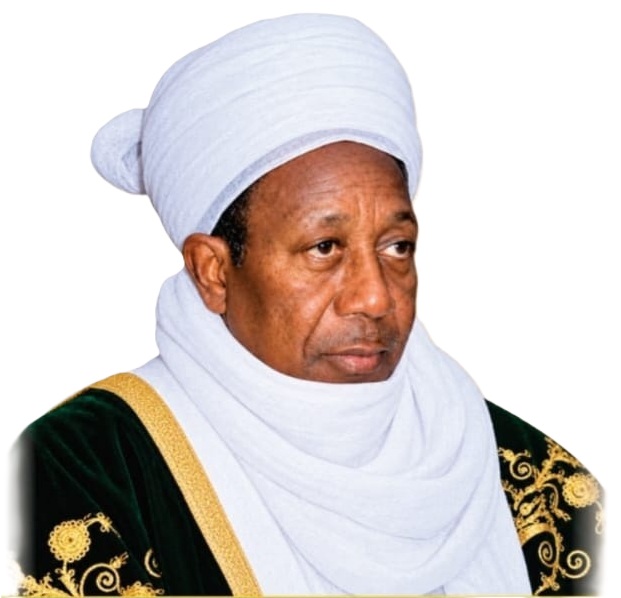
The family of the late Sultan of Sokoto, Muhammadu Maccido, has challenged Nigerian leaders to embrace dialogue, accountability and religious tolerance as the country grapples with insecurity, communal tensions and growing threats to peaceful coexistence.
The call came as the family prepares to mark 20 years since Maccido died in the October 29, 2006, ADC Airlines Flight 053 crash in Abuja, which claimed 96 lives, including the Sultan, his son, Senator Badamasi Maccido, and his grandson.
In a statement on Sunday signed by Bello Maccido, the family said the late monarch’s leadership philosophy offered enduring lessons for a country struggling with security and social challenges.
“At a time when our nation faces serious security and social challenges, the ideals our father stood for remain as relevant as ever,” the family said.
Maccido, who became the 19th Sultan of Sokoto in April 1996, was known for his emphasis on consultation, moderation, national unity and service to humanity. He also served as President-General of the Nigerian Supreme Council for Islamic Affairs, where he occupied a prominent position in the country’s Islamic leadership.
Born in 1926 in Dange, Sokoto State, Maccido was a son of Sultan Abubakar III and a descendant of Sheikh Usman dan Fodio. Before ascending the throne, he served in public administration, including as Presidential Liaison Officer in Sokoto State.
The family said his reign was marked by support for interfaith engagement, education, public health and campaigns against polio and HIV/AIDS, reflecting his conviction that traditional institutions should contribute meaningfully to national development.
It recalled former President Shehu Shagari’s description of Maccido as a patient and consultative leader who preferred dialogue to confrontation.
“He does not rush or dictate things,” Shagari was quoted as saying.
The Sultan died when an ADC Boeing 737 crashed shortly after taking off from Abuja on October 29, 2006. He had travelled to the capital to attend a Presidential Forum on Education.
The tragedy also claimed the lives of several other passengers and crew, making the anniversary a moment of remembrance for families affected by the disaster.
The Maccido family urged Nigerians to preserve the late Sultan’s legacy by promoting peaceful coexistence, justice and national unity. It also called for stronger aviation safety measures and regulatory accountability to prevent similar tragedies.
“Let this twentieth remembrance be more than an occasion for mourning,” the family said, urging citizens to work towards the peaceful, just and united society the late monarch championed.
Maccido at 20: Family Tasks Leaders on Dialogue, Accountability
NDLEA busts drug network as South African woman, US-based grandma arrested
By: Michael Mike
A South African woman allegedly recruited to smuggle 36.65 kilogrammes of cocaine out of Nigeria, a United States-based Nigerian grandmother accused of bringing in 9.45 kilogrammes of high-grade cannabis, and a Lagos car dealer suspected of facilitating the cocaine courier’s movements have been arrested in separate operations by the National Drug Law Enforcement Agency (NDLEA).
The arrests, involving international drug consignments moving through the Murtala Muhammed International Airport (MMIA), Lagos, have exposed fresh leads in investigations into suspected cross-border trafficking networks, as the agency intensifies operations against drug syndicates and their local collaborators.
The South African suspect, identified as 34-year-old Qhina Beauty, allegedly agreed to transport the cocaine for a reward of R20,000, while the 62-year-old Nigerian-American grandmother, Anetor Gloria Ubong, reportedly told investigators that a box containing the cannabis was given to her in the United States for delivery to her daughter’s fiancé in Nigeria.

The arrests formed part of a nationwide crackdown that also uncovered large consignments of pharmaceutical opioids, cannabis and other illicit substances in Lagos, Delta, Kano, Bauchi, Niger, Edo, Ondo, Taraba and Oyo states.
The latest development comes against the backdrop of previous cases involving South African nationals arrested for drug trafficking in Nigeria, including a woman sentenced to a total of 40 years’ imprisonment in September for importing 5.75 kilogrammes of heroin into the country.
According to a statement by the spokesman of the anti-narcotics agency, Femi Babafemi, Qhina was arrested on October 7 by NDLEA operatives at the Lagos airport as she prepared to board a Qatar Airways flight to South Africa through Doha.
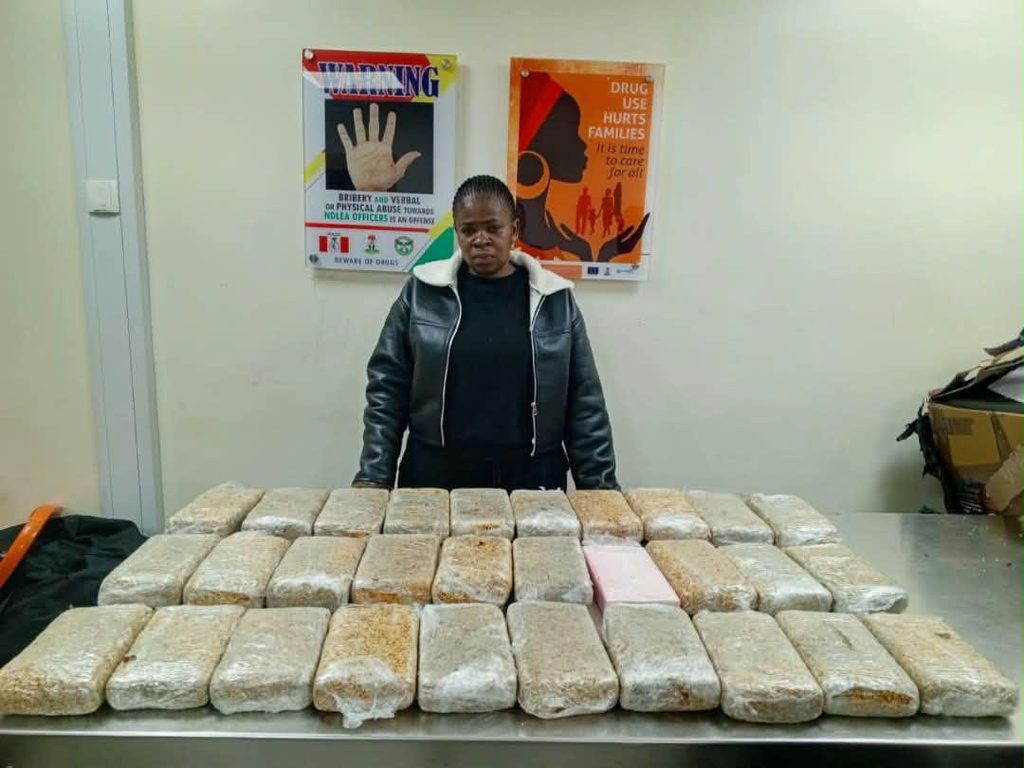
He said a search of her two travelling bags uncovered 30 blocks of cocaine weighing 36.65 kilogrammes, wrapped in cellophane tape, mixed with dried pepper and concealed in seven separate parcels.
She was reported to have during interrogation told investigators that she had arrived in Nigeria on September 30 specifically to collect the consignment. She allegedly identified another South African woman as her recruiter and said she had been promised R20,000 upon successful delivery.
She also reportedly identified two other alleged members of the network, one based in the United States and the other a Lagos-based car dealer.
Babafemi said following further investigation and surveillance, NDLEA operatives arrested the suspected local accomplice, 46-year-old Uchenna Umunnakwe, at Apple Junction, Ago Palace Way, Lagos, on October 14.
He said Umunnakwe admitted receiving Qhina at the airport, arranging her accommodation at Santiago Hotel in Amuwo-Odofin and subsequently moving her to Cynarisso Hotel near the airport ahead of her departure.
The arrest of the car dealer has widened the investigation beyond the interception of the cocaine consignment to the alleged logistics supporting the courier’s movements within Lagos.
In another airport operation, NDLEA officers arrested Anetor Ubong on October 21 after she arrived from Houston, Texas, aboard a United Airlines flight.
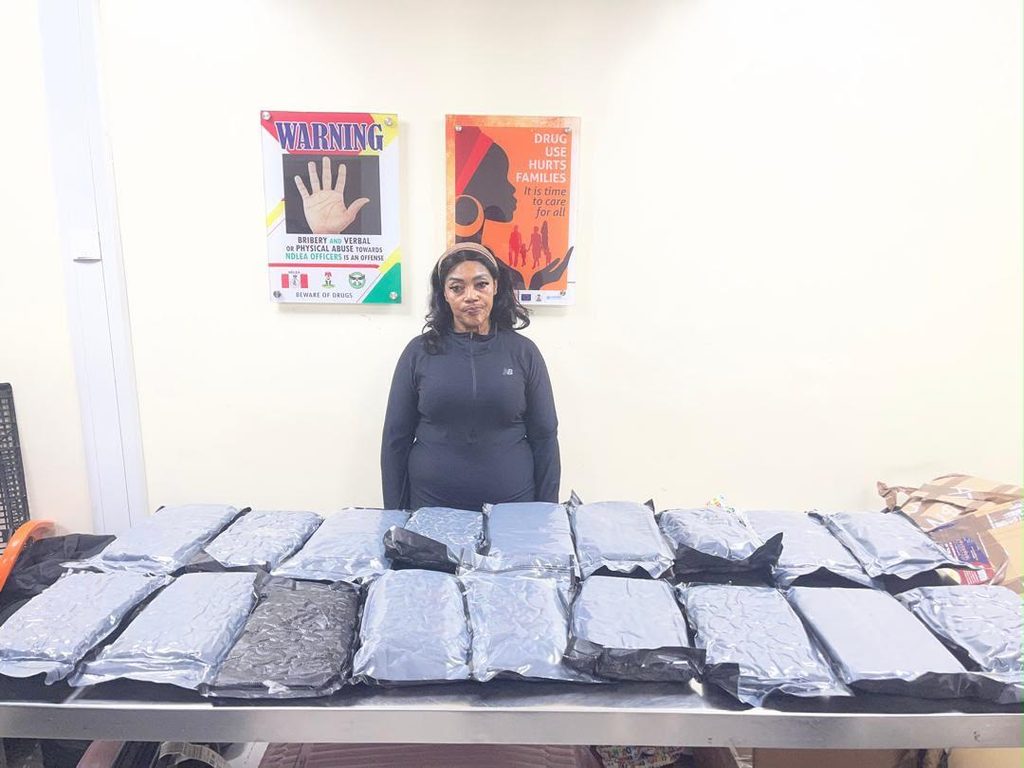
The 62-year-old realtor, who is based in Richmond, Texas, and holds Nigerian and United States passports, was found with 18 parcels of loud weighing 9.45 kilogrammes in her two checked-in boxes.
The substance, a high-potency form of cannabis, was concealed with gift-wrapping paper inside a box.
Ubong reportedly told investigators that her daughter and the daughter’s future brother-in-law had delivered the box to her home in the United States for onward delivery in Nigeria to her daughter’s fiancé, identified as Jibola.
The agency’s investigation into the two airport interceptions comes amid other high-profile cases involving foreign drug couriers.
In September, a Federal High Court in Abuja sentenced South African national Will Jessica Ann to a total of 40 years’ imprisonment for importing 5.75 kilogrammes of heroin into Nigeria.
Ann was arrested at the Nnamdi Azikiwe International Airport, Abuja, on July 6, after arriving from Doha aboard a Qatar Airways flight. NDLEA operatives reportedly discovered 14 blocks of heroin in her luggage.
The agency said further investigations linked her to an alleged international trafficking network involving her husband, Jan Coenraad De Jager, who was arrested in Johannesburg on July 27 over an alleged attempt to traffic 3.2 kilogrammes of illicit drugs to Hong Kong.
Justice Obiora Egwuatu convicted Ann after she pleaded guilty to charges relating to importing heroin and conspiracy to import the substance. The sentences were ordered to run concurrently.
The earlier case underlines the potential international reach of drug trafficking networks that use couriers to move consignments between continents, although there is no established evidence linking Ann’s case to the latest investigation involving Qhina.
Beyond the airport seizures, NDLEA operatives recorded substantial recoveries across the country, including thousands of opioid tablets, codeine syrup, cannabis consignments and cultivated cannabis farms.
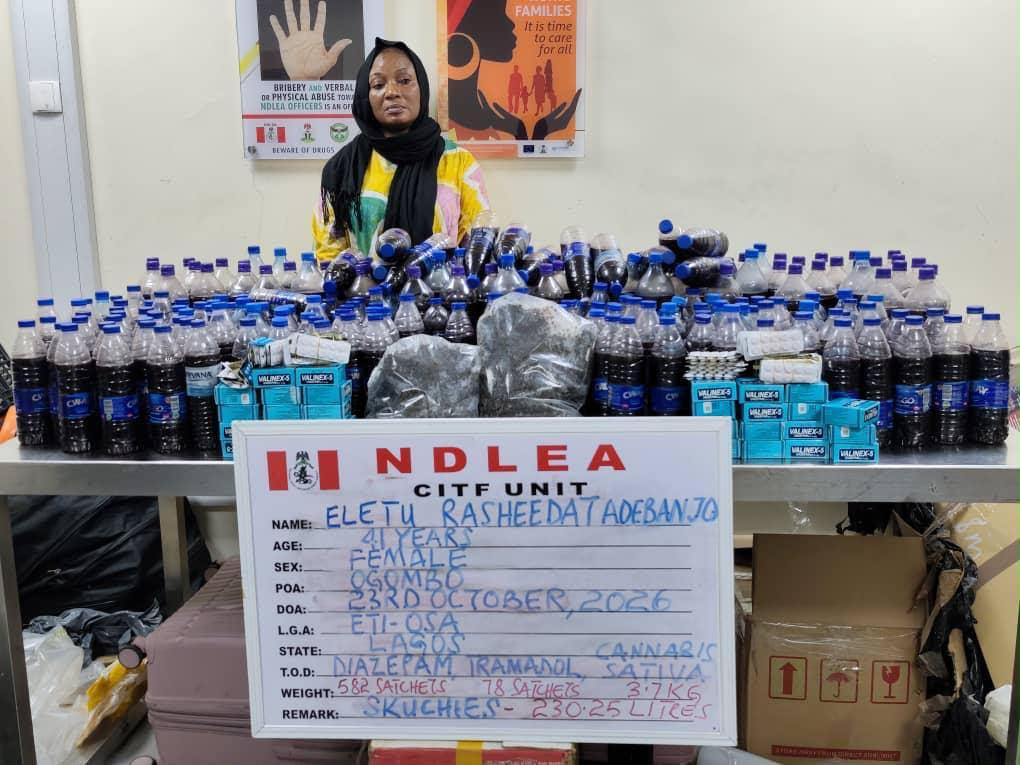
In Lagos, a special operations unit arrested 41-year-old Eletu Rasheedat in the Eti-Osa area on October 23, recovering 5,820 pills of diazepam, 780 tramadol tablets, 3.7 kilogrammes of skunk and 230.25 litres of skuchies.
In Delta State, operatives arrested 51-year-old Peter Ugochukwu in Warri with a large cache of pharmaceutical opioids.
The agency listed the seizures as 29,350 tramadol capsules, 6,620 tablets of tramadol 200mg, 4,116 bottles of codeine syrup, 11,340 Rohypnol tablets, 3,500 diazepam tablets, 300 ampoules of pentazocine injection and 200 ampoules of diazepam injection.
Quantities of tramadol 225mg, Molly and Cocodamol were also recovered. The suspect and a white Hummer bus were transferred from the Nigeria Police Force in Delta State to the NDLEA.
In a separate operation at Enerhen Junction, Warri, operatives arrested 46-year-old Helen Bakporo Samson, a physically challenged woman, on October 19 with six kilogrammes of skunk.
In Oyo State, officers arrested 41-year-old Fajana Dada Oluwaseyi in the Adamasingba area of Ibadan on October 19. The agency said he had earlier escaped arrest after operatives seized 197.8 kilogrammes of cannabis from his residence on September 16.
A raid in the Gerawa area of Kano State on October 22 led to the arrest of 30-year-old Murtala Lawan and the seizure of 159 blocks of cannabis weighing 97.2 kilogrammes.
In Taraba State, operatives at the Lankaviri checkpoint in Yorro Local Government Area intercepted 39-year-old Raiyanu Misa on October 23 with 95 blocks of compressed cannabis weighing 60.175 kilogrammes.
On the same day, the agency received another suspect from the police following his arrest at Dakka village in Bali Local Government Area, where 112 blocks of compressed cannabis weighing 81.49 kilogrammes were recovered.
In Niger State, NDLEA officers arrested 26-year-old Emmanuel Ekene on October 19 along the Sabo-Kainji road in Borgu Local Government Area, recovering 64,000 pills of opioids, including tramadol and diazepam.
In Bauchi State, operatives arrested 45-year-old Jamilu Mustapha, also known as Last Card, at Nasaru town in Ningi Local Government Area on October 21. They seized 379 kilogrammes of cannabis packed in seven large sacks.
The agency also recorded significant seizures from cannabis farms in Ondo and Edo states.
Babafemi said acting on intelligence, operatives raided a farm at Board-Ala in Akure South Local Government Area of Ondo State on October 20, recovering 56 bags of abandoned cannabis weighing 583 kilogrammes.
In Edo State, officers destroyed two cannabis farms in Ugbada Forest, Uzebba, Owan West Local Government Area, on October 18. The farms had an estimated yield of 2,023.14 kilogrammes.
During the operation, operatives destroyed 450 kilogrammes of processed cannabis by burning and took another 97 kilogrammes as exhibits. In a related operation at Ewe community in Owan West, they arrested 42-year-old Mary Edokhai with 35 kilogrammes of the substance.
The agency said its enforcement operations were complemented by public sensitisation campaigns under its War Against Drug Abuse initiative, with lectures delivered to students and staff of schools in Oyo, Niger, Ogun, Kano, Enugu, Anambra and Osun states, among other locations.
NDLEA Chairman and Chief Executive Officer, Brig.-Gen. Buba Marwa (retd.), commended officers of the Lagos airport and the Kano, Lagos, Bauchi, Niger, Edo, Ondo, Taraba, Oyo and Delta commands for what he described as vigilance, professionalism and intelligence-driven operations.
He urged personnel nationwide to sustain the momentum in the fight against drug trafficking and substance abuse.
NDLEA busts drug network as South African woman, US-based grandma arrested
China Takes Taiwan Reunification Campaign to Africa Through Abuja Exhibition
By: Michael Mike
China has stepped up efforts to rally African understanding of its position on Taiwan, using an exhibition in Abuja to draw parallels between Beijing’s reunification agenda and the continent’s historical struggles against colonialism and foreign domination.
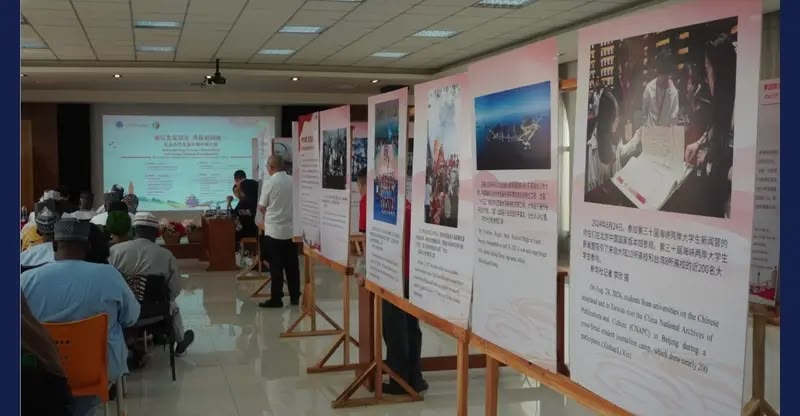
The exhibition, organised by Xinhua News Agency’s Africa Regional Bureau in partnership with other organisations, brought together diplomats, researchers, business leaders and media practitioners on Friday to commemorate the 81st anniversary of Taiwan’s restoration to China after Japan’s defeat in the Second World War.
Held under the theme, “Remembering Taiwan’s Restoration, Advancing National Reunification,” the exhibition featured more than 30 photographs across four thematic sections documenting historical events surrounding Taiwan’s return to Chinese control in 1945.
Beyond the historical displays, the event provided a platform for Chinese representatives and Nigerian scholars to advance Beijing’s position on national sovereignty, territorial integrity and the eventual reunification of China and Taiwan.
Gui Tao, Deputy Editor-in-Chief of Xinhua News Agency’s Africa Regional Bureau, said the exhibition was part of a series of commemorative activities taking place in Nigeria, Kenya, Tanzania, South Africa and Mozambique.
He said the initiative was designed to deepen African understanding of China’s historical experience, adding that the continent’s encounters with colonialism and struggles for independence provided a basis for appreciating Beijing’s position on national unity.
Gui said the historical experiences of China and African countries underscored the importance of sovereignty, national dignity and respect for historical facts.
He maintained that understanding each other’s history was essential to strengthening relations between China and African countries, particularly through cultural engagement and people-to-people exchanges.
Yang Jianxing, Cultural Counsellor at the Chinese Embassy in Nigeria, described Taiwan’s restoration as an important outcome of China’s victory in the War of Resistance Against Japanese Aggression.
He said the photographs and accompanying historical records illustrated China’s determination to defend its sovereignty and territorial integrity, stressing that the commemoration offered an opportunity to reflect on the historical significance of Taiwan’s restoration and Beijing’s commitment to national reunification.
Hu Jieguo, Secretary-General of the China Council for the Promotion of Peaceful National Reunification in Western Africa, also linked the anniversary to the sacrifices made by millions of Chinese during the war against foreign aggression.
Hu said the historical experiences of China and Nigeria offered common ground for discussions about sovereignty and national unity, noting that both countries had experienced the consequences of foreign domination.
The Chinese representatives’ appeal received support from Nigerian scholars who drew parallels between China’s position on Taiwan and Nigeria’s diplomatic commitment to the one-China principle.
Sheriff Ibrahim, Head of the Centre for Contemporary China-Africa Research in Nigeria, said Nigeria had consistently reaffirmed its recognition of the one-China principle.
He compared China’s efforts to preserve national unity with Nigeria’s own experience in protecting its territorial integrity and expressed confidence that Beijing would eventually achieve peaceful reunification with Taiwan.
Similarly, Charles Onunaiju, Director of the Centre for China Studies in Nigeria, said Africa’s experience of colonialism and foreign intervention offered a historical context for understanding China’s concerns about sovereignty and national unity.
The exhibition also sought to reinforce its message through personal accounts of Taiwanese businesspeople living and working on the Chinese mainland, presenting economic and social connections as part of the broader relationship between Taiwan and mainland China.
Chen Chi-An, Executive Vice President of the Guangzhou Taiwan-Funded Enterprises Association, said more than 2,900 Taiwan-funded companies were operating in Guangzhou.
He also highlighted the presence of Taiwanese students in the city, describing his professional interactions with young people from mainland China as one of the rewarding aspects of his experience.
Wu Chun-Jui, President of the Taiwan Businessmen Association in Dongguan, said the city offered a favourable business environment for Taiwanese entrepreneurs. He disclosed that Taiwanese businesspeople had established privately funded hospitals and schools there, contributing to local development.
Hsu Fu-hsien, President of the Taiwan Merchant Association in Shenzhen, said he had lived and worked in the city since 1990, building his career and family there.
Hsu said his experience reflected the connections developed by Taiwanese businesspeople on the mainland, expressing hope that the exhibition would help African audiences better understand their experiences.
The event also featured the presentation of a book edited by Xinhua News Agency, while Taiwan businessmen associations in Guangzhou and Shenzhen donated books to Nigerian officials and experts.
The exhibition formed part of broader activities aimed at promoting cultural exchanges and discussions on China’s historical experience and relations with African countries.
China Takes Taiwan Reunification Campaign to Africa Through Abuja Exhibition

Maccido at 20: Family Tasks Leaders on Dialogue, Accountability

NDLEA busts drug network as South African woman, US-based grandma arrested

China Takes Taiwan Reunification Campaign to Africa Through Abuja Exhibition

Roger Federer’s Shock as DNA Results Reveal Myla and Charlene Are Not His Biological Children

THE PLIGHT OF FARIDA

FAILED COUP IN BURKINA FASO: HOW TRAORÉ NARROWLY ESCAPED ASSASSINATION PLOT AMID FOREIGN INTERFERENCE CLAIMS
-
 News3 years ago
Roger Federer’s Shock as DNA Results Reveal Myla and Charlene Are Not His Biological Children
-
Opinions5 years ago
THE PLIGHT OF FARIDA
-
 News2 years ago
FAILED COUP IN BURKINA FASO: HOW TRAORÉ NARROWLY ESCAPED ASSASSINATION PLOT AMID FOREIGN INTERFERENCE CLAIMS
-
 Opinions5 years ago
POLICE CHARGE ROOMS, A MINTING PRESS
-

 News3 years ago
EYN: Rev. Billi, Distortion of History, and The Living Tamarind Tree
-

 ACADEMICS3 years ago
A History of Biu” (2015) and The Lingering Bura-Pabir Question (1)
-

 Columns3 years ago
Army University Biu: There is certain interest, but certainly not from Borno.
-

 Politics1 year ago
2027: Why Hon. Midala Balami Must Go, as Youths in Hawul and Asikira/Uba Federal Constituency Reject ₦500,000 as Sallah Gift
