
News
Political Landscape Shifts as Yobe South Mobilizes for 2027 Elections Amid Marginalization Concerns

Political Landscape Shifts as Yobe South Mobilizes for 2027 Elections Amid Marginalization Concerns
By: Michael Mike
As the 2027 general elections approach, political activities in Yobe South Senatorial District—comprising Potiskum, Fika, Nangere, and Fune Local Government Areas—are gaining momentum. The developments reflect growing concerns about resilience, inclusion, and longstanding marginalization within the region.
Renowned as the food basket of Yobe State, Yobe South is home to a predominantly agrarian population known for its hard work, adaptability, and entrepreneurial spirit. Over the years, many residents have diversified beyond agriculture, pursuing business opportunities across Nigeria rather than relying solely on government employment.
A concerned citizen of the district, Musa Abdullahi Mai Biredi, noted that despite these contributions and a relatively strong educational base, Yobe South has experienced persistent political marginalization since Nigeria’s return to democratic rule in 1999. According to him, political dominance has largely remained within Yobe East Senatorial Zone, often associated with a single dominant ethnic group, thereby sidelining other communities within the state.
“This persistent imbalance raises serious concerns about equity and representation, as the interests of diverse communities continue to receive limited attention,” he stated.
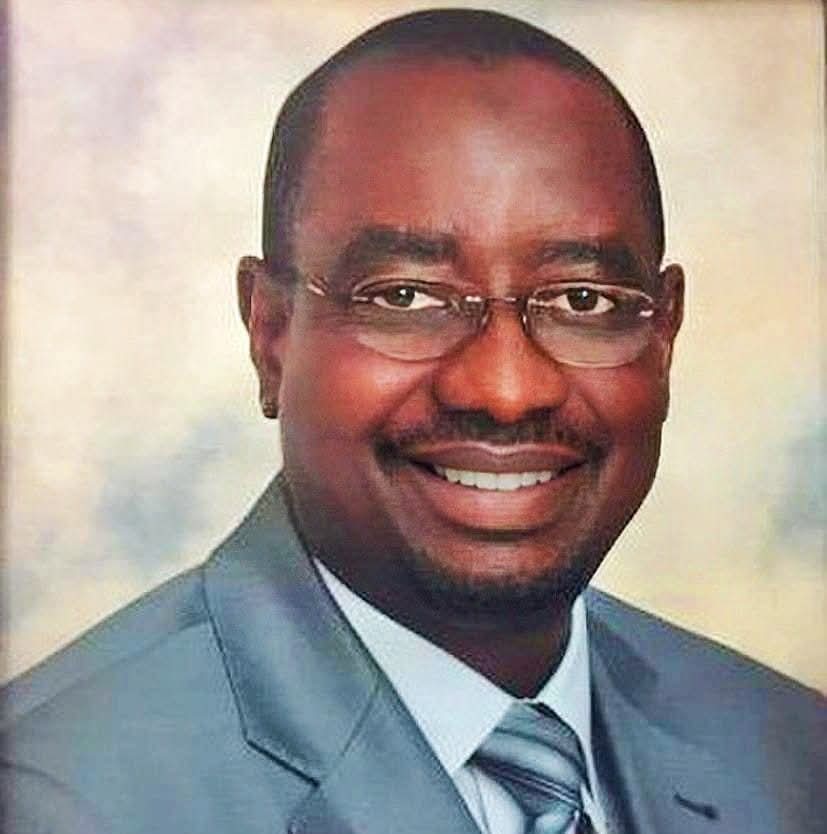
Attention is now turning to Senator Ibrahim Mohammed Bomai, whose potential candidacy is being viewed by many as a symbol of hope for more inclusive representation. His emergence is seen as a challenge to the entrenched political structure, though not without reported resistance. Allegations of intimidation by certain political actors have surfaced, raising concerns about the fairness of the democratic process and the ability of candidates from Yobe South to compete on equal footing.
Meanwhile, there are indications that many constituents in Yobe South are aligning with President Bola Ahmed Tinubu and the All Progressives Congress (APC), signaling a desire for change and stronger political inclusion. Variations in voting patterns across the state further reflect underlying dissatisfaction, which could drive a significant political shift if voters organize effectively and support candidates who genuinely represent their interests.
As Yobe State moves closer to the 2027 elections, the issues of equity, justice, and inclusive governance will remain central to political discourse. Addressing the concerns of marginalization in Yobe South is critical to ensuring balanced representation and strengthening democratic values across the state.
Ultimately, the resolve of the electorate to rally behind credible and people-focused leadership will play a decisive role in shaping the future political landscape of Yobe State.
Political Landscape Shifts as Yobe South Mobilizes for 2027 Elections Amid Marginalization Concerns



Marwa Charges NDLEA Investigators to Dismantle Financial Structures of Drug Cartels
By: Michael Mike
The Chairman/Chief Executive of the National Drug Law Enforcement Agency (NDLEA), Brig. Gen.Buba Marwa (Retd.), has charged investigators and prosecutors of the agency to intensify efforts at tracing, seizing and recovering the proceeds and instrumentalities of narcotics trafficking, saying the war against drug cartels can no longer be won through arrests and drug seizures alone.
Marwa gave the charge on Wednesday, while declaring open an Advanced Capacity Building Programme on Financial Investigations, Asset Tracing, Forfeiture, Recovery and Management of the Proceeds and Instrumentalities of Narcotics Trafficking and Related Organised Crime in Abuja.
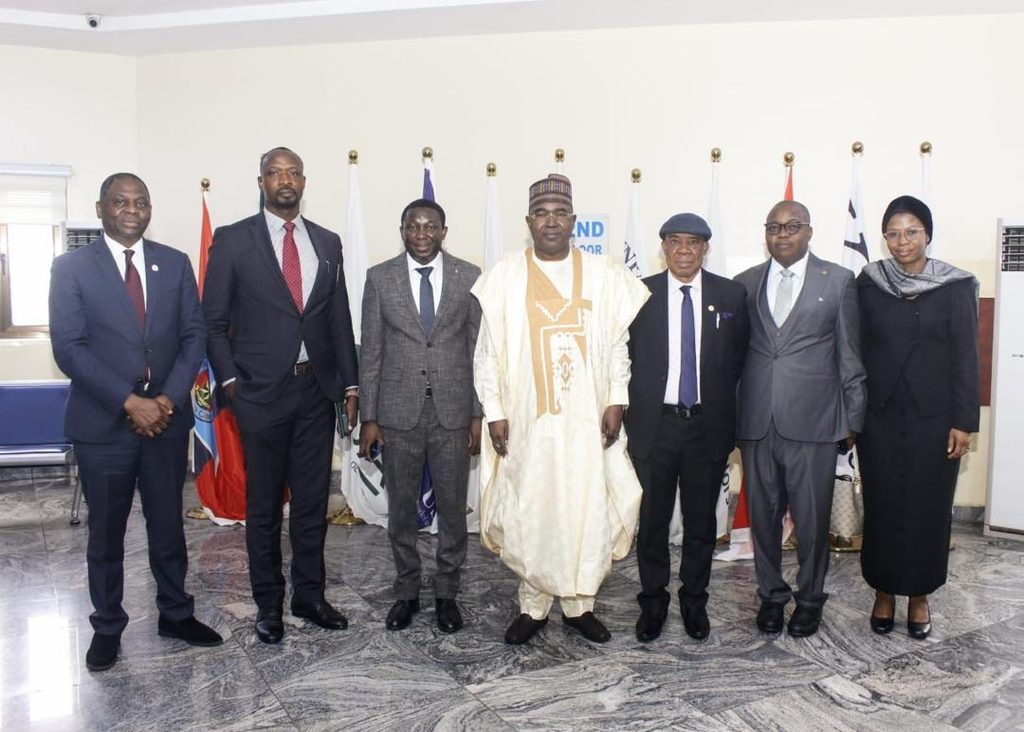
The NDLEA chairman said drug trafficking was fundamentally an economic enterprise sustained by financiers, facilitators, money launderers and professional enablers operating behind drug shipments, stressing that law enforcement efforts must therefore go beyond intercepting narcotics and arresting couriers.
“If we arrest the courier but leave the financier untouched, seize the drugs but allow the proceeds to remain with the criminal enterprise, or secure a conviction without recovering the illicit wealth, we have addressed only part of the problem,” he said.
Marwa observed that criminal organisations were increasingly exploiting technology, cryptocurrencies, complex corporate structures and legitimate businesses to conceal the ownership and origin of illicit wealth. He consequently urged NDLEA investigators and prosecutors to develop the capacity to analyse complex transactions, trace assets across borders, establish beneficial ownership, exploit digital evidence and build financial cases capable of securing forfeiture and recovery.
He said that having recorded significant progress in narcotics seizures and prosecution of traffickers, the Agency’s next imperative was to dismantle the economic foundations of the drug trade and make narcotics trafficking a high-risk, low-profit enterprise.
“The sophistication of organised crime demands a corresponding sophistication in our response. We must move from crime detection to crime disruption; from arresting offenders to dismantling criminal enterprises; and from confiscating drugs to depriving traffickers of the wealth that motivates and sustains their activities,” Marwa said.
He noted that the drug trafficking ecosystem intersects with money laundering, corruption, cybercrime, human trafficking, illicit arms trafficking and other forms of organised crime, making sustained cooperation within the NDLEA and among partner institutions indispensable.
Marwa called for stronger synergy among the Agency’s intelligence, investigation, prosecution, forensic, asset and financial investigation directorates, describing them as interconnected links in a single enforcement chain that must work together rather than in isolation. He similarly stressed the importance of inter-agency collaboration, noting that no single institution possesses all the information, expertise and capacity required to confront sophisticated criminal networks.
The NDLEA boss commended the calibre of resource persons participating in the programme, including retired Circuit Judge at Southwark Crown Court, United Kingdom, Hon. Judge Michael Hopmeier; former Chairman of the Independent Corrupt Practices and Other Related Offences Commission (ICPC), Prof. Bolaji Owasanoye, SAN; Director of Public Prosecutions of the Federation, Mr. Rotimi Oyedepo, SAN; Global MLCFT adviser, Calvin Wilson; Head of European Operations at Asset Reality, Jason Sandoval, and his colleague, Nick Francis.
Others include cryptocurrency expert and Special Assistant to the President on Justice Sector Reform, Fernandez Marcus-Obiene, and crypto-police specialist, Chioma Chikelu, alongside other resource persons drawn from sister agencies.
He also welcomed representatives of the Economic and Financial Crimes Commission (EFCC), ICPC and Nigeria Financial Intelligence Unit (NFIU), as well as judges of the Federal High Court, saying their participation would strengthen the link between investigation, prosecution and adjudication.
Marwa cautioned that asset recovery does not end with seizure or forfeiture, warning that poor management and lack of transparency could diminish the value of recovered assets and undermine public confidence in the recovery process. He therefore called for accountability and transparency from the point of seizure through forfeiture, management and eventual realisation of recovered assets.
He urged participants to see the programme as more than a routine training, but as an opportunity to strengthen the NDLEA’s collective capacity, stressing that knowledge acquired must be shared across directorates and translated into coordinated enforcement action.
He expressed confidence that the training would equip participants to follow the money, identify and trace illicit assets, strengthen evidence, secure forfeiture, preserve the value of recovered assets and ultimately deprive narcotics traffickers and organised criminal networks of the proceeds that fuel their operations.
In a goodwill message delivered by Justice Inyang Ekwo, the Chief Judge of the Federal High Court, Hon. Justice John Terhemba Tsoho, commended Marwa for the strides recorded by the NDLEA under his leadership and expressed support for stronger collaboration between the judiciary and law enforcement agencies.
Tsoho described the training as timely, noting that the theme reflected the extensive and multifaceted nature of drug-related crimes and their expanding frontiers, including cryptocurrency-enabled money laundering.
The Chief Judge said effective and sophisticated law enforcement was required to confront the evolving threat and expressed the belief that greater collaboration between the Federal High Court, NDLEA and other law enforcement agencies would enhance Nigeria’s reputation in the international community.
“His Lordship believes that collaboration between the Federal High Court and law enforcement agencies, especially the NDLEA, will put this nation on a proper spotlight when it comes to law enforcement in the international circle,” he said.
Marwa Charges NDLEA Investigators to Dismantle Financial Structures of Drug Cartels
Farmers, herders fail to reach settlement over farm destruction in Plateau
By: Zagazola Makama
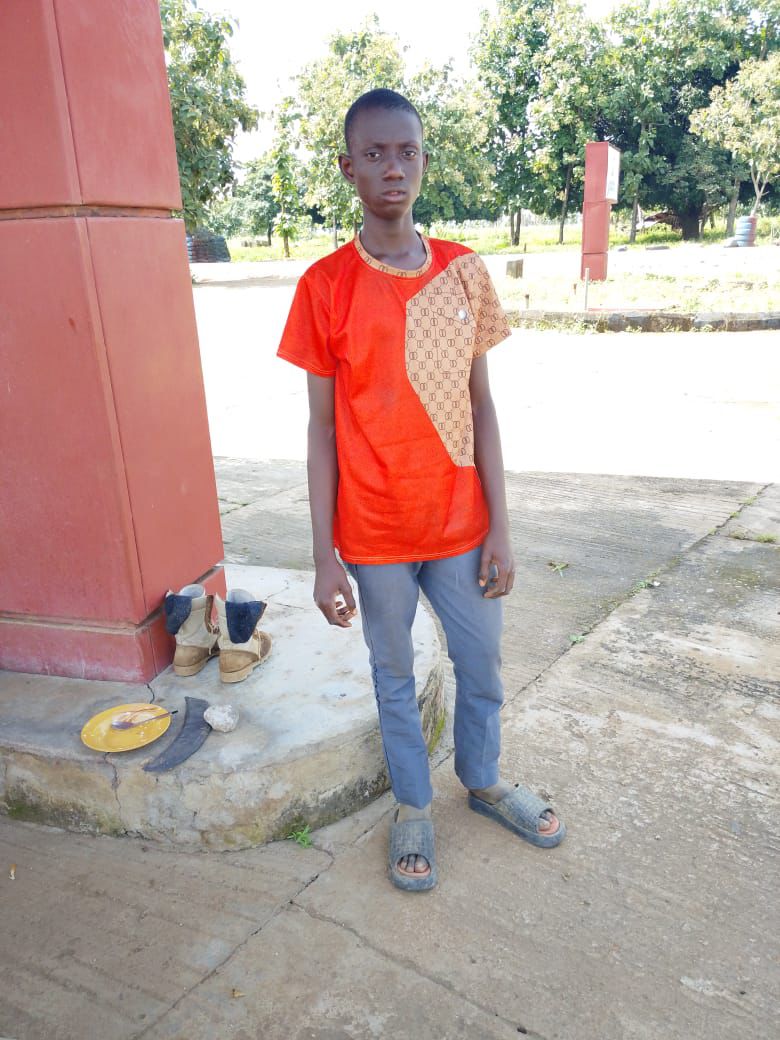
Efforts by troops of Operation ENDURING PEACE (OPEP) to broker a peaceful settlement between farmers and herders over an alleged farm destruction incident in Kwatas Village, Bokkos Local Government Area of Plateau State, have ended without an agreement.
The incident followed a report of farm destruction recorded on Aug. 31, 2026, in the community.
According to a military situation report, troops of Sector 5, OPEP, intervened at about 1:30 p.m. on Sept. 1 and initiated efforts to resolve the dispute amicably between the affected farmers and herders.
However, both parties were reportedly unable to reach a compromise on the terms for settling the matter.
Consequently, the case, alongside the confiscated cattle, was handed over to the Keystone Bokkos Division for further necessary action.
The intervention is part of ongoing efforts by Operation ENDURING PEACE to prevent disputes between farming and herding communities from escalating into violence and to promote peaceful resolution of local conflicts.
Security personnel continue to monitor the situation to maintain calm and prevent any possible reprisal or escalation in the affected communities.
Farmers, herders fail to reach settlement over farm destruction in Plateau
Two ISWAP terrorists surrender to troops in Monguno, Borno
By: Zagazola Makama
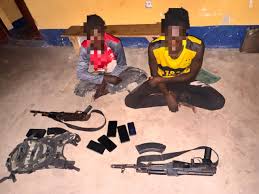
Two suspected members of the Islamic State West Africa Province (ISWAP) have surrendered to troops of the Nigerian Army in Monguno Local Government Area of Borno State.
The two men, identified as Jidda Modu, 20, and Kaka Kawu, 21, surrendered at about 8:20 p.m. on Sept. 1 to troops of Headquarters Sector 3 deployed at Charlie 4, Monguno town.
Sources told Zagazola Makama that the surrendered terrorists handed over two AK-47 rifles, eight rounds of 7.62mm special ammunition and two magazines.
Other items recovered from them included five mobile phones — Infinix, Tecno, Samsung, Redmi and a Tecno button phone — as well as one pair of earbuds, a power bank, a Zenith Bank ATM card, a memory card and a USB cable.
The troops also recovered two head warmers and one bag from the men.
Preliminary interrogation revealed that the two were among a group of about 10 ISWAP members who reportedly left a terrorist camp at Arinna Chiki with the intention of surrendering to the authorities.
The surrendered individuals and the recovered items have been taken into the custody of Headquarters Sector 3 for further action. Two ISWAP terrorists surrender to troops in Monguno, Borno
By: Zagazola Makama
Two suspected members of the Islamic State West Africa Province (ISWAP) have surrendered to troops of the Nigerian Army in Monguno Local Government Area of Borno State.
The two men, identified as Jidda Modu, 20, and Kaka Kawu, 21, surrendered at about 8:20 p.m. on Sept. 1 to troops of Headquarters Sector 3 deployed at Charlie 4, Monguno town.
Sources told Zagazola Makama that the surrendered terrorists handed over two AK-47 rifles, eight rounds of 7.62mm special ammunition and two magazines.
Other items recovered from them included five mobile phones — Infinix, Tecno, Samsung, Redmi and a Tecno button phone — as well as one pair of earbuds, a power bank, a Zenith Bank ATM card, a memory card and a USB cable.
The troops also recovered two head warmers and one bag from the men.
Preliminary interrogation revealed that the two were among a group of about 10 ISWAP members who reportedly left a terrorist camp at Arinna Chiki with the intention of surrendering to the authorities.
The surrendered individuals and the recovered items have been taken into the custody of Headquarters Sector 3 for further action.
Two ISWAP terrorists surrender to troops in Monguno, Borno

Marwa Charges NDLEA Investigators to Dismantle Financial Structures of Drug Cartels

Troops arrest four suspected motorcycle thieves, recover weapons in Plateau

Farmers, herders fail to reach settlement over farm destruction in Plateau

Roger Federer’s Shock as DNA Results Reveal Myla and Charlene Are Not His Biological Children

THE PLIGHT OF FARIDA

FAILED COUP IN BURKINA FASO: HOW TRAORÉ NARROWLY ESCAPED ASSASSINATION PLOT AMID FOREIGN INTERFERENCE CLAIMS
-
 News2 years ago
Roger Federer’s Shock as DNA Results Reveal Myla and Charlene Are Not His Biological Children
-
Opinions5 years ago
THE PLIGHT OF FARIDA
-
 News1 year ago
FAILED COUP IN BURKINA FASO: HOW TRAORÉ NARROWLY ESCAPED ASSASSINATION PLOT AMID FOREIGN INTERFERENCE CLAIMS
-

 News2 years ago
EYN: Rev. Billi, Distortion of History, and The Living Tamarind Tree
-
 Opinions5 years ago
POLICE CHARGE ROOMS, A MINTING PRESS
-

 ACADEMICS3 years ago
A History of Biu” (2015) and The Lingering Bura-Pabir Question (1)
-

 Columns3 years ago
Army University Biu: There is certain interest, but certainly not from Borno.
-

 Politics1 year ago
2027: Why Hon. Midala Balami Must Go, as Youths in Hawul and Asikira/Uba Federal Constituency Reject ₦500,000 as Sallah Gift
