
News
President Tinubu: All New Mining Licenses Must Have Local Value

President Tinubu: All New Mining Licenses Must Have Local Value
… Says directive will position Nigeria as critical metals leader
By: Our Reporter
President Bola Ahmed Tinubu has instructed the Federal Ministry of Solid Minerals Development to only issue mining licenses if they are tied to local value addition.
This is to ensure that young Nigerians are actively engaged in economic activities, acquiring skills and contributing to the overall development of the economy.
The President gave the directive on Wednesday during the opening session of the African Natural Resources & Energy Investment Summit, 2024, held at the State House Conference Centre, Abuja.
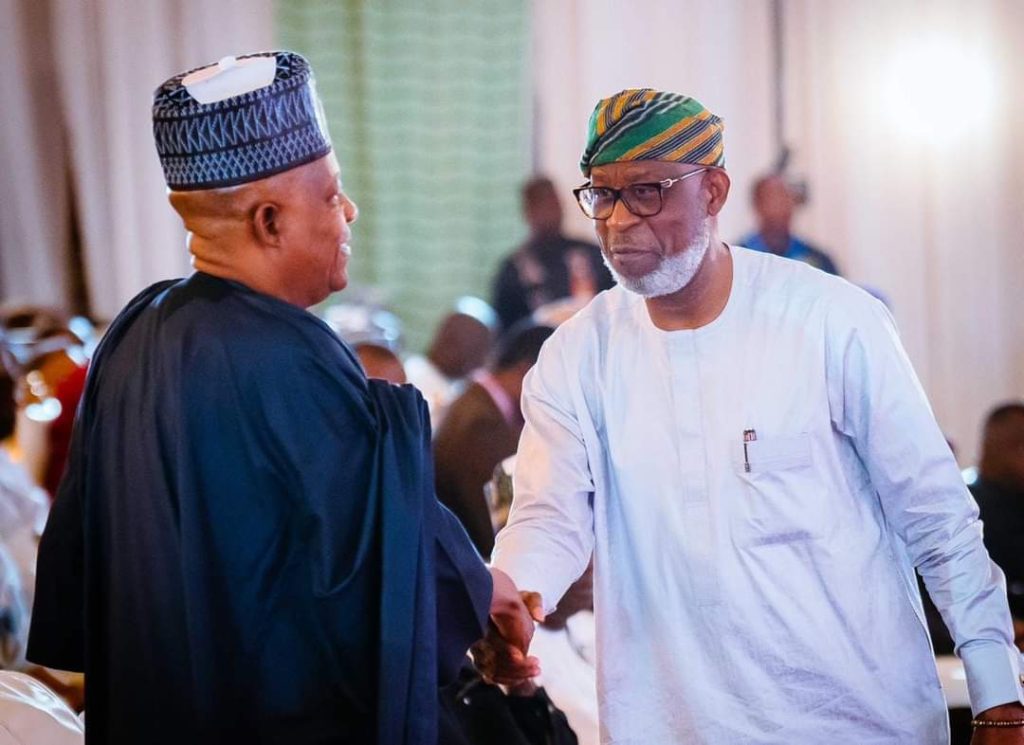
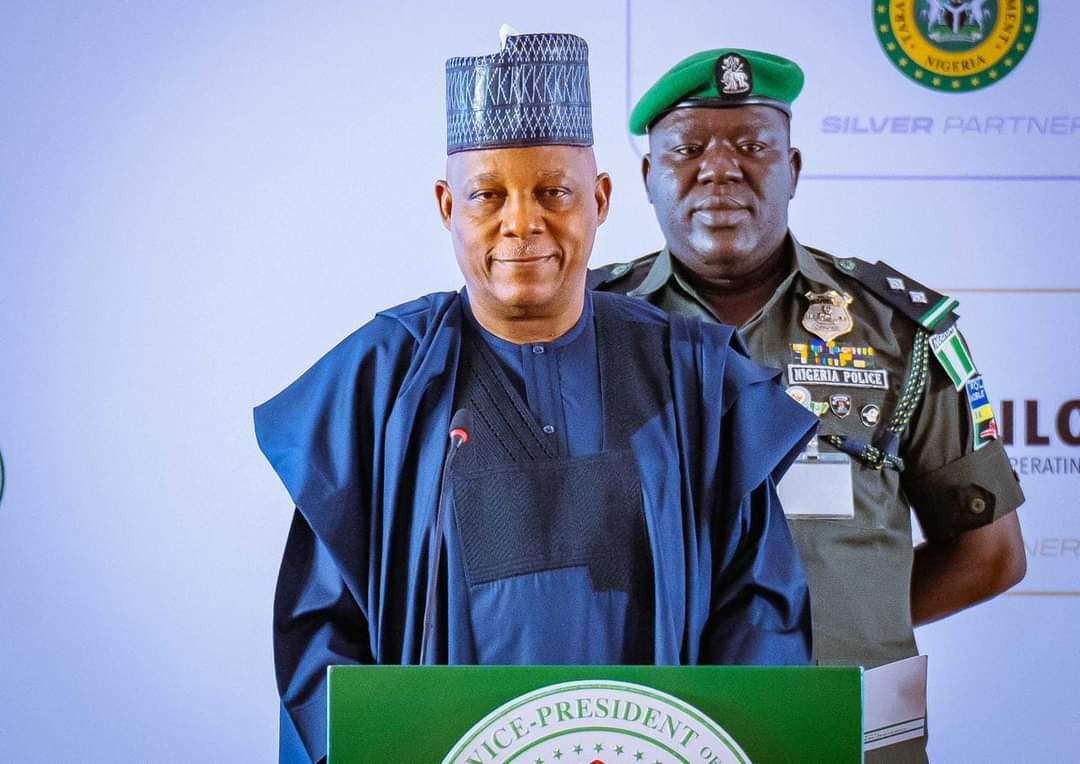
President Tinubu, who was represented at the event by his deputy, Vice President Kashim Shettima, said his administration is fully committed to creating an enabling business environment to attract investment that encourages ‘value addition’ on solid minerals before they are exported.
“We recognize the losses incurred from exporting crude mineral commodities and understand that it is time to change this narrative. By doing so, we aim to ensure that our teeming youth are actively engaged in economic activities, acquiring skills, and contributing to the nation’s foreign exchange earnings. Therefore, the Ministry will only issue mining licenses if they are tied to local value addition,” the President noted.
President Tinubu noted that his administration’s target in the solid minerals sector is “to make Nigeria a leader in critical metals.”
While commending stakeholders for the establishment of the African Minerals Strategy Group with Nigeria as the first chairman of the initiative, the President said, “We aim to set new standards in the mining industry and ensure that Africa gets an equitable slice of supplying the world with critical metals.
“In our transition to cleaner and more sustainable energy systems, we also recognize the pivotal role that natural gas plays. Natural gas is a transition fuel that will fundamentally restructure our nation’s economy,” he added.
In leveraging opportunities in the renewable energy space, President Tinubu explained that “Nigeria has attracted over $2 billion in investment in the renewable energy sector, making it a fast-growing sector in the economy.
“Our commitment is to continue this trajectory and attract more private sector involvement in the renewable energy space, including manufacturing locally produced solar panels and batteries.”
He, however, emphasized that discussions on the energy transition must also include the significance of the petroleum industry as a cornerstone of the nation’s economy.
“While we strive to embrace renewable and cleaner energy sources, we acknowledge that oil and gas continue to play a vital role in our energy and economic landscape,” he stated.
The President highlighted strategic priorities in the sector to include the goal to attract more investment in the oil and gas industry; grow oil production to 2.1 million barrels a day by December 2024; improve investment in midstream and downstream infrastructure; tackle theft; and hold developers accountable for the highest environmental standards.
President Tinubu further restated the administration’s commitment to manage resources responsibly, minimizing their ecological footprint and maximizing their benefits for the nation.
Earlier in his opening remarks, Minister of Solid Minerals Development, Dr. Dele Alake, announced the government’s strategy under the Renewed Hope Agenda to position Nigeria as a major player in the global minerals market.
“We are committed to transforming Nigeria’s solid mineral sector into a cornerstone for our nation’s economic diversification,” he said.
The minister noted that the government is implementing wide-ranging reforms to create a more attractive environment for investors, with a focus on enhancing transparency, regulatory clarity, and investor confidence.
The plan, he explained, encompasses several key areas, including policy reforms, sustainable practices, infrastructure development, and human capital enhancement. These initiatives are designed to address longstanding challenges in the sector and unlock the full potential of Nigeria’s vast mineral resources.
“This summit represents a significant milestone in our collective journey toward addressing Africa’s vast natural resources and sustainable economic development,” Alake said.
Dignitaries at the summit included the Senator representing Niger East Senatorial District, Mohammed Sani Musa; Minister of State for Environment, Dr. Ishaq Salako; Minister of State for Steel Development, Mr. Uba Maigari Ahmadu, and Permanent Secretary in the Ministry of Solid Minerals Development, Dr. Mary Ogbe.
Others were Minister of Mines and Mineral Resources of Sierra Leone, Julius Mattai; Minister of Mining of South Sudan, Martin Gama Abucha; Minister of Mining of Malawi, Monica Chang’anamuno, MP; Minister of Mines and Energy of Liberia, Wilmot Paye; Deputy Minister of Petroleum, Mines and Geology of Chad, Oumar Moussa, and representatives of the governors of Abia, Ebonyi, Taraba, Kwara, Enugu, Nasarawa and Akwa Ibom States, among others.
President Tinubu: All New Mining Licenses Must Have Local Value


Troops Arrest Suspected Military Impostor in Katsina
By Zagazola Makama
Troops of 17 Brigade have arrested a suspected military impostor during a fighting patrol in Malumfashi Local Government Area.
Security sources told Zagazola Makama that the suspect was apprehended at about 1:30 p.m. on July 4 by troops deployed at the Forward Operating Base (FOB) Malumfashi while conducting routine patrols within Malumfashi town.
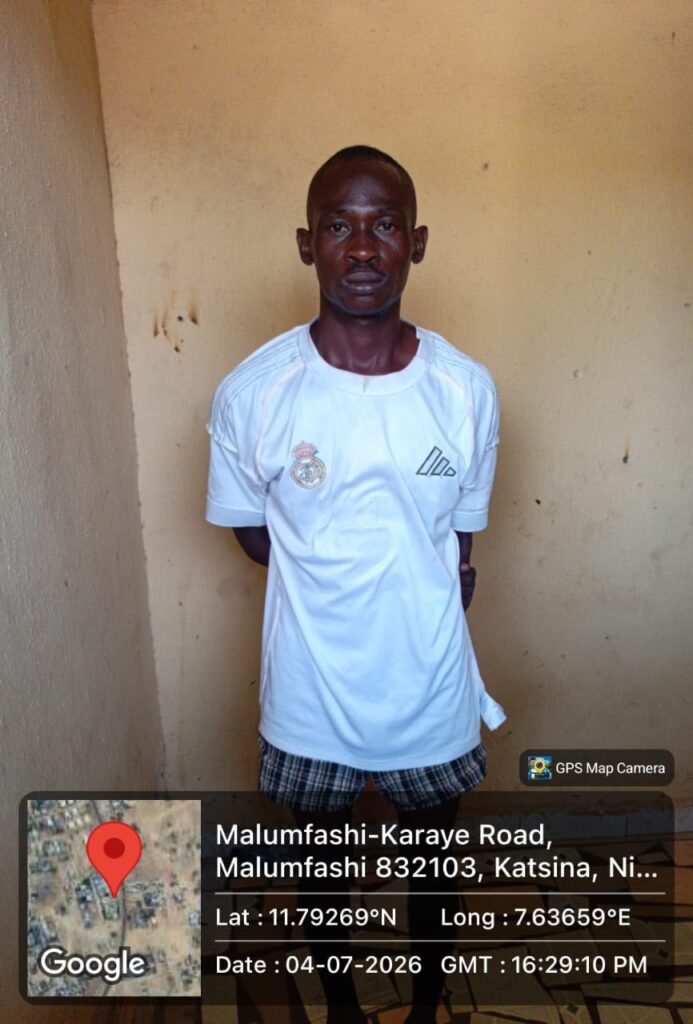
According to the sources, the suspect was intercepted while wearing a woodland camouflage three-quarter short, raising suspicion among the troops.
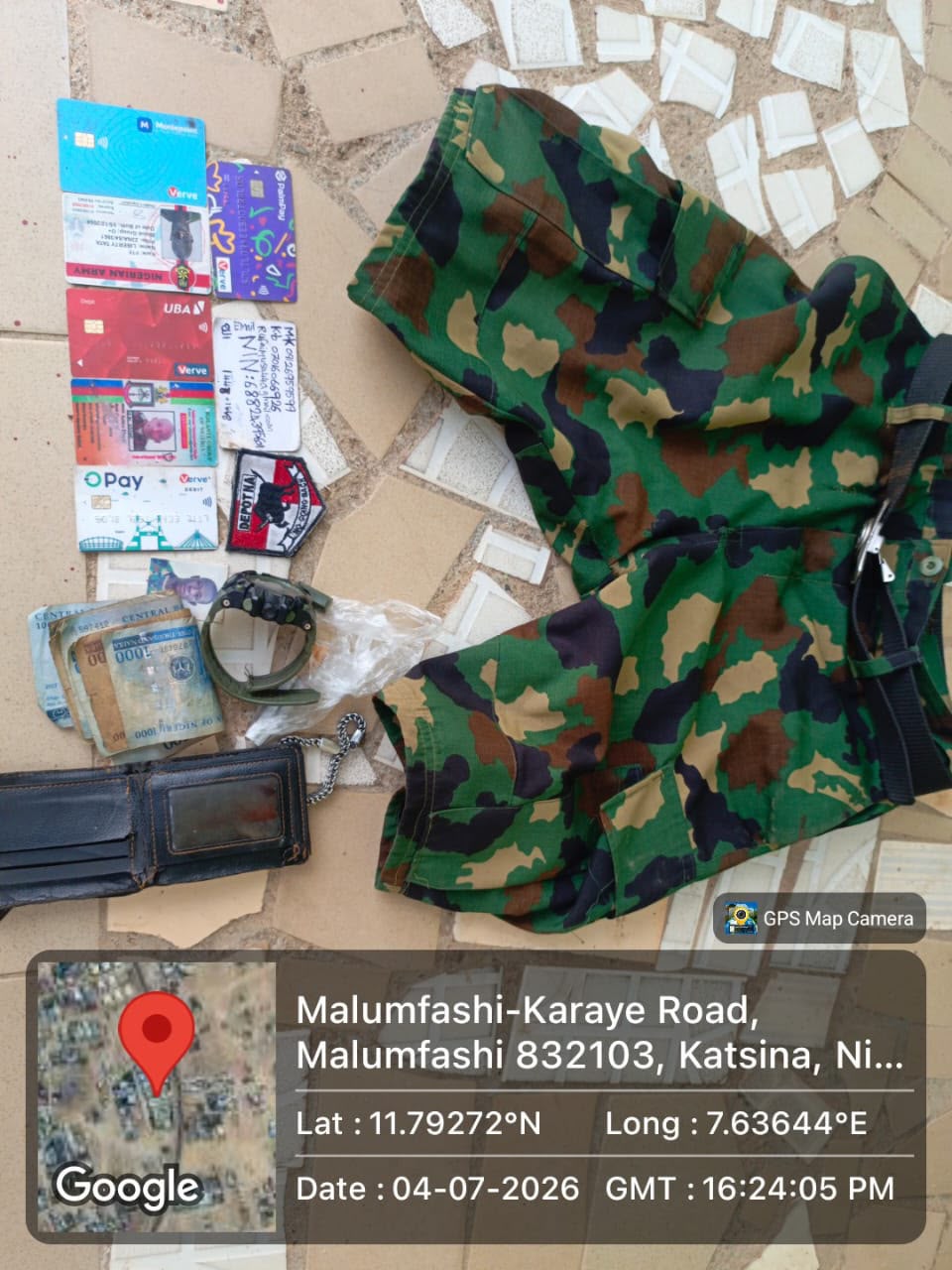
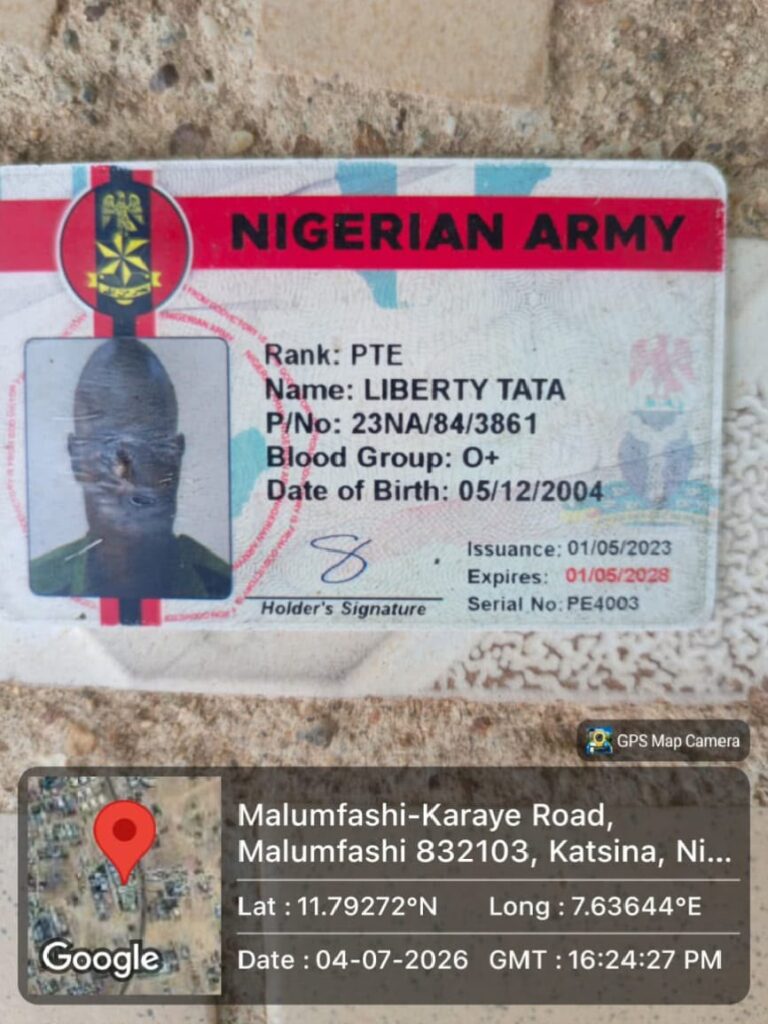
A search conducted on the suspect led to the recovery of a fake Nigerian Army identity card, four Automated Teller Machine (ATM) cards, one woodland camouflage three-quarter short, a wristwatch and the sum of ₦17,000.
The suspect and the recovered exhibits are currently in military custody pending further investigation.
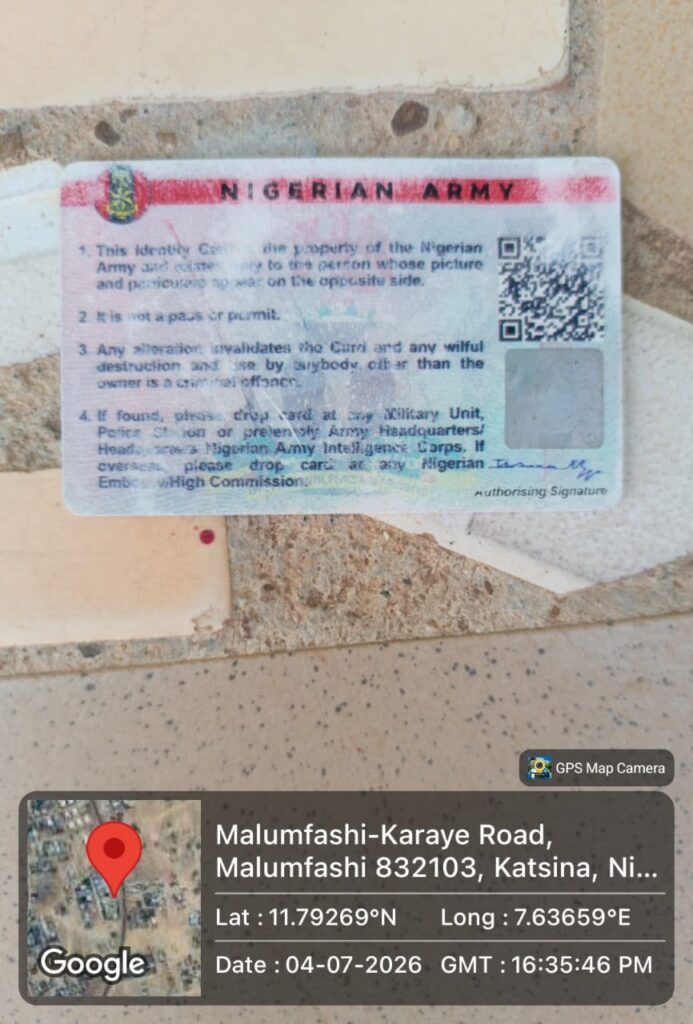
Military sources said the arrest forms part of ongoing efforts to curb impersonation of security personnel and other criminal activities within the area.
Troops Arrest Suspected Military Impostor in Katsina
Troops Recover 50 Rustled Cattle, Repel Suspected Rustlers in Kaduna
By Zagazola Makama
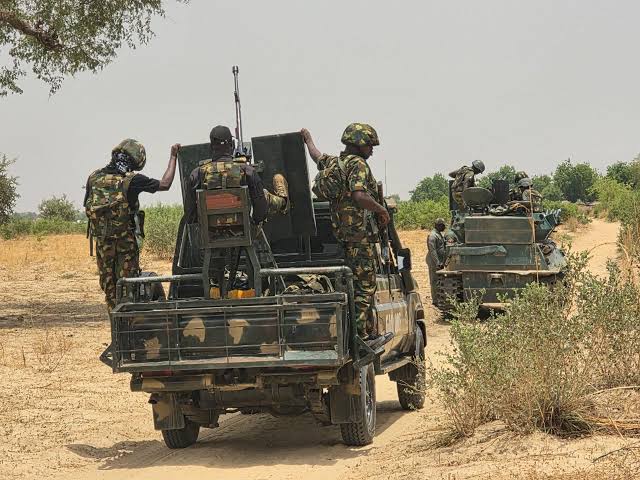
Troops deployed at the Forward Operating Base (FOB) Kankomi have recovered 50 rustled cattle after repelling suspected cattle rustlers during an ambush operation in Chikun Local Government Area.
Security sources told Zagazola Makama that the troops responded to a distress call at about 9:55 a.m. on July 4 over the activities of suspected rustlers at Ungwan Gontu community.
According to the sources, the troops swiftly laid an ambush and made contact with the fleeing suspects, forcing them to abandon the stolen livestock and escape into the surrounding area.
During the operation, the troops recovered 50 rustled cattle, which were subsequently identified and handed over to their rightful owner.
Military sources said efforts are ongoing to track down the fleeing suspects as security operations continue to combat cattle rustling and other criminal activities across Kaduna State.
Troops Recover 50 Rustled Cattle, Repel Suspected Rustlers in Kaduna
Troops Arrest Suspected Terrorist in Kogi, Suspect Confesses to Group Membership
By Zagazola Makama
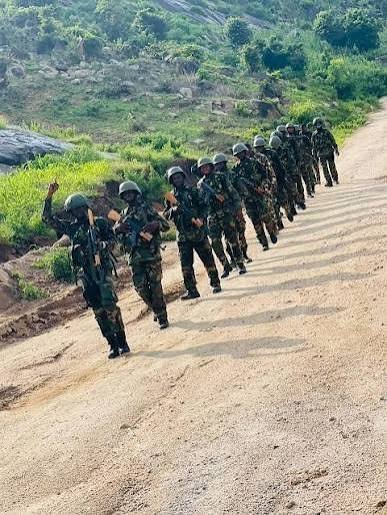
Troops of 12 Brigade, in collaboration with Office of the National Security Adviser (ONSA) Hybrid Forces, have arrested a suspected terrorist during an operation in Lokoja Local Government Area.
Security sources told Zagazola Makama that the troops responded at about 1:00 p.m. on July 4 to reports of a confrontation between local residents and a suspected terrorist at a Ruga settlement behind Obajana community.
According to the sources, the troops swiftly intervened and arrested one suspect at the scene.
During preliminary interrogation, the suspect reportedly confessed to being a member of a terrorist group led by an individual identified as Haruna, which allegedly operates within the Okene general area.
The suspect is currently in military custody and is undergoing further investigation to establish the extent of his involvement and identify other members of the group.
Military sources said the arrest forms part of ongoing security operations aimed at dismantling terrorist and criminal networks across Kogi State.
Troops Arrest Suspected Terrorist in Kogi, Suspect Confesses to Group Membership

Troops Arrest Suspected Military Impostor in Katsina

Troops Recover 50 Rustled Cattle, Repel Suspected Rustlers in Kaduna

Troops Arrest Suspected Terrorist in Kogi, Suspect Confesses to Group Membership

Roger Federer’s Shock as DNA Results Reveal Myla and Charlene Are Not His Biological Children

THE PLIGHT OF FARIDA

FAILED COUP IN BURKINA FASO: HOW TRAORÉ NARROWLY ESCAPED ASSASSINATION PLOT AMID FOREIGN INTERFERENCE CLAIMS
-
 News2 years ago
Roger Federer’s Shock as DNA Results Reveal Myla and Charlene Are Not His Biological Children
-
Opinions4 years ago
THE PLIGHT OF FARIDA
-
 News1 year ago
FAILED COUP IN BURKINA FASO: HOW TRAORÉ NARROWLY ESCAPED ASSASSINATION PLOT AMID FOREIGN INTERFERENCE CLAIMS
-

 News2 years ago
EYN: Rev. Billi, Distortion of History, and The Living Tamarind Tree
-
 Opinions5 years ago
POLICE CHARGE ROOMS, A MINTING PRESS
-

 ACADEMICS2 years ago
A History of Biu” (2015) and The Lingering Bura-Pabir Question (1)
-

 Columns2 years ago
Army University Biu: There is certain interest, but certainly not from Borno.
-

 Politics1 year ago
2027: Why Hon. Midala Balami Must Go, as Youths in Hawul and Asikira/Uba Federal Constituency Reject ₦500,000 as Sallah Gift
