
National News
Rep Member empowers 4,200 IDPs, Supports 900 students with scholarship in Borno

Rep Member empowers 4,200 IDPs, Supports 900 students with scholarship in Borno
By: Our Reporter
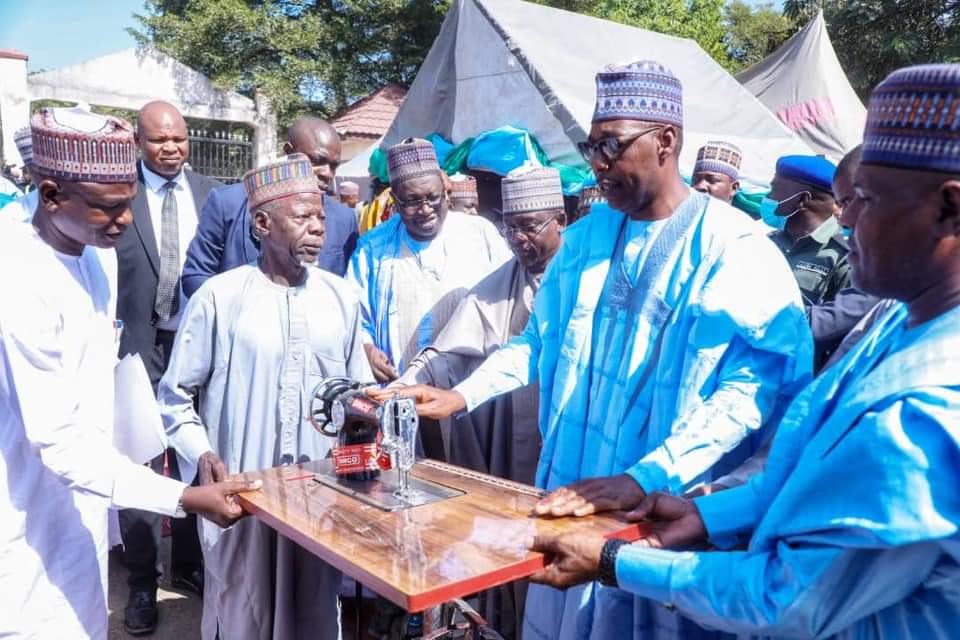
At least 4,200 people mostly Internally displaced persons (IDPs) from Dikwa, Mafa and Konduga local government areas of Borno state have recently been empowered with water pumps, sewing and milling machines as well as cash grants by a member of the Federal House Of Representatives, Hon Ibrahim Mohammed.
This is even as the Lawmaker had earned the accolades of Governor Babagana Zulum, for spending about N200 million to empower the neediest members of his constituency.
Flagging off the distribution ceremony in Konduga town, governor Zulum commended the lawmaker for giving out such an “unprecedented” quantity of livelihood to a people that are in dire need of support.
In an interview with journalists, the Lawmaker said that the gesture to his people was fuelled by the need to help them regain their balance after many years of displacement and destruction of their means of livelihood by the Boko Haram insurgency.
“Before the insurgency erupted many years ago, our people were known for their high sense of industry especially in all-season farming, animal husbandry and commerce. But they lost all that to the years of insurgency,” he said.
“As a lawmaker who represents them, I usually found it heartbreaking each time I woke up to a day that I cannot freely go to my constituents who have been displaced or held up somewhere due to insecurity. But with the improving security especially in the three local government areas that formed my federal constituency, I feel it is time we gave support to our people as they finally get resettled in their homes.
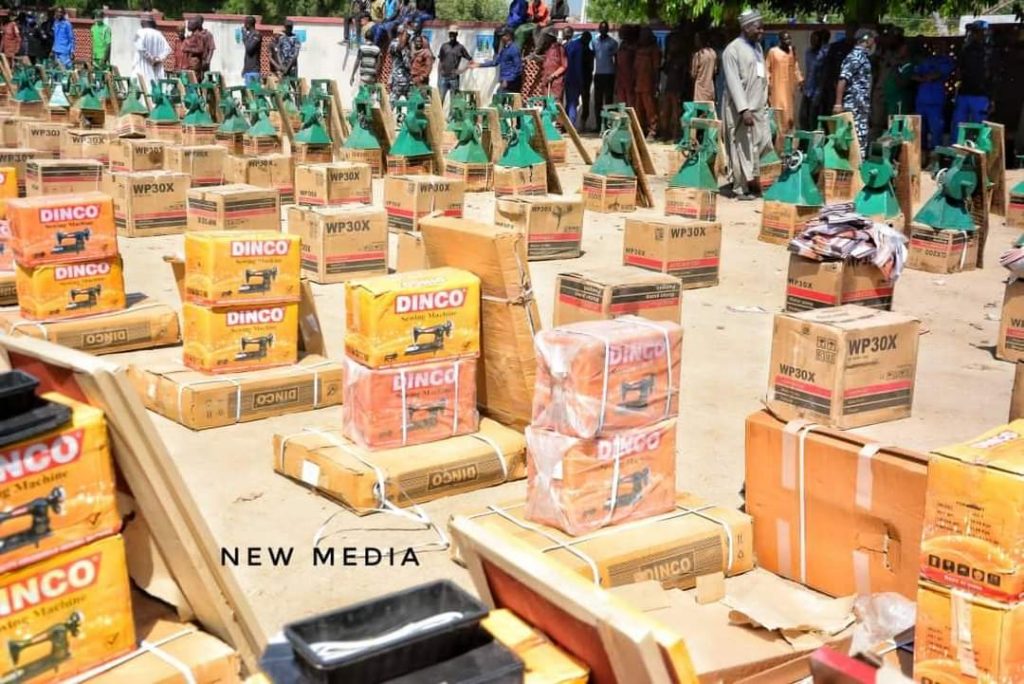
“Aside from the routine palliatives and support that we have given to our constituents in the past years, I decided to provide holistic support that will not only alleviate their sufferings but give them a sustainable means of livelihood so that they would not continue to depend on government or NGOs to take care of basic needs.
Also Read: 79 PHCs get N418m as Zulum launches Borno’s Basic…
“It is on that note that I decided to provide 300 units of pumping machines for irrigation farming to a selected 100 persons from each of the three local government areas. We gave out 300 sewing machines to another set of 300 beneficiaries selected in the three local government areas; as well as 300 millings (grinding) machines to another set of 300 persons across the three local government areas under my constituency.
“Apart from direct distribution of economic empowerment kits, we have also identified others who have expressed willingness to go into other forms of petty businesses and we have selected 300 of them (a hundred from each local government) that were given N50, 000 each as startup grants.
“In the area of educational support for children and young persons in my constituency, we have been able to identify another 600 students who are currently in tertiary institutions and awarded them small scholarship support of N20, 000 each which amounted to N12 million in scholarship to our young ones in school. We have earlier enrolled 300 students in my constituency for a diploma in Computer Studies, of which they are about to graduate this December.”
The lawmaker further said that children in primary school too were not left out in the package as a total of 10,000 exercise books; ten thousand pens and pencils which were shared among the schools in the three local government areas of Dikwa/Mafa/Konduga federal constituency.
“Each local government got 3,333 units of exercise books, pen and pencils for onward free distribution to pupils in primary school,”
“During the disbursement exercise, we have also distributed food items like rice and maize to over 3000 IDPs who also went home with a token of N5, 000 each,” he said.
He commended the state governor for all the efforts he is putting in place in ensuring peace and harmony returns to Borno state.
“We have to do everything within our means to support our governor, Professor Babagana Zulum, because the state government alone cannot do everything. It is my utmost wish and hope that in the next few years our people are not only settled in their local government but fully resettled in their original localities.
“My dream every day for Borno is to see that we have sustainable security, that our people are fully returned home, and peacefully enthroned in all parts of the state.” Mohammed stated.
Rep Member empowers 4,200 IDPs, Supports 900 students with scholarship in Borno


Tuggar Resigns from Tinubu’s Cabinet, Sets for Bauchi Governorship
By: Michael Mike
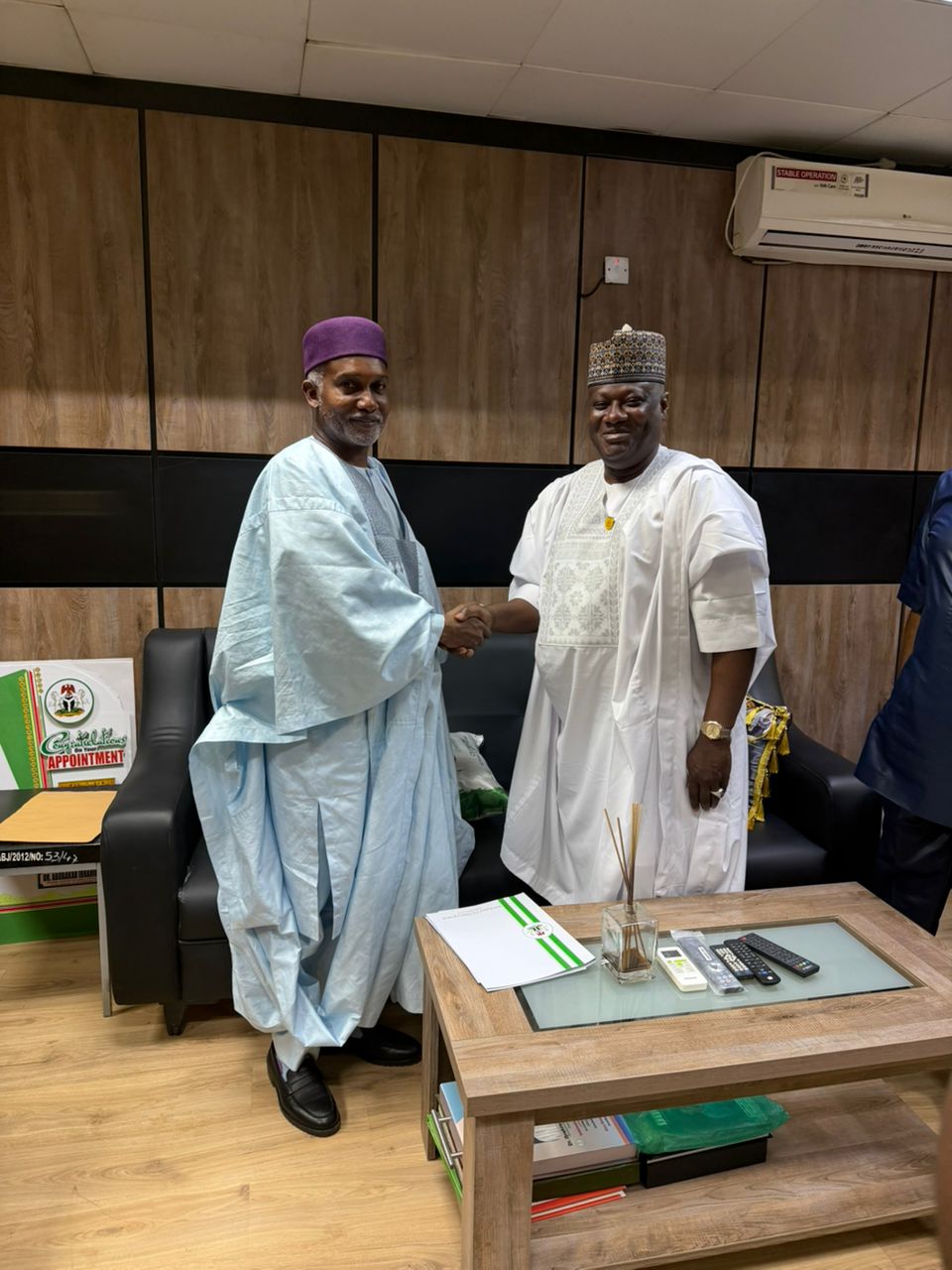
The rumoured interest of Minister of Foreign Affairs, Ambassador Yusuf Tuggar in becoming the governor of Bauchi State come 2027 may have been confirmed he resigned on Monday to prepared ground for actualization of his political ambition.
The resignation was ahead of the deadline set for political appointees seeking elective positions in the forthcoming general elections.
In a resignation letter submitted to the office of the Secretary to the Government of the Federation, Tuggar expressed profound gratitude to President Bola Ahmed Tinubu for the opportunity to serve the country and contribute to the implementation of the administration’s Four-D foreign policy strategy.
The former minister also appreciated the management and staff of the Ministry of Foreign Affairs and members of the diplomatic community for their cooperation and support throughout his tenure.
During his time in office, Tuggar was credited with advancing Nigeria’s foreign policy objectives through initiatives focused on people-centred diplomacy. These included humanitarian evacuations, facilitation of scholarships for Nigerians abroad, and sustained support for citizens in the diaspora.
His tenure also witnessed increased diaspora engagement, including efforts to develop a structured database of Nigerians living abroad aimed at strengthening their participation in national development.
In addition, Tuggar strengthened bilateral and multilateral relations through strategic engagements with traditional partners and regional alliances, particularly across the Global South. His leadership also promoted regional security cooperation and supported the formation of the Regional Partnership for Democracy initiative.
He also prioritised economic diplomacy, positioning Nigeria as an attractive destination for foreign investment, especially in the energy sector, while facilitating diplomatic interventions that secured the release of detained Nigerians in foreign countries and improved bilateral relations.
The resignation letter was received on behalf of the Secretary to the Government of the Federation by Dr. Abubakar Kana, Permanent Secretary, General Services Office, ahead of the March thirty-first deadline directed by President Tinubu in line with provisions of the Electoral Act.
Tuggar’s resignation was conveyed in a statement issued by his Special Assistant on Media and Communications Strategy, Alkasim Abdulkadir.
Tuggar Resigns from Tinubu’s Cabinet, Sets for Bauchi Governorship
National News
Fuel Crisis: ActionAid Urges FG to Deploy Emergency Measures as Global Conflict Deepens Hardship


Fuel Crisis: ActionAid Urges FG to Deploy Emergency Measures as Global Conflict Deepens Hardship
By: Michael Mike
ActionAid Nigeria has called on the Federal Government to urgently roll out emergency economic relief measures as the ongoing conflict involving Iran, Israel and the United States continues to disrupt global oil markets and worsen the economic hardship faced by Nigerians.
The organisation raised the alarm in a statement issued in Abuja on Sunday, warning that the crisis, which has persisted for more than a month, is already pushing millions of Nigerians deeper into poverty through rising fuel prices, transport fares and food costs.
According to the group, the absence of a clear and coordinated response from the Federal Government to cushion the effects of the global energy shock is deeply troubling.
While noting that global crude oil prices have surged from an average of about seventy-five to eighty dollars per barrel before the escalation of the conflict to roughly one hundred dollars per barrel due to supply disruptions in the Middle East, the organisation said Nigeria should be benefiting from the price increase.
It explained that with Nigeria’s daily crude oil production currently averaging between 1.3 million and 1.5 million barrels per day, the country is earning significantly more revenue from oil exports, yet these gains have not translated into relief for citizens struggling with soaring fuel costs.
The organisation said petrol prices are currently selling between N1,200 and N1,400 per litre across many parts of the country, while diesel prices remain persistently high.
It noted that the impact is being felt across all sectors of the economy, with transport fares surging, food prices rising and the cost of essential goods and services climbing beyond the reach of many households.
Speaking on the situation, the Country Director of ActionAid Nigeria, Andrew Mamedu, said the hardship faced by Nigerians reflects both the global crisis and long-standing domestic policy failures.
“It is unacceptable that Nigerians continue to suffer the consequences of global oil price increases while the country fails to translate its oil wealth into protection for its people,” he said.
Mamedu added that other countries facing similar shocks have implemented proactive measures to shield their citizens.
He cited examples of governments in Asia introducing price stabilisation policies, public transport support schemes and financial assistance to households in order to mitigate the effects of rising energy costs.
He noted that countries such as Thailand have deployed mechanisms such as the Oil Fuel Fund to cap fuel prices, while Indonesia has used subsidy compensation and public funds to reduce the impact of global price increases on citizens.
According to him, Nigeria must demonstrate similar urgency by implementing strong social protection measures.
The organisation said rapid community engagements conducted across several states indicate that many households are already adopting distress coping strategies, including skipping meals, withdrawing children from school due to transportation costs and borrowing money to survive.
It also warned that small and medium-sized enterprises are scaling down operations or shutting down completely due to rising diesel and logistics costs, while informal workers are experiencing declining incomes.
To address the situation, ActionAid Nigeria urged the Federal Government, in collaboration with state and local authorities, to deploy a coordinated emergency response that includes targeted cash transfers to vulnerable households and informal businesses.
The organisation also called for the temporary reintroduction of fuel subsidies for petrol and diesel, financial support for public transport systems to curb fare increases and the suspension or reduction of taxes and port charges contributing to high fuel prices.
Other recommendations include expanding the crude-for-naira framework to stabilise domestic fuel supply, protecting food distribution and health logistics from rising transportation costs and enforcing fuel consumption reduction measures across public institutions.
In addition, the group urged private sector employers to provide welfare support for workers, including transport assistance, flexible work arrangements and cost-of-living adjustments.
It also called on state and local governments to strengthen community-level safety nets, monitor market practices to prevent exploitation and ensure that relief measures reach vulnerable populations quickly.
“The global crisis may be beyond Nigeria’s control, but the government’s response is not,” the organisation said.
“One month into this crisis, continued inaction is unacceptable. Immediate and decisive steps must be taken to protect Nigerians from further hardship.”
Fuel Crisis: ActionAid Urges FG to Deploy Emergency Measures as Global Conflict Deepens Hardship
National News
Easter: Church Targets Spiritual Renewal, Community Impact with Power-Packed Programme
Easter: Church Targets Spiritual Renewal, Community Impact with Power-Packed Programme
By: Michael Mike
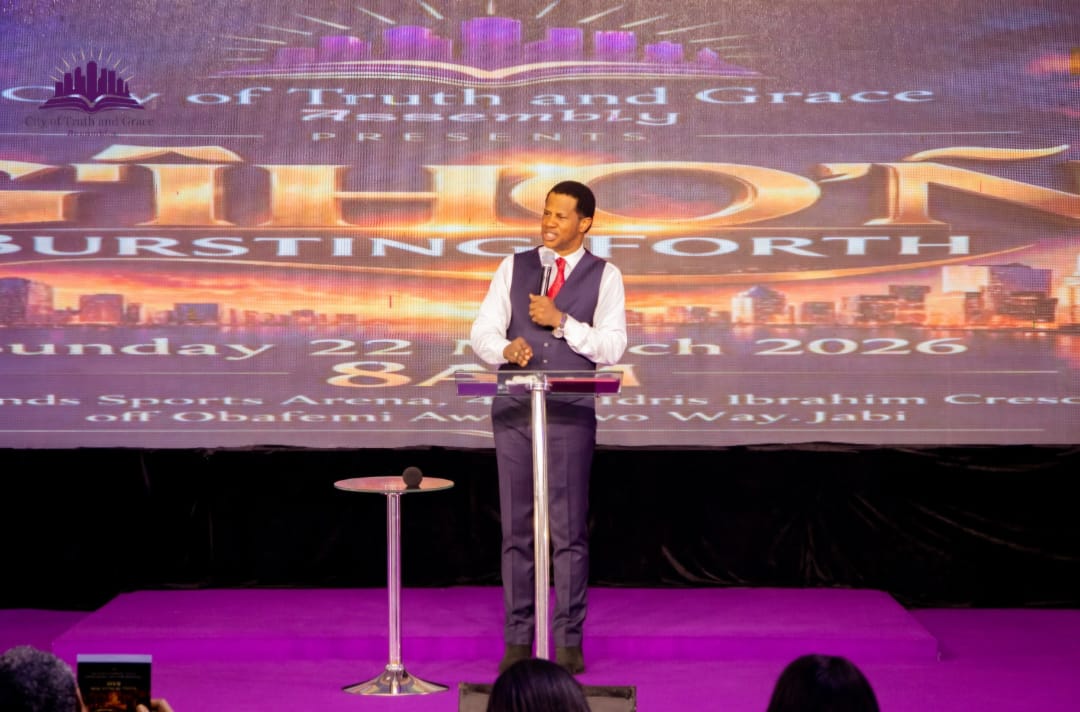
As Christians prepare for the Easter season, the City of Truth and Grace Assembly has positioned its 2026 celebration as more than a routine observance, unveiling a spiritually driven programme aimed at fostering personal transformation and strengthening community bonds.
Themed “The Power of Resurrection,” the church said the initiative is designed to rekindle faith, inspire hope, and provide a platform for collective spiritual engagement at a time when many people are seeking renewal amid prevailing social and economic pressures.
The programme, to be hosted by Dipo Fisho, will begin on Good Friday with a family-focused prayer session which organisers describe as a strategic gathering to address both personal and societal challenges through intercession.
According to the church, the prayer session will emphasise unity, healing, and divine direction for families and the wider community.
The Easter activities will culminate on Easter Sunday with a special worship service centred on the message of resurrection, renewal, and spiritual rebirth.
Organisers explained that the programme goes beyond worship services, incorporating moments of fellowship such as a love feast aimed at strengthening relationships among church members and welcoming first-time attendees while reinforcing the central Easter message of love, sacrifice, and redemption.
“This is not just a celebration; it is a call to experience transformation and new beginnings,” the church said, adding that the programme has been carefully curated to deliver both spiritual inspiration and emotional impact.
The event will take place at The Grounds Sport Arena, with activities scheduled for 5:00 p.m. on Good Friday and 8:00 a.m. on Easter Sunday.
With expectations of a large turnout, the church said the programme—also tagged “The Power of Resurrection”—is open to people of all backgrounds and is intended to inspire faith, unity, and a renewed sense of purpose.
Residents across the city have been encouraged to participate, as organisers project the gathering as a significant Easter convergence focused on renewal, hope, and shared spiritual experience.
Easter: Church Targets Spiritual Renewal, Community Impact with Power-Packed Programme

NDLEA, US-DEA Strengthen Partnership to Combat Narco-Terrorism

NAPTIP, ICMPD Sensitise Students on Trafficking, Safe Migration in Abuja

Inclusive Investment in Vulnerable Women Critical to Nigeria’s $1tn Economy Goal – Uzoka-Anite

Roger Federer’s Shock as DNA Results Reveal Myla and Charlene Are Not His Biological Children

THE PLIGHT OF FARIDA

FAILED COUP IN BURKINA FASO: HOW TRAORÉ NARROWLY ESCAPED ASSASSINATION PLOT AMID FOREIGN INTERFERENCE CLAIMS
-
 News2 years ago
Roger Federer’s Shock as DNA Results Reveal Myla and Charlene Are Not His Biological Children
-
Opinions4 years ago
THE PLIGHT OF FARIDA
-
 News12 months ago
FAILED COUP IN BURKINA FASO: HOW TRAORÉ NARROWLY ESCAPED ASSASSINATION PLOT AMID FOREIGN INTERFERENCE CLAIMS
-

 News2 years ago
EYN: Rev. Billi, Distortion of History, and The Living Tamarind Tree
-
 Opinions4 years ago
POLICE CHARGE ROOMS, A MINTING PRESS
-

 ACADEMICS2 years ago
A History of Biu” (2015) and The Lingering Bura-Pabir Question (1)
-

 Columns2 years ago
Army University Biu: There is certain interest, but certainly not from Borno.
-

 Opinions2 years ago
Tinubu,Shettima: The epidemic of economic, insecurity in Nigeria
