
News
Roger Federer’s Shock as DNA Results Reveal Myla and Charlene Are Not His Biological Children

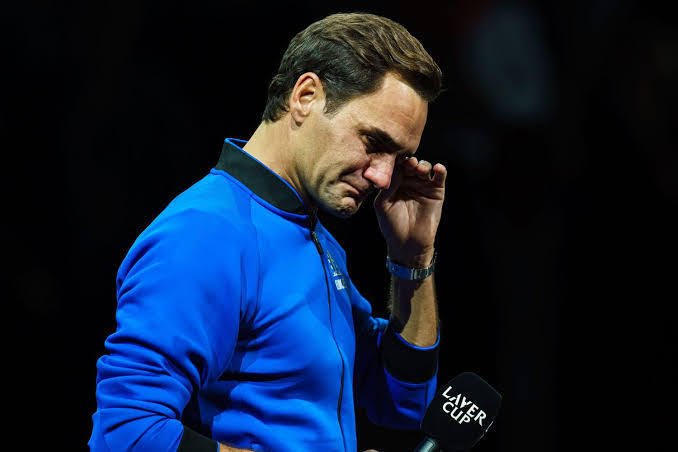
Roger Federer’s Shock as DNA Results Reveal Myla and Charlene Are Not His Biological Children
By: Our Reporter
In a stunning turn of events, tennis legend Roger Federer was left reeling after DNA tests confirmed that Myla and Charlene, believed to be his daughters, are not biologically related to him. The heartbreaking revelation reportedly left Federer in a state of disbelief and deep sorrow.
The news, which came as a complete shock to Federer and his family, has shaken the tennis world. Federer, who has always been a devoted father to Myla and Charlene, is said to be devastated by the results.
This unexpected twist raises many questions about the identity of the girls’ biological father and the circumstances surrounding their parentage. Federer, known for his grace both on and off the court, has not made any public statements regarding the matter.
Fans and supporters of Federer have expressed their sympathy and support for him during this difficult time. The tennis community stands by him as he navigates this personal challenge with the same dignity and strength that he displays on the tennis court.
As Federer comes to terms with this shocking revelation, the focus remains on his incredible career and the legacy he has built in the world of tennis. The news of Myla and Charlene’s true parentage may be a painful chapter in his personal life, but Federer’s status as one of the greatest athletes of all time remains undisputed.
In a shocking and deeply personal revelation, tennis icon Roger Federer has been left devastated by recent DNA test results that have uncovered that Myla and Charlene, long believed to be his biological daughters, are not genetically related to him. The news has sent shockwaves through the tennis world and has left Federer and his family grappling with profound emotions.
For Federer, known not only for his unrivaled skill on the court but also for his integrity and grace off it, the revelation has been nothing short of heart-wrenching. The tennis star had embraced fatherhood with open arms, often sharing glimpses of his life with his daughters on social media and in interviews. The bond he shared with Myla and Charlene was evident to all who followed his career, making this revelation all the more difficult to process.
The DNA results, which reportedly came as a complete surprise to Federer and his family, have raised numerous questions about the true parentage of Myla and Charlene. Federer, a private individual when it comes to his personal life, has not made any public statements regarding the matter, choosing instead to deal with the situation in private.
Fans and supporters of the tennis legend have flooded social media with messages of sympathy and support, acknowledging the pain and confusion he must be experiencing. Many have lauded Federer for the dignity and grace with which he has handled this challenging situation, reflecting the same qualities that have endeared him to millions around the world.
The news of Myla and Charlene’s true parentage has not only rocked Federer’s personal life but has also sparked speculation and curiosity among fans and observers. The search for answers and understanding continues, though it remains unclear how this revelation will impact Federer’s relationship with the girls and his family dynamics.
Throughout his illustrious career, Roger Federer has faced and overcome numerous challenges on the tennis court. Now, as he navigates this deeply personal and unexpected twist in his life, the tennis community stands by him, offering unwavering support and understanding.
As Federer takes time to come to terms with this new reality, the focus remains on his remarkable achievements in the world of tennis. His legacy as one of the sport’s all-time greats is secure, and while the news of Myla and Charlene’s parentage may cast a shadow, it does not diminish the impact he has had on the sport and the countless fans who have cheered him on throughout his career.
In the midst of this personal turmoil, Federer’s strength, resilience, and unwavering commitment to his family shine through. While the road ahead may be uncertain, one thing is clear: Roger Federer will face this challenge with the same grace and determination that have defined his career both on and off the court.
Roger Federer’s Shock as DNA Results Reveal Myla and Charlene Are Not His Biological Children


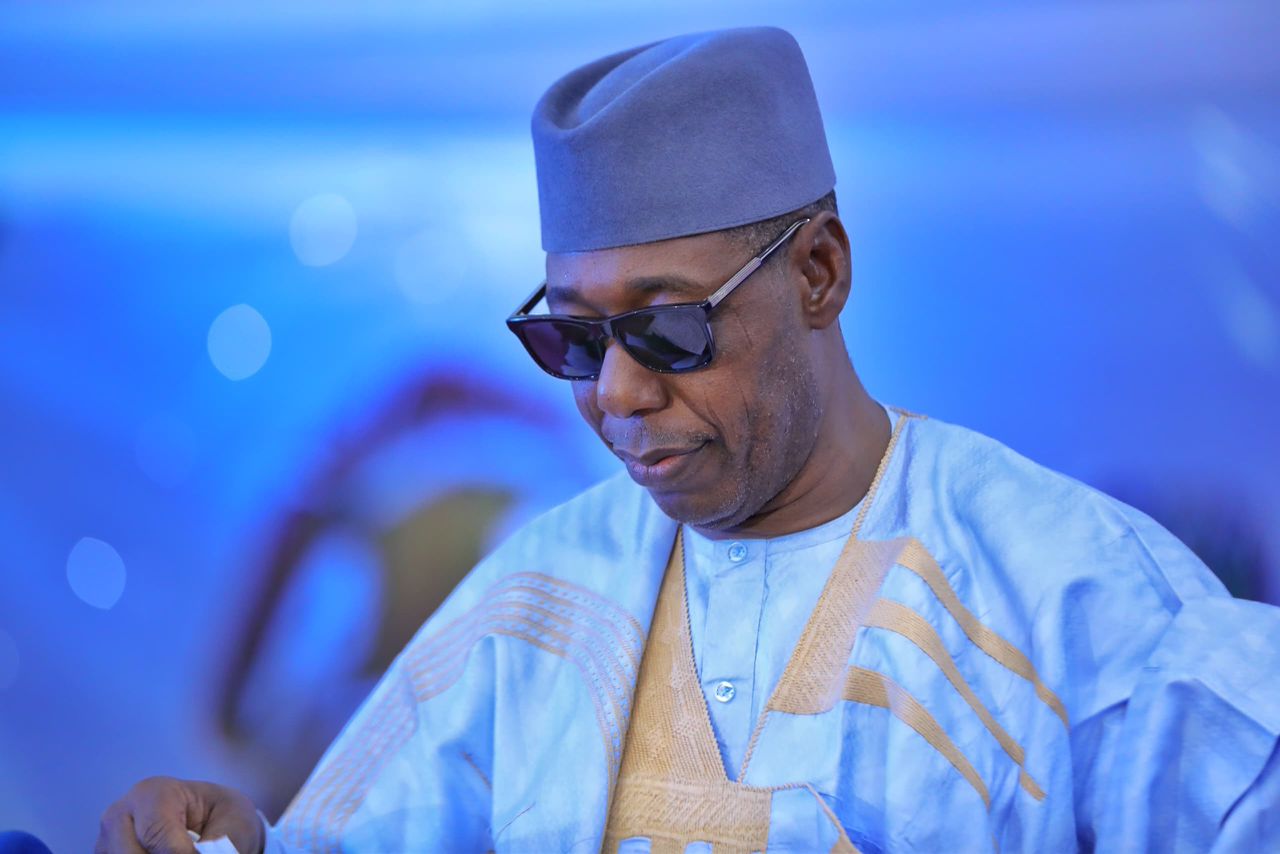
Zulum: Consensus Remains Preferred Option for APC Primaries in Borno
By: Our Reporter
Borno State Governor, Babagana Umara Zulum, has called on aspirants seeking various elective positions under the All Progressives Congress (APC) and party stakeholders to adopt consensus as the preferred mode for candidate emergence ahead of the party primaries.
The APC primary elections are scheduled to commence on Friday, 15 May, with the House of Representatives primaries and climax on Saturday, 23 May, with the presidential primaries.
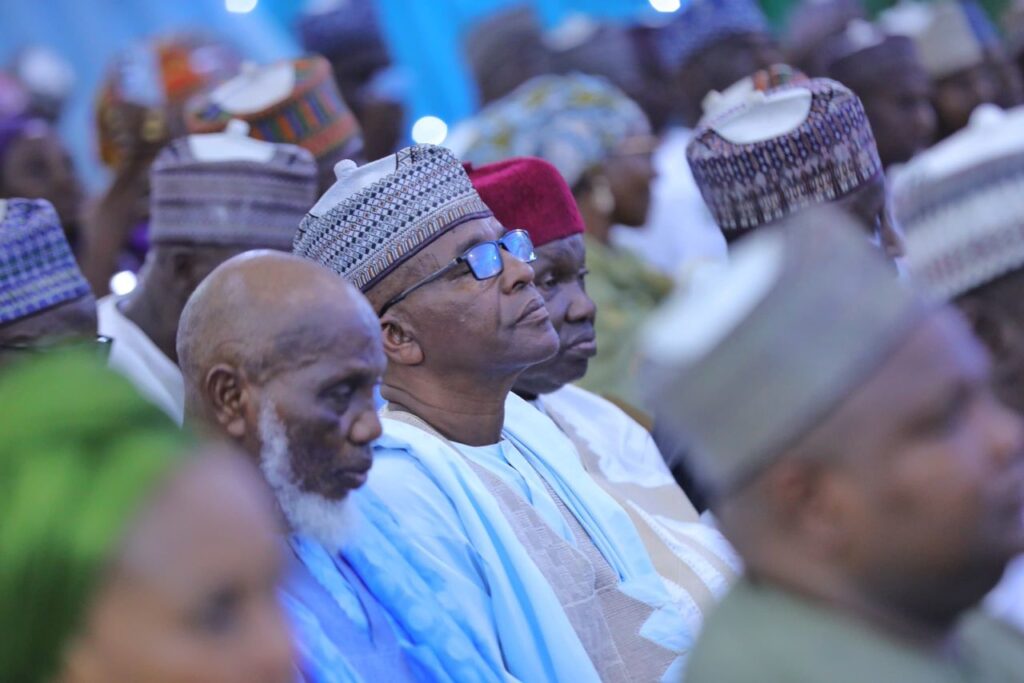
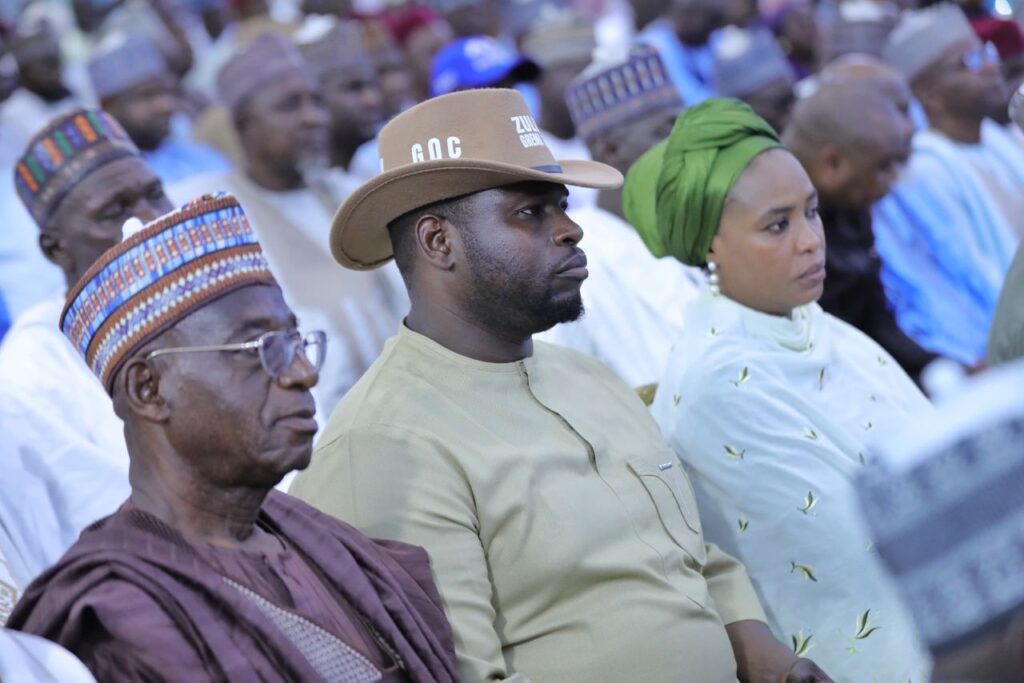
Governor Zulum made the call on Thursday during a critical stakeholders’ meeting held at the Multipurpose Hall of the Government House in Maiduguri, stressing that consensus remains the most viable option for strengthening party unity.
“Let me start by appreciating all our stakeholders for the support and commitment to advancing the course of our great party, APC, and our administration,” Zulum said.
“As we prepare for the party primaries, which will commence on Friday, I want to remind all our aspirants contesting various elective positions that consensus is the best and most viable option for the party in our state. However, if we are unable to arrive at a consensus, we will go for direct primaries,” he added.
The governor further emphasized his commitment to democratic principles, assuring stakeholders that no candidate would be imposed on any constituency.
“As a democrat, I will not force any candidate on a particular constituency, but rather encourage us to continue consultations with stakeholders for consensus candidates to emerge,” Zulum stated.
He urged aspirants to reflect on the past, project better opportunities in the future and maintain party loyalty, noting that those who may not secure tickets in the 2027 elections could still have chances ahead.
Governor Zulum also announced that aspirants who voluntarily withdraw from contests would be considered for appointments and other opportunities at both the federal and state levels.
To facilitate consultations across the state, the governor constituted zonal consultative committees headed by the Deputy Governor, Umar Usman Kadafur, for the Southern Zone; APC Deputy National Chairman (North), Ali Bukar Dalori, for the Central Zone; and Senator Mohammed Tahir Monguno for the Northern Zone.
Governor Zulum also formally presented the APC consensus governorship candidate, Mustapha Gubio, to stakeholders, fulfilling the promise he made during the high-level stakeholders’ meeting held on 25 April.
APC Deputy National Chairman, Hon Ali Bukar Dalori, and State Chairman of the Party, Hon. Bello Ayuba, all re-echo the need for consensus as the means of primary election in the state.
They emphasized that consensus will strengthen party cohesion and unity in the run-up to the 2027 general elections.
The meeting was attended by prominent personalities, including Deputy Governor Umar Usman Kadafur, the APC consensus Gubernatorial candidate, Engr Mustapha Gubio, APC Deputy National Chairman (North), Hon. Ali Bukar Dalori, Former Governor, Senator Maina Ma’aji Lawan, Senators Mohammed Tahir Monguno, Mohammed Ali Ndume, and Kaka Shehu Lawan SAN, serving and former members of the House of Representatives, APC state chairman, former Nigerian Ambassador to China, Amb. Baba Ahmed Jidda, Speaker, Borno State House of Assembly, and other members of the House.
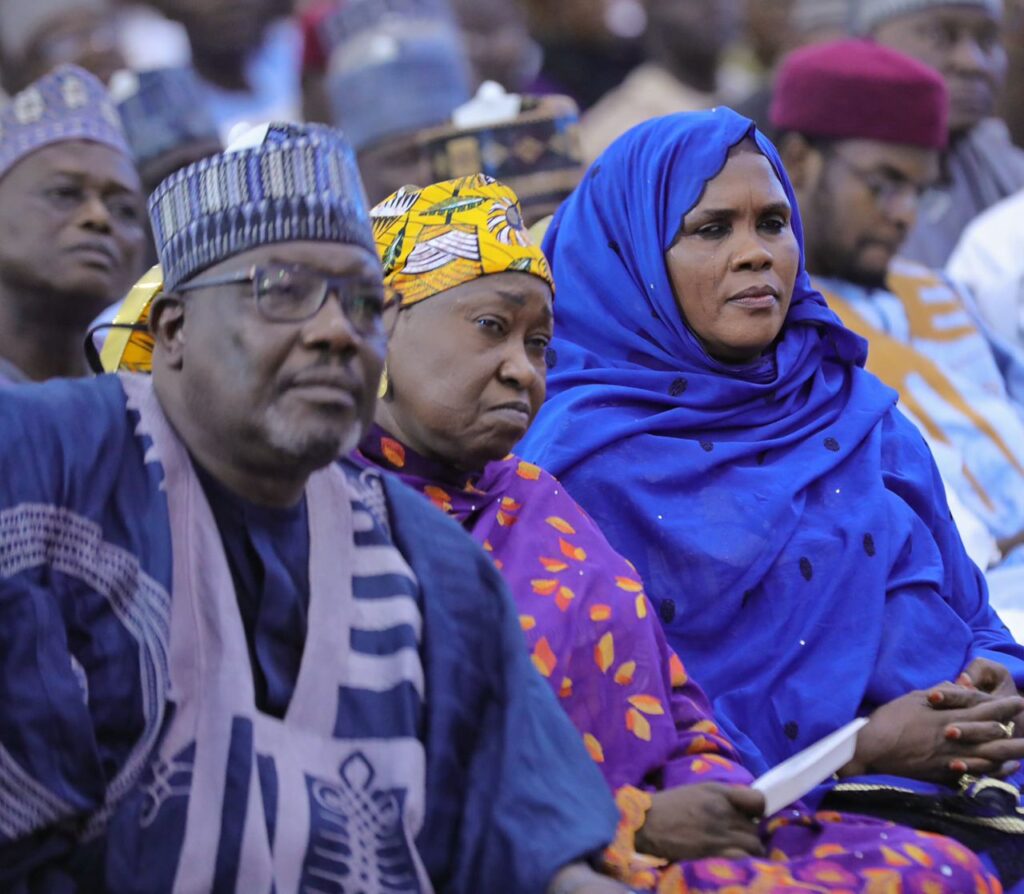
Others include the Secretary to the state government, the acting Chief of Staff, the Commissioner’s designate, Special Advisers, Local Government Chairmen, APC party executives, and other stakeholders.
Zulum: Consensus Remains Preferred Option for APC Primaries in Borno

Justice Crack’s bail plea suffers setback as two lawyers clash in court over representation
By: Michael Mike
The bail application filed by
Chidiebere Justice Mark, popularly known as Justice Crack, on Thursday suffered a setback at the Federal High Court in Abuja after two lawyers, Femi Balogun and Marshall Abubakar, clashed over who to represent him.
Justice Joyce Abdulmalik had, on May 4, fixed today for hearing of Mark’s bail request shortly after he was arraigned by the Department of State Services (DSS) and pleaded not guilty to a three-count charge.
The adjournment followed an application by Mark’s lawyer, Marshall Abubakar, who told the court of the need to admit his client to bail pending trial.
The DSS had, in the charge marked: FHC/ABJ/CR/253/2026, sued Crack, as sole defendant over alleged cybercrime offences linked to a viral video concerning the Nigerian Army.
Mark was alleged to have circulated a false information and publication of materials capable of causing public unrest.
The defendant, who was reportedly arrested by the Nigerian Army, was accused of publishing the viral video and accompanying statements through his X handle, @JusticeCrack, alleging inadequate feeding of Nigerian soldiers.
When the case was called on Thursday, Leyii Abueh, from the Federal Ministry of Justice, informed the court that the Attorney-General of the Federation (AGF) had taken over the matter from the DSS in line with the relevant section of the law.
However, things took a dramatic twist as Femi Balogun and Abubakar stood up to announce appearance for the same Crack.
Balogun told the court that he was briefed by Mark’s family to take up the case.
He notified the court about the defence bail application already filed.
However, Abubakar stood his ground, insisting that he was the defendant’s lawyer, who had been appearing in the case and he had not been disengaged from handling Crack’s matter.
Justice Abdulmalik then asked the defendant to identify his lawyer and Mark pointed at Balogun.
Against this development, Abubakar applied to withdraw all the processes he filed in respect of the case, including the bail application which Balogun had relied on.
The judge struck out the processes filed by Abubakar and adjourned until May 18 for hearing of the fresh bail application.
Justice Crack’s bail plea suffers setback as two lawyers clash in court over representation
News
Nigeria, Germany Deepen Strategic Partnership €65 Million Development Package, €300 Million Credit Facility and Expanded Economic Cooperation Announced
Nigeria, Germany Deepen Strategic Partnership €65 Million Development Package, €300 Million Credit Facility and Expanded Economic Cooperation Announced
By: Michael Mike
Nigeria and Germany have reinforced their long-standing development and economic partnership with new commitments spanning financial cooperation, private sector investment, skills development, energy transition, agriculture, and digital transformation.
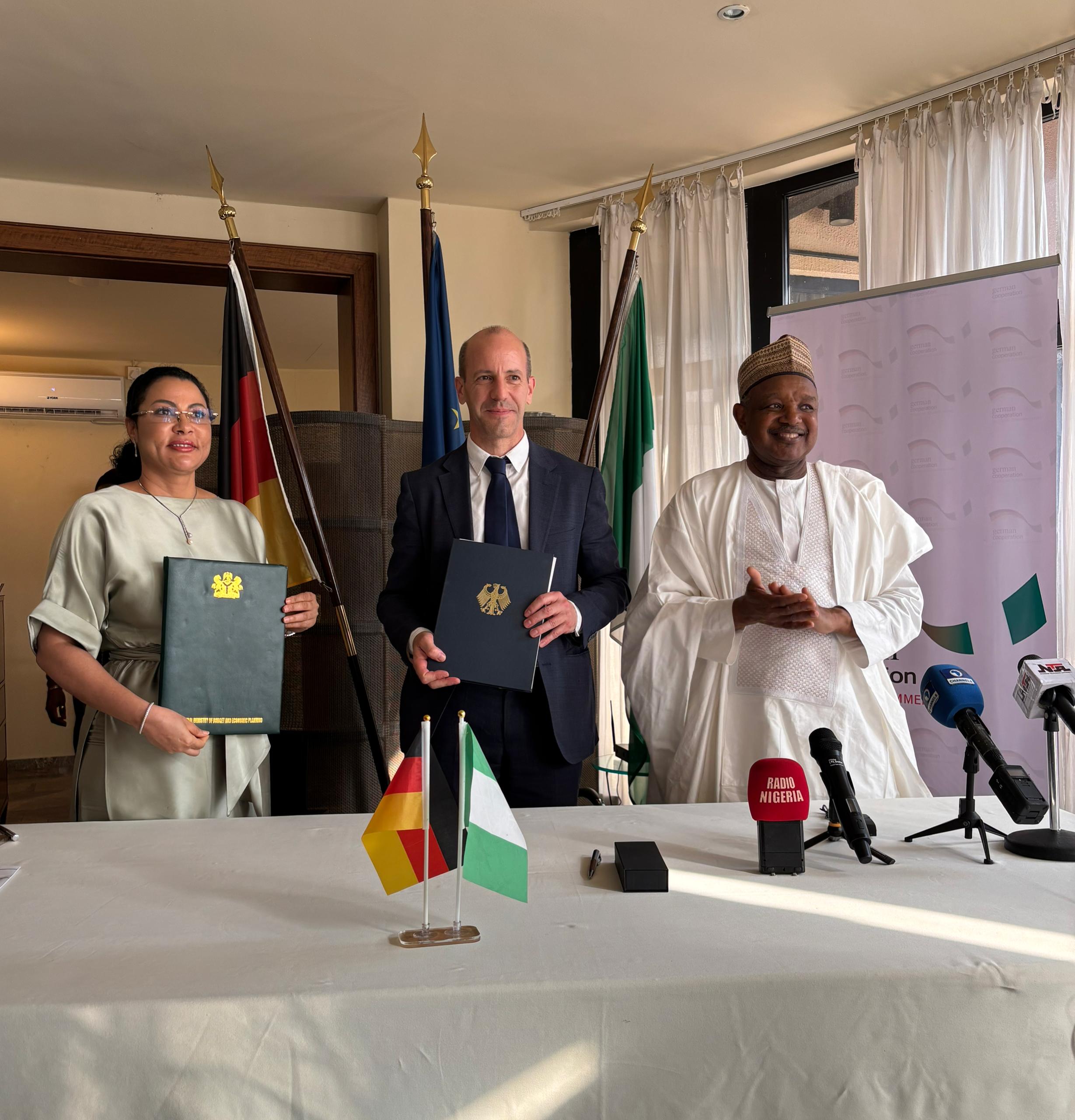
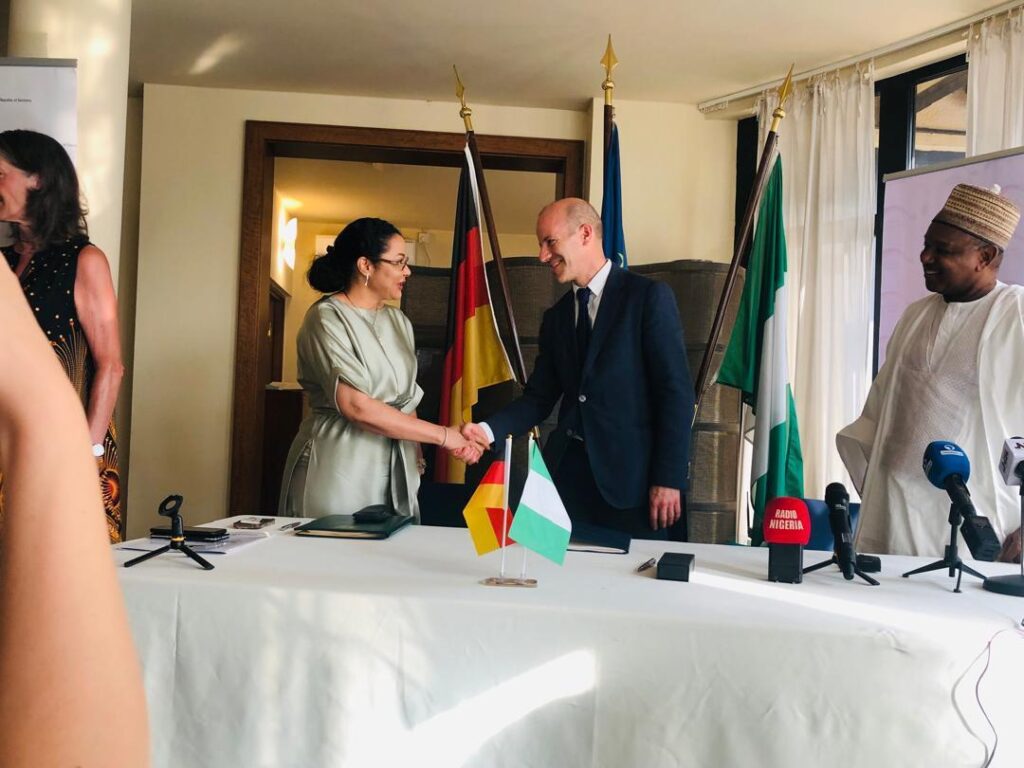
The renewed collaboration was reaffirmed during high-level bilateral engagements and the signing of a Summary of Record in Abuja, where both governments reviewed progress in ongoing programmes and agreed on expanded areas of cooperation aimed at strengthening Nigeria’s reform and development agenda.
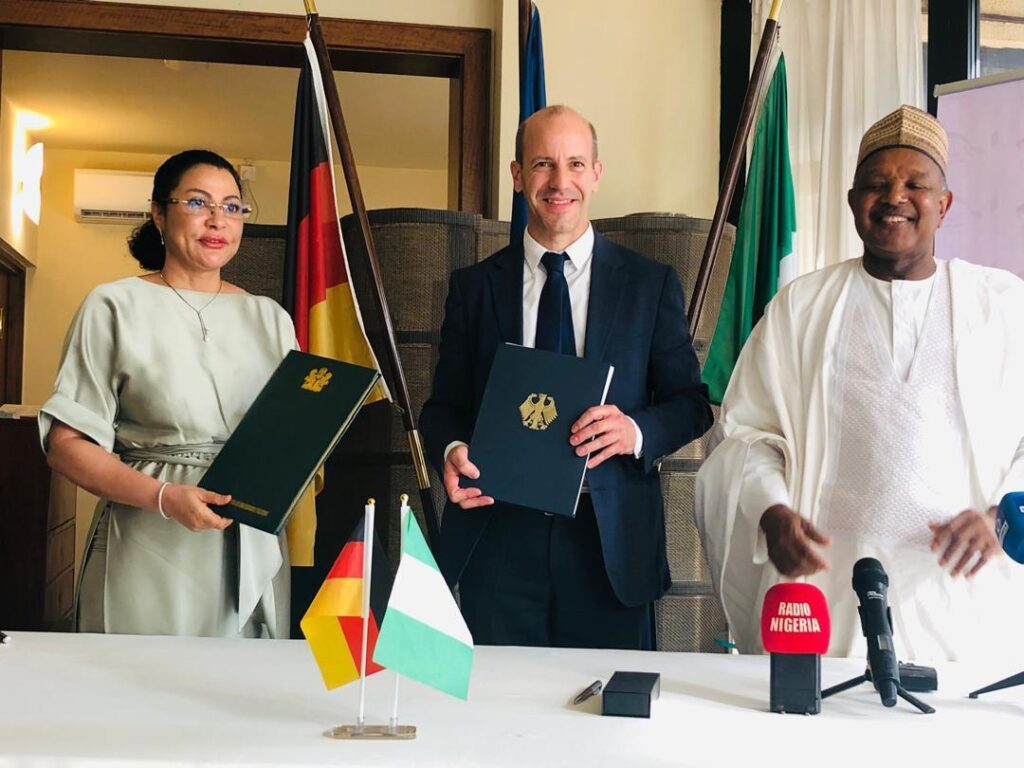
Nigeria’s Minister of Budget and Economic Planning, Senator Abubakar Atiku Bagudu, described the partnership as a key milestone in Nigeria–Germany relations, noting that it reflects shared priorities anchored on mutual respect, sustainable development, and inclusive economic growth.
He expressed Nigeria’s appreciation to the Government of Germany, including the Federal Ministry for Economic Cooperation and Development (BMZ), Federal Ministry for Economic Affairs and Energy, KfW Development Bank, GIZ, and other implementing partners, for what he described as constructive and forward-looking negotiations.
A major outcome of the engagements is Germany’s commitment of approximately €65 million in new financial and technical cooperation across agreed priority sectors. In addition, both countries discussed a proposed €300 million export credit guarantee framework, designed to mobilize private investment and expand long-term financing for strategic infrastructure and development projects in Nigeria.
Officials from both sides said the financing arrangements are intended not only to provide direct support but also to unlock broader capital flows into key sectors of the Nigerian economy.
The expanded partnership prioritizes agricultural transformation, climate and energy transition, skills development, health systems strengthening, and inclusive economic growth.
German institutions and private sector actors including Siemens and SAP played a visible role in the engagement, showcasing ongoing projects in Nigeria. Siemens highlighted its involvement in energy sector skills development and power infrastructure-related initiatives, while SAP presented digital solutions aimed at modernizing tax administration and strengthening Nigeria’s digital governance systems.
The German delegation, led by Africa Director at BMZ, Mr. Philip Knill, also referenced ambitions to support large-scale skills development programmes, including proposals aimed at training up to one million Nigerians in technical, digital, and vocational competencies to enhance productivity and employment outcomes.
Both sides acknowledged Nigeria’s ongoing economic reforms under the Renewed Hope Agenda, including macroeconomic stabilization efforts, energy sector reforms, healthcare transformation, and initiatives to improve the investment climate and stimulate private sector-led growth.
Knill expressed confidence in Nigeria’s reform trajectory, describing the country as a key partner in Africa with significant potential for industrial expansion, agricultural modernization, and energy transition.
Nigeria, in turn, reaffirmed its commitment to ensuring that all agreed programmes are nationally owned, properly coordinated, and aligned with long-term development frameworks, including the National Development Plan 2026–2030 and Agenda 2050.
As part of the broader engagement, German officials undertook field visits and technical discussions with Nigerian ministries and agencies, including energy infrastructure sites and development programme locations.
They highlighted existing cooperation outcomes, noting that joint Nigeria–Germany programmes have already supported hundreds of thousands of smallholder farmers, improved access to training, and strengthened thousands of small and medium-sized enterprises across the country. These interventions, they said, have contributed to increased incomes and improved productivity in key sectors.
In the energy sector, both sides discussed ongoing efforts to expand generation capacity and improve transmission systems, with Germany expressing readiness to continue supporting Nigeria’s power sector reforms and renewable energy ambitions.
A key feature of the engagement was the emphasis on development cooperation as a catalyst for private sector investment, innovation, and job creation. Officials stressed that future cooperation must go beyond aid, focusing instead on leveraging private capital and building sustainable economic partnerships.
Knill also noted the importance of strengthening economic ties between Europe and Africa in the context of global instability, including conflicts, supply chain disruptions, and climate-related challenges.
Both governments described the agreements not as an endpoint, but as the beginning of deeper implementation-focused cooperation.
German officials emphasized a “signing today, implementation tomorrow” approach, underscoring the importance of translating agreements into measurable development outcomes. Nigeria echoed this position, reaffirming its commitment to ensuring effective coordination and delivery of agreed programmes.
The renewed Nigeria–Germany partnership marks a significant step in strengthening bilateral cooperation across economic, technological, and development sectors. With fresh financing commitments, expanded private sector involvement, and a shared focus on structural reforms and human capital development, both countries say they are positioning the partnership for greater impact in the years ahead.
The engagement is expected to accelerate ongoing programmes and open new pathways for investment, innovation, and sustainable growth across Nigeria’s priority sectors, particularly energy, agriculture, digital economy, and skills development.
Nigeria, Germany Deepen Strategic Partnership €65 Million Development Package, €300 Million Credit Facility and Expanded Economic Cooperation Announced

Zulum: Leadership, humility And humanity

Greater progress awaits Gombe South if elected Senator- Damara

Zulum: Consensus Remains Preferred Option for APC Primaries in Borno

Roger Federer’s Shock as DNA Results Reveal Myla and Charlene Are Not His Biological Children

THE PLIGHT OF FARIDA

FAILED COUP IN BURKINA FASO: HOW TRAORÉ NARROWLY ESCAPED ASSASSINATION PLOT AMID FOREIGN INTERFERENCE CLAIMS
-
Opinions4 years ago
THE PLIGHT OF FARIDA
-
 News1 year ago
FAILED COUP IN BURKINA FASO: HOW TRAORÉ NARROWLY ESCAPED ASSASSINATION PLOT AMID FOREIGN INTERFERENCE CLAIMS
-

 News2 years ago
EYN: Rev. Billi, Distortion of History, and The Living Tamarind Tree
-
 Opinions4 years ago
POLICE CHARGE ROOMS, A MINTING PRESS
-

 ACADEMICS2 years ago
A History of Biu” (2015) and The Lingering Bura-Pabir Question (1)
-

 Columns2 years ago
Army University Biu: There is certain interest, but certainly not from Borno.
-

 Opinions2 years ago
Tinubu,Shettima: The epidemic of economic, insecurity in Nigeria
-

 Politics11 months ago
2027: Why Hon. Midala Balami Must Go, as Youths in Hawul and Asikira/Uba Federal Constituency Reject ₦500,000 as Sallah Gift
