
News
Russia Advocates Multipolar World Order, Highlights Africa and Nigeria as Key Global Actors

Russia Advocates Multipolar World Order, Highlights Africa and Nigeria as Key Global Actors
By: Michael Mike
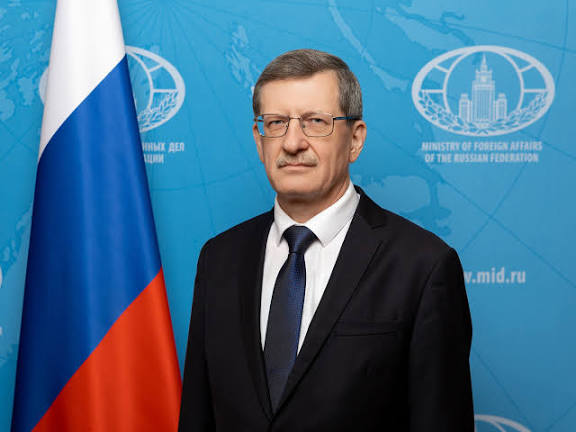
Russia has reaffirmed its commitment to a multipolar world order anchored on international law, sovereign equality and civilizational diversity, arguing that global power is steadily shifting away from a unipolar system dominated by a few states.
This position was outlined in a comprehensive diplomatic briefing titled “Russia in a Multipolar World Order: African Perspective,” delivered to mark Russia’s Diplomatic Service Day, a professional holiday celebrating the country’s long-standing diplomatic traditions.
The briefing stressed that the era of a unipolar world has ended, citing the rise of new economic and political centres across Asia, Africa and Latin America. According to the Russian position, these regions — described as the “world majority” — now account for the bulk of global population growth and an increasing share of economic output, challenging the dominance of the traditional Western-led system.
Russia argued that attempts to impose a so-called “rules-based order” outside the framework of international law have weakened global stability, replacing diplomacy with unilateral actions and sanctions. It maintained that genuine global security can only be achieved through respect for sovereignty, non-interference and equal, indivisible security for all states.
At the core of Russia’s argument is the United Nations Charter, which it described as the constitutional foundation of international relations. Moscow called for strengthening the UN’s central role while reforming global institutions to better reflect contemporary realities, including expanded representation for Africa, Asia and Latin America in the UN Security Council.
The briefing also emphasized civilizational diversity as a defining feature of the emerging world order, rejecting the idea that any single political, economic or cultural model can be universally applied. Russia maintained that multipolarity is not merely about the distribution of power, but about the coexistence of multiple development paths based on history, identity and national choice.
Africa featured prominently in the briefing as a rising independent force in global affairs. Russia highlighted the continent’s growing political coordination through the African Union, the African Continental Free Trade Area, and Agenda 2063, describing Africa as a future pole of global growth alongside Asia and the West.
Moscow praised African states for increasingly asserting independent positions on global issues, including neutrality during major international crises and resistance to external pressure to align with sanctions or military blocs. It also welcomed Africa’s growing role in mediation efforts and peace initiatives beyond the continent.
Russia reiterated its support for Africa’s long-standing demand for permanent representation on the UN Security Council, referencing the Ezulwini Consensus and the Sirte Declaration as legitimate expressions of Africa’s collective will.
On Russia–Africa relations, the briefing underscored a partnership based on equality, mutual benefit and non-interference. It pointed to expanding cooperation in education, energy, food security, healthcare and security, noting that more than 32,000 African students are currently studying in Russia, supported by increased scholarship quotas.
Special attention was given to Nigeria, which Russia described as a strategic partner and a leading power in Africa. The briefing highlighted Nigeria’s political influence, economic scale, demographic weight and leadership role within ECOWAS and the African Union, describing the country as a potential global centre of influence in the evolving multipolar system.
Russia expressed support for Nigeria’s aspirations to play a larger role in global governance, including possible representation in a reformed UN Security Council, in line with Africa’s common positions.
Bilateral cooperation between Russia and Nigeria, according to the briefing, is entering a new phase, with growing engagement in education, energy, industrial development, military-technical cooperation and healthcare. Moscow also noted Nigeria’s support for several Russian-backed initiatives at the United Nations, including resolutions against the glorification of Nazism and neo-Nazism.
In conclusion, Russia argued that the multipolar world is no longer theoretical but an objective reality shaped by economic, demographic and political shifts. It called for an international order free from domination, racism and neo-colonial practices, insisting that global stability depends on dialogue among civilizations and respect for the sovereign choices of all nations.
The briefing ended with a call for Africa and emerging powers to play a central role in shaping a more balanced, just and inclusive international system.
Russia Advocates Multipolar World Order, Highlights Africa and Nigeria as Key Global Actors


News
Borno Students Rally Behind Security Agencies, Reject Terrorism, Call for National Unity Against Boko Haram, ISWAP, Banditry
Borno Students Rally Behind Security Agencies, Reject Terrorism, Call for National Unity Against Boko Haram, ISWAP, Banditry
By: Zagazola Makama
Students from various tertiary institutions in Borno State on Sunday declared their unwavering support for Nigeria’s security agencies in the ongoing campaign against Boko Haram, ISWAP, banditry and other violent criminal groups, urging all citizens to unite behind efforts to restore lasting peace across the country.
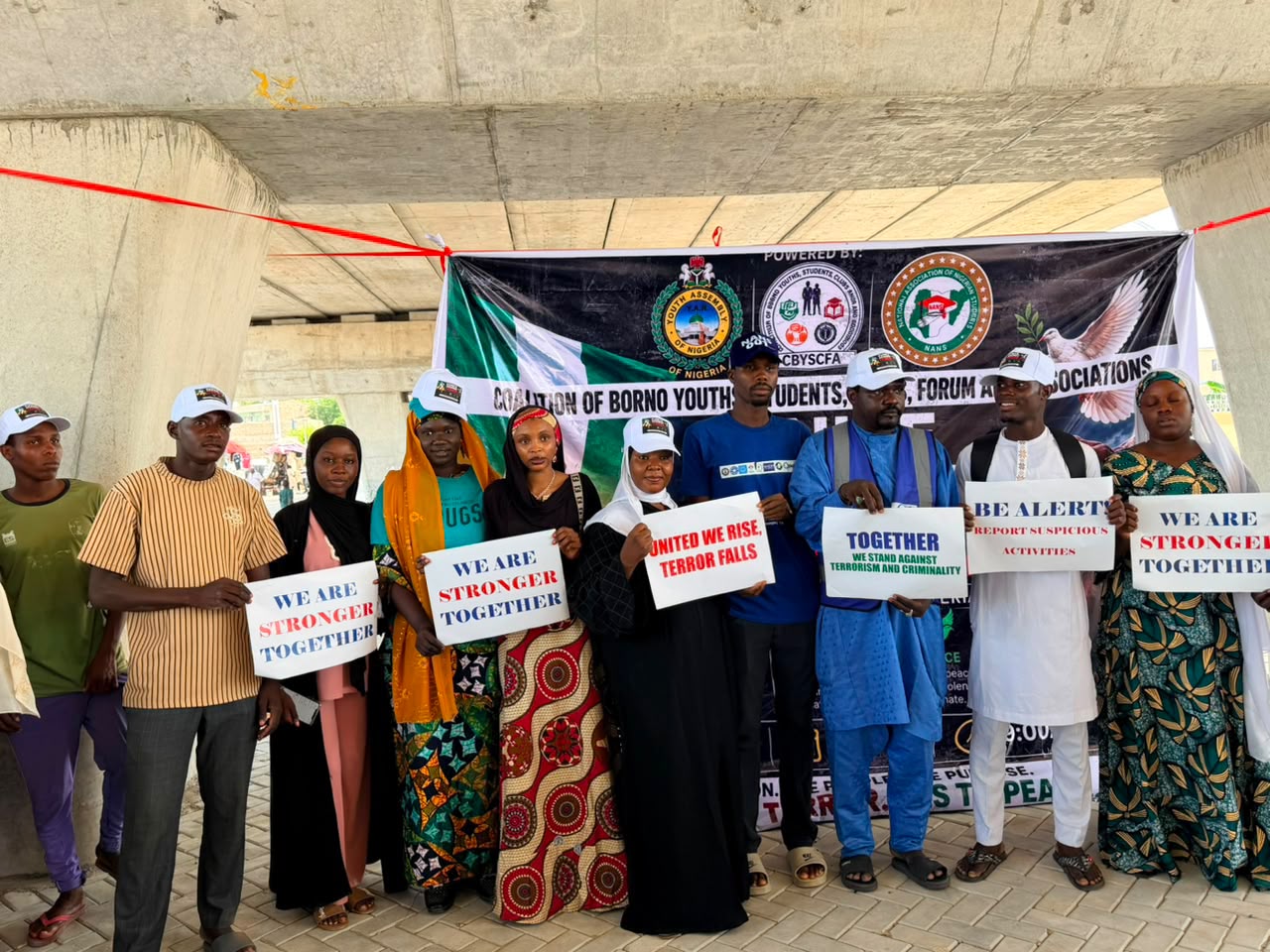
The students made the declaration during a solidarity rally held at the Post Office Round About in Maiduguri, where they joined civil society groups, youth organisations and community leaders to express appreciation for the sacrifices of the Armed Forces, Police, Department of State Services (DSS), Nigeria Security and Civil Defence Corps (NSCDC), Civilian Joint Task Force (CJTF) and other security personnel engaged in counter-terrorism operations.
The rally, attended by hundreds of students from the University of Maiduguri, Borno State University, Ramat Polytechnic, Mohammed Lawan College of Agriculture and other institutions, featured speeches, peace messages and calls for greater public cooperation with security agencies.
A Student Leader, Suleiman Muhammad Sarki urged Nigerians to reject terrorism in all its forms and embrace national unity as the country’s strongest weapon against violent extremism.
“Terrorism has killed our people, destroyed our communities and stolen peace from our homes. This fight is not for government alone; it is the responsibility of every Nigerian.
“We must also speak with one voice against the payment of ransom to kidnappers, bandits and terrorist groups. When we deny them financial support, we weaken their operations.
“Parents should teach their children peace, communities should report suspicious activities, leaders should speak with one voice, the media should spread truth instead of fear, while the youth must choose unity over hatred. Nigeria is bigger than any terrorist, and together we shall overcome,” he said.
The remarks were greeted with applause as participants waved Nigerian flags and displayed placards bearing inscriptions such as “United Against Terrorism,” “Support Our Troops,” “Enough is Enough,” “Peace is Our Right,” and “Nigeria Must Win.”
Students of the Mohammed Lawan College of Agriculture, Maiduguri, also called for sustained government investment in communities liberated from insurgents.
One agriculture student said restoring farming activities remained crucial.
“Food security and national security go together. When farmers return safely to their fields, communities recover faster and criminal groups lose influence.”
A student of Education stressed that schools should continue promoting peace education.
“Children must grow up understanding tolerance, respect and peaceful coexistence. Education remains one of the strongest tools against violent extremism.”
At the Ramat Polytechnic, Maiduguri, students praised the resilience of communities affected by insurgency.
A Higher National Diploma student said the determination shown by residents demonstrated that terrorism would never defeat Nigeria.
“Despite everything, people have rebuilt businesses, returned to school and continued with their lives. That resilience gives hope.”
Another student urged social media users to verify information before sharing it online.
“False information creates unnecessary panic and sometimes benefits terrorists. Citizens should rely on credible sources and avoid spreading rumours during security operations.”
Several students also commended security personnel serving in difficult operational environments across the North-East.
They acknowledged the sacrifices made by troops deployed under Operation HADIN KAI and other security formations, noting that many personnel had paid the ultimate price in defence of the country.
A law student observed that national unity remained Nigeria’s greatest strength.
“Terrorists want to divide Nigerians along ethnic and religious lines. We must deny them that victory by standing together as one nation.”
Students also called on traditional rulers, religious leaders, civil society organisations and the media to intensify public enlightenment campaigns against violent extremism.
They said parents should monitor their children, communities should remain vigilant and religious leaders should continue preaching tolerance, peaceful coexistence and respect for human life.
According to them, the fight against terrorism extends beyond military operations and requires sustained investment in education, youth empowerment, community policing, intelligence sharing and post-conflict reconstruction.
Many expressed optimism that with continued cooperation between citizens and security agencies, Nigeria would eventually overcome terrorism and restore lasting peace.
As the interviews concluded, one message remained consistent across campuses in Maiduguri: defeating Boko Haram, ISWAP and banditry requires a united Nigeria.
Aisha Ibrahim, a students from UNIMAID said the fight against terrorism should not be left solely to security agencies, stressing that citizens also have important roles to play through vigilance, intelligence sharing and promoting peaceful coexistence.
She noted that Borno State had endured years of insurgency, resulting in the loss of thousands of lives, displacement of communities and disruption of education and economic activities.
According to her , the significant progress recorded through sustained military operations has encouraged many displaced families to return home, while schools, markets and farming activities have gradually resumed in several communities.
Bashir Babagana, another student commended the resilience and professionalism demonstrated by troops and other security personnel operating in difficult environments, saying their sacrifices deserved national recognition and support.
He noted that many members of the security forces had paid the ultimate price while defending the country’s territorial integrity and protecting civilians from terrorist attacks.
Participants also appealed to Nigerians to avoid spreading misinformation capable of undermining security operations or creating unnecessary panic.
They stressed that verified information and responsible reporting remained essential in sustaining public confidence and denying terrorist groups the propaganda they often seek.
The students further called on religious leaders, traditional institutions, community associations and youth groups to intensify campaigns promoting tolerance, peaceful coexistence and national unity.
They maintained that education, youth empowerment and community engagement should complement military operations in addressing the root causes of violent extremism.
The rally also featured prayers for the repose of civilians and security personnel who lost their lives in the fight against terrorism, as well as special prayers for the safety of troops currently serving in operational theatres across the country.
The students also pledged continued support for lawful efforts aimed at defeating Boko Haram, ISWAP, bandit groups and other criminal elements threatening Nigeria’s peace and stability.
They urged Nigerians, irrespective of ethnicity, religion or political affiliation, to remain united and work collectively towards building a secure and prosperous nation.
The rally concluded with participants reaffirming their commitment to national unity and expressing confidence that sustained collaboration between citizens and security agencies would ultimately bring terrorism to an end.
Borno Students Rally Behind Security Agencies, Reject Terrorism, Call for National Unity Against Boko Haram, ISWAP, Banditry
ECOWAS pushes jobs agenda to curb irregular migration
…Urges member states to expand youth employment, tighten anti-trafficking laws
By: Michael Mike
The ECOWAS Parliament has called on governments across West Africa to make the creation of decent and sustainable jobs for young people a top priority, warning that unemployment and shrinking economic opportunities continue to fuel irregular migration and human trafficking across the region.
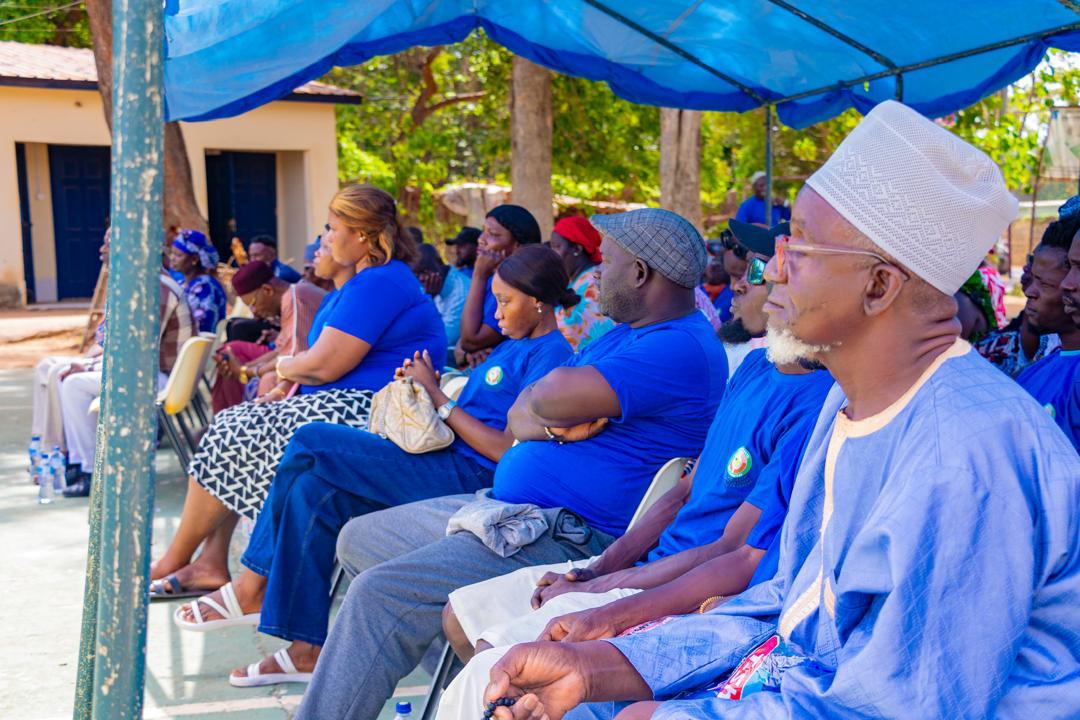
The regional legislature made the call after a week-long citizen engagement in The Gambia, where parliamentarians interacted with young people, returnees, community leaders and other stakeholders to identify the root causes of irregular migration and recommend solutions.
Presenting the report of the engagement, head of the delegation, Hon. Billay Tunkara, said participants overwhelmingly identified unemployment, underemployment, low incomes, inadequate access to education and vocational training, and limited economic opportunities as the primary factors pushing young people to undertake dangerous migration journeys.
According to the report, many young people believe that the opportunities available in their home countries do not offer a realistic path to prosperity, reinforcing the perception that migrating abroad—often through irregular routes—is the only viable option for a better future.
The Parliament also found that family expectations, peer influence and social media have become powerful drivers of migration, with success stories of migrants overseas encouraging more young people to embark on risky journeys despite widespread knowledge of the dangers involved.
Testimonies from returnees and survivors painted a grim picture of irregular migration, detailing experiences of deception, forced labour, exploitation, abuse, detention, family separation and severe psychological trauma. However, the Parliament noted that these survivors could play a vital role in discouraging others by sharing their experiences with vulnerable communities.
Beyond awareness campaigns, the lawmakers stressed that governments must invest in vocational education, entrepreneurship, agriculture and access to finance if they hope to reduce migration pressures. They also called for stronger reintegration programmes for returnees, including psychosocial support, skills acquisition, livelihood assistance and community acceptance.
Among its recommendations, the ECOWAS Parliament urged member states to expand investments in technology and vocational training centres, strengthen cross-border cooperation against migrant smuggling and human trafficking, improve intelligence sharing, and deploy modern surveillance equipment to enhance border security. It also advocated greater access to affordable financing for young entrepreneurs.
For The Gambia, the Parliament specifically called for the speedy passage and implementation of the country’s immigration bill and increased investment in communities most affected by irregular migration through job creation and development initiatives.
The regional legislature further appealed to traditional rulers, religious leaders, civil society organisations, families and the media to intensify public awareness campaigns, discourage the financing of irregular migration and promptly report suspected cases of migrant smuggling and human trafficking to relevant authorities.
The report also recommended that the ECOWAS Parliament institutionalise citizen and student engagement across member states to strengthen parliamentary oversight and ensure that recommendations from such consultations shape future policies on migration governance, regional integration and human security. The report is expected to be debated during the Parliament’s ordinary session before being transmitted to relevant ECOWAS institutions for implementation if adopted.
ECOWAS pushes jobs agenda to curb irregular migration
News
NDLEA arrests South African woman with 3-year-old son over heroin haul, seizes N10.3bn cannabis shipment at Lagos port
NDLEA arrests South African woman with 3-year-old son over heroin haul, seizes N10.3bn cannabis shipment at Lagos port
By: Michael Mike
The National Drug Law Enforcement Agency (NDLEA) has arrested a 38-year-old South African woman at the Nnamdi Azikiwe International Airport, Abuja, for allegedly attempting to smuggle 5.75 kilogrammes of heroin into Nigeria while travelling with her three-year-old son, whom investigators said she used as a cover to avoid suspicion.
The agency also announced the seizure of 4,143.5 kilogrammes of Canadian Loud, a potent strain of cannabis, valued at more than N10.3 billion, at the Apapa Seaport in Lagos, alongside the interception of an alleged drug courier who excreted 100 wraps of methamphetamine after arriving at the Murtala Muhammed International Airport (MMIA), Lagos.
According to NDLEA spokesman, Femi Babafemi, the South African suspect, identified as Jessica Ann Will, was arrested on July 6 during the clearance of passengers arriving aboard Qatar Airways flight QR1433 from Doha.
Babafemi said, in a statement on Sunday that, the suspect initially denied travelling with any checked luggage, but investigations revealed that two suitcases containing 14 large blocks of heroin bore baggage tags matching those attached to her passport.
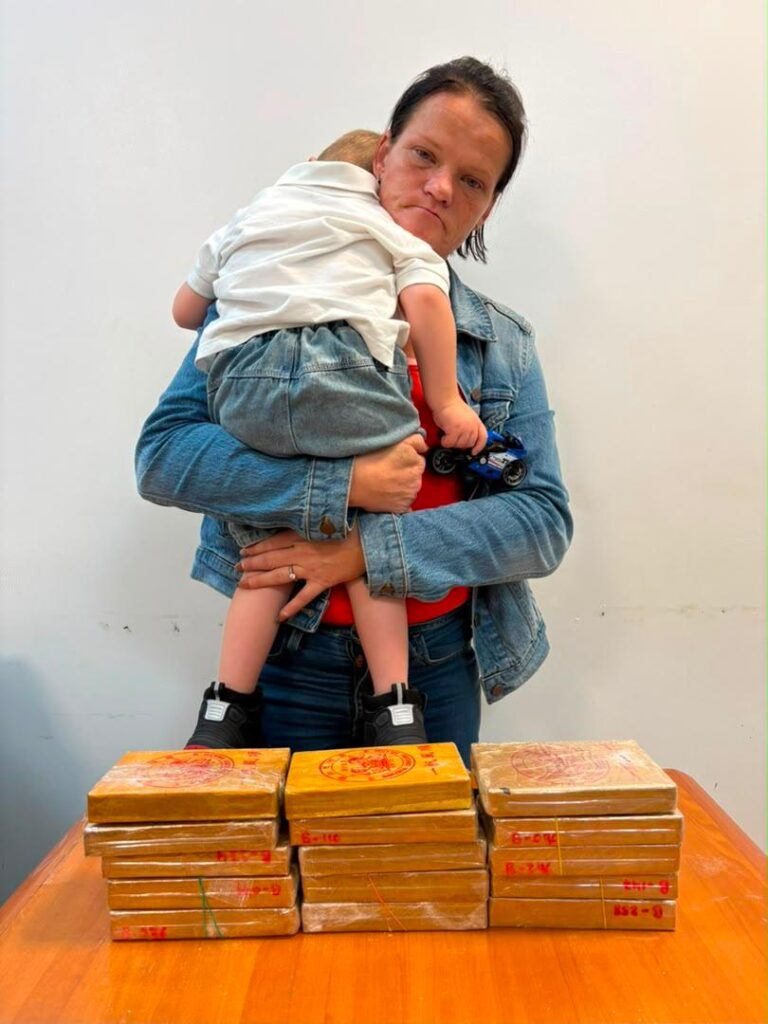
He said the suspect later admitted ownership of the bags, claiming she had forgotten she checked them in.
The NDLEA said preliminary investigations indicated that the suspect travelled from Cambodia through Doha to Abuja and is believed to be part of a transnational drug trafficking syndicate allegedly operated with her husband or partner, Jan Coenraad De Jager, along the Cambodia-South Africa route.
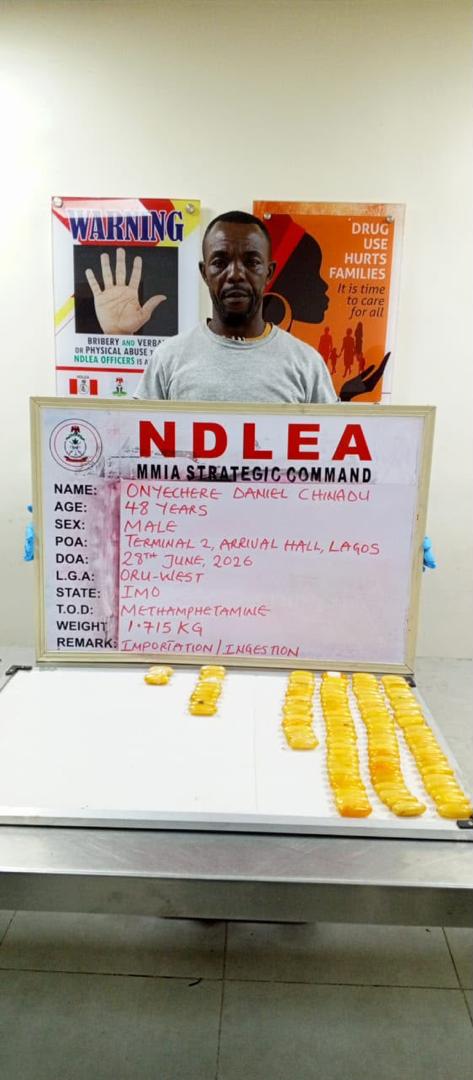
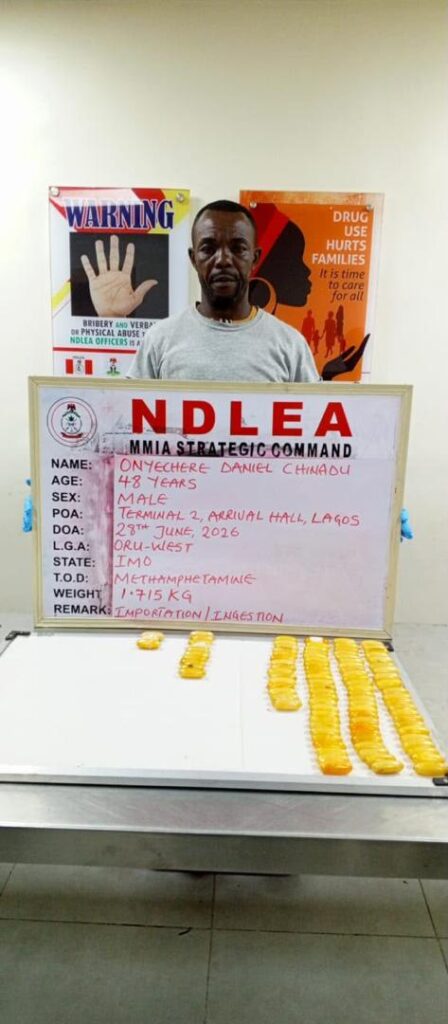
In a separate operation, NDLEA operatives at MMIA arrested 48-year-old Onyechere Chinadu, an Okada rider from Lagos, upon his arrival from Madagascar via Addis Ababa on June 28.
The agency said officers recovered 87 wraps of methamphetamine hidden inside clothes in his backpack during a search.
During interrogation, the suspect reportedly told investigators he had worked as a commercial motorcycle rider in Lagos for 15 years before being recruited into drug trafficking by a Uganda-based associate.
He claimed he ingested additional drug pellets in Uganda before travelling to Madagascar but was denied entry by immigration authorities there. According to him, his sponsor subsequently rerouted him to Lagos, where he was arrested.
Because he could not state the exact quantity of drugs he had swallowed, NDLEA placed him under observation. Over three days, he excreted an additional 13 pellets, bringing the total recovery to 100 wraps of methamphetamine weighing 1.715 kilogrammes.
At the Apapa Seaport, NDLEA said operatives, working alongside the Nigeria Customs Service and other security agencies, uncovered 8,287 nylon bags of Canadian Loud weighing 4,143.5 kilogrammes inside a container imported from Canada.
The agency said the seizure followed weeks of intelligence-led surveillance by its Maritime Intelligence Unit, which tracked the shipment from Montreal before it arrived in Lagos. The illicit consignment has an estimated street value exceeding N10.3 billion.
In another operation, NDLEA said it thwarted an attempt to export 2.5 kilogrammes of skunk concealed inside a gas compressor destined for Cyprus through a courier company in Lagos.
Babafemi said the agency sustained its War Against Drug Abuse (WADA) campaign across the country, conducting sensitisation programmes in schools and communities in Ebonyi, Kano, Ekiti and Ogun states, while officials of its Zone 14 Command paid an advocacy visit to Rivers State Governor, Siminalayi Fubara.
Commending officers involved in the various successful operations, NDLEA Chairman and Chief Executive Officer, Brig.-Gen. Buba Marwa (retd.), praised the agency’s continued success in reducing the supply of illicit drugs while intensifying public awareness campaigns against drug abuse.
He urged personnel across the country to remain steadfast in the fight against drug trafficking and abuse.
NDLEA arrests South African woman with 3-year-old son over heroin haul, seizes N10.3bn cannabis shipment at Lagos port

Borno Students Rally Behind Security Agencies, Reject Terrorism, Call for National Unity Against Boko Haram, ISWAP, Banditry

ECOWAS pushes jobs agenda to curb irregular migration

NDLEA arrests South African woman with 3-year-old son over heroin haul, seizes N10.3bn cannabis shipment at Lagos port

Roger Federer’s Shock as DNA Results Reveal Myla and Charlene Are Not His Biological Children

THE PLIGHT OF FARIDA

FAILED COUP IN BURKINA FASO: HOW TRAORÉ NARROWLY ESCAPED ASSASSINATION PLOT AMID FOREIGN INTERFERENCE CLAIMS
-
 News2 years ago
Roger Federer’s Shock as DNA Results Reveal Myla and Charlene Are Not His Biological Children
-
Opinions4 years ago
THE PLIGHT OF FARIDA
-
 News1 year ago
FAILED COUP IN BURKINA FASO: HOW TRAORÉ NARROWLY ESCAPED ASSASSINATION PLOT AMID FOREIGN INTERFERENCE CLAIMS
-

 News2 years ago
EYN: Rev. Billi, Distortion of History, and The Living Tamarind Tree
-
 Opinions5 years ago
POLICE CHARGE ROOMS, A MINTING PRESS
-

 ACADEMICS2 years ago
A History of Biu” (2015) and The Lingering Bura-Pabir Question (1)
-

 Columns2 years ago
Army University Biu: There is certain interest, but certainly not from Borno.
-

 Politics1 year ago
2027: Why Hon. Midala Balami Must Go, as Youths in Hawul and Asikira/Uba Federal Constituency Reject ₦500,000 as Sallah Gift
