
News
Russia Hosts Classical Music Concert in Abuja to Revive Cultural Ties with Nigeria

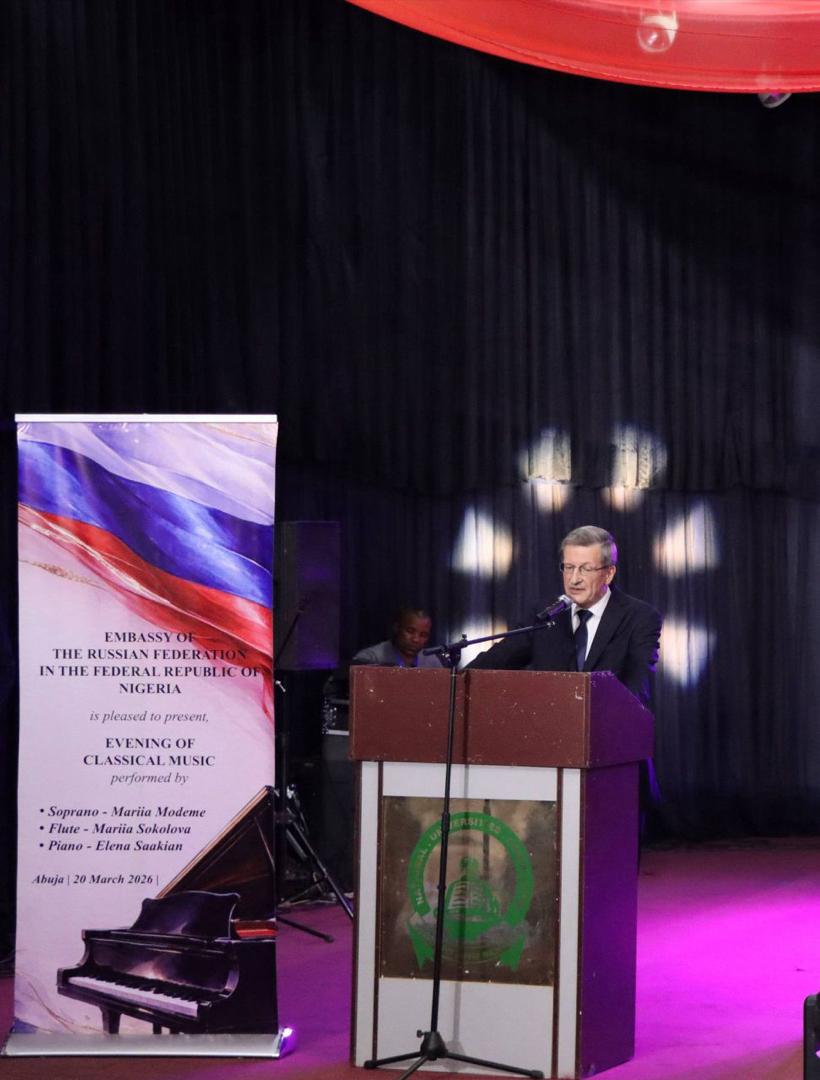
Russia Hosts Classical Music Concert in Abuja to Revive Cultural Ties with Nigeria
By: Michael Mike
The Embassy of the Russian Federation in Nigeria has hosted a special classical music concert in Abuja, describing the event as a significant step toward strengthening cultural dialogue and people-to-people relations between Nigeria and Russia.
The event, which drew diplomats, cultural enthusiasts, academics and members of the public, featured performances by three talented young Russian musicians from the Tchaikovsky Moscow State Conservatory, one of Russia’s most prestigious music institutions.

Speaking at the event, the Russian Ambassador to Nigeria, Andrey Podelyshev noted that the concert was organized with the support of the Russkiy Mir Foundation and the Department for Multilateral Humanitarian Cooperation and Cultural Relations of the Ministry of Foreign Affairs of the Russian Federation.
According to him, the concert represents the first cultural event of its kind organized by the Russian Embassy in Nigeria in several years and marks an important effort to revive cultural engagement between the two nations.
“This evening is not simply a concert,” the envoy said. “It is an important step toward strengthening cultural dialogue between the Federal Republic of Nigeria and the Russian Federation. We hope it will mark the beginning of a new tradition that brings our peoples closer through the universal language of music.”
He expressed appreciation to several Nigerian institutions for supporting the initiative, including the National Universities Commission for providing the venue, as well as the Federal Ministry of Art, Culture, Tourism and Creative Economy and the Nigeria Immigration Service for their cooperation.
Special recognition was also given to Abba Music School for its role in coordinating the event and facilitating the participation of the visiting musicians.
The envoy said Russia also hopes to deepen cultural exchange by creating opportunities for Nigerian artists and creative groups to perform in Russia in the future, allowing Russian audiences to experience Nigeria’s rich cultural heritage.
“We look forward to the day when Nigerian creative groups will visit Russia, enabling our audiences to appreciate the depth, diversity and richness of Nigeria’s culture,” he said.
Guests at the concert were treated to a carefully curated repertoire of classical masterpieces drawn from Russian and global musical traditions, showcasing the technical brilliance and artistry of the visiting performers.
The evening also provided an opportunity for cultural interaction among diplomats, academics, students and music lovers, reinforcing the role of arts and culture in fostering international understanding.
The Russian envoy concluded his remarks by congratulating Muslims on the occasion of Eid al-Fitr and thanking guests for attending the event.
Observers noted that the concert reflects a renewed effort by Russia to use cultural diplomacy to deepen engagement with Nigeria, particularly in the areas of education, arts and cultural exchange.
Russia Hosts Classical Music Concert in Abuja to Revive Cultural Ties with Nigeria


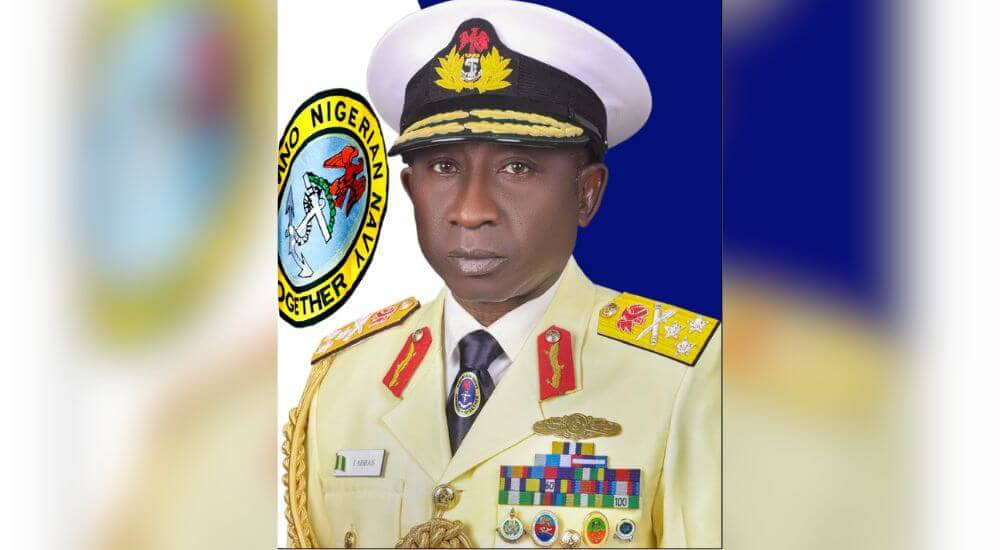
Navy donates solar-powered borehole, toilet to Gombe community
By Elizabeth Ogunjobi
The Nigerian Navy has inaugurated and donated a solar-powered borehole and toilet facilities to Pindiga Community of Akko Local Government Area of Gombe State.
Chief of the Naval Staff, Vice Adm. Idi Abbas, while speaking at the inauguration of the projects in Pindiga on Thursday, reaffirmed the Nigerian Navy’s commitment to civil-military cooperation, describing it as vital for addressing community needs and improving Nigerians’ wellbeing.
The project comprises a solar-powered borehole, overhead tank and toilets constructed at the Cottage Hospital in Pindiga, Akko Local Government Area.
It was executed under the Naval Staff Special Intervention Quick Impact Project Scheme, designed to deliver targeted interventions to communities.
Represented by Director of Plans, Naval Headquarters, Rear Adm. Adamu Yahaya, Abbas said the project would strengthen bonds between communities and the Armed Forces.
“Your collective efforts have once again shown that when institutions and communities work together, sustainable development becomes achievable,” he said.
Abbas assured Pindiga stakeholders that the Navy would continue supporting initiatives promoting national development, peace, security and social cohesion.
“Let me assure you that the Nigerian Navy remains committed to strengthening civil-military cooperation and supporting initiatives that promote national development,” he said.
He said the Navy would continue partnering communities nationwide through interventions capable of fostering peace, security and sustainable development.
Abbas described potable water as an essential need and a major driver of socio-economic development.
He said providing water to the hospital would improve residents’ quality of life while contributing significantly to community development.
The naval chief commended Rear Adm. Usman Faruk, who facilitated the project, for bringing relief to his community.
He urged beneficiaries to protect and maintain the facilities to ensure their sustainability and maximum benefit to residents.
Gov. Inuwa Yahaya of Gombe State commended the Navy for providing essential infrastructure capable of improving the lives of Pindiga residents.
Yahaya, represented by Commissioner for Special Duties, Alhaji Shehu Abdullahi, also praised Faruk for facilitating the intervention.
“We are happy with this water scheme and we ask that you do more for this community and Gombe State as a whole,” he said.
The Emir of Pindiga, Alhaji Muhammad Sayoji, said the intervention had brought significant relief after years of acute water shortages.
Sayoji explained that the area’s geological conditions had made previous boreholes unsuitable because limestone minerals contaminated their water.
“We extend our gratitude to the Chief of Naval Staff, Abbas, for this gift to our community executed by our own son.
“Now, there is water supply across the hospital to make life easier for the people and maintain proper hygiene,” Sayoji said.
Faruk said extensive consultations with community elders preceded the project because Pindiga had long struggled with access to fresh water.
He said contaminated water had contributed to health deterioration, dental discolouration and poor life expectancy among inhabitants.
Faruk added that toilets were constructed because the hospital previously lacked adequate facilities, forcing patients into open defecation.
He said the situation posed serious public health concerns, including increased risks of disease outbreaks within the hospital environment.
As appreciation, the News Agency of Nigeria (NAN) reports that the Emir presented gifts and conferred the traditional title Wakilin Woje Pindiga, meaning ambassador of Pindiga, on Abbas.
The honour was received on Abbas’ behalf by Rear Admiral Yahaya, who represented him at the inauguration.
Navy donates solar-powered borehole, toilet to Gombe community
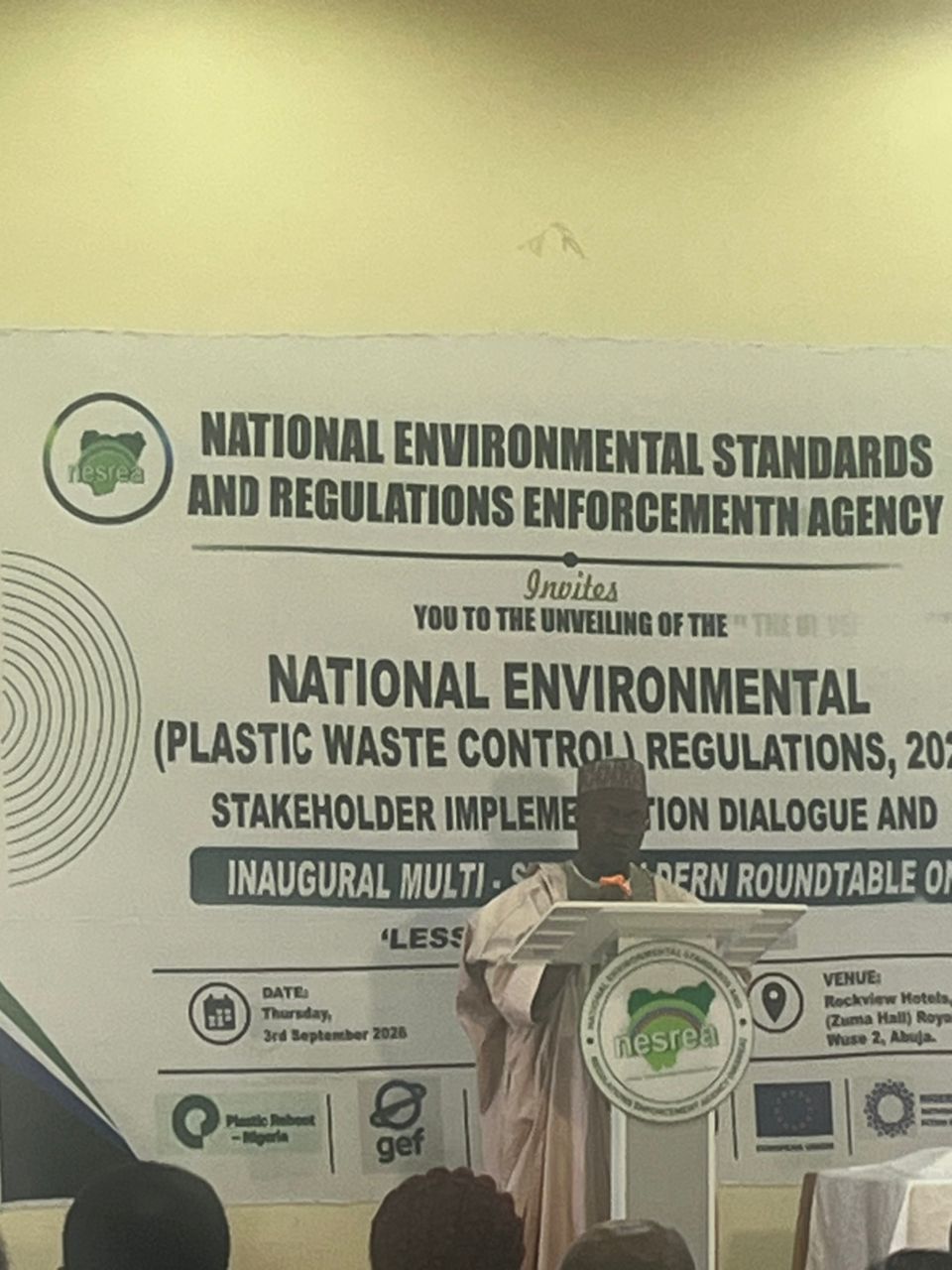
Nigeria Tightens War on Plastic Waste, Makes Producers Responsible for End-of-Life Products
…NESREA unveils 2026 regulations as country generates 2.5m tonnes of plastic waste annually
By: Michael Mike
The Federal Government has unveiled new regulations to tackle Nigeria’s growing plastic waste crisis, placing greater responsibility on producers, importers and other businesses for the recovery and proper management of plastic products after use.
The National Environmental (Plastic Waste Control) Regulations, 2026, unveiled by the National Environmental Standards and Regulations Enforcement Agency (NESREA), seek to move the country from a “make, use and throw away” system to a circular economy based on recovery, recycling and resource efficiency.
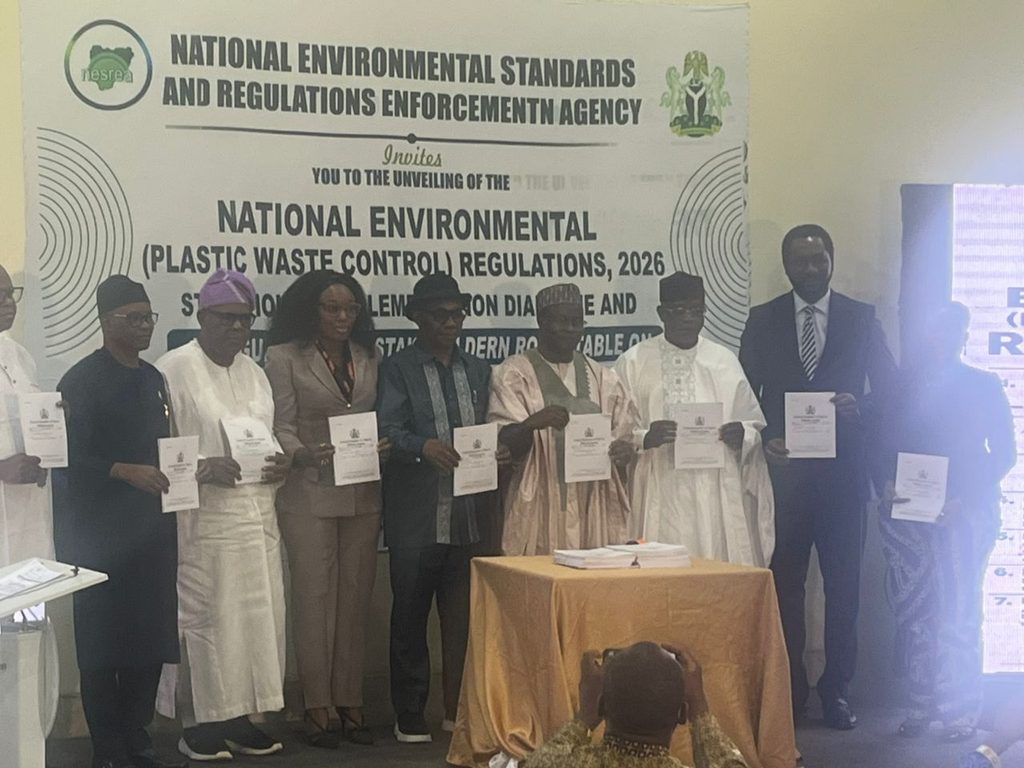
Nigeria generates an estimated 2.5 million tonnes of plastic waste annually, much of which ends up in drains, waterways and communities, contributing to environmental degradation, flooding and public health concerns.
Speaking at the Stakeholder Implementation Dialogue and inaugural multi-stakeholder roundtable on “Less Plastic in Water,” the Director-General of NESREA, Prof. Innocent Barikor, said the regulations marked a shift from policy formulation to implementation.
“Today is significant because it marks a transition from policy intention to implementation,” he said.
Barikor said the success of the regulations would ultimately be measured by cleaner communities and waterways, increased plastic recovery, stronger recycling markets and greater accountability by producers.
At the centre of the new framework is the Extended Producer Responsibility (EPR) principle, under which producers, importers and other businesses placing plastic products on the Nigerian market are expected to take responsibility for their products throughout their life cycle, including their recovery and environmentally sound management after use.
The regulations cover producers, importers, retailers, consumers, recyclers and waste managers, while introducing requirements relating to plastic shopping bags, recycled content and recycling facilities.
Certain plastic shopping bags below 80 microns in thickness are subject to regulation, while PET packaging will be required to contain at least 25 per cent recycled PET by January 2028, rising to 50 per cent thereafter.
Recycling facilities must also comply with prescribed environmental standards, while the production of plastics containing prohibited toxic substances will attract sanctions.
Businesses operating within regulated activities are required to obtain the necessary permits and registrations within the stipulated compliance period. Violations may attract financial penalties and, where applicable, imprisonment and personal liability.
The Chairman of the NESREA Governing Board, Hon. Garba Datti Muhammad, described plastic pollution as a major threat to waterways, livelihoods, communities and public health, stressing that effective implementation would require cooperation among government, industry, Producer Responsibility Organisations, recyclers, subnational authorities, development partners and citizens.
Barikor also identified the strengthening of the National Producer Registry as critical to enforcement, investment planning and measuring environmental performance.
“Data should not be viewed merely as an administrative requirement; it is the foundation upon which producer accountability, investment decisions, recovery systems and credible environmental outcomes can be built,” he said.
The government acknowledged the importance of plastics to healthcare, food preservation, agriculture, manufacturing and other sectors, stressing that the objective was not to eliminate plastic but to curb irresponsible production, consumption and disposal.
Particular attention is being paid to single-use plastics and sachet water, which millions of Nigerians rely on because of its affordability. Officials said alternatives must therefore be environmentally sustainable, affordable and accessible to vulnerable populations.
The “Less Plastic in Water” initiative is part of the Plastic Reboot Nigeria Project, a five-year programme supported by the Global Environment Facility and implemented by the United Nations Environment Programme.
The Minister of Environment, Balarabe Lawal, represented by the Permanent Secretary, Alhaji Salihu Aminu Usman, said stronger implementation of EPR could stimulate investment in recycling, expand markets for recovered materials and create jobs.
He urged stakeholders to view discarded plastics not simply as waste but as potential raw materials for new industries.
Barikor stressed that tackling plastic pollution required coordinated action, saying: “No ministry can solve the plastic problem, no agency can solve it, no company can solve it.”
He warned that the regulations would only have meaning if backed by effective enforcement.
“A regulation without enforcement is merely a wish,” he said.
The focus now shifts to implementation, including producer registration, enforcement of EPR obligations, monitoring, improved waste recovery, investment in recycling infrastructure and the development of viable alternatives to avoidable single-use plastics.
If effectively enforced, the 2026 regulations could mark a significant shift in Nigeria’s environmental policy by making producers more accountable for the full life cycle of their products while transforming plastic waste into an economic resource.
Nigeria Tightens War on Plastic Waste, Makes Producers Responsible for End-of-Life Products
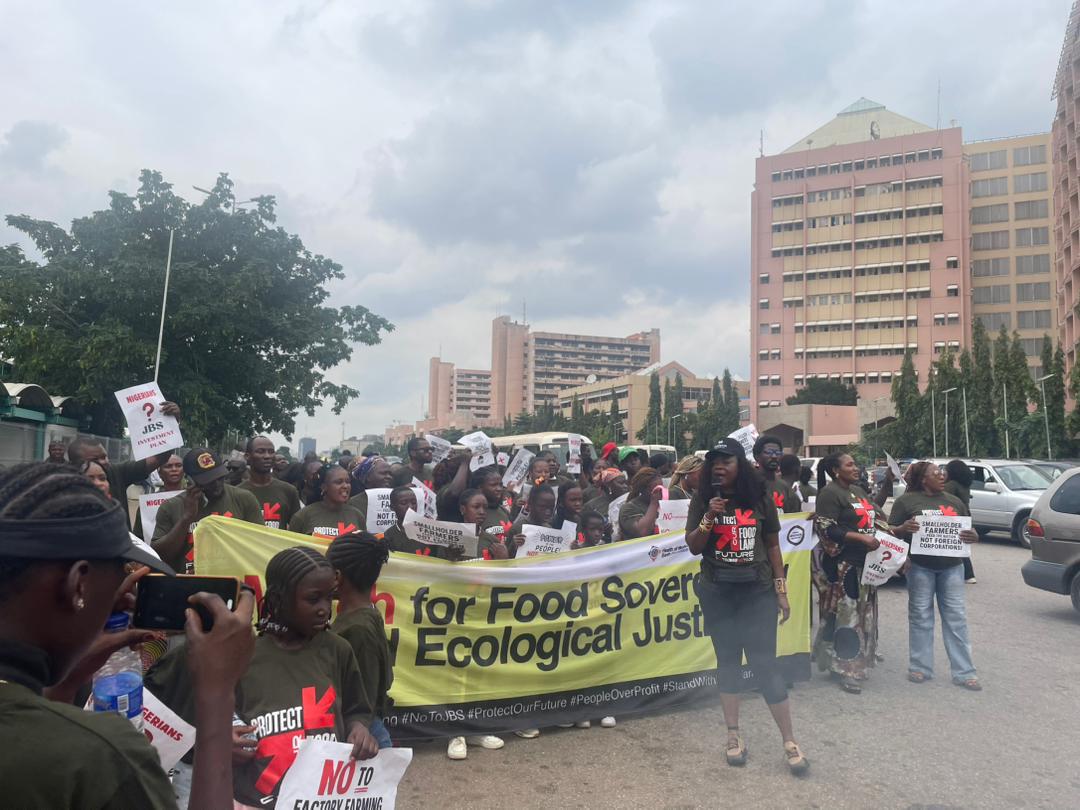
Group Demands Transparency, EIAs Over JBS’ $2.5bn Nigeria Investment
By: Michael Mike
The Environmental Rights Action/Friends of the Earth Nigeria (ERA/FoEN) has demanded full disclosure of the agreement between the Federal Government and global meat-processing giant JBS over its proposed $2.5 billion investment in Nigeria, warning that the project must not proceed without rigorous environmental and multi-sectoral scrutiny.
The environmental rights organisation said it was not opposed to foreign investment, job creation or industrial development, but insisted that the proposed JBS project must be subjected to transparent negotiations, independent environmental assessments and effective regulatory oversight to ensure that Nigerians and host communities do not bear the cost of the investment.
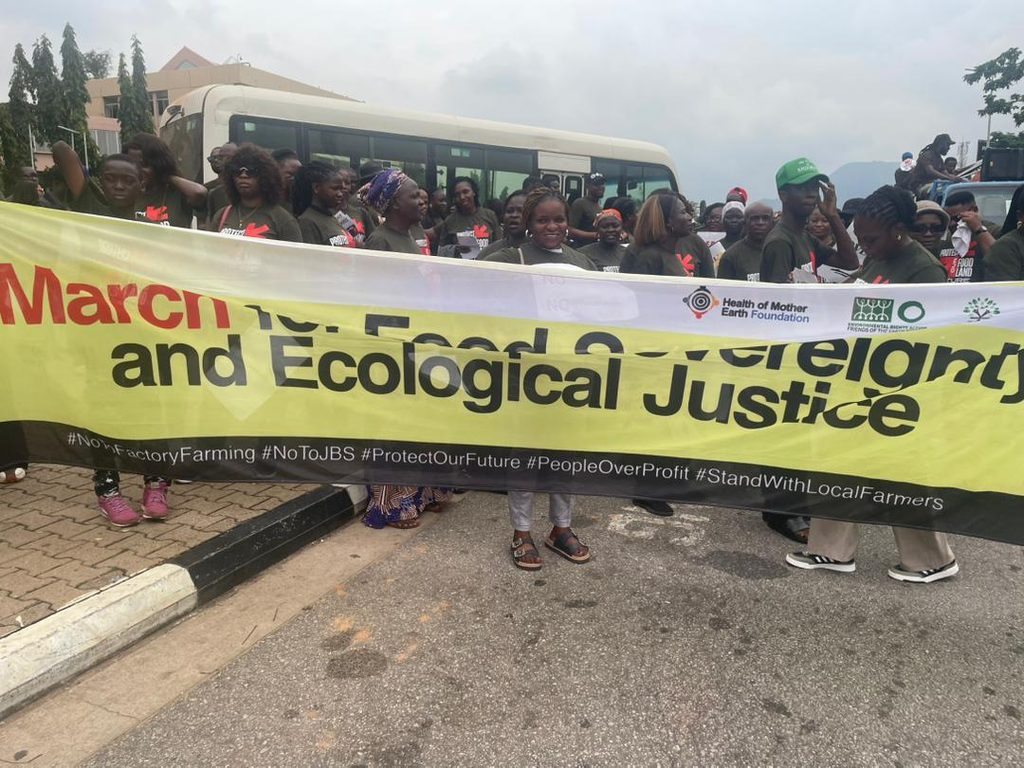
Deputy Executive Director of ERA/FoEN, Mariam Bassey-Olson, said the controversy surrounding the proposed investment should not be framed as a choice between development and opposition to foreign capital.
She said the critical issue was the nature of the investment, its terms, the resources it would require and its potential consequences for Nigeria’s farmers, communities, environment and food system.
“When people hear a company is coming to Nigeria and is bringing $2.5 billion, our first reaction is fantastic jobs, investment, infrastructure and development. But before we celebrate the numbers, we need to pause and ask a fundamental question: what exactly is this investment?” she said.
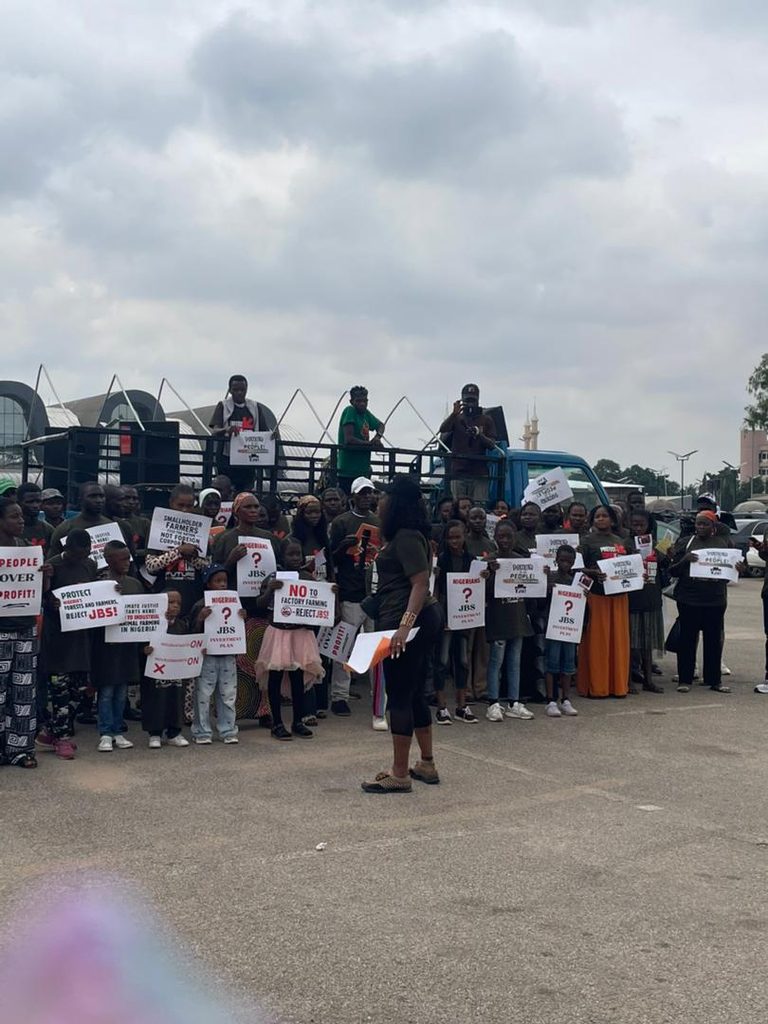
The proposed project reportedly involves the establishment of six facilities — three poultry, two beef and one pork processing plants — a scale ERA/FoEN said demands comprehensive scrutiny because of its potential implications for land ownership, livestock production, water resources, biodiversity, agriculture, local markets and food security.
Bassey-Olson said the debate was fundamentally about Nigeria’s control over its food system and whether local farmers and communities would retain meaningful economic opportunities as large-scale industrial production expands.
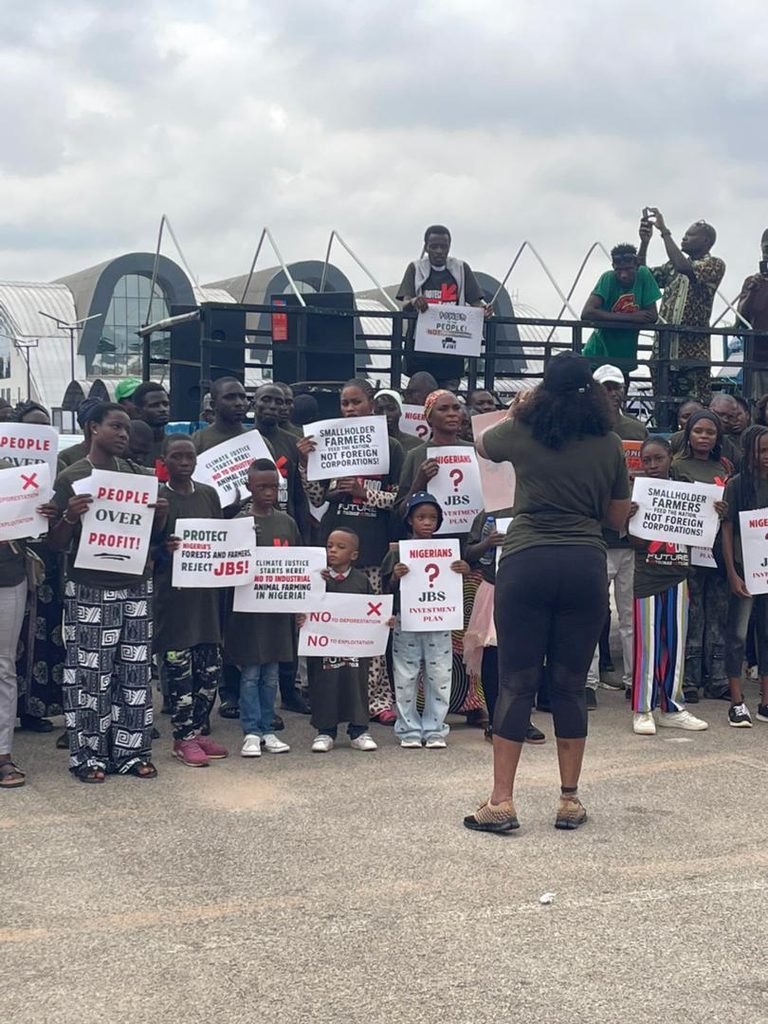
“This is about our land, our livestock, our people, our communities, our biodiversity, our farmers, our feed, our water, our markets, our food security and our food sovereignty,” she said.
She stressed that ERA/FoEN was not opposed to investment, arguing that foreign capital could support development when governed by policies that prioritise public interest.
“We are not against investment. We are not anti-investment. We are saying investment must have a people’s face. Investment must protect public interests,” she said.
The organisation consequently demanded the immediate publication of the agreement or Memorandum of Understanding between JBS and the Nigerian government, saying the public should be able to examine the conditions attached to a project of such magnitude.
Bassey-Olson said ERA/FoEN had sought details of the proposed investment since 2024 but that the agreement had remained outside the public domain.
“We want to know the terms of this investment. What does it mean for our people? What lands have been allocated? Have Environmental Impact Assessments (EIAs) been done? What will happen to our water? What will happen to the economy? Where will the land be sourced from?” she asked.
She argued that making the agreement public would not undermine the investment but would instead strengthen confidence in the government’s handling of the project.
“If you have something and you are coming to help the people as you claim, you should be very open in sharing whatever you have with the people,” she said.
The organisation also raised concerns over the possible regional consequences of a large-scale industrial meat operation in Nigeria, arguing that pollution, emissions, wastewater management and other environmental impacts could affect communities and ecosystems beyond the immediate project locations.
Bassey-Olson urged the African Union and other regional institutions to pay attention to major investments of this nature, warning that decisions taken by Nigeria could influence investment and environmental standards across Africa.
“If something is normalised in Nigeria, other countries will pick up and say, since Nigeria is our big brother, we should do it,” she said.
She further questioned the implications of JBS’ reported changes to previous climate commitments, insisting that Nigeria should assess the company’s environmental record and commitments before approving operations on such a large scale.
“If a company can backtrack, what does that mean for Nigeria?” she asked, stressing that enforceable environmental safeguards should take precedence over corporate assurances.
Also speaking, Joyce Brown, Director of Programmes at the Health and Modern Health Foundation, said concerns over the investment were informed partly by reports and controversies surrounding JBS’ environmental and socioeconomic record in some countries where it operates.
Brown said Nigeria should learn from experiences elsewhere and establish strong regulatory mechanisms capable of ensuring that the proposed investment generates broad-based economic benefits without imposing disproportionate costs on local communities, farmers or the environment.
“We want a situation where there are policies in place, there are structures in place that ensure that these sorts of investments are beneficial to the people,” she said.
She expressed particular concern over the absence, to the organisation’s knowledge, of evidence that Environmental Impact Assessments had already been conducted for the proposed facilities.
“So far, there is no evidence of any EIA conducted already,” Brown said.
She acknowledged reports that land had already been allocated in Niger State, but insisted that comprehensive environmental assessments should precede construction and large-scale operations.
According to her, EIAs would enable regulators and affected communities to identify potential impacts on land, water, ecosystems and livelihoods and establish appropriate mitigation measures before irreversible damage occurs.
Brown also demanded publication of the government-JBS agreement, saying experts in agriculture, environment, health and other relevant fields should be given access to the document for independent assessment.
“The agreement that JBS has signed with the Nigerian government is not in the public domain. This is something that should be available for experts across the various sectors to review, to ensure that we are not at the receiving end of any negative implications such a large-scale investment can have,” she said.
She maintained that the campaign was a demand for due diligence rather than a rejection of foreign capital, urging the government to examine JBS’ international track record and incorporate lessons from other jurisdictions into Nigeria’s regulatory framework.
Brown further called for a coordinated review involving all ministries, departments and agencies whose mandates could be affected by the project.
She questioned whether the approval process had adequately involved the ministries responsible for agriculture, environment, health and other relevant sectors, given that the project would extend beyond livestock production.
“This is something that different ministries and departments of Nigeria should come together to review before it is endorsed,” she said.
Brown also expressed concern that the process appeared to be driven largely by the Ministry of Livestock Development, arguing that the scale of the proposed investment warranted broader government participation.
“We do not know if the Ministry of Agriculture, the Ministry of Environment, the Ministry of Health and other relevant agencies are involved in the approval for JBS to start operations in Nigeria,” she said.
ERA/FoEN and its partners, while leading a parade on the National Assembly, called on the legislative house to exercise legislative oversight over the investment, insisting that the project should be examined against its implications for land, water resources, public health, agriculture, food security and the livelihoods of host communities.
“This is an investment that will take large expanses of land, that will affect water resources, that will affect the local communities and the people who live and depend on these environments, and it must be taken very seriously,” Brown said.
Group Demands Transparency, EIAs Over JBS’ $2.5bn Nigeria Investment

Navy donates solar-powered borehole, toilet to Gombe community

Nigeria Tightens War on Plastic Waste, Makes Producers Responsible for End-of-Life Products

Group Demands Transparency, EIAs Over JBS’ $2.5bn Nigeria Investment

Roger Federer’s Shock as DNA Results Reveal Myla and Charlene Are Not His Biological Children

THE PLIGHT OF FARIDA

FAILED COUP IN BURKINA FASO: HOW TRAORÉ NARROWLY ESCAPED ASSASSINATION PLOT AMID FOREIGN INTERFERENCE CLAIMS
-
 News2 years ago
Roger Federer’s Shock as DNA Results Reveal Myla and Charlene Are Not His Biological Children
-
Opinions5 years ago
THE PLIGHT OF FARIDA
-
 News1 year ago
FAILED COUP IN BURKINA FASO: HOW TRAORÉ NARROWLY ESCAPED ASSASSINATION PLOT AMID FOREIGN INTERFERENCE CLAIMS
-

 News2 years ago
EYN: Rev. Billi, Distortion of History, and The Living Tamarind Tree
-
 Opinions5 years ago
POLICE CHARGE ROOMS, A MINTING PRESS
-

 ACADEMICS3 years ago
A History of Biu” (2015) and The Lingering Bura-Pabir Question (1)
-

 Columns3 years ago
Army University Biu: There is certain interest, but certainly not from Borno.
-

 Politics1 year ago
2027: Why Hon. Midala Balami Must Go, as Youths in Hawul and Asikira/Uba Federal Constituency Reject ₦500,000 as Sallah Gift
