
News
SAVANNAH STATE SHALL BE A WIN-WIN DEVELOPMENT: GOV. ZULUM SHOULD ALLOW THE PROCESS TO RUN ITS COURSE

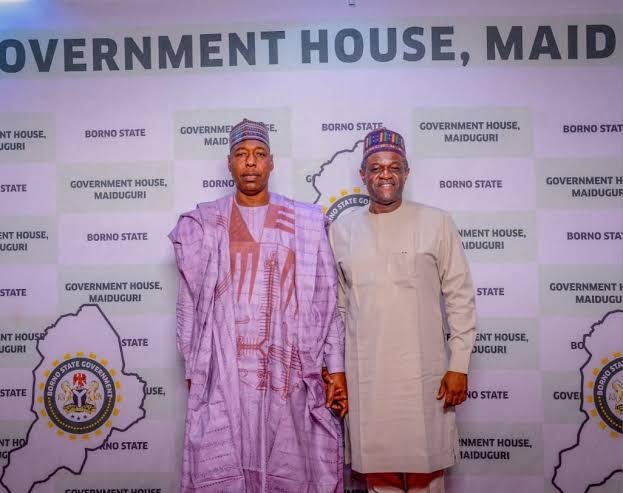
SAVANNAH STATE SHALL BE A WIN-WIN DEVELOPMENT: GOV. ZULUM SHOULD ALLOW THE PROCESS TO RUN ITS COURSE
By: A.G.Abubakar
As your Excellency may have been aware, the drums of state creation are being beaten left, right and centre. Expectedly, the perennial agitators once more are in the arena. The current number is about 31 enclaves, with the major ones being Katagum (Bauchi), Ghari (Kano), New Kaduna (Kaduna), Ogoja (Cross Rivers), Oke-Ogun (Oyo), Kainji (Niger), Adada ((Enugu), Amana, (Adamawa), Okura, Okun (Kogi), Orlu (Imo), Warri (Delta), Apa (Benue) and many more have been dusting their memorandum for resubmission.
One hopes the Movements are not overlooking the provisions of Section 8 of the Constitution that deals with the creation of new state (s) in Nigeria. In any case, it is the people’s right to live out their idiosyncrasies as deem fit so long as they are within the Constitutional bounds. For the people of Southern Borno, the current initiative towards having a Savannah State would be the sixth in the series. The first serious requests were made in 1989, 1991, 2014, 2021 and now in the year 2025. Others like Ogoja and Katagum have longer history.
The yearning for a new state ordinarily should be a welcome development for both mother and baby – the new and the old entities. Given the primordial considerations that govern politics and the winner-takes- all syndrome, people tend to feel that their interests can be better catered for through a polity in which they have a voice. This may be misplaced or even an anathema to democratic tenets, but it is the reality of Nigeria politics, all the same.
In Nigeria, it would seem that, only through state creation would development be devolved to the grassroots. Imagine, Your Excellency, if such towns like Damaturu, Gombe, Jimeta-Yola, Jalingo, and Bauchi were still local government headquarters under either the North East state that was created in 1967. Or their plights and pace of development under defunct Borno, Gongola, and Bauchi. Consider the universities, the polytechnics, the specialist hospitals, the airports, and the urban transformations that come with being a state in Nigeria. These seems to be the attraction. So when people agitate for Savannah State, it doesn’t mean they love current Borno less, but they appreciate development more. Not many might appreciate this subtle nuances, but that’s the bottom line.
Some state governments understood the raison d’tre of the demand for the curving out of additional states from the existing ones. Bauchi government accorded the Katagum State movement the necessary support. Ogun State did the same thing and more, by “allowing” the Awujale of Ijebu land to take his request for Ijebu State to Aso Rock in Abuja. Even Kano State never stood in the way of Tiga or Gari state movements .This brotherly support seems to be lacking on the part of Borno power brokers. The last outing by the Savannah State Movement was almost marred by the subterranean influence of the government. For, it will beat imagination for a deputy speaker of Borno State Assembly, an expected beneficiary of the new state ,to rise up and voice the fact that Borno State was not interested in having a new state. People who know the working of government and politics understand the gentleman was acting on a script, based on misplaced fears.
A new state in Borno is going to be a win-win development. The stock shall be left with 19 LGAs. A number far higher than Abia 17, Bayelsa 8, Cross Rivers 18, Ebonyi 13, Edo 18, Ekiti 16, Enugu 17, Gombe 11, Kwara 16, Nasarawa 13, Ondo 18, Plateau 17, Taraba 16, Yobe 17, and Zamfara 14. In terms of economic dispositions, the border economies with Niger, Chad, and Cameroon present huge opportunities for trade and commerce. The economic potential of the Lack Chad and its basin are equally enormous. Furthermore, should the Southern part of Borno state move away, the residual manpower left behind would be more than that of Zamfara, Kebbi, and even Bayelsa at the point of creation in 1991, including population size which is estimated to 3.5 million. Maiduguri, the state capital, has an unsuitable stock of physical infrastructure that can drive development in the foreseeable future.
The Savannah counterpart shall be a state comprised of 9 LGAs with a population that is above two (2) million. It’s going to be a state in the league of Bayelsa with 8 LGAs and slightly less than Gombe and Ebonyi with 11 and 13 Councils respectively. It would be statesmanly for His Excellency to lend support to the people’s legitimate aspiration, for whatever its worth. In the same vein, an unambivalent posture by the state would free the traditional rulers in Southern Borno from the tight corner they normally found themselves anytime there is a state creation exercises on the horizon. They are usually caught between their subjects, who were largely pro state crreation and the state government’s tacit disapproval. A disposition that is unnecessary given the fact that such exercises are guided by Constitutional provisions.
As for the Savannah state, if it all happens, you would have gotten rid of a “restive” segment of your polity for good. Before too long, the teething problems of the Savannah state shall come to the fore unless the pioneer leadership happens to be a visionary one. And also a just one, in the light of the region’s diversity. But that’s going to be their cup of tea, Your Excellency, not yours.
In the light of the foregoing, let the Borno state government lend its support to the Savannah State Movement (SSM). After all, the euphoria so generated could just turn out to be diversionary move by the National Assembly away from the crushing economic hardships Nigerians are currently facing.
The state Deputy Governor, His Excellency Umar U. Kadafur, Senator representing Borno South, House of Representatives members Hons. Mukhtari Betara, Midala Balami Usman, and Jaha, along with their counterparts in the State Assembly, are kindly called upon to heed the yearnings of the people to have their memorandum on state creation pushed. They should forge a bi-partisan front to engage with the government to allow the region’s aspiration to play out. Besides, there is a popular adage that says that “the only bad request is the one that is never made.” Or rather “the only bad desire is the one that is never expressed” Let the request be and be supported too.
SAVANNAH STATE SHALL BE A WIN-WIN DEVELOPMENT: GOV. ZULUM SHOULD ALLOW THE PROCESS TO RUN ITS COURSE


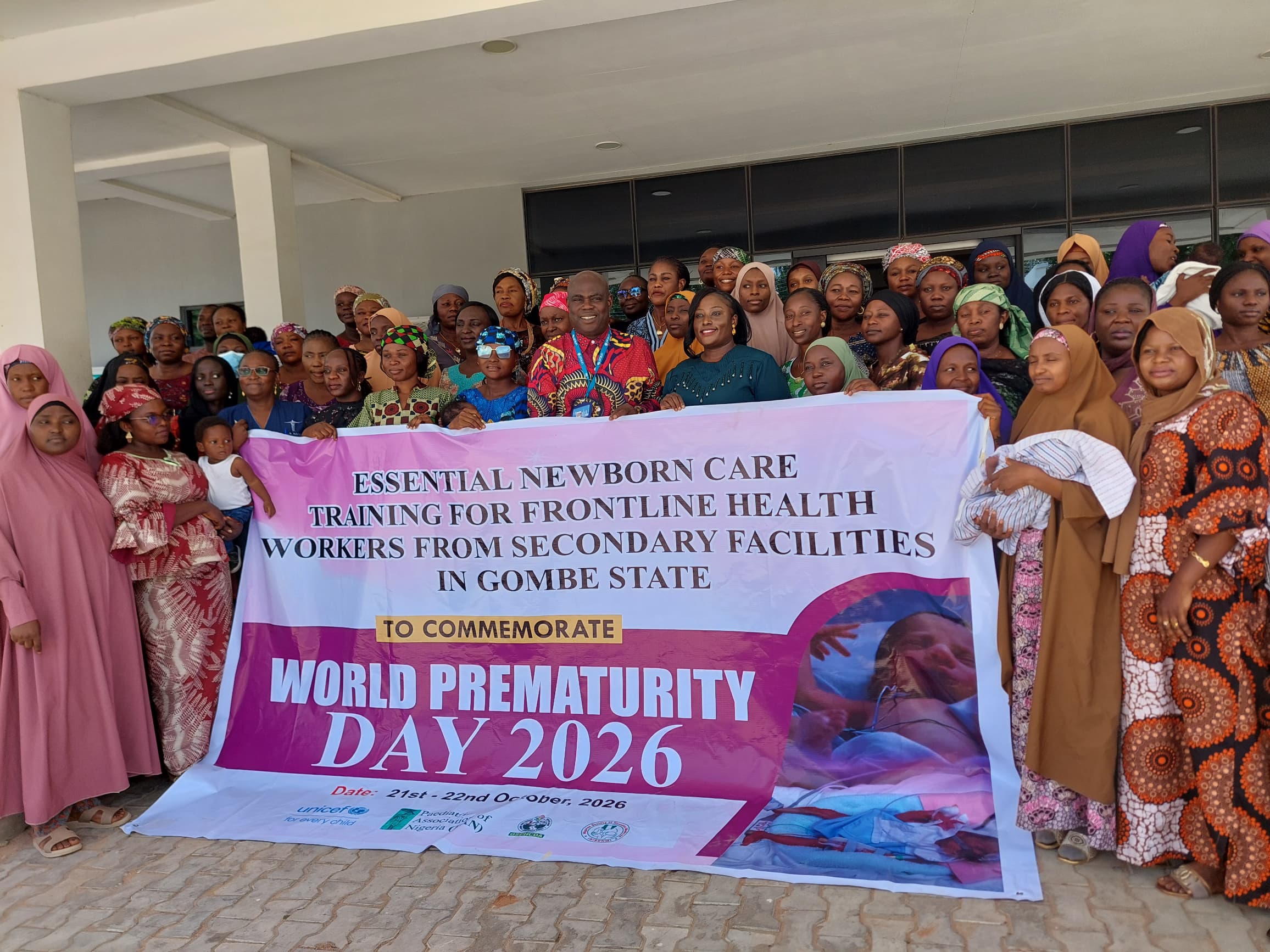
Gombe, UNICEF train 104 health workers to curb newborn deaths
By Elizabeth Ogunjobi
The Gombe government and UNICEF have trained 104 frontline health workers to improve newborn survival amid persistently high neonatal mortality across northern Nigeria.
The two-day training covered 48 workers from secondary healthcare facilities, following a separate programme for 56 primary healthcare workers.
Dr Abdulrahman Shuaibu, Executive Secretary of the Gombe State Primary Health Care Development Agency, said strengthening newborn care was critical to reducing preventable deaths.
Speaking in Gombe on Thursday, Shuaibu said many babies were born in communities before being referred to secondary facilities for specialised care.
“Therefore, it is important to strengthen the capacity of healthcare workers at these facilities to provide appropriate care for newborns,” he said.
He said neonatal and infant mortality remained high in the state, requiring coordinated efforts by government, healthcare providers and development partners.
“It is our hope and prayer that this training will contribute to a significant decline in neonatal mortality across our communities,” he said.
Shuaibu urged participants to share their knowledge with colleagues who did not attend, ensuring that more facilities could deliver effective newborn care.
He said the programme complemented government efforts to upgrade primary and secondary healthcare facilities, while commending UNICEF and other development partners for their support.
Mr Oluseyi Olosunde, a UNICEF health officer at its Bauchi Field Office, said the training was organised to commemorate the 2026 World Prematurity Day.
Olosunde said the initiative focused on improving the quality of care provided to newborns, particularly premature babies and those requiring specialised attention.
“Every child deserves to live, and to make every child enjoy this right to life, the quality of care is important,” he said.
He said the training targeted nurses, midwives and doctors involved in caring for women during pregnancy, childbirth and the postnatal period.
“We are training them to ensure that the mother survives, every woman survives, and every child survives,” he said.
Olosunde described newborn deaths as unacceptably high in many northern states, stressing the importance of strengthening healthcare workers’ skills.
He urged participants to apply their knowledge to improve services and protect the lives of mothers and babies under their care.
Dr Raymond Mercy, a consultant paediatrician at the Federal Teaching Hospital, Gombe, also urged healthcare workers to prioritise proper newborn care.
Mercy, a member of the Paediatric Association of Nigeria and the Nigerian Society of Neonatal Medicine, said Nigeria’s neonatal mortality rate stood between 34 and 41 deaths per 1,000 live births.
She said Nigeria had the world’s second-highest burden of neonatal mortality, underscoring the urgency of improving newborn healthcare nationwide.
Gombe, UNICEF train 104 health workers to curb newborn deaths

NHRC Orders Probe into Alleged Misconduct at Uyo Office
By: Michael Mike
The National Human Rights Commission (NHRC) has ordered an immediate investigation into allegations of unprofessional conduct by its personnel at the Akwa Ibom State office in Uyo following a video circulating on social media.
The Commission said the allegations were being treated with serious concern, stressing that its personnel were expected to uphold the highest standards of professionalism and respect for the rights and dignity of complainants, irrespective of provocation.
In a statement issued on Thursday by its Director of Corporate Affairs and External Linkages, Fatimah Agwai Mohammed, the NHRC said its Executive Secretary, Chief Tony Ojukwu, had directed an immediate investigation to establish the facts surrounding the incident.
It said appropriate administrative action would be taken in accordance with existing rules if any infraction was established.
The Commission emphasised that its responsibility to protect human rights must begin with the treatment of people who approach its offices for assistance, adding that every complainant deserved to be treated with dignity, respect and professionalism.
“Our professional training is that at no point in time should a complainant be charged against even if there is provocation,” the statement said.
The NHRC reiterated its commitment to ensuring accessible, free, timely and accountable service delivery, urging members of the public experiencing difficulties in accessing its offices to report such cases through its toll-free line, 6472.
The Commission’s response follows the circulation of the video alleging misconduct at its Uyo office, with the investigation expected to establish the circumstances surrounding the incident and determine whether any disciplinary action is warranted.
NHRC Orders Probe into Alleged Misconduct at Uyo Office
News
China, Nigeria Target Billion-Dollar Opportunities as Filmmakers Push Co-production, Market Access
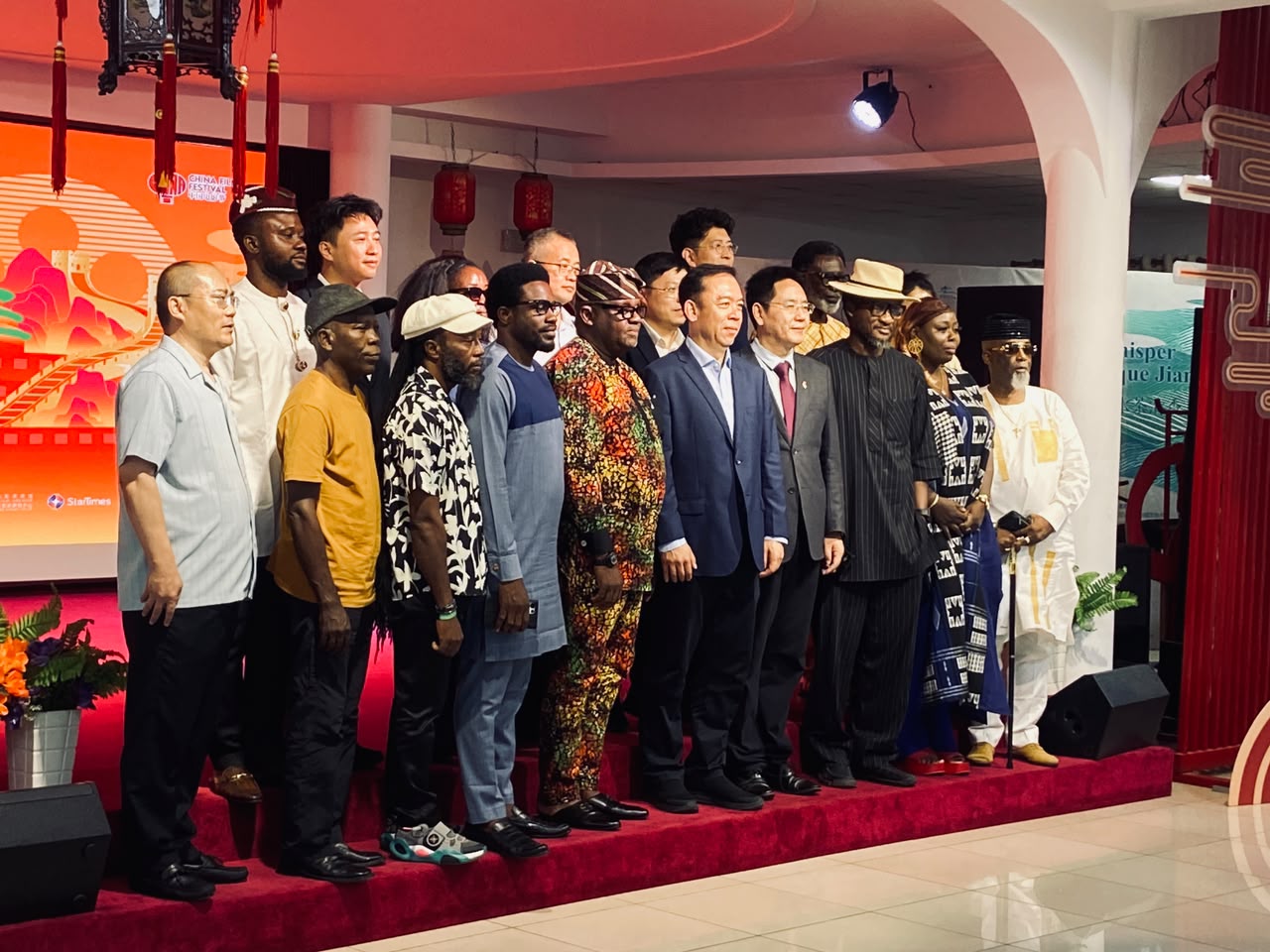
China, Nigeria Target Billion-Dollar Opportunities as Filmmakers Push Co-production, Market Access
By: Michael Mike
Nigeria and China are seeking to turn their growing cultural relationship into a stronger commercial partnership in film, with filmmakers from both countries exploring co-production, technology transfer and distribution opportunities that could open up two major audiences to each other’s creative industries.
The push gained momentum at the Chinese Film Screening in Nigeria 2026 in Abuja, where industry stakeholders identified the combination of Nigeria’s storytelling strength and China’s cinema infrastructure, capital and distribution expertise as a potential pathway to expanding the global reach of their productions.
The discussions also highlighted a major challenge facing the proposed partnership: translating cultural exchanges and diplomatic goodwill into concrete business arrangements that enable filmmakers to secure investment, distribute their works across borders and earn sustainable returns.
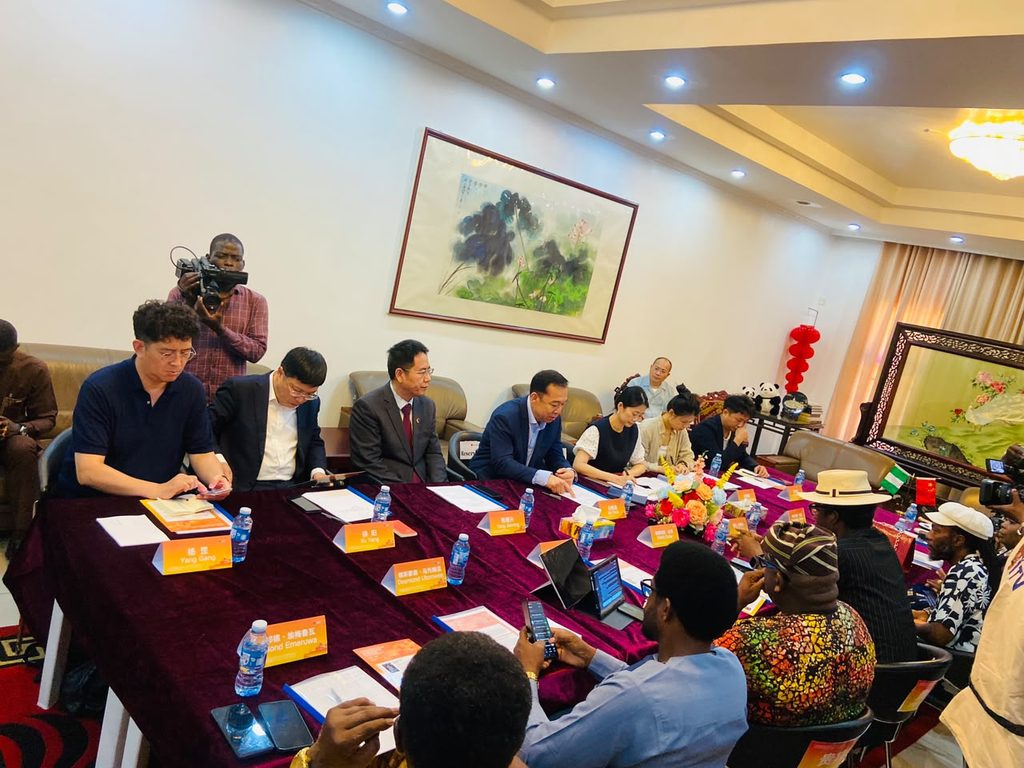
The Director of the China Cultural Centre in Nigeria, Mr Yang Jianxing, said film remained an important bridge for strengthening understanding between the two countries, whose creative industries offered considerable scope for collaboration.
“China and Nigeria share a deep-rooted traditional friendship and close people-to-people exchanges, and film serves as an important bridge for fostering mutual understanding between our peoples,” he said.
Jianxing said cooperation had expanded through reciprocal film screenings, professional exchanges, festivals and the distribution of productions across national borders.
The partnership involving the Chinese Embassy, the China Cultural Centre and StarTimes Nigeria has helped bring Chinese film and television productions to Nigerian audiences through initiatives including a month-long showcase, the Chinese Women’s Film Festival and screenings of works dubbed or subtitled in local languages, including Hausa.
“StarTimes has successfully brought outstanding Chinese productions and knowledge series to a broader audience,” he said.
He added that Nigerian films had also reached mainstream Chinese digital media platforms, exposing audiences there to Nigerian stories, characters and experiences.
The commercial potential of the relationship was underscored by Fidelis Duker, founder of the Abuja International Film Festival, who said discussions with the Chinese delegation had focused on production, distribution and co-production opportunities, including engagements with Nigerian film institutions and plans to meet distributors and cinema operators in Lagos.
Duker argued that the population sizes of the two countries presented an opportunity to expand the reach of their film industries, provided that investment, technology and distribution networks were developed to support the exchange of content.
“What we found out today, or what we’ve known over the years, is that China has technology,” he said, adding that the Chinese delegation had told participants that China sold 1.3 billion cinema tickets in the previous year.
China’s film market provides an indication of the scale of the opportunity. According to figures released by the China Film Administration, the country generated 51.832 billion yuan in box-office revenue in 2025, while cinema attendance reached 1.238 billion. Domestic productions accounted for nearly 80 per cent of total box-office receipts, and the country ended the year with 93,187 cinema screens.
The figures illustrate the scale of China’s production and exhibition ecosystem, offering Nigerian filmmakers potential access to a market where locally produced content commands a substantial share of cinema revenue.
For Nigeria, the opportunity extends beyond exporting completed films. Collaboration could also create avenues for joint productions, technical training, improved post-production capacity and the development of distribution arrangements that give Nigerian stories a wider international audience.
Duker said the combination of Nigerian creativity and Chinese industrial capacity could be particularly valuable to both sides.
“When you marry Nigerian narrative vitality with China’s technical infrastructure, capital, and unparalleled distribution expertise, you can imagine” the possibilities, he said.
The Chinese delegation, led by Bai Yimin, chairman of Huaxia Film Distribution Company Limited, also emphasised the contribution of cinema to bilateral relations.
Bai said cooperation between the countries had produced results through reciprocal film festivals, professional exchanges, and the translation and broadcasting of films.
“In recent years, cooperation in the film industry has become a brilliant chapter in China-Nigerian cultural and people-to-people exchanges,” he said.
He added that the Chinese Embassy and the China Cultural Centre would continue to support initiatives using cinema to connect audiences and strengthen relations between the two countries.
The screening coincided with the 23rd Abuja International Film Festival, which received 10 Chinese film entries this year, five of which were nominated for awards. Duker said Chinese films had featured in 22 of the festival’s 23 editions, reflecting a longstanding relationship between the event and China’s film industry.
He also credited StarTimes with supporting the festival over the years, saying the relationship had contributed to its growth.
Three films were screened at the event: The Shadow’s Edge, Blades of the Guardians: Wind Rises in the Desert and The Lychee Road.
The screening comes against the backdrop of broader efforts to deepen Nigeria-China cooperation in the creative sector. In August 2026, the Nigerian Television Authority and China Movie Channel signed a strategic cooperation agreement aimed at promoting film co-production, technology transfer, professional training and wider distribution of creative content.
The agreement, announced at the China-Nigeria Film and Literature Symposium in Abuja, signalled an interest in moving cultural relations beyond the exchange of finished productions towards more structured industry collaboration.
The latest engagements at the film festival could build on that momentum by bringing filmmakers, distributors, cinema operators and production institutions into discussions about the practical requirements of cross-border business.
However, access to a large audience does not automatically translate into commercial success. Nigerian and Chinese productions seeking to enter each other’s markets will need effective distribution partners, appropriate subtitling and dubbing, marketing support, clear licensing arrangements and investment structures that protect the interests of participating filmmakers.
Differences in audience preferences, language, production practices and market regulations will also need to be addressed if joint projects are to attract viewers and generate revenue.
For Nigeria, the immediate priority is to ensure that its creative talent benefits commercially from international partnerships rather than limiting participation to festival appearances and cultural showcases. For China, deeper engagement with Nollywood offers an avenue to broaden the international reach of its productions while building relationships with one of Africa’s most prominent film industries.
The success of the partnership will ultimately depend on whether the two countries can turn screenings and professional exchanges into financed co-productions, regular content distribution and lasting commercial relationships.
With both sides signalling interest in closer collaboration, the emerging challenge is to build an industry-to-industry framework capable of converting shared cultural interests and large populations into tangible opportunities for filmmakers, distributors and audiences.
China, Nigeria Target Billion-Dollar Opportunities as Filmmakers Push Co-production, Market Access

Gombe, UNICEF train 104 health workers to curb newborn deaths

Plateau Indigenous Youths Defend DSS, Demand Probe of Alleged Security Leaks

Delta Community Endorses Chukwuyenim for 2027 Assembly Election

Roger Federer’s Shock as DNA Results Reveal Myla and Charlene Are Not His Biological Children

THE PLIGHT OF FARIDA

FAILED COUP IN BURKINA FASO: HOW TRAORÉ NARROWLY ESCAPED ASSASSINATION PLOT AMID FOREIGN INTERFERENCE CLAIMS
-
 News3 years ago
Roger Federer’s Shock as DNA Results Reveal Myla and Charlene Are Not His Biological Children
-
Opinions5 years ago
THE PLIGHT OF FARIDA
-
 News2 years ago
FAILED COUP IN BURKINA FASO: HOW TRAORÉ NARROWLY ESCAPED ASSASSINATION PLOT AMID FOREIGN INTERFERENCE CLAIMS
-
 Opinions5 years ago
POLICE CHARGE ROOMS, A MINTING PRESS
-

 News3 years ago
EYN: Rev. Billi, Distortion of History, and The Living Tamarind Tree
-

 ACADEMICS3 years ago
A History of Biu” (2015) and The Lingering Bura-Pabir Question (1)
-

 Columns3 years ago
Army University Biu: There is certain interest, but certainly not from Borno.
-

 Politics1 year ago
2027: Why Hon. Midala Balami Must Go, as Youths in Hawul and Asikira/Uba Federal Constituency Reject ₦500,000 as Sallah Gift
