Politics
Shettima’s relentless engagement should remind Nigerians that their government is not an opaque monolith but a responsive entity committed to their welfare.

Shettima’s relentless engagement should remind Nigerians that their government is not an opaque monolith but a responsive entity committed to their welfare.
By: Dr. James Bwala
Recently, I was reading some comments about Vice President Kashim Shettima’s travels. While some of these comments are encouraging, others seem to have distanced themselves from the reality of what it means to be in a leadership position. Nigeria, with its over 200 million inhabitants spread across 36 states and a Federal Capital Territory, presents a multifaceted challenge to governance. The country’s ethnic, religious, and cultural diversity, combined with economic disparities and security concerns, necessitates a leadership approach that is both hands-on and deeply empathetic. Vice President Shettima’s extensive travels allow him to engage directly with various communities, understand their unique challenges, and foster a sense of inclusion and representation within the federal framework. This ground-level interaction cultivates trust between the government and its citizens, diminishing alienation and enhancing the legitimacy of governance structures.
Shettima’s tireless journey across Nigeria, traversing its vast length and breadth, stands as a compelling testament to the government’s unwavering commitment to forging a better future for all Nigerians. In an era where leadership is often critiqued for detachment and inefficiency, Shettima’s relentless engagement exemplifies the vital qualities of dedication, resilience, and visionary stewardship that a leader must embody to achieve meaningful progress. His continuous efforts are not merely symbolic gestures but tangible acts that reflect the innermost drive required to steer a diverse and complex nation toward unity, development, and prosperity.
READ ALSO: https://newsng.ng/when-apcs-incumbency-appears-secure-ahead-of-2027/
The vice president’s visible presence across the country sends a powerful message about the government’s priorities. It signals that no region or group is overlooked; rather, there is a concerted effort to bridge gaps, address grievances, and promote equitable development. This approach contrasts sharply with a detached bureaucracy where policies might be formulated in isolation without adequate appreciation of local realities. By crisscrossing Nigeria, the vice president gathers firsthand insights that inform policy formulation, ensuring that interventions are contextually relevant and more likely to succeed. This dynamic feedback loop between leadership and the populace is critical in a democracy striving for responsiveness and accountability.

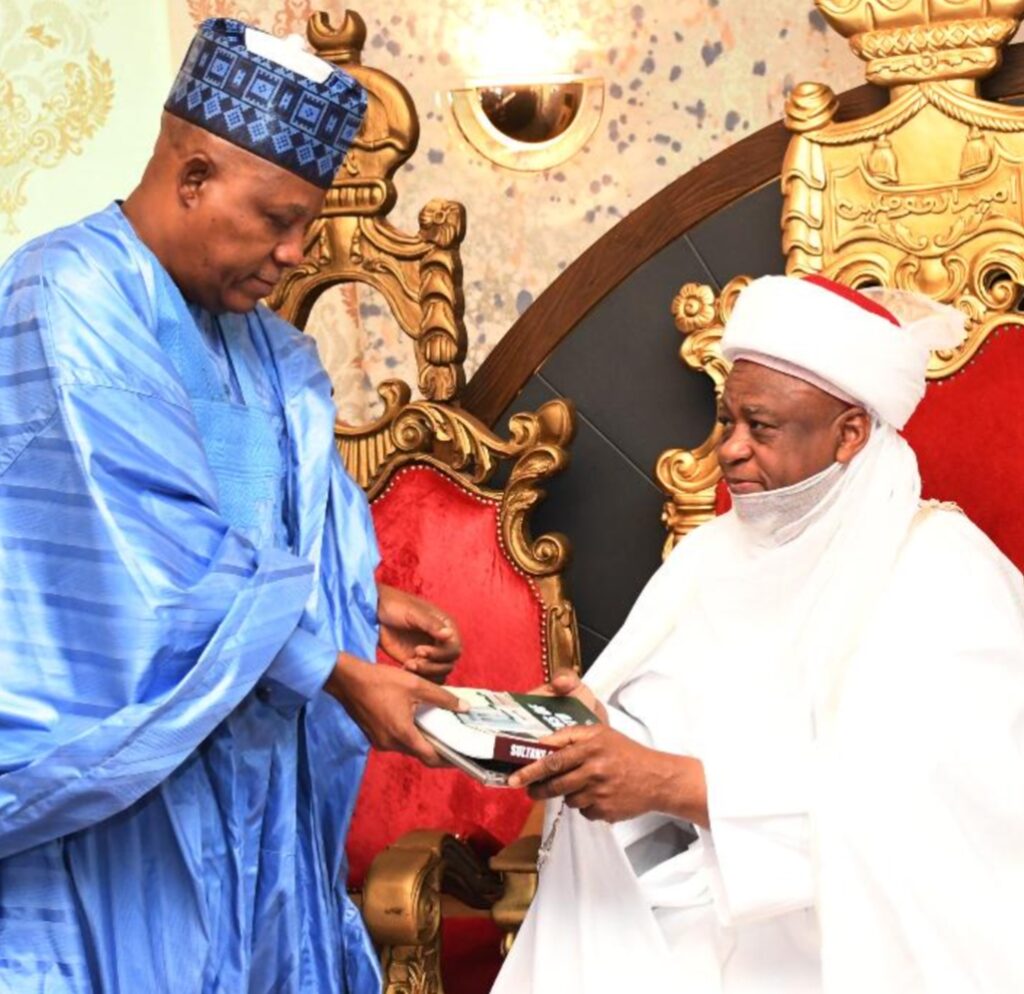
The personal toll on Vice President Shettima cannot be overstated. His demanding schedule, often described as exhausting, underscores the sacrifices inherent in leadership at the highest level. Yet, it is precisely this embodiment of relentless commitment that galvanizes governmental momentum and inspires confidence among Nigerians. Leadership, especially in a country as complex as Nigeria, demands an inner reservoir of strength—an indomitable spirit that persists amid fatigue, setbacks, and criticism. Shettima’s ability to continually summon this inner strength reflects his recognition that leadership is not a static position but an active, evolving process requiring constant energy, adaptability, and perseverance.
READ ALSO: https://newsng.ng/when-apcs-incumbency-appears-secure-ahead-of-2027/
Shettima’s style also offers a profound lesson on the interplay between visibility and effectiveness. Too often, political leaders are perceived as distant figures whose decisions emerge from abstract corridors of power. But in contrast, Shettima’s approach breaks down these barriers, positioning the vice presidency as a proactive institution directly engaged with the citizenry. This hands-on leadership fosters a culture of transparency and humility, where listening becomes as important as directing. It reassures Nigerians that their government is not an opaque monolith but a responsive entity committed to their welfare.


In the broader context of Nigeria’s developmental trajectory, the vice president’s efforts align with national ambitions to enhance social cohesion, economic diversification, and infrastructural growth. The government’s push to create jobs, improve healthcare, reform education, and enhance security requires not only robust policies but also vigorous implementation supported by continuous dialogue with stakeholders at every level. Vice President Shettima’s extensive travels enable him to champion these initiatives directly, mobilizing local resources, encouraging public-private partnerships, and advocating for reforms that resonate with community needs and aspirations.
READ ALSO: https://newsng.ng/when-apcs-incumbency-appears-secure-ahead-of-2027/
On a closer look, Shettima’s leadership embodies the essence of servant leadership—a philosophy where leaders prioritize the needs of their people above personal gain or political expediency. His visible exhaustion is not a sign of weakness but an expression of his willingness to share in the struggles of ordinary Nigerians. This empathetic connection builds social capital and reinforces the moral authority necessary for sustainable governance. As Nigeria grapples with issues such as poverty, insecurity, and infrastructural deficits, leadership that demonstrates genuine care and dedication can serve as a unifying force capable of transcending divisive politics and fostering national reconciliation.


Critics might argue that frequent travel and public engagements risk superficiality, suggesting that real change is achieved through policy details and systemic reforms rather than charismatic presence. While policy substance is undeniably critical, the importance of leadership presence should not be underestimated, especially in a federal system where trust and cooperation among diverse regions are indispensable. Vice President Shettima’s approach does not replace rigorous policy work; rather, it complements it by ensuring that policies are grounded in lived experiences and receive the support necessary for effective implementation.
READ ALSO: https://newsng.ng/when-apcs-incumbency-appears-secure-ahead-of-2027/
The rigorous schedule adopted by the vice president sets a benchmark for other leaders in the country, encouraging a culture of diligence and accountability within the government. It raises expectations around active leadership and discourages complacency. When the nation’s second-in-command is seen investing considerable personal effort into understanding and addressing grassroots issues, it elevates the standards for public service and nurtures a political environment oriented toward active problem-solving rather than mere rhetoric.


Some critical-minded Nigerians need to see that Shettima’s continuous crisscrossing of Nigeria is emblematic of a government genuinely invested in building a better nation. His physical journey across diverse terrains mirrors a deeper journey of commitment, resilience, and visionary leadership essential for navigating Nigeria’s complexities. Despite the evident exhaustion, his indefatigable spirit personifies the qualities required to lead effectively in challenging circumstances. Through direct engagement, empathetic governance, and steadfast dedication, Shettima contributes significantly to fostering national unity, promoting inclusive development, and inspiring confidence in Nigeria’s future. His example is a clarion call for leadership that is not only seen and heard but felt profoundly across every corner of the nation, driving collective progress for the greater good.
* James Bwala, PhD, writes from Abuja.
Shettima’s relentless engagement should remind Nigerians that their government is not an opaque monolith but a responsive entity committed to their welfare.