
News
Sickle Cell: SGU Links Medical Education with Improved Patient Care, Urges Early Diagnosis

Sickle Cell: SGU Links Medical Education with Improved Patient Care, Urges Early Diagnosis
By: Michael Mike
As Nigeria and other African countries continue to grapple with the burden of sickle cell disease, St. George’s University (SGU), Grenada, has highlighted the need to move beyond genotype awareness to early diagnosis, accessible treatment and sustained support for patients.
The university said that while genotype testing remained essential in identifying inherited risks, particularly among couples planning to start families, improved outcomes for people living with sickle cell disease required stronger health systems, trained medical personnel and access to evidence-based care.
According to the World Health Organisation (WHO), an estimated 7.74 million people were living with sickle cell disease worldwide in 2021, while approximately 515,000 babies were born with the condition that year.
Nearly 80 per cent of the births occurred in sub-Saharan Africa, underscoring the disproportionate burden borne by the region and the urgency of strengthening prevention, diagnosis and treatment services.
Sickle cell disease is an inherited blood disorder affecting haemoglobin, the protein in red blood cells responsible for carrying oxygen around the body. The condition can cause chronic anaemia, severe pain episodes, infections, stroke and damage to vital organs.
Although the disease is lifelong, timely diagnosis and appropriate medical intervention can significantly reduce complications and improve patients’ quality of life.
In Nigeria, where genotype awareness is relatively widespread, health advocates have consistently emphasised the importance of understanding haemoglobin test results and obtaining professional guidance before making reproductive decisions.
The commonly recognised haemoglobin classifications include AA, AS and SS, although other variants, including SC, can also cause sickle cell disease.
People with sickle cell trait (AS) generally do not have the disease but can transmit the gene to their children. Where both parents carry the trait, each pregnancy carries a 25 per cent chance of producing a child with sickle cell disease.
Health professionals, however, caution that genotype awareness must be accompanied by proper counselling, early screening and access to medical services, rather than stigma or pressure on individuals and couples.
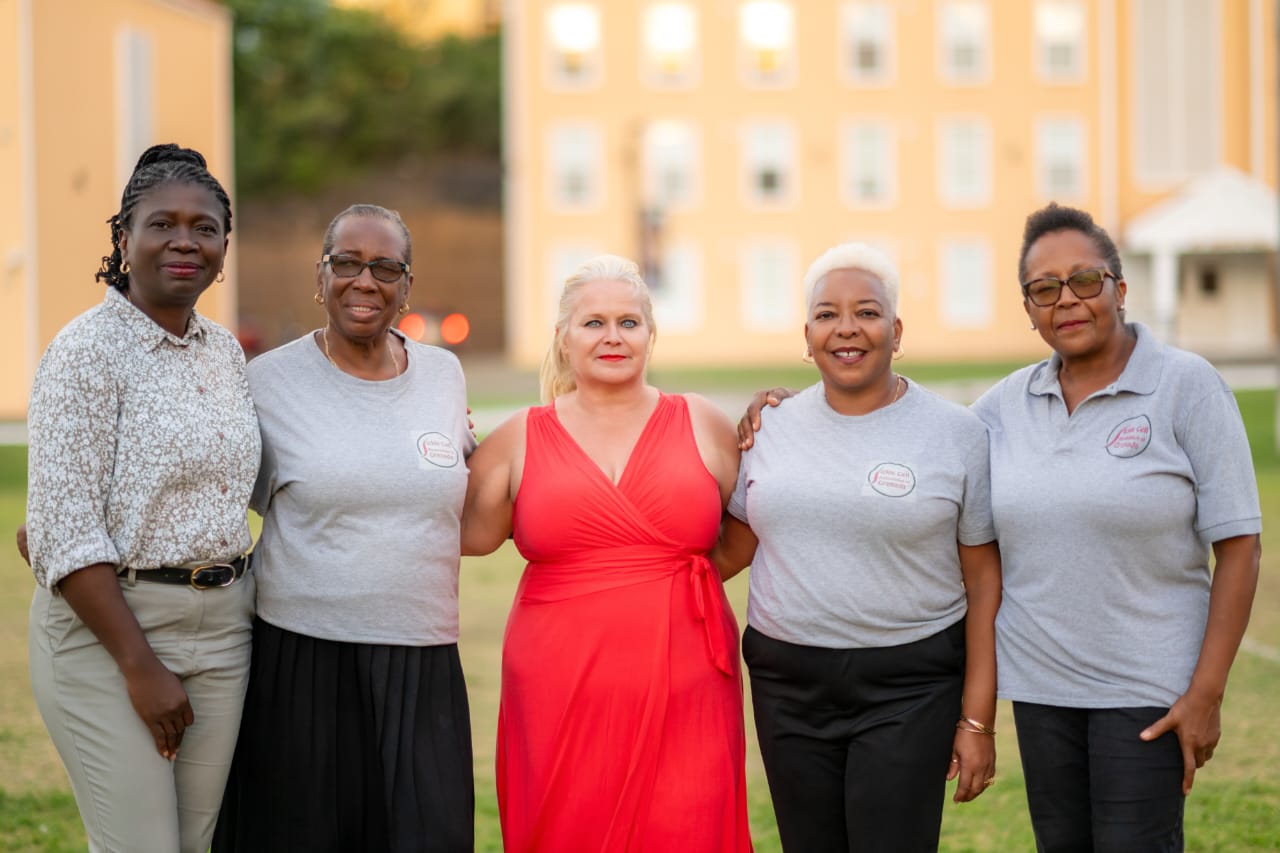
Against this background, SGU is supporting efforts to strengthen sickle cell care in Grenada through an initiative led by Dr Mary Maj, Professor and Deputy Chair of the Department of Biochemistry at the university, in collaboration with the Sickle Cell Association of Grenada.
The initiative involves the development of a Sickle Cell Medical ID Care Card designed to provide healthcare professionals with quick access to essential patient information and treatment guidance during sickle cell crises.
The project is being developed in partnership with local healthcare stakeholders, building on the longstanding advocacy and patient-support activities of the Sickle Cell Association of Grenada.
SGU students are also contributing by researching best-practice treatment guidelines and developing educational resources aimed at improving public awareness and supporting better patient care.
The university explained that the proposed card would contain essential information, including a patient’s diagnosis, treating physician and initial management recommendations, helping medical personnel make timely decisions, particularly in busy casualty departments and clinics.
Dr Maj said the initiative was designed to address the challenges healthcare professionals and families often encounter during emergencies involving sickle cell patients.
“A sickle cell crisis can escalate quickly, and timely treatment is essential,” she said.
She noted that healthcare professionals in Grenada worked tirelessly to care for patients, often under pressure in busy emergency departments and clinics, where immediate access to relevant medical information could make a significant difference.
According to her, the Care Card would bring important patient information and initial management recommendations together in one accessible place, facilitating communication and supporting timely clinical decisions.
She added that the initiative could also ease the burden on families, who frequently arrive at hospitals anxious and overwhelmed when a loved one experiences a painful crisis.
Developed with the Sickle Cell Association of Grenada and local stakeholders, she said, the project aimed to improve the overall care experience for patients and their families.
The university stressed that the Care Card remained under development and was not an intervention currently operating across Africa.
Nevertheless, the initiative illustrates how medical education, research and collaboration with community organisations can translate clinical knowledge into practical resources for healthcare delivery.
Beyond the proposed card, effective sickle cell management requires regular clinical reviews, vaccinations, pain management and medicines such as hydroxyurea where prescribed by qualified clinicians.
Some patients may also require blood transfusions, while stem-cell transplantation could be considered for carefully selected patients following specialist assessment.
Access to safe blood supplies, essential medicines, trained healthcare workers and affordable treatment services remains critical to improving outcomes.
For sub-Saharan Africa, where the majority of babies born with sickle cell disease are recorded, the challenge is therefore not simply to encourage people to know their genotype, but to ensure that those diagnosed with the condition receive consistent, affordable and evidence-based care throughout their lives.
SGU said its broader approach reflected the importance of connecting medical education with community needs, ensuring that research and student involvement contributed to practical solutions in healthcare delivery.
Founded in 1976, St. George’s University is an international institution with students and faculty drawn from more than 150 countries.
Its School of Medicine offers a four-year Doctor of Medicine degree programme, alongside five-, six- and seven-year entry tracks for students from different educational systems.
The university also has a network of more than 75 affiliated hospitals and health centres in the United States and the United Kingdom, providing clinical training opportunities for its medical students.
Sickle Cell: SGU Links Medical Education with Improved Patient Care, Urges Early Diagnosis


News
Scores Killed in Tafi Gana Attack as November Bloodshed Deepens Amid Tit-for-Tat Violence Between Fulani Herders and Local Militias in Plateau
Scores Killed in Tafi Gana Attack as November Bloodshed Deepens Amid Tit-for-Tat Violence Between Fulani Herders and Local Militias in Plateau
By: Zagazola Makama
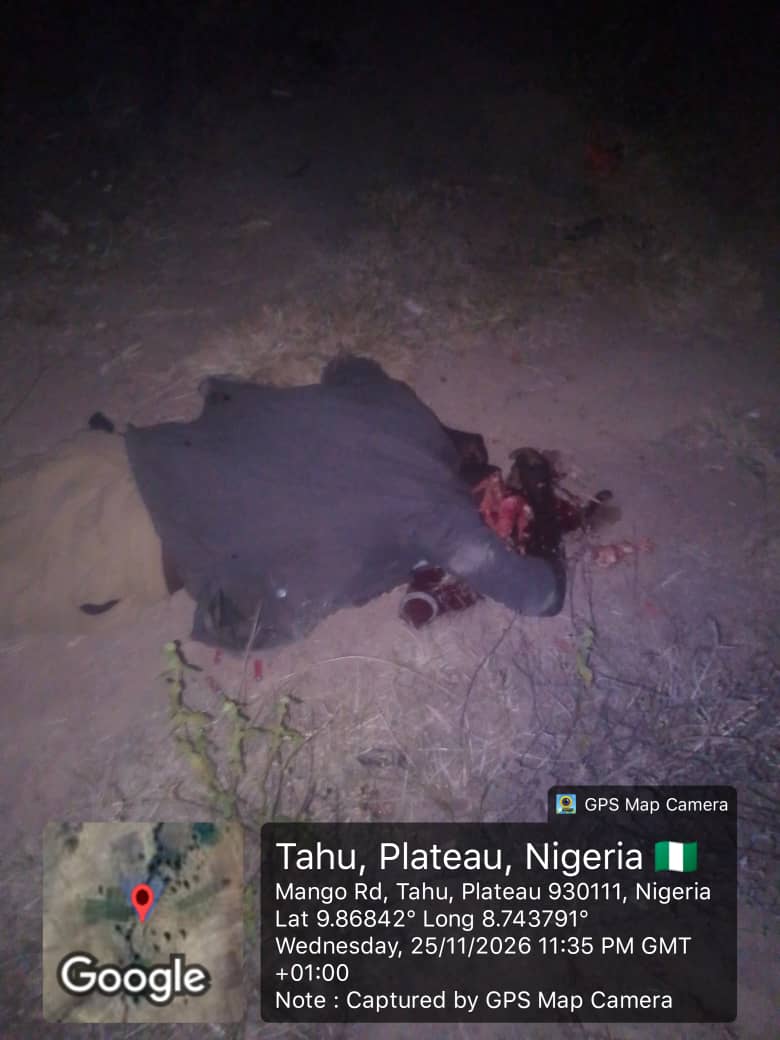
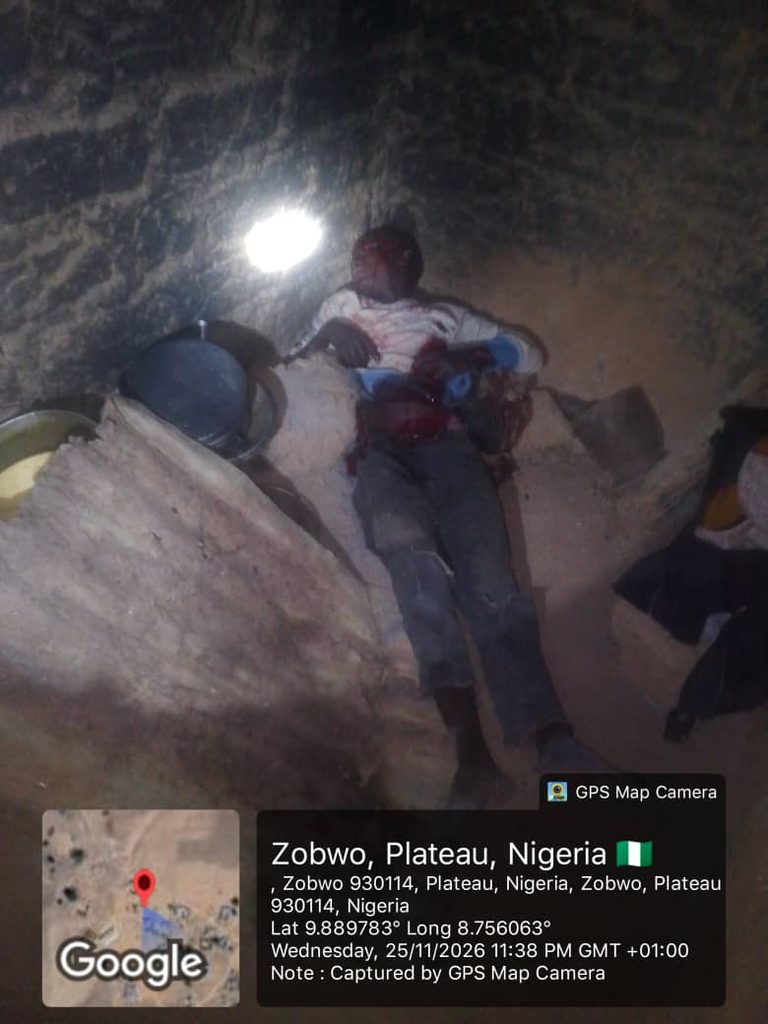
Suspected Fulani Bandits have killed scores of residents and injured three others in a midnight attack on Tafi Gana community in Bassa Local Government Area of Plateau State, in the latest incident in an escalating cycle of violence involving Fulani pastoralists, local militia groups and farming communities.
The attack occurred at about 12:10 a.m. on Thursday, November 26, when armed men reportedly stormed the community and opened sporadic fire on residents.
Security sources told Zagazola Makama that troops of Sector 3, Operation Enduring Peace (OPEP), deployed at DTV, swiftly responded to reports of the shooting.
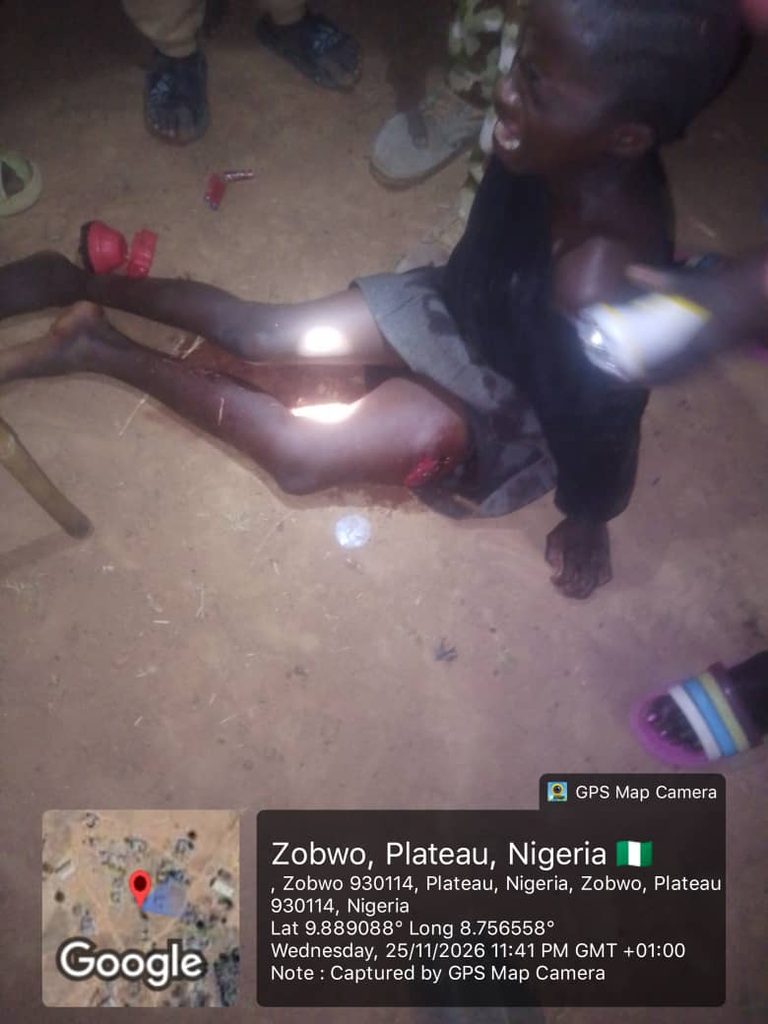
On arrival, the troops discovered that seven residents had initially been killed, while three others sustained gunshot injuries. Some locals including youth leaders later reported that the numbers of death had risen to 17.
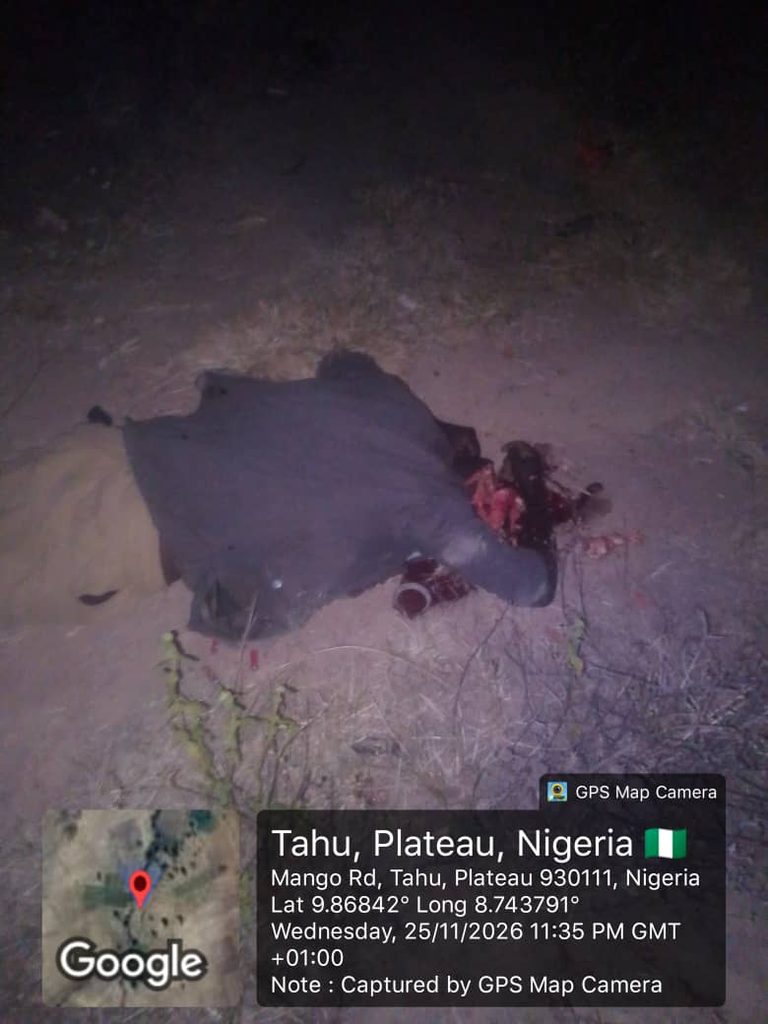
The injured victims were evacuated to the 3 Division Military Hospital for treatment, while troops dominated the area with offensive operations and launched a manhunt for the fleeing attackers.
The attack represents another dangerous escalation in a month that has witnessed repeated killings of herders and farmers, attacks on Fulani settlements, cattle rustling, destruction of livestock, farmland disputes and reprisal attacks across several local government areas of Plateau State.
A review of reported security incidents between November 3 and 26 shows that neither side has been spared from the violence.
November 3 – Rachas, Barkin Ladi, An 18-year-old vigilante member, Divine Dung Davou, was killed during a midnight attack on Rachas village in Heipang District of Barkin Ladi LGA. The killing was among the first reported deadly incidents in the November wave of violence.
November 5 in Tafawa, Riyom Two Fulani herders were reportedly killed by Berom Militia in an attack around Tafawa community in Riyom LGA, while several cattle were also killed.
November 9 in Bel, Barkin Ladi, Gunmen suspected to be Fulani, attacked Bel village in Sho community, Barkin Ladi LGA, killing a soldier and three farmers. Several other people sustained injuries. The attack further heightened insecurity in the area.
In November 10, in Jol, Riyom, At least three miners were killed when gunmen attacked a mining site in Jol community, Riyom LGA. It was suspected that the fulani armed group carried out the attack as the incident formed part of the wider wave of violence recorded across Riyom and neighbouring communities.
November 10–11 in Ruga Kimba, Barkin Ladi, Suspected Berom militiamen reportedly attempted to attack Ruga Kimba Fulani settlement in Sho community, Barkin Ladi LGA.
Troops of OPEP intervened, forcing the attackers to flee and rescuing a gunshot victim.
Same day, November 11 at Akawu village in Riyom LGA, suspected Berom militia members reportedly attacked a herd of 44 cattle at Akawu, near Tanjol community in Jol Ward, Riyom LGA.
The incident left six cattle dead, three slaughtered and eight injured. The attack further aggravated tensions over the safety of livestock belonging to Fulani pastoralists.
Two days after, November 13 in Fawo community in Bokko, an attack was reported at Fawo village in Mbar District, Bokkos LGA, where a farmer was injured. Troops rescued the injured farmer and arrested a suspect in connection with the incident.
November 13 in Bassa farmland dispute, troops recovered a motorcycle allegedly abandoned by herders who fled after his cattle destroyed tomato crops belonging to a local farmer in Bassa LGA.
November 13–14 in Sho and Tafawa villages,
at least two herders and two farmers were reportedly killed in separate attacks around Sho community in Barkin Ladi and Tafawa in Riyom.
The killings demonstrated how violence was increasingly affecting both pastoral and farming communities.
November 15–16 – Zuwakal, Mangu
Suspected armed Fulani bandits launched a deadly attack on Zuwakal village in Jipal District of Mangu LGA. The attack occurred at about 11:45 p.m. on November 15, leaving at least eight residents dead, several houses burnt and 18 cattle rustled. Troops of Sector 8, OPEP, responded and recovered eight bodies, including men, women and children. The attackers reportedly escaped through Jibial towards Nasarawa State.
November 15 in Bong, Qua’an Pan
Plateau local militiamen attacked fulani community in Bong in Doemak District of Qua’an Pan LGA, burning seven houses. The attack prompted the local government chairman to impose a dusk-to-dawn curfew in the affected district to prevent further violence.
In November 16, at Sambak, Sho and Jol, further attacks were reported in Sambak community, Hoss District of Riyom, and Sho community in Barkin Ladi. In Sambak, 42-year-old Dauda John Davou was killed, while 79-year-old Ishaku Pam Vwos was killed in Sho.
Fulani bandits also attacked Jol community, but local vigilantes reportedly responded and prevented further casualties.
On the same day, Joshua Doro Dafwel was shot in Jol, while Ina Arin was killed in an ambush by fulani armed men as he and his friend, Abok Gyang, were returning to Dorong village. Gyang reportedly escaped.
November 19 saw another incidents in Jebbu Miango, Bassa as troops intercepted 30 cattle allegedly involved in the destruction of farmland at Jebbu Miango. The herders reportedly fled upon sighting the troops, who moved the livestock to a safe location pending further action.
In November 20 at Maraban Kantoma in Barkin Ladi, a Fulani herder, identified as Alhaji Wada Haruna, 45, was reportedly shot dead while attending Juma’at prayers around Maraban Kantoma in Barkin Ladi. MACBAN’s Plateau chairman, Ibrahim Yusuf Babayo, alleged that suspected Berom militia members were responsible.
November 20, at Telengpat in Mangu, troops intervened after cattle allegedly destroyed guinea corn farmland at Telengpat community in Mangu LGA. The soldiers intercepted 45 cows and six rams grazing on the farmland without their herders in sight. Fulani leaders were contacted to identify the owners and facilitate an amicable resolution.
November 20 at Maraban Kantoma, Barkin Ladi
Another incident involving the Fulani community was reported following the killing of Alhaji Wada Abdullahi by Berom Militiamen. The Fulani coalition subsequently alleged that more than five houses were burnt in the community during subsequent security activities, an allegation requiring an independent investigation.
In November 21 at Mangu/Qua’an Pan border,
Four Fulani herders were reportedly killed when local militiamen invaded a pastoral settlement around the Mangu-Qua’an Pan border.
More than 100 cattle were reportedly rustled.
The incident was disclosed by the Coalition of Fulani Registered Organisations and confirmed by the Plateau MACBAN chairman.
In November 22 at Katul in Mangu, suspected Mwaghavul militiamen attacked Fulani settlements in Katul, Jipal District, Mangu LGA, killing a 30-year-old herder, Abdulmumini Waje.
The attackers reportedly rustled his 27 cattle.
Another herder, Yakubu Ahmadu, 37, narrowly escaped but lost 80 cattle and 40 sheep.
The combined losses amounted to 107 cattle and 40 sheep.
In November 22 at Maket in Qua’an Pan, again Suspected local militia members attacked Maket community in Kwa District, Qua’an Pan LGA, killing two people, injuring another and burning three houses. Two cows were also reportedly killed. Troops of Sector 9, OPEP, responded and launched a manhunt for the attackers.
In November 22–23 – Fusa Fursum, Jos East
Suspected local militia members attacked Fulani Ruga in Fusa Fursum District of Jos East LGA, killing an 18-year-old herder, Musa Bappa.
The attackers reportedly escaped with an unspecified number of cattle. Troops, local hunters and vigilantes subsequently launched search operations around Kio and Ribung villages.
In November 23–24 in Ranwienku, Jebbu Miango, Bassa, a 17-year-old herder, Abubakar Iliyasu, was reportedly killed in an alleged attack by Irigwe militia at Ranwienku, Jebbu Miango.
At least 26 cattle were reportedly killed, while more than 100 others were rustled towards Kwall.
Another herder was reported missing, prompting security personnel to launch search operations.
In November 25 – Tenti, Bokkos, suspected Berom militia members reportedly attacked a herder identified as Alhaji Musa on the outskirts of Tenti village, stealing 24 cattle. Troops of Sector 5, OPEP, launched search operations alongside the affected herder to recover the livestock.
In November 25 in Rakum village in Barkin Ladi
Suspected Berom militiamen reportedly shot dead a cow belonging to a herdsman, Alhaji Auwal Tayo. The incident added to growing complaints by pastoralists over attacks on their livestock.
November 25, in Zerenvi, Bassa Troops of OPEP launched efforts to track down suspected herders following the destruction of farm crops in Zerenvi village. The incident further illustrated the continuing friction over grazing and farming activities.
In November 26, at Tafi Gana, Bassa,
The latest attack occurred at Tafi Gana community, where suspected Fulani militias scores of residents and injured three others.
Troops of Sector 3, OPEP, responded and launched offensive operations and a manhunt for the attackers.
The Coalition of Fulani Registered Organisations in Plateau State, at a press conference in Jos on November 22, alleged that at least 95 Fulani people had been killed or injured between April and November 2026. The coalition also claimed that approximately 1,240 cattle had been rustled, shot or killed, while more than 22 houses belonging to Fulani communities had been burnt or demolished.
It identified Bassa, Jos South, Jos East, Riyom, Barkin Ladi, Bokkos and Mangu as locations where the alleged incidents occurred.
The coalition called on President Bola Tinubu to establish an independent investigative panel to investigate the killings, cattle rustling and destruction of property.
The November incidents reveal a disturbing pattern in Plateau State. On one side, Fulani pastoralists have reported the killings of their members, attacks on settlements, slaughter of cattle and large-scale livestock rustling
On the other, farming communities have suffered deadly attacks attributed to suspected armed Fulani groups, including the November 15 attack on Zuwakal, where eight people were killed and houses burnt.
The attacks on farmers, miners, herders, vigilantes and livestock have created an increasingly volatile environment in which criminal incidents risk triggering further reprisals.
The latest Tafi Gana killings therefore come at a particularly sensitive moment, with communities already grieving their dead and security agencies struggling to prevent further escalation.
While the circumstances and motive behind the November 26 attack are still being investigated, the authorities must ensure that perpetrators of attacks on both Fulani pastoralists and farming communities are identified and prosecuted.
Collective punishment, ethnic profiling and retaliatory killings will only deepen the crisis.
Zagazola observation: Plateau cannot achieve lasting peace through selective condemnation of violence. The killing of a farmer must attract the same urgency as the killing of a herder. The slaughter of cattle and destruction of farms must be treated as serious security and economic crimes. Every victim deserves justice, irrespective of ethnic identity or occupation.
Scores Killed in Tafi Gana Attack as November Bloodshed Deepens Amid Tit-for-Tat Violence Between Fulani Herders and Local Militias in Plateau

NUJ FCT, NBSA Partner to Launch Annual Blood Donation Drive in Honour of Rafat Salami
By: Michael Mike
The Nigeria Union of Journalists (NUJ), FCT Council, has partnered with the National Blood Service Agency (NBSA) to establish an annual voluntary blood donation drive in honour of late Comrade Rafat Salami, a journalist whose commitment to blood donation and advocacy for saving lives earned her recognition as a donor champion.
The initiative, tagged the Rafat Salami Voluntary Blood Donation Drive, is designed to preserve her legacy of selfless service while encouraging journalists and members of the public to embrace voluntary blood donation as a civic responsibility and a life-saving intervention.
The partnership was formalised on Thursday when a delegation of the NUJ FCT Council, led by Felix Ojo on behalf of the Council Chairman, Comrade Grace Ike, paid a courtesy visit to the NBSA, culminating in an agreement to mobilise journalists not only to report blood donation campaigns but also to actively participate in the exercise.
Speaking during the visit, Ojo said the initiative was conceived to immortalise Salami, who he described as a donor champion whose life exemplified sacrifice, compassion and responsibility to society.
“We are immortalising the legacy of donor champion, late Comrade Rafat Salami, who lived a life of sacrifice and responsibility,” he said.
Ojo said the NUJ FCT Council would mobilise its members to become voluntary blood donors, intensify public sensitisation on the importance of blood donation and support the NBSA in advancing its mandate, stressing that promoting life-saving initiatives was part of the media’s social responsibility.
He said the partnership would also strengthen advocacy for voluntary blood donation among journalists and the wider public, while reinforcing the media’s role in promoting initiatives that serve the public good.
The Media Cell for Safe Blood, a collaborative platform established by the International Society of Media in Public Health (ISMPH) in partnership with the NBSA, is also expected to play a role in the initiative through public awareness campaigns and advocacy.
As part of the agreement, the NUJ FCT Council designated December 9 every year as the day for the Rafat Salami Voluntary Blood Donation Drive in Abuja, making the initiative a recurring event on its annual calendar.
Receiving the delegation, the Director of Blood Services, Dr Sani Abubakar, welcomed the partnership, describing it as a welcome boost to the agency’s efforts to promote voluntary blood donation and strengthen Nigeria’s blood supply system.
Abubakar said Salami was a consistent blood donor and advocate whose commitment to the cause deserved to be celebrated, expressing sadness over her death while commending the NUJ for choosing to sustain her advocacy through an initiative that could save lives.
“Rafat Salami was a consistent donor and advocate. It is sad we lost her,” he said. “It is a good thing that the NUJ wants to immortalise her by her legacy.”
He explained that the NBSA was mandated to regulate and coordinate the provision of safe blood across the country, adding that the agency remained open to partnerships with organisations willing to advance voluntary blood donation.
Abubakar disclosed that activities for the National Blood Donation Day would commence on December 8 with a week-long advocacy campaign to sensitise Nigerians on the importance of voluntary blood donation.
He also assured the NUJ of the availability of adequate blood bank facilities for its members, while pledging the agency’s technical and material support for the Rafat Salami initiative.
“We are happy to have the NUJ supporting our work, and we will adopt the initiative as part of our annual event every December,” he said.
However, Abubakar urged the NUJ FCT Council to take ownership of the sponsorship of the annual drive, noting that such commitment would foster a stronger sense of pride, responsibility and sustainability among members.
The partnership is expected to give renewed impetus to voluntary blood donation advocacy in Abuja, while ensuring that Salami’s legacy is remembered annually through an act of generosity she championed in her lifetime — donating blood to save lives.
NUJ FCT, NBSA Partner to Launch Annual Blood Donation Drive in Honour of Rafat Salami
News
Fire Service flags off Harmattan campaign, records 491 incidents, saves 1,725 lives in six months
Fire Service flags off Harmattan campaign, records 491 incidents, saves 1,725 lives in six months
By: Michael Mike
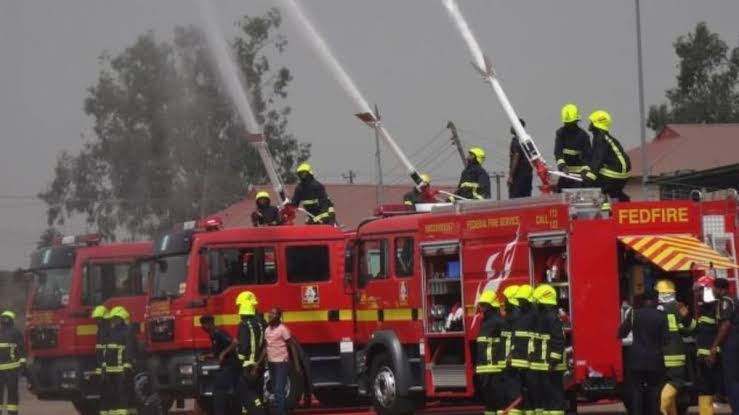
The Federal Fire Service (FFS) has flagged off its 2026 Harmattan Fire Safety Campaign, calling on Nigerians, community leaders, businesses, institutions and government agencies to make fire prevention a collective responsibility amid heightened seasonal risks.
The Controller-General of the Federal Fire Service, Samuel Olumode, made the call on Thursday during a virtual Fire Chat on the roles and responsibilities of stakeholders in building a fire safety-resilient community, which also marked the official launch of the campaign.
Olumode disclosed that the Service responded to 491 fire incidents between January and June 2026, rescued 1,725 lives and protected property valued at more than N305 billion, underscoring the critical importance of fire prevention, preparedness and prompt emergency response.
He said building a fire-resilient Nigeria required more than fire trucks and firefighters, stressing that communities, institutions, businesses and individuals must actively participate in preventing fires and supporting emergency response efforts.
According to him, fire safety cannot be left to the Federal Fire Service alone, despite its statutory responsibility for fire prevention, protection and emergency response, as effective fire management depends on collective preparedness, cooperation and commitment.
The Controller-General said the Service was pursuing partnerships and reforms aimed at expanding its operational reach, strengthening infrastructure and bringing emergency services closer to communities across the country.
He cited the collaboration with the Tertiary Education Trust Fund (TETFund) to establish fire stations in tertiary institutions as part of efforts to strengthen fire safety infrastructure and improve emergency preparedness in schools.
Olumode also disclosed that the Service was working with the Association of Local Governments of Nigeria (ALGON) to expand fire service presence across the 774 local government areas, noting that local governments were strategically positioned to identify community risks, mobilise residents and support emergency infrastructure.
He said partnerships with the Tony Elumelu Foundation on firefighting preparedness training and Philko Limited on the establishment of mini fire outposts were also part of efforts to expand fire safety awareness and response capacity.
The Controller-General further pointed to community-driven fire station initiatives in Offa, Oyo Town, Idanre in Ondo State and Bonny Island as examples of how community participation and private support could strengthen local fire protection.
He urged traditional rulers, community associations, business owners and residents to take ownership of fire safety by identifying local needs, supporting emergency infrastructure and promoting preventive practices.
Olumode said the Service was also strengthening its institutional capacity through personnel development, rehabilitation of firefighting appliances, introduction of a Performance Management System and a paperless administrative policy aimed at improving accountability, professionalism and operational efficiency.
He said the Service was targeting a 15-minute emergency response time but noted that achieving the benchmark depended on the availability of strategically located fire stations, accessible roads, prompt incident reporting and public cooperation.
The Controller-General also said Nigeria’s participation in the 2026 World Fire Congress in London, where the country signed the Congress’s Founding Principles, provided opportunities for international collaboration, professional exchange and the adoption of improved fire safety practices.
He said the 2026 National Fire Safety Week, held on November 2 at the Exhibition Pavilion, Area 11, Garki, Abuja, under the theme, “Building a Fire-Resilient Nigeria: One Community at a Time,” had helped deepen public awareness through community outreach, school engagements, market sensitisation and public education.
Olumode said the Harmattan campaign, which would run through February 2027, was designed to sustain the momentum of the National Fire Safety Week and extend practical fire prevention messages to homes, markets, schools, workplaces and other public spaces.
He warned that dry weather, low humidity and vegetation associated with the Harmattan season could accelerate the spread of fires, urging Nigerians to exercise greater caution in the use of cooking appliances, generators, electrical installations, gas cylinders and fuel.
He advised residents against overloading electrical sockets, leaving cooking unattended, indiscriminate burning of refuse and careless storage of petrol and other flammable substances, while urging households to regularly inspect gas cylinders, hoses and connections.
The Controller-General also urged business owners, market operators, school administrators, event organisers and managers of public facilities to ensure that their premises had accessible exits, appropriate firefighting equipment and adequate fire safety arrangements.
He called on traditional rulers, religious leaders, market associations, transport operators, the media, influencers and other stakeholders to actively support the campaign, while directing the Service’s zonal and state commands to take ownership of its implementation and sustain sensitisation throughout the period.
Olumode, however, expressed concern over attacks on firefighters, recounting an incident involving personnel of the Federal Fire Service, FCT Command, at 7th Avenue, Gwarinpa, Abuja, on November 13.
He said firefighters from the Kubwa Metropolitan Fire Station, who responded to a distress call at about 10 a.m., were attacked by suspected hoodlums who pelted them with stones, leaving one personnel with a head injury requiring medical attention.
He disclosed that the suspected perpetrators had been apprehended, assuring that those found culpable would face the full weight of the law.
Describing attacks on emergency responders as an assault on essential public services, Olumode urged Nigerians to protect firefighters, cooperate with them at emergency scenes and refrain from obstructing their operations.
He also urged Nigerians to exercise caution during the end-of-year festivities, warning that increased travel, social gatherings, cooking activities and the use of electrical appliances could expose households and businesses to avoidable fire risks.
The Controller-General said the success of the campaign would ultimately depend on translating partnerships into practical results, adding that a fire-resilient community was one where residents understood risks, institutions adopted preventive measures, businesses complied with safety standards and emergency responders received the support needed to perform their duties.
He formally flagged off the 2026 Harmattan Fire Safety Campaign, urging Nigerians to embrace fire safety as a shared commitment and preparedness as a way of life.
Fire Service flags off Harmattan campaign, records 491 incidents, saves 1,725 lives in six months

Scores Killed in Tafi Gana Attack as November Bloodshed Deepens Amid Tit-for-Tat Violence Between Fulani Herders and Local Militias in Plateau

NUJ FCT, NBSA Partner to Launch Annual Blood Donation Drive in Honour of Rafat Salami

Fire Service flags off Harmattan campaign, records 491 incidents, saves 1,725 lives in six months

Roger Federer’s Shock as DNA Results Reveal Myla and Charlene Are Not His Biological Children

THE PLIGHT OF FARIDA

FAILED COUP IN BURKINA FASO: HOW TRAORÉ NARROWLY ESCAPED ASSASSINATION PLOT AMID FOREIGN INTERFERENCE CLAIMS
-
 News3 years ago
Roger Federer’s Shock as DNA Results Reveal Myla and Charlene Are Not His Biological Children
-
Opinions5 years ago
THE PLIGHT OF FARIDA
-
 News2 years ago
FAILED COUP IN BURKINA FASO: HOW TRAORÉ NARROWLY ESCAPED ASSASSINATION PLOT AMID FOREIGN INTERFERENCE CLAIMS
-
 Opinions5 years ago
POLICE CHARGE ROOMS, A MINTING PRESS
-

 News3 years ago
EYN: Rev. Billi, Distortion of History, and The Living Tamarind Tree
-

 ACADEMICS3 years ago
A History of Biu” (2015) and The Lingering Bura-Pabir Question (1)
-

 Columns3 years ago
Army University Biu: There is certain interest, but certainly not from Borno.
-

 Politics1 year ago
2027: Why Hon. Midala Balami Must Go, as Youths in Hawul and Asikira/Uba Federal Constituency Reject ₦500,000 as Sallah Gift
