
National News
Spanish envoy calls for deeper bilateral relations between Nigeria, Spain


Spanish envoy calls for deeper bilateral relations between Nigeria, Spain
By: Michael Mike
The new Spanish Ambassador to Nigeria, Mr Juan Sell has said Nigeria and Spain needed to build on existing bilateral reletions for sustainable growth.
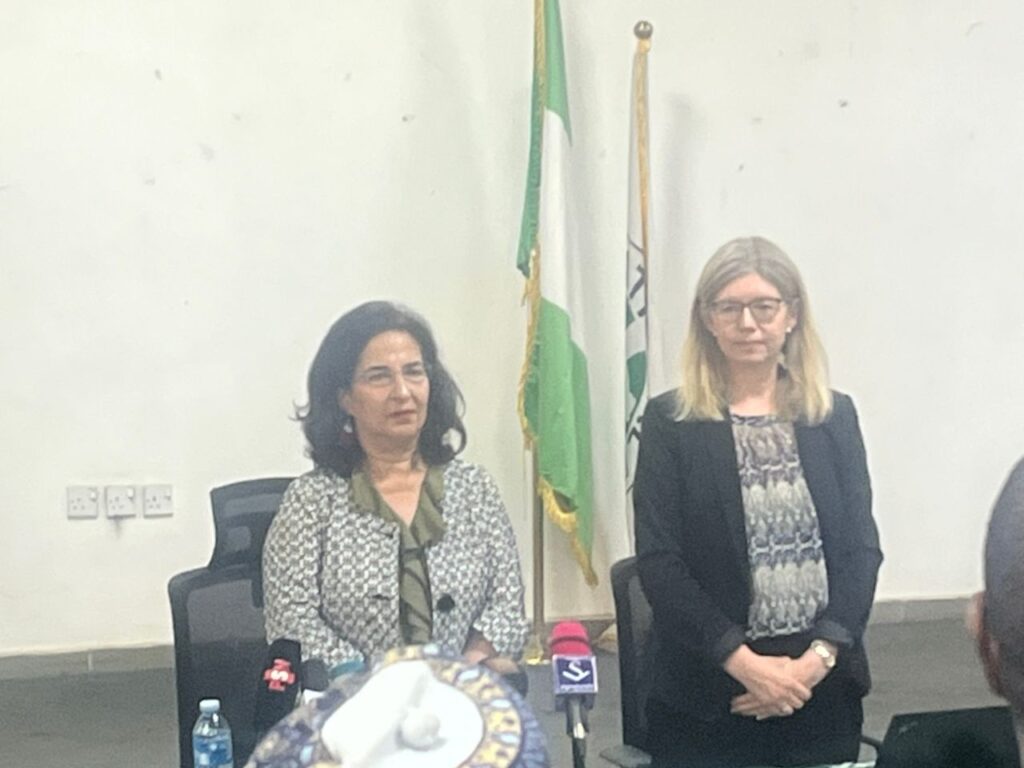
The envoy made the call on Thursday during a news conference held at the Spain Ambassador’s residence in Abuja, to announce a Spanish writer Ana Briongos and the team of LagosPhoto to present the cultural project “Unpacking the Suitcase”.
“Unpacking the Suitcase ” was derived from a true life experience of a Nigerian student Prince Adewale Emmanuel, who studied in Barcelona 60 years ago.
Emmanuel after three years of his stay in Barcelona left for London with his wife Elizabeth and leaving a suitcase behind in Spain with his friend Mrs Luisa Guadayol. Mrs Guadayol is the mother of the writer Mrs. Ana Briongos.
Mr Sell said that on his arrival to Nigeria he noticed that both countries had a long standing relations both diplomatic and economic.
It is no news that both Nigeria and Spain had collaborated in the fight against illegal immigration, holding meetings on the subject and numerous exchanges.
Also, experts of the Nigerian Immigration Service (NIS) and the National Agency for the fight against Trafficking in Persons (NAPTIP) have participated in various seminars and conferences in Spain.
Speaking also, Mrs. Briongos, a Spainsh writer and the custodian of the suitcase said that after her mother passed on many attempts to return the suitcase to Prince Emmanuel prove abortive and she decided to open the suitcase and the content of the case tells a story of two countries.
According to the writer, in 1967, Prince Emmanuel enrolled as a student at the art school Escuela Massana in Barcelona. Three years later Emmanuel and his wife Elizabeth decided to leave Barcelona for London.
Emmanuel left a suitcase and the content with his close friend Mrs Guadayol in Barcelona, when she passed away in 2016, her daughter Briongos was resolute in her quest to return the suitcase to Prince Emmanuel or his family in Nigeria.
Also Read: Pantami adds title ‘Professor’ to name amid controversy
She said: “The material found in the suitcase points to different social and cultural moments in the history of Nigeria and beyond: the Nigerian Civil War, the cultural ties between two countries.
“Also, in it was the Nigeria and Spain, the legacy of the artist, the story of emigration, Nigerian studio photography of the 70s.”
Mr Azu Nwagbogu, Director LagosPhoto, said nothing encapsulate the bond of friendship between people and countries and that was what was found in the suitcase of Prince Emmanuel.
He added that the project had made him to think of restitution of recovering one’s identity, adding that the archive in the suitcase cumulates’ the 1967 to 70 and its tells about so many story at the time.
He urged lovers of art, writers, photographers and the general public to come for more interpretation of the content in the suitcase during the 2022 LagosPhoto Festival schedule to hold in October.
Parts of the items found in the suitcase are: candles, 600 photos, 100 letter both written and received, painting , classical drawings among others.
Spanish envoy calls for deeper bilateral relations between Nigeria, Spain


MSF Launches Local Nutrition Initiative as Child Malnutrition Crisis Deepens in Kebbi
By: Michael Mike
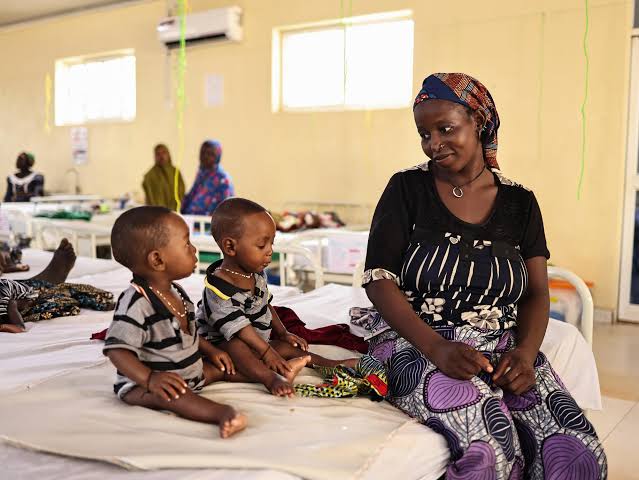
Médecins Sans Frontières (MSF), also known as Doctors Without Borders, has launched a locally driven nutrition intervention in Kebbi State to tackle rising cases of child malnutrition amid growing concerns over preventable deaths among children under five in north-west Nigeria.
The humanitarian organisation announced on Wednesday that the programme, built around the use of Tom Brown, a locally produced complete food supplement, is expected to reach more than 16,000 children suffering from moderate acute malnutrition by the end of 2026.
The initiative comes against the backdrop of a sharp rise in severe acute malnutrition cases recorded in Kebbi between 2024 and 2025, a trend that has stretched healthcare resources and heightened fears of worsening child mortality in one of Nigeria’s most vulnerable regions.
MSF Nigeria Country Coordinator, Stuart Alexander Zimble, described the malnutrition situation in Kebbi as alarming, noting that it remains one of the leading causes of death among young children in the state.
He urged authorities and humanitarian agencies to intensify support and interventions to avert further avoidable deaths.
According to UNICEF data cited by the organisation, an estimated 30 newborns and 100 children under the age of five die daily in Kebbi State, with nearly half of the deaths linked directly to malnutrition. The crisis is compounded by high levels of stunting, widespread malaria and extremely low vaccination coverage, with only about 7.4 per cent of children under two years fully immunised.
MSF said it has been providing free treatment for severe and complicated malnutrition in Kebbi since March 2022 through two inpatient therapeutic feeding centres and four outpatient centres. However, it noted that the needs remain enormous due to persistent insecurity, limited healthcare access, climate-related shocks and declining livelihood opportunities that have weakened household resilience and worsened health outcomes.
The organisation disclosed that after health authorities decided in September 2024 to stop admitting children with moderate acute malnutrition to enable a focus on severe cases, medical teams subsequently recorded a 41 per cent increase in severe malnutrition cases treated at outpatient facilities and a 39 per cent rise in inpatient admissions.
Zimble said many children who initially presented with moderate malnutrition later returned with severe and, in some cases, life-threatening conditions, underscoring the need for earlier intervention.
The Tom Brown programme was consequently introduced in early 2026 as part of efforts to strengthen community-based responses to malnutrition before children deteriorate into critical conditions.
Tom Brown, also known locally as Garin Kunu, is a traditional Nigerian nutritional recipe prepared from a blend of sorghum, soya beans and groundnuts. MSF said the programme seeks to leverage a familiar and culturally accepted food supplement to create sustainable solutions that communities can continue using beyond emergency interventions.
Nigeria continues to grapple with one of the world’s largest burdens of child malnutrition. Humanitarian agencies have repeatedly warned that conflict, economic hardship, food inflation and climate shocks are pushing increasing numbers of children across the northern states into acute food and nutrition insecurity, making early intervention programmes crucial to preventing avoidable deaths.
MSF Launches Local Nutrition Initiative as Child Malnutrition Crisis Deepens in Kebbi
Troops Rescue Security Personnel, Recover Arms After Mob Attack in Oyo
By: Zagazola Makama
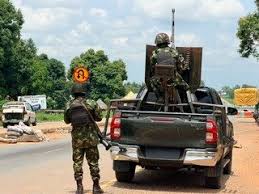
Troops of the 2 Division Garrison have intervened in a mob attack at Ojurin Mammy Market in Lagalu Local Government Area of Oyo State, rescuing three police personnel and a civilian driver who were assaulted by unknown individuals.
Military sources said the incident occurred at about 6:46 p.m. on June 18, when the victims were attacked by a mob who mistook them for armed robbers while they were dressed in plain clothes.
The victims were later identified as personnel attached to the Violent Crimes and Response Unit Annex, Iyana Church, Alakia, Ibadan.
Troops who responded swiftly to the distress situation succeeded in rescuing the victims from the mob and restoring order in the area.
The civilian driver involved in the incident reportedly sustained varying degrees of injury and was evacuated to the 2 Division Medical Services and Hospital for treatment.
During the operation, troops recovered one AK-47 rifle, one riot gun, and 25 rounds of 7.62mm special ammunition from the scene.
Authorities said the situation had been brought under control, while efforts were ongoing to prevent further escalation and ensure public safety in the area.
Troops Rescue Security Personnel, Recover Arms After Mob Attack in Oyo
National News
UN Envoy Blasts Nigeria’s Security Collapse, Warns Impunity Fuelling Cycle of Violence, Rights Breakdown

UN Envoy Blasts Nigeria’s Security Collapse, Warns Impunity Fuelling Cycle of Violence, Rights Breakdown
By: Michael Mike
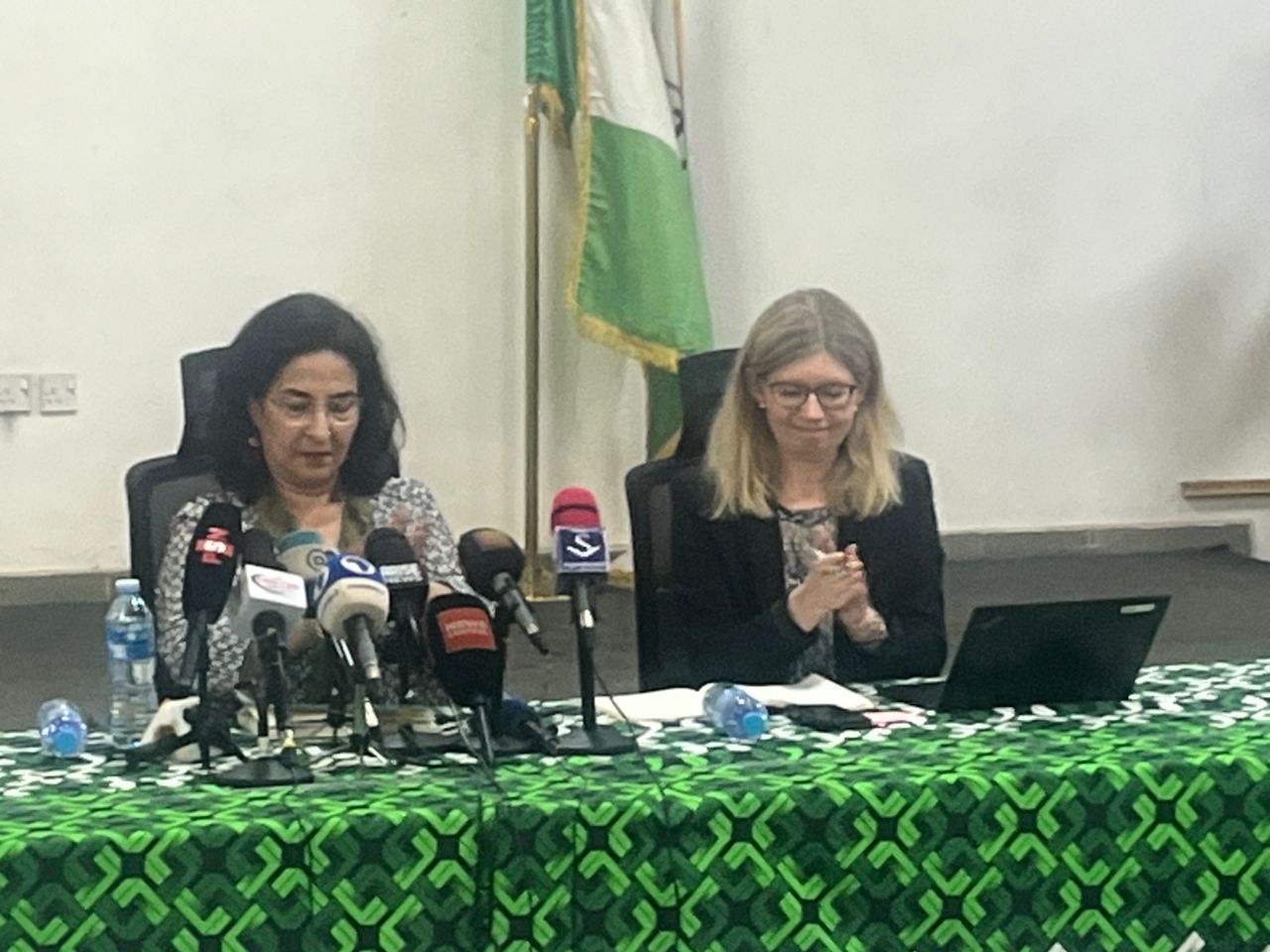
The United Nations Special Rapporteur on Freedom of Religion or Belief, Nazila Ghanea, has delivered one of the starkest international assessments yet of Nigeria’s security situation, warning that entrenched impunity and collapsing accountability systems are fuelling a self-perpetuating cycle of violence across the country.
Speaking at the end of an 11-day official visit, Ghanea said Nigeria’s insecurity has moved beyond episodic attacks to a structural crisis characterised by mass killings, repeated displacement of communities, destruction of livelihoods and widespread erosion of public trust in state institutions.
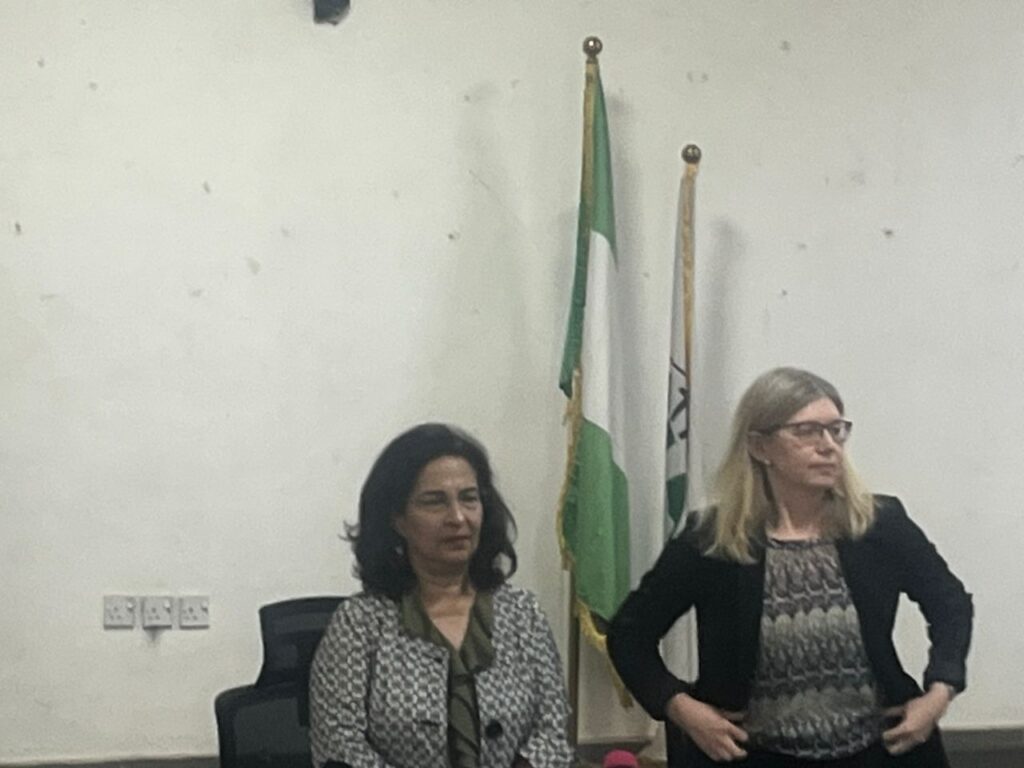
She said what emerged consistently from her engagements with over 200 stakeholders — including government officials, security agencies, victims, civil society organisations and religious leaders — was a country struggling to contain overlapping threats of terrorism, banditry, kidnapping, communal conflict and organised criminal networks.
According to her, the failure to ensure accountability for atrocities has created conditions in which violence is not only repeated but expands, leaving entire communities trapped in cycles of fear and survival.
“The absence of justice and accountability appears to be entrenching these cycles of violence and encouraging their spread,” she warned.
The UN envoy said victims across multiple regions described repeated attacks that destroyed entire villages, forced mass displacement and left survivors dependent on internally displaced persons’ camps with no clear path to return home.
She noted that many communities have suffered repeated assaults over the years, with some victims reporting displacement as many as six times, each time forced to rebuild their lives only to face renewed violence.
Ghanea also drew attention to disturbing accounts of armed groups allegedly imposing terms on rural communities, including arrangements in which residents surrender farmland and agricultural produce under coercion, deepening what she described as a breakdown of state protection in rural areas.
She warned that the scale and persistence of abductions — including kidnappings of children, clergy, traditional leaders, security personnel and political figures — has created a parallel economy of ransom and fear that further weakens state authority.
The Special Rapporteur said insecurity has also triggered the rise of vigilante groups, community defence networks and informal security structures, reflecting what she described as citizens’ growing loss of confidence in formal protection systems.
Ghanea further cautioned that the proliferation of arms and informal checkpoints risks blurring the line between community self-defence and criminal exploitation, warning that weak oversight could worsen insecurity.
Beyond violence, she raised concerns about structural issues affecting freedom of religion or belief, including the continued requirement in some administrative processes for citizens to declare their religion, saying such practices reinforce identity-based divisions and expose governance systems to political manipulation.
She also criticised the dominant framing of Nigeria as a rigid religious binary between a Muslim north and Christian south, describing it as an oversimplification that obscures the country’s internal diversity and fuels polarisation.
While acknowledging Nigeria’s constitutional guarantees of fundamental rights, Ghanea pointed to tensions arising from parallel legal and administrative systems in parts of the country, particularly around issues such as blasphemy, personal status laws and freedom of expression.
Despite her concerns, the UN envoy commended the resilience of affected communities, the efforts of civil society organisations and the work of interfaith initiatives aimed at promoting dialogue and coexistence.
She said Nigeria possesses the institutional capacity, human expertise and civic energy needed to reverse current trends, but stressed that urgent reforms are required to break what she described as the entrenched cycle of violence and impunity.
Ghanea confirmed that her full findings and recommendations will be submitted to the United Nations Human Rights Council in March 2027.
UN Envoy Blasts Nigeria’s Security Collapse, Warns Impunity Fuelling Cycle of Violence, Rights Breakdown

Troops, Police Arrest Two Suspected Kidnappers in Edo

Troops Arrest Two Suspected Criminals in Plateau Raid

Zulum closes Borno’s largest IDP camp in Bama, says Gwoza follows

Roger Federer’s Shock as DNA Results Reveal Myla and Charlene Are Not His Biological Children

THE PLIGHT OF FARIDA

FAILED COUP IN BURKINA FASO: HOW TRAORÉ NARROWLY ESCAPED ASSASSINATION PLOT AMID FOREIGN INTERFERENCE CLAIMS
-
 News2 years ago
Roger Federer’s Shock as DNA Results Reveal Myla and Charlene Are Not His Biological Children
-
Opinions4 years ago
THE PLIGHT OF FARIDA
-
 News1 year ago
FAILED COUP IN BURKINA FASO: HOW TRAORÉ NARROWLY ESCAPED ASSASSINATION PLOT AMID FOREIGN INTERFERENCE CLAIMS
-

 News2 years ago
EYN: Rev. Billi, Distortion of History, and The Living Tamarind Tree
-
 Opinions5 years ago
POLICE CHARGE ROOMS, A MINTING PRESS
-

 ACADEMICS2 years ago
A History of Biu” (2015) and The Lingering Bura-Pabir Question (1)
-

 Columns2 years ago
Army University Biu: There is certain interest, but certainly not from Borno.
-

 Politics1 year ago
2027: Why Hon. Midala Balami Must Go, as Youths in Hawul and Asikira/Uba Federal Constituency Reject ₦500,000 as Sallah Gift
