
News
Stakeholders Call for Synergy in Protection of Human Rights

Stakeholders Call for Synergy in Protection of Human Rights
By: Michael Mike
A call has been made on all relevant organisations to work in synergy to ensure maximum protection of civilians and human rights in the country
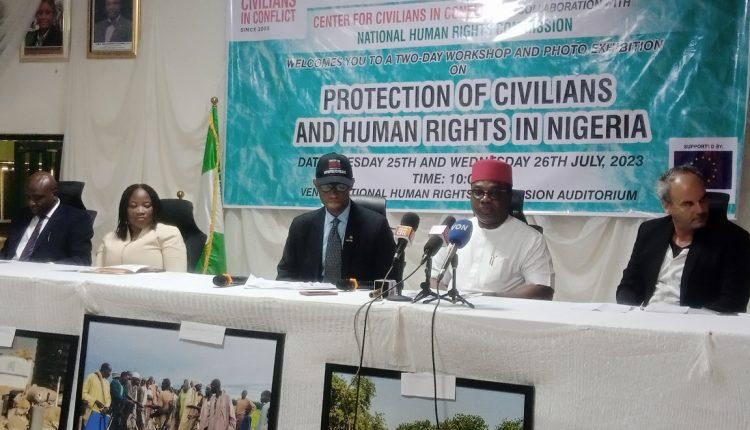
The call was made on Tuesday by stakeholders at a two-day workshop and photo exhibition in Abuja, which also coincided with the celebration of the Center for Civilian in Conflict (CIVIC) at 20 years.
The event which was put together by the National Human Rights Commission (NHRC), CIVIC and the European Union (EU), the Executive Secretary of the NHRC, Chief Tony Ojukwu, said the Commission and other stakeholders have worked on, and submitted to the Federal Government, a draft Policy on the Protection of Civilians.
Ojukwu explained that: “This policy is aimed at addressing all issues related to the protection, treatment, and rehabilitation of civilians as well as remedial and accountability measures for perpetrators of violence and human rights violations”
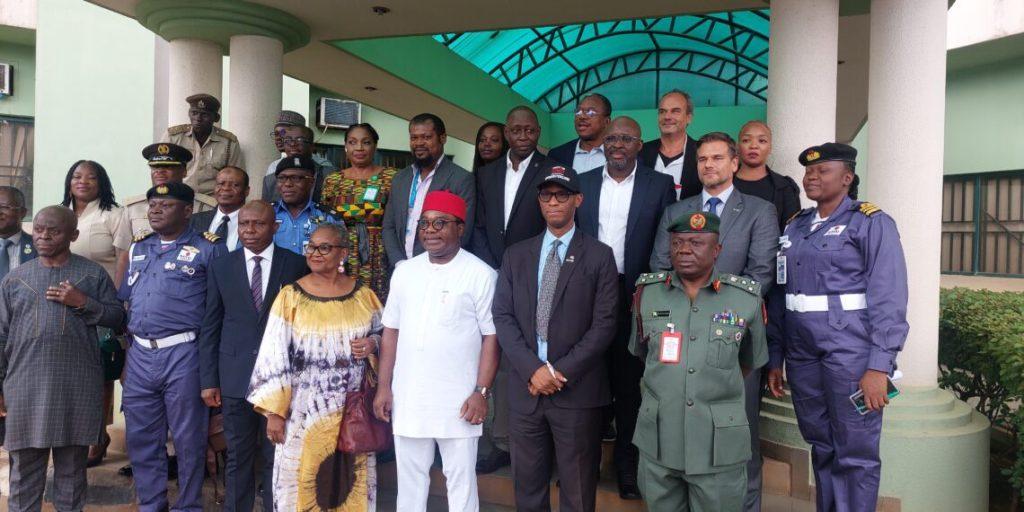
He noted that the draft policy seeks to protect civilians in conflicts, reduce or eliminate civilian harm through planning and early warning assessment of civilian harm during and after operations, harm acknowledgment, and remedial service provision.
He said; “We are hoping that in response to the upsurge in violence, the new administration will approve this policy. The NHRC commits to playing a leading role in the implementation of this policy and to ensure that all stakeholders play their parts in the protection of civilians.”,
He also said the major outcome of this workshop is the drafting of a policy brief on the Rights-based Approach to the Protection of Civilians in Nigeria: Issues, Challenges, and Options which will serve as a roadmap for the new administration and heads of security agencies for the protection of civilians in Nigeria.
Ojukwu thanked the Centre for Civilians in Conflict and the European Union for their support in hosting the event even as he congratulated CIVIC on its 20th anniversary “for which we are today launching a photo exhibition on the works of CIVIC in the North East”.
The Solicitor General of the Federation and Permanent Secretary, Ministry of Justice, Mrs. Beatrice Jeddy-Agba said that the Ministry is committed to working with stakeholders towards addressing the challenges of civilians in conflict-related areas such as gender-based violence, recruitment of child soldiers, abduction, early/forced marriages, and sex slavery.
Agba, who was represented by a Senior Staff of the Ministry, Ms. Jamila Akaaga Ade said that recently a handover Protocol was signed by the Federal Government with the United Nations and the Lake Chad Basin region to reaffirm the government commitment to prevent or reduce the detention of children encountered by military and security forces during armed conflicts.
The Country Director of CIVIC, Dr. Benson Olugbuo in his opening remarks regretted that over 2.2 million people have lost their lives as a result of the Boko Haram insurgency in North East Nigeria, adding that in the aftermath of the conflict, many schools were closed and several women and children displaced.
He therefore urged the government and other stakeholders to consider a renewed and holistic approach to protecting civilians in conflict, which will among other things build trust and confidence among civilians affected by conflicts.
He also commended the efforts of the NHRC in playing a leading role in the development of the National Action Plan which touches on the overall strategy to bring about an all-round development and human rights protection in the Country.
Stakeholders Call for Synergy in Protection of Human Rights



Troops rescue 21 kidnapped victims, clear bandits’ camps in forest operation in Plateau
By: Zagazola Makama
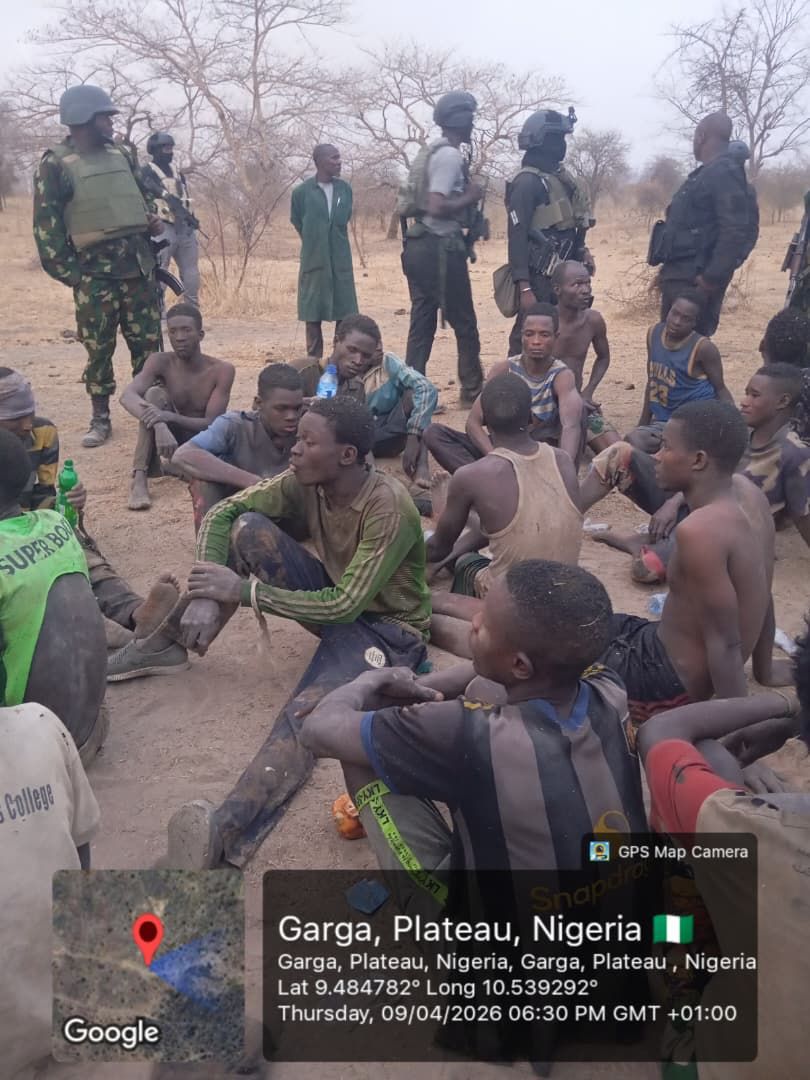
Troops of the Nigerian Army have rescued 21 kidnapped victims and dismantled several bandits’ camps during a coordinated clearance operation in Daji Madam Forest in Plateau State.
Security sources said the operation was conducted in the early hours of April 9 by troops of 33 Artillery Brigade, led by the Brigade Commander, Brig.-Gen. S.S. Shehu, in collaboration with a team from the Office of the National Security Adviser (ONSA).l
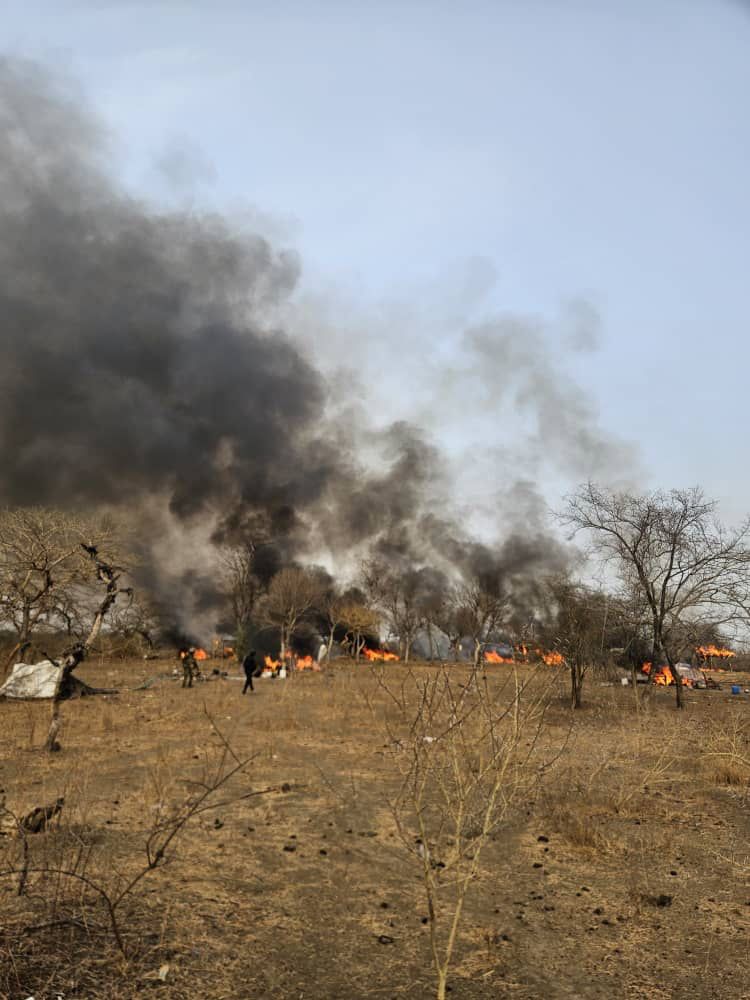
The operation targeted identified bandits’ enclaves in locations including Dogo Ruwa and Bogwas within the forest.
Simultaneously, troops of a Combat Support Infantry Battalion deployed at Mansur, led by Lt.-Col. J.T. Bere, in conjunction with Civilian Joint Task Force (CJTF) elements, mounted blocking positions at key crossing points to prevent the escape of fleeing bandits.
During the operation, troops made contact with the armed elements and successfully cleared multiple camps, including one linked to a notorious bandit leader identified as Auta Kachalla.
In the course of the operation, troops rescued 21 kidnapped victims and destroyed several motorcycles belonging to the bandits,” a source said.
Items recovered from the camps included one G3 rifle, four magazines, three generating sets and a solar panel.
The rescued victims are expected to undergo medical checks and debriefing, while efforts are ongoing to reunite them with their families.pp
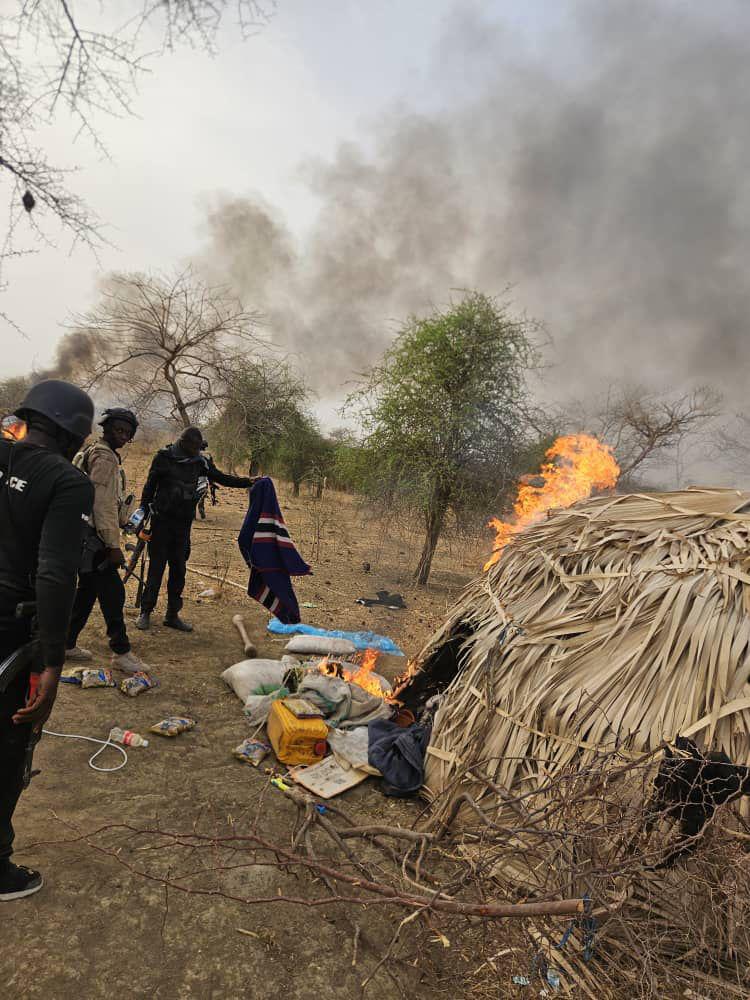
Troops said offensive operations continue in the general area to eliminate remaining threats.
The operation is part of ongoing efforts by security forces to dismantle criminal networks and restore stability across forested enclaves in Plateau and adjoining states.
Troops rescue 21 kidnapped victims, clear bandits’ camps in forest operation in Plateau
FG, Ohanaeze Outlaw ‘Eze Ndigbo’ Titles Abroad Amid Rising Diplomatic Tensions
By: Michael Mike
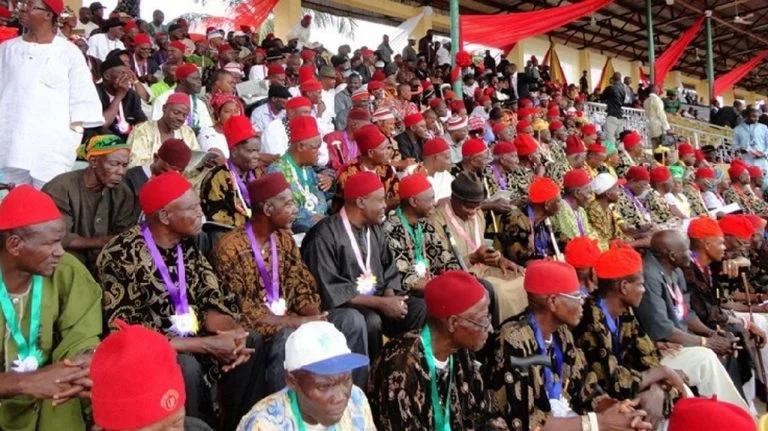
The Federal Government has moved to curb the controversial installation of “Eze Ndigbo” in foreign countries, backing a sweeping decision by Ohanaeze Ndigbo Worldwide and South East traditional rulers to abolish the practice outside Igboland, following a series of international incidents that have strained Nigeria’s diplomatic relations.
Minister of State for Foreign Affairs, Bianca Odumegwu-Ojukwu, delivered the government’s position at the high-level Imeobi meeting of Ohanaeze in Enugu on Thursday, describing the proliferation of Igbo “kings” in the diaspora as a growing embarrassment to Nigeria and a trigger for avoidable conflicts abroad.
She warned that while diaspora communities are free to promote their culture, attempts to replicate traditional rulership structures in foreign lands have repeatedly sparked tensions with host authorities and local populations.
The latest flashpoint occurred in East London, where the coronation of Solomon Ogbonna Eziko ignited violent protests. The unrest led to the destruction of property, attacks on foreign-owned businesses, and clashes with security forces, after locals interpreted the installation as a challenge to South Africa’s traditional authority system.
South African institutions, including the Eastern Cape House of Traditional and Khoi-San Leaders and the Department of Cooperative Governance and Traditional Affairs, declared the coronation illegal, underscoring the diplomatic sensitivity of such actions.
Nigeria’s foreign missions quickly distanced themselves from the development, with officials clarifying that the event was merely cultural and not a recognized monarchy. The Nigerian Embassy in Pretoria subsequently issued an apology and urged citizens to maintain a low profile.
Odumegwu-Ojukwu revealed that similar tensions had surfaced in Accra in 2025, where protests against Nigerians escalated over the same issue. She led a diplomatic delegation to calm the situation, engaging directly with John Mahama and other key stakeholders.
According to her, the intervention of the Ghanaian president was pivotal in diffusing tensions, as he reaffirmed his country’s commitment to ECOWAS protocols on free movement and rejected calls for xenophobic actions against Nigerians.
The minister stressed that such crises place Nigerian lives, businesses, and diplomatic standing at risk, insisting that urgent measures were necessary to prevent further escalation.
In response, Ohanaeze Ndigbo Worldwide has formally proscribed the conferment and use of “Eze Ndigbo” titles outside Igboland. President-General of the organization, Azuta Mbata, declared that any individual assuming such a title abroad does so without the backing of the Igbo people.
He disclosed that the group would notify state governments and Nigerian missions globally of the decision and is working with traditional rulers to establish sanctions for violators, including community-level enforcement through hometowns and town unions.
The Federal Government has pledged to reinforce the directive through its diplomatic channels, signaling a coordinated effort to prevent further international disputes linked to cultural misrepresentation.
The development marks a decisive shift by both the government and Igbo leadership to separate cultural expression from traditional authority in diaspora settings, amid growing concern over the global implications of local customs.
FG, Ohanaeze Outlaw ‘Eze Ndigbo’ Titles Abroad Amid Rising Diplomatic Tensions
Africa, France Move to Reset Economic Ties at Nairobi Summit
By: Michael Mike
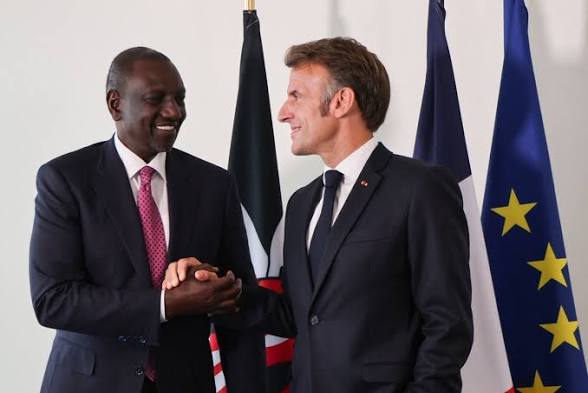
African leaders and their French counterparts are set for a critical engagement next month as Kenya and France prepare to host the Africa Forward Summit: Africa–France Partnerships for Innovation and Growth in Nairobi, amid growing calls for a new model of cooperation that delivers real economic impact for the continent.
The summit, scheduled for May 11–12, 2026, will convene top political leaders including Emmanuel Macron and William Ruto, alongside African Heads of State, investors, development partners, civil society groups, and youth representatives.
A Business Forum on May 11 is expected to drive private sector engagement and set the tone for the main summit, where discussions will centre on investment, innovation, and long-term economic collaboration.
Organisers said the summit is designed to move beyond diplomatic symbolism, focusing instead on actionable partnerships in key sectors such as healthcare, agriculture, digital technology, energy, and infrastructure—areas considered vital to Africa’s transformation.
For countries like Nigeria, the outcomes could be significant, offering pathways to attract investment, create jobs, and strengthen economic resilience at a time of global uncertainty.
The summit comes against the backdrop of evolving relations between Africa and France, marked by increasing demands from African nations for more equitable and transparent partnerships.
Historically, France has maintained strong political, economic, and military ties with several African countries, particularly in West and Central Africa. However, in recent years, these relationships have come under scrutiny, with critics calling for an end to perceived imbalances and a shift toward mutual respect and shared benefits.
At the same time, Africa’s global relevance has risen, driven by its growing population, expanding markets, and strategic importance in global supply chains. This has intensified competition among global powers seeking influence on the continent, prompting France to recalibrate its engagement strategy.
The Africa Forward Summit is seen as part of that reset—an attempt to reposition France as a partner in innovation and sustainable development rather than a traditional power broker.
The timing is also significant as it feeds into preparations for the upcoming G7 Summit, where Africa’s economic future, climate challenges, and development financing are expected to dominate discussions.
Analysts said the Nairobi meeting could serve as a testing ground for how Africa and its international partners engage moving forward—shifting from aid-driven relationships to investment-led cooperation.
With unemployment rising and infrastructure gaps widening across many African economies, expectations are high that the summit will produce concrete commitments rather than broad declarations.
Diplomatic missions in Abuja have indicated that further details will be unveiled at a press briefing, but stakeholders are already positioning the summit as a defining moment in reshaping Africa–Europe relations.
If successful, the Africa Forward Summit could mark a turning point—signaling a transition from historic ties to future-focused partnerships built on innovation, shared prosperity, and measurable outcomes.
Africa, France Move to Reset Economic Ties at Nairobi Summit
.

Troops rescue 21 kidnapped victims, clear bandits’ camps in forest operation in Plateau

Troops neutralize 13 bandits in Plateau offensive, recover weapons and logistics items

FG, Ohanaeze Outlaw ‘Eze Ndigbo’ Titles Abroad Amid Rising Diplomatic Tensions

Roger Federer’s Shock as DNA Results Reveal Myla and Charlene Are Not His Biological Children

THE PLIGHT OF FARIDA

FAILED COUP IN BURKINA FASO: HOW TRAORÉ NARROWLY ESCAPED ASSASSINATION PLOT AMID FOREIGN INTERFERENCE CLAIMS
-
 News2 years ago
Roger Federer’s Shock as DNA Results Reveal Myla and Charlene Are Not His Biological Children
-
Opinions4 years ago
THE PLIGHT OF FARIDA
-
 News12 months ago
FAILED COUP IN BURKINA FASO: HOW TRAORÉ NARROWLY ESCAPED ASSASSINATION PLOT AMID FOREIGN INTERFERENCE CLAIMS
-

 News2 years ago
EYN: Rev. Billi, Distortion of History, and The Living Tamarind Tree
-
 Opinions4 years ago
POLICE CHARGE ROOMS, A MINTING PRESS
-

 ACADEMICS2 years ago
A History of Biu” (2015) and The Lingering Bura-Pabir Question (1)
-

 Columns2 years ago
Army University Biu: There is certain interest, but certainly not from Borno.
-

 Opinions2 years ago
Tinubu,Shettima: The epidemic of economic, insecurity in Nigeria
