
News
Stakeholders Say Climate Governance Ranking Drives Reform Across Nigeria’s 36 States

Stakeholders Say Climate Governance Ranking Drives Reform Across Nigeria’s 36 States
By: Michael Mike
Nigeria’s push to confront climate change is gaining new momentum at the subnational level, as a groundbreaking climate governance ranking continues to spur competition, collaboration and measurable reforms across the country’s 36 states.
For years, climate discourse in Nigeria revolved largely around federal commitments, international pledges and national policy frameworks. But a new initiative spearheaded by the Society for Planet and Prosperity in partnership with the Department of Climate Change at the Federal Ministry of Environment is shifting the spotlight to state governments — where climate impacts are most directly felt.
Now in its second year, the Subnational Climate Governance Ranking assesses how states design, implement and institutionalize climate action.
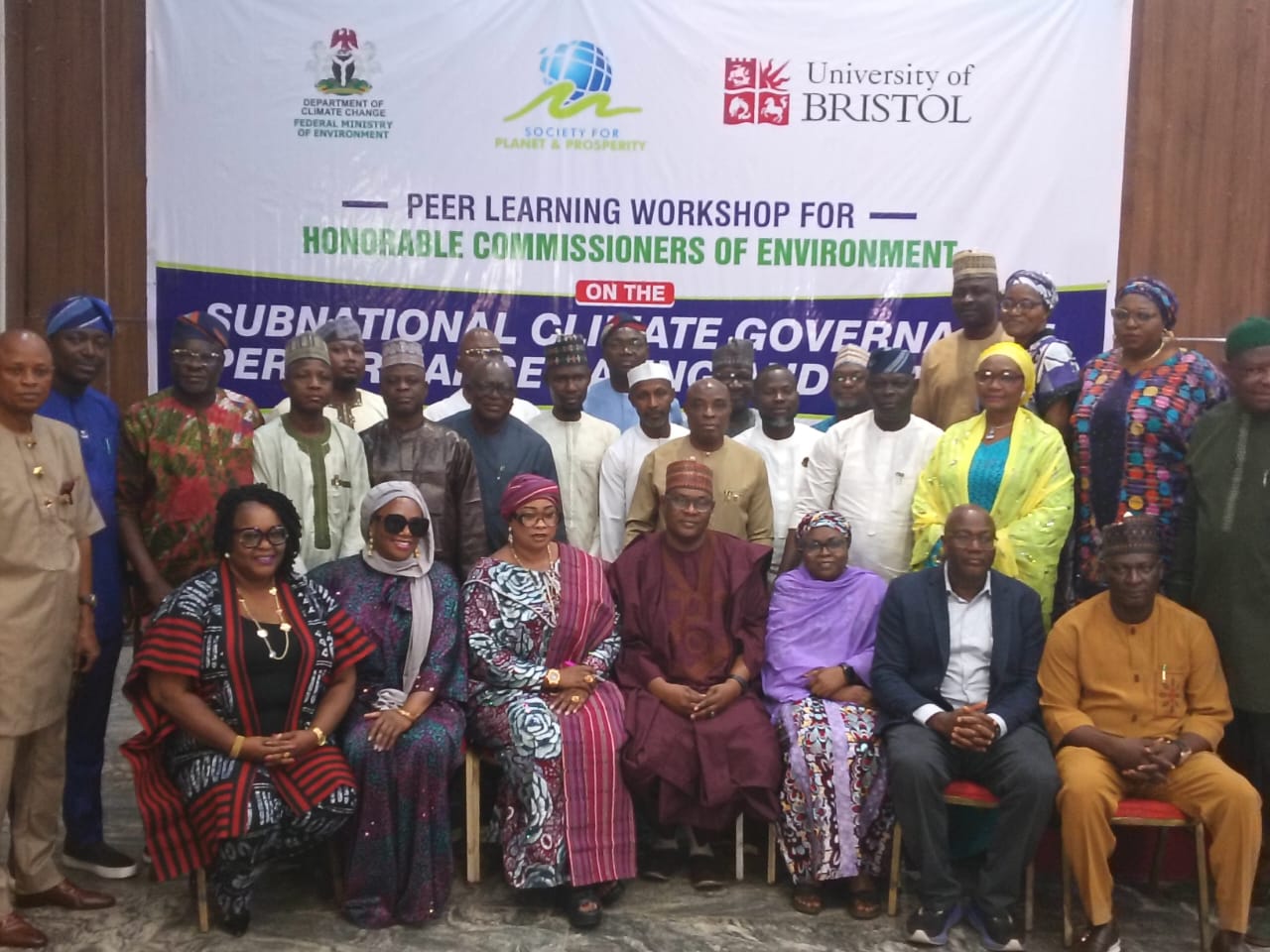
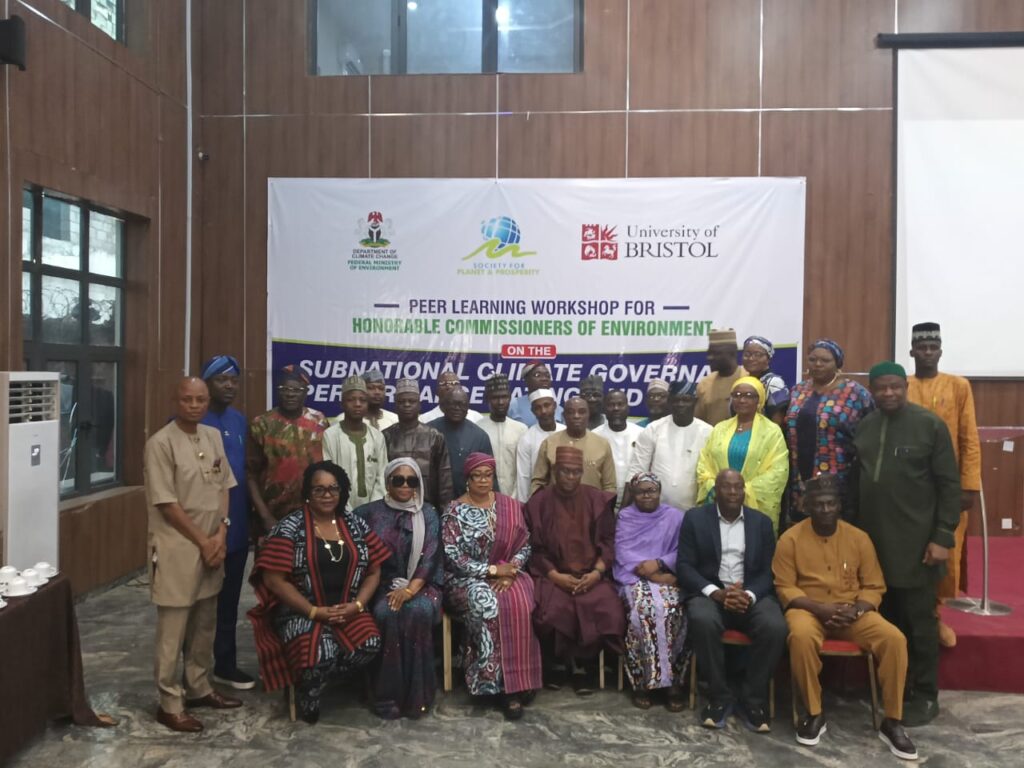
President of the Society for Planet and Prosperity, Professor Chukwumerije Okereke, on Thursday in Abuja at the the Peer Learning Workshop for Honourable Commissioners of Environment on Subnational Climate Governance Performance Rating and Ranking, said the objective of the yearly ranking is not to shame underperformers, but to encourage transparency, peer learning and accelerated action.
He said: “We are clear that this is not just about scoring. It is about galvanizing climate action at the subnational level. States are on the frontline of climate vulnerability — floods, desertification, erosion, heatwaves. Without strong state action, Nigeria cannot build meaningful resilience.”
He noted that the when the first ranking was released two years ago, skepticism trailed the exercise. Some stakeholders feared it would generate political tension or unfair comparisons, insisting that the process was evidence-based and participatory, allowing states to present documented proof of their initiatives.
He added that the outcome surprised many observers, stating that: “Between the first and second editions of the ranking, nearly all states recorded measurable improvements in climate governance performance — from the creation of climate policies and action plans to the establishment of dedicated climate institutions.”
Okereke said what we found was remarkable, “there is an incredible array of climate initiatives happening across the federation. Many states are doing far more than people assume.”
He revealed that what the assessment framework evaluates are: Existence of climate policies and action plans; Institutional arrangements, including designated commissioners or agencies responsible for climate change; Concrete implementation projects such as flood control systems, reforestation drives, renewable energy deployment and community capacity-building; Transparency and online visibility of climate information; Ability to attract and manage climate finance.
He insisted that the emphasis on climate finance reflects a key reality, noting that ambition without funding cannot translate into durable results.
He however noted that despite the progress, challenges persist, stressing that: “Many states demonstrate willingness to act but face financial constraints, limited technical expertise and inadequate institutional capacity.
Recognizing this gap, he said the organisers are expanding the initiative beyond ranking into structured peer-learning networks and tailored capacity-building programmes, stating that the aim is to help states move from drafting policies to executing them effectively.
He disclosed that at a recent gathering of state environment commissioners, participants reviewed the ranking methodology to ensure fairness and collective ownership.
“We want every state to understand the criteria and contribute to refining the framework,” he said. “If something needs adjustment, we do it together. This is a co-created process.”
Meanwhile, Commissioners of Environment have seek stronger collaboration.
The Jigawa State Commissioner of Environment and Climate Change, Nura Ibrahim, said the peer-learning engagement is expected to yield three major outcomes: targeted training programmes, stronger inter-state networking and full adoption of climate mitigation and adaptation measures.
Ibrahim, who is also the Chairman of the Commissioners’ Forum on Environment in Nigeria, said earlier concerns over unclear criteria of the ranking have largely been addressed through dialogue and transparency.
He said: “With better understanding of the methodology and engagement among commissioners, future rankings will be smoother and more impactful.”
The initiative has drawn support from development partners including the African Climate Foundation and the UK Foreign, Commonwealth & Development Office, among others. Their contributions have enabled the development of the ranking framework, technical reviews and stakeholder engagements.
Observers said such partnerships are critical as Nigeria seeks to unlock climate finance and strengthen accountability at all levels of government.
Stakeholders Say Climate Governance Ranking Drives Reform Across Nigeria’s 36 States


Zulum Delivers Relief, Cash Support to 434 Ngoshe Residents Rescued from Boko Haram
By: Our Reporter
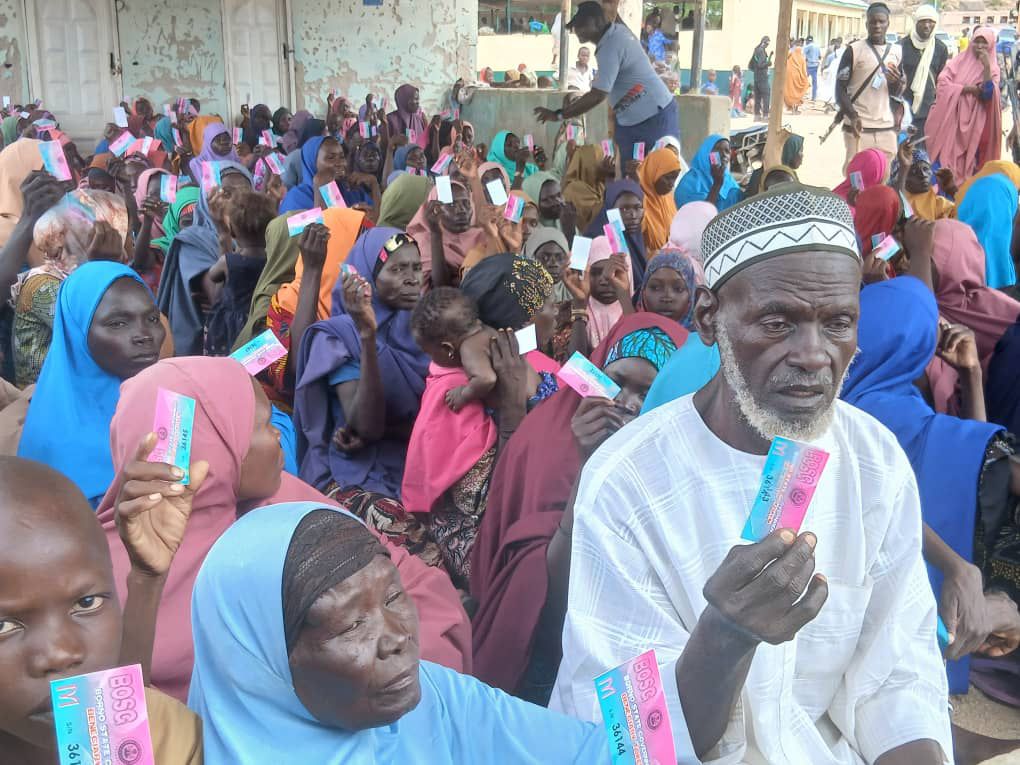
Borno State Government has distributed relief materials to 434 indigenes of Ngoshe community in Gwoza Local Government Area who were recently rescued by security agencies after spending three months in Boko Haram captivity.
Governor Babagana Umara Zulum visited the victims in Pulka on Monday and directed the immediate distribution of food and non-food items to support their recovery and reintegration.
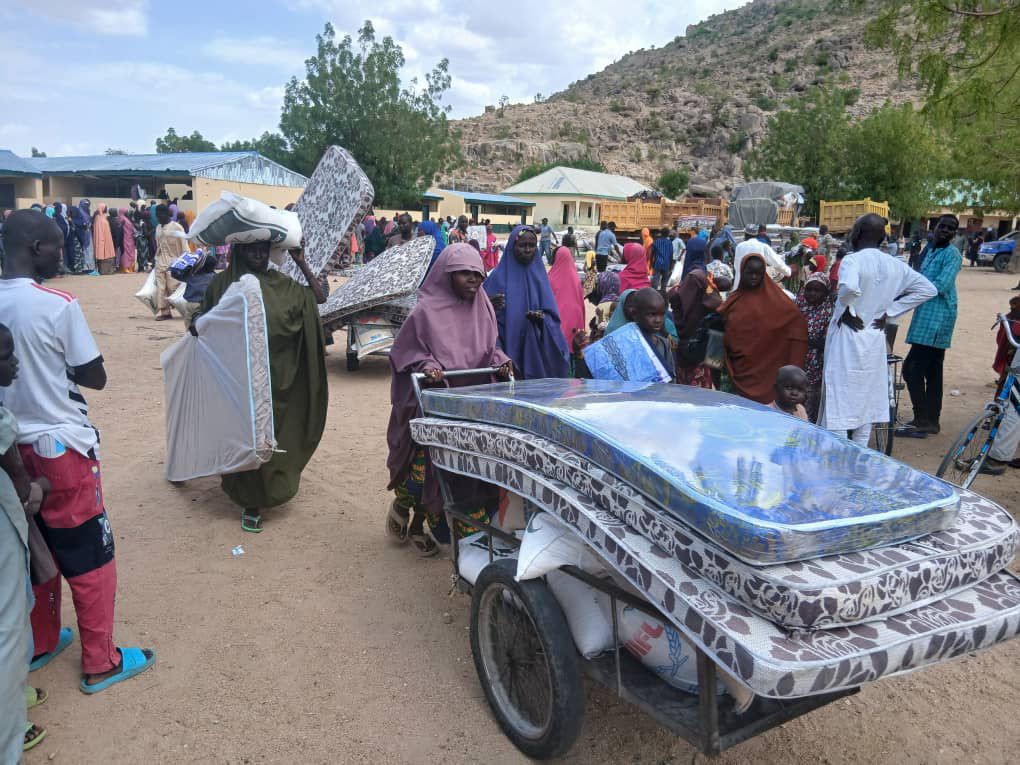
In compliance with the Governor’s directive, the Director General of the Borno State Emergency Management Agency (SEMA), Alhaji Ali Abdullahi Isa, promptly supervised the distribution exercise.
Each rescued person received a bag of rice, a bag of maize grits, a mattress, a wrapper, and a shadda, while children received two pairs of clothing.
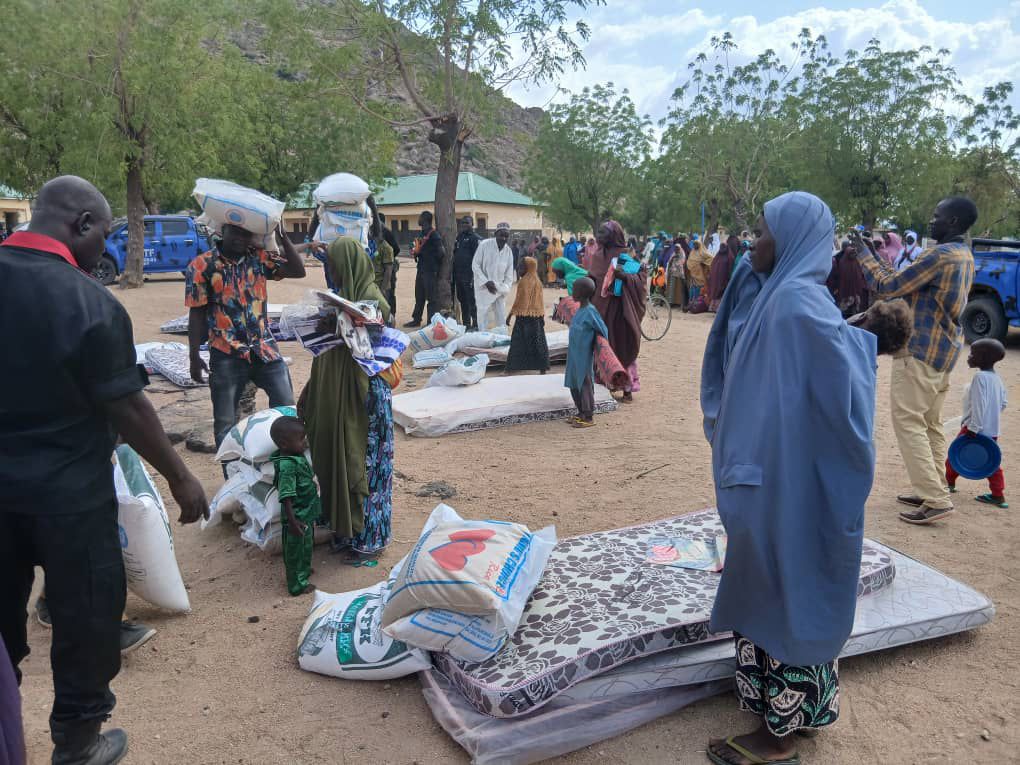
In addition, 208 heads of households received N50,000 each, fulfilling Governor Zulum’s earlier pledge of financial assistance.
Speaking during the distribution, the SEMA Director General said the intervention was part of the government’s immediate response to ease the hardship faced by the rescued victims.
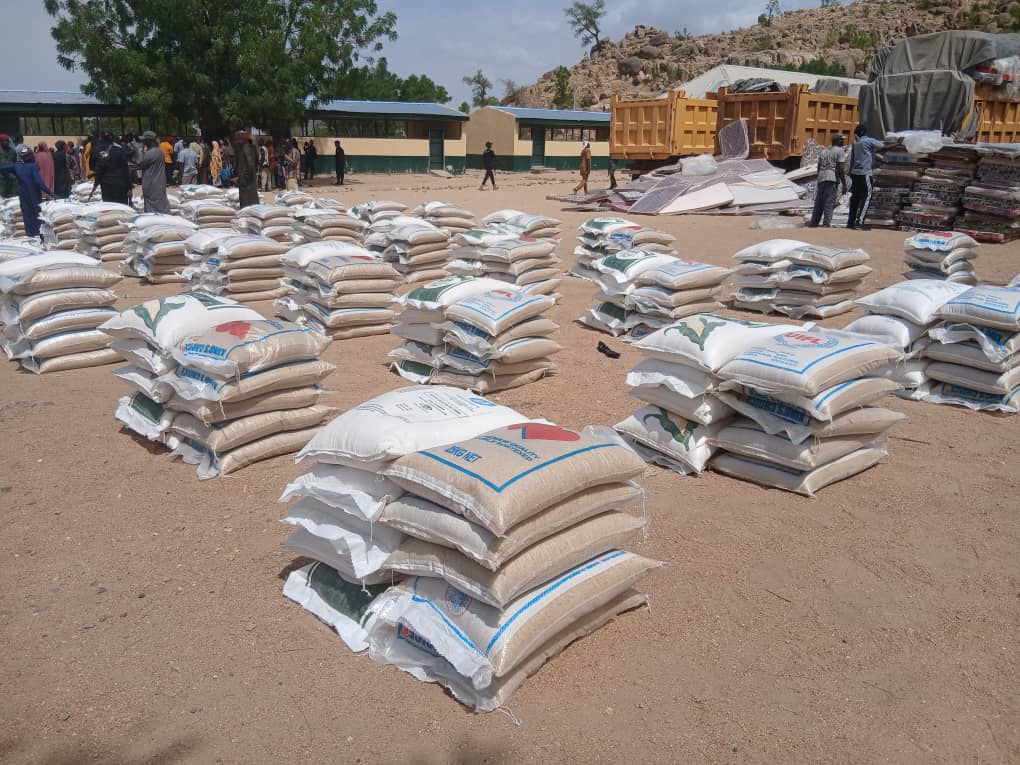
“I am here at the instance of His Excellency, Governor Babagana Umara Zulum, who was here some few days ago, and to deliver the items he directed that it should be given to you as emergency relief,” Ali stated.
The rescued individuals are currently receiving medical care and psychosocial support at a government facility. Upon completion of the rehabilitation process, they will be reintegrated into their respective communities.
The exercise was carried out alongside the Chairman of Gwoza local government, representatives of the Ngoshe community, and other officials.
Zulum Delivers Relief, Cash Support to 434 Ngoshe Residents Rescued from Boko Haram
Democracy Day: Zulum gives 2 MRAPs, other logistics to Army, celebrates with IDPs
By: Michael Mike
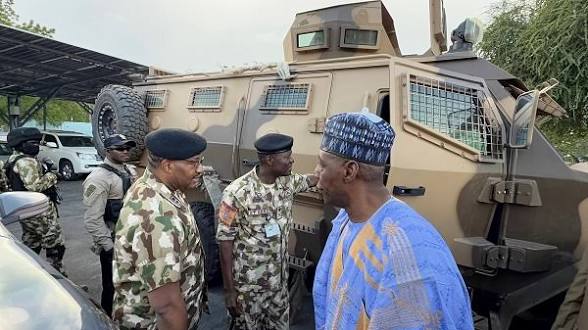
Borno State Governor, Babagana Umara Zulum, marked Democracy Day with the handover of two Mine-Resistant Ambush Protected (MRAP) vehicles and critical logistics to the Nigerian Army, after joining internally displaced persons (IDPs) for a symbolic celebration and distribution of food items to 2,500 beneficiaries.
The armoured MRAPs delivered to the Theatre Command of Operation Hadin Kai on Friday are intended to enhance troop protection against improvised explosive devices (IEDs) and ambushes which remain a persistent threat in the fight against insurgents. Additional logistics include operational Hilux vehicles and motorcycles for frontline soldiers in difficult terrains.
Zulum also marked Nigeria’s Democracy Day celebration with Internally Displaced Persons (IDPs) at the Madinatu camp where he distributed food supplies, non-food items, and cash gifts to thousands of beneficiaries.
The distribution, held at the Madinatu IDP camp, served to consolidate Zulum’s resettlement gains. Over the past seven years, Borno State Government has successfully resettled more than 2 million IDPs in their ancestral communities in a dignified and voluntary manner.
“It gladdens my heart today, the 12th of June, 2026, to celebrate June 12th, Democracy Day, here in Madinatu Camp, the only formal camp that is standing inside Maiduguri Metropolitan Council, today, to the glory of God and the benefit of mankind, for the distribution of food and non-food items. Inshallah, this camp will be closed this year. This will be our last distribution exercise in this camp, or the second to the last,” Zulum said.
However, Governor Zulum used the occasion to announce a timeline for the camp’s closure. The governor ordered that Madinatu camp be shut down within one month, vowing to similarly close most IDP camps across various Local Government Areas in the coming phase of his administration’s resettlement strategy.
“Democracy must translate into restoring the dignity of our people,” Zulum told the IDPs. “Living in camps is not a permanent solution. Our goal remains to return every displaced person to their ancestral homes with security and means of livelihood.”
In addition to the food items, Zulum approved N50,000 each for the 2,500 beneficiaries present at the event.
“Each of the 500 beneficiaries mentioned will receive a 25kg bag of rice and a 25kg bag of sorghum. Women will receive wrappers. I also promise to provide 50,000 naira to each beneficiary. This amount can be credited into their own individual accounts, inshallah,” Zulum said.
The exercise was attended by the APC’s State Deputy Chairman, Garba Mulima, APC State Vice Chairman (Central) Abdur Rahman Abdulkarim, Acting Chief of Staff, Dr Babagana Mallumbe, Member representing Jere at the State Assembly, Abba Kyari Kolo, commissioners and commissioner designates and several other senior government officials.
Democracy Day: Zulum gives 2 MRAPs, other logistics to Army, celebrates with IDPs
Gov. Yusuf Commends DSS Over Arrest of Suspected Gun Courier in Kano
By: Michael Mike
Kano State Governor, Abba Kabir Yusuf, has commended the Department of State Services (DSS) for the arrest of a suspected gun courier intercepted while allegedly transporting weapons believed to be destined for criminal elements in Katsina State.
The commendation was contained in a statement issued by the Governor’s spokesperson, Sunusi Bature Dawakin Tofa, on Thursday, June 12, 2026.
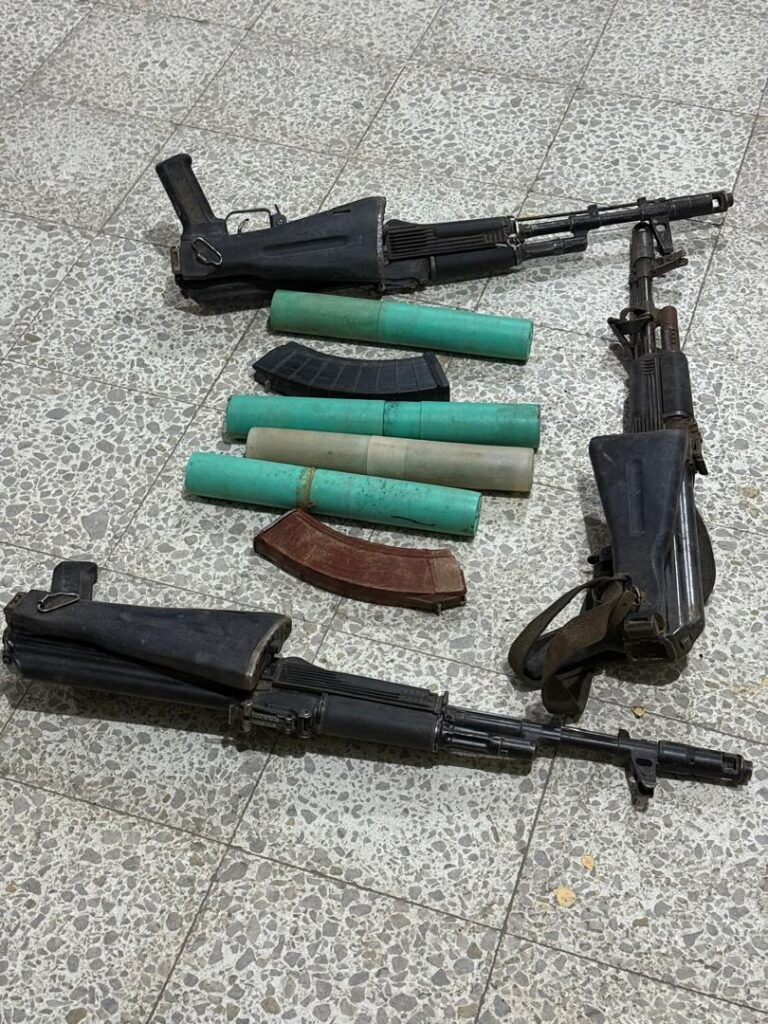
Governor Yusuf described the operation as a major breakthrough in the ongoing fight against banditry, terrorism and other violent crimes threatening communities across Northern Nigeria.
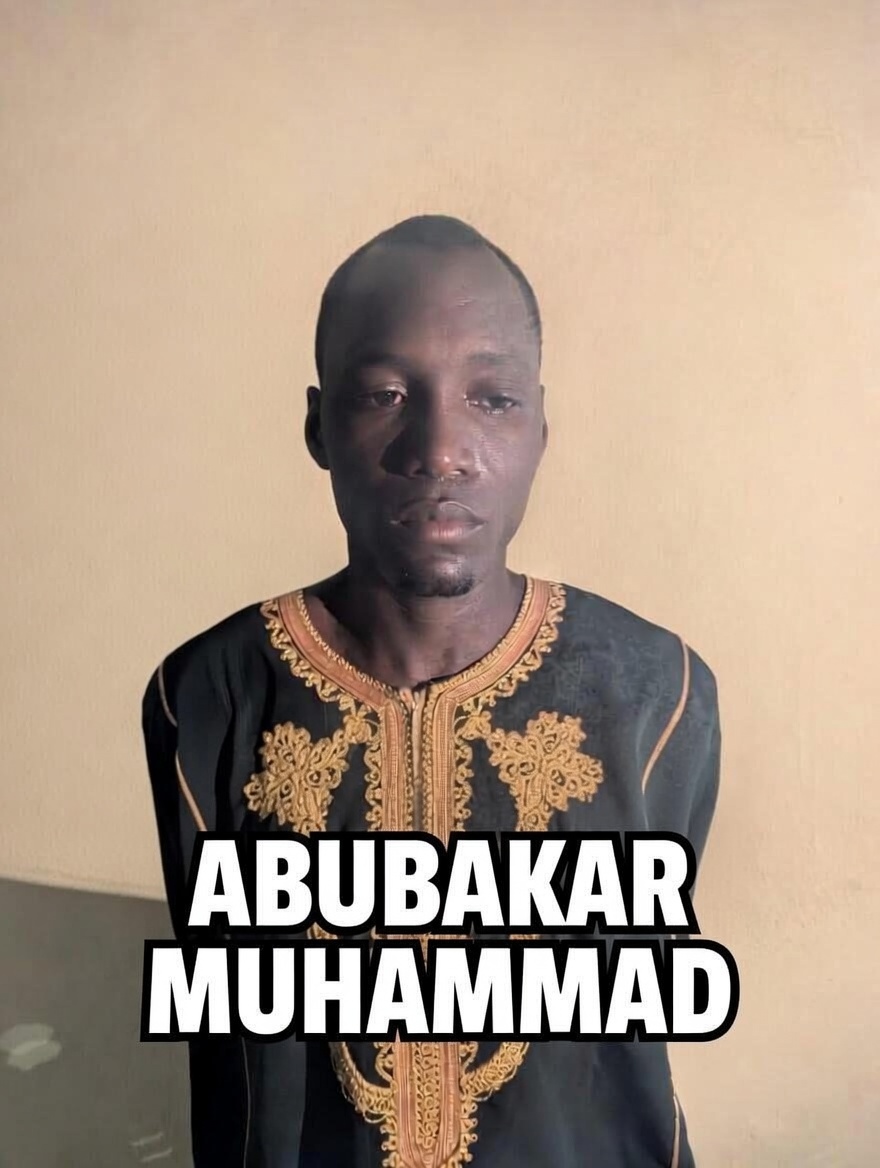
According to information provided by the DSS, the suspect, identified as Muhammad Abubakar, 30, was apprehended in Gezawa Local Government Area of Kano State while allegedly transporting four rocket-propelled grenade (RPG) tubes, three AK-47 rifles and two empty magazines to Funtua in Katsina State.
Preliminary investigations reportedly revealed that the suspect collected the weapons from an individual identified as Bello in the Maigatari border area of Jigawa State and was expected to receive N450,000 upon successful delivery of the arms.
Governor Yusuf praised the professionalism, vigilance and intelligence-driven approach of DSS operatives, noting that the timely interception prevented the weapons from falling into the hands of bandits and other criminal groups.
He said the operation underscored the critical role of intelligence gathering and effective collaboration among security agencies in tackling emerging security threats across the country.
The governor reaffirmed the commitment of the Kano State Government to supporting security agencies through sustained cooperation, logistics assistance and policies aimed at strengthening public safety throughout the state.
He also urged residents to remain vigilant and continue providing credible information to security agencies to aid efforts to combat crime and maintain peace.
Governor Yusuf expressed confidence that ongoing investigations would lead to the arrest and prosecution of all individuals connected to the alleged arms trafficking network.
The statement was signed by Sunusi Bature Dawakin Tofa, Director General, Media and Publicity, Government House, Kano.
Gov. Yusuf Commends DSS Over Arrest of Suspected Gun Courier in Kano

Zulum Delivers Relief, Cash Support to 434 Ngoshe Residents Rescued from Boko Haram

DEMOCRACY AND THE COURAGE TO BELIEVE

Army Distributes Fertiliser to Farmers in Jigawa Under Civil-Military Cooperation Programme

Roger Federer’s Shock as DNA Results Reveal Myla and Charlene Are Not His Biological Children

THE PLIGHT OF FARIDA

FAILED COUP IN BURKINA FASO: HOW TRAORÉ NARROWLY ESCAPED ASSASSINATION PLOT AMID FOREIGN INTERFERENCE CLAIMS
-
 News2 years ago
Roger Federer’s Shock as DNA Results Reveal Myla and Charlene Are Not His Biological Children
-
Opinions4 years ago
THE PLIGHT OF FARIDA
-
 News1 year ago
FAILED COUP IN BURKINA FASO: HOW TRAORÉ NARROWLY ESCAPED ASSASSINATION PLOT AMID FOREIGN INTERFERENCE CLAIMS
-

 News2 years ago
EYN: Rev. Billi, Distortion of History, and The Living Tamarind Tree
-
 Opinions4 years ago
POLICE CHARGE ROOMS, A MINTING PRESS
-

 ACADEMICS2 years ago
A History of Biu” (2015) and The Lingering Bura-Pabir Question (1)
-

 Columns2 years ago
Army University Biu: There is certain interest, but certainly not from Borno.
-

 Politics1 year ago
2027: Why Hon. Midala Balami Must Go, as Youths in Hawul and Asikira/Uba Federal Constituency Reject ₦500,000 as Sallah Gift
