
News
The Body Shop Opens in Abuja

The Body Shop Opens in Abuja
… Deputy British High Commissioner Describes Nigeria as High Growth Market
By: Michael Mike
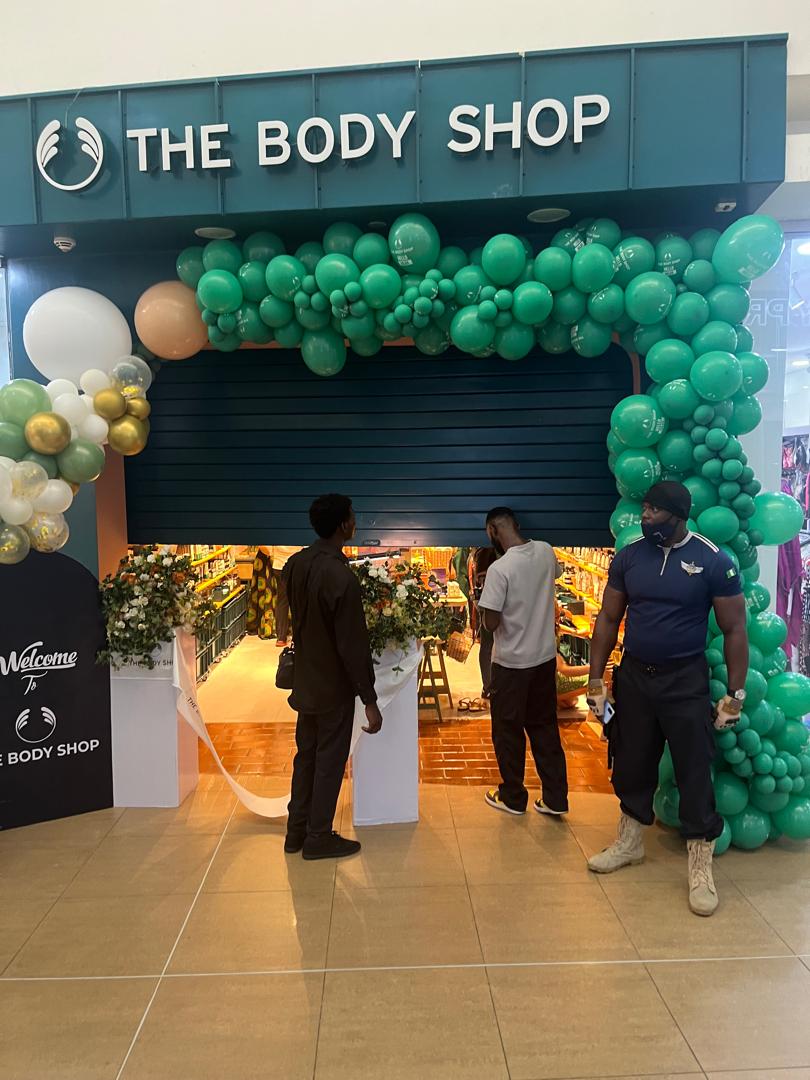
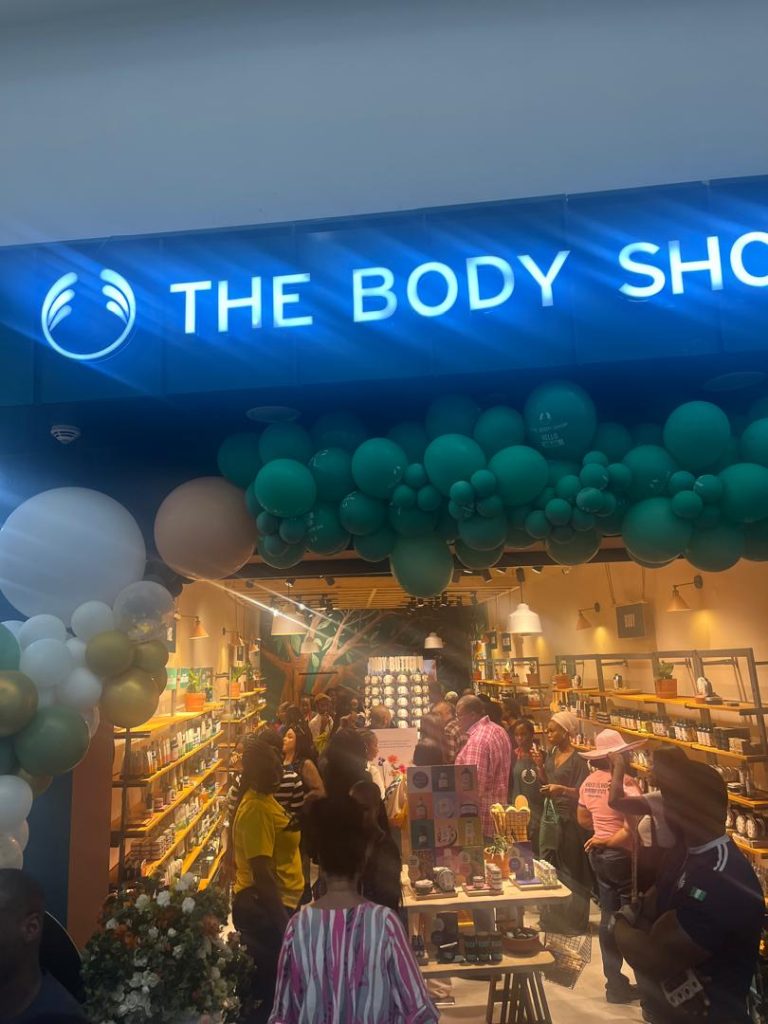
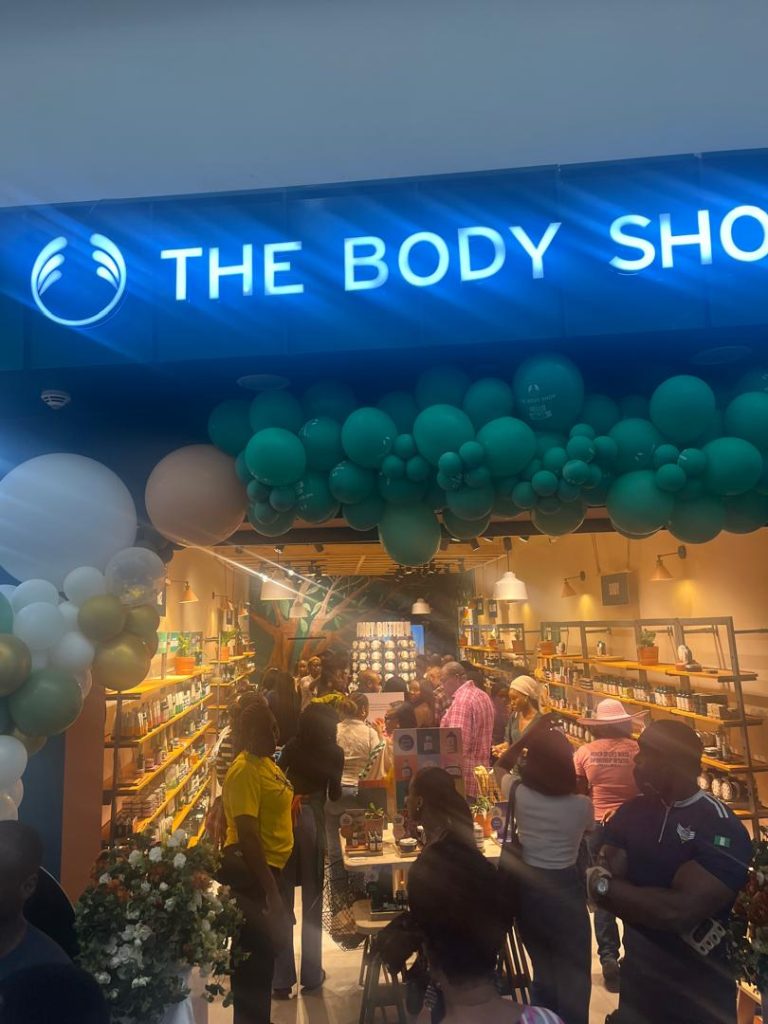
The Body Shop, 48 years after its establishment in Brighton, England has opened its first store in West Africa. The store was opened in Abuja, Nigeria’s capital on Saturday.
The latest addition to the renowned British cosmetics, skincare and perfume company which was established in 1976 by Anita Roddick was opened at the Jabi Mall by the British Deputy High Commissioner to Nigeria, Gill Lever.
Speaking at the opening, Lever said it was a momentous occasion showing growing economic partnership between the United Kingdom and Nigeria. She equally noted that the UK’s Department for Business and Trade has identified Nigeria as a high-growth market.
Lever said: “It is an absolute pleasure to join you today to celebrate the launch of The Body Shop here in Nigeria. This is a momentous occasion, not only for The Body Shop as a pioneering UK brand but also for the growing economic partnership between the United Kingdom and Nigeria.
“What better moment than International Women’s Day to celebrate the arrival of The Body Shop in Nigeria. This launch is more than just the opening of a store—it is a statement of intent. It represents the power of ethical business, the strength of UK-Nigeria collaboration, and the unwavering commitment to female empowerment.”
She added that: “The Body Shop’s arrival in Nigeria is a testament to the strength of UK-Nigeria trade relations and the immense potential of the Nigerian market. As a brand rooted in ethical values, sustainability, and community empowerment, The Body Shop aligns perfectly with the aspirations of Nigerian consumers who increasingly value quality, authenticity, and responsible business practices.”
The Deputy High Commissioner disclosed that: “In 2023, the total trade in goods and services between the UK and Nigeria was valued at £7.8 billion, representing and increase from £6.9 billion in 2022.
“Nigeria is the UK’s second-largest trading partner in Africa, and the UK is one of the largest foreign investors in Nigeria, with investments spanning sectors such as energy, finance, and retail.
“The UK’s Department for Business and Trade has identified Nigeria as a high-growth market, with a young, dynamic population of over 200 million people and a rapidly expanding middle class.”
She noted that: “The Body Shop’s entry into Nigeria is a clear signal of the confidence UK businesses have in this market. It also reflects the shared commitment of both our nations to fostering sustainable and inclusive economic growth.
“The Body Shop is not just a beauty brand; it is a movement. Founded in the UK in 1976, it has been a trailblazer in promoting ethical consumerism, fair trade, and environmental sustainability.
“The Body Shop sources many of its ingredients through its Community Trade program, which supports over 25,000 people globally, including farmers and artisans in developing countries.
“The brand is also committed to fighting climate change, with initiatives to reduce carbon emissions and promote renewable energy.
“By bringing these values to Nigeria, The Body Shop is not only offering high-quality products but also contributing to the empowerment of local communities and the protection of our planet.
“The launch of The Body Shop in Nigeria is a milestone, but it is also a stepping stone toward an even brighter future for UK-Nigeria trade.
Lever said: “The UK’s Developing Countries Trading Scheme (DCTS), launched in 2023, provides Nigerian businesses with preferential access to the UK market, reducing tariffs and simplifying trade rules.
“We are also working closely with Nigerian partners to address challenges such as infrastructure development, access to finance, and skills training, ensuring that trade benefits all segments of society.
“As we celebrate today, let us also look ahead to the opportunities that lie before us. Together, we can build a trade relationship that is not only prosperous but also sustainable and inclusive.”
The envoy congratulated Shalom Lloyd and The Body Shop Team on the exciting new chapter in Nigeria, stating that: “Your presence here is a symbol of the strong ties between our two nations and a reminder of the power of trade to create positive change.”
She added that: “To the Nigerian people, I say: The UK is committed to being your partner in progress. We believe in your potential, and we are here to support your aspirations.”
According to a pre-launch statement, the people behind the franchise not just entrepreneurs—they are changemakers. Their commitment to female empowerment extends beyond the beauty industry into healthcare, economic development, and sustainability.
Edward Nnadi (CEO) and Shalom Lloyd (MD) are British Nigerians whose businesses are built on purpose and impact before profit. Some of their businesses that span across the UK and Nigeria are Jean Edwards Consulting (UK and Nigeria); Naturally Tiwa Skincare (UK); Naturally Tribal Nigeria; eMQT (UK); Jean Edwards Oils Limited Abuja; and The IVY League Abuja.
A Strong and Meaningful Partnership
It is clear why this partnership between The Body Shop and its franchisees in Nigeria is such a good match. Both share a passion for ethical business, sustainability, and women’s empowerment. This launch is just the beginning, and there is no doubt it will inspire even more impactful collaborations between the UK and Nigeria.
The statement revealed that the franchises have been offering free cervical cancer screening across Nigeria, actively working to save lives through early detection; they are deeply involved in creating employment opportunities for Nigerian women in the shea industry, ensuring fair wages and ethical sourcing for an industry that supports 16 million rural women across Africa.
The Body Shop Nigeria is more than a beauty business—it is a movement that uplifts, empowers, and transforms lives; according to the statement.
The Body Shop Opens in Abuja


Borno LG boss warns residents against illegal tree felling
By Peter Uwumarogie
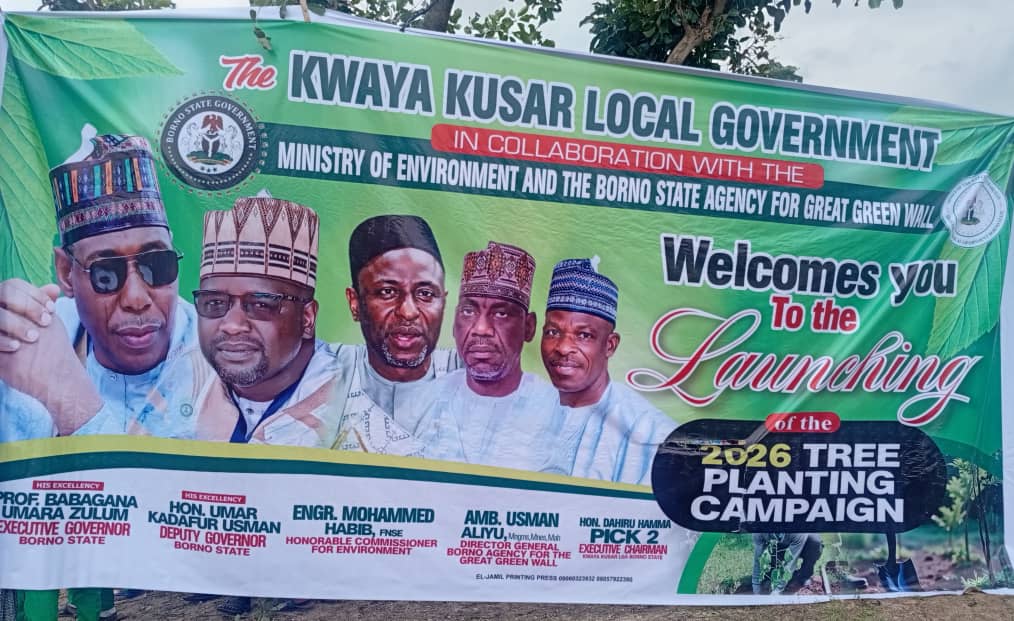
Kwaya Kusar Local Government Area of Borno State, on Thursday launched its tree planting campaign, while distributing 150, 000 tree seedlings to residents.
The campaign is in collaboration with the State’s Ministry of Environment and the state’s Agency for the Great Green Wall.
Launching the campaign in Bila Kutiki community in Kwaya Kusar LGA, Engr Mohammed Habib, Borno Commissioner for Environment commended the council for the initiative which he said aligned with Gov. Babagana Zulum’s environment agenda.
Habib, represented by Mr Aliyu Yusuf, the Director of Forestry and Wildlife Services at the Ministry stated that Borno State faced serious environmental challenges such as desertification, deforestation, soil erosion, and the impact of climate change.
He said that it was in that regard that his ministry would continue to provide support and embrace partnership to ensure the success of the afforestation initiative of the state.
He urged the Kwaya Kusar community to maintain the trees, stressing that “planting is easy, but nurturing to maturity is what will give us the real impact.”
Hon. Dahiru Hamma, the chairman of Kwaya Kusar LGA said that the move to distribute the seedlings was a response to the activities of illegal tree felling and its impact on communities in the council.
Hamma said that the gesture would complement the state government’s efforts at combating climate change and protecting the environment for the future generations to inherit a greener and healthy environment.
“We are today launching and releasing 150,000 seedlings which comprises Casia plant, black current, Mahogany, Eucalyptus, Tamarine, Cashew, malena, mango, zaytoun, Bamboo tree, neem plant, amongst others,” he said.
The chairman appealed to residents to ensure adequate protection and sustainability of the trees, while warning against illegal tree felling in the council.
According to him, anyone caught engaging in illegal tree felling will be prosecuted in accordance with the laws of the state.
He commended Zulum and the Emir of Biu, Alhaji Mustapha Umar-Mustapha II for their support and commitment to environmental restoration.
Alhaji Mohammed Abubakar, the secretary of Biu Emirate Council who represented the emir, urged residents to ensure sustainability of the trees, stating that trees among others help serve as wind breakers to protect houses.
Borno LG boss warns residents against illegal tree felling
Zulum Hosts 4th UN Offer Meeting, Seeks Stronger UN, Donor Investment for Borno’s Recovery
By: Our Reporter
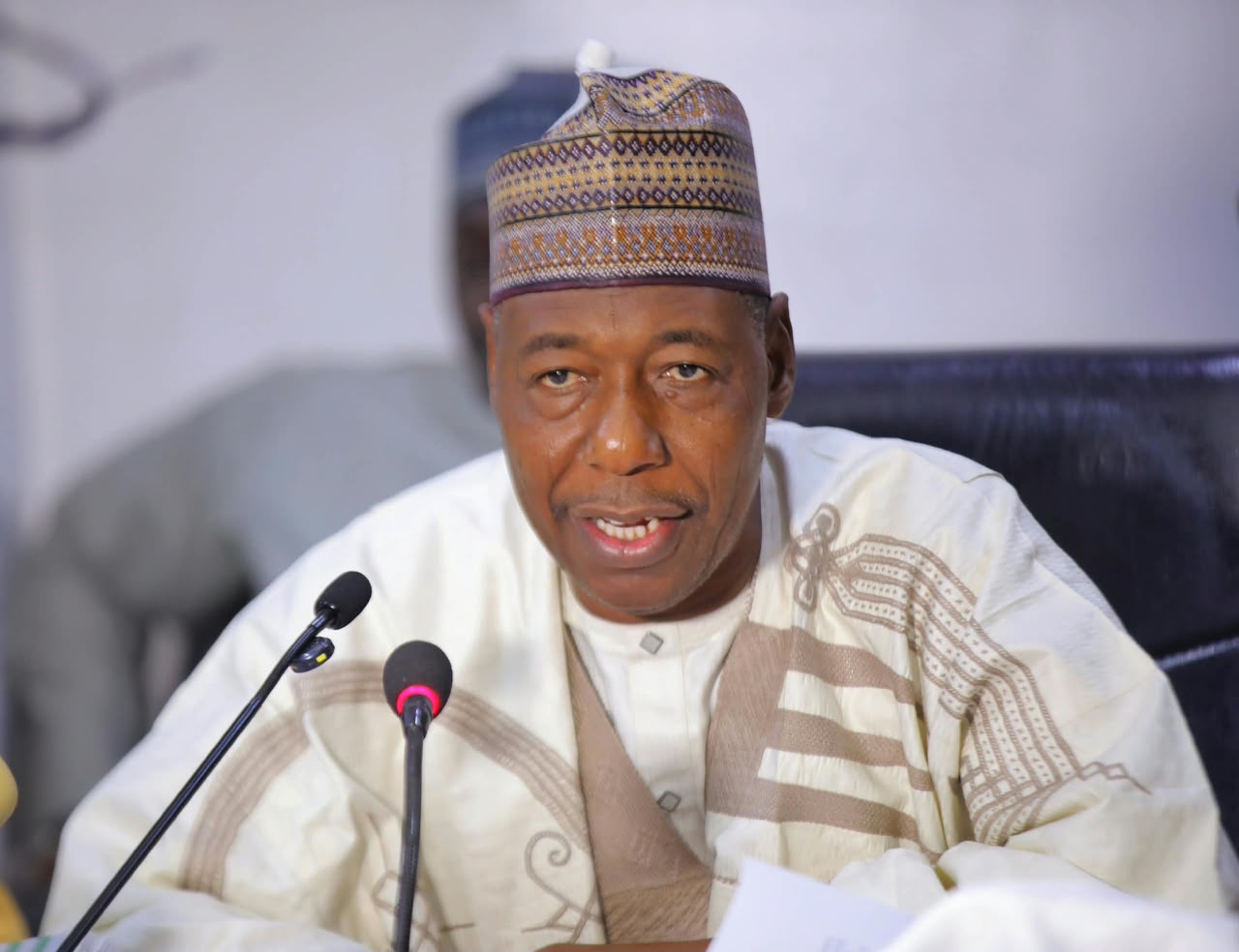
Borno State Governor, Professor Babagana Umara Zulum, has called for stronger collaboration and co-investment between the state government, the Federal Government, the United Nations, development partners, international financial institutions, and the private sector to accelerate recovery and sustainable development in the state.
Zulum made the call on Thursday at the Council Chambers of the Government House, Maiduguri, at the fourth Project Board Meeting of the United Nations Offer to Support the Borno Model and the Steering Committee Meeting of the Peacebuilding Fund.
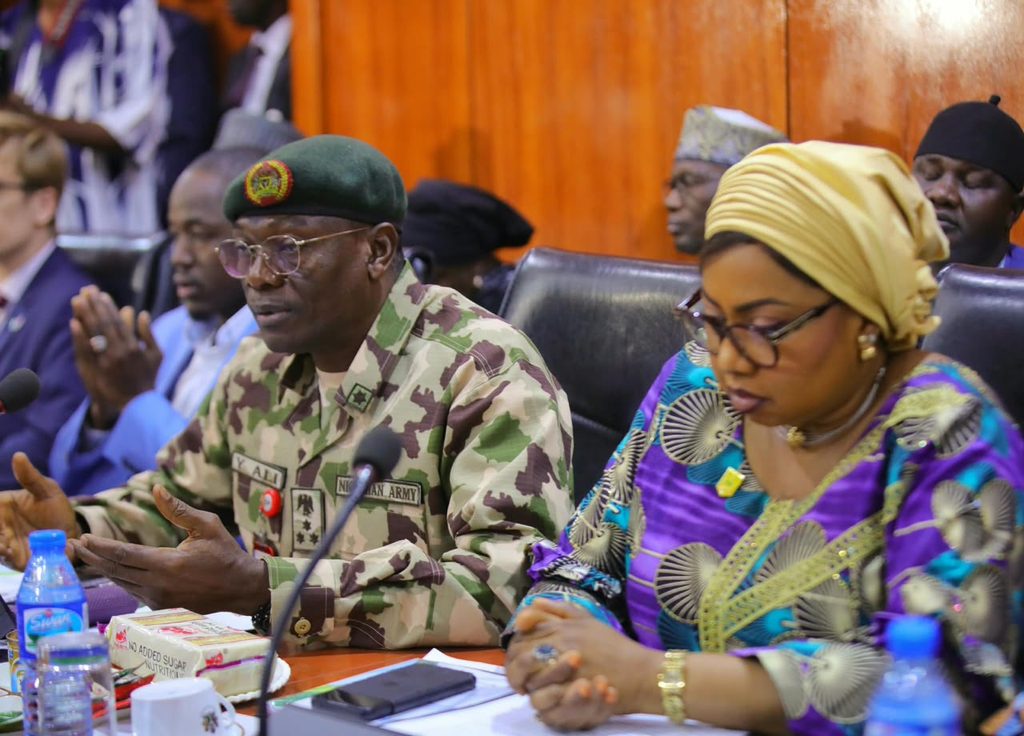
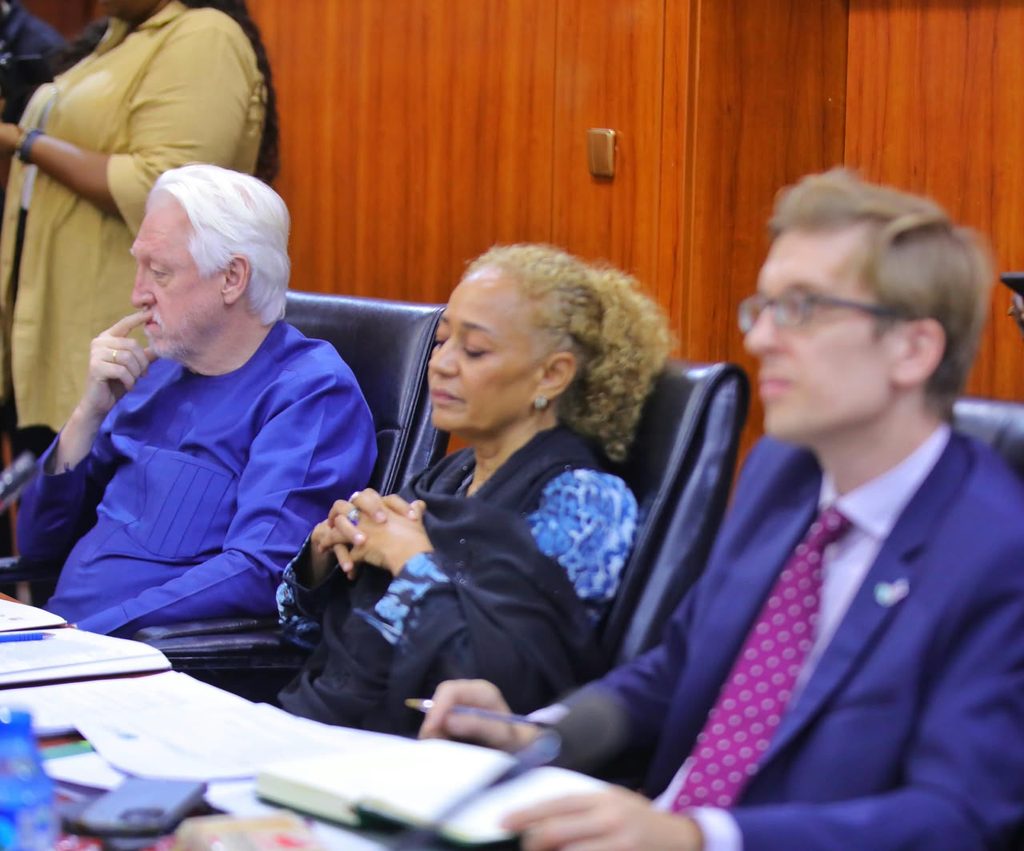
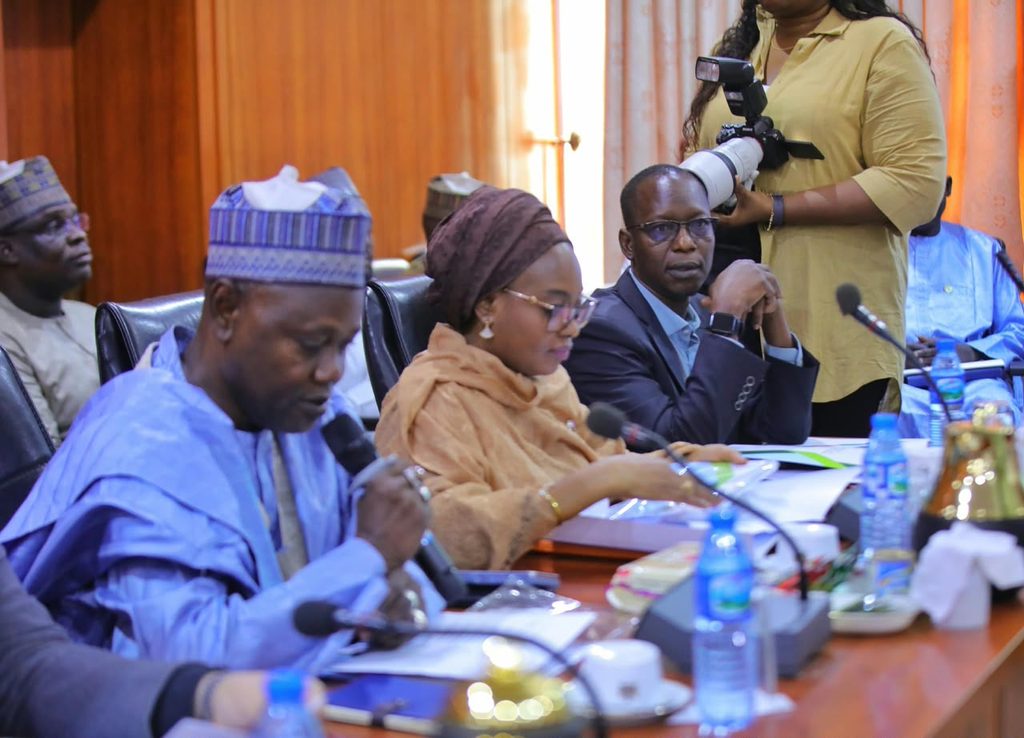
A Federal Government delegation, the United Nations, Development Partners, and Donor agencies attended the meeting.
The governor said the decision to hold the high-level meeting in Maiduguri reflected Borno’s strategic importance in national and international efforts towards peacebuilding, stabilization, recovery and sustainable development in Nigeria’s North-East.
He commended the United Nations, donor countries and development partners for their financial and technical support, noting that their interventions had improved the lives of vulnerable people and communities affected by more than a decade of insurgency.
According to Zulum, the Peacebuilding Fund and the UN Offer have helped to move support beyond immediate humanitarian relief to critical areas such as reconciliation, reintegration, livelihood support, social cohesion and institutional strengthening.
“We recognize that progress in Borno is a product of strong partnerships among the state government, the United Nations, development partners, communities, the Federal Government and other stakeholders,” Zulum stated.
He described the development of the Borno Model legal framework as a major product of the partnership between the state government and the United Nations, saying it would provide a stronger institutional foundation for peace, recovery, social cohesion and development.
Zulum said Borno was at a critical transition point, moving from humanitarian response to recovery, reconstruction, resilience and long-term development.
He identified the state’s priority areas to include rebuilding conflict-affected communities, restoring basic services, expanding education and skills development, creating jobs, supporting women and young people, strengthening local institutions, and enabling displaced and returning residents to rebuild their lives in dignity.
The governor also advocated increased investment in agriculture, small and medium-scale enterprises, vocational training, digital opportunities and value-chain development.
“With the right investment in infrastructure, skills and enterprise development, Borno can move from being viewed primarily through the lens of crisis to being recognized as a center of economic opportunity in the North-East,” he added.
The governor said the Borno State Government has committed more than 70% of its budget over the last seven years to security, support for internally displaced persons and refugees, reconstruction of schools, houses, health facilities and markets, and livelihood opportunities for people affected by the insurgency.
He said the investments aimed to restore dignity, build resilience, and sustain peace across the state.
“Our collective objective must now be to build on what has been achieved, scale up what works, and ensure that the people of Borno fully benefit from the transition from humanitarian assistance to medium- and longer-term sustainable and durable solutions,” he said.
The governor commended the Minister of Budget and Economic Planning, Senator Abubakar Atiku Bagudu; the United Nations Resident and Humanitarian Coordinator, Mr Mohammed Fall; and the UNDP Resident Representative, Ms Elsie Attafuah, for their support and commitment to Borno’s recovery.
He also acknowledged contributions by Germany, the United Kingdom, Switzerland, the Office of the National Security Adviser, the Armed Forces, the Nigeria Police Force, the Federal Ministry of Justice and other stakeholders.
Zulum reaffirmed his administration’s commitment to provide the leadership, institutional support, and coordination needed to sustain partner-supported programs beyond their project lifespan.
Minister of Budget and Economic Planning, Senator Abubakar Atiku Bagudu, noted that the challenges confronting the Northeast should not be viewed solely as humanitarian crises, but also as opportunities for long-term investment and sustainable development.
He stressed the need for coordinated financing and closer collaboration among the federal and state governments, the United Nations, and development partners to achieve the desired outcome.
The Minister particularly commended Borno State Governor, Professor Babagana Umara Zulum, for providing trusted leadership and coordinating the state’s response to the complex challenges confronting its people.
He also lauded the United Nations, development and donor partners for the continuous support to the victims of the Boko Haram conflict.
United Nations Resident and Humanitarian Coordinator,
Mr. Mohammed Malick Fall and UNDP Resident Representative, Ms. Elsie Attafuah, expressed their commitment to continue supporting the project and commended the leadership of Governor Babagana Zulum.
Zulum Hosts 4th UN Offer Meeting, Seeks Stronger UN, Donor Investment for Borno’s Recovery
Operation FANSAN YAMMA: Troops Rescue 10 Kidnap Victims in Kebbi, Zamfara, Sokoto
By Zagazola Makama
Troops of the Joint Task Force North West, Operation FANSAN YAMMA, have rescued 10 kidnapped civilians in separate operations across Sokoto, Kebbi and Zamfara States, further intensifying military pressure on terrorist and kidnapping networks operating in the region.
The latest rescue operations, conducted between August 18 and 19, followed a combination of intelligence-driven searches, aggressive patrols and rapid responses to terrorist activities across the Joint Operations Area.
In Isa Local Government Area of Sokoto State, troops conducting a patrol on August 19 encountered an ambush by suspected terrorists.
The troops immediately engaged the attackers, forcing them to flee in disarray and abandon the area.
During the encounter, soldiers rescued five civilians who had been held by the terrorists. The victims were subsequently reunited with their families.
Troops also recovered two motorcycles abandoned by the fleeing terrorists.
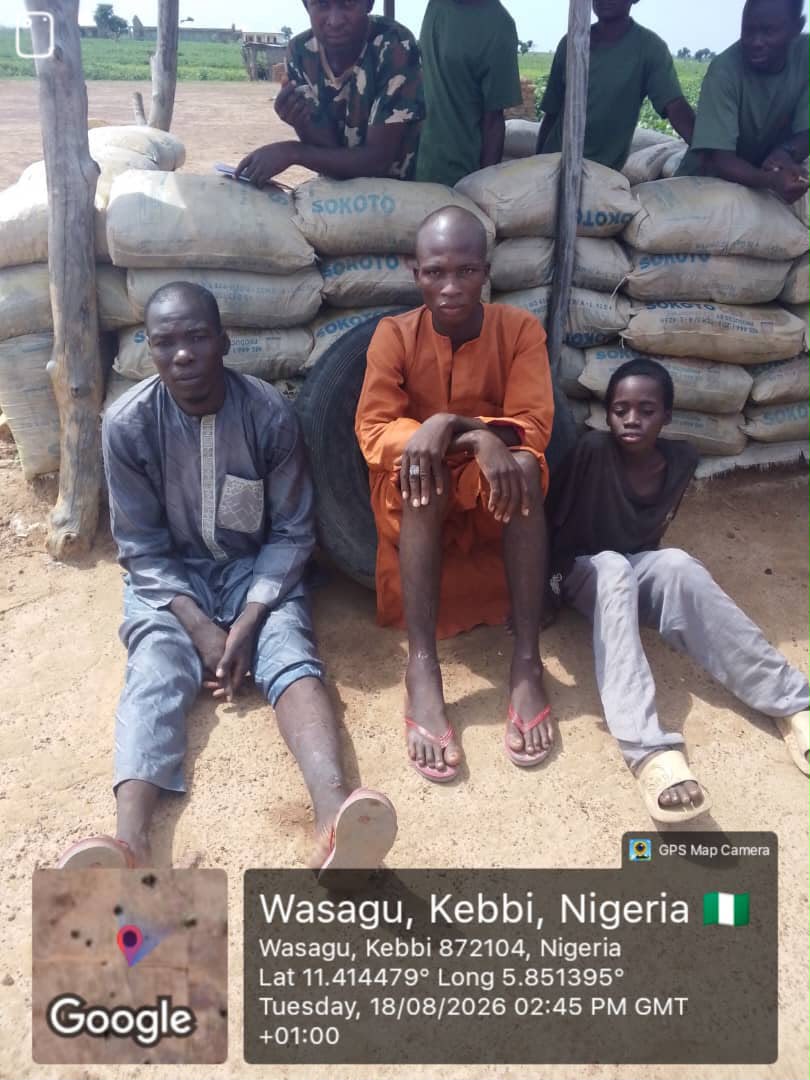
In a separate operation on August 18, troops acting on intelligence concerning the abduction of three persons launched a search-and-rescue operation in Danko Wasagu Local Government Area of Kebbi State.
The operation resulted in the successful rescue of all three victims.
The rescued civilians were profiled before being handed over to the appropriate local authorities for further assistance and reunification with their families.
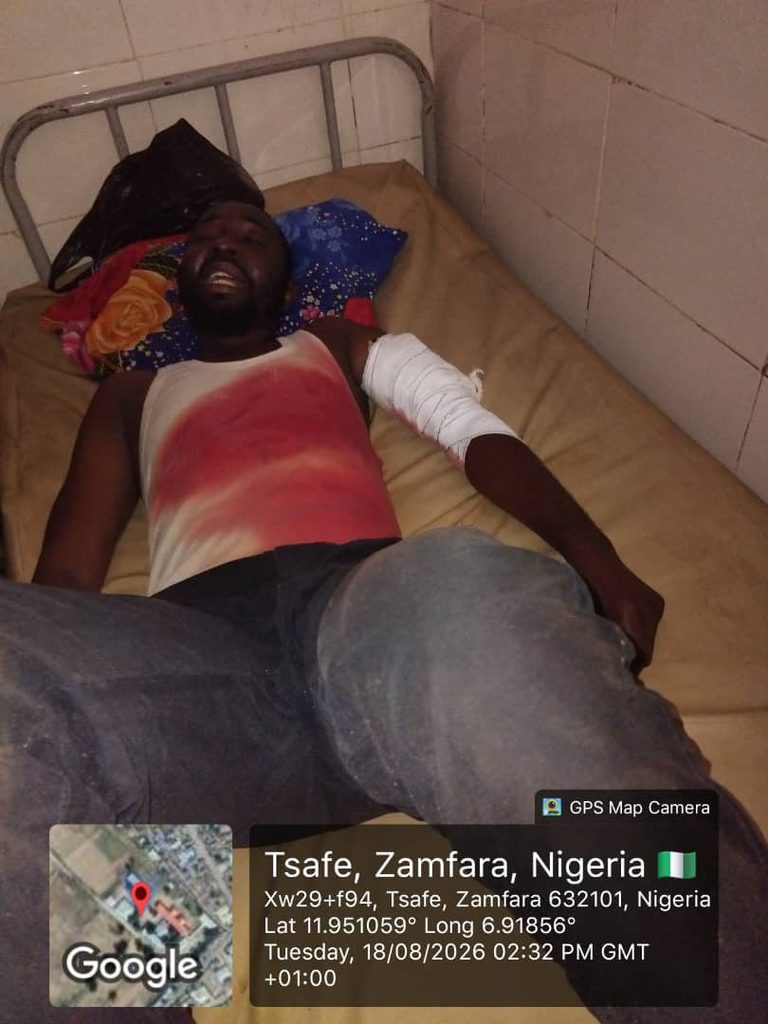
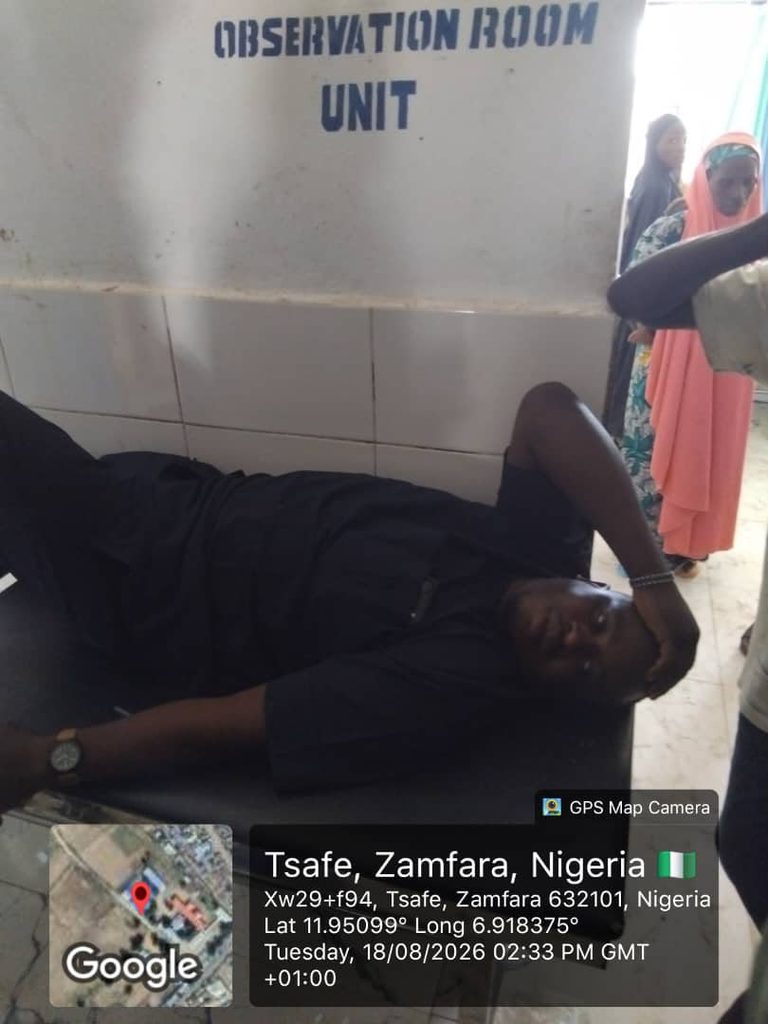
Similarly, troops responded to intelligence on terrorist activity in Tsafe Local Government Area of Zamfara State on August 18.
The rapid mobilisation of troops forced the terrorists to abandon their captives and flee into the surrounding terrain.
Two kidnapped victims were rescued during the operation.
The victims had sustained gunshot wounds during their captivity and were immediately evacuated to a medical facility for urgent treatment.
Military sources said troops have continued efforts to track the fleeing terrorists and prevent them from regrouping or carrying out further attacks in surrounding communities.
The series of operations highlights the importance of rapid military response to distress calls and actionable intelligence, particularly in areas where terrorists and kidnappers exploit difficult terrain to hold victims and launch attacks on civilians.
The Theatre Command has commended the troops for their vigilance, courage and swift response during the operations, while reaffirming its determination to sustain pressure on terrorist elements across the Joint Operations Area.
Residents have also been urged to continue providing timely and credible information to security forces to support ongoing operations and enhance the protection of lives and property.
The Theatre Command said the cooperation of communities remains critical to denying terrorists freedom of action and ensuring the safe return of kidnapped victims.
Operation FANSAN YAMMA: Troops Rescue 10 Kidnap Victims in Kebbi, Zamfara, Sokoto

Borno LG boss warns residents against illegal tree felling

Zulum Hosts 4th UN Offer Meeting, Seeks Stronger UN, Donor Investment for Borno’s Recovery

US: Nigeria, Kenya Lose $286m Annually to Uncollected Music Revenue

Roger Federer’s Shock as DNA Results Reveal Myla and Charlene Are Not His Biological Children

THE PLIGHT OF FARIDA

FAILED COUP IN BURKINA FASO: HOW TRAORÉ NARROWLY ESCAPED ASSASSINATION PLOT AMID FOREIGN INTERFERENCE CLAIMS
-
 News2 years ago
Roger Federer’s Shock as DNA Results Reveal Myla and Charlene Are Not His Biological Children
-
Opinions5 years ago
THE PLIGHT OF FARIDA
-
 News1 year ago
FAILED COUP IN BURKINA FASO: HOW TRAORÉ NARROWLY ESCAPED ASSASSINATION PLOT AMID FOREIGN INTERFERENCE CLAIMS
-

 News2 years ago
EYN: Rev. Billi, Distortion of History, and The Living Tamarind Tree
-
 Opinions5 years ago
POLICE CHARGE ROOMS, A MINTING PRESS
-

 ACADEMICS2 years ago
A History of Biu” (2015) and The Lingering Bura-Pabir Question (1)
-

 Columns2 years ago
Army University Biu: There is certain interest, but certainly not from Borno.
-

 Politics1 year ago
2027: Why Hon. Midala Balami Must Go, as Youths in Hawul and Asikira/Uba Federal Constituency Reject ₦500,000 as Sallah Gift
