
Politics
The Unmatched Humility of Vice President Kashim Shettima: A Testament to Leadership in Nigeria


The Unmatched Humility of Vice President Kashim Shettima: A Testament to Leadership in Nigeria
By: Dr. James Bwala
In the complex landscape of Nigerian politics, leadership often comes with profound challenges, especially in a nation marked by diverse cultures, religions, and regions. In this milieu, humility emerges as a crucial trait for effective leadership. What Vice President Kashim Shettima said at the gathering in Enugu, where he received Governor Peter Mbah and thousands of decampees, reveals his strategic formula for winning oppositions both on political and personal grounds. “I find myself in a unique position, serving as the Vice President of Nigeria, and yet, it is important to acknowledge the exemplary leadership of my governor, Professor Babagana Umara Zulum of Borno State… My experience underlines an irrefutable truth.” Indeed, true leaders inspire through their humility and ethical governance, benefiting both their immediate constituency and the broader nation.

Vice President Kashim Shettima has not only been a significant figure in Nigeria’s political sphere but also a testament to the power of humility in leadership. Historically, Nigerian political dynamics have often revolved around power plays, tribal affiliations, and sycophantic politics, where loyalty is frequently bought rather than earned. In contrast, Shettima’s relationship with his governor offers a refreshing perspective—one rooted firmly in respect and recognition of genuine leadership capabilities. The indispensable nature of humility in governance, as exemplified by the unique relationship between Vice President Shettima and Governor Zulum, goes beyond politics.
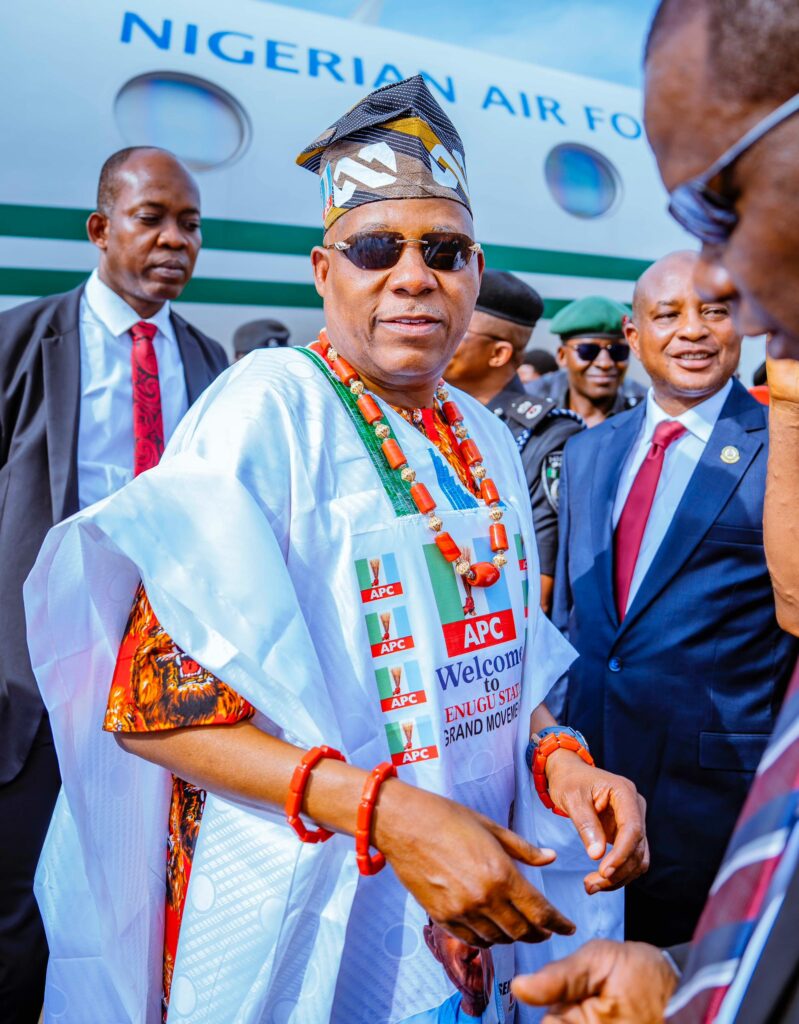
First, it is imperative to delineate what we mean by humility in leadership. Humility is often misconstrued as weakness or submissiveness; however, in the realm of effective governance, it denotes a leader’s willingness to prioritize the needs of others above their own ego. Humility fosters collaboration, respect, and trust—qualities essential for any leader striving to implement policies for the good of all citizens. When leaders openly acknowledge their limitations and the contributions of others, they cultivate an environment conducive to innovation and collective success.

READ ALSO: https://newsng.ng/umth-another-cap-for-the-chief-medical-director-prof-ahmed-ahidjos-distinguished-govtech-trailblazer-award/
In the context of Nigeria, where communal ties are deeply entrenched, humility plays a pivotal role in bridging divides. Kashim Shettima’s humility is evident in his approach to governance, where he acknowledges the invaluable contributions of Governor Zulum. When leaders operate within a framework that promotes mutual respect and cooperation, there is a tangible impact on the political climate. Shettima’s acknowledgment of Zulum’s leadership transcends the typical vice presidential role; it illustrates a partnership that inspires unity among citizens who rely on effective governance for their well-being.

Indeed, humility acts as a catalyst for responsiveness in leadership. Engaged leaders often listen actively to the voices of their constituents. Shettima’s support for Zulum’s initiatives, particularly his focus on education, healthcare, and rebuilding efforts in Borno State after years of insurgency, embodies this quality. Instead of competing with his governor, Shettima amplifies his vision and policies, ensuring that the plight of the people is addressed holistically. This symbiotic relationship serves as a model for how humility can drive progress, as the vice president utilizes his platform to elevate the work being done at the state level.

A notable instance illustrating this principle occurred during the Boko Haram crisis, which had devastated Borno State. Governor Zulum, renowned for his hands-on approach to governance, sought to provide relief and rehabilitation for displaced persons. Rather than distancing himself from the governor’s efforts, Shettima stepped forward, providing necessary federal support to facilitate these initiatives. This collaborative effort not only underscored the importance of cooperative governance but also demonstrated how humility can lead to more effective and compassionate responses to crisis situations.
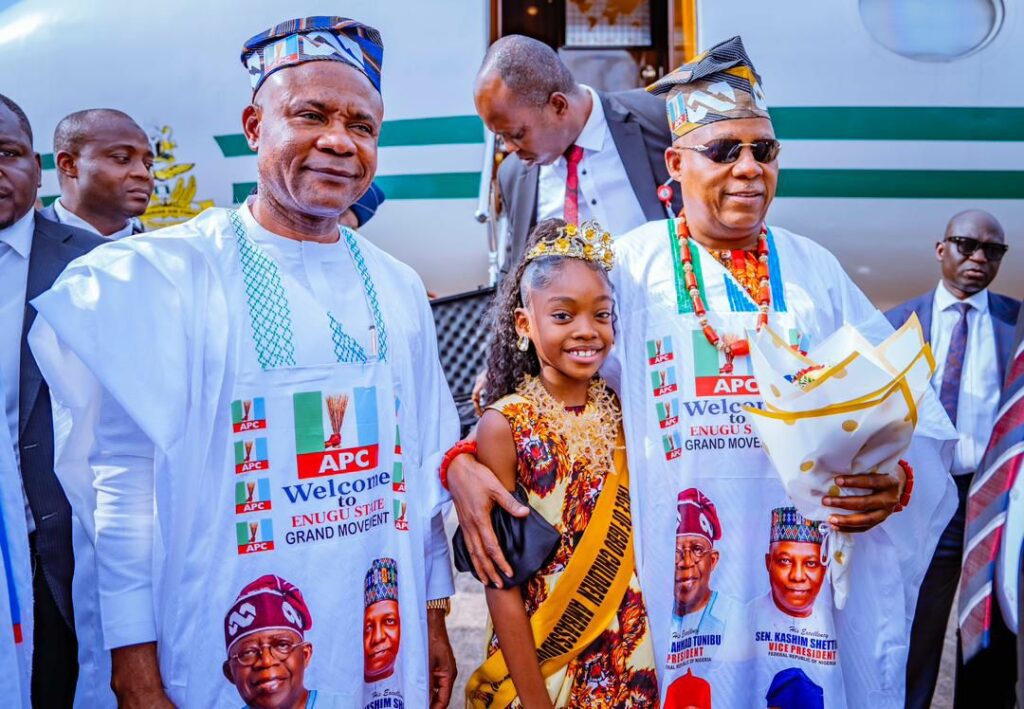
The personal attributes of Vice President Shettima resonate powerfully with the citizens of Nigeria. In a time when politicians are often seen as distant and disconnected from the struggles of the average Nigerian, Shettima’s genuine approach stands in stark contrast. His ability to speak candidly and without pretense has fostered a sense of trust between himself, Governor Zulum, and the population they serve. This transparency is vital in an era where skepticism about political motives runs rampant. By embodying humility, Shettima encourages hope and empowerment, inspiring citizens to engage more actively in the democratic process.
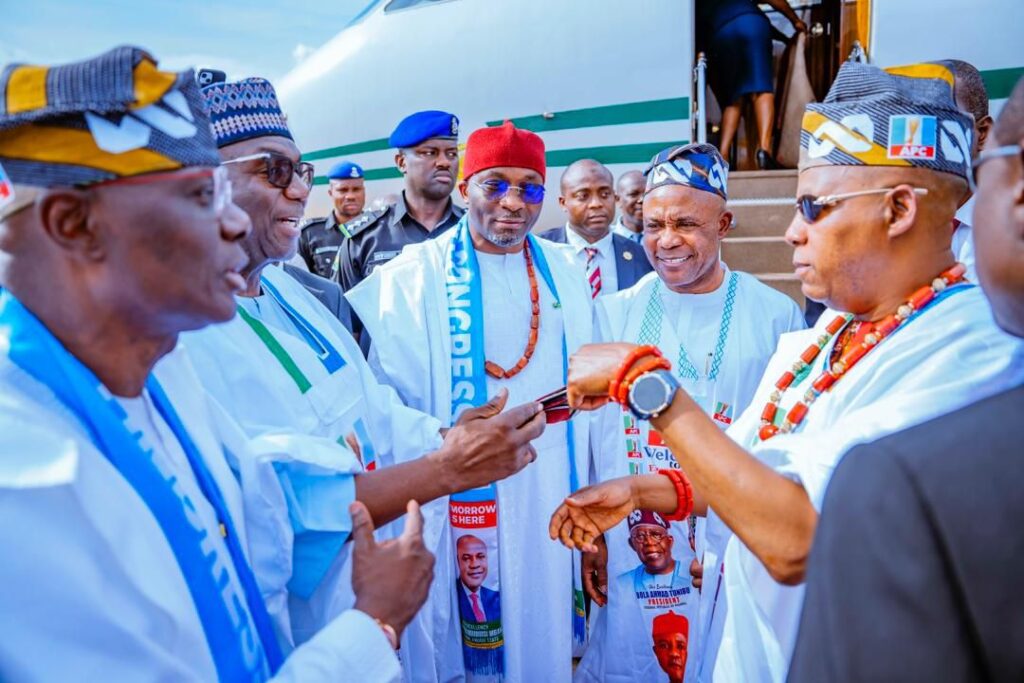
However, it is essential to recognize that humility does not equate to indecisiveness or lack of authority. On the contrary, the most humble leaders often possess the confidence to make difficult decisions, rooted in their commitment to serving the greater good. Shettima illustrates this point clearly; he has navigated complex political terrains while remaining steadfastly supportive of Zulum’s initiatives. This combination of humility and decisiveness creates a strong leadership fabric that reassures citizens of their leaders’ commitment to their welfare.

The reciprocal nature of the Shettima-Zulum relationship invites a broader dialogue on the cultural paradigms of leadership in Nigeria. As we analyze the prevailing political narratives, it becomes evident that a shift toward humility-driven leadership could transform the nation’s governance landscape. The precedents set by Shettima and Zulum should inspire other leaders to adopt similar principles, prioritizing service and community over personal gain and ambition.

Critics may question whether such humility can be sustained in a political arena often characterized by competition and adversarial relationships. However, history has shown us that transformative change arises from consistent action and advocacy for shared values. For Nigeria to thrive, its leaders must cultivate environments where collaboration and respect prevail over discord. The Shettima-Zulum dynamic reinforces the idea that leveraging each other’s strengths leads to authentic, impactful governance.

The legacy of humility in leadership could reshape Nigeria’s political culture, fostering an atmosphere of accountability and ethical governance. When humility becomes a norm rather than an exception, we will witness a reduction in corruption and a rise in leaders genuinely dedicated to public service. The collective consciousness of a nation that embraces this ethos would empower citizens to hold their leaders accountable, thereby enhancing democracy’s effectiveness.
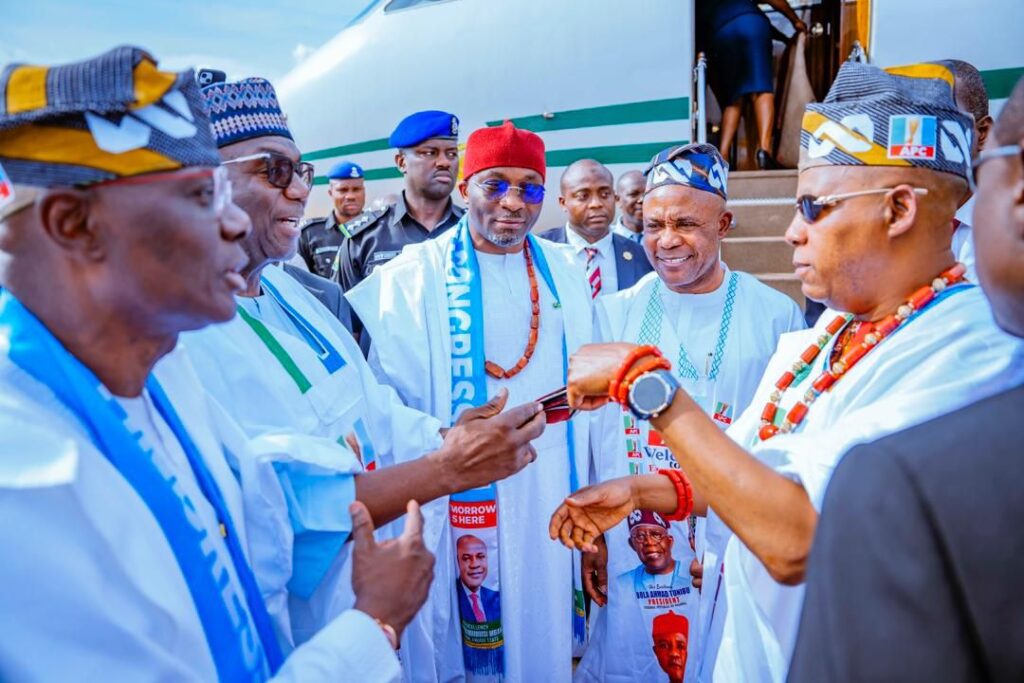
This exceptional humility of Vice President Kashim Shettima towards Governor Babagana Umara Zulum presents an invaluable model for leadership in Nigeria. This relationship illustrates how humility can serve not only as a personal virtue but also as a strategic asset in governance. By embracing humility, leaders can cultivate collaboration, engage authentically with their constituents, and drive meaningful change.

The leadership approach of Shettima and Zulum stands as a beacon of hope for a nation yearning for transformative governance. As we move forward, it is imperative that we encourage our leaders to embody humility, recognizing that true greatness in leadership stems from a commitment to service and a deep respect for the collective journey towards national progress.
* James Bwala, PhD, writes from Abuja.
The Unmatched Humility of Vice President Kashim Shettima: A Testament to Leadership in Nigeria




Kashim Shettima: Dirty Datti and his Tinubu cap theory
By: Dr James Bwala
The controversy surrounding Vice President Kashim Shettima’s political symbolism has recently gained renewed attention following remarks by Datti Baba Ahmed, who questioned Shettima’s authenticity by asserting that he does not wear the Asiwaju cap—a potent emblem associated with political allegiance to President Tinubu and his Renewed Hope agenda. Baba Ahmed further challenged observers to enquire why Shettima refrains from donning this symbolic headgear and cited purported advice from Marabouts discouraging him from doing so.
Well, let’s just say that politics is here again and big men lie for cheap gains. Datti Baba Ahmed did not do his homework well to start attacking Nigeria’s vice president, Kashim Shettima, for not wearing President Tinubu’s cap as he alleged. Let me also assure Malam Datti Baba Ahmed, the Mauritanian boy from a Marabouts clan, that the APC is not a cult organisation that requires marabouting to see vision, and Kashim Shettima is not a figure that pretends loyalty or demonstrates such by constantly following what others choose to do for themselves.
The dirty Datti theory and claims overlook the visible reality. VP Shettima indeed wears the Asiwaju cap at public events and actively promotes the administration’s vision for national renewal, thereby aligning himself with Tinubu’s political identity. While Dattigan’s style reveals a deeper struggle over narrative control and political loyalty within Nigeria’s evolving power dynamics, he often misses the point when he makes attempts on Nigeria’s vice president, Kashim Shettima. We know his history and respect his family, but he keeps dragging them into his political mud. Attacking Shettima will only open a can of worms about the dirty Mauritanian journey to Nigeria, something we do not want to discuss out of respect for the larger Baba Ahmed’s family.
However, there is a debate regarding Shettima’s use of the Asiwaju cap. Datti wants to draw that it transcends mere fashion, and it encapsulates questions of symbolism, representation, and perceived commitment to a collective political project. Contrary to Datti Baba Ahmed’s assertions, Vice President Shettima’s actions represent more than just the act of wearing a cap. His consistent public appearances as Nigeria’s vice president demonstrate not only his visible endorsement of President Tinubu’s Renewed Hope agenda but also challenge the notion that only wearing Asiwaju’s cap speaks loyalty.
Vice President Kashim Shettima embodies a rich cultural heritage that is deeply rooted in the Kanuri ethnic identity and lineage from the historic El-Kanemi dynasty. This background not only shapes his personal character but also informs his political demeanour and leadership style, distinguishing him as a well-cultured personality within Nigeria’s complex socio-political landscape. Contrary to some criticisms levelled by figures such as Datti Baba Ahmed, who question Shettima’s prolonged tenure and political relevance, it is essential to recognise that Shettima’s identity transcends mere political positioning; it reflects a profound connection to his cultural roots and values. Shettima’s modernist approach to life and relationships that prioritise self-reliance and rational governance over traditional mystical practices did not align with Datti Baba Ahmed’s claims, which often hold sway in certain northern Nigerian communities, where the “Yan”bori Marabouting culture breathes.
The partnership between Bola Tinubu from the South West and Kashim Shettima from the North East symbolises more than just a political alliance of cap wearing; it represents an intentional fusion of diverse regional identities aimed at fostering national unity. This north-south alliance not only bridges ethnic and regional divides but also showcases a shared commitment to progressive governance grounded in cultural authenticity and mutual respect. Moreover, Shettima’s commitment to cultural integrity and pragmatic leadership underscores the strength of the Tinubu-Shettima partnership as a model for inclusive governance that respects Nigeria’s diverse ethnic fabric while advancing a forward-looking political agenda. This cultural authenticity, combined with a pragmatic and forward-thinking leadership style, enables Shettima to navigate the complexities of Nigerian politics without resorting to traditional or mystical shortcuts, thereby reinforcing his image as a modern statesman rooted in Kanuri heritage.
This synergy between Tinubu and Shettima not only exemplifies the political maturity needed to address Nigeria’s complex ethno-regional dynamics but also highlights how leaders grounded in their cultural identities can collaboratively drive national progress without succumbing to divisiveness or archaism.
- James Bwala, PhD, writes from Abuja
- Kashim Shettima: Dirty Datti and his Tinubu cap theory

2027: Borno will never witness another Gubio tragedy
By: Dr. James Bwala
The recent ambush on Hon. Mustapha Gubio’s convoy, the All Progressives Congress (APC) governorship candidate in Borno State, by suspected ISWAP terrorists along the Gubio–Kareto–Damasak road has reignited fears about the ongoing insurgency in northeastern Nigeria. This incident not only highlights the security challenges that political figures face in areas plagued by militant violence but also brings back haunting memories of a similar tragedy from 2011.
Back then, another governorship candidate from Borno, the late Fannami Gubio, tragically lost his life on what became known as “Black Friday,” a day marred by political violence and chaos. The recurrence of such attacks reveals a disturbing trend where violent extremist groups disrupt political processes, aiming to undermine governance and democratic engagement.
The mixed reactions from news vendors and local communities reflect the complicated relationship between fear, resilience, and political involvement in conflict-affected regions. This latest attack serves as a stark reminder of the ongoing instability in Borno State and the pressing need for stronger security measures to protect not just political figures but also the wider civilian population caught in the crossfire of insurgency.
This incident underscores the persistent threat posed by ISWAP in the area and highlights the crucial need for continuous military vigilance and community collaboration to prevent such attacks from derailing the democratic process. In light of these events, it’s essential for both the government and security agencies to ramp up their efforts to dismantle terrorist networks in Borno State, ensuring that political activities can continue without the shadow of violence or intimidation looming over them.
The attack on Thursday highlights the persistent challenges that political figures in Borno State are grappling with, as insurgent groups like ISWAP take advantage of security weaknesses to disrupt elections and instill fear in both candidates and voters. This troubling trend of repeated assaults along vital routes, such as the Gubio–Kareto–Damasak road, not only jeopardizes the safety of political leaders like Mustapha Gubio but also hampers crucial transportation and economic activities. This situation calls for a robust strategy that tackles the underlying causes of insurgency, encourages socio-economic growth, and promotes inclusive governance to pave the way for lasting peace in Borno State.
To strengthen these efforts, it’s essential for the government to improve intelligence gathering and foster community engagement initiatives that empower local residents to become vigilant partners in security. This approach can help shrink the operational space for insurgents like ISWAP. To genuinely protect the democratic process and safeguard candidates like Mustapha Gubio, security agencies must not only react quickly to attacks but also adopt proactive measures that incorporate local intelligence and community collaboration to prevent future threats.
While the immediate response to the recent attack was commendable, it’s evident that without ongoing and coordinated efforts that blend military vigilance with community resilience and development programs, such incidents will keep undermining the stability of Borno State. Achieving lasting peace in Borno State hinges on ensuring that military actions are paired with continuous community engagement and socio-economic development initiatives that address the root issues exploited by insurgent groups.
James Bwala, PhD, writes from Abuja
2027: Borno will never witness another Gubio tragedy

APC received 5000 decampees in Yobe
By: Yahaya Wakili
Yobe State All Progressives Congress (APC) has received 5,000 decampees from various political parties across the Yobe South Senatorial District (Zone B).
The All Progressives Congress receives defectors from the New Nigeria Peoples Party (NNPP), Peoples Democratic Party (PDP), and African Democratic Congress (ADC). The decampments are drawn from the Nangere, Fika, Potiskum, and Nangere local government areas.

Governor Mai Mala Buni CON, COMN, of Yobe State, ably represented by his deputy, Hon. Idi Barde Gubana (Wazirin Fune), assured those who shifted their loyalty to APC would be treated equally with the old members, adding that the APC believes in one Nigeria.
He appreciated the All Progressives Congress (APC) supporters for their commitment to the growth of the party, which, according to him, enhanced service delivery to the people of the state.
The governor expressed delight at receiving the decampments from the various political parties into the All Progressives Congress (APC), the ruling party in the state and Nigeria in general.
The state party chairman, Alhaji Mohammed Gadaka (Madakin Gudi), called on the people of the other political parties to join the APC to move Yobe state forward and assured to carry the new members along in all the party activities.
Hajiya Budu Lawan, the APC women’s leader in the state, promised that women in Yobe state would come out in mass to support and vote for the APC in the upcoming general election.
Hon. Musa Gulani, the state youth leader, expressed his appreciation for the youth in Zone B, adding that youth in Yobe state would vote for APC from top to bottom in the 2027 general election.
The APC governorship candidate, Alhaji Baba Mallam Wali mni (BMW), ably represented by his running mate, Hon. Sale Samanja, said, “If elected in 2027, we would uphold the legacies of Governor Mai Mala Buni. “
Hon. Yakubu Shehu Damagum (alias Yakubu Doctor), State chairman of the New Nigeria Peoples Party (NNPP), said, “I left the party last year due to some circumstances, but I didn’t join the APC officially till today.”
He said, “The reason behind my defection is that I watched the development strides in Yobe state under the APC administration of Governor Mai Mala Buni, and there is no need to continue fighting with the ruling party, because a small party in Yobe state has no impact.”
Abba Balube, a former chairman of the African Democratic Congress (ADC) from the Fune local government area, revealed that he decided to leave the ADC completely because of the bad leadership and because there is no respect in the party.
Ali DPO, former chairman of the Peoples Democratic Party (PDP) Potiskum local government area, said he joined APC, the ruling party in the state, because of Governor Mai Mala Buni’s transparency, especially the equal sharing of the developmental projects and employment across the state. The event ended up with the presentation of plagues to decampers.
APC received 5000 decampees in Yobe

Troops arrest suspected foreign national along Azir–Damboa road in Borno

Troops arrest suspected ISWAP member with gunshot wound in Borno

Investigation begins as SNCO dies after shooting incident at Kuje custodial centre

Roger Federer’s Shock as DNA Results Reveal Myla and Charlene Are Not His Biological Children

THE PLIGHT OF FARIDA

FAILED COUP IN BURKINA FASO: HOW TRAORÉ NARROWLY ESCAPED ASSASSINATION PLOT AMID FOREIGN INTERFERENCE CLAIMS
-
 News2 years ago
Roger Federer’s Shock as DNA Results Reveal Myla and Charlene Are Not His Biological Children
-
Opinions5 years ago
THE PLIGHT OF FARIDA
-
 News1 year ago
FAILED COUP IN BURKINA FASO: HOW TRAORÉ NARROWLY ESCAPED ASSASSINATION PLOT AMID FOREIGN INTERFERENCE CLAIMS
-

 News2 years ago
EYN: Rev. Billi, Distortion of History, and The Living Tamarind Tree
-
 Opinions5 years ago
POLICE CHARGE ROOMS, A MINTING PRESS
-

 ACADEMICS3 years ago
A History of Biu” (2015) and The Lingering Bura-Pabir Question (1)
-

 Columns3 years ago
Army University Biu: There is certain interest, but certainly not from Borno.
-

 Politics1 year ago
2027: Why Hon. Midala Balami Must Go, as Youths in Hawul and Asikira/Uba Federal Constituency Reject ₦500,000 as Sallah Gift
