
News
Tinubu: Businesses in West Africa Cannot Reach Full Potential with Fragmented MarketsCalls for Greater Economic Integration

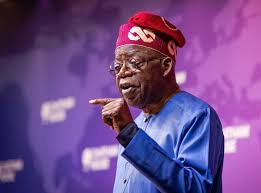
Tinubu: Businesses in West Africa Cannot Reach Full Potential with Fragmented Markets
Calls for Greater Economic Integration
By: Michael Mike
President Bola Tinubu has called for greater economic integration in West Africa, insisting that the region’s businesses cannot reach their full potential if markets remain fragmented.
The Nigeria’s President while lamenting that West Africa’s intra-regional trade remains a challenge at 10%, noted that this figure can no longer be ignored.
Speaking at the West Africa Economic Summit, Tinubu said, “Intra regional trade remains at 10%, a challenge you can no longer ignore. The low trade is not due to a failure of will, but a failure of coordination.”
The President noted that West Africa is one of the last great frontiers of economic growth, but however added that opportunity alone does not guarantee transformation.
He said: “Opportunities, not just wishful thinking, we must earn it through vision integration, policy coherence, collaboration, and capital alignment.”
The Nigerian President called for collective action, investment in infrastructure, and coordinated policies to drive growth, stating that: “We must together strengthen our regional value chains, invest in infrastructure and coordinate our policies.”
He stated that the region’s greatest asset is its youthful population, but however said this demographic promise can quickly become a liability if not matched by investments in education, digital infrastructure, innovation, and productive enterprise.
He said: “Our prosperity depends on regional supply chains, energy networks and data frameworks. We must design them together, or they will collate separately,” he said.
Tinubu, while citing the examples of joint projects that demonstrate what is possible when West African countries work together, said include the Lagos-Abidjan highway and West African power pool. “We must move from declarations to concrete deals, from policy frameworks to practical implementation,” he urged.
The President also stressed the need for West Africa to become more competitive and resilient, investing in local processing and regional manufacturing to unlock the region’s mineral wealth. He said: “The era of ‘from pit to port’ must end. We must turn our mineral wealth into domestic economic value, jobs, technology, and manufacture.”
He called for actionable outcomes from the summit, including a renewed commitment to ease of doing business, enhanced inter-regional trade, improved infrastructure, and innovative ideas to drive growth and prosperity.
He pleaded that: “Let us build a West Africa that is investable, competitive and resilient, one that lives with vision, responsibility and unity.”
On his part, the Minister of Foreign Affairs, Ambassador Yusuf Tuggar, reiterated the region’s potential for growth and development.
He said: “We’re here today to build on that enabling environment. We’re not reinventing the wheel. As an economic community, West Africa enjoys freedom of movement and a framework to facilitate trade, pool electricity, and integrate transport corridors.”
Tuggar however said West Africa’s economic trajectory is unsustainable, with only 8.6% of the region’s $166 billion exports in 2024 remaining within its borders.
He noted that: “Imports followed the same pattern, heavily tilted toward partners outside the continent. Machinery and manufactured goods from China, India, the United States, and the European Union dominate our import flows while we continue to export and process raw materials.”
Tuggar however called for more efforts to bring the informal sector into the formal economy, leveraging economies of scale and efficiencies to accelerate growth.
He said: “As governments, as states, and the region, we need to do more to make it easy to bring that activity within the formal sector,” he said.
He stressed the importance of local processing and investment in the region. “Bring that investment, bring that local processing, let’s see our transport, economic infrastructure and other building blocks for prosperity grow,” he asked .
Tuggar expressed optimism about the region’s potential, citing its rich natural resources and youthful population. He said: “West Africa can and should be part of this.
He said: “I read a couple of weeks ago in an American newspaper that China had a monopoly on some of the rare minerals vital to the new industry in which the future will be built. Not so. We have those same minerals here in Nigeria and across the region.”
Also speaking, the Minister of Industry, Trade and Investment, Mrs. Jumoke Oduwole said, West Africa is poised to become a formidable economic bloc, capable of attracting capital, scaling industries, and delivering measurable outcomes across borders
The Minister claimed that Nigeria has made bold decisions under President Bola Ahmed Tinubu’s leadership, including exchange rate reforms, removing false subsidies, and aligning the economy to the African Continental Free Trade Area (AFCFTA).
She said: “These reforms are yielding results, with Nigeria’s non-oil exports rising to $1.8 billion in Q1, a 24% increase over the same period last year.”
Oduwole cited several initiatives that demonstrate Nigeria’s commitment to regional integration and shared prosperity.
“Nigeria has reset its AFCFTA provisional schedule of tariff concessions, affirming its readiness to trade under a common African market.
“The country has also been designated as Africa’s co-champion on digital trade, with President Tinubu playing a pivotal role in the sector. Additionally, the National Talent Export Program (NATEP) has been launched, placing over 2,000 young Nigerians in international remote jobs and earning hard currency.”
“Furthermore, a new air cargo trade corridor has been opened with Eastern African countries, enabled with a market intelligence toolkit for their products, in collaboration with Uganda Air and UNDP.”
She also announced a landmark public-private partnership, the National Export Trading Company, aimed at aggregating, financing, and enabling exports of Nigerian commodities efficiently and competitively.
This initiative will create a pathway for farmers and MSMEs to access formal regional and global markets.
“The West Africa Economic Summit’s deal room showcased nearly $1 billion in live transactions, with over $400 million worth of transactions advancing into investor discussions.”
Oduwole commended the Minister of Foreign Affairs and his team for delivering a world-class summit, saying, “West Africa is open for business. The world is watching and is here with us. Let this summit be a prosperous turning point for us all.”
Tinubu: Businesses in West Africa Cannot Reach Full Potential with Fragmented Markets
Calls for Greater Economic Integration


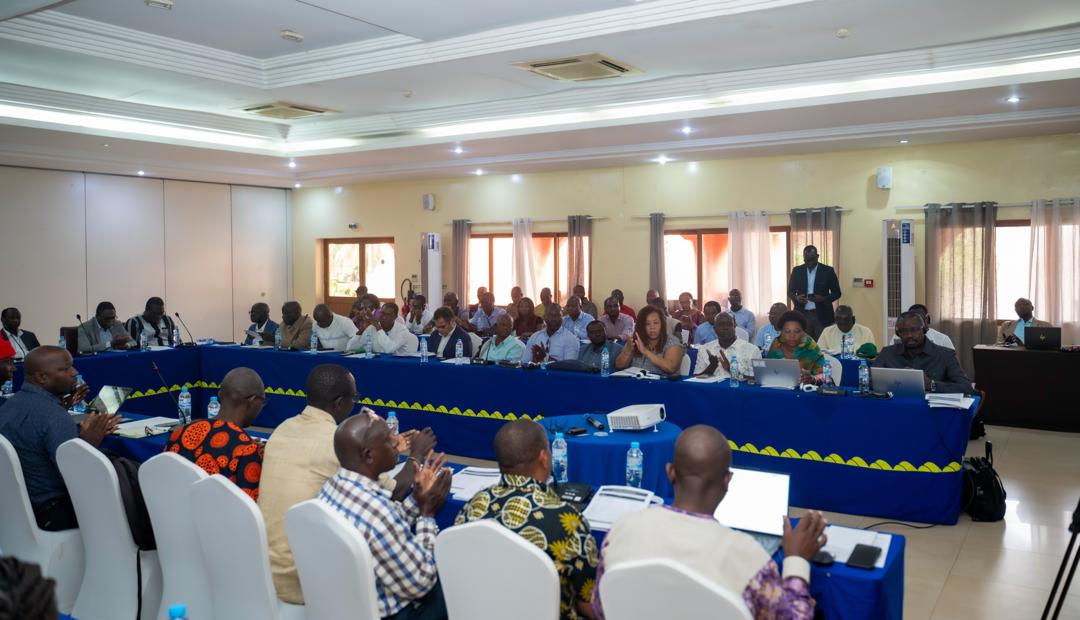
Guinea-Bissau picks Gabú, Oio for ECOWAS community health pilot
By: Michael Mike
Guinea-Bissau has selected the Gabú and Oio regions as pilot areas for the implementation of the new ECOWAS Regional Community Health Policy, in a major step towards bringing healthcare services closer to vulnerable and underserved communities.
The decision was reached at a three-day National Engagement Workshop on the implementation of the policy, organised by the West African Health Organisation (WAHO) in collaboration with the Ministry of Public Health of Guinea-Bissau in Bissau from August 19 to 21, 2026.
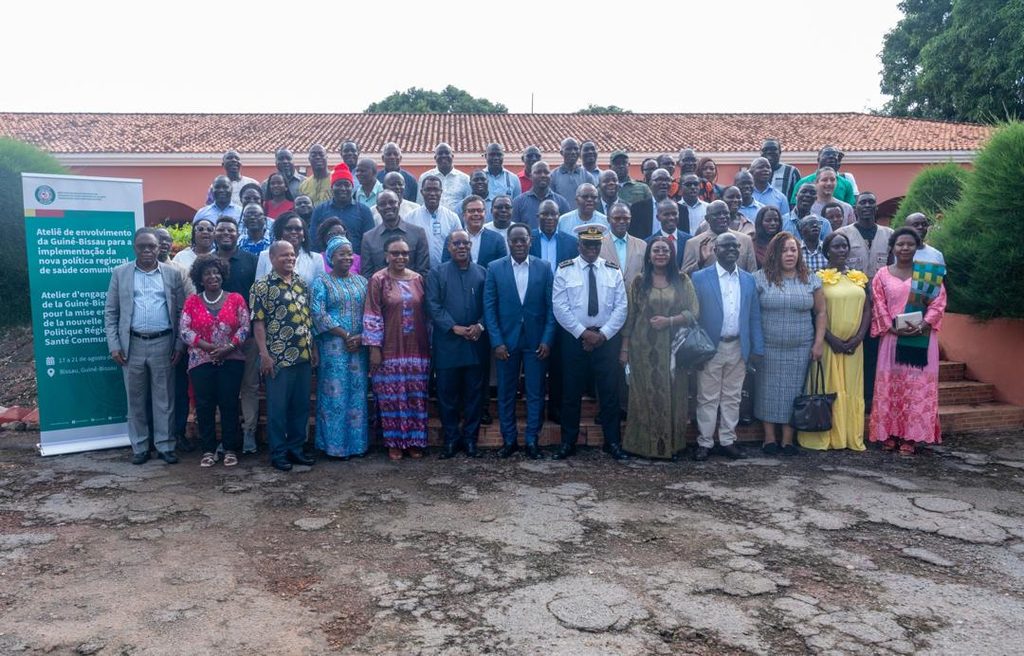
The selection of the two regions signals the transition of the Regional Community Health Policy (RCHP) from the planning stage to concrete implementation, with national and local authorities, communities and other stakeholders expected to play defined roles in its execution.
Speaking at the opening of the workshop, WAHO Director-General, Dr Melchior Athanase Joël C. Aïssi, described Guinea-Bissau as a pioneer among ECOWAS Member States for hosting the first information and engagement mission on implementation of the new policy.
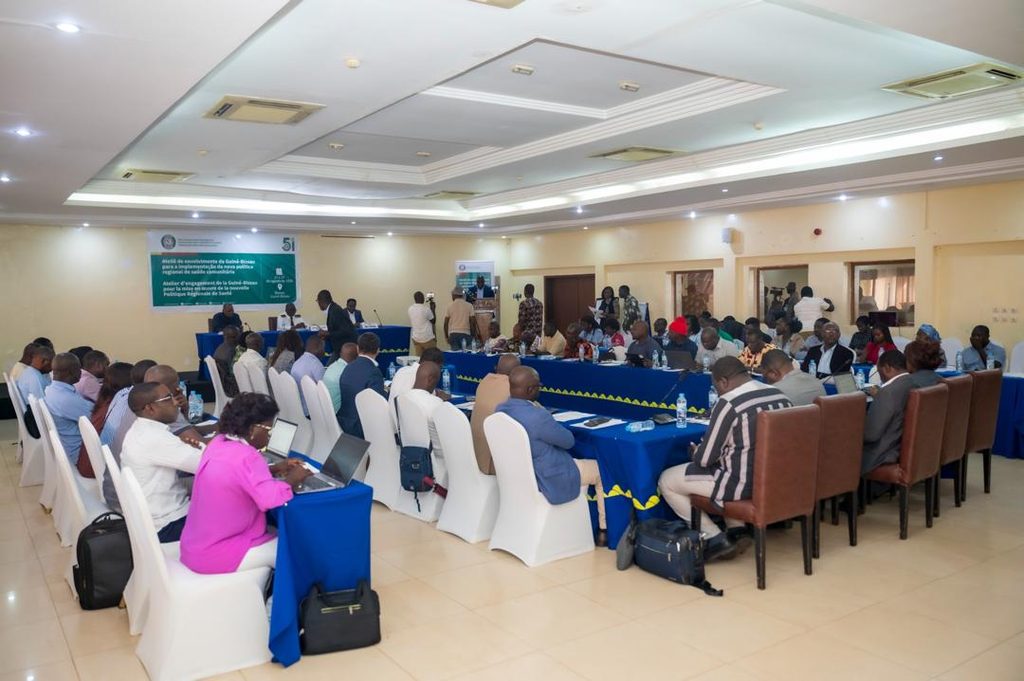
He said the meeting should not be regarded merely as a forum for discussion but as the starting point for translating the regional policy into action.
Aïssi stressed that successful implementation would depend on national ownership, effective multisectoral coordination and a clear division of responsibilities among stakeholders.
He reaffirmed WAHO’s readiness to provide technical support, guidance and facilitation, but emphasised that Guinea-Bissau must take ownership and lead the implementation process.
The Minister of Public Health, Commodore Dr Quinhin Nantote, in his keynote address, reaffirmed the government’s commitment to the policy, describing investment in community health as both a necessity and a national priority.
Nantote said expanding access to healthcare required deliberate efforts to reach vulnerable populations, particularly those living in remote and hard-to-reach communities.
He also highlighted the critical role of Community Health Workers (CHWs), describing them as an essential link between formal health services and communities.
The minister called for an approach anchored on equity, community participation and intersectoral collaboration, arguing that sustainable improvements in health could not be achieved by government and health professionals alone.
The workshop brought together representatives of government ministries and agencies, national institutions, civil society and community-based organisations, research and training institutions, as well as technical and financial partners.
Participants reviewed key regional and national community health instruments, including the Regional Community Health Policy, its norms and principles, regional guidance documents and practical tools for Community Health Workers.
They also identified priority interventions, assigned responsibilities to sectoral stakeholders and worked towards developing costed action plans for priority areas.
Discussions further focused on the proposed regional community information system platform, the national coordination mechanism and other steps required to establish an effective framework for implementing the policy.
WAHO Liaison Officer in Guinea-Bissau, Dr Plácido Cardoso, underscored the importance of sustained engagement among national stakeholders and development partners in ensuring the success of the implementation process.
With Gabú and Oio now designated as pilot regions, Guinea-Bissau is expected to test and strengthen the policy’s implementation mechanisms at the community level before lessons from the pilot phase inform wider application.
WAHO said the initiative underscores its commitment to supporting Guinea-Bissau and other ECOWAS Member States to strengthen community health systems and ensure that quality healthcare is brought closer to the people.
Guinea-Bissau picks Gabú, Oio for ECOWAS community health pilot

Zulum @ 57: A Legacy of Service, Courage, and Hope
By: Dr. James Bwala
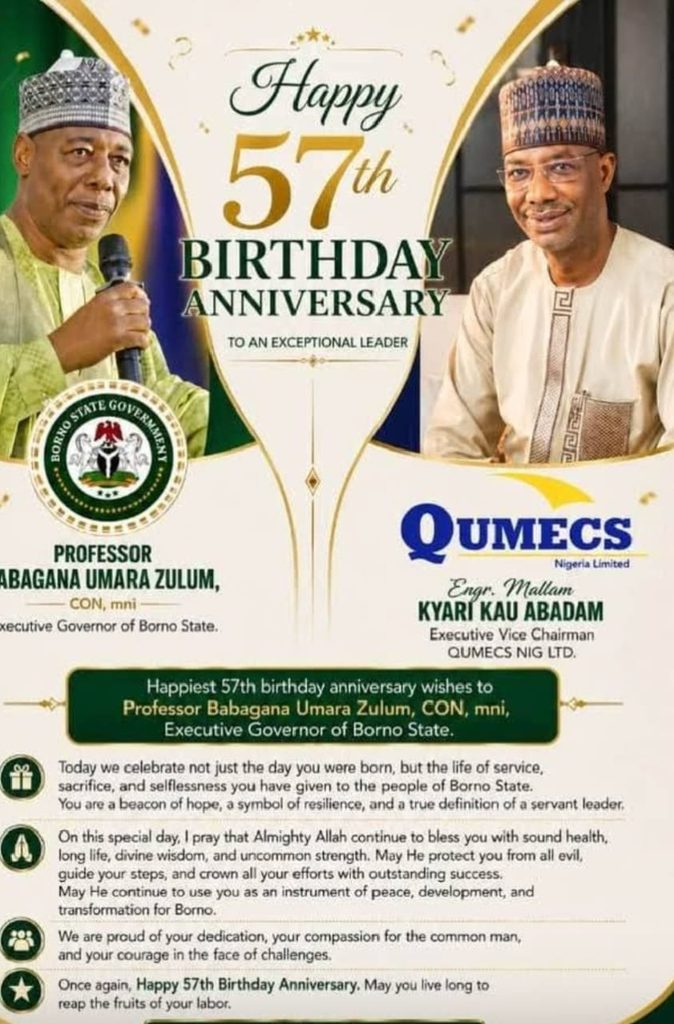
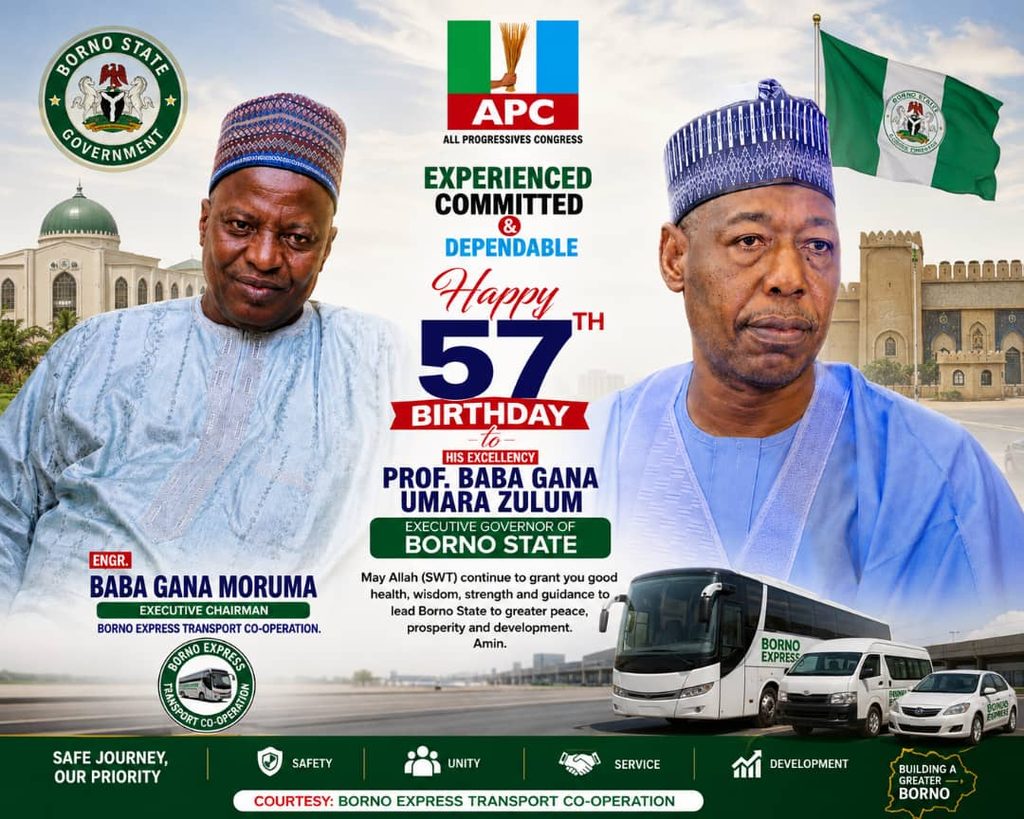
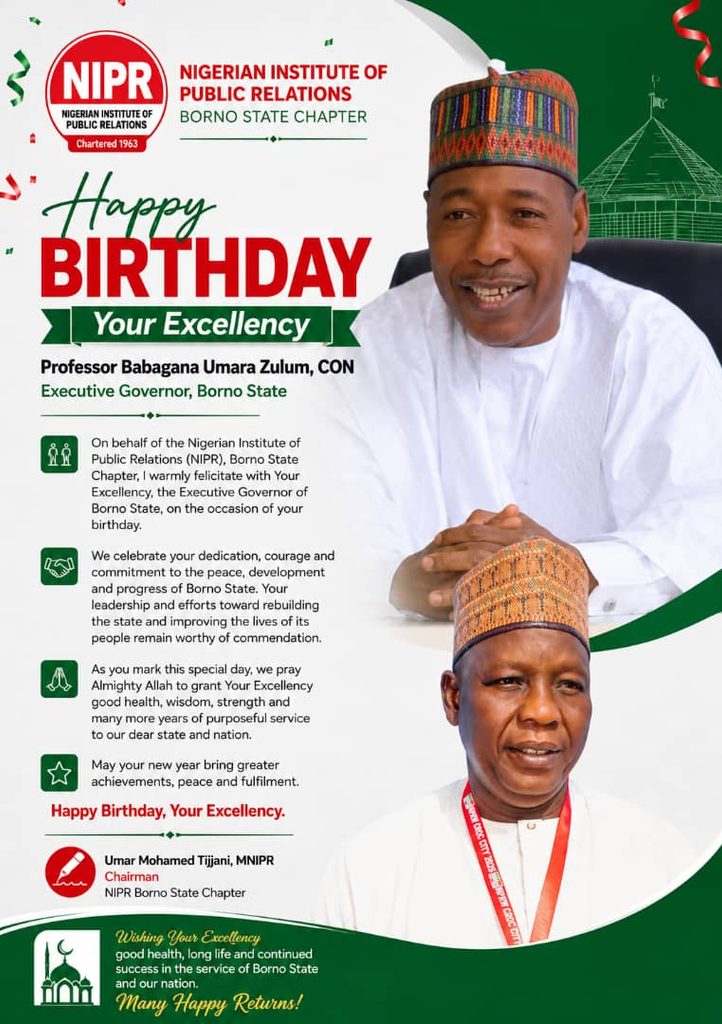
Everyone deserves a tribute on a special day. At 57, Professor Babagana Umara Zulum stands as a remarkable example of how humility, courage, compassion, and disciplined service can transform a life and inspire an entire people. His birthday is an opportunity to reflect on his journey, sacrifices, and the lasting legacy he is creating for Borno State. This moment also serves as a reminder that his administration has exemplified how political leadership can transcend personal ambition and serve as a true instrument of public service.
Professor Zulum’s story is especially inspiring because it began with modest circumstances. By his own admission, he is a child of a poor man. Yet, within that humble background were the values that prepared him for greatness: perseverance, discipline, honesty, hard work, humility, and compassion for the vulnerable. These virtues did not merely help him rise from poverty to prominence; they also equipped him to understand the struggles of ordinary people. His personal journey has become a source of hope for countless young people who believe that their beginnings should not determine the limits of their future.
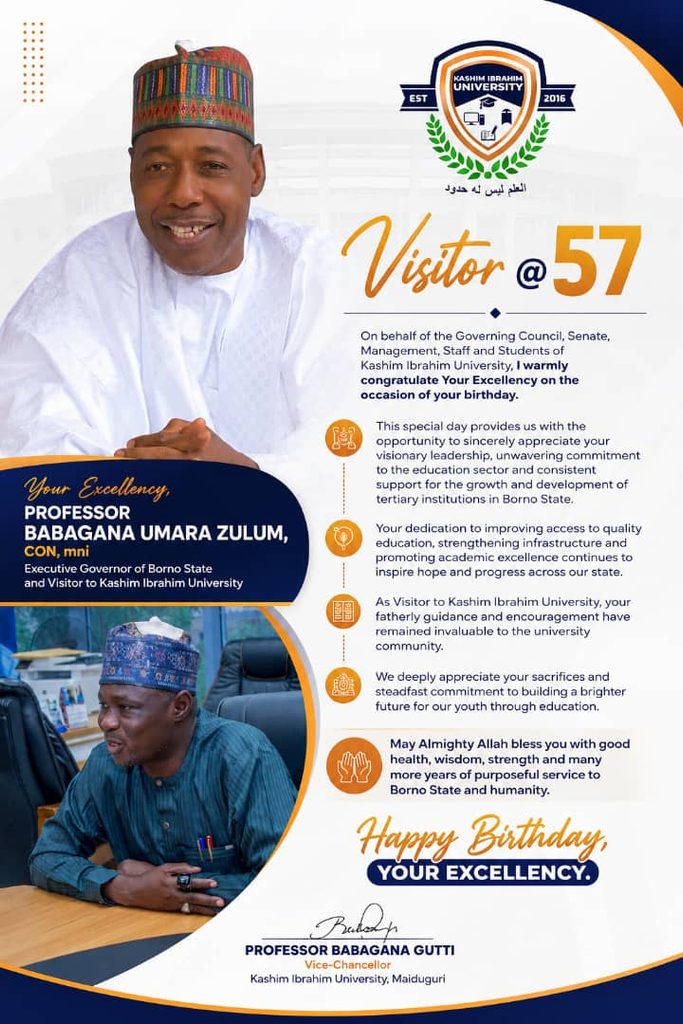
The greatness of Professor Zulum is not defined only by the offices he has occupied or the honors he has received. The way he has used public office to serve the people better measures his greatness. By the way, he has used public office to serve the people. His leadership has shown that political authority is not a privilege for personal comfort but a responsibility to protect lives, rebuild communities, restore dignity, and create opportunities. In a state that has endured years of insecurity, displacement, poverty, and destruction, this understanding of leadership is both necessary and commendable.
Borno State has faced one of the most difficult security and humanitarian crises in Nigeria’s recent history. The Boko Haram insurgency devastated communities, destroyed schools and health facilities, disrupted livelihoods, separated families, and forced millions of people from their homes. The consequences of the crisis have been profound. Many citizens lost loved ones, property, education, and the confidence that their communities could once again enjoy peace and prosperity. Against this difficult background, leading Borno State requires more than administrative knowledge. It requires courage, emotional strength, strategic thinking, and strong commitment to the people.
Professor Zulum has displayed these qualities in significant measure. He has consistently placed the welfare of displaced persons, victims of insurgency, civil servants, students, farmers, traders, and other vulnerable citizens at the center of governance. His frequent visits to affected communities and public institutions have communicated a powerful message: the government has not abandoned its people. By physically identifying with citizens in moments of suffering, he has made leadership more visible, more humane, and more connected to reality.
One of the notable features of Professor Zulum’s administration has been its emphasis on reconstruction and development. The rebuilding of communities, schools, roads, health centers, markets, housing facilities, and public institutions is essential to restoring normal life in Borno State. Development in a crisis-affected environment is not merely about physical structures. It is also about rebuilding hope, confidence, and the belief that the future can be better than the past. Every reconstructed school gives children a chance to learn. Every restored health facility gives families access to care. Every rehabilitated road connects communities to markets and opportunities. Every resettled family regains a measure of dignity.
Education has remained one of the most important foundations of this vision. Professor Zulum’s personal history as an educator has clearly influenced his understanding of the transformative power of knowledge. A society that has suffered prolonged insecurity cannot achieve sustainable recovery without investing in education. Schools must be rebuilt, teachers supported, students encouraged, and young people equipped with skills that enable them to participate meaningfully in the economy. Education is also a powerful defense against extremism, ignorance, and hopelessness. It offers young people alternatives to violence and creates the human capital required for long-term development.
The attention given to education under Professor Zulum’s administration therefore deserves recognition. Supporting students, improving learning environments, expanding access to higher education, and encouraging technical and vocational training are investments that will continue to benefit Borno long after the present administration has ended. The children and young people who receive opportunities today may become the teachers, doctors, engineers, entrepreneurs, administrators, and community leaders who will shape the future of the state tomorrow.
Healthcare is another area in which responsible leadership can be measured. The effects of conflict are often most visible in the health sector, where citizens face injuries, mental trauma, malnutrition, maternal health challenges, and preventable diseases. Strengthening hospitals, primary healthcare centers, emergency response systems, and medical services is therefore central to rebuilding a secure and productive society. A government that improves healthcare demonstrates respect for human life and recognizes that development has little meaning when people cannot live healthy and dignified lives.
Professor Zulum’s developmental agenda has also included social support and economic empowerment. The people of Borno need more than relief materials; they need sustainable opportunities to rebuild their lives. Farmers require access to land, tools, seeds, irrigation, and markets. Small businesses need capital, training, and a stable environment. Women and young people need skills and opportunities that can help them become economically independent. Empowerment programs are most valuable when they move citizens from dependency to productivity. In this regard, the responsibility of government is to create an environment in which people can work, innovate, and contribute to the growth of their communities.
The challenges confronting Borno State remain enormous, and no responsible observer should pretend that all problems have been solved. Security threats, poverty, unemployment, displacement, inadequate infrastructure, and the effects of climate change continue to demand attention. Yet, acknowledging these challenges does not diminish the progress that has been made. Rather, it makes the achievements of the Zulum administration more meaningful. Leadership should not be judged only by the absence of problems but also by the seriousness, creativity, and courage with which those problems are confronted.
Professor Zulum has shown that political ambition can be guided by a higher purpose. Many people enter politics seeking power, recognition, or personal advancement. However, political office becomes truly valuable when it is used to serve the public and improve the conditions of ordinary people. Professor Zulum’s record suggests that he has sought to use his position not merely to secure political relevance but to leave Borno State stronger, more resilient, and better prepared for the future.
This is the essence of statesmanship. A politician may focus on the next election, but a statesman thinks about the next generation. A politician may seek applause, but a statesman accepts difficult responsibilities even when the results are not immediately celebrated. A politician may be concerned with personal legacy, but a statesman builds institutions and opportunities that outlive him. By prioritizing reconstruction, education, healthcare, security, and human development, Professor Babagana Umara Zulum has demonstrated the qualities of a leader whose vision extends beyond the limits of political terms.
His greatest achievement may ultimately be the restoration of hope. For a people who have experienced violence and displacement, hope is not an abstract idea. It is the conviction that children can return to school, that families can sleep without fear, that farmers can return to their fields, that businesses can reopen, and that communities can live together in peace. Hope is restored when government keeps its promises, listens to citizens, responds to emergencies, and works consistently even under difficult circumstances. In this regard, Professor Zulum’s leadership has helped many citizens believe again in the possibility of a brighter future.
As he marks his 57th birthday, it is important to celebrate not only the individual but also the values he represents. He represents the possibility of rising from a humble background through education and character. He represents the importance of remembering one’s roots after attaining success. He represents the idea that public service should be defined by sacrifice, not privilege. He represents the conviction that leadership must be measured by its impact on the vulnerable and its contribution to the common good.
The virtues inherited from his father and nurtured through his own life have become a blessing to Borno State. The discipline of a poor man’s home, the wisdom gained from hardship, and the humility developed through struggle have helped shape a leader who understands that greatness is meaningful only when it is used to lift others. His journey proves that poverty may limit opportunities, but it cannot defeat a person who possesses determination, knowledge, and integrity.
On this special occasion, the people of Borno State and well-wishers across Nigeria have every reason to honor Professor Babagana Umara Zulum. His administration has placed Borno on the national and international map not because the state has been free from challenges, but because it has confronted those challenges with determination and purpose. The story of Borno today is increasingly becoming a story not only of suffering but also of resilience, reconstruction, courage, and renewal.
As he continues his service, the expectations of the people remain high. They expect him to sustain the momentum of development, strengthen security, deepen accountability, promote inclusive governance, and ensure that no community or citizen is left behind. Thus, the choice of a worthy successor (in-sha-Allah) is Engr. Mustapha Gubio. The success of Borno’s recovery must be shared across regions, communities, religions, genders, and generations. A lasting legacy will be built when the foundations laid today continue to serve the people tomorrow. And we believe Engr. Mustapha Gubio has all it takes.
Therefore, on the occasion of his 57th birthday, we celebrate Professor Babagana Umara Zulum as a child of humble beginnings who has risen to become a symbol of service and hope. We celebrate the courage with which he has led Borno through difficult times. We celebrate the developmental initiatives that are rebuilding communities and creating opportunities. We celebrate the compassion that keeps the suffering of ordinary people at the heart of governance. Above all, we celebrate the statesman who has chosen to invest his present in the future of Borno State.
May the Almighty grant Professor Babagana Umara Zulum long life, sound health, wisdom, strength
- James Bwala, PhD, writes from Maiduguri.
Zulum @ 57: A Legacy of Service, Courage, and Hope

Troops Raid Illegal Shanties, Clear Criminal Hideouts in Abuja
By Zagazola Makama
Troops of Army Headquarters Garrison, in conjunction with Operation SWEEP, have conducted a clearance operation across several areas of the Federal Capital Territory, dismantling illegal shanties and structures suspected of providing cover for criminal activities.
The operation was conducted at about 4:00 p.m. on August 23, 2026, across Karshi, Jeje, Kurape and Nyanya areas of the Abuja Municipal Area Council (AMAC).
Security personnel raided and dismantled several illegal shanties and structures during the operation as part of efforts to deny criminal elements safe havens within the capital.
The operation is part of ongoing security efforts to improve surveillance and maintain control over vulnerable areas that could be exploited by criminals.
The Mai-Anguwa of Nyanya commended the troops for the operation and pledged to sustain effective communication with Army Headquarters Garrison and other security agencies by providing credible information on suspicious activities.
Security personnel are expected to sustain the operation and continue intelligence-led patrols in the affected areas to prevent criminal elements from re-establishing their presence.
The development highlights the importance of sustained community-security collaboration in identifying emerging threats and preventing criminal networks from exploiting informal settlements and unregulated structures.
Troops Raid Illegal Shanties, Clear Criminal Hideouts in Abuja

Guinea-Bissau picks Gabú, Oio for ECOWAS community health pilot

Zulum @ 57: A Legacy of Service, Courage, and Hope

Jungle Justice Is Murder, Not Justice — IGP Disu Orders Nationwide Crackdown on Mob Killings

Roger Federer’s Shock as DNA Results Reveal Myla and Charlene Are Not His Biological Children

THE PLIGHT OF FARIDA

FAILED COUP IN BURKINA FASO: HOW TRAORÉ NARROWLY ESCAPED ASSASSINATION PLOT AMID FOREIGN INTERFERENCE CLAIMS
-
 News2 years ago
Roger Federer’s Shock as DNA Results Reveal Myla and Charlene Are Not His Biological Children
-
Opinions5 years ago
THE PLIGHT OF FARIDA
-
 News1 year ago
FAILED COUP IN BURKINA FASO: HOW TRAORÉ NARROWLY ESCAPED ASSASSINATION PLOT AMID FOREIGN INTERFERENCE CLAIMS
-

 News2 years ago
EYN: Rev. Billi, Distortion of History, and The Living Tamarind Tree
-
 Opinions5 years ago
POLICE CHARGE ROOMS, A MINTING PRESS
-

 ACADEMICS2 years ago
A History of Biu” (2015) and The Lingering Bura-Pabir Question (1)
-

 Columns2 years ago
Army University Biu: There is certain interest, but certainly not from Borno.
-

 Politics1 year ago
2027: Why Hon. Midala Balami Must Go, as Youths in Hawul and Asikira/Uba Federal Constituency Reject ₦500,000 as Sallah Gift
