
National News
Tinubu hails Nigerian Army’s role in defending national unity at 162nd anniversary celebration

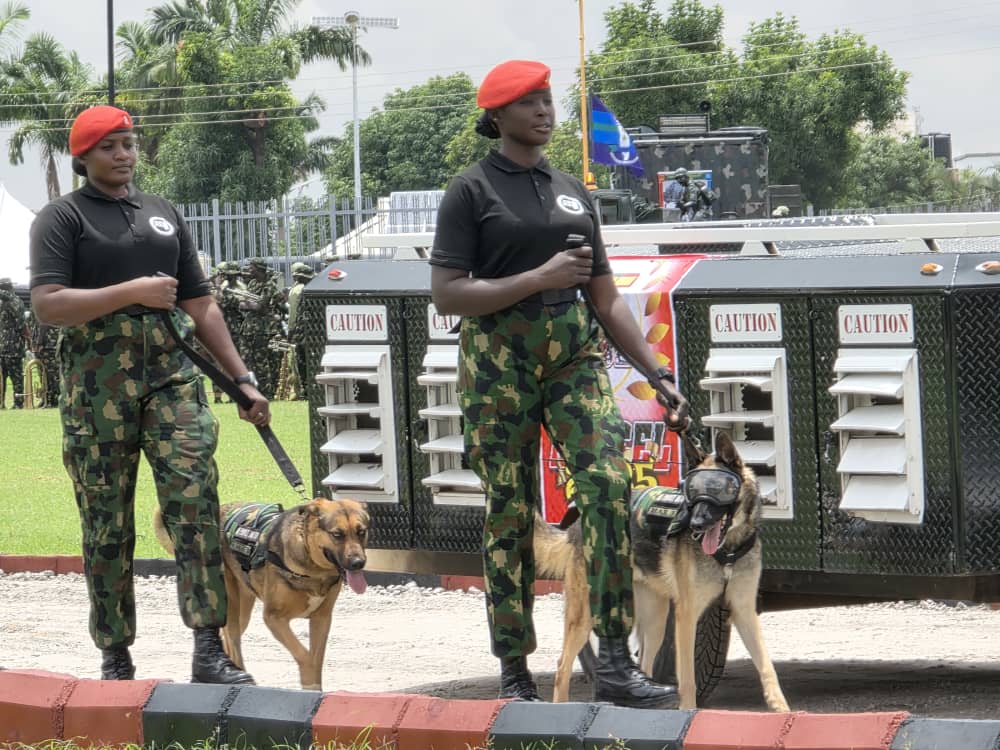
Tinubu hails Nigerian Army’s role in defending national unity at 162nd anniversary celebration
By: Zagazola Makama
President Bola Ahmed Tinubu has commended the Nigerian Army for its unflinching commitment to national unity, security, and sovereignty over the past 162 years, describing it as the “spine of Nigeria’s sovereignty” and a “symbol of unity and duty.”
Tinubu, represented by Vice President Kashim Shettima, gave the commendation on Sunday at the grand finale of the 2025 Nigerian Army Day Celebration (NADCEL) held in Kaduna.
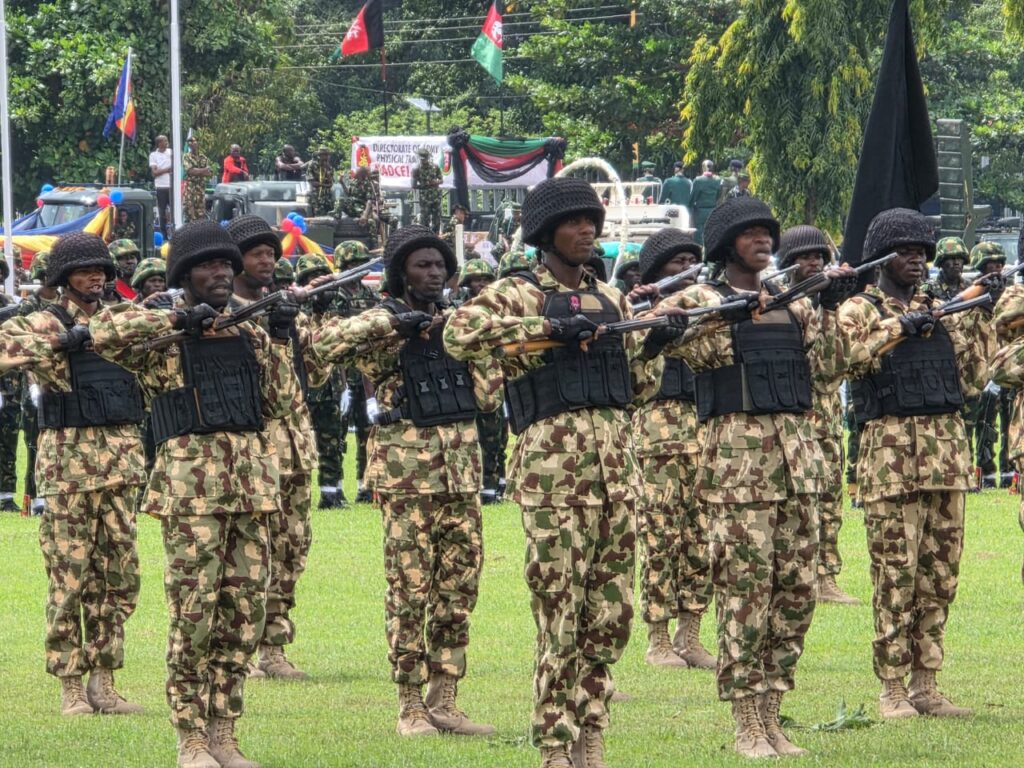
The President said the anniversary was not merely a ceremonial occasion, but a moment of solemn reflection, history, and collective gratitude to the men and women who have dedicated their lives to protecting the nation.
“This is not another entry in our calendar of commemorations. It is a time of reflection, a time of remembrance, and a time of profound appreciation,” he said.
“A nation is only as strong as the courage of those who defend it. And for 162 years, the Nigerian Army has remained the unbreakable spine of our sovereignty.”
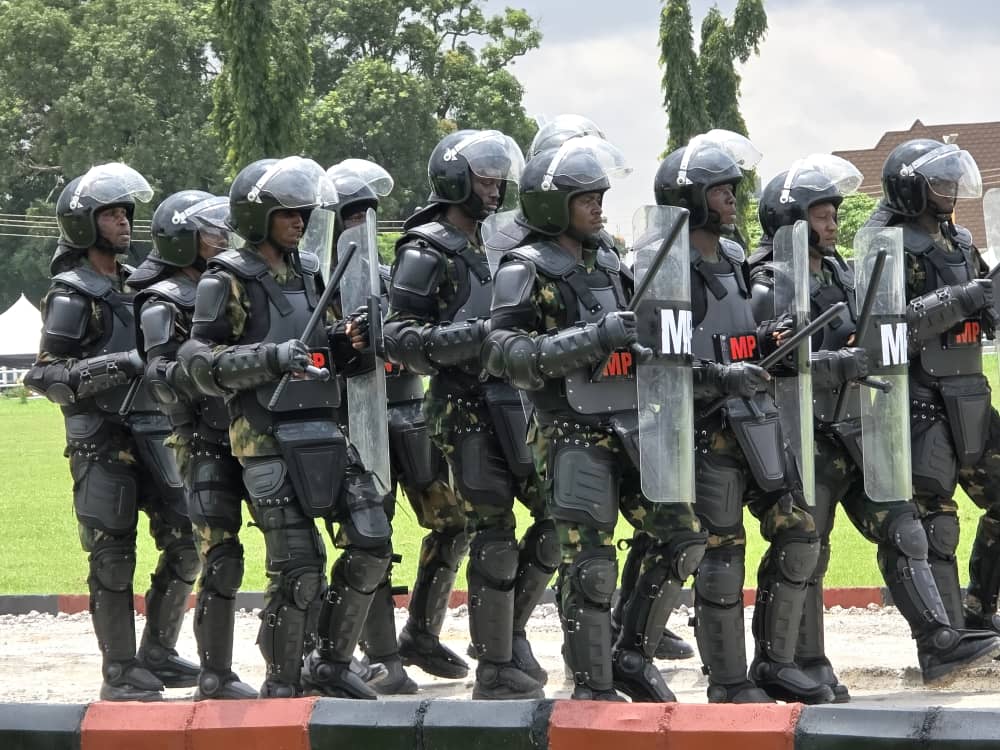
The President recalled the Army’s historic role in bringing the Nigerian Civil War to an end, upholding the principle of national unity, quoting former Head of State Gen. Yakubu Gowon’s immortal words: “No victor, no vanquished.”
He emphasized that the Nigerian Army has continued to carry the national flag high, not for conquest but for peace, and not for power but for principle — both at home and in global peacekeeping missions.
“We honour the enduring sacrifices of those who gave their lives in service, and those who continue to bear the uniform with pride and resolve. You are the sentinels of our democracy,” Tinubu said.
He expressed full support for this year’s theme, “Developing the Soldier-Based Concept: A Priority for Nigerian Army’s Transformational Drive,” describing it as visionary and timely.
“You cannot build a great army without building strong soldiers. Their welfare, morale, equipment and sense of purpose are not afterthoughts; they are the bedrock of national security,” he said.
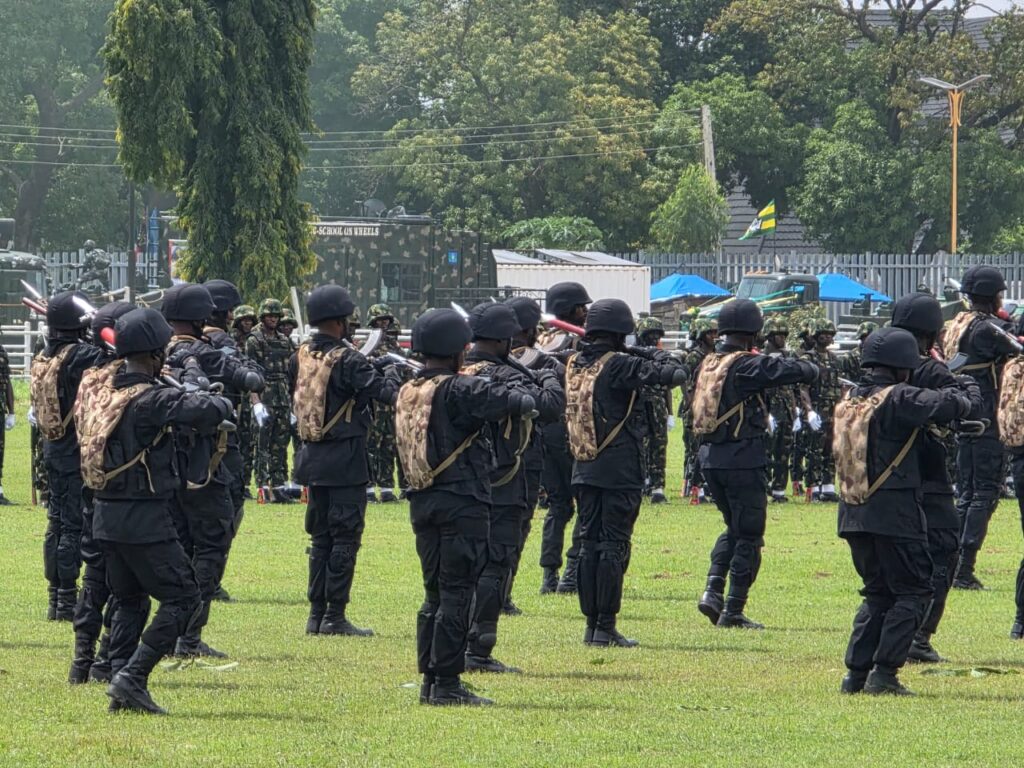
The President praised the leadership of the Chief of Army Staff, Lt.-Gen. Taoreed Lagbaja, for prioritising the welfare of troops and placing the soldier at the heart of institutional reform.
Tinubu acknowledged the numerous security challenges confronting the country, including terrorism, insurgency, banditry, and separatist agitations, which he described as existential threats that demand a united and resolute response.
“These evils do not discriminate by tribe or religion. They destroy churches and mosques alike. They abduct children without asking how they worship,” he said.
“Our response must be united, calm, and uncompromising. And to the officers and soldiers of the Nigerian Army, I say this clearly: the time to rise is now. You have my full authorization and the trust of the Nigerian people to confront and defeat those who seek to undermine our nation.”
The President paid tribute to fallen soldiers, some of whom now lie in the soil of a grateful nation, and others who carry the wounds of battle.
“To the families they left behind, I extend the deepest sympathies of a nation that will never forget. Their memory will endure for generations,” he said.
He urged serving personnel to continue in honour, guided by the Constitution and the principles of international law, saying their courage must remain anchored in justice.
The President reaffirmed his administration’s unwavering commitment to the welfare, training, and operational capability of the Armed Forces.
“We will continue to invest in modern equipment, in intelligence, and in the human capital that drives your effectiveness. This is not a favour; it is a duty owed to those who defend us,” he said.
He further commended the Armed Forces’ synergy, especially with the Navy, Air Force, and other security agencies, in tackling complex national threats.
Tinubu reminded all Nigerians that securing the country is not the burden of the military alone, but the responsibility of every citizen.
“We have no other country but Nigeria, and we must not mortgage our future to division, indifference, or delay. Nation-building is the work of every leader, every institution, and every citizen,” he stated.
In his closing remarks, Tinubu saluted all officers and soldiers of the Nigerian Army, past and present, describing them as “the guardians of our nationhood and the shield of our democracy.”
“Long live the Nigerian Army. Long live the Armed Forces of the Federal Republic of Nigeria. Long live the Federal Republic of Nigeria,” he declared.
Tinubu hails Nigerian Army’s role in defending national unity at 162nd anniversary celebration


NAF personnel arrested for alleged killing in Port Harcourt
By: Zagazola Makama
A Nigerian Air Force officer has been arrested following the death of a man during an incident at NAF Harmony Estate along Eliozu Road in Port Harcourt, Rivers State, sources confirmed on Monday.
According to sources, at about 11:00 p.m. on March 14, LCPL Oton Uba Eli of the Nigerian Air Force, attached to the 115 Special Operations Group, apprehended David Ebuka, a 28-year-old dispatch rider, over possession of suspected hard drugs.
While at the scene, a man believed to be Ebuka’s superior, Joseph Iche Johnson, arrived, prompting a confrontation. During the argument, the Air Force officer reportedly discharged his firearm, fatally wounding Johnson.
The victim was taken to a military hospital, where he was pronounced dead. His body was later deposited at the University of Port Harcourt Teaching Hospital Mortuary for autopsy.
Both the dispatch rider and the Air Force officer have been taken into custody by the police as investigations continue.
Police said inquiries are ongoing to establish the full circumstances surrounding the incident.
NAF personnel arrested for alleged killing in Port Harcourt
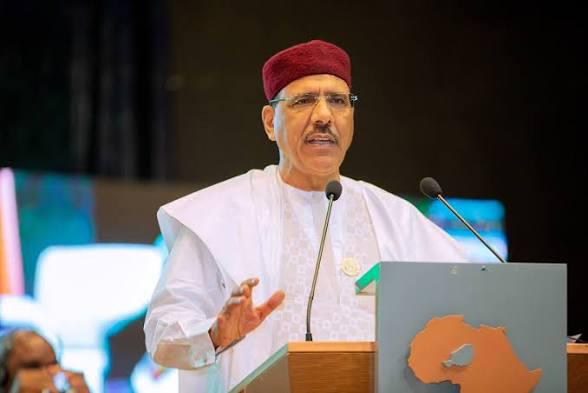
EU Parliament calls for release of Niger’s ousted president Bazoum
By: Zagazola Makama
The European Parliament has adopted a resolution calling for the immediate and unconditional release of Niger’s ousted president, Mohamed Bazoum, and his wife, who have remained in detention since the 2023 Niger coup d’état.
Bazoum, who was democratically elected in Niger’s historic transfer of power in 2021, would have completed his first five-year term in April 2026 if he had not been overthrown by members of his presidential guard.
In a resolution adopted almost unanimously on Friday, the European Parliament condemned the continued detention of Bazoum and his wife by the military authorities currently ruling Niger, describing their detention as arbitrary.
The lawmakers urged the military junta to release the former president immediately and restore constitutional order in the country.
The resolution warned that the international community could consider further sanctions and legal measures against members of the military leadership if the situation persists.
Bazoum and his wife have been held in confinement since July 2023 when soldiers led by Abdourahamane Tiani, the former head of the presidential guard, overthrew the government and suspended the constitution.
The coup drew widespread condemnation from the international community, including ECOWAS, which initially threatened military intervention to restore democratic governance.
However, the proposed intervention was never carried out, and Bazoum has remained in detention while the military authorities consolidated power.
Political observers say the failure of regional and international efforts to secure Bazoum’s release has raised concerns about the weakening of democratic norms in parts of the Sahel.
The European Parliament said the continued detention of the former president represents a violation of democratic principles and human rights, warning that silence or indifference toward such actions could encourage unconstitutional changes of government elsewhere.
The resolution also highlighted the deteriorating political and security situation in Niger since the coup, noting that democratic gains and human rights protections have been undermined under military rule.
Meanwhile, critics have also raised questions about the silence of Mahamadou Issoufou, Bazoum’s long-time political ally and predecessor, who some analysts say has not publicly pressed strongly enough for Bazoum’s release despite their decades-long political relationship.
The European Parliament’s move could revive international attention on Bazoum’s detention and increase diplomatic pressure on the junta to release him and return Niger to constitutional governance.
They also urged African governments and institutions to play a more active role in defending democratic norms and supporting the restoration of civilian rule in Niger.
Bazoum’s supporters continue to call for stronger international mobilisation to secure his freedom and restore the democratic mandate given to him by the Nigerien electorate.
EU Parliament calls for release of Niger’s ousted president Bazoum
National News
Northern Nigeria Faces Environmental Crisis as FG Unveils Plans to Revive Dying Rivers, Farmlands
Northern Nigeria Faces Environmental Crisis as FG Unveils Plans to Revive Dying Rivers, Farmlands
By: Michael Mike
Alarm over worsening desertification and environmental degradation across Northern Nigeria has prompted the Federal Government to move ahead with new strategic plans aimed at restoring damaged ecosystems and safeguarding the livelihoods of millions of rural residents.
The initiative, supported by the World Bank and implemented under the Agro-Climatic Resilience in Semi-Arid Landscapes (ACReSAL) Project, focuses on the development and validation of nine Strategic Catchment Management Plans intended to tackle land degradation, water scarcity and declining agricultural productivity in vulnerable communities.
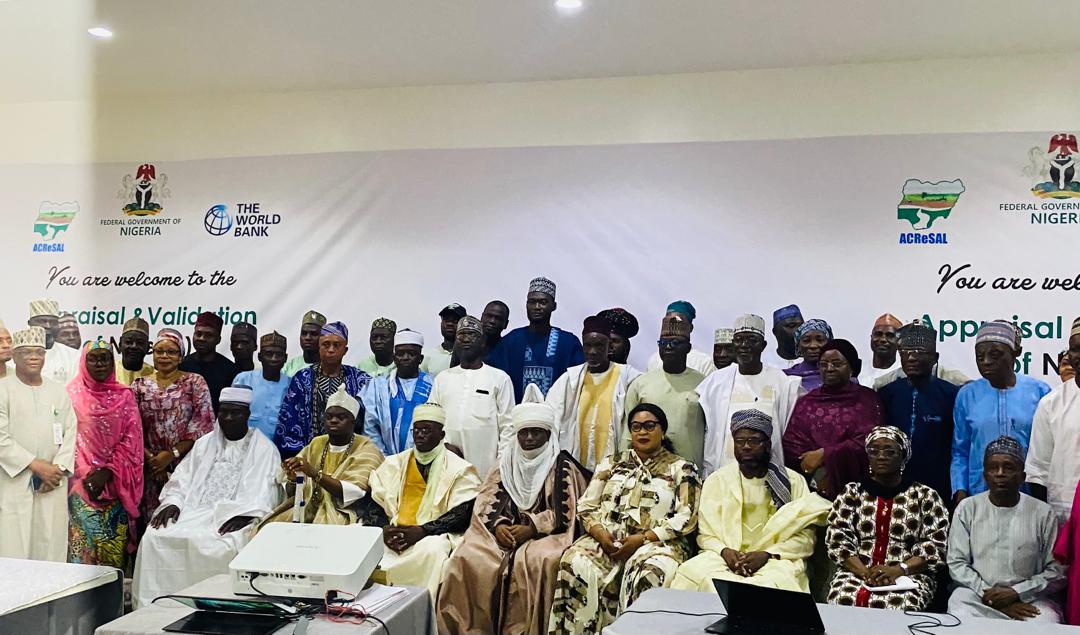
The plans are currently being reviewed at a multi-stakeholder workshop in Abuja, where government officials, development partners, environmental experts and community representatives are examining strategies to restore critical watersheds and strengthen climate resilience across the region.
Officials said the intervention has become urgent as environmental pressures continue to threaten food production, water supply and the stability of rural communities in the country’s northern belt.
Director of Hydrology at the Federal Ministry of Water Resources and Sanitation, Engr. Abohwo Ngozi, who represented the Minister, Joseph Terlumun Utsev, warned that desert encroachment, erratic rainfall and shrinking water bodies are already affecting livelihoods across the 19 northern states and the Federal Capital Territory.
She noted that degraded farmlands and drying rivers have become daily realities for farmers and pastoralists who depend on the region’s fragile ecosystems for survival.
According to Ngozi, the catchment management plans will provide a comprehensive framework for coordinating environmental restoration efforts while improving water and land management practices.
She explained that the strategies would help identify priority intervention areas, mobilise resources and guide long-term investments aimed at reversing environmental decline.
National Coordinator of the ACReSAL Project, Abdulhamid Umar, represented by Shettima Adams, said the nine catchment plans were developed after extensive consultations with communities directly affected by environmental degradation.
He said the catchments include Malenda, Oshin-Oyi, Gurara-Gbako, Aloma-Konshisha, Benue-Mada, Sarkin-Pawa-Kaduna, Zungur-Gongola, Gaji-Lamurde and Hawul-Kilange.
Umar noted that the plans would guide practical interventions such as tree planting, soil conservation, climate-smart agriculture and improved water management aimed at restoring ecosystems and boosting rural livelihoods.
“These plans reflect the voices of communities that are already living with the realities of desertification, shrinking water sources and degraded farmlands. They offer practical solutions designed to rebuild the landscapes and support sustainable livelihoods,” he said.
The catchment areas span several states including Adamawa, Bauchi, Benue, Borno, Gombe, Kaduna, Kano, Katsina, Kebbi, Kogi, Kwara, Nasarawa, Niger, Plateau, Taraba, Yobe and Zamfara, as well as the Federal Capital Territory.
Beyond environmental restoration, experts say improved catchment management could also help reduce tensions linked to competition for land and water resources among farmers, herders and rural communities in parts of Northern Nigeria.
Representing the World Bank Task Team Leader, Joy Iganya Agene, Henrietta Alhassan said the validation process marks an important step toward strengthening sustainable water resource management and climate adaptation efforts in the region.
She stressed that protecting catchment ecosystems is critical not only for environmental sustainability but also for ensuring long-term economic development and the resilience of communities that rely on these natural resources.
Officials involved in the programme said the workshop will complete the validation of the final batch of catchment plans, bringing the total number developed under the ACReSAL project to 20 and paving the way for large-scale environmental restoration and climate resilience interventions across Northern Nigeria.
Northern Nigeria Faces Environmental Crisis as FG Unveils Plans to Revive Dying Rivers, Farmlands

Troops nutrialised several Boko Haram terrorists in Yobe

Zulum Condemns Maiduguri Explosion, Calls for Calm, Vigilance in Worship, Public Places

GOC 8 Division visits troops in Kebbi, urges vigilance in operations

Roger Federer’s Shock as DNA Results Reveal Myla and Charlene Are Not His Biological Children

THE PLIGHT OF FARIDA

FAILED COUP IN BURKINA FASO: HOW TRAORÉ NARROWLY ESCAPED ASSASSINATION PLOT AMID FOREIGN INTERFERENCE CLAIMS
-
 News2 years ago
Roger Federer’s Shock as DNA Results Reveal Myla and Charlene Are Not His Biological Children
-
Opinions4 years ago
THE PLIGHT OF FARIDA
-
 News11 months ago
FAILED COUP IN BURKINA FASO: HOW TRAORÉ NARROWLY ESCAPED ASSASSINATION PLOT AMID FOREIGN INTERFERENCE CLAIMS
-

 News2 years ago
EYN: Rev. Billi, Distortion of History, and The Living Tamarind Tree
-
 Opinions4 years ago
POLICE CHARGE ROOMS, A MINTING PRESS
-

 ACADEMICS2 years ago
A History of Biu” (2015) and The Lingering Bura-Pabir Question (1)
-

 Columns2 years ago
Army University Biu: There is certain interest, but certainly not from Borno.
-

 Opinions2 years ago
Tinubu,Shettima: The epidemic of economic, insecurity in Nigeria
