
Politics
Tinubu’s 2027 Gamble: Why Shettima Remains His Running Mate


Tinubu’s 2027 Gamble: Why Shettima Remains His Running Mate
By: Dr James Bwala
Many Nigerians are still wondering about President Bola Tinubu’s decision to retain Vice President Kashim Shettima as his running mate for the 2027 presidential election. They speak about religious balance and often relate to Atiku Abubakar and the coalition’s ticket. But it never reflects a strategic calculation built on loyalty, competence, electoral strength, and political stability that the Tinubu team put into consideration in their blueprints. Rather than altering a partnership that has remained relatively free of internal conflict, the All Progressives Congress (APC) appears determined to preserve a joint ticket that has already been tested in a competitive election and established a working relationship within the administration. Shettima’s continued presence offers Tinubu a combination of personal trust, administrative capacity, northern political influence, and institutional continuity.
In a political environment where alliances can easily weaken under pressure, the relationship between Tinubu and Shettima has stood out for its apparent cohesion. Since the 2023 campaign, the two leaders have demonstrated strong early loyalty and a willingness to coordinate their political and governmental responsibilities. This absence of public friction is politically significant. Presidential tickets are not merely electoral arrangements; they are partnerships that must survive campaign pressures, policy disagreements, public criticism, and competing political interests. By retaining Shettima, Tinubu is signalling that the existing partnership remains useful, dependable, and capable of supporting the administration’s objectives through the 2027 election.
One of the most important reasons for Shettima’s retention is his loyalty to President Tinubu. Political loyalty is often assessed not just through public declarations but also through the consistent conduct of a political ally during challenging times. Since becoming vice president, Shettima has largely maintained a supportive and coordinated public posture towards the president. He has not attempted to create an independent power centre that competes with the presidency, nor has he publicly challenged the administration’s central direction. Instead, he has played the role of a trusted deputy who reinforces the president’s agenda.
This type of loyalty is particularly valuable in a presidential system. A vice president occupies a position that can either strengthen or destabilise an administration. If the relationship between the president and vice president becomes strained, political disagreements may expand into public controversy, factional competition, and institutional paralysis. Tinubu’s decision to retain Shettima suggests that he values the stability created by a loyal deputy. The president knows the importance of maintaining unity at the highest level of government, especially as he prepares for another demanding national campaign.
Shettima’s loyalty also has political importance beyond his relationship with Tinubu. His continued support helps reassure influential political actors who participated in the formation of the 2023 ticket. Replacing him could create uncertainty among members of the APC, regional stakeholders, and northern political networks that supported the original arrangement. By maintaining the partnership, Tinubu reduces the likelihood of resentment among those who may interpret a change as a rejection of an established alliance.
Competence is another major factor behind Shettima’s retention. As a former governor of Borno State, Shettima brought executive experience to the vice presidency. His background in managing a state affected by serious security and humanitarian challenges gave him practical knowledge of public administration, crisis management, and political negotiation. These experiences have enabled him to operate as more than a ceremonial deputy. He has represented the administration at major national and international events, defended government policies, and participated in efforts to explain the administration’s economic and development goals.
A competent vice president can provide the president with flexibility, as we all have been witnessing recently. The president cannot personally attend every meeting, regional engagement, diplomatic event, or policy discussion. Shettima’s capacity to represent Tinubu and articulate the government’s stance enables the administration to maintain an active and visible presence across various platforms. His experience and public speaking skills have made him a useful political representative for the government.
Adding to this, Shettima’s competence has been important in sustaining public confidence in the administration’s policy direction. The Tinubu government has pursued difficult reforms, including changes to fuel subsidy arrangements, economic management, and efforts to attract investment. Such policies have generated debate and public concern. A vice president who understands the administration’s objectives and can explain them coherently contributes to political reassurance. Retaining Shettima therefore allows Tinubu to preserve an experienced partner who is already familiar with the government’s policy framework.
Shettima’s electoral record in Borno State is also a major asset. His success in maintaining a strong political base in Borno demonstrates his ability to organise support and mobilise voters. Borno is not only politically significant because of its population and location; it is also symbolically important as one of the states at the centre of the North-east geopolitical zone. A vice presidential candidate who commands loyalty in the region can contribute substantially to a national campaign.
The North-east remains an important component of Nigeria’s electoral calculations. The region contains millions of voters and has historically played a decisive role in presidential elections. Tinubu’s choice of Shettima in 2023 helped create a ticket that could appeal to voters across regional and religious lines. Retaining him for 2027 allows the APC to continue benefiting from the political networks already developed in the region. Changing the candidate could require the party to rebuild trust, renegotiate alliances, and persuade influential local actors to support a new arrangement.
Shettima’s electoral success in Borno is also evidence of organisational strength. Political campaigns depend not only on popular appeal but also on structures capable of registering supporters, communicating with voters, coordinating party officials, and ensuring turnout on election day. Shettima’s influence gives the APC an established foundation in the North-east. That foundation may be especially valuable in a close election, where a few percentage points in key states can determine the national outcome.
Beyond Borno, Shettima provides access to a formidable northern political structure. His background, relationships, and experience have connected him to governors, legislators, traditional leaders, party officials, community organisations, and influential political figures across the northern region. Selecting a new running mate cannot easily replace these networks. Political structures are built over years through trust, shared interests, negotiations, and repeated cooperation. Keeping Shettima enables the APC to rely on an existing network instead of beginning again with an unfamiliar candidate.
This northern structure strengthens Tinubu’s national coalition. Nigeria’s political system requires presidential candidates to build broad alliances across regions and communities. A candidate who performs strongly in one part of the country but lacks acceptance elsewhere may struggle to win a nationwide election. Shettima helps Tinubu maintain the regional balance that was central to the 2023 campaign. His presence communicates continuity to northern voters while allowing Tinubu to present the joint ticket as a national partnership rather than a temporary electoral arrangement.
Another reason for retaining Shettima is the absence of significant internal friction between the president and vice president. Political observers have often seen disagreements between presidents and their deputies in Nigeria and elsewhere. Such tensions can weaken public confidence, encourage factionalism, and distract governments from their responsibilities. In contrast, the Tinubu-Shettima relationship has been characterised by public coordination and a shared presentation of the administration’s priorities.
The value of this unity cannot be overstated. An administration facing economic pressures, security concerns, and public criticism needs a leadership team that can communicate with one voice. Internal disagreements are inevitable in any government, but they become dangerous when they are allowed to dominate public discussion. The apparent cooperation between Tinubu and Shettima has helped the administration project a degree of stability. Retaining the ticket preserves that image and assures party members that the leadership remains aligned.
The Presidency and the leadership of the House of Representatives have emphasised that continuity is necessary to strengthen stability and confidence in the administration’s policy direction. This argument is persuasive because governments require time to implement major reforms. Replacing the vice presidential candidate could lead to political speculation about changes in policy, priorities, and internal power relationships. Even if a new running mate were personally capable, the change could create questions about the unity of the administration and the future of its reform agenda.
Continuity does not automatically guarantee good governance, but it can support effective governance when the existing partnership is functional. Tinubu and Shettima have already developed methods of cooperation, understood their respective responsibilities, and established relationships with key officials. A new running mate would need time to develop the same level of coordination. In a political system already facing complex challenges, avoiding unnecessary disruption is a reasonable strategic choice.
The partnership with the First Lady’s Renewed Hope Initiative further reinforces the case for continuity. Shettima’s cooperation with the initiative connects the vice presidency to programmes focused on social development, women, youth, health, and community welfare. This relationship has helped broaden the administration’s public image beyond economic and political issues. It demonstrates that the presidency is working through complementary channels to address the social consequences of national challenges.
Maintaining a coordinated relationship among the president, vice president, and the First Lady’s initiative can help the administration present a unified vision. It also allows programmes to continue without the confusion that might follow a major change in the leadership structure. Political stability is not only about elections and party organisations; it also concerns the continuity of programmes that affect citizens directly.
Also, the decision to retain Shettima reflects the APC’s desire to avoid unnecessary political risks. The submission of nomination forms by the party indicates confidence in the existing ticket and suggests that party strategists believe the partnership remains electorally viable. A change in running mate could produce several risks: disagreements among party leaders, dissatisfaction among northern stakeholders, competition among aspirants, and uncertainty among voters. It might also encourage opponents to portray the change as evidence of instability within the administration.
No political arrangement is without risk, but replacing Shettima would introduce risks that the APC does not need to accept. He is already known to voters, has an established political base, understands the administration’s agenda, and has demonstrated loyalty to Tinubu. As the 2027 campaign councils are set to hit the ground running, the strategies from the blueprints are already speaking success for the APC. The opposition drops in the APC with Nyesome Wike of the People’s Democratic Party (PDP), Governor Charles Soludo of Anambra State and his counterpart from Osun State, Ademola Adeleke, and Tinubu, Shettima, and the APC will surely dance in 2027.
* James Bwala, PhD, writes from Abuja.
Tinubu’s 2027 Gamble: Why Shettima Remains His Running Mate


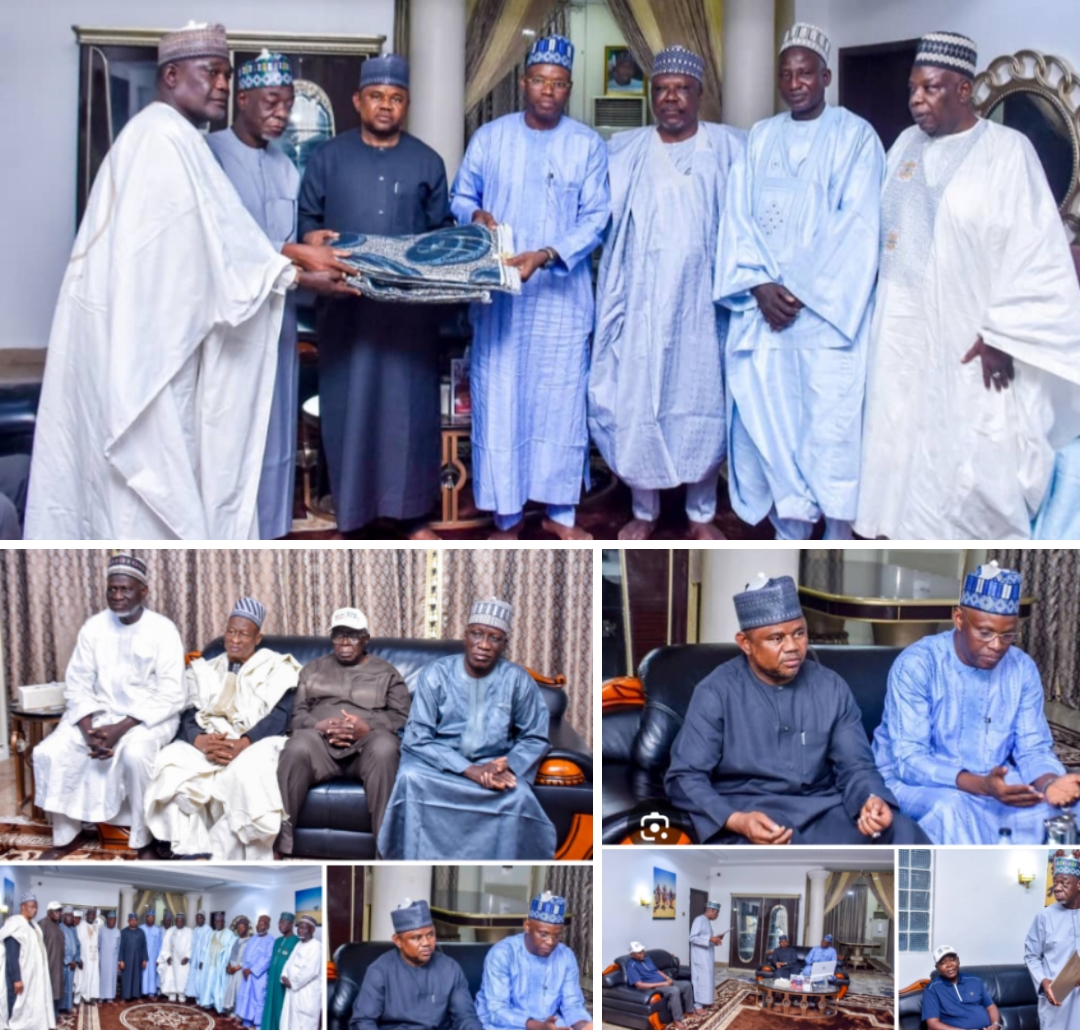
2027: Biu Elders Rally Behind Engr. Mustapha Gubio in Powerful Solidarity Visit
By: Dr. James Bwala
Leadership is not measured only by political titles, campaign promises, or public appearances. True leadership is revealed by a person’s character, memories, values, and commitment to the welfare of the people. In Borno State, where citizens have endured insecurity, displacement, economic hardship, and social uncertainty, the need for a leader who understands the value of peace and humility has never been greater. Engr. Mustapha Gubio, the All Progressives Congress (APC) gubernatorial candidate, has demonstrated qualities that make him a credible choice for the people of Borno: faith, gratitude, respect for communities, and a clear commitment to peaceful living.
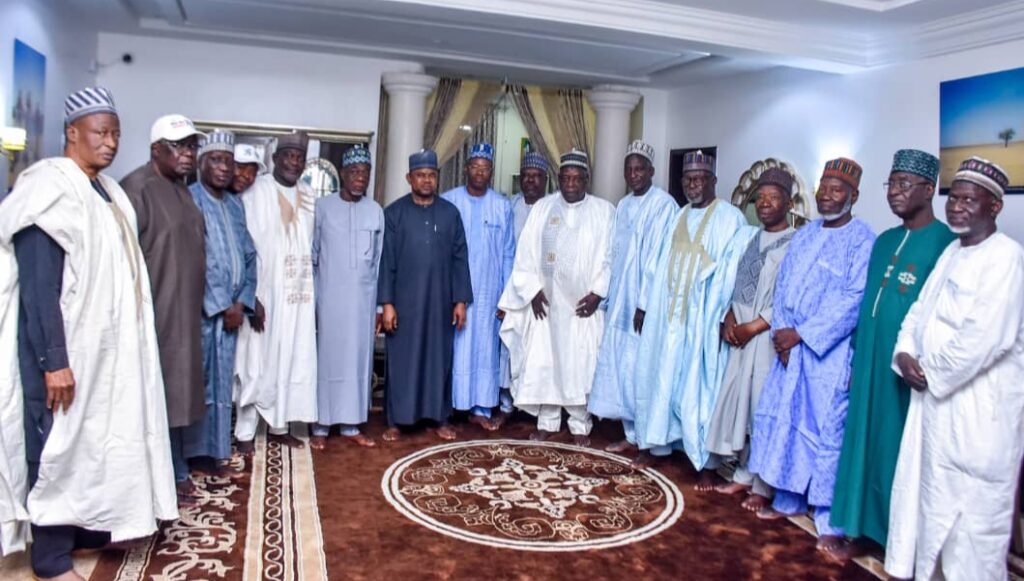
During a solidarity visit by Biu elders forum residents in Maiduguri, Engr. Gubio recalled the warmth and importance of Biu he holds in his personal history. He explained that, during his postgraduate studies in Yola, Biu served as a stopover point where he regularly paused to offer prayers. This recollection was not merely a casual reference to the past. It revealed the depth of his connection with the people and land of Biu, as well as his belief that prayer, perseverance, and divine guidance have played significant roles in his life and the connection he had with Biu and its people.
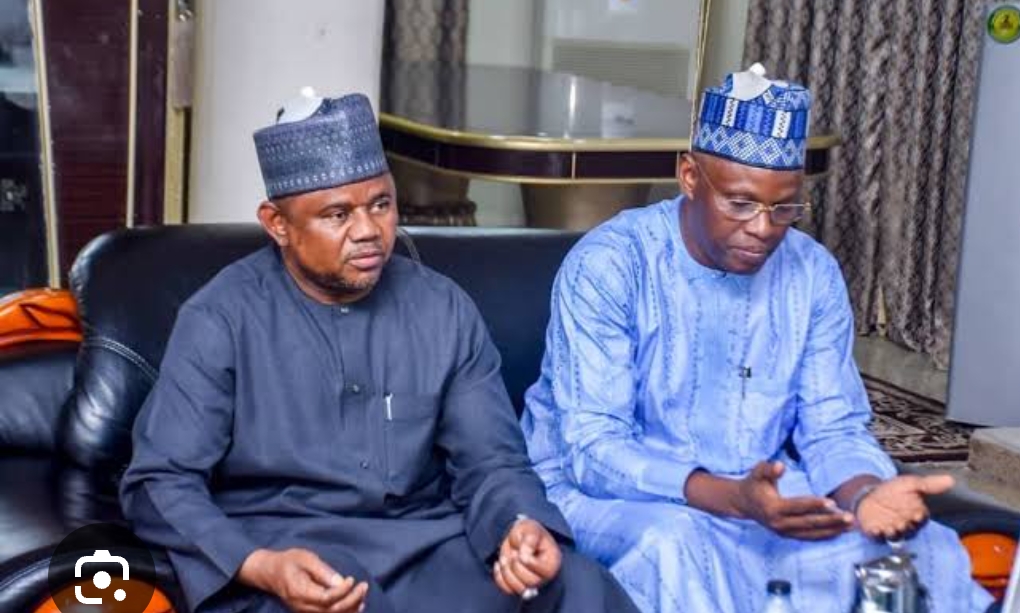
Engr. Gubio’s experience is particularly meaningful because it reflects the journey of a man who has not forgotten the places and values that shaped him. Many public figures become distant from ordinary people after attaining positions of influence. They may forget the communities where they found encouragement, comfort, or inspiration. Engr. Gubio, however, has continued to remember Biu as a place of spiritual refuge. His words showed that he does not regard Biu merely as a political constituency but as a community connected to his personal story and aspirations.
The importance of this memory should not be underestimated. A leader who appreciates the role of prayer and gratitude is more likely to understand that public office is a trust rather than a personal possession. Engr. Gubio stated that the positions he and his deputy have attained are by Allah’s will. This expression of humility is significant in a political environment where some individuals treat power as a reward for personal ambition or entitlement. By acknowledging divine will, he recognizes that leadership comes with responsibility, accountability, and an obligation to serve the people.
Such humility is essential for effective governance. A leader who understands that authority is temporary is more likely to listen to citizens, respect institutions, and make decisions in the public interest. Engr. Gubio’s view suggests that he sees political office not as an opportunity for self-enrichment or personal dominance but as a platform to serve Borno State. This perspective should appeal to citizens who desire a government that is accessible, responsible, and guided by moral principles.
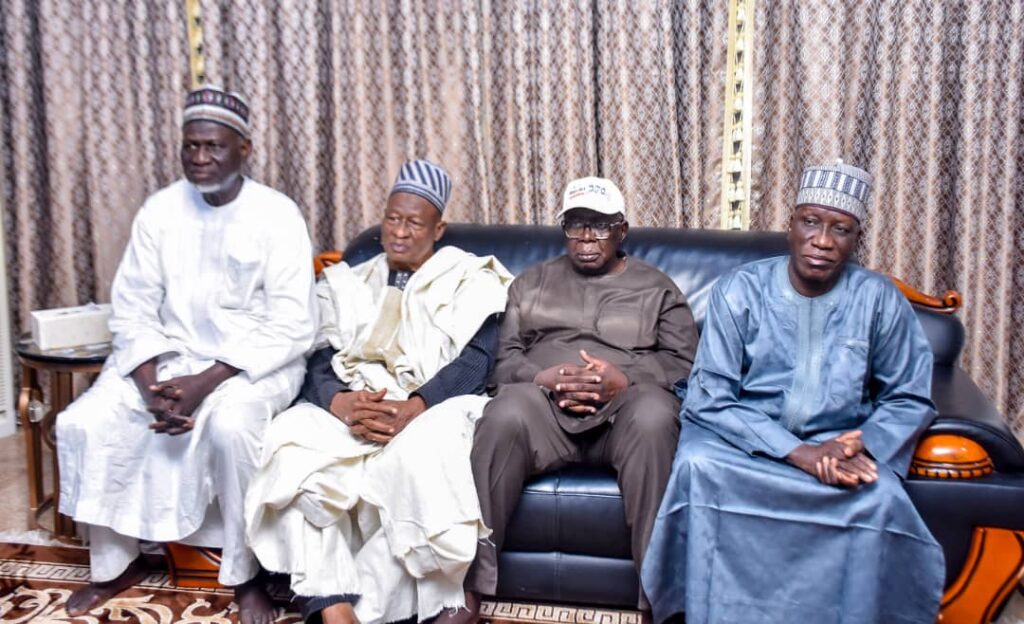
Peace remains one of the most urgent needs of Borno State. For more than a decade, insecurity has affected communities across the state. Families have been separated, businesses disrupted, schools damaged, and countless citizens forced to live with fear and uncertainty. Although significant efforts have been made to restore stability, the consequences of insecurity remain visible in many communities. The people of Borno therefore need leaders who place peace at the center of governance.
Engr. Gubio has consistently presented peace and prayer as central elements of his life and public outlook. His personal connection with Biu, where he stopped to pray during his postgraduate days, reinforces this identity. More importantly, he has promised that, if elected, he and his deputy will work to ensure that every citizen of Borno is given the right to peaceful living. This is a powerful commitment because peace is not a privilege reserved for certain communities or groups. It is a fundamental right that must be protected for everyone, regardless of ethnicity, religion, location, or political affiliation.
The promise of peaceful living must be translated into practical governance. It should involve strengthening security institutions, supporting community-based conflict resolution, protecting farmers and traders, rebuilding schools and health facilities, and creating opportunities for young people. It should also include dialogue with traditional rulers, religious leaders, women’s groups, youth organizations, and communities affected by conflict. Engr. Gubio’s emphasis on peace provides a strong foundation for such an inclusive approach.
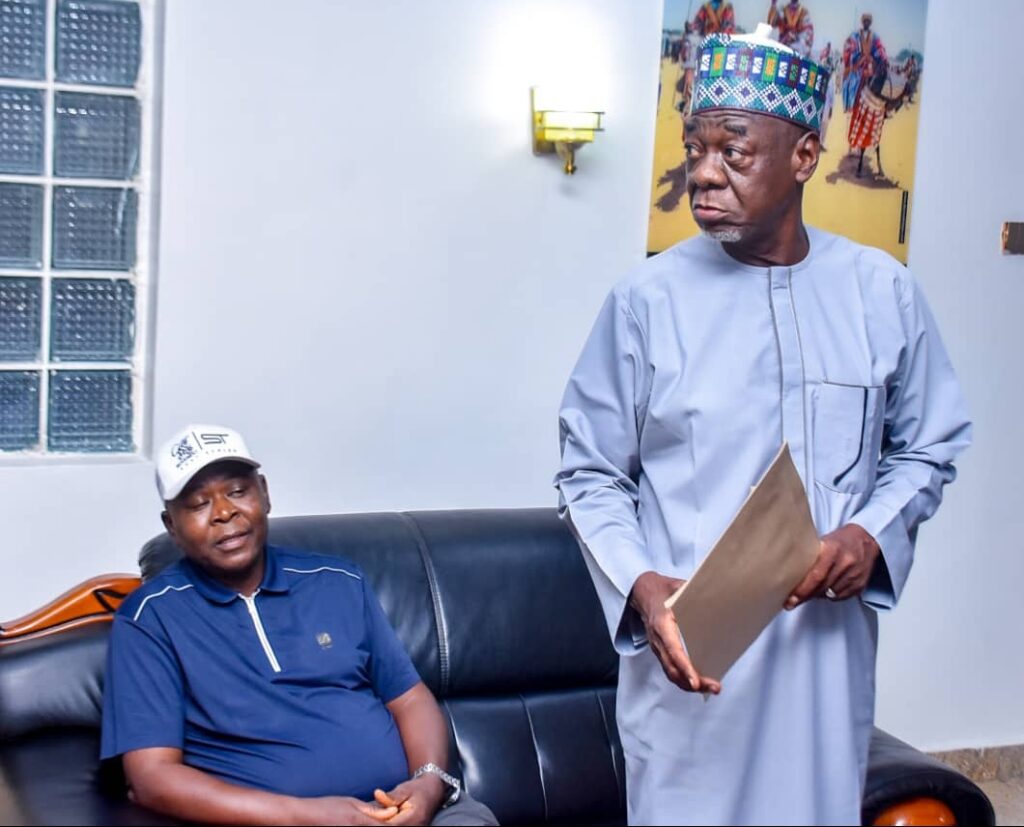
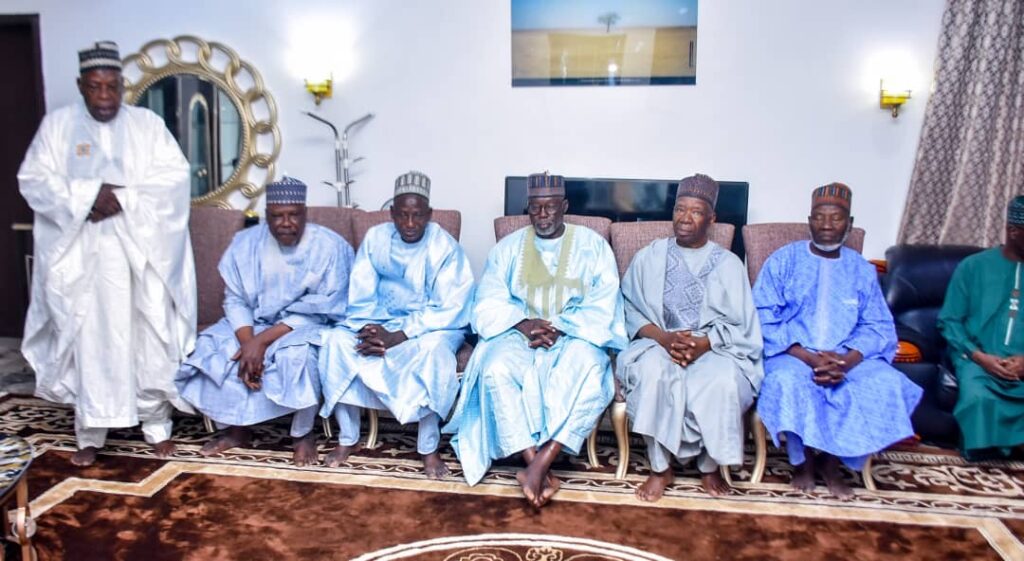
Biu Local Government Area has a special role in the political, cultural, and economic life of Borno State. Its elders have consistently contributed to the stability and development of the state. Their solidarity visit to Engr. Gubio was therefore more than a formal political engagement. It was an expression of respect, goodwill, and confidence. The visit also demonstrated the importance of collaboration between political leaders and traditional or community authorities.
The presence of Biu elders at the Government House offered an opportunity for dialogue and mutual understanding. Engr. Gubio’s response showed appreciation for the visit and acknowledged the emotional importance of Biu in his life. He thanked the elders and expressed hope that a larger occasion would provide an opportunity for greater exchange, discussion, and pleasantries. This response reflects a leader who values relationships and understands that governance cannot be built through speeches alone. It requires continuous engagement with the people.
A successful governor must be willing to listen. Communities possess knowledge about their own challenges, and elders often have a deep understanding of local history, social relations, and traditional methods of resolving disputes. By welcoming the Biu elders and expressing his desire for further engagement, Engr. Gubio demonstrated an appreciation for this important source of wisdom. His approach suggests that his administration would be open to consultation rather than relying solely on decisions made behind closed doors.
The bond between Engr. Gubio and Biu is also a reminder that political leadership should rise above narrow interests. Borno State is home to diverse communities with different traditions, histories, and needs. A governor must be able to unite these communities and promote a sense of common purpose. Engr. Gubio’s message that every Borno citizen deserves peaceful living reflects an inclusive vision. It shows that he does not intend to govern for one area, one group, or one political faction.
In a democratic society, citizens should evaluate candidates based on their character, competence, vision, and capacity to unite the people. Engr. Gubio’s professional background as an engineer provides him with a practical and analytical orientation. Engineering requires planning, precision, problem-solving, and the ability to manage complex projects. These qualities are relevant to the governance of a state that requires infrastructure development, economic revitalization, improved public services, and institutional reform.
However, technical competence alone is not sufficient for political leadership. A leader must also possess empathy, integrity, and a genuine connection with the people. Engr. Gubio’s recollection of Biu and his acknowledgment of prayer reveal a personal dimension that complements his professional experience. His story presents him as someone who has faced challenges, pursued education, remained connected to his faith, and continued to appreciate the communities that influenced his journey.
His statement that prayers offered in Biu have received answers is also a message of hope. Borno citizens have experienced difficult times, and many people continue to carry the burden of loss and uncertainty. Hope is therefore essential. It encourages communities to believe that recovery is possible and that the future can be better than the past. A leader who inspires hope without ignoring reality can help citizens rebuild their confidence and participate actively in the development of the state.
Nevertheless, hope must be joined with action. The people of Borno will expect any incoming administration to address unemployment, poverty, education, healthcare, agricultural development, infrastructure, and security. Engr. Gubio’s promise of peaceful living should therefore be accompanied by concrete programs and measurable policies. Peace is strengthened when young people have access to employment, when children can attend school safely, when displaced families can return home with dignity, and when citizens can conduct their businesses without fear.
The support of Biu elders is significant because traditional and community leaders often influence public opinion and social cohesion. Their solidarity can help promote peaceful political participation and encourage citizens to engage in elections responsibly. At the same time, their support should be understood as a call for accountability. A candidate who receives the trust of the people must remain answerable to them after the election. Solidarity should lead to a partnership in which leaders and citizens work together for the common good.

Engr. Gubio’s interaction with the Biu elders has created an opportunity to strengthen this partnership. His gratitude and willingness to maintain contact can serve as the foundation for a broader consultation process. Such engagement should continue throughout the campaign and, if elected, throughout his tenure. Communities should not be remembered only during elections. They must be included in policy discussions, development planning, and the evaluation of government performance.
Ultimately, the choice before the people of Borno is a choice about the kind of leadership they want. Do they want leadership defined by division, arrogance, and empty promises, or do they want leadership rooted in humility, peace, consultation, and service? Engr. Mustapha Gubio has presented himself as a candidate who understands the responsibilities of office and recognizes that authority comes by Allah’s will. His connection with Biu, his respect for the elders, and his commitment to peaceful living provide reasons for citizens to consider supporting his candidacy.
- James Bwala, PhD, writes from Maiduguri.
2027: Biu Elders Rally Behind Engr. Mustapha Gubio in Powerful Solidarity Visit


Borno 2027: The General’s Charge and How Zulum Unleashes Borno’s Heavyweight Political Squad
By Abubakar M. Kareto
In Nigerian politics, elections are rarely won on auditorium stages; they are decided in the quiet corridors of rural wards and the long queues of remote polling units.
The formal inauguration of the Borno State All Progressives Congress (APC) Campaign Council at the Government House followed by a massive, open-air campaign flag-off at the Sports Centre in Maiduguri represents a calculated departure from routine rally-making toward micro-targeted grassroots mobilization.
By commanding party stalwarts to abandon executive comfort and embed themselves directly within their local communities, Governor Babagana Umara Zulum is deploying a bottom-up doctrine aimed at locking down political legitimacy where it matters most.
At the heart of this strategy is the critical task of maintaining party cohesion after intense internal primaries. Zulum’s explicit instruction for victorious candidates to reach out and heal rifts with aggrieved aspirants reflects a realistic understanding of political arithmetic: internal resentment erodes turnout faster than any opposition campaign. By coupling reconciliation with firm warnings against subversion, the leadership is attempting to forge an unbreakable front out of potentially volatile factions.
The sheer scale of political unity displayed in Maiduguri underscores the formidable nature of this campaign structure. Bringing together political titans including former Governors Senator Maina Ma’aji Lawan and Senator Ali Modu Sheriff, alongside APC Deputy National Chairman Ali Bukar Dalori and the state’s complete senatorial delegation demonstrates an unprecedented level of internal alignment.
This public display of solidarity among historical heavyweights signals organizational stability, minimizing space for opposition inroads while keeping rank-and-file members firmly aligned.
Beyond local dynamics, Borno State occupies a unique position on the national political chessboard as the home state of Vice President Senator Kashim Shettima. In this high-stakes arena, sheer victory is insufficient; the turnout margin itself serves as a barometer of political influence.
Delivering a massive vote tally is therefore both a local objective and a strategic demonstration of national strength, cementing the state’s leverage within the governing alliance.
To turn political influence into actual votes, the campaign relies heavily on record-based persuasion and visible governance dividends. By grounding the campaign pitch in key developmental gains achieved despite severe security challenges and highlighting major federal institutions acquired in Gwoza, Bama, and Azare canvassers are equipped with a tangible policy narrative. Framing voter turnout for President Bola Ahmed Tinubu, gubernatorial candidate Engr. Mustapha Gubio, and all legislative candidates as a direct return on investment gives party workers a clear, evidence-backed story for every doorstep across the state’s 27 local government areas.
A vital strength of this expanded outreach is the deliberate inclusion of women and youth as core engines of voter mobilization. The strong presence of the women’s delegation led by Borno First Lady Dr. Falmata Babagana Umara Zulum alongside the wife of the Deputy Governor and the wives of party candidates highlights an organized effort to engage families and community networks directly. Demanding structured participation across all demographics ensures that campaign directives actively translate into voter registration and turnout.
Deputy Governor Umar Usman Kadafur’s commitment to an issue-based, unit-by-unit campaign outlines the operational mechanics needed to execute this vision. Requiring regular field reports creates a system of measurable accountability across every precinct. In a vast state with complex logistics, such systematic tracking ensures that high-level strategy is actively carried out at every single polling station.
Lastly, the Maiduguri launch demonstrates how strategic discipline, elite reconciliation, and precinct-level focus converge to shape electoral outcomes. In an increasingly competitive political landscape, the Borno APC has laid out a clear blueprint: harness the full weight of a unified leadership squad, but win the election one polling unit at a time.
About the Author
Abubakar M. Kareto is a Public Affairs Analyst and Communications Strategist focusing on governance, policies, economy, and institutional reforms across Nigeria and Africa. He can be reached on X @amkareto and via email at amkareto@gmail.com.
Borno 2027: The General’s Charge and How Zulum Unleashes Borno’s Heavyweight Political Squad
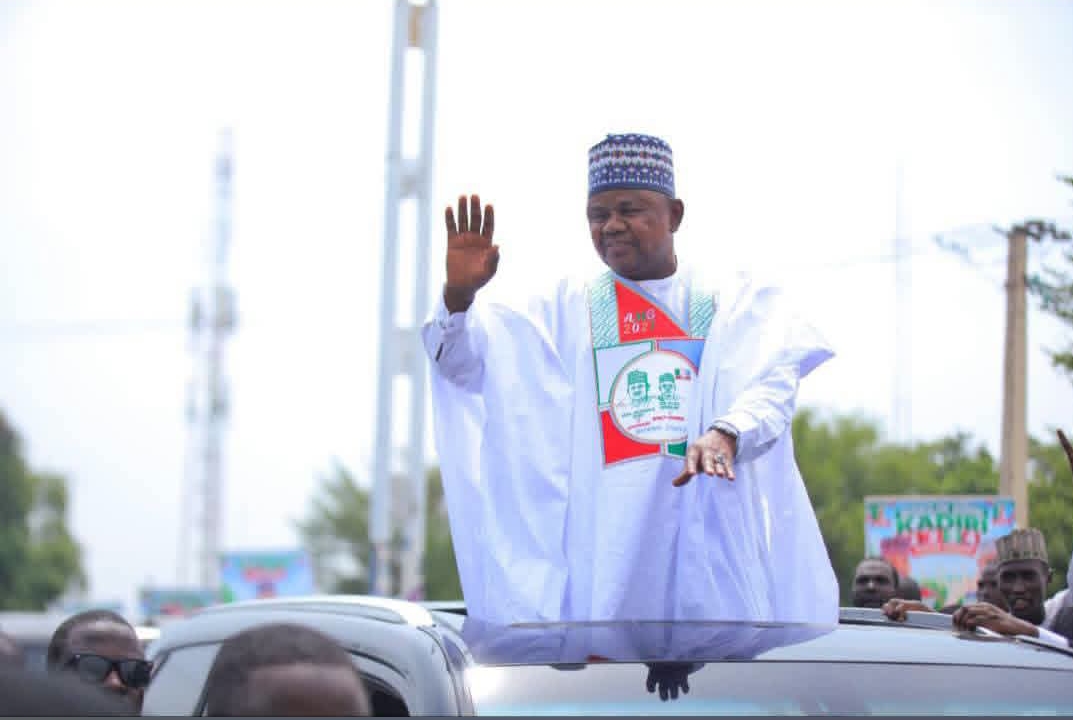
FROM A SILVER SPOON TO A GREATER BORNO: THE GUBIO RISE
By: Dr James Bwala
In politics, no one grows in isolation. Leadership is not developed in a vacuum; it is shaped by mentorship, experience, relationships, and a sincere commitment to the people. This truth is reflected in the words of the APC gubernatorial candidate and prospective governor of Borno State, Engr. Mustapha Gubio, who acknowledged the influential roles of His Excellency, Vice President Kashim Shettima, and His Excellency, Professor Babagana Umara Zulum, in his political and leadership journey. Describing the vice president as a grandfather and Governor Zulum as a father, Engr. Gubio recognised the strong pillars upon which he is learning the art of governance and the politics of peace.
This statement is more than an expression of personal gratitude. It represents a philosophy of leadership founded on continuity, mentorship, humility, and service. Borno State requires leaders who understand its history, appreciate its challenges, and are prepared to build on the progress already achieved. Engr. Mustapha Gubio’s close association with two of the state’s most important political figures provides him with a valuable foundation. Through their experience, he has been exposed to the complexities of governance, the importance of stability, and the responsibilities that come with public office.
Borno has faced challenges that demand more than political slogans. For many years, the state has contended with insecurity, displacement, economic hardship, destroyed infrastructure, disrupted education, and the painful consequences of conflict. Yet, despite these difficulties, Borno has also demonstrated remarkable courage and resilience. Its people have continued to hope, rebuild, work, and support initiatives aimed at restoring peace and development. Therefore, the state needs a leader who will protect the gains made so far while introducing practical and sustainable solutions to its remaining problems.
Engr. Gubio’s political outlook appears to be rooted in this understanding. By recognising that no politician develops alone, he acknowledges the value of experience and collective wisdom. This is especially important in governance, where decisions affect millions of lives and where errors can carry serious consequences. A leader who learns from experienced mentors is more likely to appreciate the complexity of public administration, understand the need for consultation, and avoid the dangers of arrogance and isolation.
Vice President Kashim Shettima’s political career offers an important example of commitment to public service. Before becoming vice president of Nigeria, he served as governor of Borno State and played a significant role during one of the most difficult periods in the state’s history. His experience in managing security challenges, coordinating development efforts, and maintaining public confidence gives him a profound understanding of Borno’s needs. His influence on the next generation of leaders is therefore significant. As a political grandfather, in Engr. Gubio’s words, he represents institutional memory, wisdom, and the continuity of a political tradition focused on service.
Similarly, Governor Babagana Umara Zulum has become widely associated with compassion, courage, and purposeful leadership. His administration has worked to address insecurity, rebuild communities, support displaced individuals, improve education, strengthen healthcare, and expand infrastructure. Although challenges remain, his government has demonstrated that effective leadership requires both vision and personal commitment. Governor Zulum’s regular presence in affected communities and his willingness to engage directly with citizens have strengthened public confidence in government.
To describe Governor Zulum as a father is to recognise the value of guidance and practical mentorship. A father does not merely provide instructions; he teaches through example, corrects with wisdom, encourages growth, and prepares the next generation to assume responsibility. In this context, Engr. Gubio’s relationship with Governor Zulum suggests that he is not seeking office without preparation. Rather, he is learning from a leader who understands the burdens of governance and the importance of placing the interests of the people above personal ambition.
The most compelling aspect of Engr. Gubio’s statement is about his emphasis on the politics of peace. For Borno, peace is not a decorative political phrase. It is the foundation upon which every other form of development depends. Without peace, schools cannot function properly, farmers cannot cultivate their land safely, businesses cannot grow, healthcare services cannot reach vulnerable communities, and investors will remain cautious. Peace is therefore not simply the absence of violence; it is the presence of security, justice, opportunity, and social trust.
A politics of peace requires a leader who is willing to build bridges rather than deepen divisions. Borno is a diverse state with different communities, ethnic groups, religious identities, social interests, and political opinions. Responsible leadership must recognise this diversity as a strength. It must promote fairness, inclusion, and mutual respect. The government must ensure that every community feels seen, heard, and protected. Engr. Mustapha Gubio’s stated commitment to peace offers an encouraging indication that his administration, if elected as governor of Borno State, would seek to unite the people.
However, peace must be supported by development. A young person without access to education, employment, or productive opportunities can easily become vulnerable to manipulation and criminality. Communities that lack roads, electricity, clean water, healthcare, and economic support may lose confidence in government. For this reason, a successful administration must link security with human development. The restoration of peace must be accompanied by investments in education, agriculture, entrepreneurship, public health, and social protection.
Borno has enormous potential in agriculture, trade, livestock, solid minerals, culture, and human capital. A government that creates the right environment can transform these resources into opportunities for its people. Farmers need improved access to seeds, fertilisers, irrigation, storage, markets, and security. Small businesses need affordable credit, reliable electricity, skills training, and simplified regulations. Young people need education that combines academic knowledge with vocational and technological skills. Women need greater access to economic opportunities and support systems. These measures would not only reduce poverty but also strengthen peace by giving citizens a meaningful stake in the future.
Another important responsibility of the next administration will be the continued rehabilitation and reintegration of displaced individuals and communities affected by conflict. Rebuilding homes and infrastructure is essential, but recovery must also include emotional healing, access to livelihoods, education for children, and support for families that have suffered loss. The process must be transparent, inclusive, and sensitive to local realities. Citizens should not merely be recipients of government policies; they should be active participants in designing and implementing them.
Engr. Gubio’s background and political relationships may help him understand the importance of continuity. Every new administration should introduce fresh ideas, but it should not abandon successful programmes simply because they were initiated by a previous government. Good governance requires the ability to preserve what works, correct what does not, and improve policies through innovation. Continuity does not mean refusing change. Instead, it means building responsibly on existing foundations while responding to new realities.
His statement also reveals a sense of humility that is essential in public office. A politician who recognises the contributions of others is more likely to respect institutions, listen to advisers, and value teamwork. Governance is not a personal possession. It is a public trust involving civil servants, traditional rulers, religious leaders, security agencies, community organisations, businesses, development partners, and ordinary citizens. No governor can succeed alone. The ability to unite these groups around a common vision will be critical to the future of Borno State.
At the same time, mentorship must be accompanied by independent judgement. While Engr. Gubio can draw wisdom from Vice President Shettima and Governor Zulum, he must also be prepared to respond to the unique challenges of his own time. Every administration inherits both achievements and unfinished tasks. The next governor will need to make decisions based on evidence, consultation, and the changing needs of the people. Political loyalty should never replace accountability, and continuity should never become an excuse for complacency.
The people of Borno will rightly expect measurable results. They will want to see safer communities, improved schools, functional hospitals, better roads, expanded employment, stronger agricultural production, and transparent public finances. They will expect leaders to communicate openly and to explain the reasons behind major policies. They will also expect justice and fairness in the distribution of projects and opportunities. The success of any administration should ultimately be judged by the improvement it brings to the lives of ordinary citizens.
For this reason, Engr. Gubio’s message must be transformed into a clear social contract with the people. His commitment to peace should be reflected in policies that address the roots of conflict. His respect for mentorship should be reflected in a government that values competence and experience. His promise of development should be demonstrated through realistic programmes with clear timelines and measurable outcomes. Above all, his leadership should remain centred on service rather than personal prestige.
Borno stands at an important point in its history. The state has endured tremendous suffering, but it has also shown extraordinary strength. With the right leadership, it can move from recovery to sustainable prosperity. The next phase will require patience, discipline, courage, and cooperation. It will require leaders who understand that political office is not a reward but a responsibility.
Engr. Mustapha Gubio’s recognition of Vice President Kashim Shettima as a grandfather and Governor Babagana Umara Zulum as a father presents him as a candidate who values experience, guidance, and continuity. More importantly, his commitment to the politics of peace speaks directly to the central aspiration of the people of Borno. If translated into inclusive policies, accountable governance, and practical development initiatives, this vision can help move the state towards a more secure and prosperous future.
Indeed, Borno needs a leader who will inherit the wisdom of the past, respond intelligently to the challenges of the present, and prepare the state for the opportunities of the future. A leader who understands that peace is the beginning of progress, that development must include every community, and that governance is most meaningful when it improves the lives of the people is that leadership that Borno is aspiring for and Engr. Mustapha Gubio is standing tall and positioned in a square peck.
* James Bwala, PhD, writes from Maiduguri.
FROM A SILVER SPOON TO A GREATER BORNO: THE GUBIO RISE

PCC Commissioner Applauds Buba’s Leadership, Commends UMTH’s Positive Transformation

UMTH, PCC Strengthen Ties to Improve Service Delivery and Protect Public Rights

Nigeria’s Philanthropy Sector Seeks Stronger Domestic Funding, Accountability

Roger Federer’s Shock as DNA Results Reveal Myla and Charlene Are Not His Biological Children

THE PLIGHT OF FARIDA

FAILED COUP IN BURKINA FASO: HOW TRAORÉ NARROWLY ESCAPED ASSASSINATION PLOT AMID FOREIGN INTERFERENCE CLAIMS
-
 News3 years ago
Roger Federer’s Shock as DNA Results Reveal Myla and Charlene Are Not His Biological Children
-
Opinions5 years ago
THE PLIGHT OF FARIDA
-
 News2 years ago
FAILED COUP IN BURKINA FASO: HOW TRAORÉ NARROWLY ESCAPED ASSASSINATION PLOT AMID FOREIGN INTERFERENCE CLAIMS
-
 Opinions5 years ago
POLICE CHARGE ROOMS, A MINTING PRESS
-

 News3 years ago
EYN: Rev. Billi, Distortion of History, and The Living Tamarind Tree
-

 ACADEMICS3 years ago
A History of Biu” (2015) and The Lingering Bura-Pabir Question (1)
-

 Columns3 years ago
Army University Biu: There is certain interest, but certainly not from Borno.
-

 Politics1 year ago
2027: Why Hon. Midala Balami Must Go, as Youths in Hawul and Asikira/Uba Federal Constituency Reject ₦500,000 as Sallah Gift
