
Politics
To end insecurity, kill religion in Nigerian politics

To end insecurity, kill religion in Nigerian politics
By: Dr. James Bwala
Last week I was at the Garki area, specifically at the Kiss FM 99.9, to supervise one of my students on SIWES at the radio station. I arrived while a call-in program was on air with discussions and contributions coming in as I took a seat in the studio. The discussion was centered around politics and religion, with the visits of some religious leaders to the presidency and endorsement of the Tinubu and Kashim Shettima’s administration for the 2027 general elections in the country. This program got hot at some point, and I smiled as I followed. In the end, we exchanged pleasantry and did the introduction because the anchor of that program, Mr. Felix, happened to be my student’s organization supervisor. While discussing the program, I told him that every political leader is a religious leader, and I explained. He concurred and also suggested I come up someday for his program live, which I will someday.
While I left the station, I also arrived at Gwani Street to see one of my students on an industrial assignment. While I was waiting in that office, I listened to conversations amongst staff of that organization still hitting on politics and religion. This time they were looking at the insecurity situations in Nigeria and the government and its agencies’ inability to deal with the situation and bring it to an end. I smiled and nodded as if agreeing with one of the staff’s views when he pointed at the failure of the Tinubu administration and the lack of commitment on the part of the Nigerian military to end the terror conflicts of Boko Haram in the Northeast, banditry in the Northwest, and kidnapping and other crimes across other parts of the country.
He then turns to me and seeks my opinion after learning I was a lecturer with one of the universities. He asked a specific question and needed a straight answer as to how I think the insecurity in the country can come to an end. I simply said, “To end insecurity, kill religion in Nigerian politics.” This statement hits them like a bomb. One asked if I am serious. I smile, look at him straight in the eyes, and ask what he thinks. I told them I am seeing the prophecy of Malam Aminu Kano in 1956 when he cautions about the day politicians and religious leaders will come to the table in agreement and the outcome he foresaw of the common man. I told them what I earlier told the anchorman at Kiss Radio—that every political leader is a religious leader. And every word coming from such a leader makes or destroys.
The conversation went on, and I told them that the pervasive issue of insecurity in Nigeria has become a constant source of national anxiety, prompting widespread calls for decisive action from the government and military.
My point is that, while the populace is quick to attribute the persistent state of insecurity to the perceived failures of these institutions, a deeper examination reveals a more complex web of underlying factors that hinder effective resolution. Among these, the pervasive influence of religion, often exploited or manipulated, stands out as a potent catalyst and impediment to lasting peace in Nigeria.
My observation is that it is a common refrain in Nigerian discourse to point fingers at the government and the military for the nation’s security woes. From banditry in the North to farmer-herder conflicts in the Middle Belt and secessionist agitations in the South, the blame is often laid at the feet of ineffective governance and a poorly equipped or corrupt security apparatus. While these institutions undoubtedly bear responsibility for maintaining law and order, this singular focus often overshadows the intricate socio-religious dynamics that fuel and sustain these conflicts. The narrative of government failure, while partly true, serves as a convenient shield, deflecting attention from the deeply entrenched communal grievances and the ways in which religious identity is weaponized.
I see religion in Nigeria as not merely a private belief system; it is a powerful social and political force that permeates nearly every aspect of life. Unfortunately, this influence is often exploited to sow division and incite violence. Extremist interpretations of religious doctrines, propagated by unscrupulous individuals or groups, have fostered an us-versus-them mentality, dehumanizing those of differing faiths and justifying aggression.
The proliferation of religious militias and other influences of religion often exacerbates the cycle of violence, blurring the lines between self-defense and offensive action. For example, the farmer-herder crisis is frequently framed in religious terms, pitting predominantly Christian farmers against Muslim herders, thereby obscuring the underlying issues of land scarcity, resource competition, and historical grievances. This religious framing simplifies complex socio-economic problems into an intractable faith-based conflict, making genuine reconciliation immensely difficult.
In fact, the influence of religious leaders in Nigeria is immense, and their pronouncements carry significant weight within their communities.
While many religious leaders advocate for peace and tolerance, a segment actively or passively contributes to insecurity. This can manifest through the dissemination of inflammatory rhetoric, the justification of violence in the name of faith, or the refusal to condemn acts of brutality committed by adherents of their religion. In some cases, religious institutions themselves become centers of power and influence that are unwilling to cede ground or engage in interfaith dialogue, further entrenching divisions.
The inability of many religious communities to engage in critical self-reflection regarding their role in perpetuating conflict is a major impediment to peace. When religious doctrines are interpreted in ways that promote exclusivity and intolerance, the seeds of insecurity are sown.
It is crucial to acknowledge that religion is not the sole driver of insecurity in Nigeria. Poverty, unemployment, corruption, ethnic tensions, and the proliferation of small arms all play significant roles.
However, religion often acts as an accelerant, transforming these underlying vulnerabilities into active conflicts. For example, economic hardship can be more easily exploited by religious demagogues who promise divine retribution against perceived enemies or offer spiritual solace that justifies violent action. Similarly, ethnic rivalries are often overlaid with religious differences, creating a potent and combustible mix. Therefore, any strategy aimed at ending insecurity must acknowledge and actively dismantle the ways in which religion is manipulated to exacerbate these other societal ills.
The brief discussion turns to a lecture series. Given my take on this, I concluded that while the Nigerian government and military remain central to any security strategy, their efforts will continue to fall short if the deeply ingrained religious dimensions of insecurity are not addressed. The tendency to solely blame external authorities obscures the internal societal dynamics that fuel conflict. Until Nigerians, particularly religious leaders and communities, engage in a profound and honest reckoning with how religious narratives and identities are being used to perpetuate violence, lasting peace will remain an elusive dream.
Acknowledging and actively dismantling the manipulative use of religion, fostering genuine interfaith dialogue, and promoting critical engagement with religious texts are vital steps toward breaking the cycle of insecurity that has plagued Nigeria for too long. Only by confronting these “underlying difficulties” can Nigeria hope to achieve lasting stability.
We can learn from the ten most peaceful countries in the world: Iceland, New Zealand, Switzerland, Slovenia, Ireland, Austria, Portugal, Singapore, Finland and Japan. In these countries, there is a great divide between politics, government and religion. Kill religion in government and in politics and Nigeria will end insecurity.
- James Bwala, PhD, writes from Abuja
- To end insecurity, kill religion in Nigerian politics


Politics
Beyond Public Frustration: Why Nigeria Must Judge Its Leaders by Their Records, Not Rhetoric Before 2027

Beyond Public Frustration: Why Nigeria Must Judge Its Leaders by Their Records, Not Rhetoric Before 2027
By: Dr. James Bwala
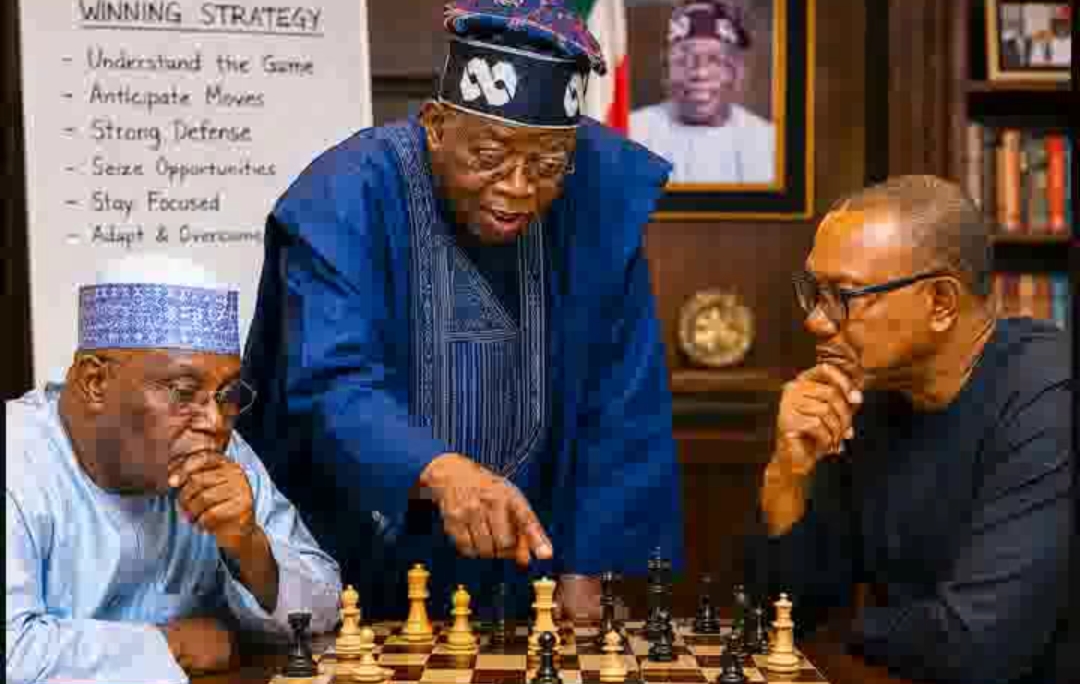
Nigeria’s current political debate is shaped by economic hardship, public frustration, and deep disagreement over the leaders capable of moving the country forward. Many citizens are understandably dissatisfied with rising costs, unemployment, insecurity, and declining living standards. However, frustration must not replace careful judgment. Nigerians must examine the records, principles, and policy choices of political leaders rather than allowing slogans, emotional speeches, or personal popularity to determine the country’s future.
One issue that deserves serious attention is the controversy surrounding the Aluminium Smelter Company of Nigeria, commonly known as ALSCON. The facility was established through substantial public investment, reportedly involving billions of dollars, but was later sold for a fraction of its estimated value. Former Vice President Atiku Abubakar, who was involved in the administration associated with the sale, has described the transaction as a mistake. Regardless of the political explanations surrounding the deal, the central concern remains: a public asset of immense strategic and financial value was transferred at a price that many Nigerians consider grossly inadequate.
Such an outcome should not be dismissed as a minor administrative error. Government assets belong to the Nigerian people. When public property is sold cheaply, the consequences are borne by citizens through lost revenue, reduced industrial capacity, fewer employment opportunities, and diminished national wealth. A transaction that deprives the country of billions of dollars cannot simply be placed in the category of an ordinary mistake and forgotten during an election season. Leadership requires accountability, especially when decisions have lasting consequences for millions of people.
The ALSCON controversy therefore raises legitimate questions about judgment, responsibility, and the protection of national resources. If a leader participated in a decision that resulted in the sale of a major public asset far below its potential worth, Nigerians have the right to ask how such an error occurred, who benefited, what safeguards were ignored, and whether the leader has fully accepted responsibility. It is not unreasonable for voters to consider such questions before entrusting that individual with greater power.
READ ALSO: https://newsng.ng/gubio-under-political-review-borno-elites-and-electorate-deliver-their-verdict/
The concern becomes even more serious when some supporters treat the matter as irrelevant while promoting the same political figure as the solution to Nigeria’s problems. Political loyalty should never require citizens to ignore facts. A democracy becomes weak when supporters defend every action of their preferred candidate while condemning similar conduct by opponents. Nigerians should demand the same standard from every politician, regardless of party, region, religion, or personal popularity.
At the same time, criticism of one political leader should not lead to the careless glorification of another. The comparison between former Vice President Atiku Abubakar, Labour Party candidate Peter Obi, and President Bola Ahmed Tinubu must be based on evidence, competence, and realistic expectations. It is understandable that many Nigerians blame President Tinubu for the severe hardship experienced under his administration. The removal of fuel subsidies, exchange-rate reforms, inflation, and other economic policies have imposed painful burdens on households and businesses. The suffering is real, and government must respond with urgency, compassion, and measurable solutions.
Nevertheless, it is inaccurate to suggest that every problem facing Nigeria began with President Tinubu. The nation’s difficulties are the result of decades of accumulated failures, weak institutions, corruption, poor planning, insecurity, inadequate infrastructure, and inconsistent economic policies. These problems developed through successive administrations, beginning long before the present government and continuing through the eras of Shehu Shagari, military governments, democratic administrations, and Muhammadu Buhari’s presidency. Nigeria’s current crisis is therefore both immediate and historical.
Recognizing this history does not absolve the present government of responsibility. Every administration must be judged by its own decisions and results. President Tinubu must explain his policies clearly, reduce waste, protect vulnerable citizens, strengthen security, and ensure that economic reforms do not become excuses for indifference. However, the existence of long-standing national problems means that no responsible assessment should expect a complete transformation within a few months or even a single term. The scale of the damage requires sustained reform and institutional rebuilding.
READ ALSO: https://newsng.ng/gubio-under-political-review-borno-elites-and-electorate-deliver-their-verdict/
In my view, President Tinubu represents an important phase in the development of modern Nigeria. Describing him as the “father of modern Nigeria” may sound provocative to some people, but it reflects the argument that his administration is attempting to confront structural weaknesses that previous governments postponed. Economic reforms that had been avoided for years are now being implemented, even though they are painful. The removal of fuel subsidies and changes to the foreign-exchange system have revealed the weaknesses of an economic model that was already becoming unsustainable.
Reforms, however, are not automatically successful simply because they are bold. Their success depends on implementation, transparency, discipline, and social protection. If citizens are asked to endure hardship for the sake of future stability, the government must demonstrate that leaders are also making sacrifices. Public funds must be protected, corruption must be punished, and relief measures must reach the people who need them rather than becoming opportunities for political patronage. A reform agenda that burdens ordinary Nigerians while allowing waste and privilege to continue will lose public trust.
President Tinubu therefore needs time, but he also needs accountability. Patience should not mean silence, and hope should not mean blind loyalty. Nigerians can support the long-term objectives of reform while demanding better short-term management. The administration must strengthen institutions, uphold the rule of law, improve public services, and create a transparent environment for investment and employment. It must also communicate honestly with citizens instead of dismissing their legitimate frustrations.
The argument that Atiku Abubakar or Peter Obi would necessarily perform better should also be approached with caution. Both men have supporters who believe strongly in their abilities, and both have made important contributions to national political debate. However, political popularity and campaign promises are not the same as demonstrated capacity to repair a deeply damaged system. Leadership should be assessed through a candidate’s record, judgment, understanding of institutions, and willingness to accept responsibility for past decisions.
READ ALSO: https://newsng.ng/gubio-under-political-review-borno-elites-and-electorate-deliver-their-verdict/
It is possible to admire aspects of a politician’s personality or policies while still questioning his record. It is also possible to criticize President Tinubu without assuming that every alternative would automatically produce better results. Nigeria has repeatedly placed its hopes in individuals while neglecting the institutions required to control power and deliver lasting progress. This approach has produced disappointment because no leader, regardless of intelligence or charisma, can transform Nigeria alone.
The country needs strong institutions more than political heroes. An effective legislature, an independent judiciary, professional civil service, accountable security agencies, credible electoral bodies, and transparent public procurement systems are essential to national development. If institutions are weak, even a well-intentioned president may struggle to achieve meaningful change. If institutions are strong, bad decisions can be challenged, corruption can be exposed, and public assets can be protected from careless disposal.
The ALSCON controversy illustrates why institutional reform is necessary. The protection of national assets should not depend entirely on the personal integrity of a president or minister. Major transactions should undergo independent valuation, legislative scrutiny, public disclosure, and open competitive processes. Those who approve questionable deals should be held accountable, and citizens should have access to the information needed to evaluate government decisions. This is how a nation prevents one mistake from becoming a permanent loss.
Nigerians must also reject the politics of selective outrage. It is contradictory to condemn hardship under one administration while defending questionable decisions by a preferred candidate. It is equally wrong to describe every government policy as successful merely because it is associated with one’s political party. Responsible citizenship requires honesty, fairness, and consistency. Leaders should not be worshipped, and supporters should not become defenders of every failure.
READ ALSO: https://newsng.ng/gubio-under-political-review-borno-elites-and-electorate-deliver-their-verdict/
The hardship confronting Nigerians demands unity rather than endless division. Regional, religious, and ethnic competition has often prevented citizens from demanding competent governance from all political parties. Nigeria’s future cannot be secured by one region or one political movement. It requires cooperation among citizens, businesses, civil society organizations, professionals, traditional institutions, and government at every level.
Rome was not built in a day, and neither can a stable and prosperous Nigeria be built within one electoral cycle. The damage accumulated over nearly five decades will require patience, sacrifice, and sustained commitment to repair. But patience must be accompanied by vigilance. Nigerians should give reform a fair opportunity while insisting on justice, transparency, and tangible results.
President Tinubu should therefore be judged neither with blind praise nor with premature condemnation. He should be given the opportunity to implement his agenda, but that opportunity must come with firm public scrutiny. At the same time, politicians whose past decisions harmed national interests should not be allowed to erase those records simply by calling them mistakes. Before handing any leader greater authority, Nigerians must ask whether that person has demonstrated sound judgment, accountability, and respect for public resources.
The country’s future depends on making mature political choices. Nigeria does not need leaders who merely inspire passionate crowds; it needs leaders who protect national wealth, strengthen institutions, respect the law, and accept responsibility for their actions. If citizens remain informed, patient, united, and demanding, the nation can gradually overcome its difficulties. Sustainable progress will take time, but with responsible leadership and an engaged citizenry, Nigeria can build a stronger and more prosperous future.
* James Bwala, PhD, writes from Abuja
Beyond Public Frustration: Why Nigeria Must Judge Its Leaders by Their Records, Not Rhetoric Before 2027
Gubio Under Political Review: Borno Elites and Electorates Deliver Their Verdict
By: Dr. James Bwala
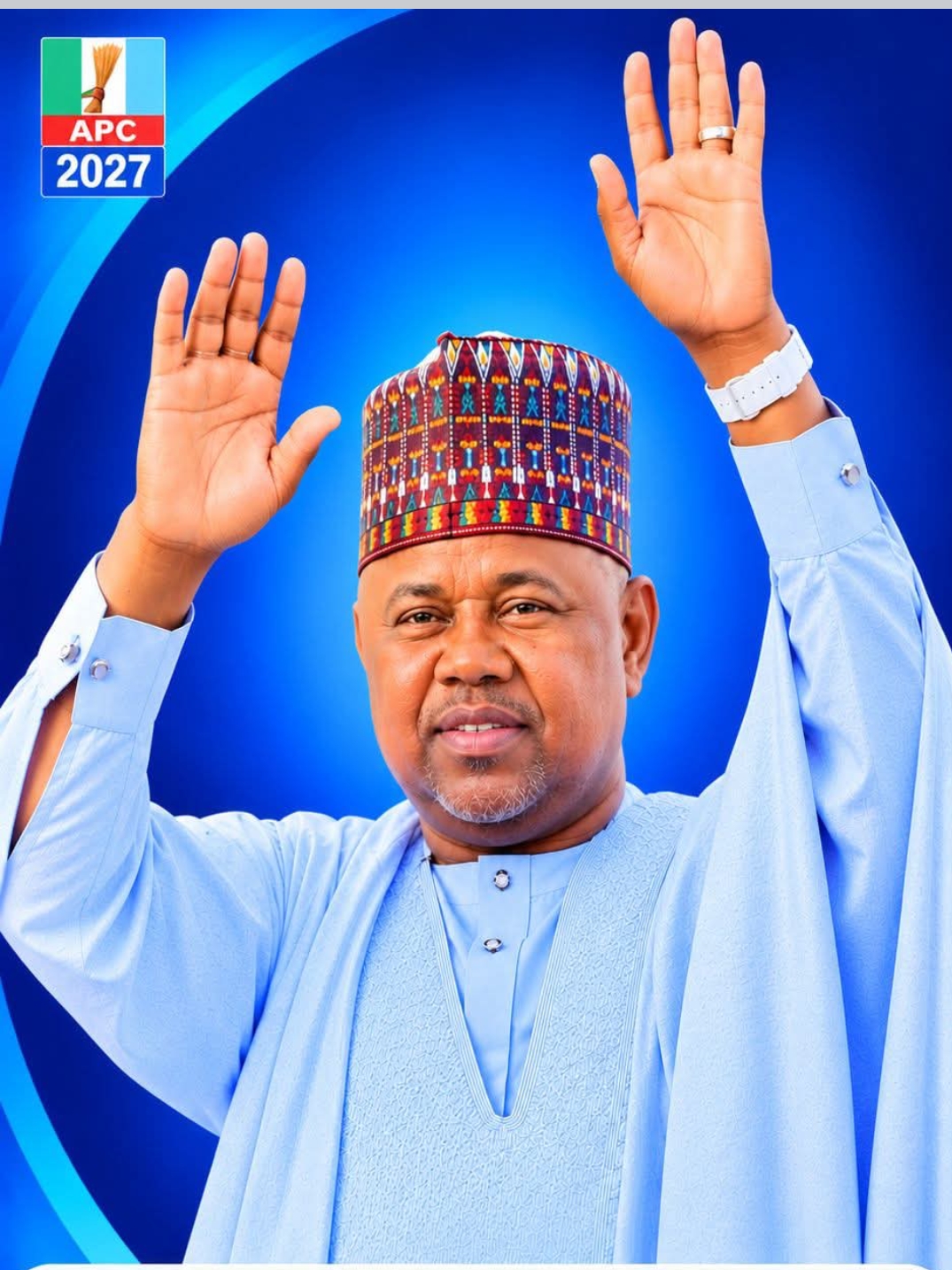
As preparations for the 2027 gubernatorial election gather momentum, political discussions across Borno State have increasingly focused on the role of individuals who have contributed to the success of the present administration. Among those attracting public attention is the APC gubernatorial candidate Alhaji Mustache Gubio, popularly called AMG, whom political elites and residents describe as a dependable force and the “shadow behind many projects” executed under the administration of Governor Babagana Umara Zulum.
For many residents, Gubio’s influence goes beyond party politics or temporary political calculations. They believe his contributions to governance, development planning, stakeholder engagement, and the implementation of public programs have earned him genuine respect. In their view, the support being expressed for him is not merely the result of political mobilization. Rather, it is based on his record, accessibility, commitment, and perceived loyalty to the people of Borno State.
The growing public endorsement of Gubio therefore deserves serious consideration. While elections should remain competitive and democratic, the voice of the electorate must be respected. If the people have identified a candidate whom they consider capable, experienced, and committed to sustaining the state’s development, other contenders and political parties should listen carefully to that message.
Public confidence in any political figure is rarely created by slogans alone. It is built over time through service, consistency, and the ability to support meaningful development. Gubio’s supporters argue that he has demonstrated these qualities through his involvement in several programs and projects associated with the Zulum administration.
Describing him as the “shadow behind many projects” does not necessarily mean that he has sought public praise for every contribution. Instead, the expression suggests that he has worked quietly and consistently behind the scenes, helping to develop ideas, mobilize support, solve administrative challenges, and ensure that government initiatives achieve their intended objectives.
Borno is a state where governance has been shaped by insecurity, displacement, humanitarian needs, unemployment, and infrastructural deficits; effective leadership requires more than public speeches. It demands patience, technical understanding, political maturity, and the ability to work with different stakeholders. According to his supporters, Gubio has shown these qualities by remaining involved in efforts aimed at improving the lives of residents.
The electorate appears to be rewarding this behind-the-scenes role. Many people do not judge political leaders solely by their visibility. They also recognize those who contribute through planning, coordination, policy support, and problem-solving. In that regard, Gubio’s supporters see him as a person whose impact may be greater than his public profile suggests.
One of the most important aspects of the current endorsement is the claim that Gubio’s acceptance is not limited to partisan politics. Residents who support him insist that their appreciation is based on his contribution to the state rather than on party loyalty alone.
This distinction is significant. In many political environments, public endorsements are sometimes motivated by ethnic, religious, personal, or partisan considerations. However, when citizens publicly acknowledge a candidate’s role in governance and development, the endorsement takes on a different significance. It suggests that the candidate has built relationships beyond the formal structure of a political party.
Gubio’s supporters maintain that even residents who may not vote for other candidates have already developed respect for him. This assertion reflects the belief that his reputation is strong enough to survive political competition. It also indicates that some voters have already formed their opinions based on their evaluation of his character and track record.
Democracy depends on the freedom of citizens to make informed choices. Voters are not required to support a candidate merely because of party affiliation or political pressure. They are entitled to evaluate candidates based on their achievements, character, competence, and vision. If Gubio has succeeded in earning the respect of residents who may otherwise disagree politically, that is an important indication of the strength of his public image.
Borno State requires continuity and stability in governance. Years of insecurity have disrupted economic activities, education, healthcare, agriculture, housing, and social development. Although significant progress has been made in several areas, the challenges remain substantial. The state needs leaders who understand its problems and can build on existing achievements rather than begin every policy process from the beginning.
Gubio’s supporters believe that his association with projects and programs implemented under the Zulum administration gives him an advantage. His familiarity with government policies, administrative procedures, community concerns, and development priorities could enable him to provide continuity after the current administration.
Continuity does not mean the absence of innovation. A new administration must be prepared to improve existing policies, correct weaknesses, and introduce fresh solutions. However, continuity ensures that successful programs are not abandoned merely because there has been a change in leadership. It allows the government to protect investments, maintain institutional knowledge, and build on lessons learned.
A candidate who understands the foundation already laid by the current administration may be better positioned to sustain and expand it. This is one reason residents who support Gubio view his candidacy as a practical choice. They believe that he would not need to spend unnecessary time learning the basic realities of governance in Borno. Instead, he could begin by strengthening programs that are already producing results.
Modern politics often rewards visibility. Candidates who appear frequently in the media or organize large political gatherings may attract more immediate attention. However, visibility alone is not proof of competence. Effective governance requires the ability to transform promises into policies and policies into measurable results.
Gubio’s supporters portray him as a leader whose strength lies in substance rather than publicity. His reputation, they argue, has been built through work and relationships rather than constant self-promotion. This type of political personality can be particularly valuable in a state that needs calm, strategic, and responsible leadership.
A governor must be able to manage competing interests, coordinate government ministries, engage traditional institutions, work with security agencies, communicate with citizens, and attract investment. These responsibilities require emotional intelligence, administrative discipline, and a strong understanding of local realities.
The public’s description of Gubio as a quiet but influential figure suggests that they value these qualities. They see him as someone who can work within a system while also contributing to its improvement. In a complex political environment, such an approach may be more effective than aggressive self-promotion.
The appeal to contenders from other political parties to withdraw in favor of Gubio is understandably controversial. In a democracy, every qualified citizen has the right to contest, and every political party has the right to present its candidate. No candidate should be prevented from participating through intimidation or political pressure.
However, the call can also be understood as a political message: residents believe that Gubio has already emerged as the people’s preferred choice. Rather than ignoring that sentiment, competing parties should study its causes. They should ask why residents are expressing confidence in him and whether their own candidates can offer a stronger alternative.
Political parties exist to represent the interests and aspirations of the people. If public opinion is moving decisively toward one candidate, parties must respond with humility and seriousness. They can either present a clear and convincing alternative or reconsider their strategies. What they should not do is dismiss the electorate’s views as meaningless.
Withdrawal should never be demanded through coercion. It should be based on consultation, political negotiation, and respect for democratic principles. If contenders freely decide that supporting the most popular candidate is in the best interest of Borno State, such a decision could reduce unnecessary rivalry and promote unity. But the final authority must remain with the people through a free, fair, and credible electoral process.
While the public endorsement of Gubio is significant, his supporters must also hold him to a high standard. Popularity should not be treated as a substitute for accountability. If he eventually emerges as a governor, residents should expect him to present a detailed plan for governance.
Such a plan should address security, education, healthcare, agriculture, youth employment, women’s empowerment, infrastructure, internally displaced persons, urban development, and economic recovery. It should also include clear mechanisms for transparency, public participation, and evaluation of government projects.
Supporters should encourage constructive debate rather than personal attacks on opponents. Gubio’s strength should be demonstrated through ideas, competence, and character. A campaign built on respect, evidence, and a clear vision will serve both the candidate and the people better than one based on insults or intimidation.
Similarly, Gubio himself must recognize that public trust comes with responsibility. Those who describe him as a central figure behind many projects expect him to do more than inherit the achievements of the current administration. They expect him to provide leadership that is inclusive, transparent, and responsive to the changing needs of Borno State.
The 2027 gubernatorial election will be an important moment for Borno State. It will determine whether the state continues on its current path, modifies its development strategy, or adopts a completely different approach. The electorate must therefore examine all candidates carefully and choose the person most capable of protecting the state’s interests.
The growing support for Gubio reflects the belief that he possesses experience, institutional knowledge, political maturity, and a record of contribution to public development. Residents who describe him as the shadow behind many projects under the Zulum administration are essentially saying that leadership is not always measured by public visibility. Sometimes, the most valuable contributions are made through quiet coordination, thoughtful advice, and consistent service.
With this public confidence continuing, Gubio is now a formidable choice for the 2027 gubernatorial contest. His supporters believe he has already earned their respect and their votes. Whether that support will translate into electoral victory will ultimately depend on the strength of his platform, the credibility of the electoral process, and the willingness of citizens to participate actively.
* James Bwala, PhD, writes from Abuja.
Gubio Under Political Review: Borno Elites and Electorates Deliver Their Verdict
Politics
From the Cave to the Palace: Tinubu and Shettima Must Remember Those Who Stood by Them in the Race for 2027
From the Cave to the Palace: Tinubu and Shettima Must Remember Those Who Stood by Them in the Race for 2027
By: Dr. James Bwala
The political atmosphere surrounding the 2027 election is already becoming increasingly tense. Across social media platforms, claims are circulating that some state governors, ministers, legislators, and other influential political actors may abandon the Tinubu-Shettima movement before the election. These claims are often linked to hashtags such as #TinubuMustGo and expressions such as the “Bamayi syndrome,” which suggest dissatisfaction, internal rivalry, or an attempt to weaken the current administration through coordinated public agitation.
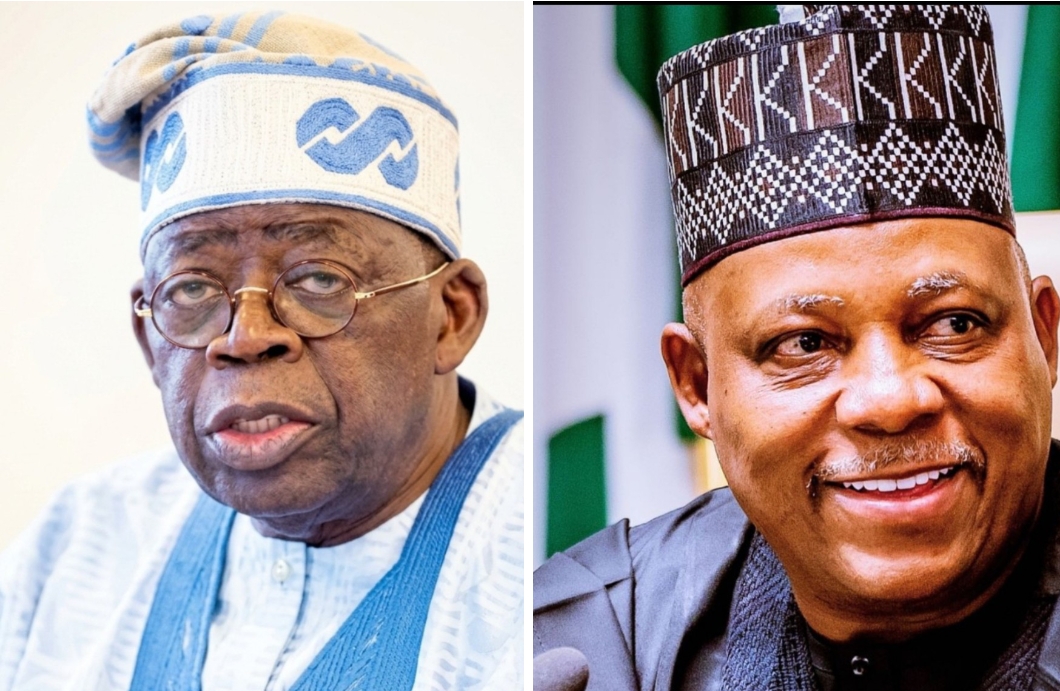
Whether every one of these reports is accurate or not, they reveal an important reality about Nigerian politics: political loyalty is frequently tested when power, ambition, and personal interest collide. Those who appear closest to a government during its period of strength may be the first to distance themselves when its popularity declines. Conversely, some individuals who remain loyal during difficult moments may be overlooked when political rewards are distributed. President Bola Ahmed Tinubu and Vice President Kashim Shettima must therefore pay close attention to those who stood with them during the administration’s difficult years, rather than relying only on the loudest voices or the most visible political actors.
Politics is a dramatic enterprise, especially in a country as competitive and complex as Nigeria. Alliances are formed and dissolved with remarkable speed. Political associates who once spoke passionately in support of a leader may suddenly become critics when they believe their interests are no longer protected. Those who once defended the administration may begin to issue carefully worded statements expressing “concern,” “disappointment,” or “the need for a new direction.” In many cases, such positions are not necessarily based on principle. They may reflect calculations about access to power, political survival, personal ambition, or the possibility that a different candidate may offer greater benefits.
READ ALSO: https://newsng.ng/umth-advances-womens-health-with-minimally-invasive-uterine-fibroid-treatment/
This pattern is not new, and it is not peculiar to the present administration. Nigerian politics has repeatedly shown that many political relationships are transactional. Supporters gather around power when it is strong, but some disappear when the government faces criticism, economic hardship, or declining public confidence. The difficult period is often the most revealing. When a government is popular and politically secure, it is easy to claim loyalty. The real test comes when policies generate hardship, opposition becomes aggressive, social media criticism intensifies, and political uncertainty creates opportunities for betrayal.
The experience of Vice President Kashim Shettima illustrates the dangers of relying solely on political proximity. At a certain point, some individuals closely associated with him reportedly drifted away because of suggestions that President Tinubu might replace him. Whether those rumors were founded or not, they demonstrated how quickly political actors can change their posture when they fear that their access to power may be threatened. Instead of remaining committed to a relationship or political project, they began responding to speculation. Their conduct reflected a broader tendency within political circles: many people are loyal not to the individual or the cause, but to the possibility of continued relevance.
This experience should provide an important lesson for both the president and the vice president. Political leaders must distinguish between genuine supporters and those who are merely beneficiaries of office. Some people may remain close to government because they have appointments, contracts, influence, or direct access to power. Their public support can therefore be difficult to interpret. Is it loyalty to the administration, or is it loyalty to the advantages that the administration provides? The answer becomes clear only when circumstances change.
READ ALSO: https://newsng.ng/umth-advances-womens-health-with-minimally-invasive-uterine-fibroid-treatment/
The political drama surrounding the 2027 election should not be dismissed entirely as ordinary propaganda. Social media campaigns can be sponsored, manipulated, or amplified by opponents, but they can also reflect real frustrations within society and the political class. Hashtags such as #TinubuMustGo may be promoted by individuals with particular motives, yet the concerns they express should not simply be ignored. Every administration must listen to public criticism, evaluate its policies, and understand why discontent is spreading. A government that labels every criticism as rented opposition may miss genuine problems that require urgent attention.
At the same time, it is necessary to distinguish between legitimate criticism and politically motivated agitation. Some voices are raised because citizens are suffering and demanding better governance. Others are raised by politicians who are dissatisfied because they have lost access, influence, or expected benefits. The administration must be mature enough to separate the two. It should respond to public hardship with policies and results while treating political maneuvering with wisdom rather than panic.
The most important issue is not merely whether some governors, ministers, or legislators are planning to abandon the Tinubu-Shettima ticket. Political realignment is normal in a democracy. Individuals have the right to review their positions, support alternative candidates, or disagree with government policies. The deeper issue is whether the administration understands the difference between those who are committed to its long-term vision and those who are simply waiting to see which way the political wind will blow.
READ ALSO: https://newsng.ng/umth-advances-womens-health-with-minimally-invasive-uterine-fibroid-treatment/
President Tinubu and Vice President Shettima should carefully examine the record of every major political ally, aide, and associate. Who supported them before they occupied the highest offices in the country? Who defended them when their policies were unpopular? Who remained present when others began to retreat? Who offered honest counsel instead of flattering speeches? Who remained loyal without demanding immediate personal rewards? These questions matter because political survival cannot depend only on the number of people standing around the leader at a particular moment. It depends on the quality and reliability of those people.
The biblical reference to the cave of Adullam is especially relevant. When David was in difficulty and hiding from King Saul, those who gathered around him were not necessarily the most powerful or celebrated people in the kingdom. They were distressed, indebted, and discontented individuals who found refuge with him. Yet many of them later became important figures in his administration. The lesson is not that every person who claims loyalty must automatically be rewarded. Rather, it is that leaders should remember those who stood with them when standing with them carried risks.
A leader who forgets loyal supporters after reaching the palace creates resentment and weakens the foundation of future alliances. People who made sacrifices during difficult times may feel betrayed when those who arrived later are given greater recognition. This does not mean that political appointments should be based only on historical loyalty. Competence, integrity, regional balance, and performance must also be considered. However, loyalty and sacrifice should not be treated as irrelevant. A government that rewards only latecomers and opportunists teaches political actors that commitment is unnecessary.
READ ALSO: https://newsng.ng/umth-advances-womens-health-with-minimally-invasive-uterine-fibroid-treatment/
The Tinubu-Shettima administration has faced significant challenges, including economic hardship, inflation, insecurity, unemployment, and public dissatisfaction. Some of these problems are inherited, while others are connected to decisions taken by the present government. The administration must therefore improve its communication, strengthen accountability, and produce visible results. No amount of political loyalty can replace effective governance. Those who remained with the government during its difficult years deserve recognition, but citizens also deserve policies that improve their living conditions.
The path to victory in 2027 will not be secured by political loyalty alone. It will require public confidence, credible achievements, disciplined party organization, effective communication, and a clear understanding of the country’s changing political landscape. The administration must avoid the temptation to surround itself only with praise singers. Leaders need advisers who can tell them the truth, identify weaknesses, and warn them when policies are causing public anger. A government that listens only to those who benefit from it may become disconnected from the citizens it hopes to persuade.
The president and the vice president should also be cautious about internal rivalry. Rumors concerning succession, replacement, or political restructuring can destabilize any administration. If unresolved, such rumors may encourage opportunists to abandon existing alliances and seek new platforms. Transparent communication between the president, the vice president, and key stakeholders is therefore essential. Political actors should not be allowed to define the relationship between the two leaders through speculation and anonymous social media campaigns.
READ ALSO: https://newsng.ng/umth-advances-womens-health-with-minimally-invasive-uterine-fibroid-treatment/
In addition, both leaders should recognize that unity must be built on trust. Vice President Shettima’s experience should not be forgotten. If people close to him could drift away because of unverified suggestions about his political future, then the administration must understand how fragile political loyalty can be. Trust must be strengthened through clear communication, consistent treatment, and mutual respect. A political partnership that appears uncertain will create opportunities for ambitious actors to exploit divisions.
The administration should also remember that those who remain loyal are not always the most visible. Some supporters may not dominate television discussions or social media trends. They may not have the resources to organize elaborate praise campaigns. Nevertheless, they may be working quietly at the grassroots, defending the government in their communities, mobilizing support, and maintaining faith in the political project. Their contribution should not be measured only by public visibility. In politics, the loudest supporter is not always the most reliable one.
As 2027 approaches, the president and the vice president must therefore look beyond immediate political excitement. They should study patterns of conduct rather than public declarations. Those who repeatedly change position whenever their personal interests are threatened should be treated cautiously. Those who have remained principled, even when they disagreed with certain policies, may be more valuable than those who offer unconditional praise. True loyalty does not mean the absence of criticism. A loyal ally can disagree honestly while still remaining committed to the larger cause.
READ ALSO: https://newsng.ng/umth-advances-womens-health-with-minimally-invasive-uterine-fibroid-treatment/
Ultimately, the success of the Tinubu-Shettima project will depend on both political management and governance performance. If the administration delivers meaningful improvements and treats its supporters fairly, many rumors of abandonment will lose their power. If it fails to address public concerns or continues to reward opportunism over commitment, internal defections may become more serious. Political loyalty is strengthened not by fear or inducement, but by shared purpose, fairness, trust, and results.
President Tinubu and Vice President Shettima will indeed overcome the political obstacles before them and secure a return to the Aso Rock Presidential Villa in 2027. However, if that goal is achieved, they must remember the people who stood with them in the difficult season. They should know who remained in the cave of Adulam with them when they return to the palace.
* James Bwala, PhD, writes from Abuja
From the Cave to the Palace: Tinubu and Shettima Must Remember Those Who Stood by Them in the Race for 2027

Beyond Public Frustration: Why Nigeria Must Judge Its Leaders by Their Records, Not Rhetoric Before 2027

Nigerian Students Shine in India, Win Eight Medals as University Awards 6,300 Degrees

UK, France, Germany Back Ukraine With €90bn, New Security Guarantees, Tougher Russia Sanctions

Roger Federer’s Shock as DNA Results Reveal Myla and Charlene Are Not His Biological Children

THE PLIGHT OF FARIDA

FAILED COUP IN BURKINA FASO: HOW TRAORÉ NARROWLY ESCAPED ASSASSINATION PLOT AMID FOREIGN INTERFERENCE CLAIMS
-
 News3 years ago
Roger Federer’s Shock as DNA Results Reveal Myla and Charlene Are Not His Biological Children
-
Opinions5 years ago
THE PLIGHT OF FARIDA
-
 News2 years ago
FAILED COUP IN BURKINA FASO: HOW TRAORÉ NARROWLY ESCAPED ASSASSINATION PLOT AMID FOREIGN INTERFERENCE CLAIMS
-
 Opinions5 years ago
POLICE CHARGE ROOMS, A MINTING PRESS
-

 News3 years ago
EYN: Rev. Billi, Distortion of History, and The Living Tamarind Tree
-

 ACADEMICS3 years ago
A History of Biu” (2015) and The Lingering Bura-Pabir Question (1)
-

 Columns3 years ago
Army University Biu: There is certain interest, but certainly not from Borno.
-

 Politics1 year ago
2027: Why Hon. Midala Balami Must Go, as Youths in Hawul and Asikira/Uba Federal Constituency Reject ₦500,000 as Sallah Gift
