
Uncategorized
Troops Arrest Two Suspected Terrorists in Kogi Patrol

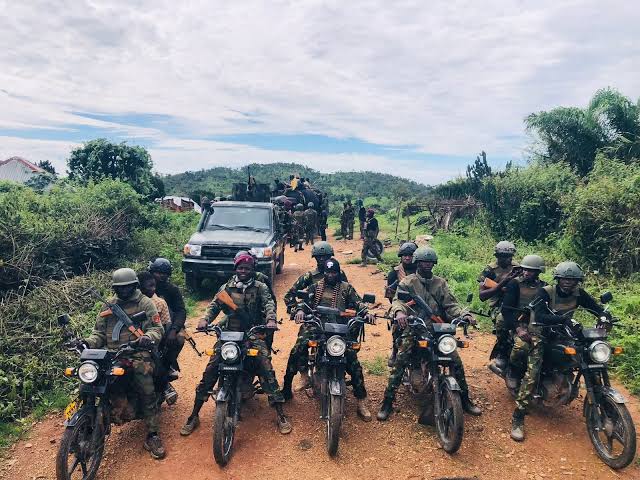
Troops Arrest Two Suspected Terrorists in Kogi Patrol
By: Zagazola Makama
Troops of 12 Brigade, in collaboration with local vigilantes, have arrested two suspected terrorists during a fighting patrol in Ajaokuta Local Government Area of Kogi State.
Security sources said the operation was conducted at about 9:00 a.m. on May 19 along the Eganyi–Atabatam–Epiri–Ebatoto–Idebe axis following sustained surveillance and patrol activities in the area.
The troops reportedly carried out a coordinated sweep of the general area as part of ongoing efforts to curb criminal activities and restore security along vulnerable routes.
During the operation, two suspected terrorists were apprehended.
Items recovered from the suspects included one motorcycle, one machete, and one mobile phone, among other sundry items.
The suspects and recovered items were subsequently handed over to the Nigeria Police Force for further investigation and necessary action.
Security sources said the patrol formed part of continued operations aimed at dismantling criminal networks operating within Kogi State and its surrounding axis.
Troops Arrest Two Suspected Terrorists in Kogi Patrol


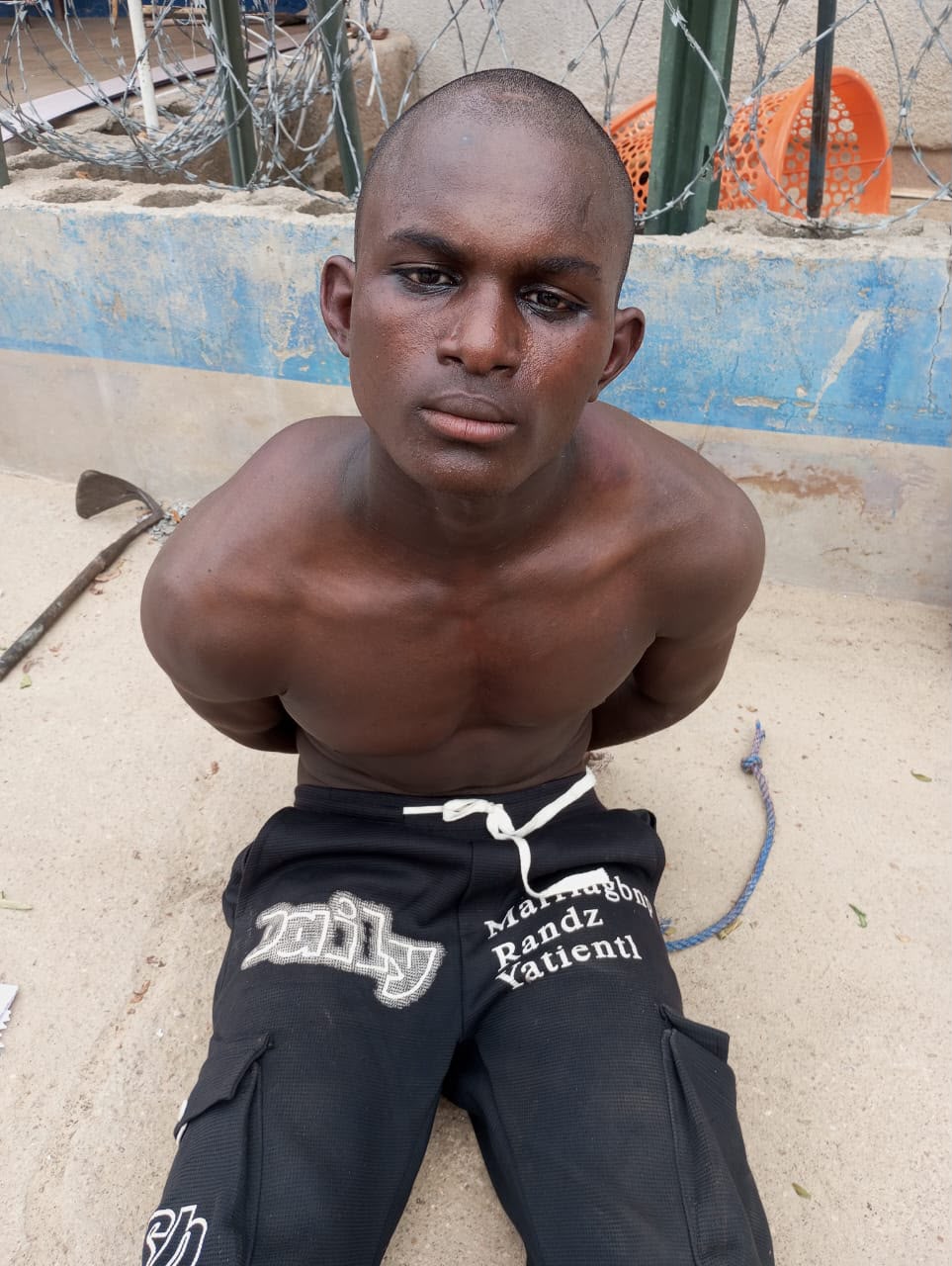
Troops arrest suspected ISWAP member, recover image of armed men in Borno
By: Zagazola Makama
Troops of Operation Hadin Kai, working with members of the Civilian Joint Task Force (CJTF), have arrested a suspected Islamic State West Africa Province (ISWAP) operative in Mairari town, Guzamala Local Government Area of Borno State.
The suspect, identified as Bubba Hamadu, 25, was arrested at about 2:22 p.m. on Monday, Aug. 24, 2026, by troops of Forward Operating Base (FOB) Mairari alongside CJTF members.
According to sources the suspect was subjected to preliminary interrogation following his arrest.
During the process, security personnel reportedly discovered a photograph on his mobile phone showing the suspect alongside unidentified individuals carrying AK-47 rifles.
The discovery raised suspicion about the suspect’s possible links with ISWAP elements operating within the area.
Items recovered from him included one Tecno mobile phone, an umbrella, an arrow, prayer beads, a mirror and an eye drop.
The military said Hamadu had been transferred into the custody of Headquarters Sector 3, Operation Hadin Kai, for further investigation and necessary action.
The arrest forms part of ongoing intelligence-led operations by troops and local security partners aimed at identifying and disrupting terrorist networks operating within the Lake Chad Basin.
Security forces have continued to rely on community-based intelligence, patrols and targeted arrests to identify suspected terrorists and facilitators in areas affected by insurgency.
The military said the general security situation across the theatre remained calm but unpredictable, while troops’ morale and fighting efficiency remained satisfactory.
Troops arrest suspected ISWAP member, recover image of armed men in Borno

Israel Sends Life-Saving Ambulances, Medical Equipment to Nigeria
By: Michael Mike
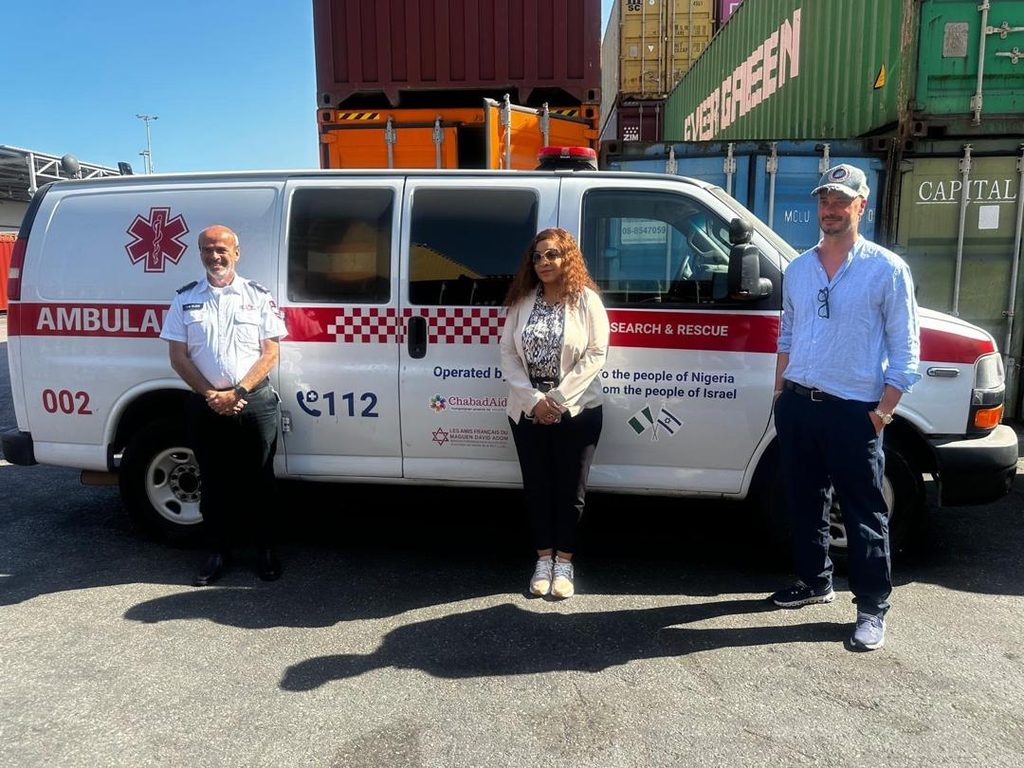
Nigeria’s healthcare and emergency response capacity is set for a boost as Israel has donated a first batch of ambulances, medical equipment and wheelchairs to the country in what officials described as a demonstration of the growing humanitarian and health partnership between the two nations.
The consignment was handed over at the Port of Ashdod, Israel, with Nigeria’s newly appointed Ambassador to Israel, Ambassador Nkechi Linda Ufochukwu, receiving the items on behalf of Nigeria.
The development comes barely three weeks after Ufochukwu formally assumed her diplomatic assignment in Israel, following the presentation of her Letters of Credence to Israeli President Isaac Herzog on August 3. Her appointment has been linked to Nigeria’s renewed efforts to expand cooperation with Israel in healthcare, technology, innovation, agriculture, security and other strategic areas.

The medical donation, facilitated by Magen David Adom (MDA), Israel’s national emergency medical and disaster-response service, comprises fully equipped ambulances, medical devices and mobility aids, including wheelchairs.
The equipment is expected to strengthen emergency medical response and improve access to essential healthcare services, particularly for vulnerable populations and communities where emergency transportation and medical infrastructure remain inadequate.

Receiving the donation, Ambassador Ufochukwu expressed Nigeria’s appreciation to the Israeli Government and Magen David Adom, describing the gesture as an important expression of friendship and solidarity between the two countries.
She said the intervention would contribute to efforts to improve healthcare delivery and emergency response in Nigeria, while providing practical support to hospitals, emergency centres and communities in need.
The ambassador emphasised that the value of the donation went beyond the equipment itself, noting that stronger cooperation in healthcare could provide opportunities for knowledge sharing, technology transfer and the development of more resilient emergency medical systems.
The latest initiative also places healthcare among the practical areas through which Nigeria and Israel are seeking to translate their longstanding diplomatic relationship into tangible benefits for citizens.
Nigeria and Israel have maintained diplomatic relations for decades, with cooperation extending across agriculture, water technology, security, innovation, education and trade. Under the new diplomatic leadership in Tel Aviv, healthcare and technological cooperation have emerged as important areas for closer engagement.
Ufochukwu had, shortly after presenting her credentials, identified healthcare alongside trade and investment, agriculture and food security, technology and innovation, defence and security cooperation, and cultural and people-to-people exchanges as priority areas for her tenure.
The role of Magen David Adom in the initiative is also significant. Established in 1930, the organisation serves as Israel’s national emergency medical, disaster-response and blood-service organisation and operates an extensive emergency response network.
For Nigeria, where road crashes, insecurity, disasters and other emergencies continue to place pressure on already stretched emergency medical services, the availability of properly equipped ambulances can make a critical difference between delayed treatment and timely intervention.
Beyond transportation, modern emergency ambulances serve as mobile treatment units, allowing trained medical personnel to begin stabilising patients before they reach hospitals.
The donation therefore comes at a time when Nigeria is seeking to strengthen its emergency healthcare architecture and move towards a system capable of delivering faster and more coordinated responses to medical crises.
It is also expected to reinforce the humanitarian dimension of Nigeria-Israel relations, particularly as both countries explore practical areas of cooperation that can directly affect the welfare of their populations.
The consignment is expected to be deployed to appropriate healthcare and emergency-response facilities in Nigeria, where the equipment will support patient care, emergency transportation and disaster-response operations.
The handover was witnessed by officials of Magen David Adom, representatives of the Israeli Ministry of Health and members of the Nigerian diplomatic mission in Israel.
For Abuja and Tel Aviv, the initiative represents a shift from diplomatic goodwill to practical cooperation, with life-saving equipment becoming a visible symbol of a relationship increasingly focused on healthcare, innovation and technology transfer.
As Nigeria continues its drive to improve access to quality healthcare, the latest Israeli intervention could provide a foundation for broader cooperation in emergency medicine, medical technology, professional training and disaster preparedness.
The donation consequently offers more than immediate relief: it presents an opportunity for Nigeria to deepen technical collaboration with Israel and build emergency medical systems capable of responding more effectively when lives are at risk.
Israel Sends Life-Saving Ambulances, Medical Equipment to Nigeria
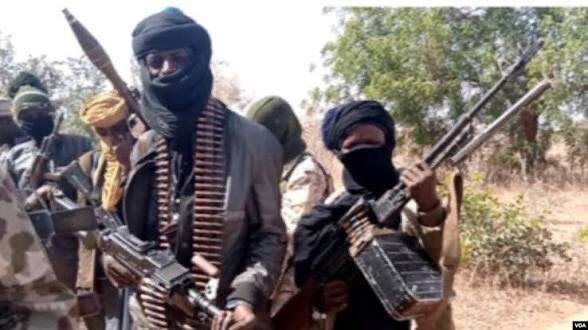
Kidnappers Kill Two Locals, Abduct Doctor and Hakimi’s Wife in Kaduna
By Zagazola Makama
Troops of Operation ENDURING PEACE (OPEP) have launched rescue and offensive operations following the abduction of a medical doctor and the wife of a Hakimi in Sanga Local Government Area of Kaduna State.
The incident occurred at about 7:40 a.m. on Sunday, August 23, 2026, at Abu village, Ninzo Ward, Sanga LGA.
According to a security source, troops of Sector 7, Sub-Sector 71, deployed at Raga General Duty location, responded to a report of the abduction of Dr. Ezekiel Audu and the wife of the local Hakimi.
Preliminary information indicated that the kidnappers opened fire after two local residents confronted them while they were fleeing with the abducted victims.
The two locals were reportedly killed in the attack.
Following the incident, troops immediately initiated rescue and offensive operations based on intelligence pointing to a possible hideout of the fleeing kidnappers.
The troops subsequently moved into the identified area in an attempt to intercept the criminals and rescue the victims.
However, no contact had been established with the kidnappers as of the latest security update.
The military said efforts remain ongoing to locate and rescue the abducted victims and apprehend the perpetrators.
Security forces are maintaining heightened surveillance across the area as the search operation continues.
Kidnappers Kill Two Locals, Abduct Doctor and Hakimi’s Wife in Kaduna

Troops foil attack on Rim community, three killed in Gwarim, Plateau

Operation Savannah Shield troops foil attempted kidnapping of farmers in Niger

Army troops recover 97 rustled livestock, hand them over to owners in Kano

Roger Federer’s Shock as DNA Results Reveal Myla and Charlene Are Not His Biological Children

THE PLIGHT OF FARIDA

FAILED COUP IN BURKINA FASO: HOW TRAORÉ NARROWLY ESCAPED ASSASSINATION PLOT AMID FOREIGN INTERFERENCE CLAIMS
-
 News2 years ago
Roger Federer’s Shock as DNA Results Reveal Myla and Charlene Are Not His Biological Children
-
Opinions5 years ago
THE PLIGHT OF FARIDA
-
 News1 year ago
FAILED COUP IN BURKINA FASO: HOW TRAORÉ NARROWLY ESCAPED ASSASSINATION PLOT AMID FOREIGN INTERFERENCE CLAIMS
-

 News2 years ago
EYN: Rev. Billi, Distortion of History, and The Living Tamarind Tree
-
 Opinions5 years ago
POLICE CHARGE ROOMS, A MINTING PRESS
-

 ACADEMICS3 years ago
A History of Biu” (2015) and The Lingering Bura-Pabir Question (1)
-

 Columns2 years ago
Army University Biu: There is certain interest, but certainly not from Borno.
-

 Politics1 year ago
2027: Why Hon. Midala Balami Must Go, as Youths in Hawul and Asikira/Uba Federal Constituency Reject ₦500,000 as Sallah Gift
