Connect with us

News

Troops neutralise seven terrorists, rescue hostages in Borno

Published

on

Troops neutralise seven terrorists, rescue hostages in Borno
By: Zagazola Makama

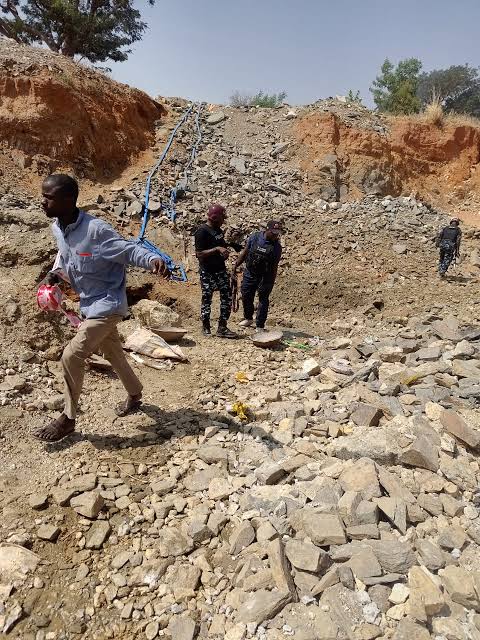
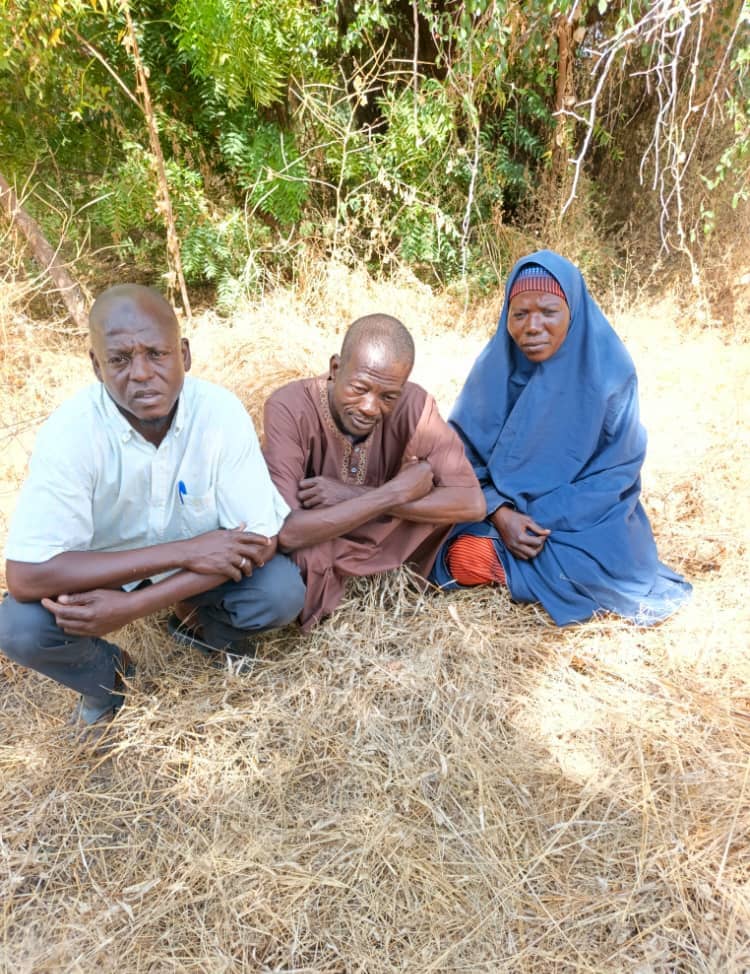
Troops of Joint Task Force (North East), Operation Hadin Kai, have neutralised seven terrorists and rescued three abducted persons during coordinated clearance and ambush operations in Konduga Local Government Area of Borno.

Zagazola Makama reliably informed that the latest encounters occurred in the early hours of Saturday under Operation Desert Sanity V.

According to the sources, troops operating in conjunction with members of the Hybrid Force and Civilian Joint Task Force (CJTF) made contact with terrorists at about 4:40 a.m. at Sojiri, a known terrorist crossing point in Konduga LGA.
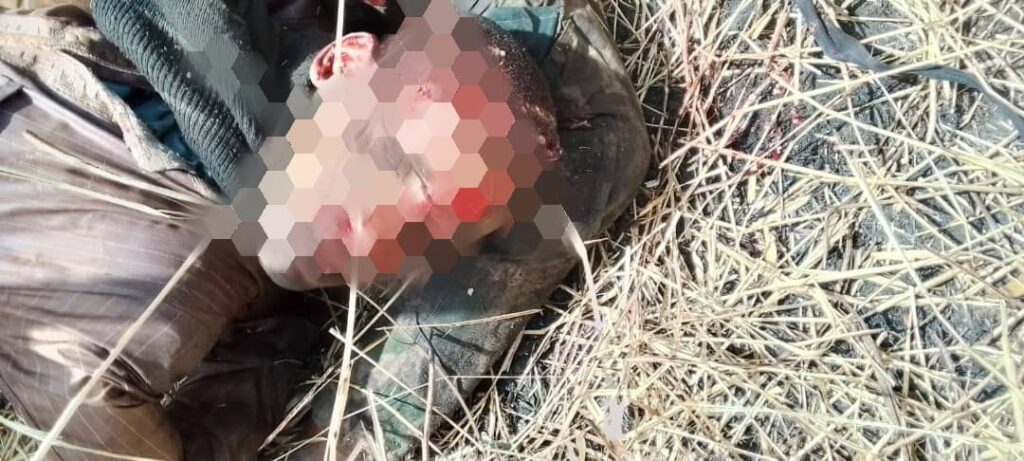
“During the firefight, five terrorists were neutralised, while three hostages kidnapped by the terrorists were successfully rescued. One AK-47 rifle was also recovered,” the sources said.

They added that no casualty was recorded on the side of own troops, with no personnel killed, wounded or missing.

In a related operation, the main advancing force into terrorist territory was reported to be about four kilometres short of the crossing point at Kana after commencing movement from a harbour position.
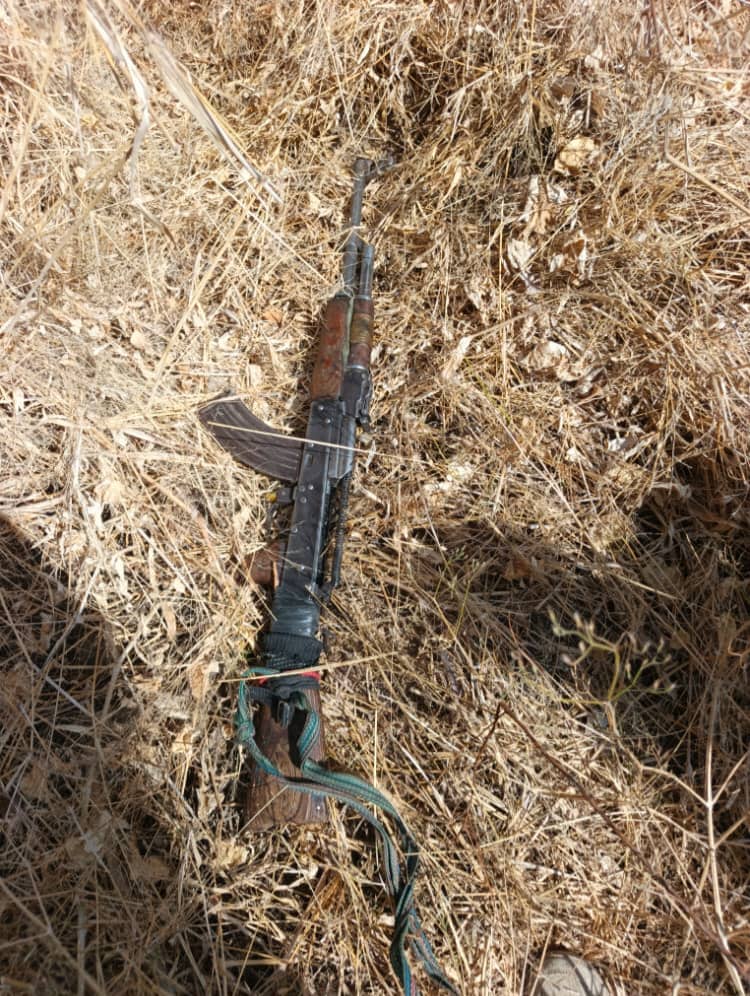
The sources said contact was made by an ambush team between Meleri and Ngirbua, where two additional terrorists were neutralised and one AK-pattern rifle recovered.

Zagazola reports that Operation Desert Sanity V is part of sustained offensive actions by the Nigerian military aimed at degrading terrorist networks, blocking movement corridors and rescuing abducted civilians across the North East.

Troops neutralise seven terrorists, rescue hostages in Borno

Continue Reading
Click to comment

Leave a Reply

Your email address will not be published. Required fields are marked *

News

NCoS Dismisses Claims of Prisons as TB Hotbeds, Reaffirms Strong Disease Control Measures

Published

on

NCoS Dismisses Claims of Prisons as TB Hotbeds, Reaffirms Strong Disease Control Measures

By: Michael Mike

The Nigerian Correctional Service (NCoS) has rejected claims that custodial centres across the country have become “hotbeds” for tuberculosis (TB), describing such assertions as misleading, alarmist, and unsupported by verified data.

In a press statement issued on Sunday, the Service spokesperson, Jane Osuji faulted a report published by Daily Trust on January 3, 2026, titled “How Nigerian Prisons Became Tuberculosis Hotbeds,” insisting that the narrative failed to reflect the realities within Nigeria’s correctional facilities.

According to the NCoS, while it welcomes responsible media engagement on public health and inmate welfare, the report relied on sweeping generalisations and unverified claims, despite the Service having provided the reporter with detailed and factual information on tuberculosis prevention and treatment in custodial centres.

“The portrayal of custodial centres as unchecked tuberculosis hotbeds is misleading and unfair,” the Service said, adding that some of the names and cases cited in the report do not exist in the records of any correctional facility known to the Service.

The NCoS noted that tuberculosis remains a global public health challenge affecting both custodial and non-custodial populations, stressing that Nigeria’s TB response is coordinated by the Federal Ministry of Health through the National Tuberculosis, Leprosy and Buruli Ulcer Control Programme (NTBLCP), in line with World Health Organization guidelines.

It explained that the Service is an active stakeholder in the national TB response, operating health clinics across custodial centres nationwide and working closely with the NTBLCP, federal and state ministries of health, non-governmental organisations, and development partners.

These collaborations, the Service said, support routine TB screening, laboratory diagnosis, treatment initiation, adherence monitoring, and referral to secondary or tertiary health institutions where required. Inmates diagnosed with tuberculosis are placed on nationally approved treatment regimens at no cost.

The NCoS further outlined that healthcare management in custodial centres includes medical screening upon admission, periodic health assessments, infection prevention and control measures, isolation of infectious cases when clinically indicated, and structured referral systems to external hospitals.

While acknowledging challenges such as congestion in some urban custodial facilities and ageing infrastructure, the Service stressed that these issues do not amount to neglect of inmate welfare. It highlighted ongoing decongestion efforts through jail delivery exercises, collaboration with the judiciary, and the expansion of non-custodial measures provided for under the Nigerian Correctional Service Act.

The Service also recalled its handling of the COVID-19 pandemic, noting that despite custodial centres being classified globally as high-risk environments, proactive screening, isolation protocols, and close collaboration with public health authorities ensured that no active COVID-19 cases were recorded in custodial centres nationwide.

According to the NCoS, this experience demonstrates its institutional capacity and preparedness to manage communicable diseases, including tuberculosis, within custodial settings.

The statement added that the Federal Government has approved the recruitment of additional medical and healthcare professionals to further strengthen health service delivery, disease surveillance, and treatment programmes across custodial centres.

Reaffirming its commitment to safeguarding the health, dignity, and human rights of persons in custody, the Nigerian Correctional Service said it remains open to constructive criticism but will continue to challenge reports that misinform the public or unjustly malign the institution.

NCoS Dismisses Claims of Prisons as TB Hotbeds, Reaffirms Strong Disease Control Measures

Continue Reading

News

US Invasion of Venezuela: ECOWAS Urges Restraint, Backs Dialogue

Published

on

US Invasion of Venezuela: ECOWAS Urges Restraint, Backs Dialogue

By: Michael Mike

The Economic Community of West African States (ECOWAS) has expressed concern over the recent developments in the Bolivarian Republic of Venezuela, calling on all parties to exercise restraint and respect international law.

In a statement issued in Abuja on Sunday, ECOWAS acknowledged the right of states to combat international crimes such as terrorism and drug trafficking but stressed that such efforts must be carried out in line with established principles of international law.

The regional bloc reminded the international community of the obligation to respect the sovereignty and territorial integrity of all nations, as provided under Article 2(4) of the United Nations Charter.

ECOWAS said it fully aligns with the African Union’s position, articulated in a statement released on 3 January 2026, which urged restraint and encouraged inclusive dialogue among the people of Venezuela as a means of addressing the country’s challenges.

The statement comes amid heightened tensions in Venezuela following reports of foreign military actions and growing international reactions to the evolving security and political situation in the South American country. Venezuela has in recent years faced prolonged political instability, economic hardship, and international pressure, leading to sharp divisions both domestically and globally over how best to address the crisis.

ECOWAS reiterated its solidarity with the Venezuelan people and called on all states to respect Venezuela’s independence and territorial integrity. The bloc expressed support for efforts by Venezuelans to determine the future of their country through an inclusive and peaceful process.

The West African regional body joins a growing list of international and regional organisations advocating de-escalation and dialogue as tensions continue to draw global attention.

US Invasion of Venezuela: ECOWAS Urges Restraint, Backs Dialogue

Continue Reading

News

Three women killed as Bachama–Tsobo crisis resurfaces in Adamawa

Published

on

Three women killed as Bachama–Tsobo crisis resurfaces in Adamawa

By: Zagazola Makama

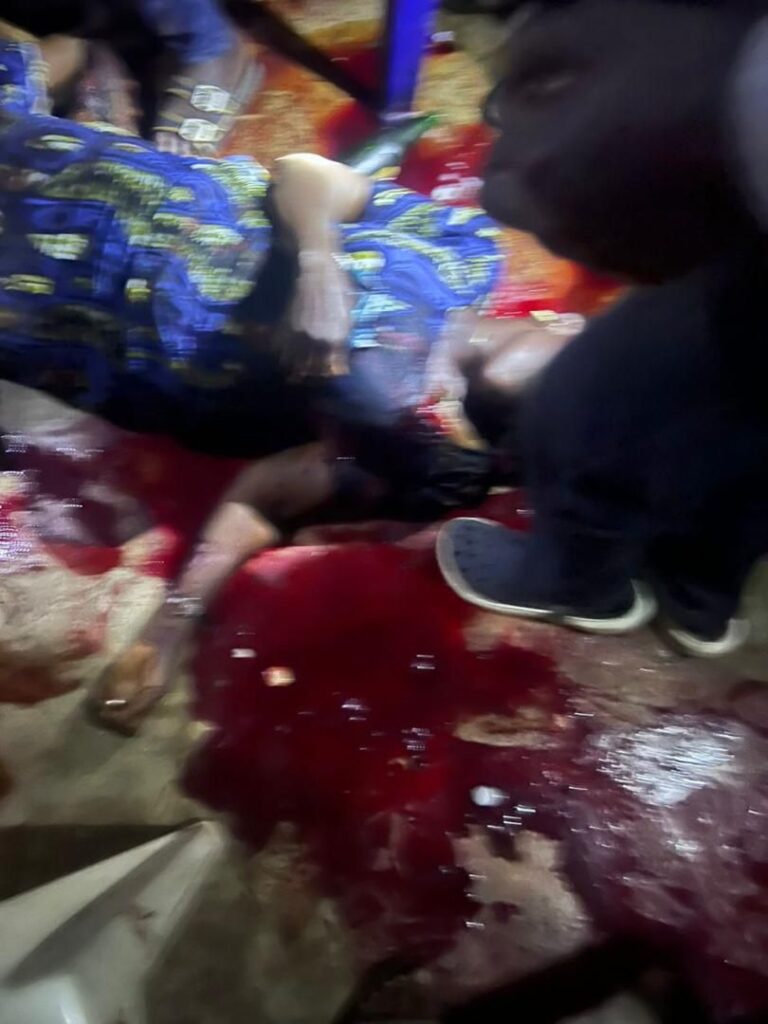
The killing of three Tsobo women on a dry season rice farm in Numan Local Government Area has reignited the Bachama–Chobo conflict, whose roots stretch far beyond the sound of gunfire.

Zagazola Makama report that the latest incident occurred on Friday at about 10:30 a.m. while some Tsobo women were working on their dry-season rice farm. Sources said that suspected Bachama youths stormed the farming area in large numbers and began shooting sporadically. In the process, three women were shot dead,” the source said.

The killing of the three Tsobo women on a dry-season rice farm in Numan is not an isolated tragedy. It is the latest expression of a conflict whose roots lie far deeper than gunshots, farmlands or a single failed peace meeting.

The Bachama–Chobo crisis is a classic Nigerian communal conflict, layered, historical, emotional and politically combustible where land ownership, identity, chieftaincy authority and generational amnesia have fused into a dangerous cocktail.

At its core, the crisis is not merely about who owns which farmland. It is about who belongs, who rules, and who decides the future of a shared space. For centuries, Bachama and Chobo communities lived together in Numan and its environs under a largely harmonious arrangement. Markets were shared. Water points were communal. Schools, hospitals and even marriages crossed ethnic lines. There was no rigid separation between “host” and “settler” in daily life.

That coexistence was sustained not by written treaties or court judgments, but by social contracts rooted in tradition, mutual respect and the authority of traditional institutions. Disputes over land were settled locally. Authority was recognised, even if grudgingly. Peace endured because both sides saw coexistence as more valuable than confrontation.

What has changed is not history but how history is interpreted, weaponised and transmitted to younger generations. The Bachama and Chobo tell fundamentally different origin stories, and each story carries political implications.

The Chobo present themselves as original inhabitants, landlords who accommodated Bachama migrants out of goodwill. From this perspective, the Bachama are “guests” who have overstayed their welcome and now seek to dominate both land and chieftaincy.

The Bachama counter this narrative by portraying the Chobo as mountain dwellers who were encouraged to descend into the plains, settled and supported through leased farmlands. In this account, Bachama authority is not imposed but historically earned.

Neither narrative is neutral. Each defines who has moral legitimacy, who should defer, and who has the right to rule. Once such narratives harden, compromise becomes betrayal and dialogue becomes surrender.

Investigations and community testimonies consistently point to farmland disputes involving Waduku and Rigange as the immediate triggers of violence. But land is only the spark, not the fuel. Land disputes in Nigeria rarely remain about boundaries alone. They quickly evolve into questions of identity and power, especially where farming is the primary means of survival.

For Chobo communities described as largely mountain dwellers, access to fertile plains is existential. For Bachama communities, control of land reinforces political and traditional dominance. Once farming rights are framed as existential threats, moderation disappears.

Historically, traditional rulers resolved such disputes. Today, that mechanism is broken.
The Chobo’s rejection of traditional mediation stems from their perception that the entire traditional hierarchy is Bachama-dominated, making justice structurally impossible. From their standpoint, accepting verdicts from Bachama-led institutions amounts to legitimising subordination.

The Bachama, however, see this rejection as bad faith and intransigence, especially when mediation panels include Chobo representatives. Each side believes the other is deliberately undermining peace. This mutual distrust has hollowed out traditional conflict-resolution systems, leaving a vacuum filled by courts, security forces and increasingly youth militancy.

Perhaps the most dangerous element in the crisis is generational. Older community leaders remember coexistence. Younger actors remember grievance. Many of today’s youths were born into suspicion, not solidarity. They inherited anger without inheriting context.

Slogans like “Sokoto must go” illustrate how historical migration narratives are simplified into political weapons. Such rhetoric does not seek negotiation; it seeks erasure. Once a community is told it must “return” after centuries of settlement, violence becomes not only possible but, to some, justified. Social media, music and street mobilisation have amplified these sentiments, weakening elders’ authority and making youth groups de facto power brokers.

The chieftaincy question has transformed the conflict from communal disagreement into a struggle over sovereignty. Bachama leaders insist that Chobo fall under the statutory authority of the Hamma Bachama. Chobo leaders reject this, seeing it as symbolic domination. Withdrawal of allegiance was not merely cultural, it was political defiance.

Peace talks collapsed largely because reconciliation was framed as submission rather than coexistence. Apologies demanded, loyalties reaffirmed and conditions imposed turned dialogue into a zero-sum contest. In conflicts of identity, dignity often matters more than land.

The Adamawa State Government, through peace agencies and direct intervention by Gov. Ahmadu Umar Fintiri, has made sustained efforts to mediate between the warring communities. Multiple meetings involving elders, youth representatives, traditional rulers and government officials have been held. Yet, each round of talks has ended without lasting agreement, often undermined by fresh outbreaks of violence shortly after. Curfews and security deployments have restored temporary calm, but residents say such measures amount to enforced silence rather than genuine peace.
The renewed violence has taken a heavy toll on civilians, particularly women engaged in farming and trading.

Community leaders lament that farms and markets once symbols of shared livelihood have become theatres of bloodshed. The killing of women working on rice farms has deepened fears and resentment, reinforcing the sense that the conflict has spiralled beyond control. The Bachama–Chobo crisis mirrors broader challenges across Nigeria, where disputes over land, identity and traditional authority intersect with weak dispute-resolution mechanisms and rising youth radicalisation.

Until issues of legitimacy, land access and historical grievances are addressed through an inclusive and neutral process, observers warn that violence will continue to recur.
End

Continue Reading

Trending

Verified by MonsterInsights