
Uncategorized
Tuggar Congratulates Super Falcons on 10th WAFCON Win, Praises Their Resilience


Tuggar Congratulates Super Falcons on 10th WAFCON Win, Praises Their Resilience
By: Michael Mike
Minister of Foreign Affairs, Ambassador Yusuf Tuggar has extended heartfelt congratulations to the Super Falcons following their historic 10th triumph at the Women’s Africa Cup of Nations (WAFCON).
In a statement issued shortly after the team’s victory, Tuggar lauded the Falcons for their resilience, discipline, and unyielding spirit, describing them as “true ambassadors of Nigerian excellence on the global stage.”
The Minister said: “The Super Falcons have once again shown what it means to represent Nigeria with pride and purpose. Their determination, unity, and consistency reflect the values we hold dear as a nation.”
He further commended President Bola Tinubu for his steadfast support for sports development in Nigeria, as well as Mr. Shehu Dikko, and the leadership and management of the Nigeria Football Federation (NFF) for their strategic guidance and commitment to excellence in women’s football.
“This victory is the result of purposeful leadership, sound management, and the unshakable spirit of Nigerian athletes. I congratulate President Tinubu, Mr. Shehu Dikko, and the entire NFF family for creating the enabling environment for this triumph,” he added.
Tuggar also noted that the team’s success not only brings immense pride to Nigeria but also serves as an inspiration to young girls across Africa, proving that excellence knows no gender.
He however reaffirmed the Ministry’s commitment to supporting Nigeria’s soft power through sports diplomacy and international representation.
“Their victory is not only a sporting achievement but a diplomatic symbol of Nigeria’s strength, unity, and global presence,” he stated.
Their hard-fought 3–2 victory over Morocco in the final further cements their status as Africa’s most decorated and successful women’s football team.
Tuggar Congratulates Super Falcons on 10th WAFCON Win, Praises Their Resilience


Uncategorized
Troops Neutralise Two Suspects Arrested Over Killing of Plateau Couple During Escape Attempt
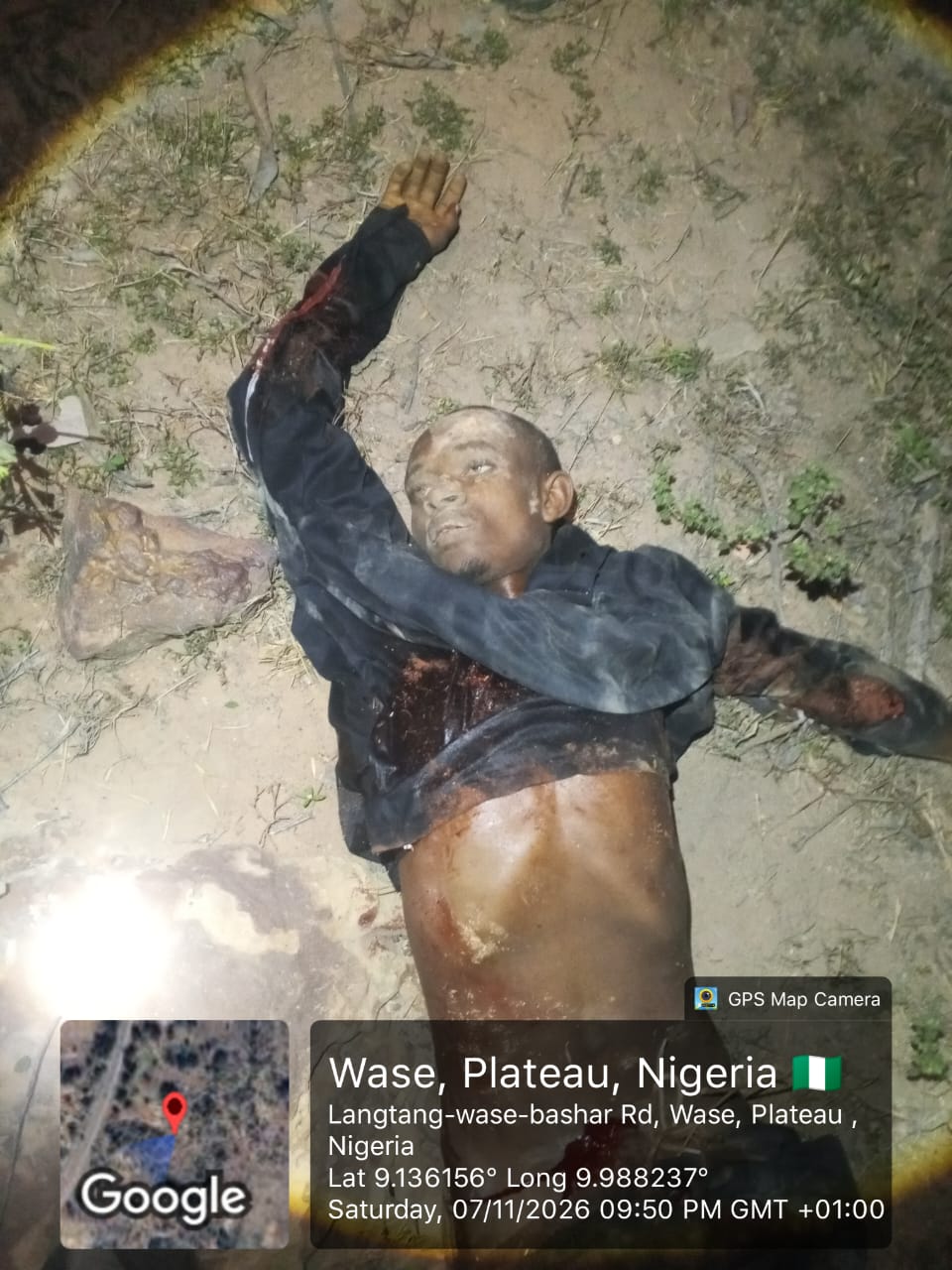
Troops Neutralise Two Suspects Arrested Over Killing of Plateau Couple During Escape Attempt
By: Zagazola Makama
Troops of Operation Enduring Peace (OPEP) have neutralised two suspected criminals arrested over the killing of a couple at Tabga/Dogon Ruwa village in Wase Local Government Area of Plateau State after they allegedly attempted to escape while being transported by security personnel.
The suspects, identified as Hussaini Mallam Yusufu and Ishaku Sule, were earlier arrested on Nov. 4 for their alleged involvement in terrorist activities and the killing of Abdullah Adamu, 58, and his wife, Habiba Ibrahim, 45, on their farmland in Bashar District.
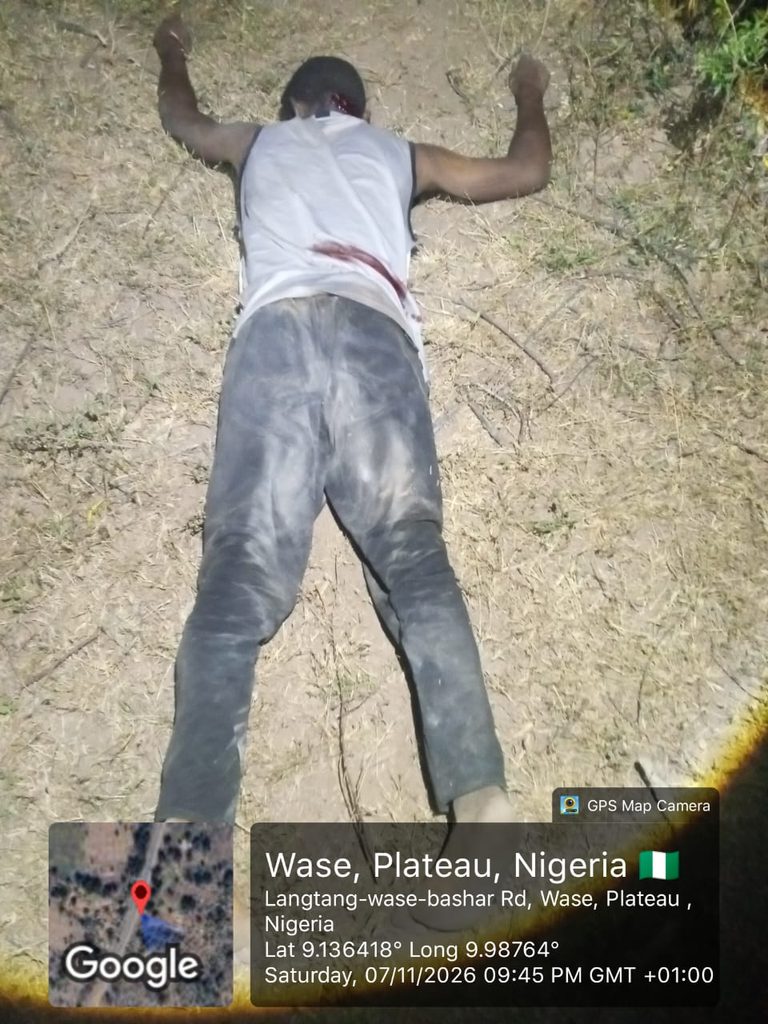
Security sources told Zagazola Makama that the incident occurred at about 10:00 p.m. on Nov. 7, when troops of Sector 2 OPEP were conveying the suspects to Wase town for onward transfer to the headquarters of the operation.
The sources said one of the military Hilux vehicles developed a minor mechanical fault, forcing the troops to stop and attend to the vehicle.
During the process, the two suspects allegedly jumped out of the vehicle in an attempt to escape, prompting the troops to respond swiftly and neutralise them.
Troops Neutralise Two Suspects Arrested Over Killing of Plateau Couple During Escape Attempt
Uncategorized
AFCSC Senior Staff Course Participants Visit 3 Division, Operation Enduring Peace Headquarters in Plateau
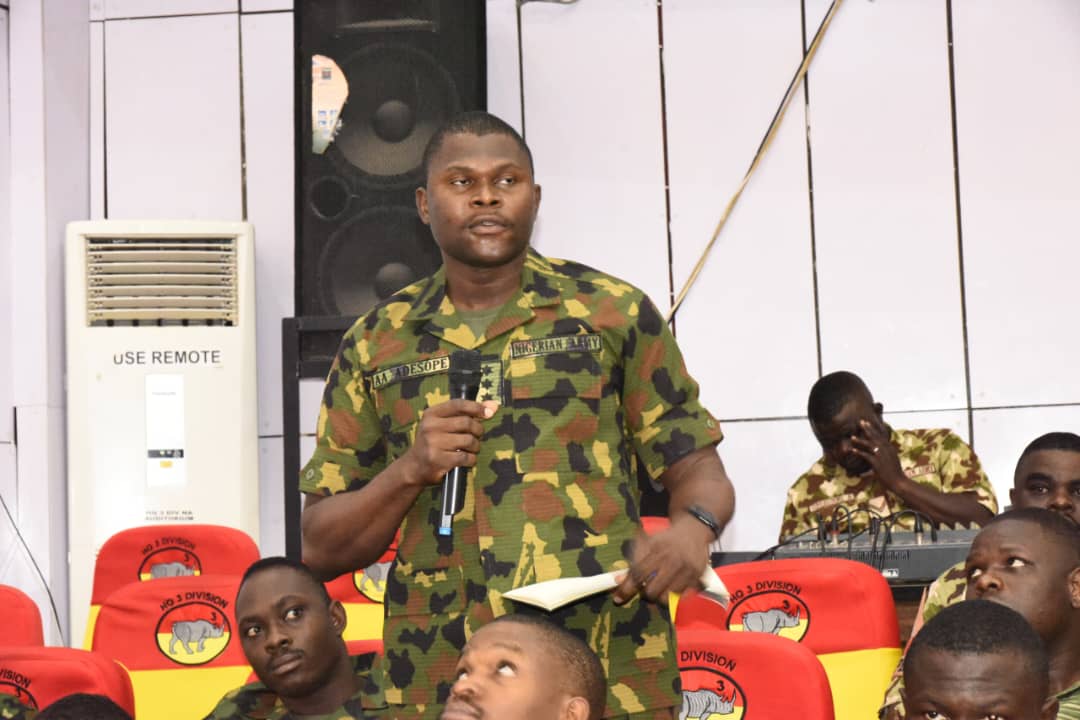
AFCSC Senior Staff Course Participants Visit 3 Division, Operation Enduring Peace Headquarters in Plateau
By: Zagazola Makama
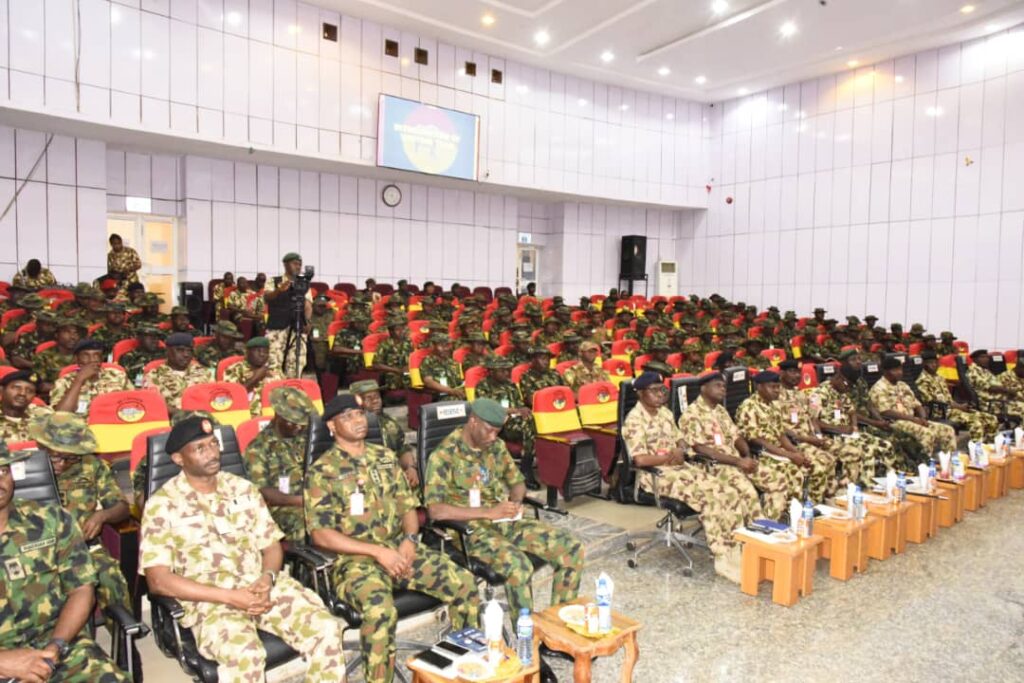
Participants of the Junior Staff Course 102/26 of the Department of Land Warfare (DLW), Armed Forces Command and Staff College (AFCSC), Jaji, have visited Headquarters 3 Division of the Nigerian Army and Operation Enduring Peace (OPEP) in Plateau State.
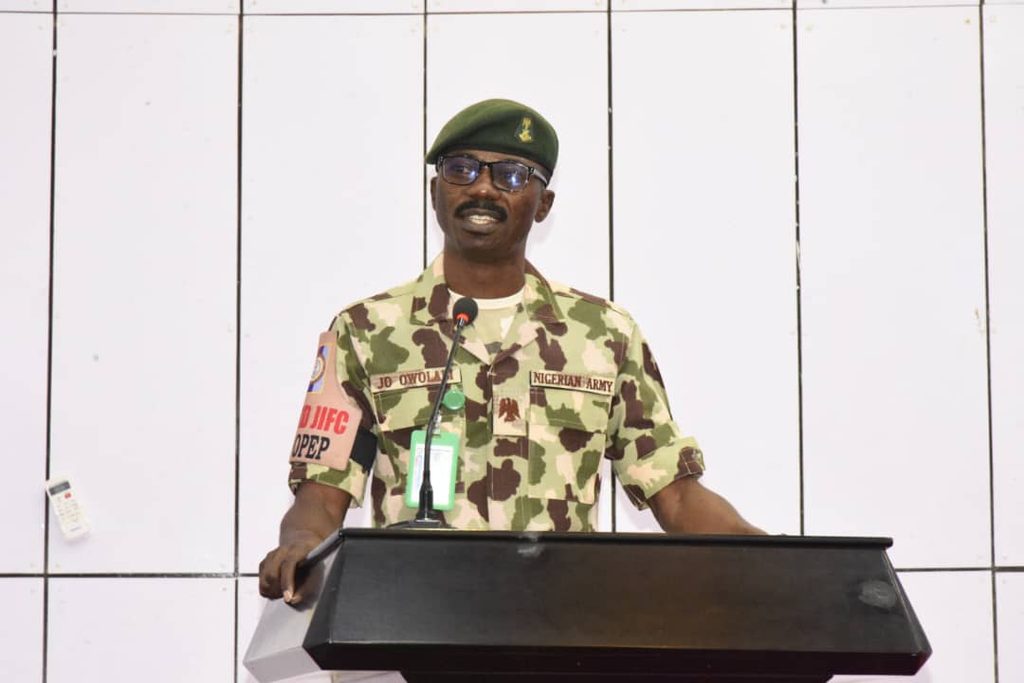
Security sources told Zagazola Makama that the delegation arrived at the headquarters at about 9:00 a.m. on Nov. 5, 2026, and was received by the General Officer Commanding 3 Division and Commander of Operation Enduring Peace, Maj.-Gen. W.M. Dangana.
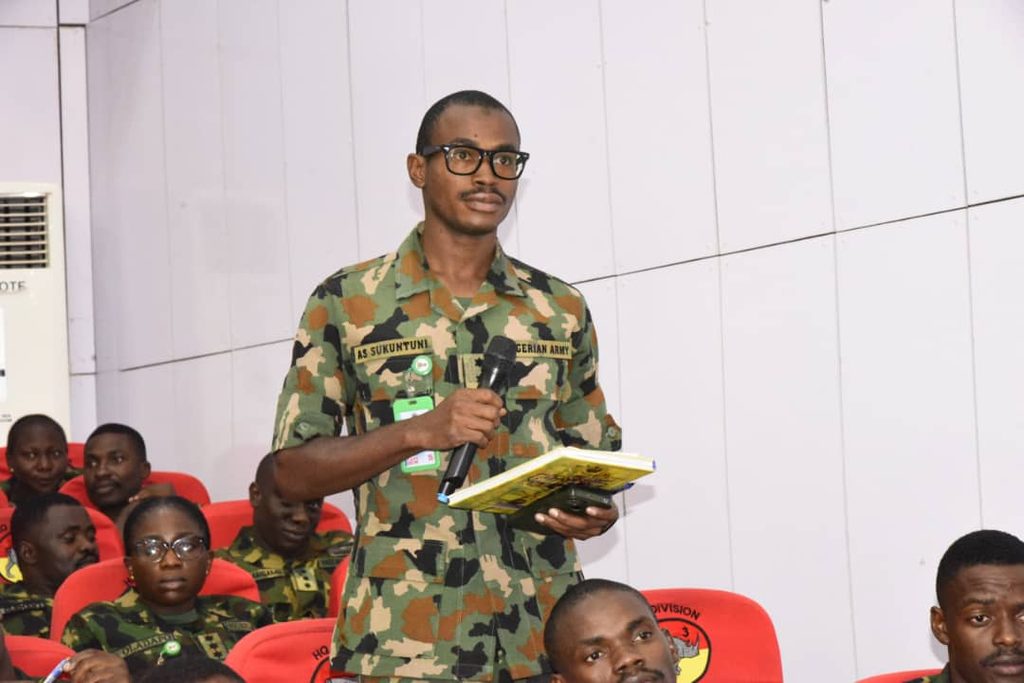
The team was led by the Director of Land Warfare, Brig.-Gen. B.O. Omokpaniola, who represented the Commandant of AFCSC, Jaji.
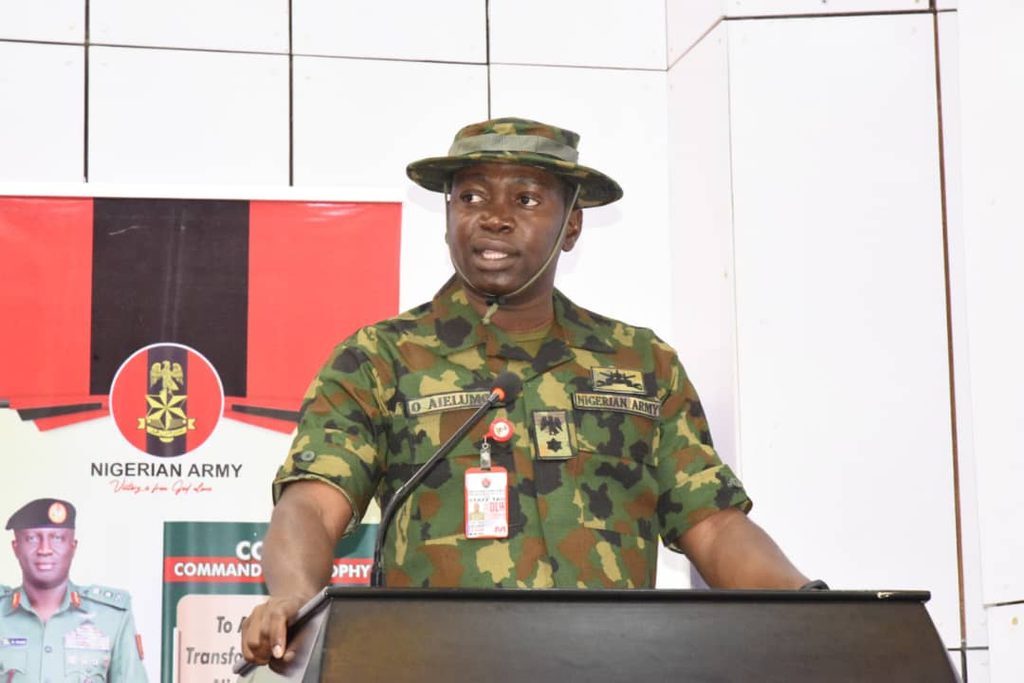
During the visit, the participants received a briefing on intelligence-led operations and contemporary security threats in the 21st century within the OPEP Joint Operations Area (JOA).
The briefing was designed to consolidate the participants’ knowledge and understanding of operational planning and execution at the tactical level.
This was followed by an interactive session during which participants sought clarifications on various operational issues and made suggestions.
The visit was conducted without any incident.
AFCSC Senior Staff Course Participants Visit 3 Division, Operation Enduring Peace Headquarters in Plateau
Uncategorized
Wildlife Traffickers Shift Operations to Port Harcourt, Enugu as EIA Uncovers Corruption.
Wildlife Traffickers Shift Operations to Port Harcourt, Enugu as EIA Uncovers Corruption.
By: Michael Mike
The Environmental Investigation Agency (EIA), a London-based environmental watchdog, has raised the alarm over the persistence of organised wildlife trafficking in West and Central Africa, warning that criminal networks continue to exploit corruption and weaknesses in law enforcement despite increased arrests and seizures.
The agency said Nigeria had become a major consolidation and export hub for illegally sourced elephant ivory and pangolin scales destined primarily for Asian markets, with traffickers adapting their operations to evade enforcement.
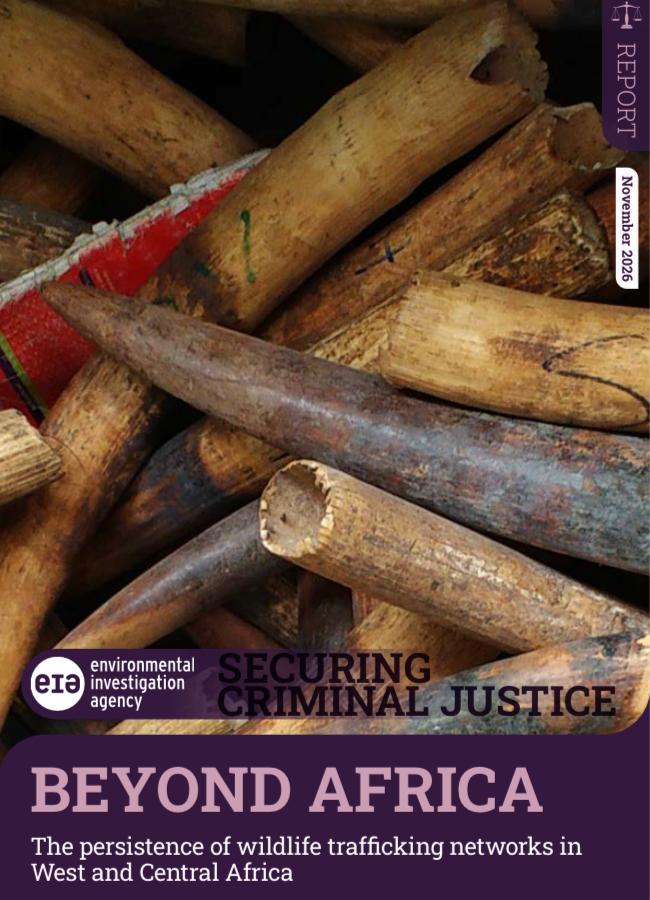
In its latest report, Beyond Africa: The Persistence of Wildlife Trafficking Networks in West and Central Africa, released on Thursday, EIA said six years of undercover investigations had revealed that wildlife trafficking remained a serious and organised criminal enterprise sustained by corruption across the supply chain.
The findings build on the agency’s 2020 report, which identified West and Central Africa as an epicentre of ivory and pangolin scale trafficking to Asia.
EIA’s Securing Criminal Justice Programme Lead, Justin Gosling, said warnings contained in the earlier report had not been adequately addressed, allowing trafficking networks to evolve rather than being dismantled.
“It’s unfortunate for wildlife and the countries concerned that the warnings of our 2020 report have not been heeded,” Gosling said.
He said the criminal networks had demonstrated a consistent capacity to circumvent enforcement pressure rather than be deterred by it.
The report acknowledged improvements in wildlife law enforcement in Nigeria and the wider region since 2020, including increased detection of incidents, arrests and prosecutions.
It also highlighted Nigeria’s Endangered Species Conservation and Protection Bill, which has passed the National Assembly and is awaiting presidential assent, describing it as the most significant overhaul of the country’s wildlife protection framework in nearly four decades.
However, Gosling said increased enforcement activities had yet to translate into the dismantling of trafficking networks.
According to the report, traffickers operating in Nigeria have responded to enforcement pressure by shifting export operations from Lagos to locations such as Port Harcourt and Enugu, where they perceive enforcement presence to be weaker.
The criminals have also modified concealment techniques, used legitimate products to disguise contraband and shifted financial transactions towards bank transfers and underground banking systems amid the depreciation of the naira.
The report identified a significant gap between arrests and successful prosecutions, stating that fewer than 10 convictions were recorded among 58 wildlife crime incidents documented in Nigeria between January 2021 and February 2026.
Across West and Central Africa, the arrest-to-conviction rate stood at only 16 per cent, with enforcement efforts largely targeting low-level operatives caught in possession of illegal wildlife products.
It said corrupt officials, logistics coordinators and financial beneficiaries who sustain trafficking networks at higher levels frequently escaped prosecution.
EIA identified corruption as a structural feature of the illegal wildlife trade, alleging that bribery occurred at different stages of the supply chain, including road checkpoints, port scanning facilities and among senior officials.
The investigations reportedly uncovered cases in which a prolific trader maintained high-level contacts who arranged bribes across relevant agencies before shipments were moved.
The report also alleged that container scanners introduced at Onne Port in 2021 to improve detection were being circumvented through the bribery of officers operating the equipment.
Beyond wildlife trafficking, the agency warned that the criminal networks were increasingly connected to drug trafficking, money laundering and other financial crimes.
It said some networks were simultaneously involved in synthetic drug trafficking and illegal wildlife trade, with illicit proceeds channelled through real estate transactions and informal value transfer systems.
The agency called for a broader, multi-agency response capable of investigating financial flows and dismantling the criminal structures behind wildlife trafficking rather than concentrating mainly on seizures and arrests.
Gosling said Nigeria could not tackle the trade in isolation, noting that ivory and pangolin scales were sourced from several countries, including Cameroon, the Central African Republic, Chad, the Republic of the Congo, the Democratic Republic of the Congo and Gabon, before being consolidated in Nigeria for export.
He called for stronger regional cooperation through joint investigations, intelligence sharing and reciprocal enforcement measures.
Despite the challenges, Gosling said there were grounds for cautious optimism, pointing to the proposed wildlife protection legislation, changing financial practices that could create new intelligence opportunities and growing recognition of the links between wildlife trafficking and other organised crimes.
He, however, warned that sustained political commitment and international support were required to reverse the trend.
“The threatened species involved cannot wait indefinitely and determined traffickers are not standing still,” he said.
The EIA said its key findings included the resilience of trafficking networks, inadequate follow-up investigations, weak transnational cooperation, low conviction rates, entrenched corruption and the growing convergence of wildlife crime with drug trafficking and money laundering.
The organisation investigates and campaigns against environmental crimes, including illegal wildlife trade, deforestation, illegal logging and pollution, using undercover investigations and advocacy to promote stronger legislation and enforcement.
Wildlife Traffickers Shift Operations to Port Harcourt, Enugu as EIA Uncovers Corruption.

ECOWAS Inspection Team Assesses Readiness of Nigerian Standby Force in Ondo

Troops Arrest Two Suspected Burglars Attempting to Steal Chickens in Plateau

Troops Arrest Herder Over Alleged Destruction of Farmland in Benue

Roger Federer’s Shock as DNA Results Reveal Myla and Charlene Are Not His Biological Children

THE PLIGHT OF FARIDA

FAILED COUP IN BURKINA FASO: HOW TRAORÉ NARROWLY ESCAPED ASSASSINATION PLOT AMID FOREIGN INTERFERENCE CLAIMS
-
 News3 years ago
Roger Federer’s Shock as DNA Results Reveal Myla and Charlene Are Not His Biological Children
-
Opinions5 years ago
THE PLIGHT OF FARIDA
-
 News2 years ago
FAILED COUP IN BURKINA FASO: HOW TRAORÉ NARROWLY ESCAPED ASSASSINATION PLOT AMID FOREIGN INTERFERENCE CLAIMS
-
 Opinions5 years ago
POLICE CHARGE ROOMS, A MINTING PRESS
-

 News3 years ago
EYN: Rev. Billi, Distortion of History, and The Living Tamarind Tree
-

 ACADEMICS3 years ago
A History of Biu” (2015) and The Lingering Bura-Pabir Question (1)
-

 Columns3 years ago
Army University Biu: There is certain interest, but certainly not from Borno.
-

 Politics1 year ago
2027: Why Hon. Midala Balami Must Go, as Youths in Hawul and Asikira/Uba Federal Constituency Reject ₦500,000 as Sallah Gift
